
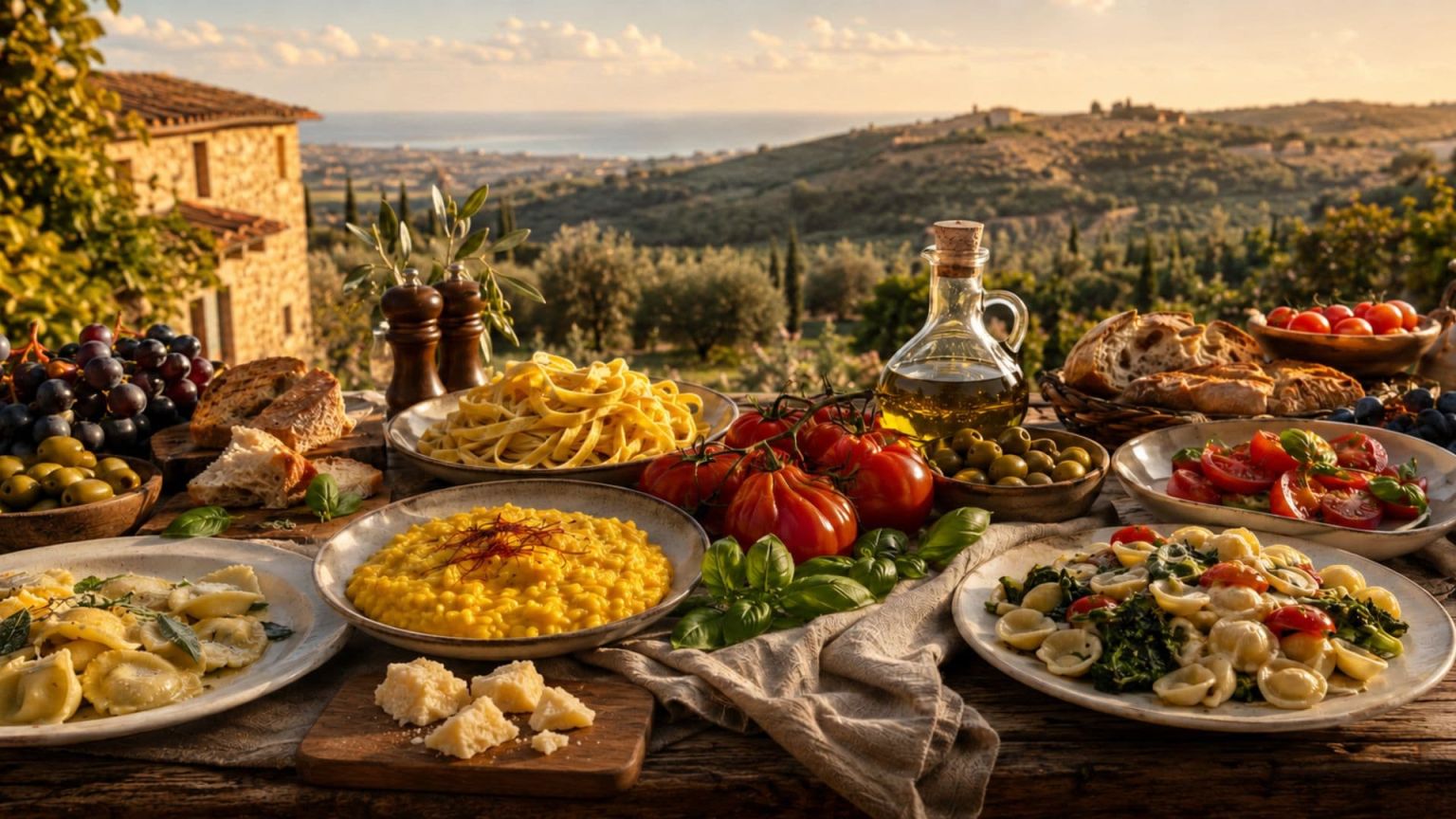
In Italy, food tells the story of the land. Travelling from north to south means discovering how flavours, ingredients and techniques change along with the landscape: climate, soil and tradition have shaped remarkably diverse regional cuisines.
We have created a 14-day itinerary in which food leads the way. You will do more than taste the ingredients and recipes behind some of Italy’s most celebrated dishes: you will visit the places where iconic products are made and meet the people whose knowledge, traditions and craftsmanship have brought them to life.
On this journey from Milan to Puglia, we will explore cities and markets, step inside cheese dairies, watch pasta take shape in the skilled hands of the sfogline, and leave the main roads behind to discover traditional vinegar houses, olive mills and masserie.
A journey for true food lovers who want to uncover the story behind every bite. Ready to go?
14 Days from Milan to Puglia: The Perfect Italy Food Tour
The route follows a clear geographical direction.
The journey begins in Milan, where you'll encounter a refined, urban cuisine rooted in rice, butter, and slow cooking.
At the heart of the trip, we will spend three days in Emilia-Romagna. Here, Parmigiano Reggiano will not simply be something to taste, but the thread connecting us to the territory: the fields that feed the dairy cows, the milk processed every day, the cheese dairies, the ageing warehouses and the cities where the cheese is naturally woven into everyday cooking.
For this itinerary, travelling by car is the most convenient option, especially when food takes us beyond the historic centres: to Emilia’s cheese dairies, the hills of Tuscany, the Campanian countryside and the rural roads of Puglia.
Here are the stops on our 14-day Italy itinerary:
• Day 1: Milan
• Day 2: Parma and Parmigiano Reggiano
• Day 3: Reggio Emilia and Modena
• Day 4: Bologna
• Day 5: Florence
• Day 6: Chianti and the Tuscan countryside
• Days 7–8: Rome
• Day 9: Naples
• Day 10: Paestum and the Campanian countryside
• Day 11: Amalfi Coast
• Day 12: Bari
• Day 13: Itria Valley
• Day 14: Lecce and Salento
Learn moreDay 1: Milan, a First Taste of Northern Italy
Our journey begins in Milan, a practical gateway for international travellers and a first introduction to the cuisine of Northern Italy. After checking in, we start with coffee and breakfast in a historic pastry shop, then walk through the city centre, from the Duomo and Galleria Vittorio Emanuele II to the streets of Brera.
There is no need to turn the first morning into a race. Milan gives us time to adjust to the rhythm of the trip, find our bearings and begin recognizing a cuisine very different from the Mediterranean flavors we will encounter farther south.
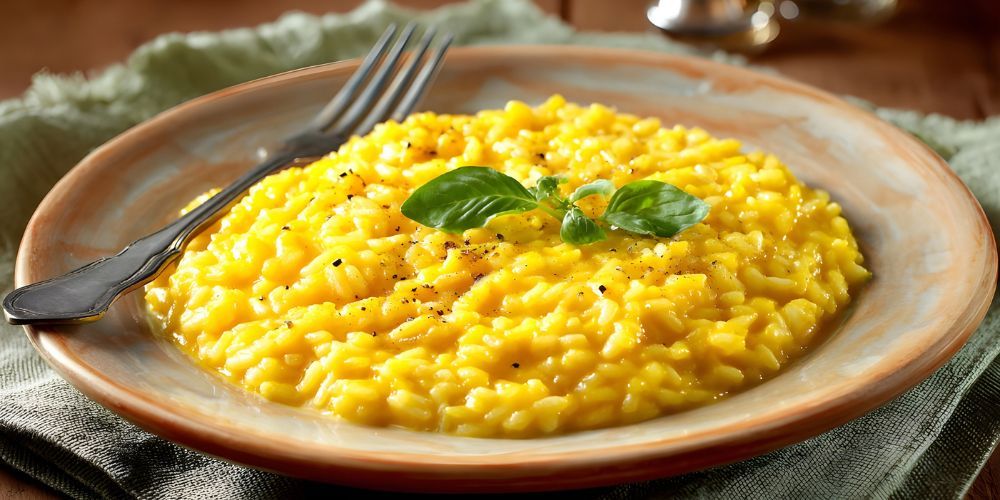
For lunch, we choose a traditional trattoria and order risotto alla Milanese. Rice, butter and saffron come together in an apparently simple dish deeply rooted in Lombardy’s culinary culture. We can pair it with ossobuco, allowing our first meal to introduce the substantial character of Northern Italian cooking.
In the afternoon, we continue on foot, alternating architecture and neighbourhoods with a few food stops. Milan is not a rural destination: here, food exists within a fast-moving, commercial and cosmopolitan city that has transformed the aperitivo into an urban ritual.
We end the day with a light aperitivo and, rather than adding another substantial dinner, set off for Parma. Spending the night in Emilia will allow us to reach the cheese dairy early the following morning, while the milk is being processed and production can be observed in real time.
Day 2: Parma, Where Food Becomes Territory
🥇 Visit Italy’s brand partnership
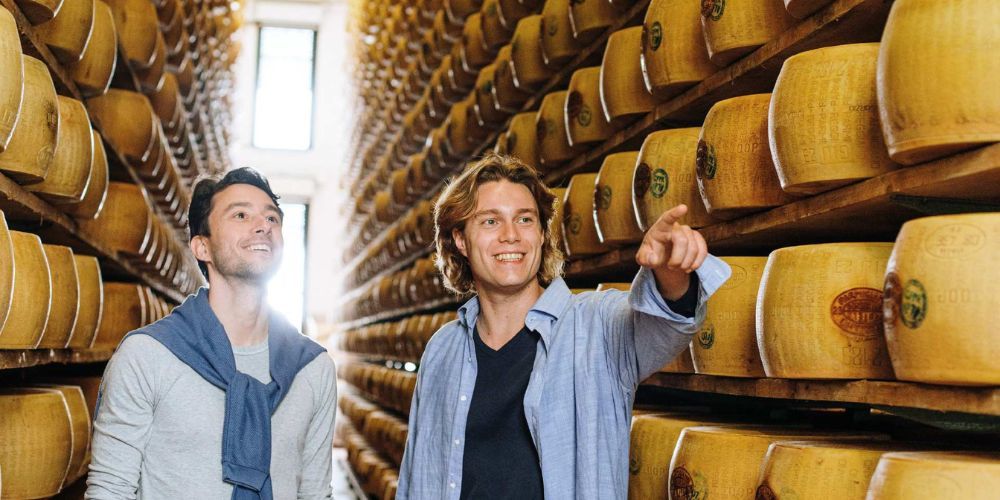
Emilia-Romagna is the heart of our Italian food tour. Parma, Reggio Emilia, Modena and Bologna are close together, well connected and united by a recognizable culinary culture, yet each reveals a different relationship between food, city and landscape.
Over the next three days, we will discover the land behind Italy's most iconic cheese: Parmigiano Reggiano, and understand why cannot be separated from the places where it is produced.
On the morning of our second day, the alarm goes off early. Parmigiano Reggiano production follows the daily rhythm of the milk, and the most complete visits take place in the morning, while the cheesemakers are at work.
We enter the dairy and observe the large copper vats, the processing of the curds, the shaping of the wheels, the salting process and, finally, the ageing warehouse. Here, thousands of wheels rest on long rows of shelves while time gradually transforms the cheese’s texture, aroma and intensity.
A Parmigiano Reggiano tour must be booked and organised in advance by choosing one of the dairies open to visitors.
In the afternoon, we return to the city, cross Piazza Duomo, visit the Cathedral and admire the Baptistery before sitting down to a thoroughly Emilian lunch. Cured meats, torta fritta—the local fried bread—and pieces of Parmigiano Reggiano arrive at the table.
The tasting should not become a contest in quantity. Instead, we compare textures and maturation periods, trying the cheese both on its own and as part of local dishes.
For dinner, we choose anolini or tortelli d’erbetta. In these recipes, Parmigiano Reggiano is not a decorative finishing touch: it is part of the filling, determines the balance of the dish and connects pasta, milk and the herbs of the surrounding countryside.
This is the central message of the stop. A Parmigiano Reggiano experience is not simply about tasting a famous cheese. It means visiting its place of origin, observing the work involved and understanding how the product continues to live within everyday cooking.
The production area includes the provinces of Parma, Reggio Emilia and Modena, together with parts of the provinces of Bologna and Mantua, bordered respectively by the Reno and Po rivers. The cows must be reared, the milk produced, and the cheese made and matured within this defined territory.
Day 3: Reggio Emilia and Modena, the Value of Time
We leave Parma and travel to Reggio Emilia, a smaller city that lies beyond many of the major tourist routes. This quieter scale makes it particularly suitable for observing the everyday relationship between food and territory.
We stroll through Piazza Prampolini, Piazza San Prospero and the Sala del Tricolore. Then we stop at a bakery or deli to try Erbazzone, the traditional savory pie from Reggio Emilia filled with vegetables and Parmigiano Reggiano – an essential ingredient, so much so that the specifications for its recently awarded IGP status require Parmigiano Reggiano exclusively. For lunch, we can choose cappelletti, tortelli or gnocco fritto served with cured meats.
The cheese we encountered the previous day now reappears in several forms: inside fillings, grated over broth, worked into doughs and used in home-style recipes. Parmigiano Reggiano is not an isolated product, but a structural element of Emilia-Romagna food.
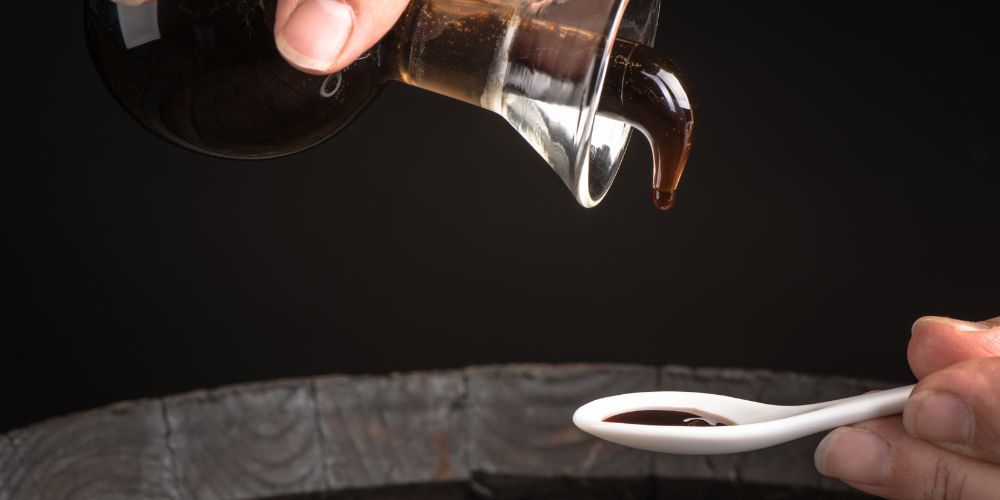
Let us get back on the road towards Modena. Before entering the historic centre, we visit an acetaia, a traditional vinegar house, to discover Traditional Balsamic Vinegar of Modena DOP.
The vinegar matures in a sequence of barrels made from different woods, and its evolution is measured in years. Traditional Balsamic Vinegar of Modena DOP must be aged for at least twelve years, while the extra-vecchio version requires a minimum of twenty-five years.
The tasting teaches us to use it sparingly. Just a few drops on a piece of Parmigiano Reggiano show how two independent products can share the same culinary landscape without overpowering one another.
After walking through Piazza Grande and visiting the Cathedral and the Ghirlandina Tower, we can dine in Modena or continue towards Bologna. The second option will make the following morning easier.
At the table, we choose filled pasta or a seasonal dish. After a day devoted to long maturation, flavour does not need to be complicated: carefully chosen ingredients, measured portions and enough time to recognise them are all we need.
Day 4: Bologna, Markets, Fresh Pasta and Urban Cuisine
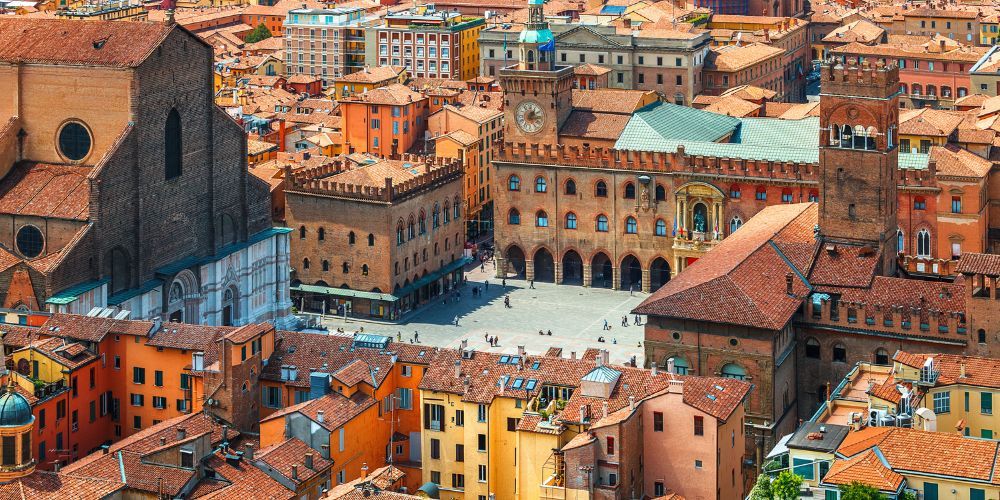
We begin in the Quadrilatero, the historic commercial district behind Piazza Maggiore. Among traditional shops, market stalls and old signs, we see how the region’s produce arrives in the city: cured meats, cheeses, fresh pasta, bread and preserves.
We can continue towards the Mercato delle Erbe, where the everyday life of a food market exists alongside small kitchens and wine counters. This morning is not simply about buying or tasting. It is about reading the city through the places where food is selected, sold and shared.
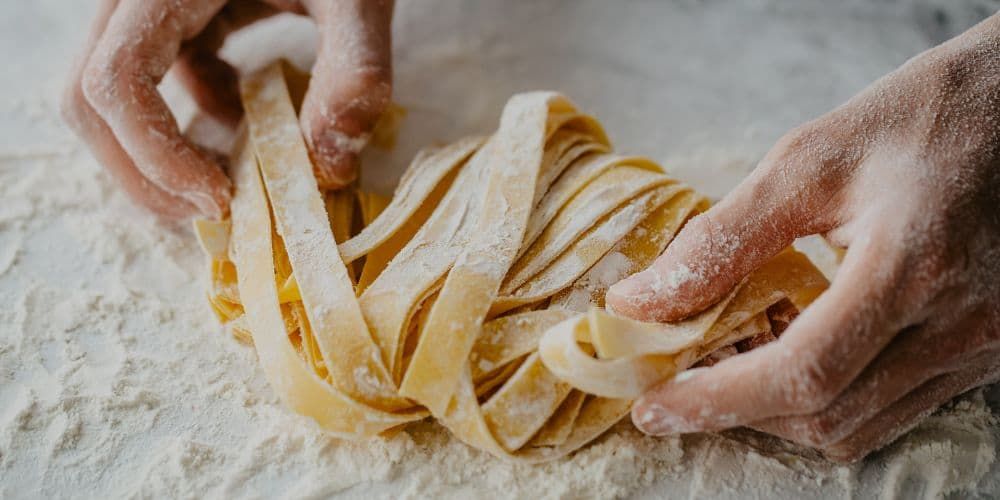
Bologna is also the right place to join a fresh pasta class. Flour and eggs become a thin sheet of dough, rolled by hand with a long wooden pin and shaped into tagliatelle, tortellini and other filled pastas.
For dinner, we choose between tortellini in broth and tagliatelle with ragù, without turning the meal into an inventory of local specialities. One well-executed dish can tell us more than five hurried tastings.
After dinner, we can spend the night in Bologna or continue towards Florence. This first part of our journey ends here. We have followed Parmigiano Reggiano from milk to wheel, and from the ageing warehouse to the table, discovering that the cheese is a concrete reason to visit the entire territory in which it is made.
Days 5 and 6: Florence and Tuscany, Bread, Olive Oil and the Countryside
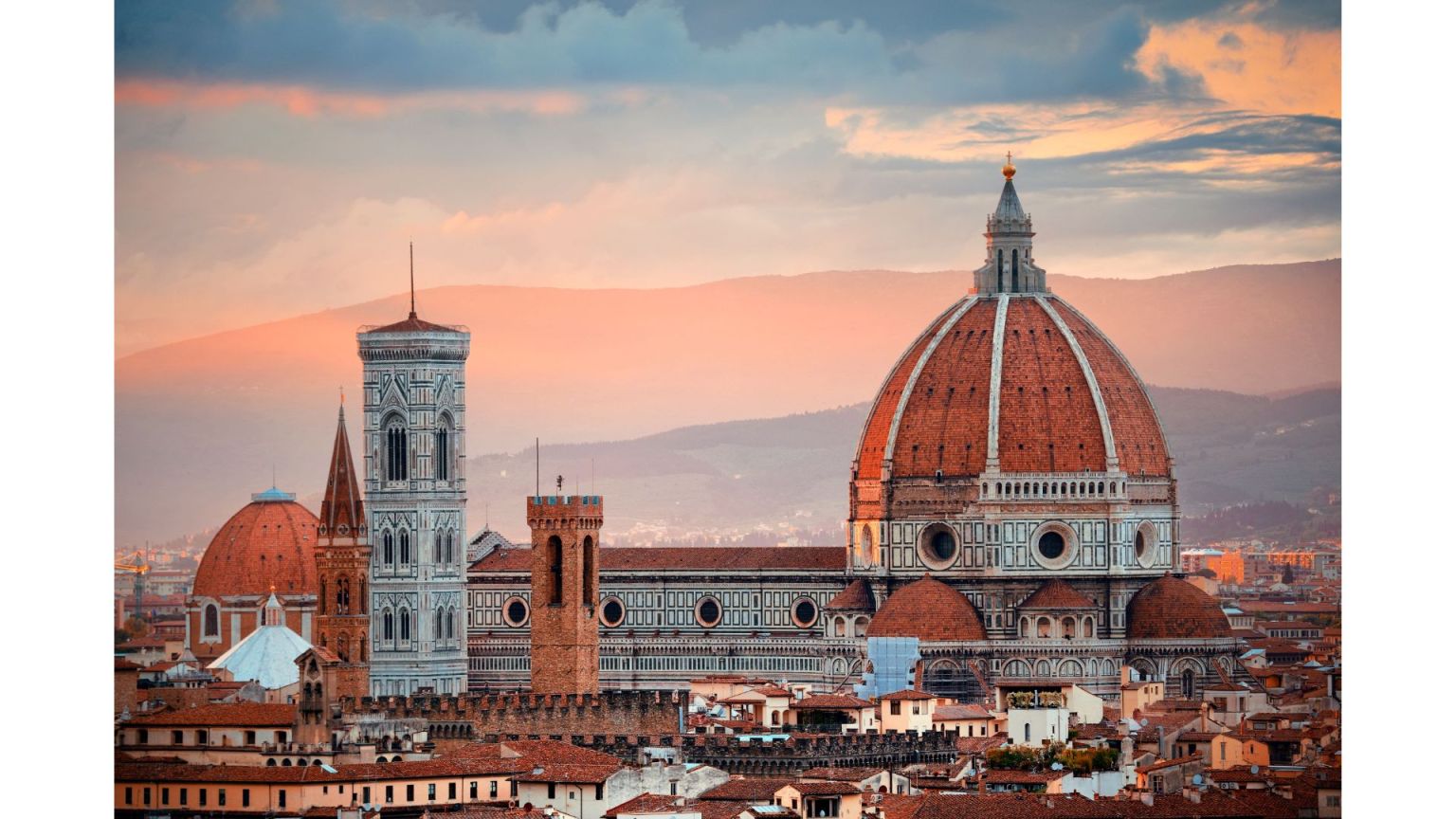
What could be better than waking up in Renaissance Florence? We begin the day at the Mercato di Sant’Ambrogio. Before entering museums and churches, we observe vegetables, bread, meat, cheeses and seasonal produce. The market introduces us to Florentine cuisine through its real ingredients, beyond the city’s more elegant representations.
For our first taste, we can choose lampredotto, served in a bread roll with green sauce. It is a popular dish connected both to the traditional use of the whole animal and to the everyday history of Florence.
After lunch, we cross the historic centre from Santa Croce to Piazza della Signoria, alternating cultural landmarks with food stops.
Ribollita, pappa al pomodoro and other bread-based dishes reveal a cuisine founded on intelligent reuse and the ability to transform simple ingredients into recognizable recipes. Food belongs to Florence because it shares the city’s constant relationship between raw material, technique and balance.
For dinner, we can order a bistecca alla Fiorentina to share, first checking the cut, weight and cooking method. It is not a dish to order automatically: it requires time, appetite and a table ready to share.
The following morning, we leave the city and travel into the hills of Chianti. The landscape changes quickly as vineyards, olive groves, woodland and small villages replace Florence’s urban density.
We visit a farm or olive mill. Tasting extra virgin olive oil takes on a different meaning when we can observe the trees, identify the cultivars and understand how harvesting and processing influence the final result.
We have lunch at an agriturismo or small farm, choosing a seasonal menu. Bread, olive oil, vegetables, pulses, cheeses and meat should not be treated as a collection of typical products. They are the result of an agricultural economy that has shaped the surrounding landscape.
Before returning, we stop in a village without necessarily looking for another attraction. A walk, a small shop and a view over the hills are enough to complete the day.
Days 7 and 8: Rome, Markets, Trattorias and Neighbourhood Cooking
We leave early in the morning for Rome. After dropping off our bags, we take the edge off our hunger with a supplì or a slice of pizza al taglio, an immediate introduction to Roman food.
A supplì brings together rice, tomato, mozzarella and frying in a dish designed to be eaten by hand while continuing to walk.
We cross Campo de’ Fiori, the Jewish Ghetto and the streets leading to the Pantheon. Rome’s urban landscape is composed of overlapping historical periods, and its cuisine reflects a similar ability to combine pastoral, popular and Roman Jewish traditions.
There is no need to taste everything in a single afternoon. We save our appetite and choose the evening trattoria carefully.
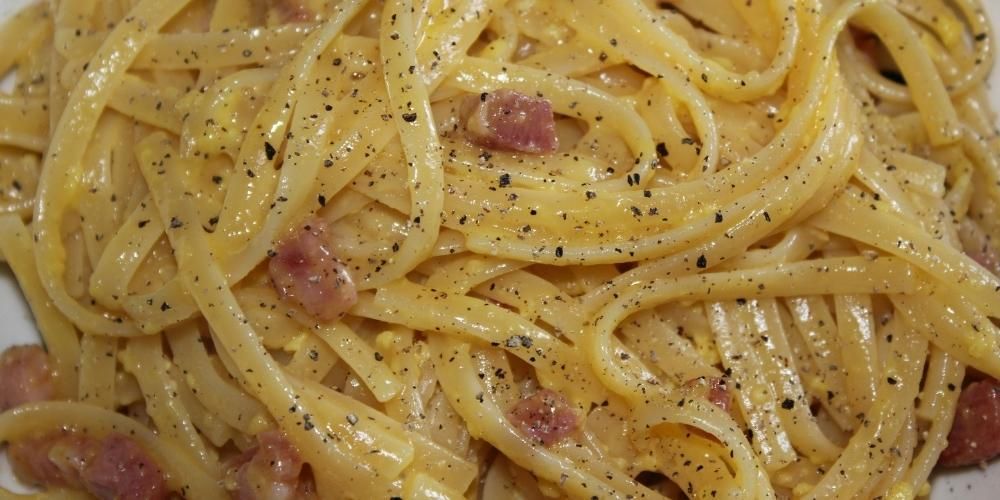
For dinner, we order one of Rome’s great pasta dishes. Carbonara depends on the balance between egg, pecorino, guanciale and pepper, while cacio e pepe concentrates its technique on emulsifying cheese, pasta water and black pepper.
The following day, we head to Testaccio and begin at its market, one of the most appealing and best-stocked in the capital. Stalls selling fruit, vegetables, meat and delicatessen products stand alongside counters where food is prepared and eaten on the spot. We try what is in season and notice how the market continues to serve the local neighborhood as well as visitors.
We continue through Testaccio, the former slaughterhouse district and Ostiense. Food becomes a key to understanding the relationship between labour, urban transformation and popular identity.
For our second and final Roman dinner, we choose something we did not try the previous evening: amatriciana, oxtail, tripe or a seasonal vegetable dish. Not every recipe will be available throughout the year, and that variation is part of the experience. Authentic regional cuisine also follows the calendar.
After dinner, we continue towards Naples. Travelling in the evening can be a useful strategy, especially in summer: it avoids the hottest part of the day and allows us to make full use of every daylight hour. Arriving in a new city after dark can also feel unexpectedly magical.
Days 9 and 10: Naples and Campania, Fire, Street Food and Fresh Milk
Our morning in Naples begins with an espresso at the counter and a sfogliatella. We then walk along Spaccanapoli, guided by the streets, voices and aromas drifting from bakeries and fry shops. Workshops, small stores, pizzerias and tables are directly woven into the fabric of the historic centre.
For lunch, we choose a traditional pizzeria and observe the work before we even begin eating: the dough being stretched, the toppings added, the pizza entering the oven and the rapid baking process.
Pizza belongs to Naples because it is the result of an urban craft culture founded on the transmission of gestures and the direct relationship between the pizzaiolo, the oven and the customer. The art of the Neapolitan pizzaiuolo is recognised by UNESCO as Intangible Cultural Heritage.
In the afternoon, we can share a small cuoppo of fried food, a pasta fritta or a fried pizza. These are tastes to spread throughout the walk, not a second lunch.
For dinner, we leave room for something other than pizza: pasta e patate with provola, a seafood dish or the day’s local special.
The following day, we leave Naples and travel south towards the Sele Plain and Paestum. We visit a dairy producing Mozzarella di Bufala Campana DOP.
After the large, long-aged wheels we saw in Emilia, we encounter a cheese built entirely around freshness. We watch the stretching of the curd, the hand-cutting that gives mozzarella its name and the shaping of the cheese before tasting it shortly after production.
At lunch, we let the mozzarella take centre stage, accompanied by bread, tomatoes, olive oil and very few other ingredients. Here, freshness has a precise meaning: the aroma of milk, a glossy surface, an elastic texture and liquid appearing as the cheese is cut.
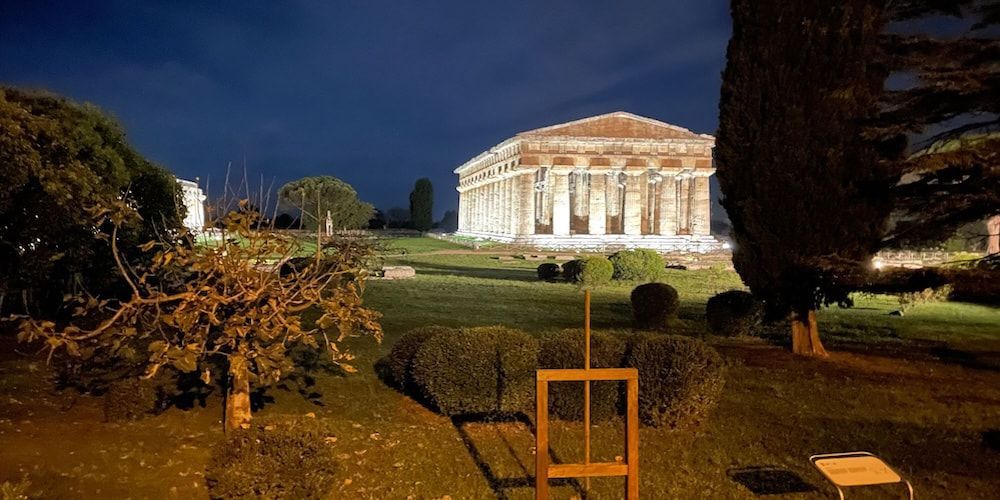
We then continue to the archaeological site of Paestum. Food has taken us outside the city and introduced us to an agricultural and historical landscape we might never have encountered by following urban destinations alone.
We reach Salerno and spend the night in the city. For dinner, we choose fish, vegetables and a lighter dish. The following day will take us onto the Amalfi Coast, and an early start will be useful.
Day 11: The Amalfi Coast, Lemons, the Sea and Terraced Hillsides
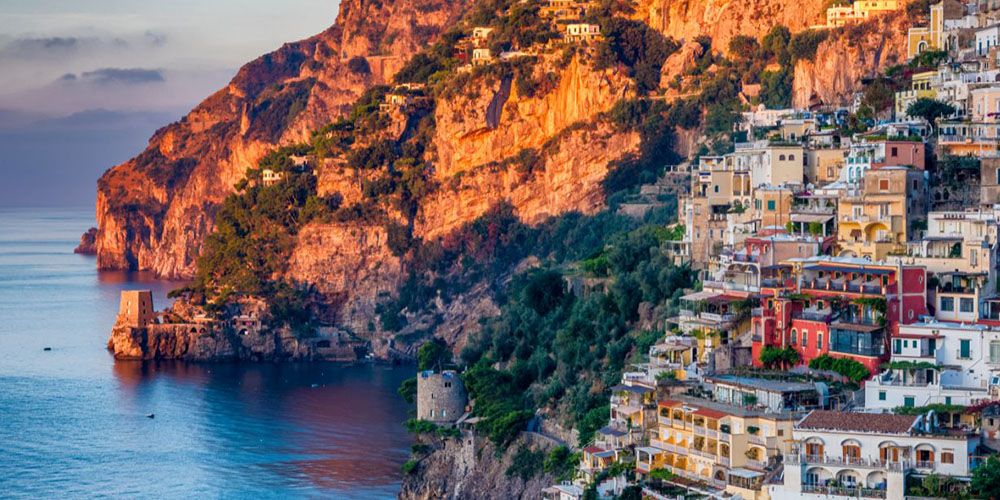
From Salerno, we head towards Amalfi. The Limone Costa d’Amalfi IGP tells the story of the relationship between agriculture and vertical terrain. Lemon groves grow on terraces constructed along the slopes and maintained through continuous work.
The fruit is not simply an aromatic note in local cooking: it is part of the coastal landscape itself.
For lunch, we choose scialatielli with seafood, locally caught fish or a dish in which lemon complements the other ingredients without overwhelming them. A delizia al limone can complete the meal, bringing pastry-making and local agriculture together.
We devote the afternoon to Amalfi or continue towards Ravello. This itinerary should not attempt to compress the entire coast into a few hours: one or two places allow us to observe the architecture, gardens and relationship between mountain and sea more carefully.
The cuisine of the Amalfi Coast belongs to a narrow, vertical geographical space where the sea, vegetable gardens and citrus groves meet within a very short distance. This concentration, more than the number of dishes, is what makes the stop memorable.
Days 12–14: Puglia, Durum Wheat, Olive Oil and Rural Cuisine
We leave the Amalfi Coast and head towards Puglia, with Bari as our next destination. The transfer takes up part of the day, but marks a clear change: we leave the Tyrrhenian coast behind and arrive on the Adriatic.
After checking in, we enter Bari Vecchia. In its narrow streets, it is still possible to watch orecchiette being made by hand, shaped with a knife and left to dry on wooden frames. This domestic craft has become one of the city’s most recognizable symbols.
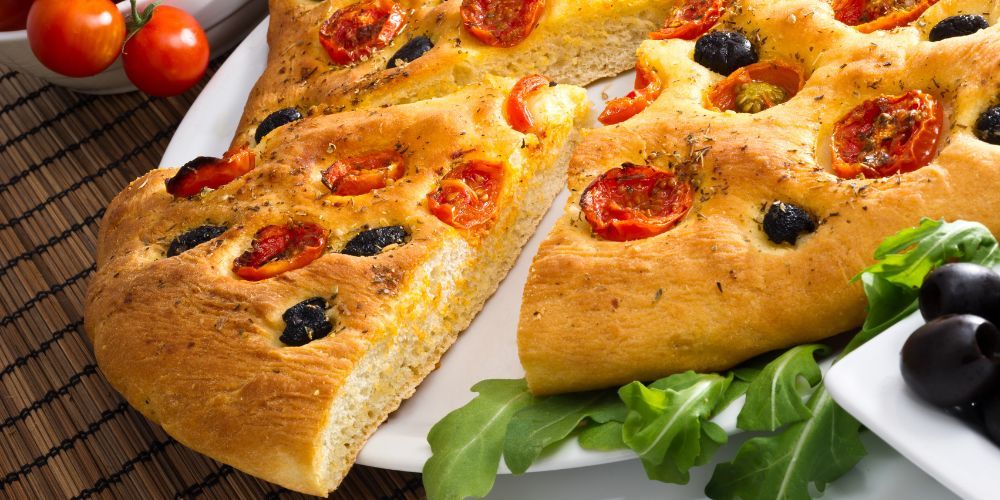
For lunch, we choose focaccia Barese, crisp around the edges and topped with tomatoes and olives. As we walk, we can share a panzerotto or another small piece of street food without accumulating too many separate dishes.
For dinner, we encounter orecchiette again as part of a complete meal, served with cime di rapa when the season allows or with another sauce available at the time of our visit.
The shape of the pasta is not decorative. Its hollow centre and rough surface capture the sauce, while the durum wheat connects the dish to Puglia’s agricultural landscape.
The following day, we leave Bari, travel along the coast towards Monopoli and enter the Itria Valley. Olive trees, dry-stone walls, trulli and masserie form a landscape in which agriculture and architecture are inseparable.
We visit an olive mill or olive-growing estate. An extra virgin olive oil tasting allows us to recognize aromas, bitterness and peppery notes, and to understand why olive oil should be considered an ingredient rather than a generic condiment.
We reach a masseria for lunch and, where possible, stay overnight. Vegetables, pulses, bread, cheeses and meat tell the story of a rural cuisine connected to the farm’s production and to the seasonal calendar.
After so many markets and historic centers, this day restores a tangible dimension to our Italy food trip: before every dish come the field, the water, the work and the season.
For the evening, we choose a single direction. We can travel to Cisternino for an informal dinner, walk through the whitewashed town of Ostuni or remain at the masseria.
The following morning, we set off for Lecce and begin the day with a pasticciotto, the traditional Salento pastry filled with custard. During the warmer months, we can pair it with iced coffee and almond milk.
We continue on foot through the historic centre, admiring Lecce’s Baroque architecture and artisan shops. The decorative richness of the city creates an interesting contrast with a cuisine founded on durum wheat, vegetables, pulses and olive oil.
For lunch, we choose a rustico Leccese or a puccia, leaving room for a more relaxed final dinner. Street food symbolically closes the route that began in Milan: every city has developed its own forms of quick, informal cooking, shaped by local ingredients and habits.
For our final meal, we choose a Salento trattoria and a seasonal menu. After fourteen days, there is no need to search for the most famous dish. Instead, we look for a synthesis: durum-wheat pasta, vegetables, extra virgin olive oil, pulses, fish or meat, depending on the place and time of year.
Our food tour through Italy, from north to south, ends here. We began with Milan’s rice and butter, followed milk to the Parmigiano Reggiano dairies, learned to roll fresh pasta and crossed olive groves, markets, pizzerias, lemon terraces and masserie.
Food has chosen the path to take.
How to Plan This Italy Food Itinerary
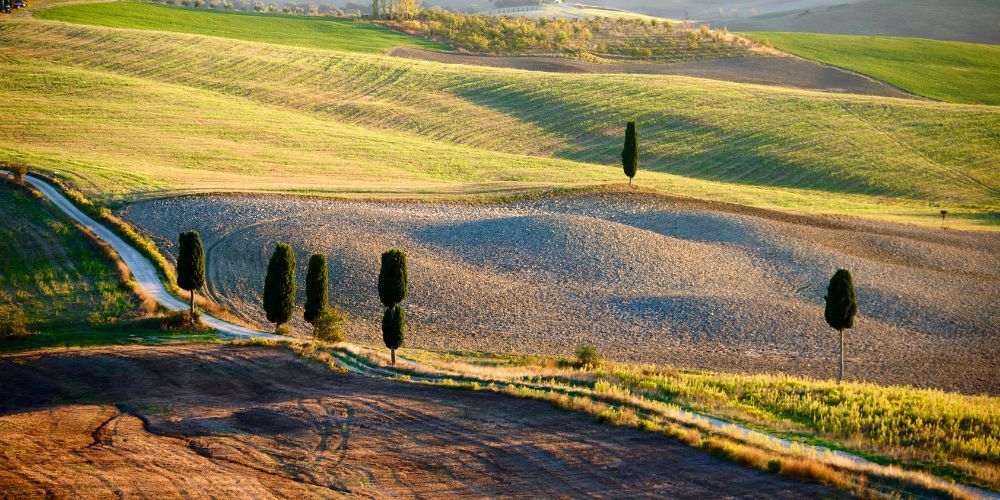
For this Italy itinerary for food lovers, travelling by car is the most suitable option. Besides offering greater freedom and flexibility over departure times, a car makes it possible to reach destinations outside urban centres: cheese dairies and traditional vinegar houses, the Tuscan countryside, a Mozzarella di Bufala Campana producer and the masserie of the Itria Valley and Salento.
The most convenient flight plan is to arrive at either Milan Malpensa or Milan Linate and depart from Bari or Brindisi. To shorten the journey, you can instead finish the route at Rome Fiumicino or Naples Capodichino.
The best periods are late spring, from the end of April to June, and early autumn, from mid-September to October. Temperatures are generally more suitable for exploring both cities and the countryside, while markets, harvests and seasonal produce add depth to the Italian food experiences along the route. In summer, plan outdoor activities during the cooler hours of the day.
To make sure the journey runs smoothly, book the experiences you want before leaving. Visits to a Parmigiano Reggiano dairy and traditional vinegar house, the fresh pasta class, winery or olive mill tastings, the Campanian dairy and the masseria stay may all be limited to small numbers of participants. Finally, check seasonal opening hours, transport connections and availability at the most popular restaurants.
This culinary tour of Italy cannot cover every expression of Italian regional food in fourteen days. It can, however, reveal the principle that connects them all: every recipe begins long before it reaches the table, in a specific landscape and in the work of the people who continue to preserve it.
Have a good trip!
About the author
Written on 10/09/2026
Chiarastella Campanelli
Dreamer, editor, beauty lover

Chiarastella Campanelli
14 days, nine territories and a journey from Milan to Puglia, following the thread of food to discover where Italy’s most iconic products come from