

Sometimes in Sardinia, all it takes is leaving the most well-known routes behind to discover unexpected treasures that are truly unique and surprising.
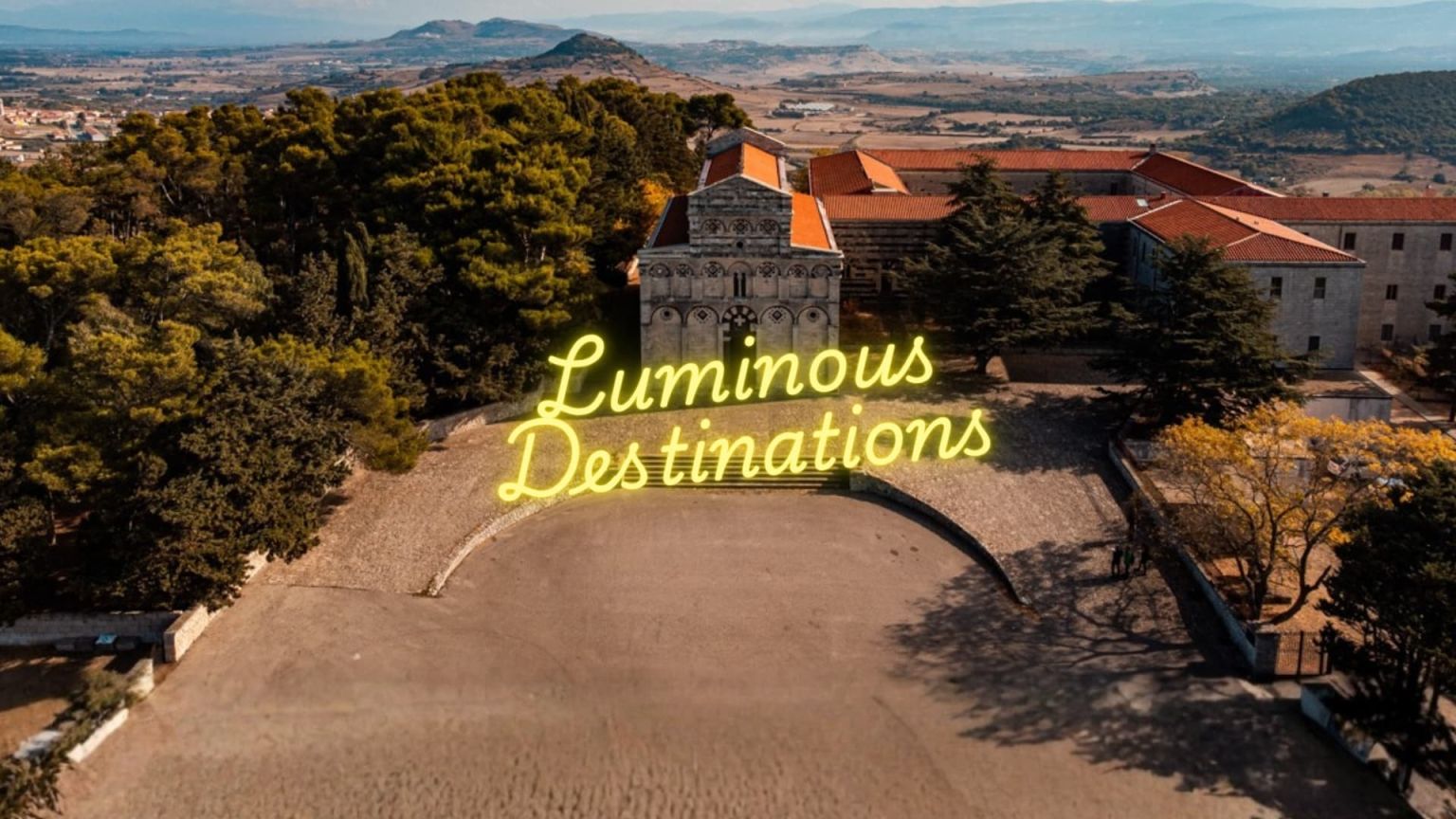
In the heart of the Meilogu region, in the northwestern part of the island, Borutta preserves one of the most extraordinary symbols of Sardinian medieval heritage: the Basilica of San Pietro di Sorres, a Romanesque masterpiece that has dominated the landscape for nearly nine centuries and still retains its spiritual role today thanks to the presence of Benedictine monks.
Surrounding the village, a territory rich in ancient remains reveals a deep and authentic Sardinia, where archaeology, nature, and spirituality coexist in a rare balance, while the charm of the Middle Ages still lives on in the evocative atmosphere and in the community’s profound connection with its cultural heritage.

Borutta, the Luminous Destination preserving an authentic medieval Sardinia
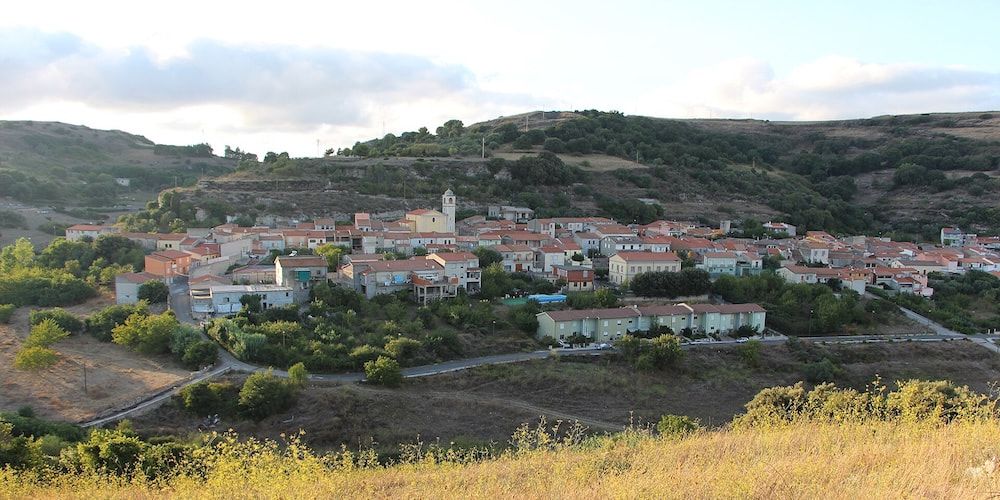
Borutta landscape. Picture: Sailko – Wikimedia Commons – CC BY 3.0.
Borutta is a truly special village because it tells the story of a Sardinia far from the most famous routes, where time still seems to follow the rhythms of the past and the connection with history remains part of everyday life.
The charm of this village in the province of Sassari comes from its ability to preserve many different layers of identity: its spiritual soul, embodied by the Basilica of San Pietro di Sorres; its historical character, revealed through ancient traces of centuries of civilizations; and its everyday dimension, shaped by a community that lives with a deep sense of belonging.
In Borutta, the Middle Ages are still a living legacy, something you can feel in the atmosphere of the village and in its deep connection with the surrounding landscape. It’s a dimension that reveals itself slowly, allowing you to discover a deeper side of Sardinia, far from the island’s most famous tourist destinations.
This continuity between past and present earned Borutta a place among the Luminous Destinations 2026, an initiative that recognizes Italian villages able to preserve their authentic character and transform the protection of their heritage into a respectful and meaningful travel experience.
A fitting recognition for a town that safeguards its identity and invites visitors to discover a Sardinia shaped by memory, genuine landscapes, and stories that continue to be passed down through generations.
To truly discover Borutta’s medieval soul, here are the places and experiences you shouldn’t miss:
- The symbol of Sardinia’s medieval heritage;
- Where history continues to live on;
- The landscapes of Sorres;
- Village life and local flavors;
- How to get to Borutta.
The Basilica of San Pietro di Sorres: the medieval heart of Borutta
The Basilica of San Pietro di Sorres stands just outside Borutta’s historic center, on a hill overlooking the surrounding landscape. Its secluded location, surrounded by the silence of the countryside, makes the atmosphere of this ancient complex even more captivating, conveying the deep connection between the territory and its history.
Built between the 12th and 13th centuries, the basilica was the cathedral of the former Diocese of Sorres and is now considered one of the most remarkable examples of Romanesque architecture in Sardinia, a place where you can truly feel the magic of the Middle Ages.
Its elegant forms, beautifully crafted stonework, and the striking contrast between the colors of the masonry tell the story of a pivotal period in the island’s history, when Sardinia was influenced by important artistic and cultural influences from across the Mediterranean.
Next to the church stands the monastery, which has housed a community of Benedictine monks since the 20th century, guardians of a deeply rooted spiritual tradition. The presence of the monks, the possibility of staying at the monastery, and the daily life of the abbey make this a unique stop for those looking for a more intimate side of Sardinia, where medieval heritage remains an important part of the territory’s identity.
Borutta’s traditions: where the Middle Ages are still alive
Ancient Sorres was a major center in Northern Sardinia, serving as a diocese and forming part of the Giudicato of Torres. This heritage can still be found in the traditions and identity of the local community.
Walking through the narrow streets of the historic center, you can experience a quiet and authentic atmosphere, surrounded by unique glimpses and historical traces, such as the Oratory of Santa Croce, a religious building dating back to the 12th century. Originally built as the village rectory, it also served as a temporary residence for the last bishops of the Diocese of Sorres.
However, it is through celebrations and local events that the medieval spirit becomes part of village life.
The Feast of Saint Peter, celebrated on June 29, is one of the most heartfelt moments for the community. The procession accompanying the faithful from the parish church to the Basilica of San Pietro di Sorres renews the bond between Borutta and its most symbolic and representative landmark.
The Bastida di Sorres is a historical reenactment that takes the village back to the 14th century, recalling the 1334 battle between the Doria family and the Aragonese. During the three-day event, the hill is transformed into a medieval village featuring camps, artisan workshops, demonstrations of ancient crafts, battles, performances, and recreations of everyday life from the period.
Walking through the landscapes that preserve the history of Sorres
Borutta’s medieval charm extends beyond the Basilica of San Pietro di Sorres and continues throughout the surrounding area, a landscape of hills, countryside, and ancient paths where history and nature have coexisted for centuries.
Between the Rio Frida valley and the Sorres plain, you can walk through the same landscapes that shaped the history of the ancient diocese, when this area was one of the most important religious centers in northern Sardinia.
The rural paths and open views reveal a slow and authentic way of experiencing the region, where the surroundings still preserve the connection between the village, the basilica, and the community that has lived here for generations.
Even before the medieval period, these hills were already inhabited and crossed by ancient communities, as shown by archaeological sites such as Grotta Ulàri and the nuraghi scattered throughout the Meilogu landscape.
It’s precisely this layering of different eras that makes Borutta so special: each period has left its mark, creating a place where the Middle Ages continue to emerge as part of a thousand-year-old history.
Everyday life in Borutta: identity and flavors of the Meilogu
In Borutta, you can also discover the most genuine and everyday side of the Meilogu, shaped by encounters, peaceful rhythms, and a strong connection with local traditions.
Life in the village still revolves around moments of gathering, celebrations, and events that bring the community together throughout the year, keeping alive the sense of belonging that characterizes the small towns of inland Sardinia.
You can experience this unique identity through its cuisine as well, tasting typical products such as sheep’s milk cheeses (including the flavorful Pecorino Sardo), traditional breads (such as Zichi bread from Bonorva, a village just a few kilometers from Borutta), cured meats, and dishes rooted in farming traditions — a simple cuisine deeply connected to the rhythms of the land.
How to get to Borutta
From Sassari, you can reach the village in around 30 minutes by car, taking the SS131 highway south towards Oristano and Cagliari.
From Alghero, the journey takes just under an hour, and follows the route through Sassari, while from Olbia it takes a little over an hour. The route follows the SS729 Sassari-Olbia road to the Chilivani area, then continues towards the Meilogu region by following the signs for Borutta and San Pietro di Sorres.
A car is the most convenient way to reach Borutta, as it also allows you to explore the surrounding area independently, easily moving between the village, the Basilica of San Pietro di Sorres, and the other nearby attractions.
About the author
Written on 20/07/2026
Alessandro Savino
SEO Copywriter & web editor: I love transforming my passion for writing into engaging narratives, creatively and precisely exploring the beauty and complexity of our wonderful country.

Alessandro Savino
Step into Borutta, the hidden village of Sardinia where the Middle Ages live on among ancient abbeys and authentic landscapes of the Meilogu region.