


The world's most beloved cuisine has just received the highest honor. In a landmark decision, on the 10th of December 2025 in New Delhi UNESCO has officially inscribed the Italian cuisine onto its prestigious list of World Intangible Cultural Heritage. This recognition isn't just about the flavor—it's a celebration of the unique social rituals, generational knowledge, and deep-rooted community practices that make eating Italian a global phenomenon.
For international travelers and food enthusiasts alike, this declaration solidifies Italy's place not only as a bucket-list destination but as the living museum of culinary art

Why was Italian cuisine declared a UNESCO World Heritage?
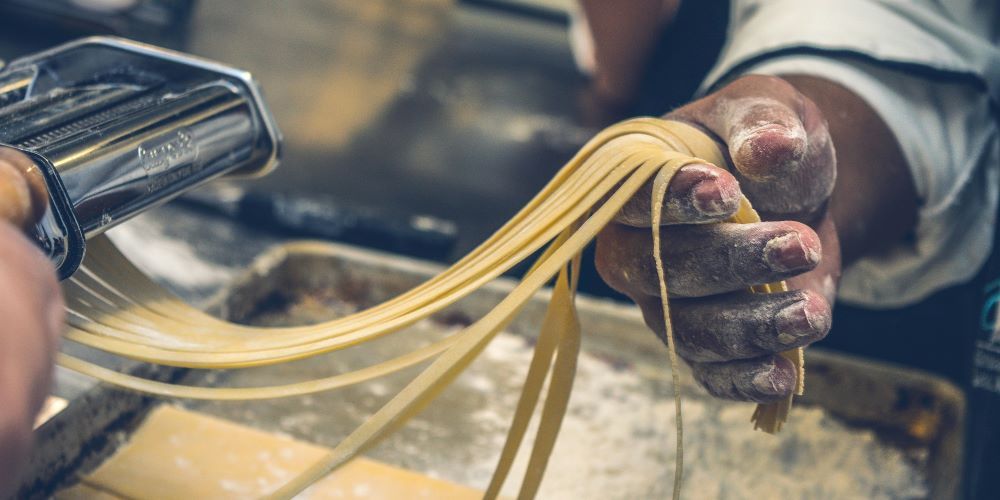
What exactly does it mean for a cuisine to be declared an "Intangible" Heritage? Unlike the Colosseum or Venice (Tangible Heritage), this recognition focuses on the practices, representations, expressions, knowledge, and skills that communities recognize as part of their cultural heritage. Italian cuisine is a perfect fit.
The UNESCO inscription acknowledges that the true heart of Italian food lies in its transmission: the way recipes are passed from nonna (grandmother) to grandchild, the ritual of the family Sunday lunch, the local markets acting as cultural hubs, and the passionate adherence to seasonal, local ingredients. It's an affirmation that food in Italy is not just sustenance; it is a social ritual, a bonding agent, and a fundamental pillar of national identity.
Tradition, community and rite: the UNESCO motivations
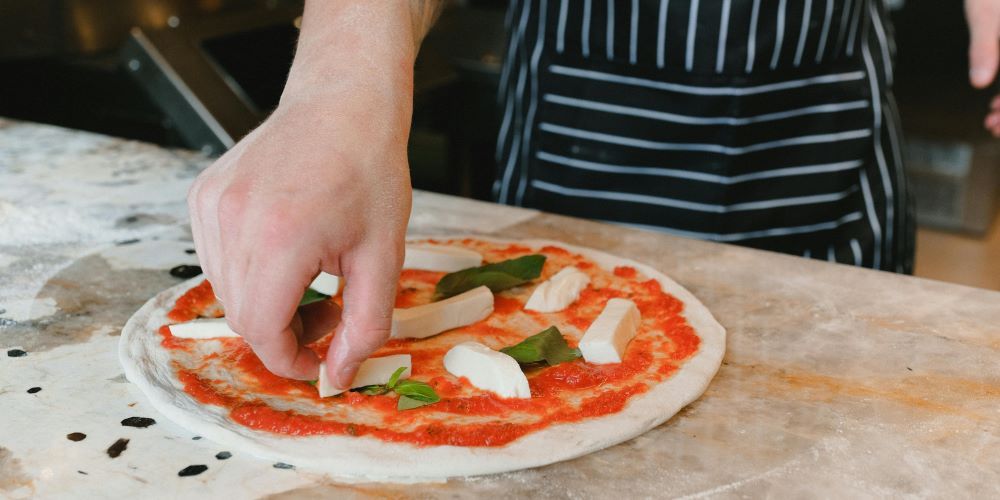
Italian food is famously diverse, for being a mosaic of traditions, which changing every 50 (or even less) kilometers. The UNESCO honor covers this entire, rich tapestry, celebrating the collective body of knowledge and practices that define the Italian table. The regional tapestry is more than just pasta and pizza, it's the strength of Italian gastronomy is its unparalleled regionalism.
The UNESCO declaration recognizes that the simple, elegant butter-and-egg richness of Emilia-Romagna is as vital as the vibrant, sun-drenched tomato-and-olive oil flavors of Sicily and the hearty, mountain fare of the Dolomites. This diversity ensures that every corner of Italy offers a unique and authentic taste of the newly recognized world heritage.
This recognition marks a great occasion: Italian cuisine is the first national cuisine to be declared an intangible cultural heritage by UNESCO. While specific elements of the Italian gastronomic landscape have already received the honor, such as the art of Neapolitan Pizzaiuolo and the Mediterranean Diet (shared with other countries), this new inscription encompasses the entire Italian culinary system—from regional traditions to cultivation methods, from preparation to table rituals.
It is the global recognition of Italian cuisine not as a single dish, but as a complex and unified cultural and social identity.
A communal tradition: the art of shared meals

At the core of the UNESCO inscription is the social element. Italian cuisine is fundamentally a shared experience. From the aperitivo that marks the end of the workday to the multi-course pranzo (lunch) that can last for hours, the Italian table is a stage for community. The recognition spotlights the importance of the central role of food preparation and consumption in uniting generations and the ritual of preparation, the traditional methods of making bread, pasta, and curing meats—knowledge that is actively preserved and practiced daily.
For travelers and Italy's lovers, this UNESCO news is the ultimate green light for a culinary deep-dive. No longer is a trip to Italy just about sightseeing; it's about actively participating in a newly recognized world heritage tradition.This UNESCO declaration is a formal invitation from Italy to the world: come, sit at our table, and share in the joy, history, and profound cultural significance of our kitchen.
About the author
Written on 11/12/2025
Elisa Verrazzo
Copywriter, globetrotter, photo-addicted. In love with Italy, its culture and its cuisine.

Elisa Verrazzo
UNESCO has officially inscribed the practice of Italian cuisine onto its prestigious list of World Intangible Cultural Heritage.