
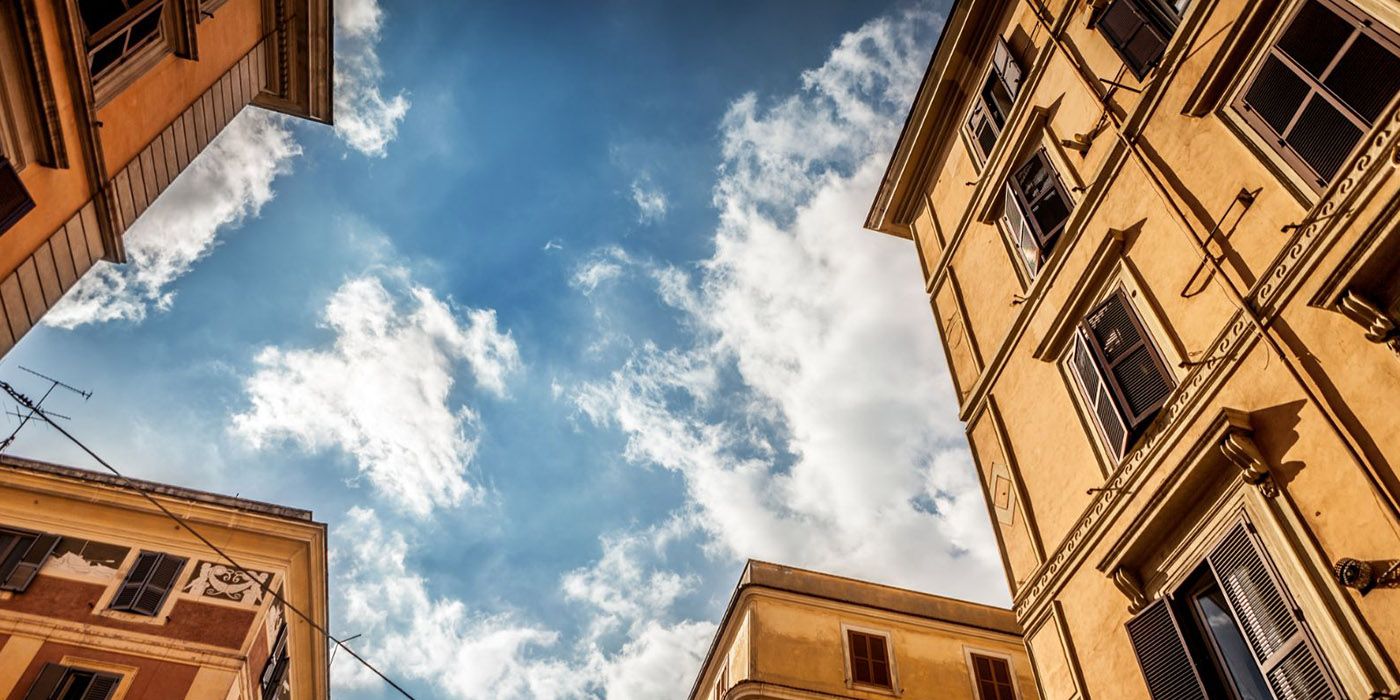

At the foot of the elegant Aventine Hill, between the River Tiber and the Port Fluviale district, lies Testaccio – a lively neighborhood with a genuine, working-class heart and a vibrant cultural and artistic scene. Just a short walk from the city center and largely untouched by mass tourism, this is where you come if you want to experience the real Rome.
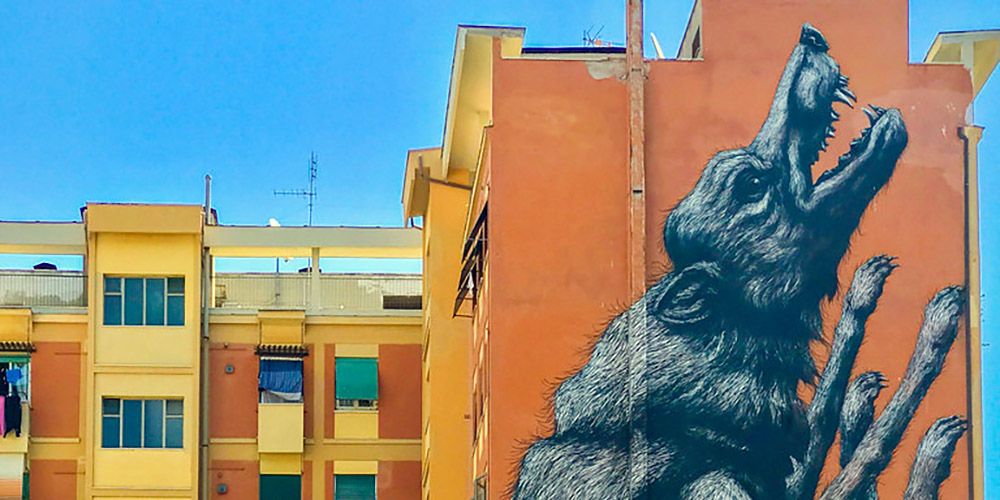
Testaccio is full of secret, romantic spots such as the Pyramid of Cestius or the former Slaughterhouse, now converted into a contemporary art museum – perfect places for moments of quiet and contemplation. But Testaccio is also about the cheerful rhythm of its streets: colorful street art, stylish boutiques alongside old-fashioned grocery shops, children laughing in the squares, and a buzzing cultural life that keeps the neighborhood alive from morning till night.
If you're traveling to Rome, consider a city pass, which will allow you to enjoy your experience without too many worries. Visit Rome Pass is the one we recommend, it includes all the main attractions in a single card and unlimited use of public transport.
Testaccio: Where Every Step Tells a Story
The history of Testaccio is fascinating and reveals the neighborhood’s humble, working-class roots. Its life is closely tied to the famous Monte dei Cocci. At first glance, you might mistake it for a natural hill – after all, Rome is full of them – but it’s actually an artificial mound dating back to ancient times.
Monte dei Cocci was formed from the accumulation of broken amphorae (testae, from which the name Testaccio derives) that were discarded here after being used to transport olive oil and other goods. The area once served as the dumping ground for Rome’s great river port, the Emporium.
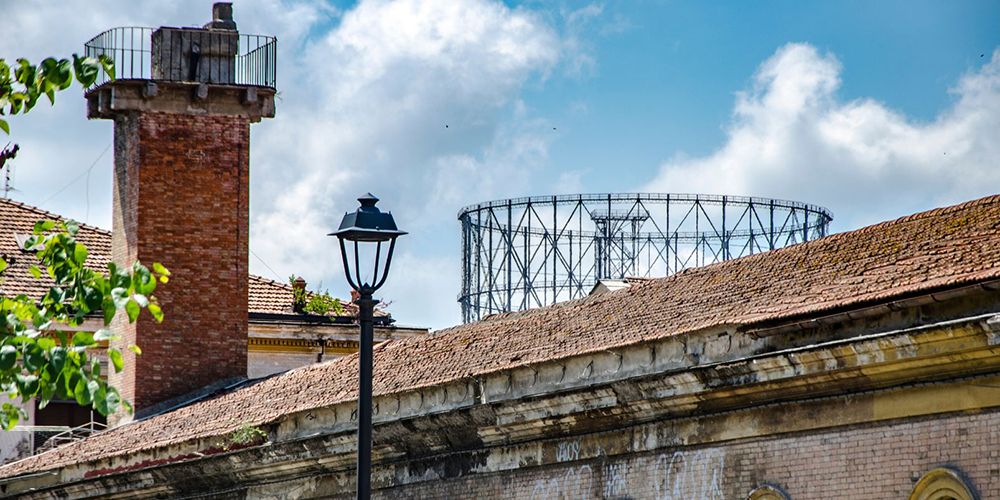
The district as we know it was developed in the late 19th century as an example of industrial urbanization. It was home to factory workers employed in nearby plants such as the Centrale Montemartini (now a museum) and in the warehouses along the river. A walk through the ex-Mattatoio, the old slaughterhouse complex, still evokes that past; and in the distance, the silhouette of the Gasometer stands as a reminder of Testaccio’s industrial heritage. Today, the heart of the neighborhood remains proudly local, yet it’s infused with a fresh, contemporary energy.
Explore Rome with the Visit Rome PassListen to the podcast version of the article with the voice of Monna Lisa & Leonardo
What to See in Testaccio: The Pyramid and the Non-Catholic Cemetery
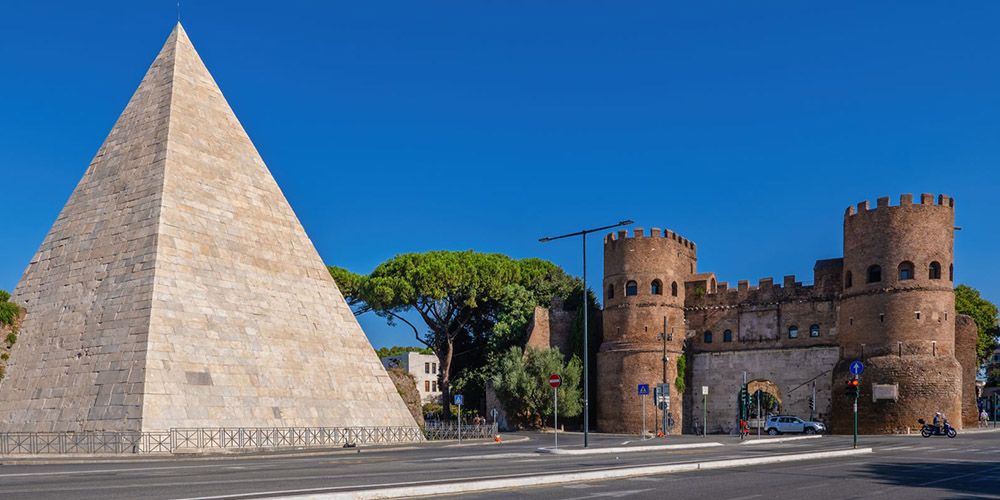
Testaccio is easy to reach. If you’re using Rome public transport, get off at Piramide station (Metro Line B). Right in front of you rises the Pyramid of Cestius, a perfectly preserved monument that blends Roman architecture with Egyptian inspiration. Guided tours of its inner passageways are available on limited dates and only with a licensed guide.
The Pyramid is built into the Aurelian Walls, facing Porta San Paolo, one of the most imposing gates to ancient Rome. From here, stroll down the quiet Via Caio Cestio to reach the Non-Catholic Cemetery, a peaceful oasis where famous figures such as Antonio Gramsci and the English poet John Keats are buried. Nestled just behind the Pyramid, the cemetery offers a serene atmosphere and beautiful views for photography lovers.
Monte dei Cocci and the Street Art Scene
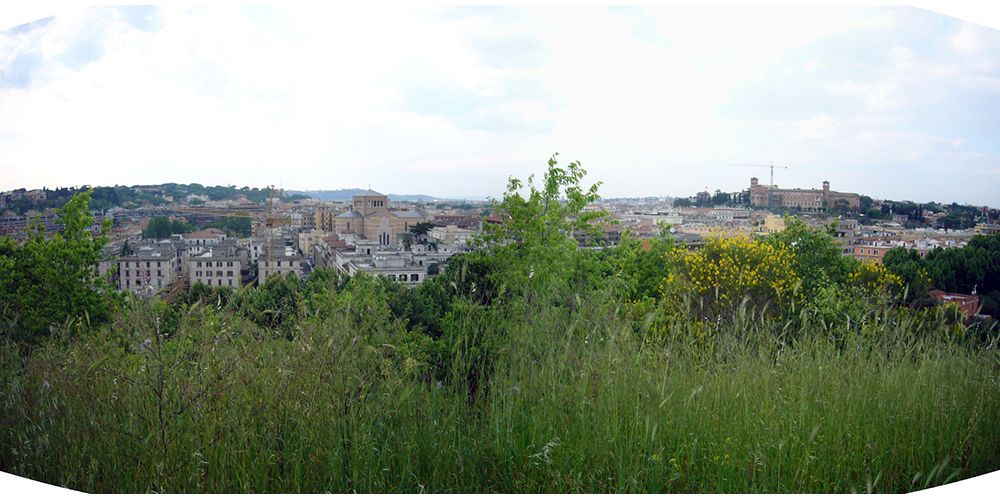
Enter the heart of the neighborhood along Via Galvani. The best way to discover Testaccio is simply to walk – the area is compact and perfect for exploring on foot. Between the buildings you’ll spot bright murals adding splashes of color to the streets, while local grocery stores and elegant boutiques share the same sidewalks.
The main meeting point is Piazza Santa Maria Liberatrice, home to the Teatro Vittoria, which offers a lively calendar of performances throughout the year. Another vibrant spot is Piazza Testaccio, surrounded by cafés and restaurants that make it a popular place for aperitivo or a casual dinner.
If you’re passionate about history, don’t miss a guided visit to Monte dei Cocci (entrance at Via Nicola Zabaglia 24). Organized by the Capitoline Superintendency of Rome, the tour lasts about an hour and a half and offers a fascinating view over Testaccio and the rooftops of Rome.
The MACRO and the City of the Other Economy
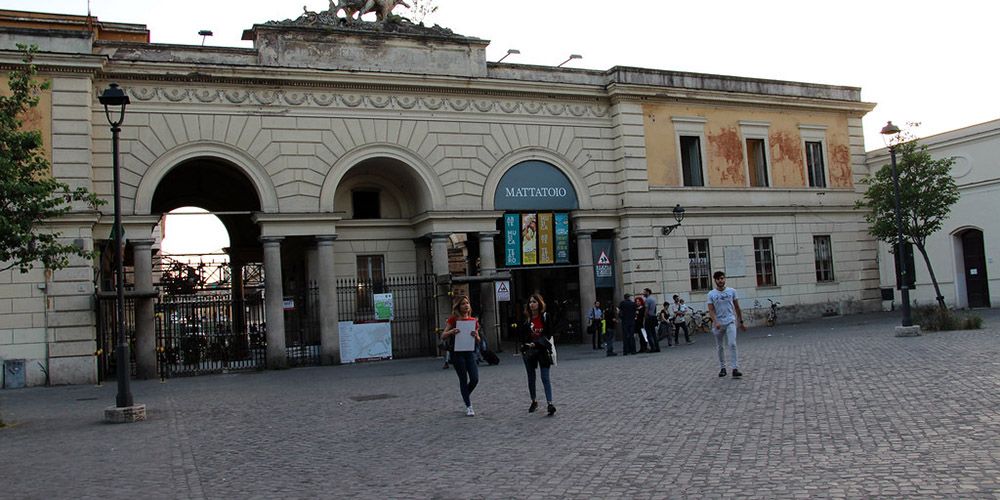
At the end of Via Galvani stands the former Slaughterhouse, one of Rome’s most striking examples of industrial archaeology, now redesigned according to principles of bio-architecture. From the entrance you might hear music drifting through the air – it’s the Scuola Popolare di Musica di Testaccio, a beloved local music school.
Inside the complex are several buildings belonging to the MACRO – Museum of Contemporary Art of Rome (its main site is on Via Nizza). The area is vast and maze-like, and as you wander through it you’ll reach the open spaces of the Città dell’Altra Economia (City of the Other Economy), once used for weighing livestock. This pioneering European project promotes fair trade and sustainability, hosting festivals, concerts, and cultural events such as the Green Market Festival.
Where to Eat in Testaccio: An Authentic Experience
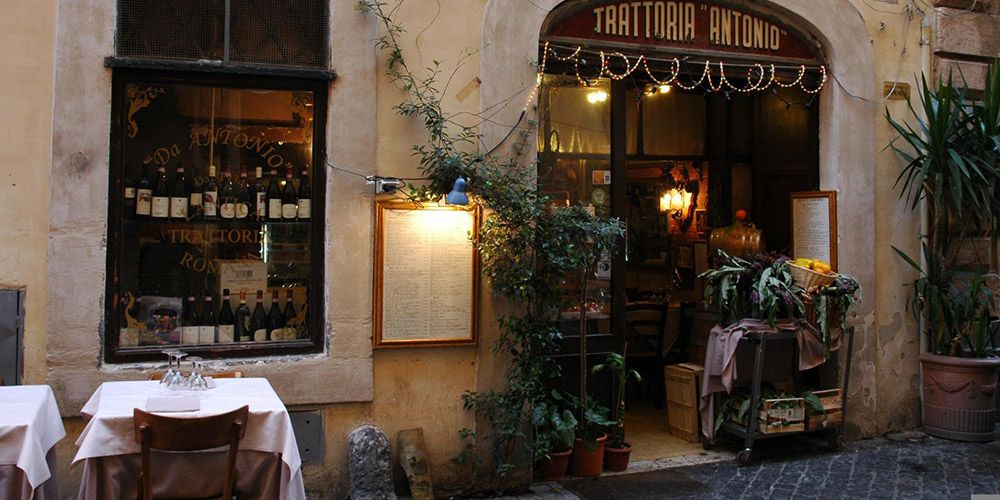
One of the best reasons to visit Testaccio is, without doubt, the food. Traditional Roman trattorias serve beloved classics like carbonara, cacio e pepe, and amatriciana in a warm, down-to-earth atmosphere. Many pizzerias stay open late, welcoming theatergoers from Teatro Vittoria for a simple pizza and a supplì – the quintessential Roman fried rice ball – all served with paper napkins and a side of local humor.
By day, the Testaccio Market is a must-see. More than just a market, it’s a social hub where you can grab street food from around the world or sit at a small table and enjoy the lively vibe. From fried seafood cones and Roman specialties to poké, gyros, ramen or pad thai, every stall tells a different story of taste and culture.
Testaccio by Night

Testaccio is also one of the liveliest hubs of Rome’s nightlife. Wine bars, pubs, dance clubs, and traditional eateries fill its streets with energy and conversation. As the sun sets, the neighborhood transforms into a cheerful playground for locals and visitors alike.
The Oasi della Birra, on Piazza Testaccio, is among the most popular spots, while the smaller venues tucked into side streets and Via Galvani offer a more intimate feel. After dinner, the choices are endless — from Latin rhythms to electronic beats — in legendary clubs located at the foot of Monte dei Cocci, where history and nightlife meet beneath the Roman sky.
Discovering Testaccio - FAQs
What is Testaccio known for in Rome?
For its authentic Roman spirit, colorful street art, traditional trattorias, and lively nightlife.
How do I get to Testaccio from central Rome?
Take Metro Line B to Piramide station — the neighborhood begins right there, just a few steps away.
What are the must-see attractions in Testaccio?
The Pyramid of Cestius, the Non-Catholic Cemetery, Monte dei Cocci, the former Slaughterhouse, and the MACRO Museum.
Where can I find the best food in Testaccio?
At Mercato Testaccio for street food, and in the local trattorias for classic Roman dishes like cacio e pepe and carbonara.
Is Testaccio a good area to stay in Rome?
Yes — it’s close to the center yet quiet, with a local atmosphere and plenty of great restaurants.
What is the story behind Monte Testaccio?
It’s an artificial hill made from fragments of Roman amphorae (testae, from which the district takes its name) discarded from the nearby Emporium, the ancient river port of Rome.
Is there street art in Testaccio?
Yes — colorful murals decorate many streets, and you’ll spot them as you walk through the neighborhood.
What is the nightlife like in Testaccio?
Lively and diverse, from wine bars and pubs to dance clubs at the foot of Monte dei Cocci.
When is the best time to visit Testaccio?
In spring and autumn, when the weather is perfect for walking and dining outdoors.
Is there a local market in Testaccio?
Yes, Mercato Testaccio: a lively indoor market filled with street food and flavors from around the world.
About the author
Written on 29/12/2025
Chiarastella Campanelli
Dreamer, editor, beauty lover

Chiarastella Campanelli
A journey into the true and vibrant soul of Rome’s Testaccio district, between street art, traditional trattorias and nightlife