

🥇 Visit Italy’s brand partnership
What makes the Gran Sasso one of the most astonishing areas in Abruzzo and across the Apennines, and why is L’Aquila the perfect starting point to explore it?
First of all, the Gran Sasso reveals an extraordinary variety of landscapes within a surprisingly compact area: from the highest peaks to the vast plateaus, passing through forests and valleys perfect for experiencing the mountain in all its dimensions, with spectacular nature and landscapes.
L’Aquila represents a privileged starting point to begin your Gran Sasso itinerary: its strategic location allows you to experience the wild nature, open landscapes, and historic villages of Abruzzo.

Gran Sasso itinerary: the wild nature of Abruzzo
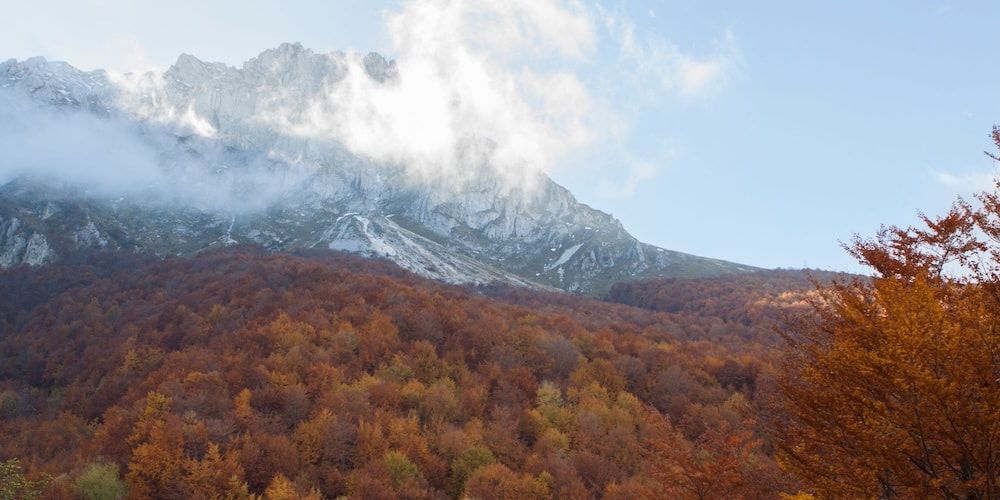
A perfect gateway to the green heart of Abruzzo, L’Aquila lies just a short distance from the majestic peaks and plateaus of the Gran Sasso d’Italia, the highest range in the Apennines. Particularly this year, as Italy’s Capital of Culture and a vibrant hub of events, it becomes an even more compelling base from which to explore the massif.
From the city, you can follow roads that wind through villages and hamlets, reach hidden trails, admire breathtaking landscapes, and discover the most charming mountain towns.
Beyond the views, this Gran Sasso itinerary allows you to travel in the unspoiled nature around L’Aquila, alternating gentle walks with more challenging hikes, with stops like Campo Imperatore, one of the most spectacular spots in the massif, taking you step by step to uncover the mountain’s unmissable secrets.
Highlights:
- L’Aquila, the capital of Abruzzo;
- Gran Sasso National Park;
- Reaching Campo Imperatore;
- Trails from Campo Imperatore;
- Outdoor activities.
Find out more about L'AquilaListen to the podcast version of the article with the voice of Monna Lisa & Leonardo
Stage 1. L’Aquila and the villages: the starting point for your Gran Sasso itinerary
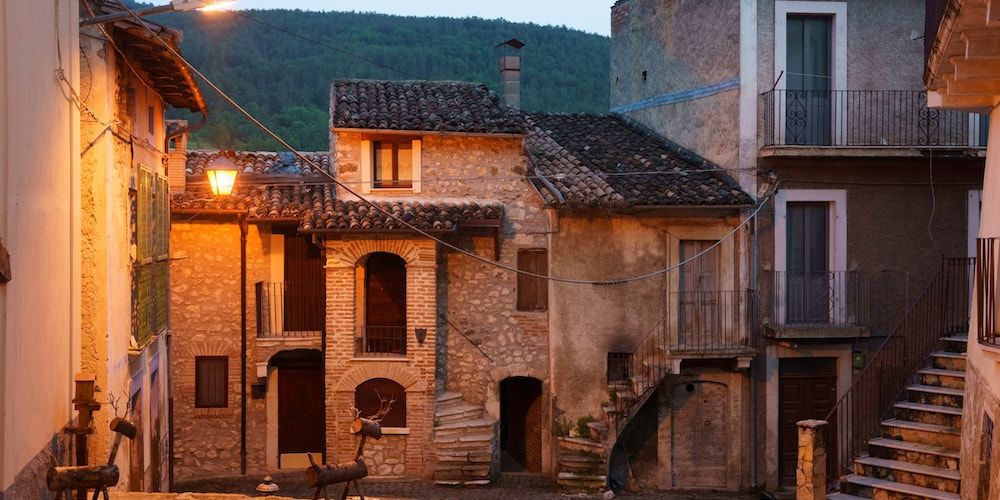
L’Aquila is not just a geographic starting point, but a city set within a natural context that opens the way to the Gran Sasso itinerary in Italy. Part of the experience begins here, among the alleys of the historic center, where squares and monuments tell centuries of history and Abruzzo’s culture.
Strolling along the streets, you can enjoy panoramic views of the mountains, giving you a glimpse of the stunning landscapes waiting for you.
In the surrounding area, you can encounter nature reserves and charming towns. Assergi, for example, is a historic village on the western slopes of the Gran Sasso, near the funicular station for Campo Imperatore. Other hamlets like Paganica and Tempera offer a taste of local landscapes and traditions before you begin your adventure toward higher altitudes.
What to see and do:
- L’Aquila, historic center;
- Surroundings of the city: the villages of Assergi, Paganica, and Tempera.
Stop 2. Gran Sasso and Monti della Laga National Park
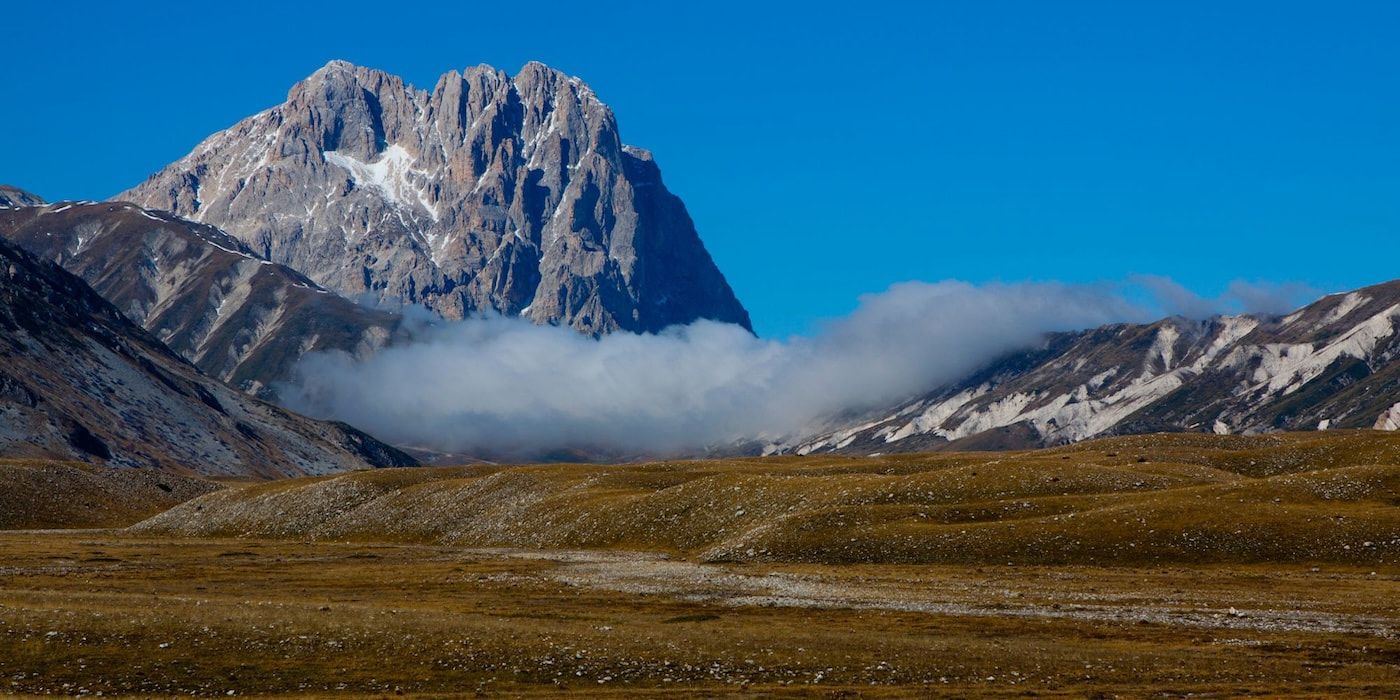
The Gran Sasso massif, home to the Gran Sasso and Monti della Laga National Park, with the Corno Grande towering over the Apennine chain, offers breathtaking views across deep valleys, plateaus, and imposing rocky cliffs.
As you move through the park, the landscape constantly changes, alternating wilder, more remote areas with wide open spaces to explore at a slower pace, where you can stop, take photographs, and enjoy the natural surroundings in complete relaxation.
Among historic sites such as the imposing Rocca Calascio Castle, ot the medieval village of Castel del Monte, explore a still-unspoiled landscape shaped by ancient routes, high-altitude pastures, and picturesque villages.
And don’t miss the extraordinary local wildlife: chamois, wolves, birds of prey, and other rare species inhabit the forests and grasslands, which in turn create a mosaic of colors and scents in a delicate natural balance that changes with the seasons.
What to see and do:
- The landscapes of the Gran Sasso and Monti della Laga National Park;
- Rocca Calascio Castle;
- Castel del Monte village;
- Local wildlife.
Stage 3. Campo Imperatore, gem of the Gran Sasso
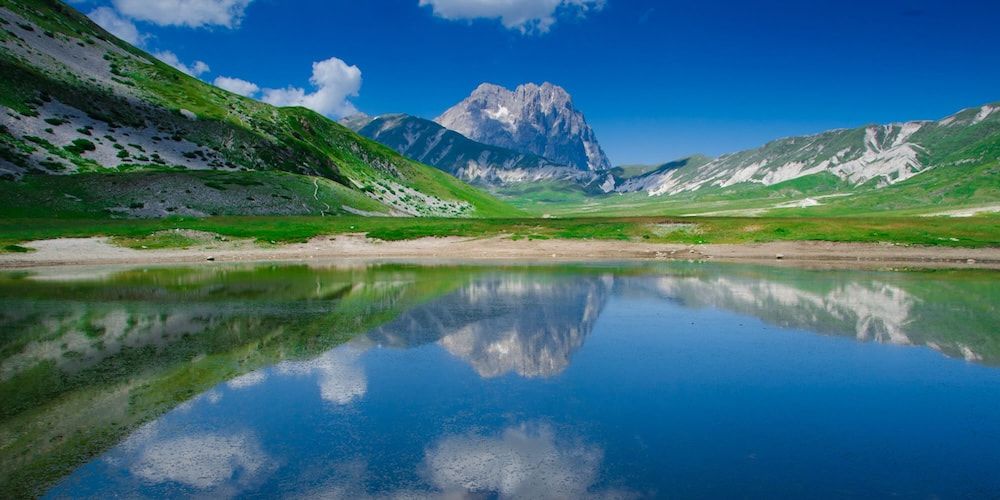
Your Gran Sasso itinerary would not be complete without a stop at Campo Imperatore. This vast and striking high-altitude plateau, located in the heart of the park between 1,500 and 2,100 meters, is the largest in the Apennines and one of the most recognizable spots in the entire massif. You can reach it from Fonte Cerreto, a small village near Assergi, about 20 minutes from L’Aquila.
From here, you have two options: the first is to continue along the panoramic road, open only during the warmer months, passing by the Church of Sant’Egidio and the small, charming Pietranzoni Lake before reaching the Astronomical Observatory at the foot of Corno Grande.
The second option is to take the historic Gran Sasso cable car, which will carry you to the plateau in just a few minutes, placing you directly inside a a wonderful setting full of breathtaking views.
What to see and do:
- Church of Sant’Egidio and Lago di Pietranzoni;
- Reaching Campo Imperatore with the historic cable car;
- Panoramic views.
Stage 4. Discovering Campo Imperatore
🥇 Visit Italy’s brand partnership
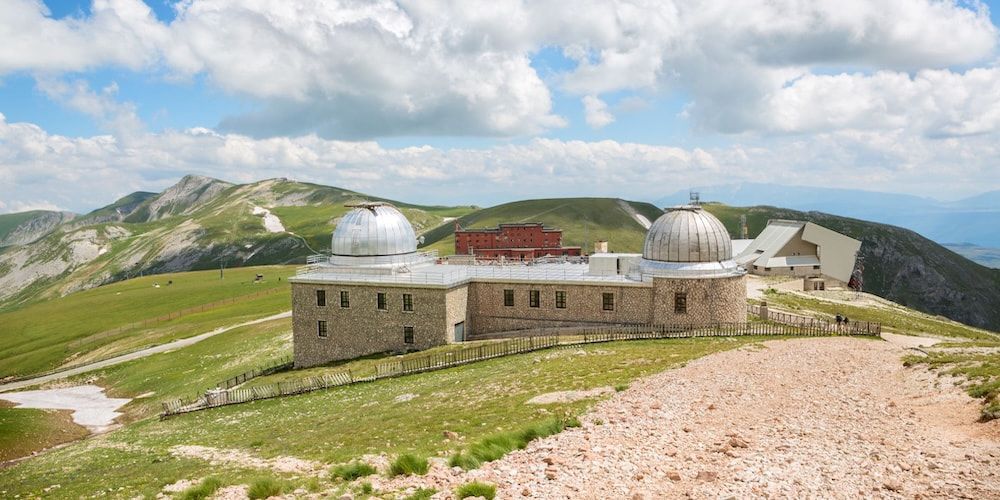
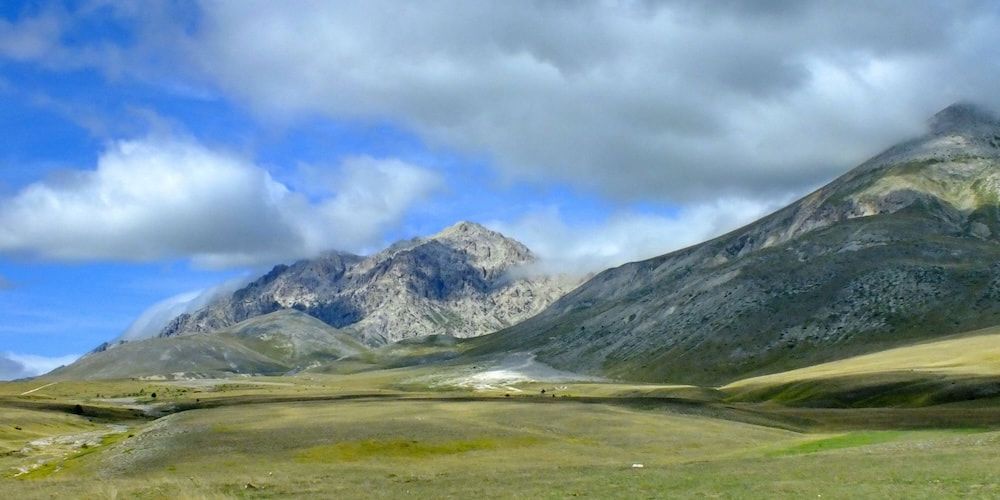
Campo Imperatore has an “open” layout, with high-altitude meadows that allow you to admire the surrounding peaks rising from the horizon. It’s such a special place that it has often been chosen as a film and photography location, a feature that over time has helped build its iconic image even at an international level.
From here, you can venture along trails leading to Corno Grande, climb Pizzo Cefalone, or head toward the refuges scattered across the plateau: at the end of each route, you will not only find postcard-worthy views but also the feeling of truly sensing the breath of the mountain and a unique, complex, and exciting territory.
And even though nature is the absolute protagonist, at Campo Imperatore you will also find facilities dedicated to research and scientific outreach, such as the Astronomical Observatory and the Alpine Botanical Garden.
What to see and do:
- Trails and refuges of Campo Imperatore;
- Astronomical Observatory and Alpine Botanical Garden.
Stage 5. Outdoor activities: hiking, trekking and slow travel on the Gran Sasso
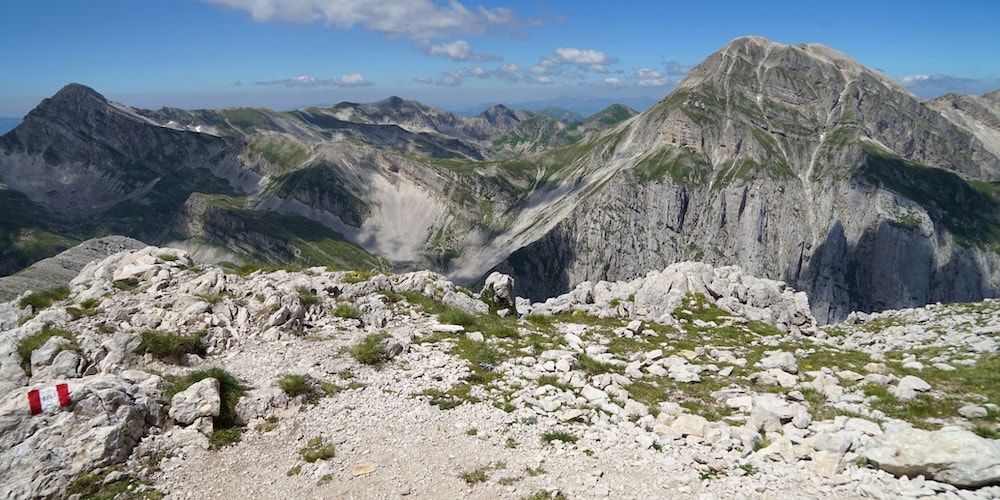
Why is the Gran Sasso perfect for slow travel? Because moving at a relaxed pace is the best way to grasp the charm of a vast and still deeply authentic territory.
Outdoor activities are numerous and suitable for all levels of experience: from simple walks for a quick, relaxing stroll to multi-day itineraries, such as the Cammino del Gran Sasso, a roughly 60 km circular route divided into five stages that connects Campo Imperatore, Castel del Monte, the San Marco plain, and Barisciano, passing through canyons and historic villages.
This route allows you to fully experience the natural beauty of the Abruzzo Apennines. Because on any Gran Sasso itinerary, hiking is not just physical exercise but a genuine way to connect deeply with the land.
What to see and do:
- Cammino del Gran Sasso.
When to go and practical tips for international travelers
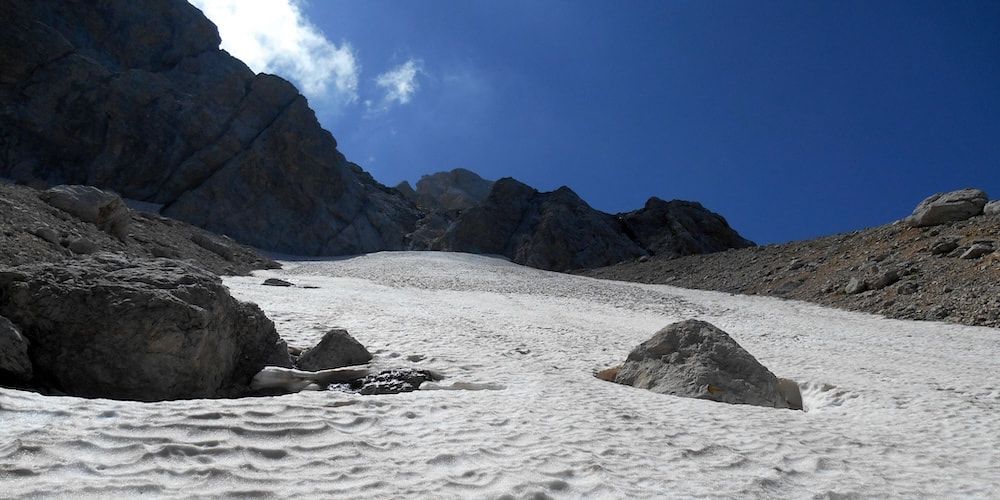
The climate of the Gran Sasso varies significantly with the seasons: in summer, the plateau comes alive with herds of horses and livestock grazing across the meadows, while chamois skillfully climb the slopes and eagles soar above the landscape.
In winter, the scenery turns white with snow, and most trails require mountaineering skills or specialized equipment. Spring and autumn offer extraordinary light and mild temperatures, ideal for exploring the area.
For international travelers, L’Aquila serves as an outstanding base to begin your journey into the Gran Sasso’s nature. The city is well connected to the park, accessible by car or bus, and offers numerous accommodations and information points.
Planning ahead, checking the opening schedules of cable cars and mountain huts, and dressing appropriately for mountain conditions are always essential steps to ensure a safe and sustainable experience in the heart of Abruzzo.
About the author
Written on 12/02/2026
Alessandro Savino
SEO Copywriter & web editor: I love transforming my passion for writing into engaging narratives, creatively and precisely exploring the beauty and complexity of our wonderful country.

Alessandro Savino
Travel from L’Aquila to the Gran Sasso and step into the magic of Abruzzo’s unspoiled nature, among unique landscapes and outdoor adventures.