

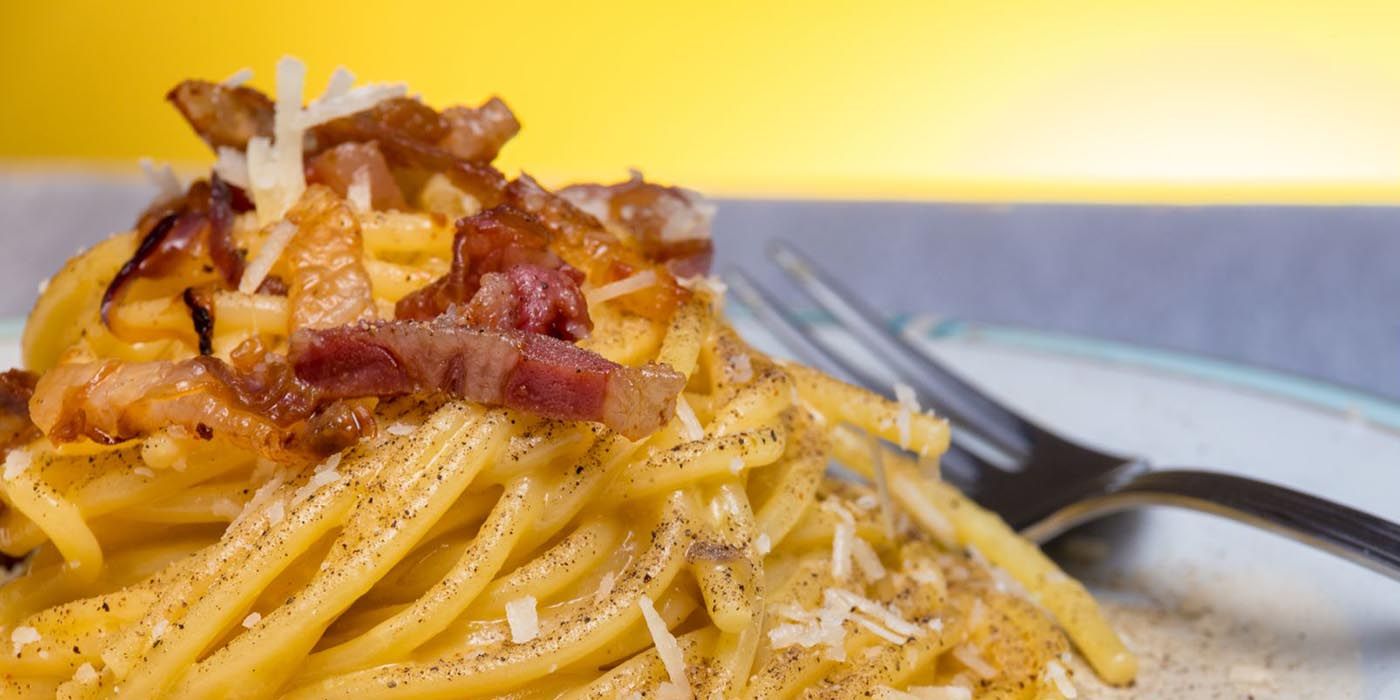

In Rome, pasta alla carbonara isn’t just a dish — it’s a standard. People don’t really ask if it’s good. They ask if it feels right. And for a Roman, that difference is obvious right away.
Over the years, I’ve eaten carbonara all over the city: central restaurants, small neighborhood trattorias, even at people’s homes. At first, I thought it was just personal taste. Then I started noticing something more specific: some carbonaras worked immediately, others didn’t quite land. They weren’t bad — just slightly off, like polished versions missing that unmistakable Roman identity.
So I started asking around. Not chefs, but locals. Friends, neighbors, coworkers — people who grew up with this dish. And while the answers varied, the core details were always the same.
That’s how this guide came together. Not an authentic carbonara recipe, but something just as useful: a way to recognize one.
If you’re searching for real carbonara in Rome, this is where you start.

How Romans recognize real carbonara
Once, I asked the cook at my neighborhood trattoria how to tell if a carbonara is done right. He didn’t hesitate:
“You don’t explain carbonara — you just get it right away.”
And he’s right. There are a few signals that always give it away:
• Texture
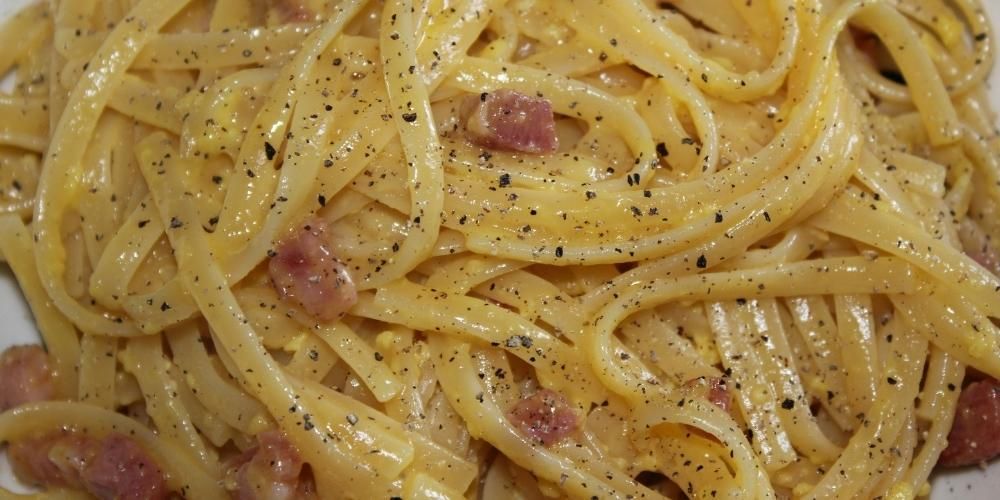
Real carbonara should be creamy in a very specific way. It coats the pasta, clings to it, without pooling at the bottom of the plate. If there’s liquid left behind, something didn’t come together. If it looks too thick or sticky, it’s just as off. The right balance is visible immediately.
• Color
It should be a warm, natural yellow — never overly bright or dull. That color comes directly from eggs and pecorino. If it looks too vivid or too pale, it usually comes down to the eggs: either the quality or how they’ve been used.
• Guanciale
One of the clearest markers of real carbonara in Rome. It should be crispy on the outside, slightly tender inside. Most importantly, it has to be fully integrated into the dish — not sitting on top. Its fat should be part of the sauce. If it feels separate, the balance is off.
• Aroma
You notice it before you even taste it. A proper carbonara smells like pepper, pecorino, and guanciale — that’s it. If anything else stands out, you’re drifting away from the authentic version.
• Pasta
It has to be properly al dente. You should feel a slight bite. That texture is what holds everything together. If it’s overcooked, the dish loses structure and quickly falls flat. Obviously, if it's homemade pasta, things change.
Where things usually go wrong

Talking to different people, one thing became clear: mistakes tend to happen in the same places.
• Eggs
This is the most delicate step. The line between creamy sauce and scrambled eggs is thin. Too much heat ruins it. Too little, and the sauce stays loose and doesn’t bind.
• Guanciale
Overcook it, and it becomes dry and loses its purpose. Undercook it, and the fat stays separate, making the dish feel heavy.
• Pecorino
It needs balance. Too much overwhelms everything. Too little leaves the dish incomplete.
These are the details that separate a good pasta from real carbonara in Rome.
The detail that makes the difference
There’s one moment where everything comes together: the final toss.
This is when eggs, pecorino, and guanciale fat combine into the sauce. The temperature needs to be just right — warm enough to create the creaminess, controlled enough to keep the eggs from scrambling.
It’s a narrow window, and not easy to get right. That’s why real carbonara in Rome stands out so clearly — and why it’s harder to replicate than it looks.
Discover Visit Rome PassA personal memory
Out of all the conversations, the most meaningful one wasn’t the most technical.
I asked the mother of a neighbor — the one I used to visit after school as a kid. I still remember how, even before getting there, just thinking about her carbonara would make me hungry.
When I asked her what makes a real one, she didn’t mention ingredients. She just said:
“If you still remember it like that, then it was the right one.”
Simple, but precise. A real carbonara leaves a mark.
When it’s the real one, you know
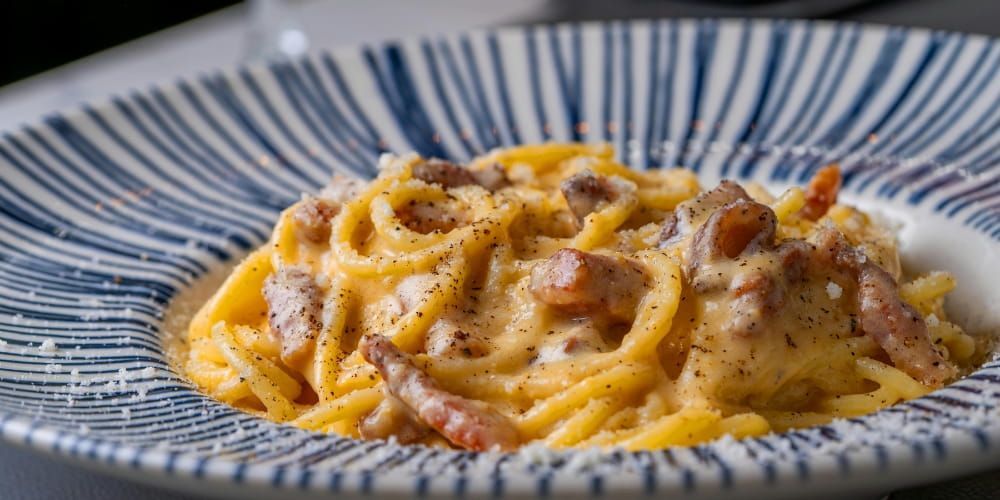
Romans don’t analyze carbonara — they recognize it.
That recognition comes from concrete details: texture, balance, aroma, cooking. With a bit of attention, these become easy to spot.
These are the real Roman food tips: look at the dish, notice the details, and trust what you’re seeing.
And one thing is certain:
when it’s authentic, you know right away.
What is authentic carbonara?
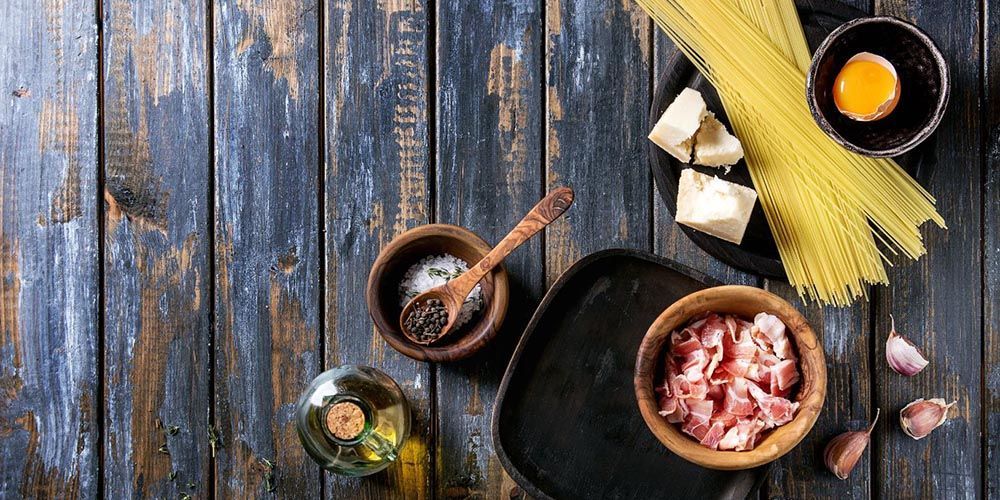
Authentic carbonara is a traditional Roman dish made with guanciale, eggs, pecorino romano, and black pepper. Its signature is its natural creaminess, achieved without cream, through the proper mixing of eggs, cheese, and guanciale fat.
How to recognize real carbonara?
To recognize real carbonara in Rome, look at texture, color, and aroma. It should be creamy but not runny, naturally colored, clean in smell, and served with properly cooked al dente pasta. No extra ingredients — that’s key.
About the author
Written on 22/05/2026
Chiarastella Campanelli
Dreamer, editor, beauty lover

Chiarastella Campanelli
A local guide shaped by everyday conversations, home kitchens, and neighborhood tables to understand what authentic carbonara in Rome really is