
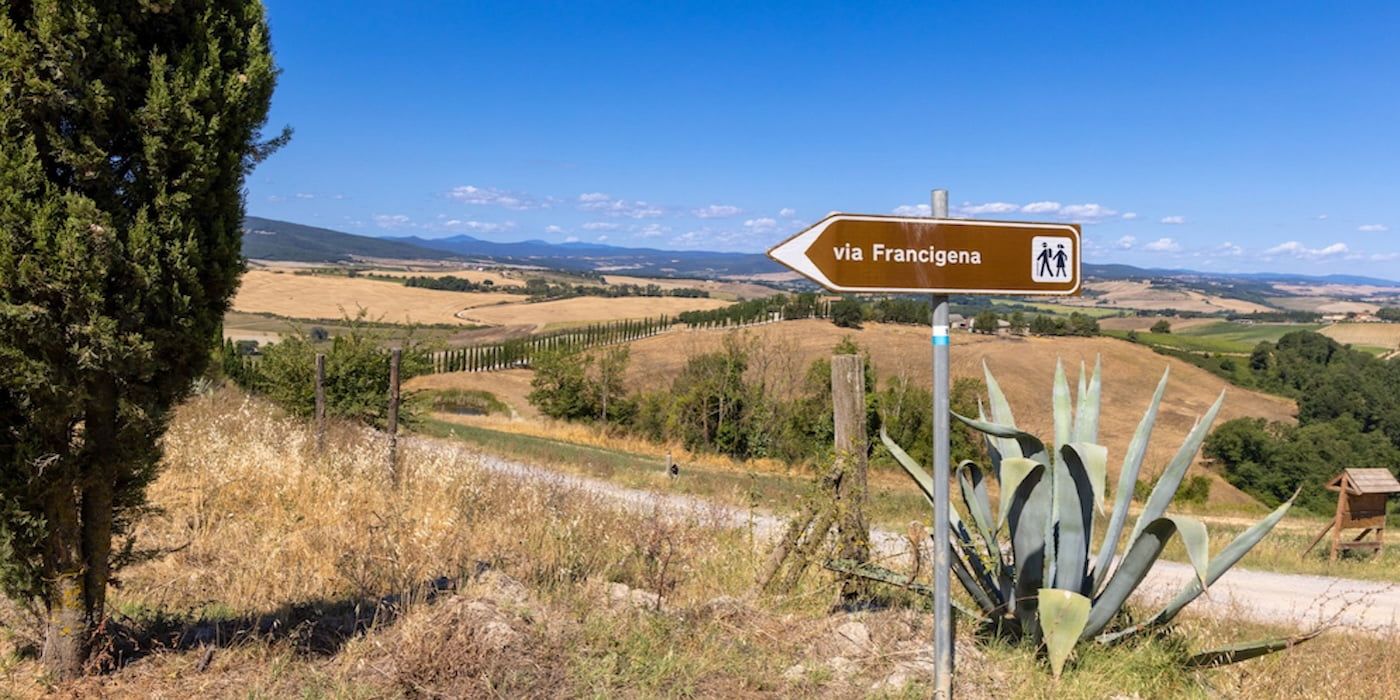

The Camino de Santiago, the undisputed king of global pilgrimage, has turned pilgrimage into a viral phenomenon, between scallop shells, selfies and mass tourism. But what if there were an equally epic European alternative, yet more intimate and authentic?
Enter Via Francigena, a thousand-year-old hidden gem destined to stay with you: less commercial and more intimate, it leads you through Italy’s historic villages and evocative landscapes, where the true spirit of travel comes alive.
Listen to the call of this unique route, and get ready to be amazed by the variety of experiences you can encounter along the way.
Via Francigena, the hidden route that is rewriting pilgrimage in Europe
🥇 Visit Italy’s brand partnership
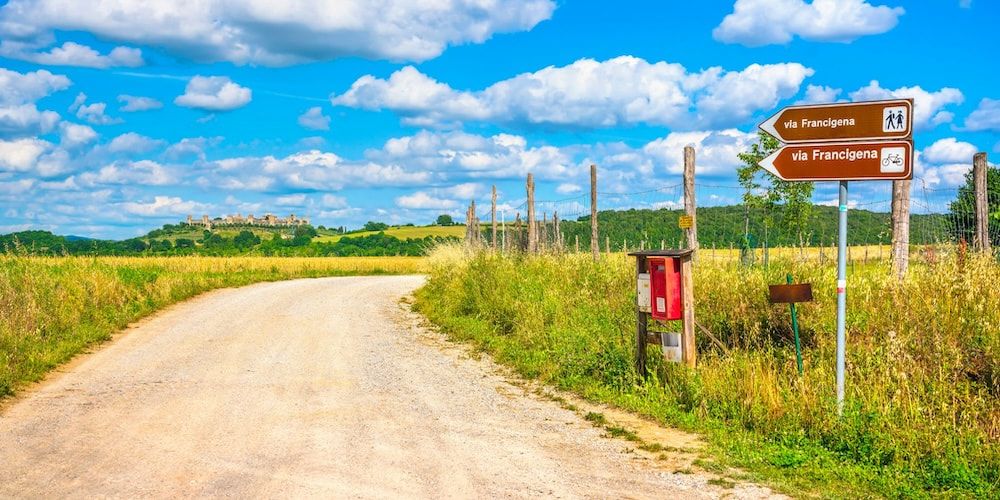
Via Francigena is one of Europe’s great historic itineraries, a route that for centuries connected Canterbury to Rome and, in principle, continued southwards through Italy along the ancient paths of medieval pilgrimage. It was a religious road, but also a vital axis linking peoples, merchants and travellers who crossed the continent.
Today, this route is experiencing a second life, far from the more commercial dynamics that define other famous itineraries such as the Camino de Santiago. Along Via Francigena, the experience unfolds into hundreds of possible variations that cross territories and intertwine with a more authentic Italy.
From North to South of the peninsula, you encounter timeless villages, landscapes that change character from region to region, art cities, and gravel roads still largely untouched by mass tourism.
It’s precisely in this continuous, almost unpredictable variety that Via Francigena reveals its most distinctive identity: a route that escapes the idea of a linear path to be “completed” and instead becomes a mosaic of landscapes and cultures, making every stage different and unmissable.
Discover more about the Via FrancigenaVia Francigena or Camino de Santiago? Landscapes and culture
Landscapes
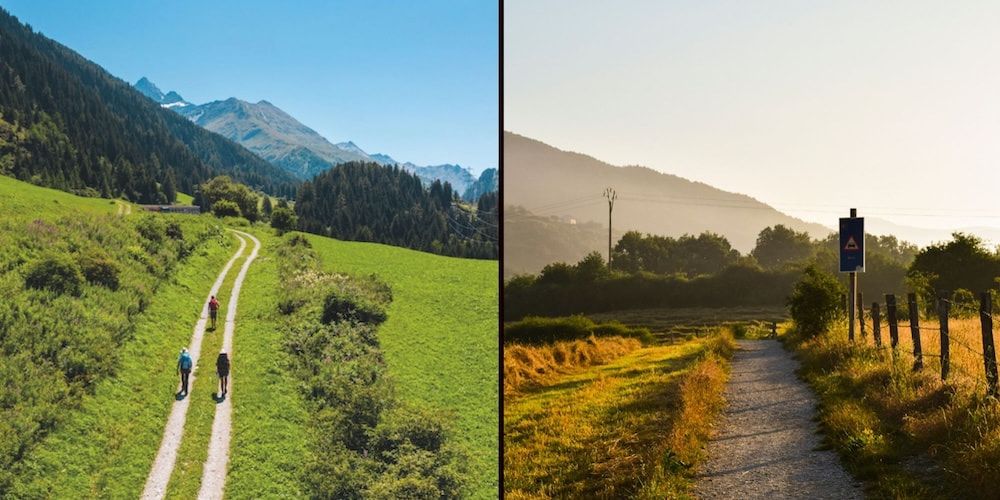
Along the Camino de Santiago, you can expect recognizable and relatively consistent scenery. The hills of Galicia, trails and villages follow one another along a well-organized route, with established infrastructure and a strong presence of international travellers.
Via Francigena, in its Italian route, unfolds through a sequence of very different landscapes. From the Alpine valleys to Rome, it crosses the Po Valley, the Tuscan-Emilian Apennines, the rolling hills of Tuscany and the countryside of Lazio. Each region offers its own atmosphere, scenery and rhythm.
Culture
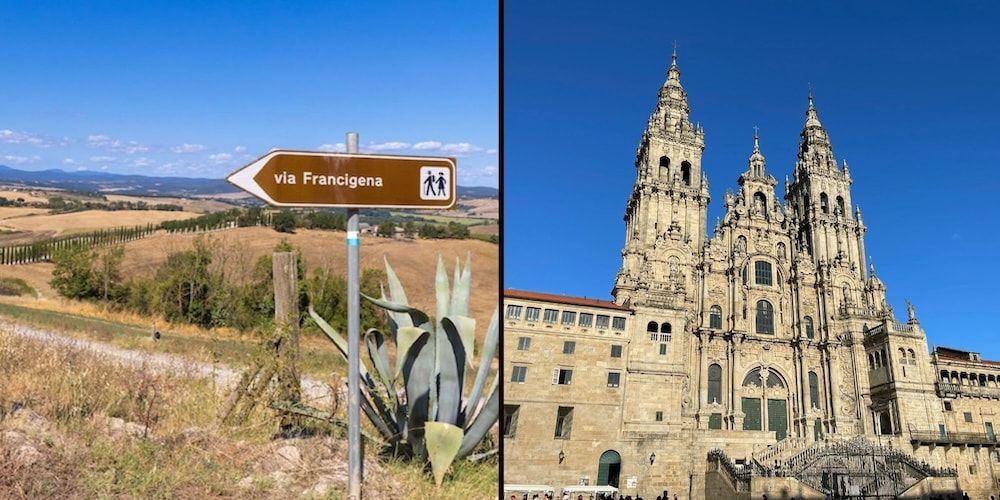
The cultural dimension is also deeply different. The Camino de Santiago revolves around one iconic symbolic destination: the Cathedral of Santiago de Compostela, the culminating point of the pilgrimage and the heart of the entire journey.
Via Francigena places greater emphasis on the journey itself rather than on the final destination. There are route variants, flexible stages and sections that you can walk independently, creating a less standardized experience. In Tuscany, for example, you can admire rolling hills and medieval towns like Siena and San Gimignano, while in Lazio you move through rural landscapes and spiritual sites close tos Rome.
Crowds, experience and authenticity: the differences between Via Francigena and Camino de Santiago
Crowds
Expect a highly shared experience along the Camino de Santiago. Hostels, bars, rest stops and international groups of pilgrims shape much of the route, and this lively, communal atmosphere has become one of the defining symbols of the journey itself.
Via Francigena maintains a quieter and less crowded rhythm. Along many Italian stages, the trails cross countryside landscapes, small villages and rural roads where the flow of pilgrims remains limited even during the busiest periods. This allows you to experience a more “genuine” pilgrimage, untouched by the dynamics of mass tourism.
Experience and authenticity
Along the Camino de Santiago, the infrastructure is highly developed and designed to accommodate large numbers of travellers, with an extensive network of hotels, dedicated services and well-marked paths throughout most of the itinerary.
On Francigena, agriturismos, small B&Bs, religious guesthouses and local accommodations often replace large standardised networks. This creates a more direct connection with the places you visit and the people you meet, as the overall experience feels more spontaneous and deeply rooted in the local territory. That’s why many pilgrims describe the Via Francigena as a simpler, more authentic and unforgettable experience.
Why is Via Francigena winning over more and more travelers?
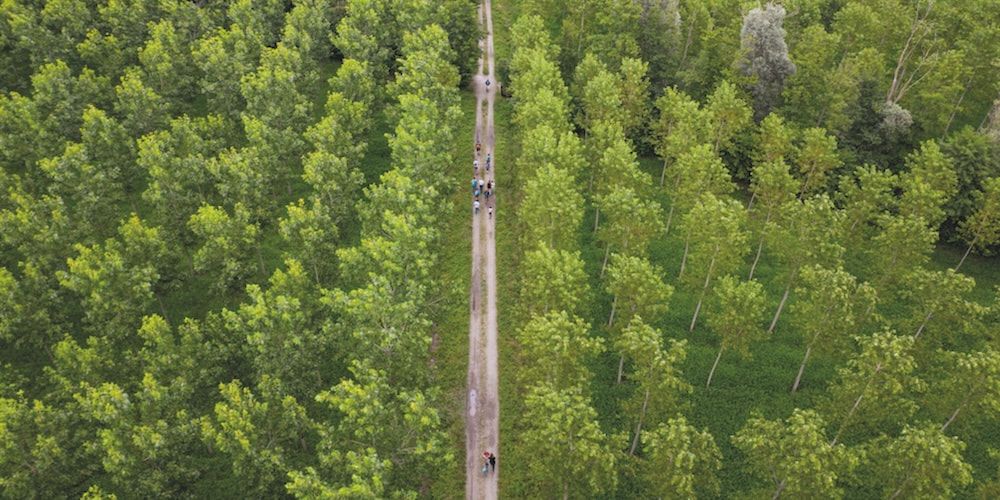
Boom of slow travel - In recent years, more and more people have been looking for slower, immersive journeys far removed from fast-paced, checklist-style tourism, driven by the desire for experiences that feel more authentic, sustainable and personal than traditional holidays built around hectic schedules and quick stops. Via Francigena fits perfectly into this trend, offering days shaped by walking and a relaxed, restorative rhythm.
The alternative to the Camino de Santiago - Many travellers who have already completed the Camino de Santiago are now searching for something new. The Via Francigena stands out precisely because of its lesser-known and less standardised character, capable of delivering a more intimate and spontaneous experience.
A more authentic Italy - One of Via Francigena’s greatest strengths is its continuous connection with rural and historic Italy. As mentioned earlier, local traditions, regional cuisine and agricultural landscapes allow you to discover a lesser-known side of the country.
The Via Francigena today: a new pilgrim experience
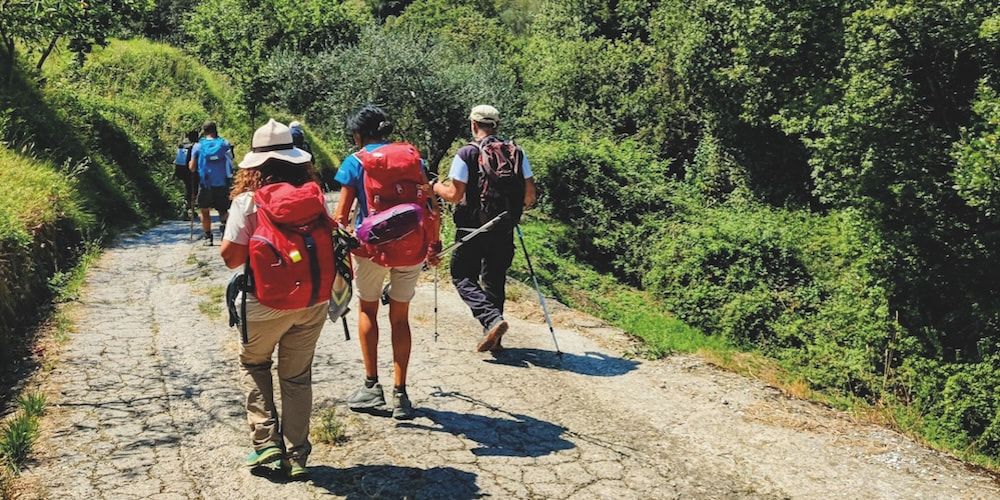
Beyond pilgrimage - Today, Via Francigena is experienced in many different ways compared to the past. Some people set out for spiritual reasons, others choose it as a personal challenge, while many simply want to slow down and cross Italy at a different pace from traditional tourism. This freedom of interpretation has turned the Francigena into one of the most interesting walking routes in Europe.
A flexible and accessible route
One of Via Francigena’s greatest strengths is its flexibility. You do not need to walk thousands of kilometers to experience the route: you can choose individual stages, short itineraries or one- to two-week sections, shaping the experience around the time you have available.
Perfect even for beginners
Via Francigena is also considered accessible for people tackling their first walking route. Some of the most appreciated sections, especially in Tuscany, offer days of walking without major technical difficulties. The official route is designed to be enjoyed by people of different ages and experience levels.
The quiet revolution of Europe’s walking routes
Via Francigena has never chased the global popularity of the Camino de Santiago. And perhaps that is precisely its greatest charm.
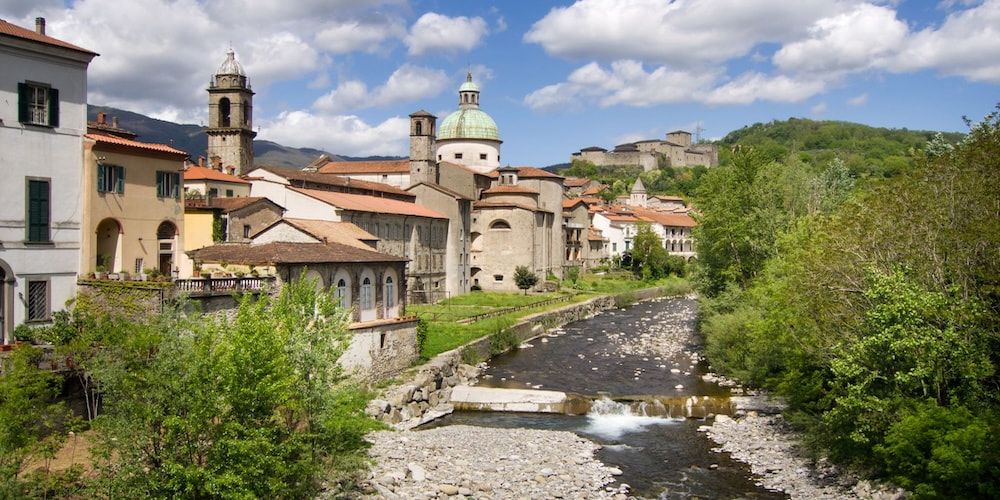
It offers an experience that leaves more room for personal discovery. A journey that draws you into a quieter and less predictable dimension, where medieval villages replace major tourist cities and rural roads take the place of the most crowded routes.
More than just an alternative to the Camino, Via Francigena is becoming a new way to experience slow travel in Europe: perhaps less spectacular, but often more intimate, emotional and immersive.
About the author
Written on 19/05/2026
Alessandro Savino
SEO Copywriter & web editor: I love transforming my passion for writing into engaging narratives, creatively and precisely exploring the beauty and complexity of our wonderful country.

Alessandro Savino
Is Camino de Santiago too crowded? Enjoy Via Francigena, the ancient pilgrimage route that wins you over with nature and Italy’s charming villages.