
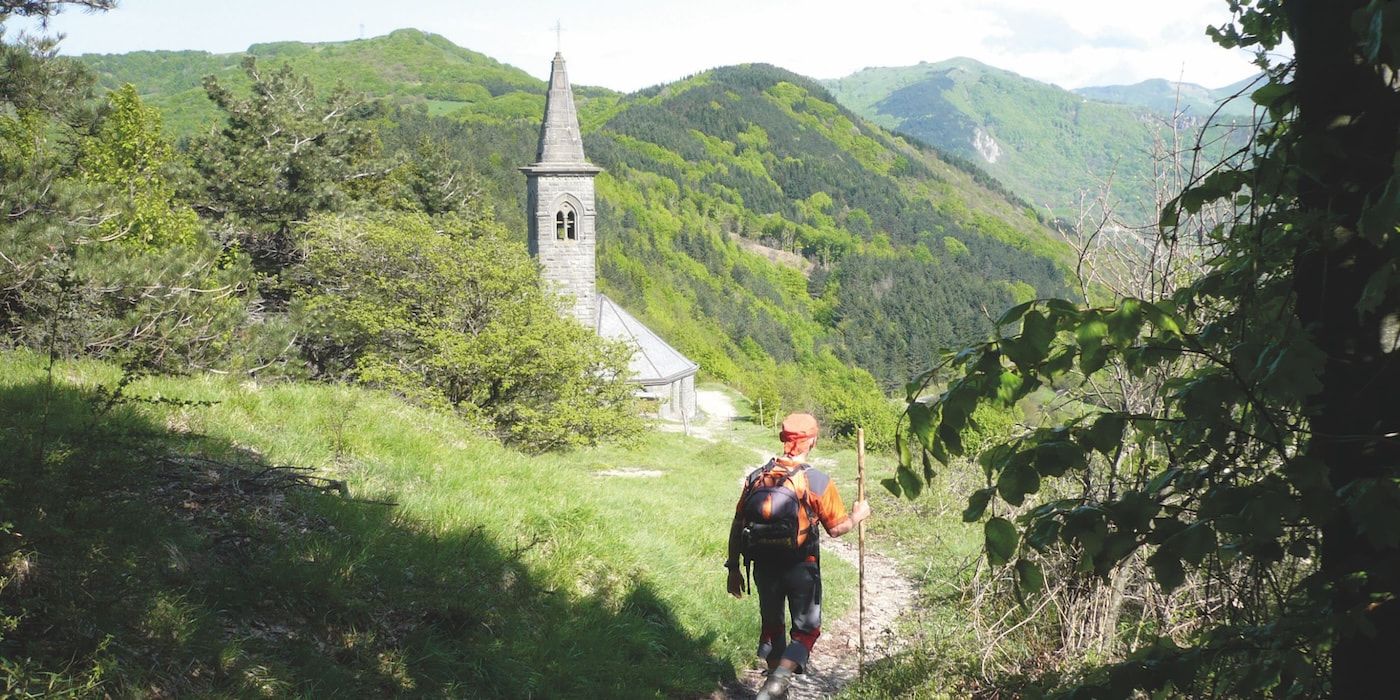

From the Alpine stretches of the Via Francigena to the rolling hills of Tuscany, and down to the ancient routes of Southern Italy, each path is an invitation to rediscover the true rhythm of travel.
These are not just simple hikes, but age-old routes where history, nature, and spirituality come together in an experience that can deeply transform you.
Whether you’re seeking a physical challenge, a moment of silence, or a restorative escape, Italy offers a path waiting to be explored. Are you ready to put on your backpack and leave the noise of the world behind? Here are 7 spiritual routes that will offer you a new and unforgettable perspective on our country.
Why thousands of travelers choose spiritual tourism in Italy
🥇 Visit Italy’s brand partnership
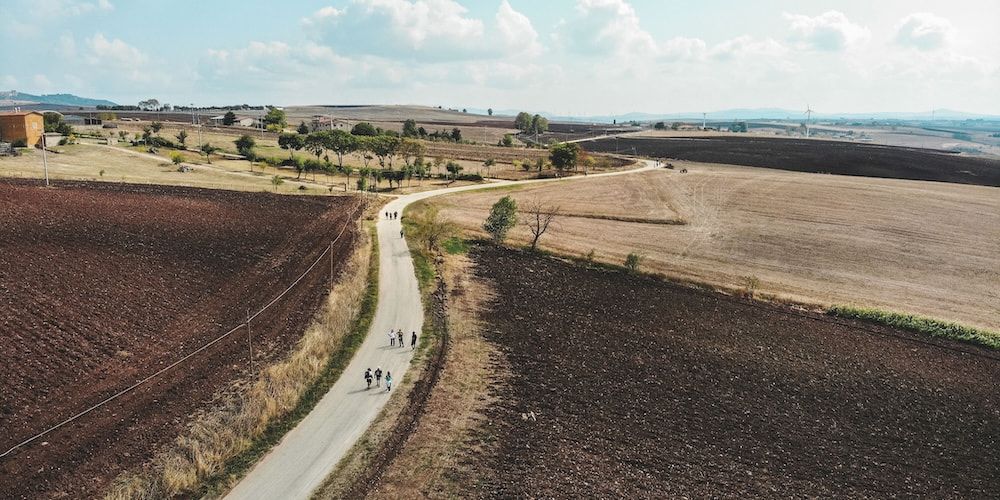
In recent years, pilgrimage routes in Italy have become the symbol of a new way of exploring: less rush, deeper connection with the places along the way.
In 2026, Italy is a destination to be experienced step by step, where travel becomes an opportunity for personal transformation. Religious tourism is part of this shift: walking through historic villages and natural landscapes becomes a way to step away from the constant rhythm of everyday life, rediscovering the value of “slow time.”
The essence of these journeys is deeply personal: backpack on your shoulders, simple accommodations, and landscapes that change gradually over time. At the heart of this renewal is the Via Francigena, the ancient route that for centuries connected Europe to the heart of Christianity. More than ever today, it stands as an itinerary blending historical depth with the modern demand for slow travel experiences.
And it’s only the gateway to a much wider universe. Italy offers a constellation of paths stretching from north to south: from Alpine peaks to Mediterranean trails, these are the paths redefining the map of modern pilgrimage, an authentic alternative for those seeking either a new adventure or a refuge for their soul.
Discover more about the Via Francigena7. The Via Francigena: the return of pilgrimage in the age of slow travel
🥇 Visit Italy’s brand partnership
A route born in the Middle Ages, in the 11th century, stretching over 3,000 km from Canterbury to Rome and further south to Santa Maria di Leuca, in the heart of southern Italy. Today, the Via Francigena attracts tens of thousands of international pilgrims every year, drawn to its balance of adventure and introspection.
Whether you start from northern or southern Italy, the experience is the same: backpack on your shoulders, the Pilgrim’s Credential as your travel companion (the official “passport” of the route), nights in dedicated traveler hostels, and a path that guides you step by step all the way to Rome.
The contemporary experience has evolved without losing its essence. You can now navigate the route using official digital tools for GPS and bookings, while alternating stages among agriturismos and small local accommodations that welcome travelers along the way.
A typical day still follows its timeless rhythm: 20–30 km on foot, long stretches immersed in nature, expanding silence, and simple evenings under star-filled skies.
6. The Oropa pilgrimage route: step by step through Piedmont
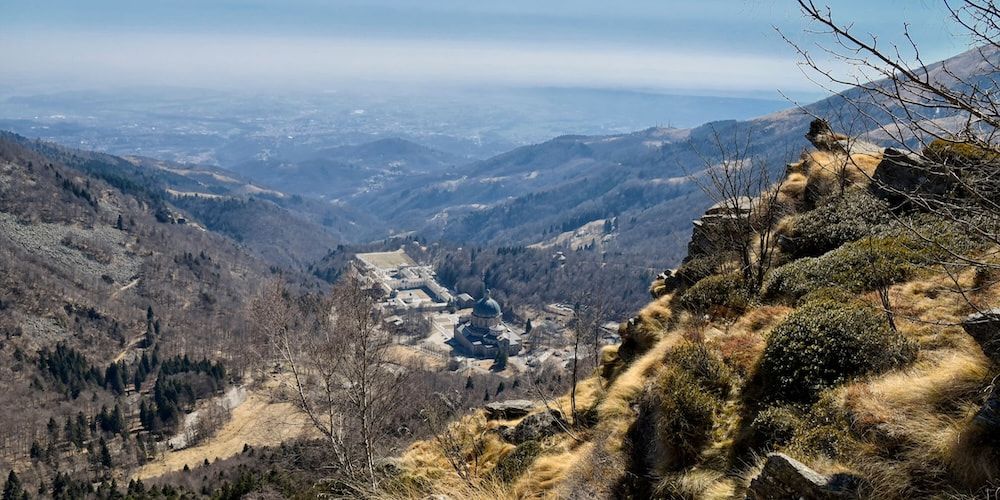
One of the oldest and most meaningful spiritual routes in Piedmont, the Oropa pilgrimage route leads you to the Sanctuary of Oropa, dedicated to the Black Madonna. The route starts in Santhià, in the Vercelli area, and covers about 65 km divided into 4 stages of 15–20 km each, gradually guiding you up to the sanctuary at 1,143 meters above sea level.
A challenging climb? Perhaps—but also a unique journey that slowly takes you through small, charming villages, quiet backroads, and silent countryside landscapes that seem to slow down with you. This gradual ascent is exactly what makes it ideal if this is your first multi-day walking experience.
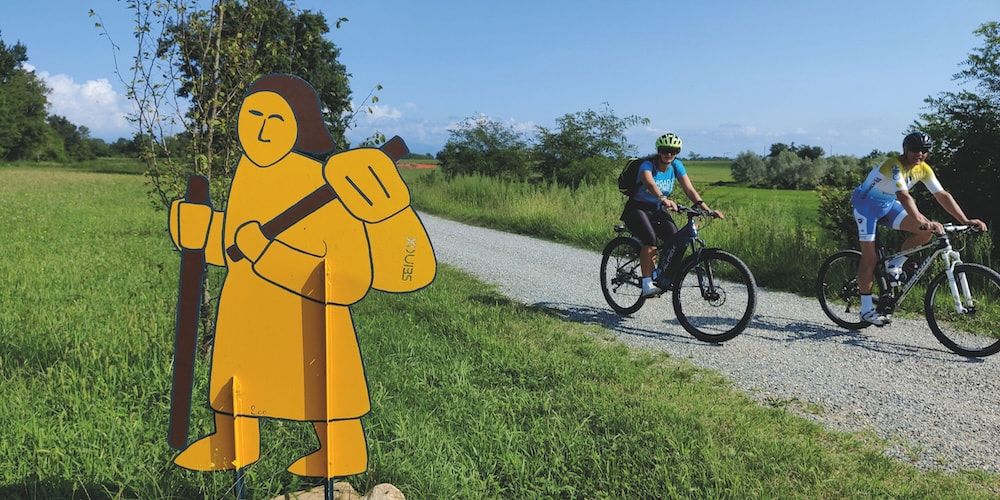
You can hike it or cycle it, and in some sections even ride on horseback. The idea is always the same: to immerse yourself in a landscape that asks you to focus less on the final destination and more on what you encounter along the way.
5. Via Romea Strata, a hidden route between East and West
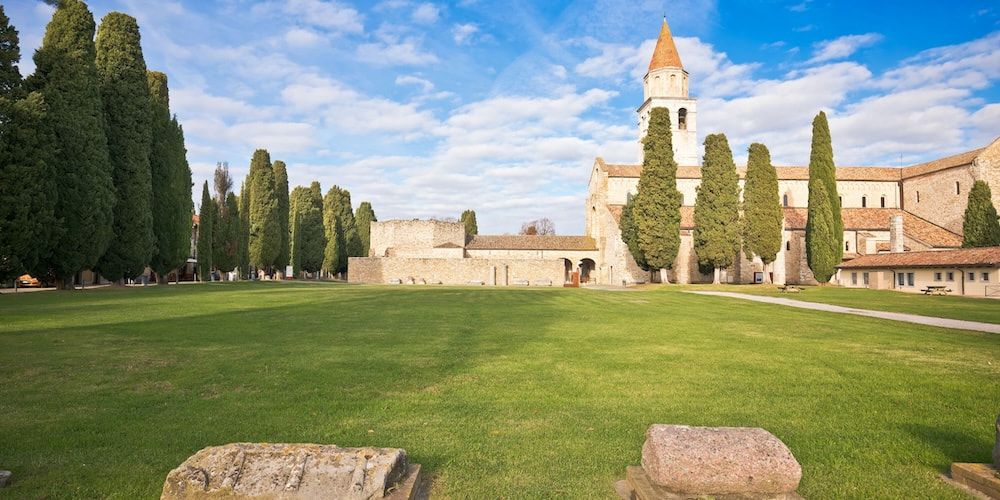
The Via Romea Strata is an ancient network of medieval paths connecting Central and Eastern Europe to Rome. In Italy, it enters from the Northeast and crosses Friuli Venezia Giulia, Veneto, and Tuscany, following the traces of historic pilgrimage and trade routes.
The landscapes may be less dramatic compared to other pilgrimage paths, yet this is a journey that will still surprise you, leading you through lesser-known areas far from the main tourist routes, where villages preserve a strong and authentic identity.
Along the way, you still encounter amazing sites such as the stunning Aquileia, a UNESCO World Heritage Site, and the Venetian castles. A flexible journey that bridges East and West, ideal for those seeking a slower, more authentic kind of discovery.
4. Path of San Jacopo: the “Italian Santiago” among Tuscan olive groves
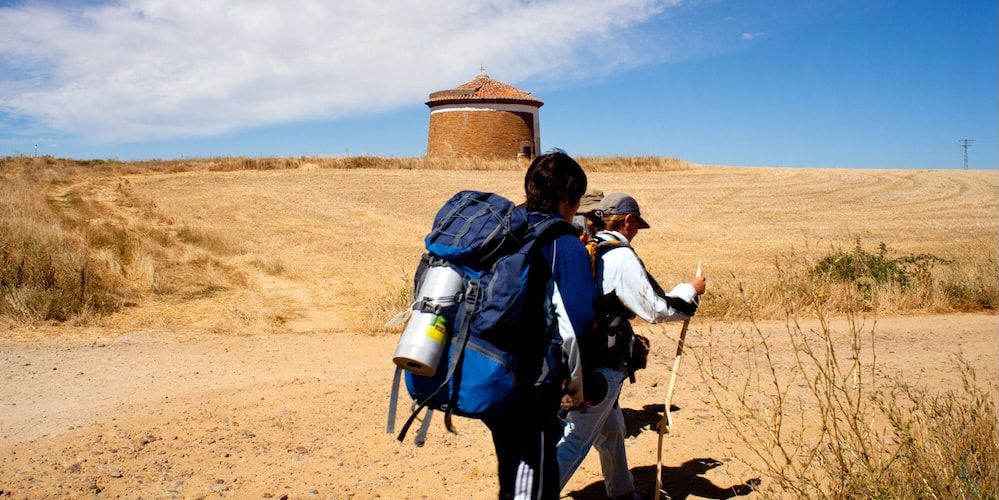
A unique journey of renewal through the Tuscan hills, the Path of St. Jacopo of Tuscany is often called the “Italian Santiago,” and the name is far from accidental. Its connection to the Apostle James is especially strong in the city of Pistoia, which preserves one of the most important Italian relics dedicated to him.
The route unfolds in the heart of Tuscany, between Florence and Livorno, guiding you through a surprisingly diverse journey—from art-filled urban stretches to quiet hillside paths where the Tuscan countryside takes center stage.
Its defining feature is a sense of Mediterranean calm that accompanies you along the way, with stays in historic hostels and stops that often blend with local flavors and traditional wines.
3. Way of St. Francis: in the land of Franciscan simplicity
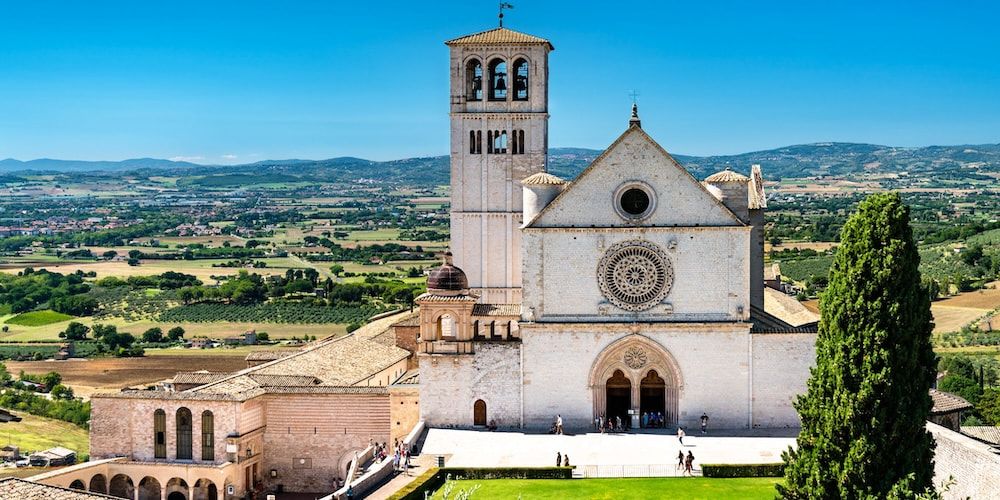
From the forests of La Verna to Assisi, a 180 km trekking route immerses you in the life of one of Italy’s most beloved saints, passing through rocky hermitages and the enchanted valleys of Umbria.
As you travel, you can feel the deep spiritual intimacy of Francis’s “humble” places, perfect for authentic and profound reflection, such as the Sanctuary of La Verna, where he received the stigmata.
The wild nature of the Foreste Casentinesi National Park, the restorative silence of medieval villages, and a triumphant finale at the Basilica of St. Francis in Assisi: a special journey to be fully experienced, revealing Franciscan simplicity over 10 days
2. The Way of St. Benedict: the magic of nature among the monasteries of Umbria and Lazio
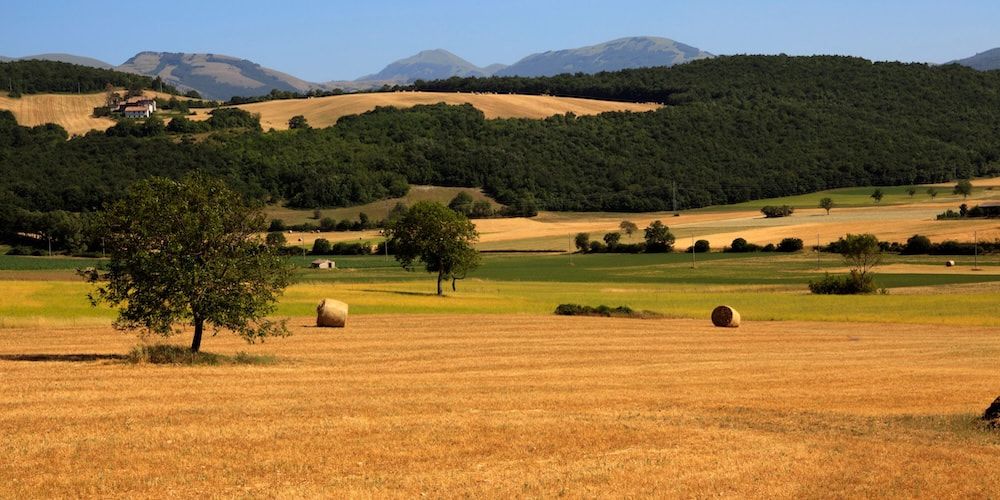
From Norcia to Montecassino, a 300 km journey through Umbria and Lazio retracing the life of the founder of Western monasticism. The three great monasteries of Norcia, Subiaco, and Montecassino mark the Way of St. Benedict, along with spiritual connections to figures such as Saint Rita of Cascia and Thomas Aquinas, offering an authentic immersion in Benedictine spirituality.
Rugged mountains, isolated valleys, and dramatic gorges like those of the Nera River alternate with timeless villages such as Ferentillo and Arrone. Well-marked trails guide you through the central Apennines, in a deep silence broken only by the wind, inviting reflection and inner stillness.
The wild landscapes and sweeping views create a stripped-back rhythm with no distractions, turning the journey into a powerful and unforgettable experience.
1. Cammino Materano: the wild soul of Southern Italy
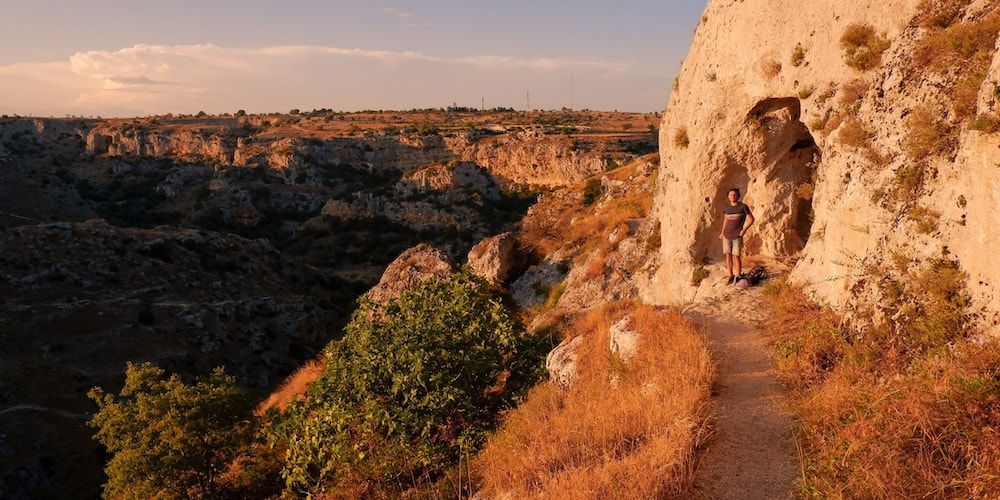
Six routes converging on Matera, covering around 500 km across Puglia, Basilicata, Campania, and Molise, following ancient pastoral trails once used for transhumance.
Its unique essence lies in the exploration of “biblical” landscapes: erosion-carved ravines, lunar badlands, and the prehistoric Sassi, inhabited for over 10,000 years—offering a true journey into time, far from mass tourism.
You move along rural paths at your own pace, shaping each stage with flexibility while experiencing the warm hospitality of Basilicata through agriturismos and local communities still deeply connected to the land and its seasonal rhythms.
Here, the spirituality of the journey blends with fiery sunsets and the cinematic allure of Matera (featured in films like The Passion and Ben-Hur), as you (re)discover a more mysterious and primordial side of Italy.

About the author
Written on 13/05/2026
Alessandro Savino
SEO Copywriter & web editor: I love transforming my passion for writing into engaging narratives, creatively and precisely exploring the beauty and complexity of our wonderful country.

Alessandro Savino
Explore Italy’s 7 most beautiful pilgrimage routes: from the Via Francigena to Southern itineraries, villages and nature guide your renewing journey.