

There’s a corner of southern Italy, in the beating heart of the Mediterranean, where myth and history merge with breathtaking landscapes and crystalline waters. Amid millennia-old temples, hidden beaches, and timeless villages, every stone tells legends of heroes and sirens: this is Cilento, a destination rapidly emerging as the summer 2026 revelation.
Less than two hours from the Gulf of Naples, in the province of Salerno, Cilento offers a complete experience: pristine nature, ancient villages, extraordinary archaeological sites, and a cuisine steeped in centuries of Mediterranean tradition. For those seeking more than just a holiday, here the allure of antiquity meets the authenticity of local flavors and the relaxed rhythms of southern Italy. Let’s explore why Cilento is becoming a must-visit destination in spring and summer for travelers from around the world.
Cilento, a paradise to discover in summer 2026
The Cilento is a loosely defined area along the Tyrrhenian coast of Campania, stretching from the archaeological site of Paestum to Capo Palinuro, combining pristine beaches with an inland dotted with historic villages and natural parks. It is no surprise that Cilento offers a rich and varied travel experience, immersing visitors in local history and culture—an allure that even captivated writers like Hemingway.
Strolling among the columns of ancient Greek temples, diving into crystal-clear waters, and savoring dishes that tell centuries of Mediterranean tradition: here, everything seems suspended in time. The slow, authentic rhythm of southern Italy, still largely untouched by mass tourism, turns every experience into a complete immersion in myth, nature, and local flavors.
What are the unmissable experiences during a summer in Cilento? We’ll explore them in detail throughout this article, but in short:
- Explore archaeological Cilento, from Paestum to Velia
- Be enchanted by the myths of Magna Grecia
- Discover local products at the heart of the Mediterranean Diet, UNESCO intangible heritage
- Walk breathtaking natural trails
- Relax on the most beautiful beaches
- Lose yourself in the most charming villages, steeped in history and authentic local life
A land born from myth
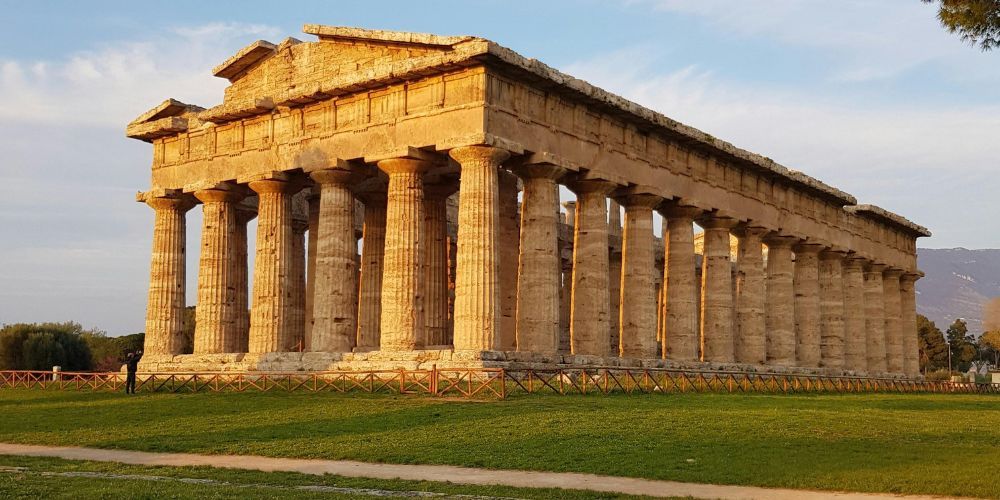
Within the protected area of the Parco Nazionale del Cilento, Vallo di Diano e Alburni, a UNESCO World Heritage Site, you will find the legacy of Magna Grecia alongside ancient legends and the symbolic traditions of rural culture.
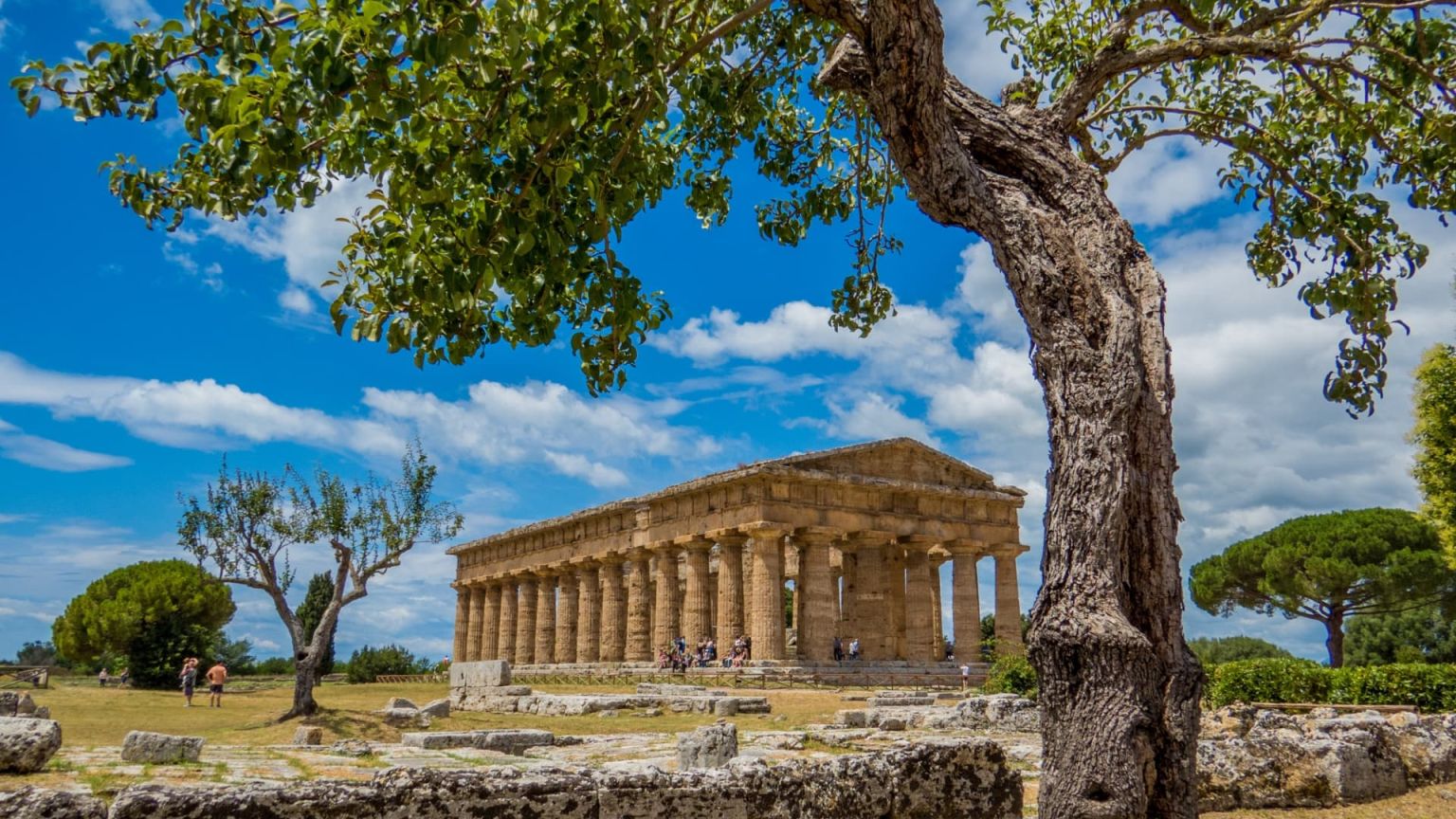
The ancient colonies of the 7th and 6th centuries BC, Poseidonia, now known as Paestum, and Elea, now Velia, were linked to the cults of Poseidon, Hera, and Athena. Their archaeological sites, with the magnificent temples, are some of the most important in Europe.
Cilento is also full of hidden gems to discover. Among them there are even older archaeological sites. In a land inhabited since the Paleolithic, there's no shortage of important evidence from the Bronze Age, the Lucanian civilization, and the Roman era.
The Camerota Paleolithic Virtual EcoMuseum and the fashinating Pertosa Caves are both excellent starting points for exploring this lesser-known side of Cilento's heritage.
A delicious tradition that has spanned the millennia
🥇 Visit Italy’s brand partnership
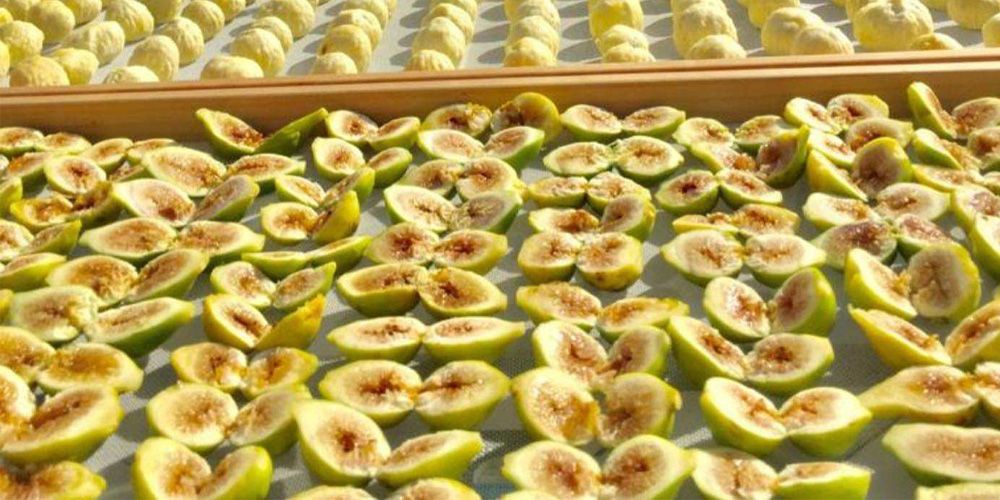
Myth and history in Cilento do not belong to the past. They are still alive and part of the daily life of its inhabitants.
Among the most ancient symbols of Cilento tradition, the white fig stands out, one of the most precious fruits of the area since forever, linked to mythology.
Traditionally consumed dried and still prepared according to ancient methods, the white fig was a symbol of fertility and prosperity. Sacred to Demeter and Dionysus, it arrived in Cilento thousands of years ago, thanks to Greek travelers who brought their traditions with them.
Among the ancients, in fact, the fig was used at weddings as a symbol of fertility, so it's no surprise that the sweet fruit found a sort of second home in the lands of Magna Graecia.
Over time, drying figs in the sun became a recurring ritual, focused on family prosperity, which many locals still maintain. In the village of Prignano Cilento, in the ancient 18th-century Santomiele oil mill, figs are indeed dried according to tradition, bringing out their full flavor and exceptional sweetness.
The act of preparing figs like that also holds a special charm because it recalls ancient agricultural rituals and the seasonal cycles of death and rebirth.
Discover Santomiele's traditionWhere the Mediterranean Diet is born
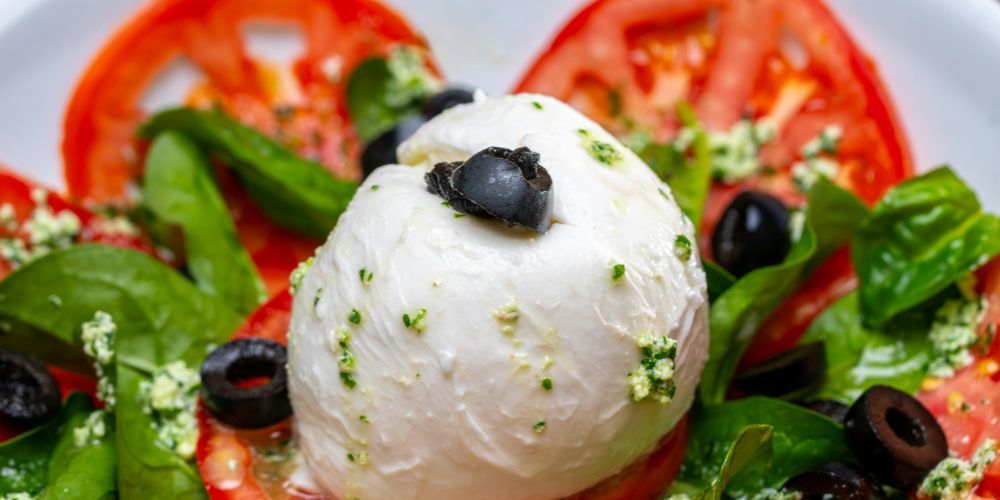
A millennia old cooking tradition and a wide range of specialties make a summer in Cilento even more appealing for italian cuisine lovers in general, and Mediterranean Diet's fans in particular.
Not just a simple diet, much less yet another fad, the Mediterranean Diet originated in Cilento and has been a UNESCO World Heritage Site since 2010. Ancient habits, biodiversity, quality, and even community practices make this diet unique, particularly healthy and, above all, delicious.
What unites traditional dishes, anyway, is the simplicity of the recipes and the freshness of the ingredients, not to mention Mediterranean herbs and extra virgin olive oil, among the finest you can find in Italy.
A journey through the flavours of Cilento should absolutely include the mozzarella di bufala Campana, including the version preserved in myrtle leaves, to accompany with juicy tomatoes.
In Paestum, the Carciofo Tondo is an artichoke considered a gift of the land, and rightfully so, while the meeting of countryside and sea brings you the crushed olives, traditionally pressed by hand with a sea stone.
Cereal soups and polenta dishes such as ciccimmaretati and maracucciata are an unmissable triumph of flavors even in the warmer months, and so are the fish Alici di Menaica, named after a traditional fishing technique that preserves their distinctive taste.
The Mediterranean Diet makes even fish lovers happy. They can also live the true Cilento gastronomy experience trying many specialties at local festivals in Agropoli or Santa Maria di Castellabate, between spring and summer.
The most beautiful trails in Cilento
The National Park is a true paradise for trekking, with ancient forests, waterfalls, and rivers. Among the most beautiful routes is the Sentiero Italia near Monte Cervati in Piaggine. With its 10 kilometers and some challenging uphill sections, it can be a bit demanding, but the landscapes are breathtaking.
Shorter, yet equally impressive, is the Sentiero del Rio Casaletto, which runs alongside the stream and includes the romantic Capelli di Venere waterfalls.
If you love wild nature and flowers, try the unique walk that crosses the Valle delle Orchidee in the Monte Cervati area within the municipality of Sassano, home to 263 different species of wild orchids.
If, on the other hand, you just cannot give up the sea, the Lentiscelle Porto Infreschi trail runs right along the beautiful coastline, among bays and cliffs.
Moving from myth to more recent history, there is a three kilometer path from San Severino di Centola to Roccagloriosa, passing the castle of San Severino, the noble palace, and the Lucanian tombs of Roccagloriosa.
Where are the best beaches of Cilento
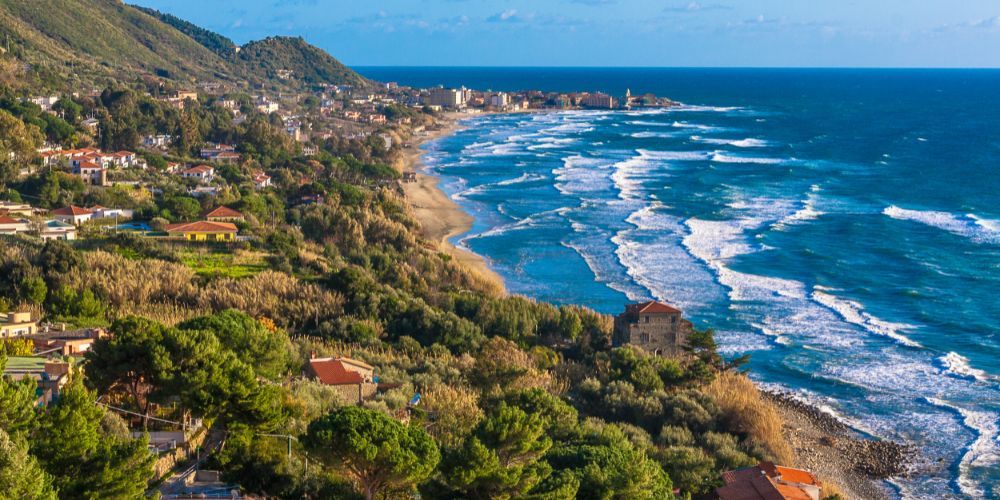
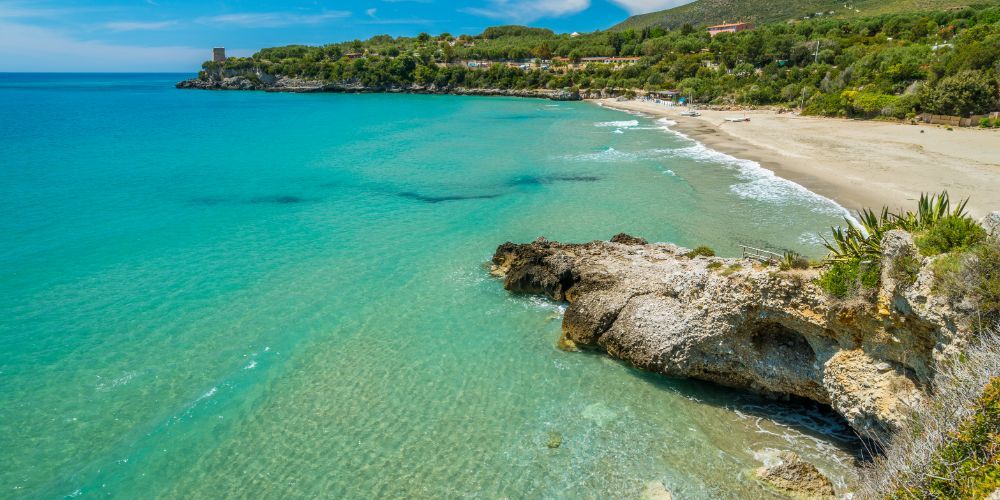
Enjoy a sunny day at the natural paradises of Marina di Camerota, such as Cala degli Infreschi and Cala Bianca. From Cala Bianca, a path leads to the more crowded but equally beautiful Pozzalo beach.
In Ascea Marina, you will find a long beach edged with olive trees near the well known cliff of Punta del Telegrafo.
A wonderful coastal itinerary runs from Agropoli to San Marco and on to the promontory of Punta Licosa, one of the most beautiful places in the entire region.
The sea in Cilento is not only about beaches. The rocky coastline is rich in sea caves with incredible colors, especially between Palinuro and Camerota. They can be explored by boat or, for the more adventurous, by diving.
Those in search of hidden treasures will surely enjoy discovering Cilento beaches off the beaten path, secluded places often accessible via trails or stone stairways. The beach of San Francesco in Agropoli is one of them, as is the beach of San Nicola a Mare in Montecorice, at the foot of the Ripe Rosse cliffs. Close to Acciaroli lies the small hidden gem of Caleo beach, which is definitely worth a visit too.
Discovering Cilento: the top destinations not to be missed
For a summer holiday, the ideal starting point is of course the coast, from Palinuro to the unspoiled coves of Marina di Camerota, to seaside towns such as Pisciotta and Agropoli, home to a beautiful castle.
Do not miss the archaeological treasures of Paestum as well, with the majestic temples of Hera and Neptune, and nearby Velia with its ancient Roman baths, the acropolis, and the agora.
Further inland, you will find not only the amazing trekking paths, but also some charming villages, such as Castellabate e Acciaroli, where the ancient tradition of ceramics is more alive than ever.
The medieval village of Teggiano is worth a visit as well if you enjoy destinations off the beaten path. Same goes for Roccagloriosa, a millennia old settlement, originally inhabited by the Lucanians between the 4th and 3rd centuries BC.
A key stop that brings together the many souls of this unique land is Prignano Cilento. Here you can visit old churches, know the natural Alento river's oasis and taste the exceptionally sweet white figs of Santomiele, among places of peace and endless charm, much like all of Cilento.
About the author
Written on 08/04/2026
Paola Cirino
A content writer who can't help but travel. I'm also a food lover and very passionate about cinema.

Paola Cirino
Discover Cilento, the best summer destination in Italy if you long to find the beauty of nature, an ancient culture and authentic flavors, all at once