
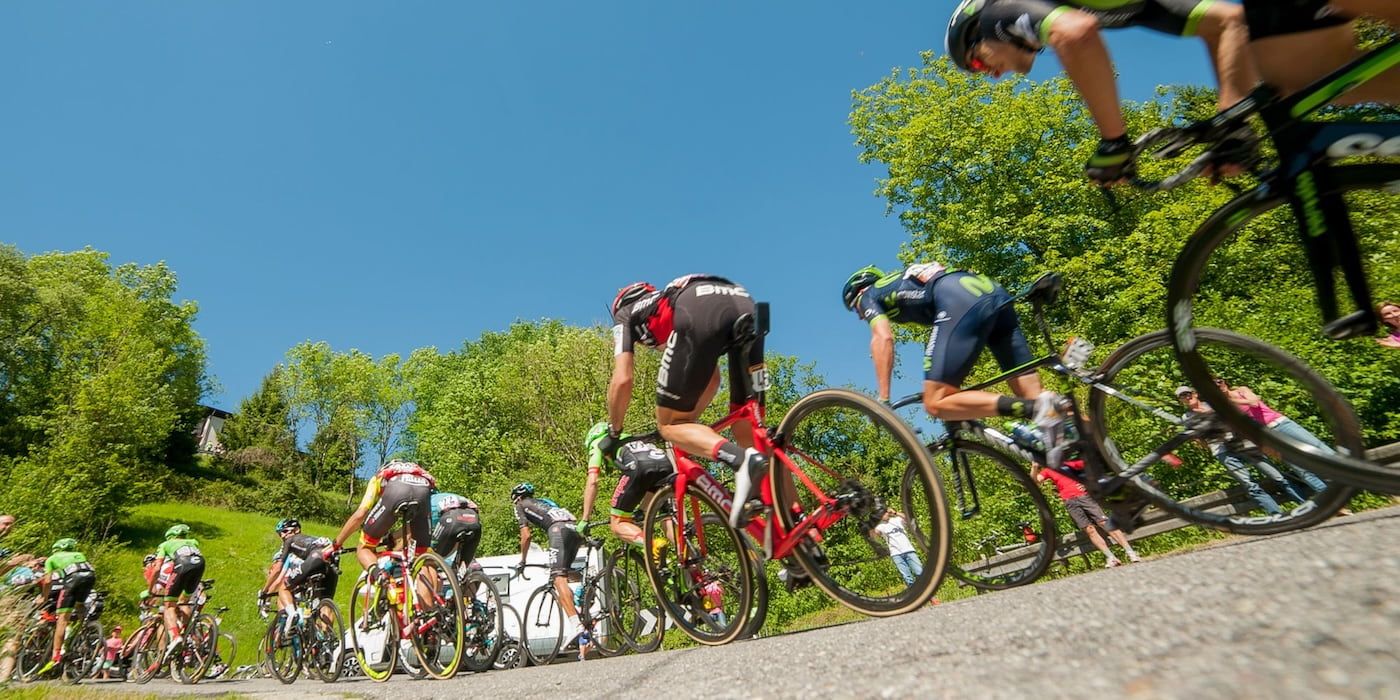

For the most passionate sports fans, the Giro d’Italia is one of the most important cycling competitions in the world. But even for those who follow it out of simple curiosity, it is a breathtaking journey that cuts through Italy from north to south, revealing its authentic heart.
Each stage is an explosion of emotions: steep climbs, timeless villages, and, of course, the stunning landscapes of the Bel Paese. As the champions race along the roads, those of us watching from the outside can discover a territory that is a living mosaic of cultures, traditions, and local identities.
Sport and adventure merge into an irresistible collective experience that lights up the hidden Italy, the one of secondary roads, villages, and mountains that often remain outside traditional tourist routes. Ready to ride along and be part of this magic? The Giro d’Italia 2026 is about to begin!

Giro d’Italia: the epic race that has been telling Italy’s history since 1909
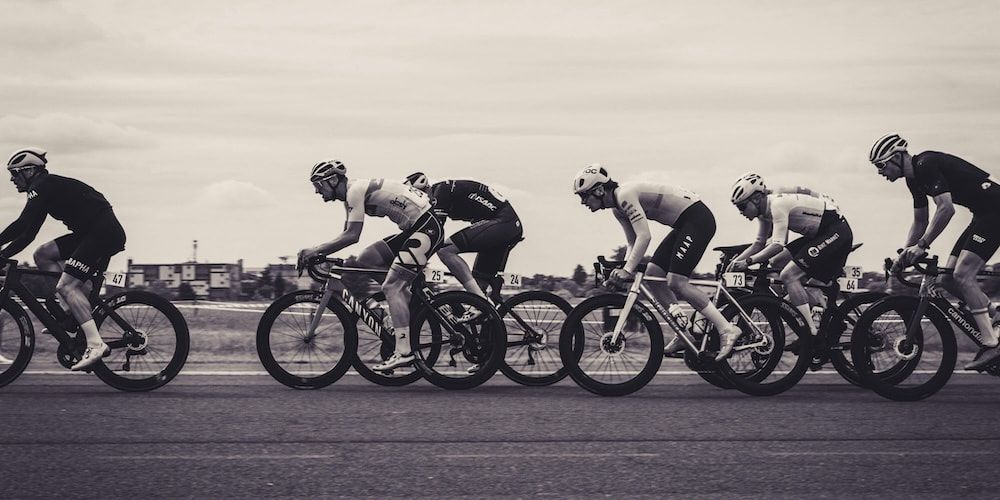
It’s the 109th edition of a legendary event that, for more than a century—since 1909—has been crossing Italy’s roads, covering thousands of kilometres in three weeks of pure adrenaline.
The Giro d’Italia is one of the most historic cycling events, and perhaps the sport that feels closest to the people. The races do not take place in stadiums or closed venues, but move through streets, squares, and towns, passing right under our windows and capturing everyone’s attention.
This is exactly how we experience it: an immersion into authentic Italy, beyond the usual tourist routes. Not only iconic coasts and cities, but also lesser-known inland areas, quiet villages that burst into celebration as the riders pass through, steep mountains, and remote valleys. Its epic north-to-south route, with legendary places such as the Stelvio Pass, reveals everyday Italian life.
From the sofa or from the roadside, the Giro offers treasures and emotions. It brings insights into ancient traditions, local products, and stories that turn the race into a cultural journey. And the 2026 edition is a new opportunity to (re)discover the Italian soul, stage by stage.
- The Giro as a journey through Italian history and culture.
- Which are the must-see stages of the 2026 Giro?
- Experiencing the Giro as a tourist.
- Travel tips and itineraries.
The Giro and Italy’s identity: the soul of Italy racing in pink
The charm of the Giro lies in its ability to unite Italy on two wheels, overcoming every social and geographical boundary and becoming a cultural bond that connects the Alpine North to the Mediterranean South.
But what truly makes the Corsa Rosa such a fundamental pillar of Italian identity?
- A bond for the country: by crossing social and geographical borders, the Giro symbolically links the Alpine North with the Mediterranean South, acting as an extraordinary cultural bridge between Italy’s many regional identities.
- A moving archive: through the images of the race, we can observe the social, economic, and cultural evolution of territories as they reveal themselves to the world.
- A showcase of Made in Italy: the Giro highlights Italian excellence, from food and wine specialties to artisanal traditions.
- A spotlight on hidden villages: as the caravan passes through, it shines a light on small towns and inland areas that would otherwise remain off the tourist radar, giving them new visibility.
Travel diary through the iconic places of the Giro 2026
Although the race starts abroad—as has often been the case in recent years for major stage races, partly for promotional reasons—the route of the Giro d’Italia 2026 crosses some of the most stunning landscapes in the country, alternating between coastlines, mountains, and art cities.
There are many stages that stand out for their scenic value and are truly unmissable.
- The route goes from south to north, moving from the Calabrian sea to the inland areas of Basilicata, from the historic temples of Paestum to the scenery of Naples, with Mount Vesuvius shaping the backdrop.
- We'll cross the Apennine peaks, including the striking Blockhaus in Abruzzo, then continue through the rolling hills and historic villages of the Marche, and along the Tuscan coast with a stage finish in Viareggio.
- In the north, the race passes through the beautiful Ligurian Riviera before reaching Milan and tackling the iconic and dramatic peaks of the Dolomites, where the mountains become the true protagonists with breathtaking views.
- The grand finale takes place on May 31 in Rome, set against the timeless backdrop of the Eternal City.
Giro d’Italia 2026: follow it, live it
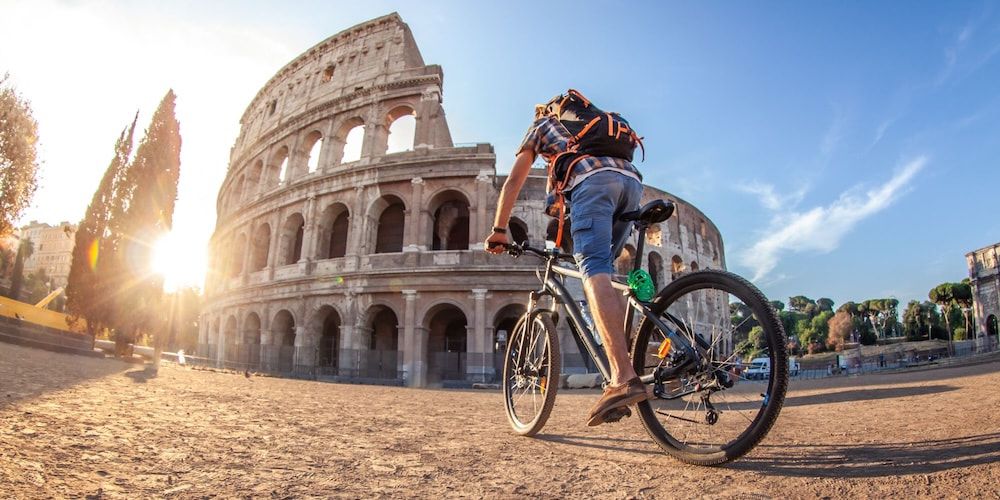
Watching the riders pass through your own town is a fascinating experience, but the truth is that the Giro is much more—it’s the perfect excuse for a slow journey across Italy.
Let’s choose a stage and plan our route, getting ready to become part of a caravan made of unique emotions.
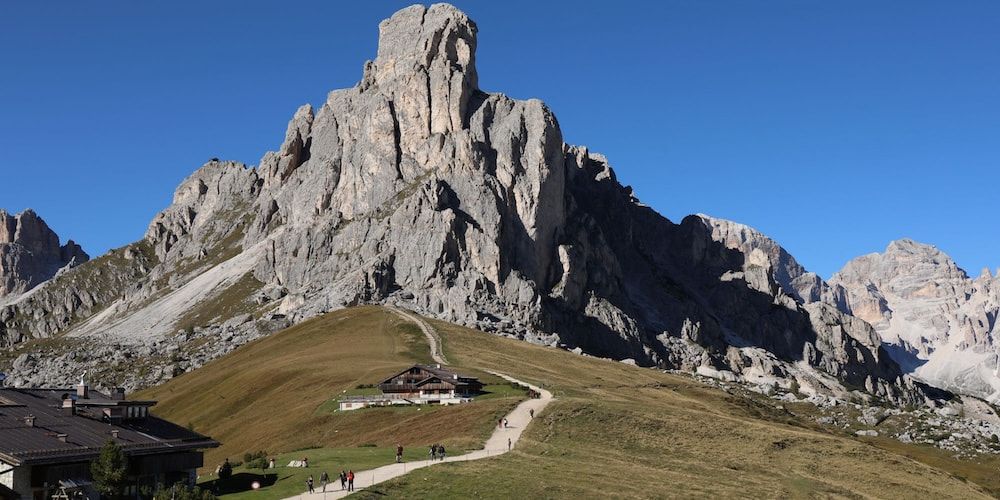
- Let’s become “stage hunters.” We can soak up the vibrant atmosphere of the Start Village to see the champions up close, or position ourselves along the most iconic hairpin bends, such as those in the Dolomites at Passo Giau or Passo Falzarego, not far from Cortina d’Ampezzo.
- Let’s ride in the tracks of the champions. Many Giro roads are now permanent cycling routes. We can pick an iconic stretch and ride the final kilometers before the race arrives, experiencing the thrill of crossing our own finish line just as history is about to be written.
- Let’s explore off the beaten path. We can use the Giro as a compass to discover lesser-known Italy. Let’s stop in the towns along the route, such as Fermo and its surrounding villages in the Marche, or Roccaraso in the province of L’Aquila, Abruzzo. Let’s visit artisan workshops that open for the occasion and be won over by the typical local products.
Travel tips and itineraries beyond the race
If the Giro d’Italia is the heartbeat setting the rhythm, the itinerary we build around its stages becomes its deepest soul. We can create parallel routes that allow us to fully experience the atmosphere of each place and highlight the unique identity of every territory, well beyond the passing of the race caravan.
In the North, the Dolomites and the Alps offer ideal hiking and scenic routes. The Apennines, stretching through the heart of the country from north to south, are just as impressive, with equally wild and spectacular landscapes.
From the rugged peaks of Basilicata to the Abruzzo ridgelines, we can explore mountains that are perfect for those who love unspoiled nature, lesser-known trails, and the silence of historic villages.
At the same time, cultural richness is not limited to the Centre-South: the Giro leads us through art cities, coastal landscapes, and food traditions that dot the entire route, from the Ligurian coast to the villages of the Marche, all the way to local markets in Calabria.
Organizing a journey along the peninsula means creating our own “personal Giro,” discovering an Italy that is spectacular, diverse, and authentic.
Curiosities of Giro 2026
What is Giro d’Italia 2026 route?
The Giro d’Italia 2026 features 21 stages over more than 3,400 km, starting abroad before moving to Italy and crossing the country from south to north, ending in Rome. The route includes flat stages, hilly sections, and major mountain finishes in the Apennines and Alps.
What are the most scenic stages?
The most scenic stages blend spectacular landscapes with the territory’s most iconic places, especially in southern coastal areas, the Apennines (like Blockhaus), and the Dolomites. Mountain stages such as those featuring Passo Giau or high-altitude finishes stand out for their visual impact, while coastal routes (Naples, Viareggio, Chiavari) and historic cities add cultural depth to this wonderful scenery.
Can tourists follow the Giro route?
Yes, tourists can follow the Giro route, but access requires planning. Roads are often closed or restricted during race time, and specific access points must be used to reach start and finish areas. However, many sections remain accessible before the race, allowing visitors to experience the route and enjoy the atmosphere along the course.
When does the Giro d’Italia 2026 take place?
The 2026 edition takes place from May 8 to May 31, lasting three weeks as per tradition. This extended duration allows the race to cover a wide range of landscapes and regions, making it a true long-form journey across the beauty of Italy.
Are Giro d’Italia roads open to cyclists?
Sure, many of the roads used during the Giro are open year-round and are popular among cycling enthusiasts. Some iconic climbs have become must-ride routes, allowing visitors to experience the same terrain tackled by professional riders.
About the author
Written on 30/04/2026
Alessandro Savino
SEO Copywriter & web editor: I love transforming my passion for writing into engaging narratives, creatively and precisely exploring the beauty and complexity of our wonderful country.

Alessandro Savino
An epic journey through villages, cities, breathtaking landscapes and hidden treasures: the Giro d’Italia 2026 is set to amaze us with its magic!