

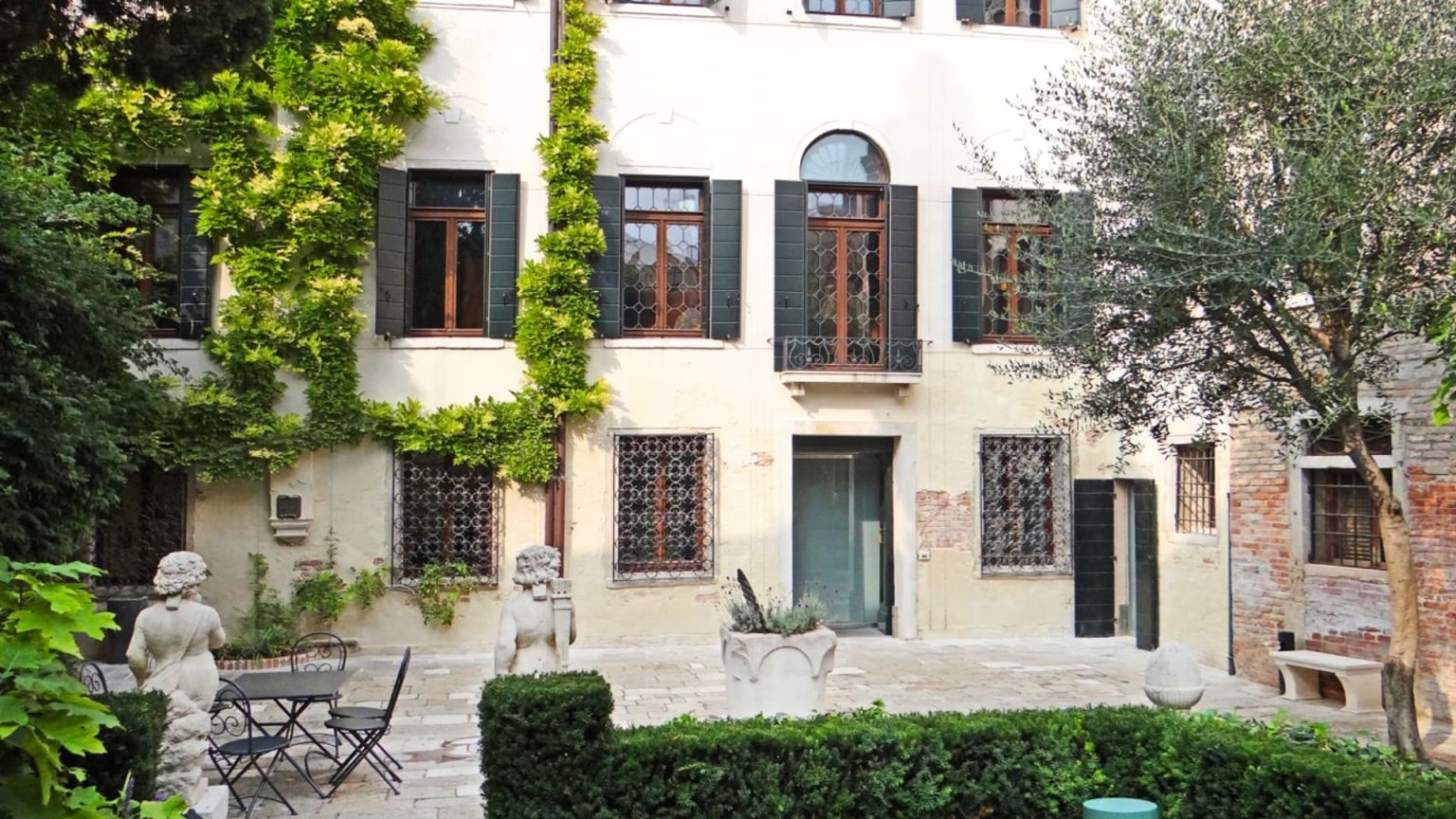

Yes, Venice does have its fair share of under-the-radar gems, far removed from the blockbuster institutions with queues snaking outside.
In 2026, alongside the must-sees like the Peggy Guggenheim Collection and the Museo Correr, more and more travellers are seeking out places that feel off the beaten track, spaces that locals genuinely love. So, where should you go? These 7 hidden museums in Venice are a brilliant place to start.

Are there really hidden museums in Venice?

The idea that there might be hidden museums in Venice sounds far-fetched.
But the truth is, there’s a whole network of smaller spaces, frequently run by foundations or families, that don’t draw the crowds yet are much loved by locals.
The reason is simple: when you’ve only got a few days in the city, you tend to focus on the must-sees and overlook the more niche spots.
As interest in so-called “authentic experiences” continues to grow, these are the kind of places that are coming back into focus in 2026. Even in one of the most touristy cities in the world, you can still find them.
In our opinion, these are the hidden museums in Venice to visit in 2026:
– Museo Fortuny
– Museo del Merletto (Lace Museum)
– Museo del Vetro (Glass Museum)
– Casa di Carlo Goldoni
– Palazzo Mocenigo
– Basilica di San Pietro di Castello
– Palazzetto Bru Zane
Related Story – Venice entry fee 2026.
Visit Venice's hidden museums with Venice PassMuseo Fortuny
Set in Palazzo Pesaro degli Orfei in Campo San Beneto, down the calli of San Marco, the Fortuny Museum captures an unusual side of Venice.
The building was once the home and studio of Mariano Fortuny, an eclectic figure who worked as a painter, set designer, inventor, costume maker, and photographer.
His iconic printed textiles and pleated garments (the Delphos and Peplos) still influence contemporary fashion.
Roaming through its rooms (including a beautiful winter garden), you’ll come across Fortuny’s paintings, his distinctive lamps, an extensive photographic archive, a collection of antiques and a remarkable textile archive.
The museum is accessible to visitors with disabilities.
Did you know? You can also book a visit to the textile factory Fortuny founded on Giudecca in the 1920s, a charming building where the house’s closely guarded production techniques are still passed down, and which even hides a secret garden.
– Address: Campo San Beneto, San Marco 3958, Venice.
– Opening hours: From 1 April to 31 October: 10:00–18:00 (last entry 17:00). From 1 November to 31 March: 10:00–17:00 (last entry 16:00). Closed on Tuesdays.
– Current exhibition 2026: Erwin Wurm. Dreamers, 6 May – 22 November 2026
Museo del Merletto (Lace Museum)
@erenanaomi This was filmed at the Museo del Merletto in Burano in January during my workshop with Fondazione Andriana Marcello I still have so much to share from past lace adventures, and more travel planned for this summer that I look forward to sharing
Jacob and the Stone (Slowed) - Emile Mosseri & sped up + slowed
On the brightly coloured island of Burano, the Lace Museum showcases Venice’s most refined artisan traditions.
Housed in the historic Scuola dei Merletti, it traces the history of a patient, intricate craft carried on through generations.
Inside, you’ll find rare and exquisite lace pieces, true masterpieces of technique and creativity. During your visit, you can also watch skilled lacemakers at work. It’s accessible for visitors with disabilities.
– Address: Piazza Galuppi 187, Burano, Venice.
– Opening hours: 10:00–16:00 (last entry 15:30). Open until 17:00 on Fridays and Saturdays from 1 May to 26 September 2026. Closed on Mondays.
– Current exhibition 2026: Merletti d’autore, 21 April 2026 – 8 January 2027
Book tour of Burano and the other Venice islandsMuseo del Vetro (Glass Museum)
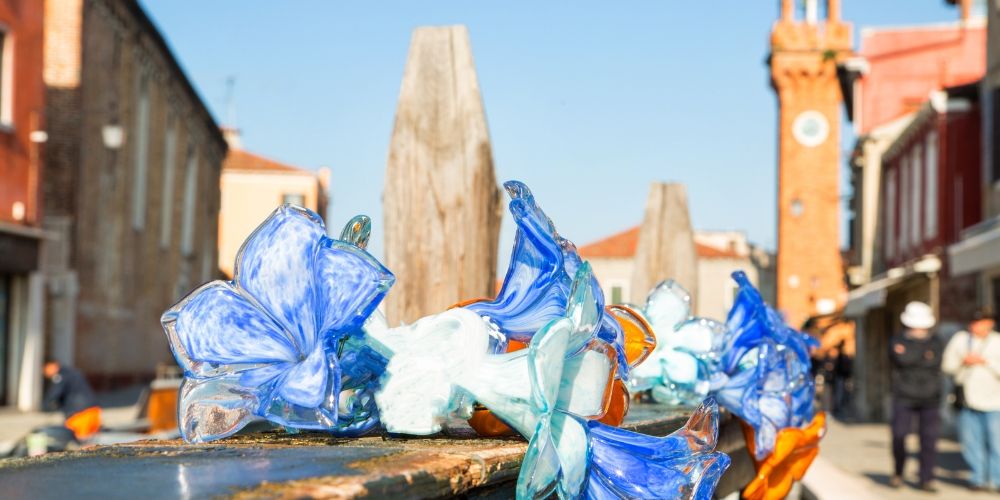
Located on the island of Murano, inside the historic Palazzo Giustiniani, Museo del Vetro celebrates one of Venice’s most iconic art forms, which is still very much alive and evolving today.
The museum’s route spans centuries of glassmaking, from Roman artefacts to contemporary creations, with Renaissance masterpieces that helped make Murano famous worldwide.
Pure crystal pieces, extravagantly shaped lamps, ornate mirrors, uncommon camouflage-effect glass and intricate murrine: a sequence of works that shows how this tradition continues to influence design and art today. The museum is accessible to visitors with disabilities.
– Address: Fondamenta Giustinian 8, Murano, Venice.
– Opening hours: Open daily. From 1 April to 31 October: 10:00–18:00 (last entry 17:00). From 1 November to 31 March: 10:00–17:00 (last entry 16:00). Open until 20:00 on Fridays and Saturdays from 1 May to 26 September 2026.
– Current exhibition 2026: Babel, 12 June 2026 – 30 March 2027.
Casa di Carlo Goldoni (Carlo Goldoni's House)
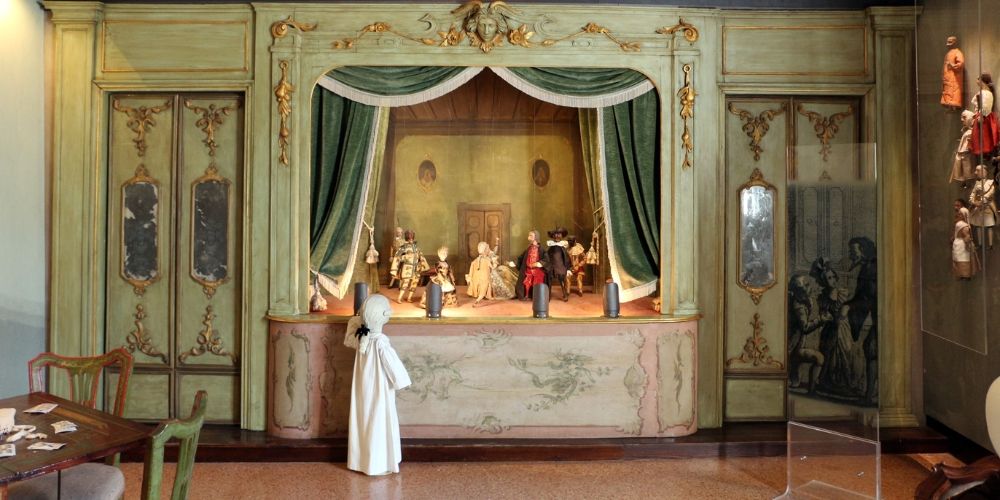
Another of Venice’s hidden museums is in the San Polo district. It gives a glimpse into the world of one of Italy’s greatest theatre figures.
Carlo Goldoni’s house is the birthplace of the Venetian playwright and librettist who revolutionised Italian comedy.
Inside a refined Gothic palazzo, you move through rooms filled with personal artefacts, manuscripts, historical furnishings, documents and objects related Goldoni. The experience also vividly shows 18th-century Venice, its culture, society, and theatre.
One of the highlights is the small 18th-century puppet theatre, well worth a pause.
The third floor hosts the library of the Theatre Studies Centre. With over 30,000 volumes, it’s one of the most important collections of its kind. The museum is accessible to visitors with disabilities.
– Address: Rio Terà dei Nomboli 2794, San Polo, Venice.
– Opening hours: 10:00–16:00 (last entry 15:30). Until 17:00 on Fridays and Saturdays from 1 May to 26 September 2026. Closed Wednesdays.
Visit Carlo Goldoni's House in VenicePalazzo Mocenigo
Palazzo Mocenigo is one of the most distinctive places to discover an unusual Venice. Once a noble residence of the Mocenigo family in the Santa Croce district, it is now a museum dedicated to the history of textiles, fashion, and Venetian costume from the 17th to the 18th centuries.
Its frescoed rooms, still furnished with period pieces, evoke the elegance of aristocratic life in La Serenissima. Alongside historical garments and accessories, the museum features an entire section devoted to perfume and the art of cosmetics, an essential part of Venetian social life.
Since 1986, the library of the Textile, Costume and Perfume Study Centre at Palazzo Mocenigo has preserved over 25,000 volumes.
– Address: Santa Croce 1992, Venice.
– Opening hours: From 1 April to 31 October: 10:00–18:00 (last entry 17:00). From 1 November to 31 March: 10:00–17:00 (last entry 16:00). Open until 20:00 on Fridays and Saturdays from 1 May to 26 September 2026. Closed on Mondays.
– Current exhibition 2026: LE TARBOUCHE. When an accessory becomes a symbol, 19 May – 8 November 2026.
Basilica di San Pietro di Castello
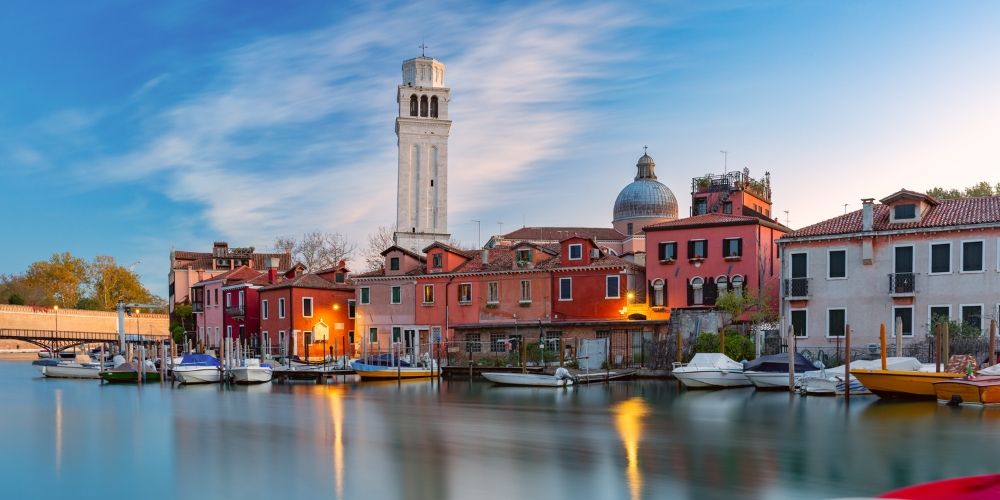
Like Pisa, Venice also has its own leaning bell towers. The one belonging to the Basilica di San Pietro di Castello dates back to the 15th century, stands over 40 metres tall, and is visible from several parts of the city.
As for the church itself, it is one of the most meaningful religious sites in Venice, but it remains relatively quiet and often overlooked by visitors. Before St Mark’s Basilica became the city’s spiritual heart, this church in the Castello district served as Venice’s cathedral until 1807.
Inside, it preserves a remarkable collection of artworks, including works by Veronese and Pietro Liberi, a precious 18th-century pipe organ, and the so-called “Throne of St Peter”, which legend attributes to the apostle himself.
– Address: Campo San Pietro di Castello, Castello 40, Venice.
– Opening hours: Monday–Thursday 10:30–13:00. Friday–Saturday 10:30–13:30 and 14:30–16:30.
Related story – The most quirky crooked buildings to see in Italy.
Palazzetto Bru Zane
Palazzetto Bru Zane is a small gem dedicated to French Romantic music. Housed in an elegant 17th-century palazzo, a former casino beautifully restored, it is now a cultural hub.
It’s a living space, where concerts, talks and educational activities take place, including programmes for children. Every week, guided tours allow visitors to explore beautifully frescoed rooms and a charming secret garden.
– Address: San Polo 2368, Venice.
– Opening hours: Free guided tours every Thursday afternoon (booking required via the official website). The ticket office and bookshop are open Monday to Friday, 14:30–17:30.
– Current exhibition 2026: No exhibitions scheduled for spring 2026, but a rich programme of concerts and children’s workshops is planned. The 2026 season is dedicated to the singer, librettist and composer Hervé, and to the pianist and composer Louise Farrenc.
Other lesser-known places and museums in Venice to visit in 2026
– Casa dei Tre Oci: a neo-Gothic palazzo on Giudecca, recognisable by its three large mullioned windows on the façade. Today, it functions as an exhibition hub. Currently showing: a retrospective of conceptual artist Joseph Kosuth, until 22 November 2026.
– Oratorio dei Crociferi: a hidden gem decorated with a vivid cycle of paintings by Palma il Giovane.
– San Zaccaria Crypt: under the church of San Zaccaria, where Venice’s earliest doges found their final resting place. It’s partially submerged, with pools of water scenographically reflecting ancient arches and columns.
– Basilica dei Santi Maria e Donato: legend has it that the gigantic vertebrae behind the high altar once belonged to a dragon.
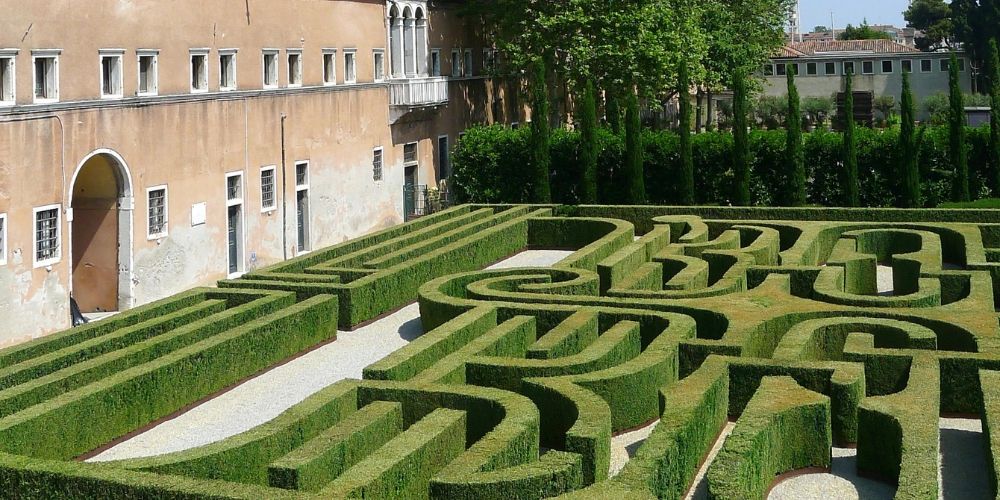
– Labirinto Borges: over 3,000 plants shape this intriguing hedge maze on the island of San Giorgio Maggiore, dedicated to the Argentine writer Jorge Luis Borges.
– Museo di Palazzo Grimani: a Renaissance palazzo displaying sculptures, frescoes, and the renowned Tribuna, inspired by classical Roman models.
– Casino Venier: tucked away near Campo Santo Stefano, this rare example of an 18th-century Venetian “casino” was once a private meeting place for the aristocracy. It’s now home to the Alliance Française. Visits by appointment.
– Museo della Musica: a small exhibition space devoted to Venice’s musical heritage in the Church of San Maurizio. It showcases historic instruments and insights into Antonio Vivaldi's legacy. Admission is free.
Hidden museums in Venice - FAQs
What are Venice’s hidden museums?
Museo Fortuny, Museo del Merletto, Casa di Carlo Goldoni, Palazzo Mocenigo and Palazzetto Bru Zane are among Venice’s so-called hidden spots. They’re not exactly secret, but rather places linked to specific stories – fashion, craftsmanship, theatre, music – that reveal a more layered and complex side of the city.
Are there lesser-known museums in Venice?
Yes, and in recent years they’ve been drawing increasing attention, thanks in part to a turn approaching more experience-led travel. Some are part of Venice’s civic museum network, so they can be visited with combined tickets such as the Venice Pass, which gives access to multiple venues with a single entry.
About the author
Written on 12/05/2026
Lorena Calise
I'm a content writer for magazines and websites. I also explore Italy through my writing for Visit Italy and Visit Naples.

Lorena Calise
Our pick of the best lesser-known and secret museums in Venice to visit in 2026.