
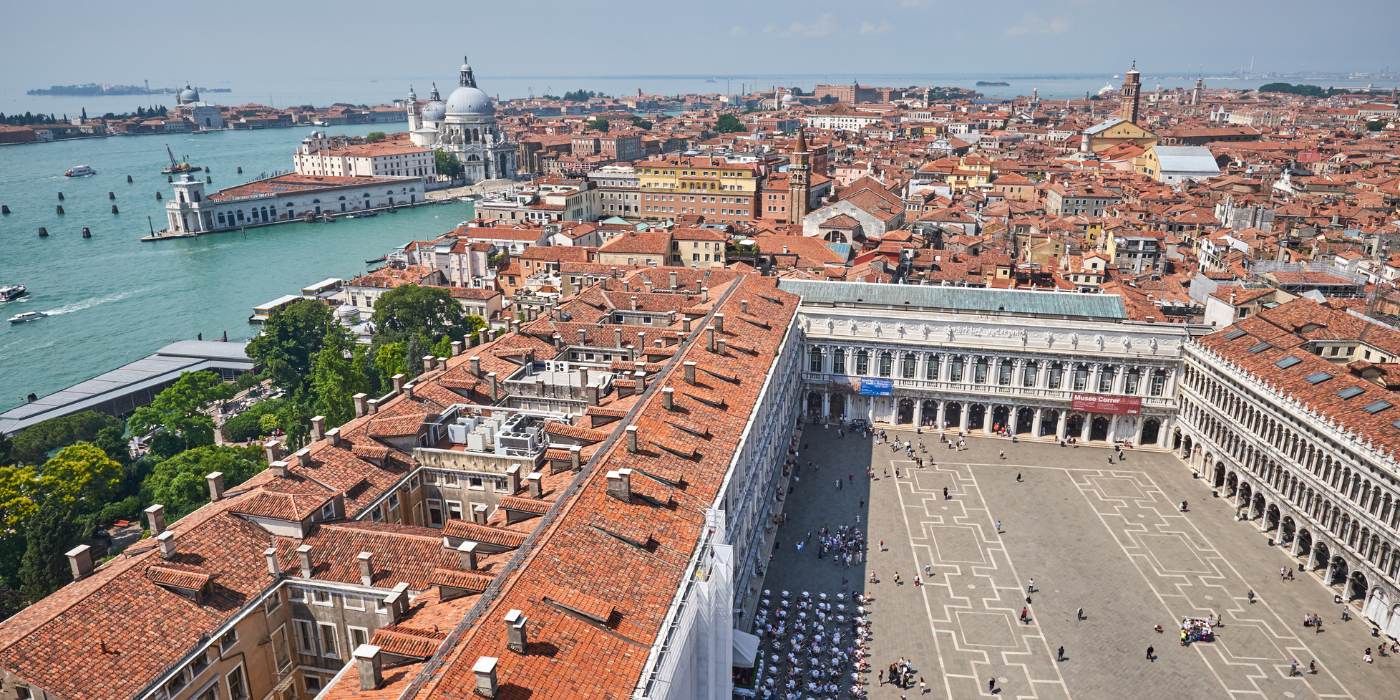

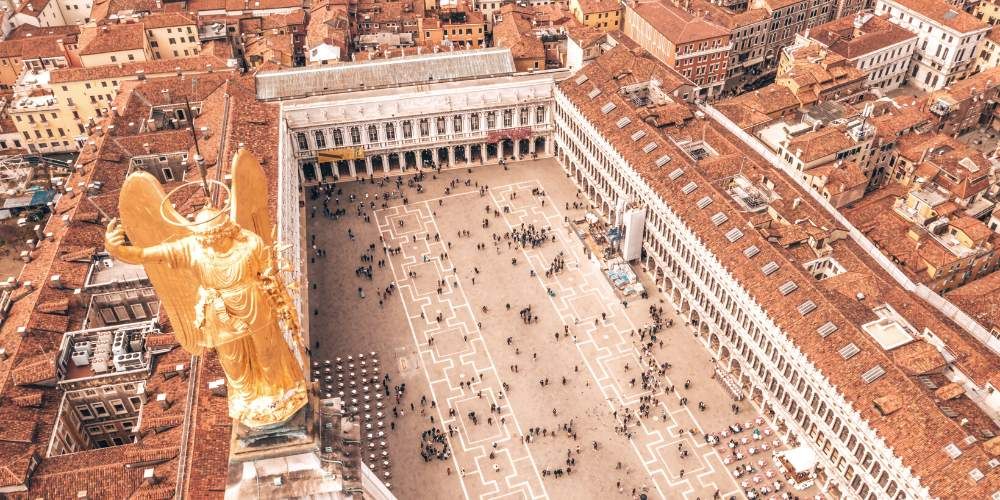
The Correr Museum in Venice is undoubtedly one of the most amazing places of the city. It is located in the heart of the city, in front of all its most important monuments.
Yet, if you think that the Correr Museum is just a splendid extra in this extraordinary theater of elegance and art, in all truth, you will discover in this guide that this museum holds the starring role.
Not only will you be able to wander through magnificent halls and be dazzled by chandeliers and stuccoes: housed at the Correr Museum you will also be able to see some of the finest works of art of recent centuries.
So let the Correr Museum in Venice reveal itself in all its elegant beauty.
Discover the Museum with the Venice Pass!Correr Museum in Venice: a comprehensive guide to one of the city's most fascinating places
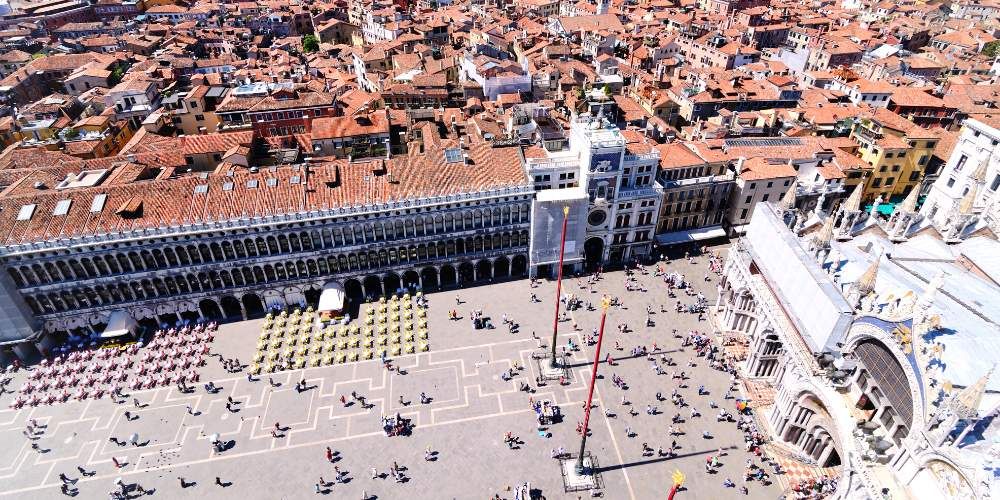
Is Museo Correr truly worth visiting? Indeed, there are so many reasons why you should come here.
First of all, the history of this place: in fact, Teodoro Correr was a great Venetian art collector who, in his will, left both Palazzo Correr and the entire collection to the city.
Over time, however, the collection was enriched with new works, and the spaces of Palazzo Correr, in the Sestiere di Santa Croce, were no longer sufficient. At first, everythings is moved at the Fontego dei Turchi and then, in 1922, in St. Mark's.
Today the Correr Museum of Venice occupies the Napoleonic Wing and a large space in the Procuratie Nuove.
What to see inside the splendid Correr Museum in Venice
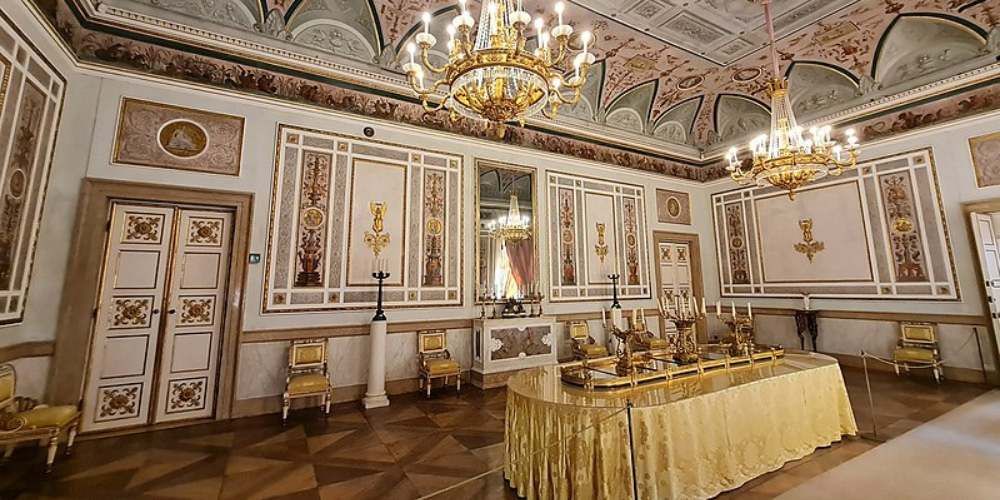
The exhibition itinerary of the Correr Museum in Venice is enchanting and unravels between different eras, thematic itineraries, and functionalities of individual halls.
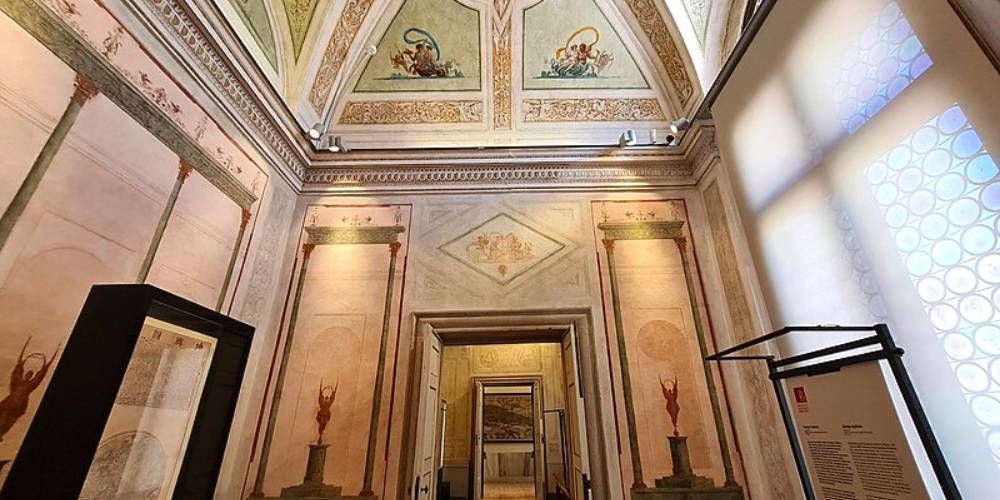
There are, for example, the Empress Elizabeth's Rooms, also called the "Imperial Rooms". These are the halls, with nineteenth-century decoration, that were first prepared for the arrival of Emperor Ferdinand I, and then for Franz Joseph and his wife Sissi. The empress herself would stay right here for about 7 months between 1861 and 1862.
Also included in a route called the "Royal Rooms" are the Royal Apartments within the Procuratie Antiche, which have been open to the public only since 2022. These rooms have a splendid view of the Giardini and St. Mark's Basin and were inhabited by three imperial houses: that of Napoleon Bonaparte, the Habsburgs, and finally the Savoy.
Continuing the tour with the rooms of the Procuratie, one enters rooms that trace various aspects of life at the time of the Serenissima. We talk about the mythical Bucintoro, the dogal ship, the Magistrates of the Republic, numismatics, instruments used for navigation, festivals and even arts and crafts.
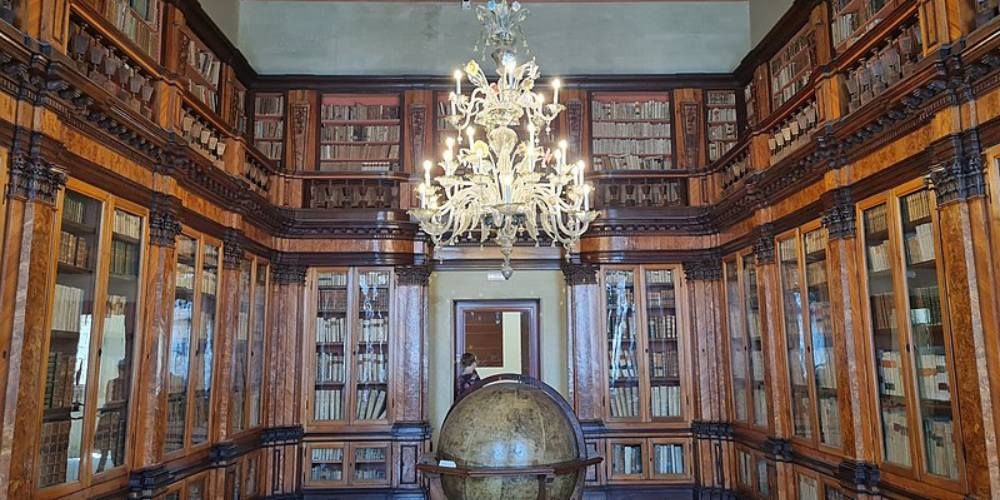
To learn more about the history of art, Italian and otherwise, a visit to the Quadreria is a must. It is located on the second floor and first and foremost offers a rich insight into florid Gothic, a style that made a vigorous contribution in shaping the city's image. Italian, Flemish, and German 15th-century masterpieces are also found here, as well as works by 16th-century artists such as Carpaccio. Particularly interesting is the Correr Museum Library. You can observe here a rich collection of ancient books from different eras and places. Also catching the eye is a splendid eighteenth-century chandelier, made of Murano glass, which towers inside the Library.
Finally, we cannot fail to mention what for many represents the heart of the Correr Museum, namely the rooms dedicated to one of Italy's greatest artists and sculptors, Antonio Canova.
Correr Museum and Canova: the Neoclassical Rooms and the Canovian Collection
Works of art by Giovanni and Gentile Bellini, Vittore Carpaccio, and Antonio Canova can be seen at the Correr Museum.
In particular, the Neoclassical Rooms are an ode to the work of the Venetian sculptor.
During the visit, it will indeed be possible to retrace the flow of thoughts and actions that led the artist from sketch to sculpture. Indeed, countless drawings and sketches signed by Canova himself can be seen preserved in these rooms. Some sketches were never transferred to marble, but it is incredible to observe the artist's creative fervor.
What Canova works can be seen inside Museo Correr?
Orpheus and Eurydice, for example, made when the sculptor was still 18, but also Daedalus and Icarus, and some bas-reliefs such as The Death of Priam and The Dance of the Sons of Alcinous.
A novel and intimate way of approaching Canova's works from his earliest youth.
How long does it take to visit the Correr Museum?
Establishing the duration of a visit to the Correr Museum is rather subjective.
Given the wealth of exhibition routes, halls and artworks, in our opinion a minimum of 2 hours should be considered.
Correr Museum Venice, info on opening hours and tickets
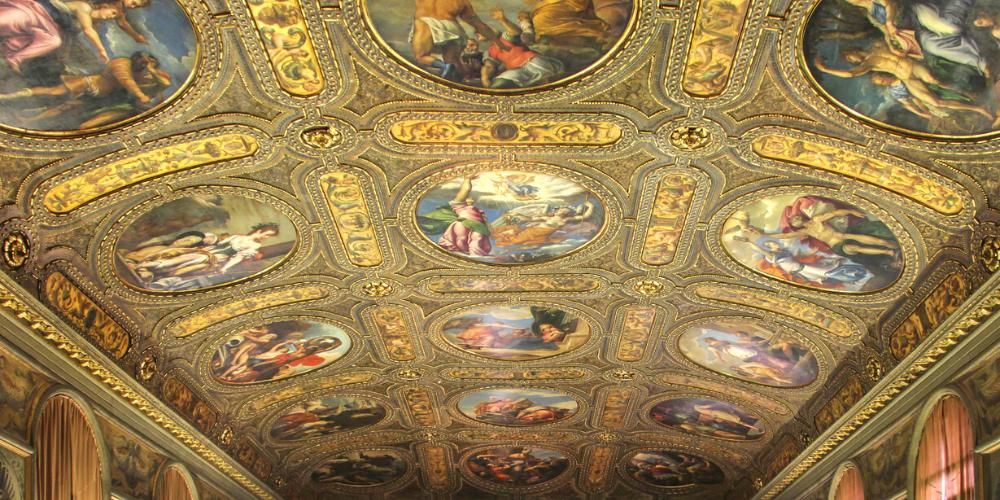
The Correr Museum in Venice is open every day. It generally opens at 10 a.m. and closes at 5 or 6 p.m., depending on the season.
The "Sale Reali" itinerary, however, has restricted access for which you must book directly at the palace ticket office.
How much does the visit cost? Tickets for the Correr Museum actually include visits to the other museums within the perimeter of St. Mark's. In fact, you can access the Doge's Palace, the National Archaeological Museum and the Monumental Rooms of the Biblioteca Nazionale Marciana with the same tickets purchased for the Correr Museum.
Tickets currently cost 30 euros per person, which drops to 25 if you purchase the ticket 30 days in advance of your visit date. Once you have selected the day of admission to the Doge's Palace, it is important to remember to select admission to the Correr Museum within 3 days of your first visit.
How to save money on tickets to the Correr Museum?
There are some days when admission to Museo Correr is free, such as the first Sunday of the month, according to the current regulations of the Ministry of Culture.
In any case, if you wish to save money, why not consider purchasing a Pass? With a single purchase, you'll get free admission and reductions on dozens of attractions in the city!
Check out more about the Venice Pass!How to get to the museum
Piazza San Marco 52, Venezia
The Correr Museum is accessed through the entrance located along the Napoleonic Wing of the Procuratie Vecchie.
Getting here is quite easy, even by public transportation.
- From Piazzale Roma or the train station, simply get on Line 1 of the vaporetto and get off at Vallaresso or San Zaccaria, Line 5.1 or 4.1 and get off at San Zaccaria, or get on Line 2 and get off at Giardinetti.
- From Lido, you get on Line 1 or 5.2 (Vallaresso or S. Zaccaria stops)
Visiting Correr Museum in Venice
To discover the Correr Museum is to delve not only into the history of La Serenissima, but also of all the imperial lineages that followed after its fall.
You can see royal apartments, ballrooms and spectacular salons where some of the most important works of the last millennium are kept. And we are not just talking about Canova, but also about numerous artists who have marked the history of Venetian and European art.
In short, to find out what's in the Correr Museum in Venice that attracts so many visitors, all you have to do is start planning your visit now!
Book now your Venice Pass!About the author
Written on 07/04/2023
Elisa Borgato
Web Content Editor in love with writing, traveling and... Italy.

Elisa Borgato
The Correr Museum in Venice stands in all its beauty in front of one of the most famous squares. Let us guide you through its hidden treasures.