
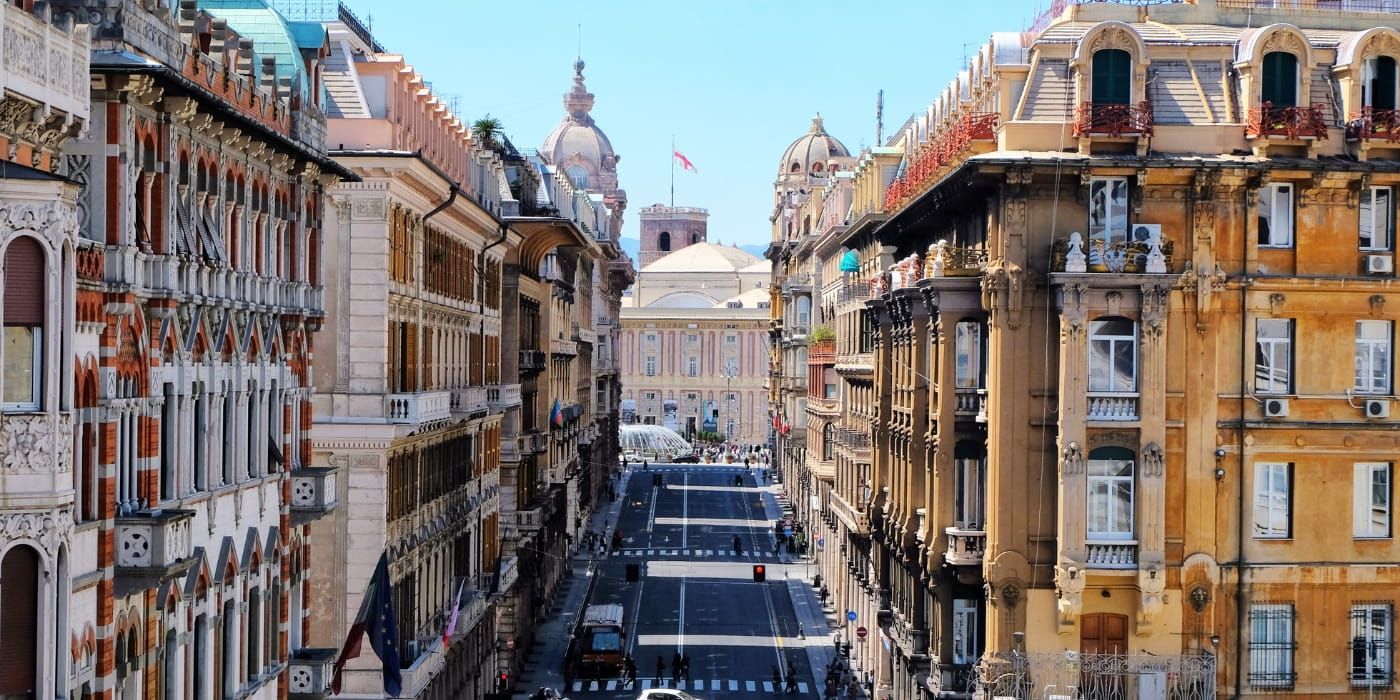

Genoa still knows how to surprise. In 2026, this port city in northern Italy is enjoying a new cultural season led by major exhibitions, events, and a renewed focus on the Rolli Palaces. It features one of Europe’s largest and densest historic centres, masterpieces by Rubens and Van Dyck, a UNESCO World Heritage Site, and one of the world’s largest aquariums. This raises the question: why visit Genoa?
Its artistic heritage is only part of the story. This place still offers something increasingly rare in a country full of world-famous art cities: a sense of discovery.
Genoa, a city of art that still surprises (and is worth discovering now)
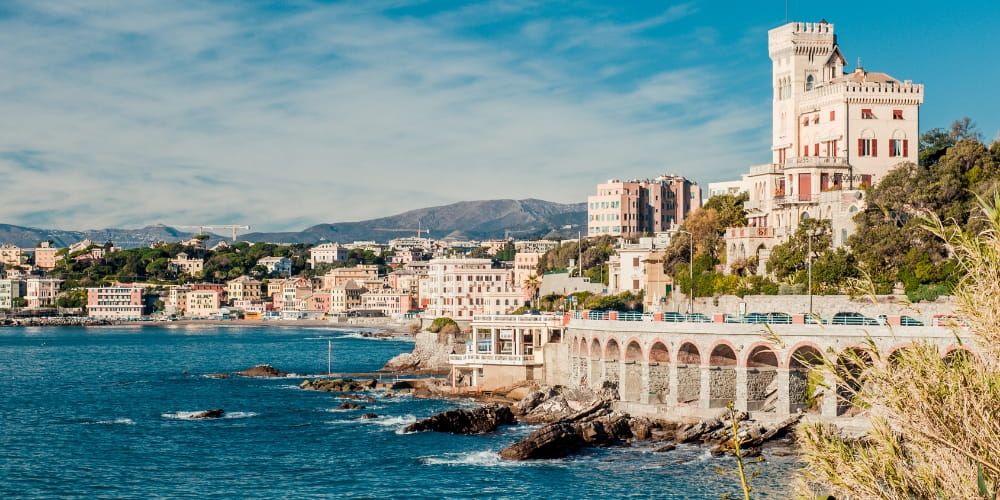
Long considered one of Italy’s most underrated cultural gems, Genoa is definitely having a moment. Featured in the New York Times’ 52 Places to Go in 2026, it is no longer just a place you pass through on the way to somewhere else, but a cultural destination in its own right.
With ambitious urban regeneration projects (the upcoming Waterfront di Levante by starchitect Renzo Piano), blockbuster international exhibitions, and an entertainment scene that ranges from music to sports, Genoa is undergoing a shift that’s capturing international attention.
In 2026, there are more reasons to go than ever. The celebrations marking the 20th anniversary of its UNESCO World Heritage status, alongside a dense calendar of cultural events and festivals, have placed the city firmly in the spotlight.
To understand what makes it “La Superba” – the proud one, as it has long been known – it helps to wind the clock back a few centuries.
More on Genoa's art and cultureListen to the podcast version of the article with the voice of Monna Lisa & Leonardo
A City Formed by Art and Patronage
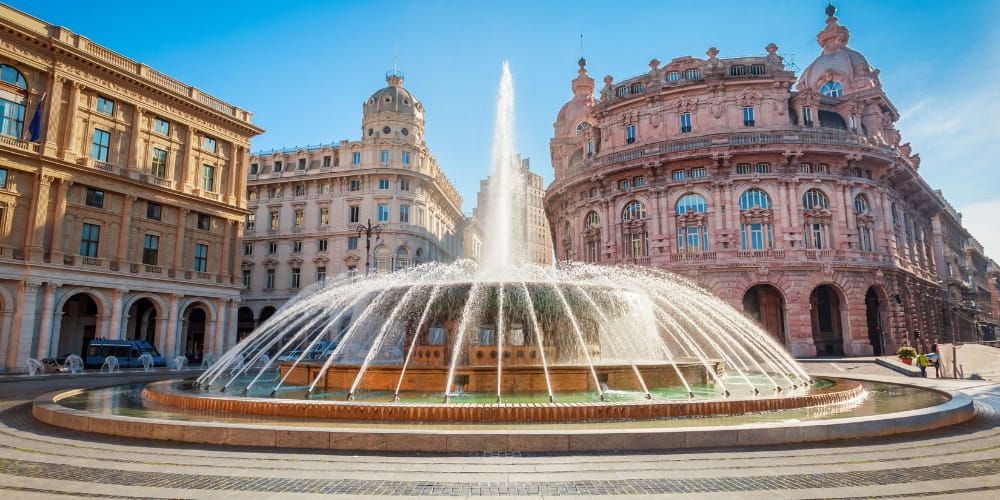
Let’s take a step back and imagine Genoa at the height of its power.
Between the 16th and 17th centuries, the Republic of Genoa was one of the Mediterranean’s leading economic powers and among Europe’s most influential financial centres. Its wealth, however, was never simply abstract: it was translated into stone, frescoes, and vast art collections.
The city’s great families began to compete with one another through architecture and artistic patronage. Genoa was turned into an extraordinary hub of cultural ambition. Palaces, churches, and decorative programs were entrusted to the finest artists of the time, in a pursuit of prestige and visibility.
Masters like Peter Paul Rubens, Anthony van Dyck, Bernardo Strozzi, and Grechetto all left a lasting mark on Genoa’s artistic heritage. Their work is still dispersed across museums and monumental buildings that connect the city’s past with its present.
All of this helps explain why Genoa has become an enticing destination for art and culture lovers. But why visit it now?
Major Exhibitions and Cultural Events Put Genoa in the Spotlight in 2026
One of the reasons why Genoa is becoming increasingly attractive to travellers is its ambitious and engaging cultural programme.
A prime example is the headline event of 2026: the Antoon van Dyck exhibition. The largest retrospective in over 30 years, it marked a key milestone in the ongoing effort to elevate the city’s artistic heritage.
The momentum is reinforced by the 20th anniversary of the Rolli Palaces' inclusion on the UNESCO World Heritage List, a celebration that further supports Genoa’s image as one of Italy’s most dynamic and compelling cultural destinations.
In addition, Rolli Days, the popular event that opens the doors of Genoa’s historic aristocratic palaces – normally closed to the public – is once again scheduled for the autumn season.
Also in autumn, Ottobre Paganini returns: a city-wide festival running from October 2 to November 11, 2026, featuring events dedicated to Niccolò Paganini across venues of the historic centre and surrounding districts.
Yet these are only some of the reasons to visit Genoa.
Related story – The best events in Genoa for 2026
The Rolli Palaces: Genoa’s UNESCO Masterpiece
But Genoa is also drawing attention in 2026 for a special anniversary: 20 years since the Rolli Palaces were inscribed on the UNESCO World Heritage List.
The designation covers 42 aristocratic residences built between the 16th and 17th centuries, once part of an innovative hospitality system.
Listed in the rolli – official registers of public lodging – these palaces were periodically selected to host ambassadors, princes, and other distinguished visitors to the ancient Republic.
To celebrate the anniversary, Genoa is hosting a year-long programme of exhibitions, guided tours, special openings, and public events.
But there’s more that makes Genoa a standout among Europe’s cultural cities.
Van Dyck Returns to the City That Shaped His Career
A wave of ambitious exhibitions is fueling Genoa's artistic revival. Leading this resurgence, the Antoon van Dyck retrospective at Palazzo Ducale, on view from March 20 to July 19, 2026, stood as the most extensive show dedicated to the Flemish master in over thirty years.
Bringing together 58 paintings from institutions including the Louvre, the Prado, London's National Gallery, the Uffizi Galleries, Pinacoteca di Brera and Turin's Royal Museums, the exhibition traced Van Dyck's artistic development while revealing the network of patrons, collectors and artists that linked 17th-century Europe.
Displayed in a city that played an important role in the artist’s career, Van Dyck l'Europeo focused on a significant chapter in European art history.
Beyond the Rolli: Genoa’s Caruggi Spring to Life Between Summer and Autumn
Further reinforcing the idea of a city that is constantly renewing itself is Fuori (dai) Rolli, a pilot project promoted by the Renovatio ETS association in partnership with ConfCommercio Genova and Federalberghi ConfCommercio Genova.
This isn’t a festival in the usual sense, but rather a city-wide movement for urban renewal.
From July 30 to October 2, 2026, the caruggi (those storied, narrow alleyways) will buzz with a lineup of events spanning art, oral history, live music, and the shared narratives that have sculpted Genoa’s identity.
The project connects conceptually with the autumn programmes surrounding Fuori Salone Nautico and the Rolli Days, creating a sense of continuity between summer and autumn across the same urban neighbourhoods. It is also intended as the first step in a broader programme of urban regeneration.
The calendar offers seven distinct moments. Festivities kick off Thursday, July 30, in Piazza Cernaia with “Genova in 10 capolavori,” a celebration of the city’s masterpieces. The journey continues August 6 in Piazza Durazzo with “La Metamorfosi,” a podcast brought to life on stage, and rolls into Piazza del Campo on August 21 for “Salsedine: accordi e disaccordi,” where music brings the square to life.
On August 26, Piazza Inferiore del Rosso hosts “Lettere dalla Crociata,” a story drawn from the city’s archives. On Friday, September 11, Piazza della Posta Vecchia will host “O Pandôçe: sapori, parole e musica della tradizione,” an event centred on oral history. The programme continues on Friday, September 18, in Piazza Don Gallo with “Suoni dal Vento, Battiti dalla Terra,” a percussion performance, and concludes on Friday, October 2, in Piazza delle Vigne with “La Genova che cambia,” a photographic journey through a changing Genoa.
The Strada Nuova Museums: The Heart of Genoa’s Art Collection
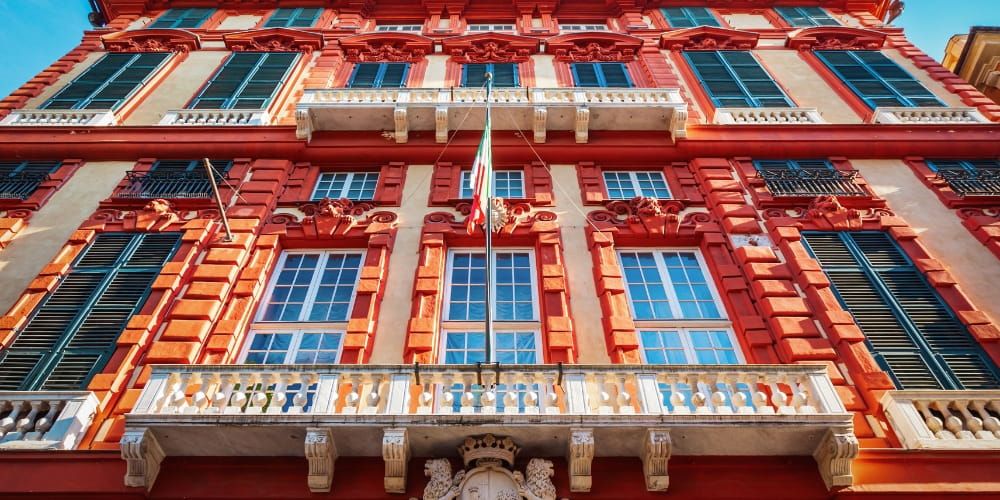
While Genoa has lately been drawing crowds for its headline events and special exhibitions, its enduring artistic heritage remains one of the city’s greatest draws. The Musei di Strada Nuova provide one of the finest introductions to this centuries-old legacy.
Set along the elegant Via Garibaldi, the museums are housed in the grand Palazzo Rosso, Palazzo Bianco, and Palazzo Tursi. Together, these historic buildings open more than 75 rooms to visitors, filled with masterpieces by Rubens, Van Dyck, Caravaggio, Guido Reni, and Veronese, as well as Paganini's violins, and exquisite textile collections.
The complex, a natural starting point for exploring the city’s artistic identity, has three Michelin Green Guide stars, the highest distinction reserved for cultural sites and attractions that are considered worth the journey.
Current exhibitions at the Strada Nuova Museums in 2026:
– 800. La Società delle Mode (Oct. 4, 2026)
Palazzo Ducale: The City’s Cultural Centre
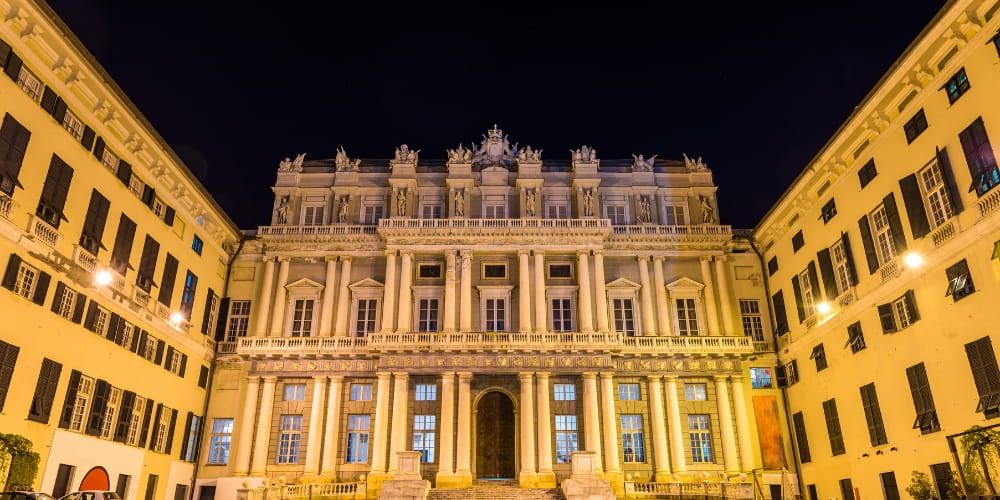
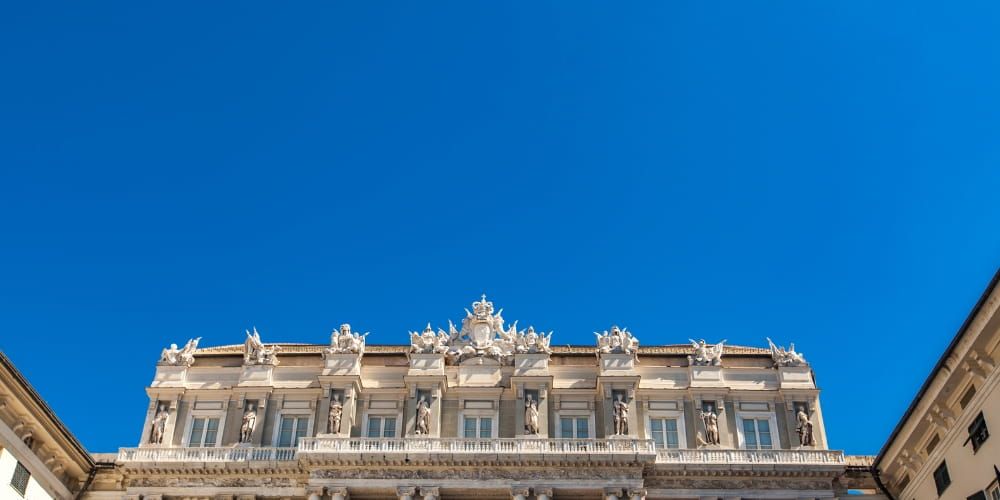
A symbol of the local political and cultural life, Palazzo Ducale is another not-to-miss stop that makes Genoa a place worth visiting year-round.
Once the seat of power of the Republic of Genoa, it is now one of the most important exhibition spaces in northern Italy, hosting temporary shows, international events, and a cultural programme that keeps the city active.
Exhibitions range from contemporary art to major historical figures.
Events scheduled at Palazzo Ducale in Genoa in 2026:
– Van Dyck l’Europeo (ended)
– Giovanni Korompay (Mar. 28, 2026 – Nov. 1, 2026)
– Mimmo Rotella 1945–2005 (Apr. 24, 2026 – Sept. 13, 2026)
Cathedral of San Lorenzo: A Spiritual and Artistic Landmark
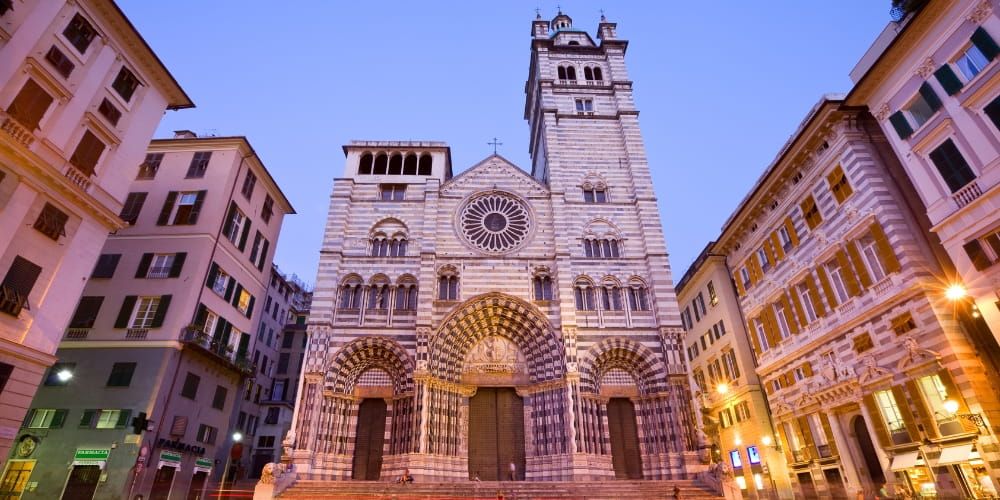
A black-and-white marble façade and an imposing bell tower define the Cathedral of San Lorenzo, Genoa’s spiritual landmark. Construction began in the 12th century, and the building reflects a mix of Romanesque, Gothic and Renaissance styles.
Alongside its religious function, the cathedral preserves a range of artworks and architectural details that mirror the city’s medieval and Renaissance prosperity.
Complete your visit with: the cathedral’s two towers, the Museo del Tesoro, and the Diocesan Museum.
Palazzo Reale: The Grandeur of Genoa’s Aristocracy
Originally a noble residence and later a Savoy royal palace, Palazzo Reale boasts frescoed ceilings, stuccoes, original furnishings and an interior courtyard with exotic plants.
Now state-owned, it houses the Soprintendenza della Liguria and the Gallery of Palazzo Reale, whose collection includes works such as Van Dyck’s Crucifix and Portrait of a Lady.
Current exhibition at Palazzo Reale in Genoa in 2026:
– Family Portraits, displayed in the Chapel Gallery
Porto Antico and Museo del Mare: Genoa's Maritime Identity
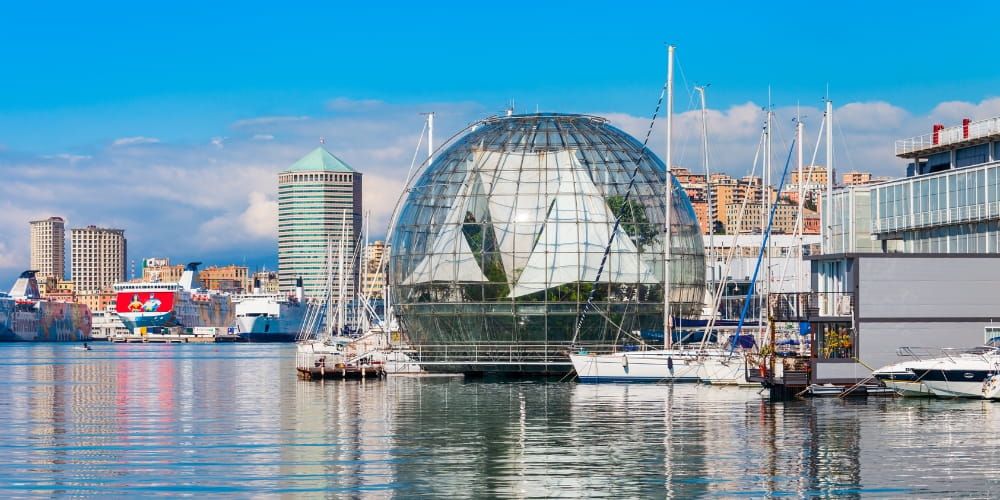
Despite its name, the Porto Antico area is where Genoa reveals its contemporary side.
The regeneration project designed by Renzo Piano in the 1990s reconnected the city to its waterfront with a public space made of museums, open areas, and contemporary architecture, including Bigo, a panoramic lift inspired by the harbour’s historic cranes, the Biosphere, and the Children and Youth City, an interactive museum for younger visitors.
The Genoa Aquarium, one of Europe’s largest, is the most famous part of the project. Its educational and scientific programs draw visitors from around the world.
Close by, the Galata Museo del Mare, the Mediterranean’s largest maritime museum, explores navigation and Genoa’s history in global trade.
Events at the Galata Museo del Mare in 2026:
– Biennale “Le latitudini dell’arte 2026” (July 3 – Sept. 6, 2026)
Beyond Museums: Culture, Festivals and Sport
Alongside its museums and historic heritage, Genoa’s cultural life extends beyond exhibitions and gallery spaces. The city’s calendar now spans music, sport and international festivals.
A new addition in 2026 was Ulisse Fest by Lonely Planet, which came to Genoa for the first time July 10–12 with travel talks, international guests and live performances.
The city is also embracing a more contemporary vibe. Electropark, the electronic music and performance festival, brought a month of events culminating on July 5.
In late June, Genoa hosted Red Bull Cerro Abajo, an urban downhill race that turned the historic centre into a spectacular course.
Throughout the summer, much of the activity is concentrated around the Porto Antico, with concerts and events across the Axpo Arena del Mare, Piazza delle Feste and Isola delle Chiatte.
Genoa Art Walk: Five Stops Through the City
Genoa reveals itself best on foot. This art walk includes five stops that trace its cultural evolution across centuries.
The first is Via Garibaldi. Some of Genoa’s most important museums are located in this area, including Palazzo Rosso, Palazzo Bianco, and Palazzo Tursi.
From there, the route continues to Palazzo Ducale, once the centre of political power in the Republic of Genoa and now a cultural venue hosting major exhibitions and events.
The third stop is the Cathedral of San Lorenzo, Genoa’s spiritual landmark. Visitors can climb its two towers for wide views over the city.
The walk then leads to Palazzo Reale, a grand aristocratic residence preserving original fairy-tale interiors and a great collection of 17th-century paintings.
The final stop is the Porto Antico area: Genoa’s maritime history opens onto the present through contemporary public spaces, museums and views of the sea.
Related Story – 7 days in Genoa
Is Genoa Italy’s city of art to visit this year?
What makes Genoa distinctive among Italy's art cities is not only the scale of its historical heritage, but the way it continues to evolve culturally.
Its museum network includes more than 20 civic venues, state museums such as Palazzo Reale and the National Gallery at Palazzo Spinola, and a number of private collections.
The cultural landscape extends beyond the museums themselves: with exhibitions, theatre performances and festivals in every season, there is always something to do.
What's next – This year, the calendar continues into autumn with the World Press Photo Exhibition at Palazzo Ducale in September, the acclaimed Ottobre Paganiniano, and a photography showcase at Palazzo Bianco and Palazzo Rosso presented as part of the celebrations for the 20th anniversary of Genoa's UNESCO World Heritage listing.
Genoa, the Surprising Art City to visit in Italy - FAQs
Why visit Genoa?
Because travellers looking beyond Italy's best-known destinations will find in Genoa art, history and architecture without the crowds of Florence, Venice or Rome. In 2026, a calendar of exhibitions, festivals and events celebrating the Rolli Palaces makes it an especially rewarding time to visit.
How many days do you need in Genoa?
Three or four days are enough to explore the city's main attractions, including Via Garibaldi, the Strada Nuova Museums, Palazzo Ducale, the Cathedral of San Lorenzo and the Porto Antico. An extra day allows time to visit additional museums or explore some of Genoa's surrounding neighbourhoods.
What should art lovers see in Genoa?
The Rolli Palaces, the Strada Nuova Museums, Palazzo Ducale, Palazzo Reale and the Cathedral of San Lorenzo are among the city's essential art and architectural landmarks. If you're visiting during the Rolli Days, you'll also have the opportunity to enter a number of historic palaces that are normally closed to the public.
About the author
Written on 28/07/2026
Lorena Calise
I'm a content writer for magazines and websites. I also explore Italy through my writing for Visit Italy and Visit Naples.

Lorena Calise
With UNESCO palaces, masterpieces by Van Dyck, major exhibitions and a thriving cultural scene, 2026 is the perfect time to rediscover Genoa.