
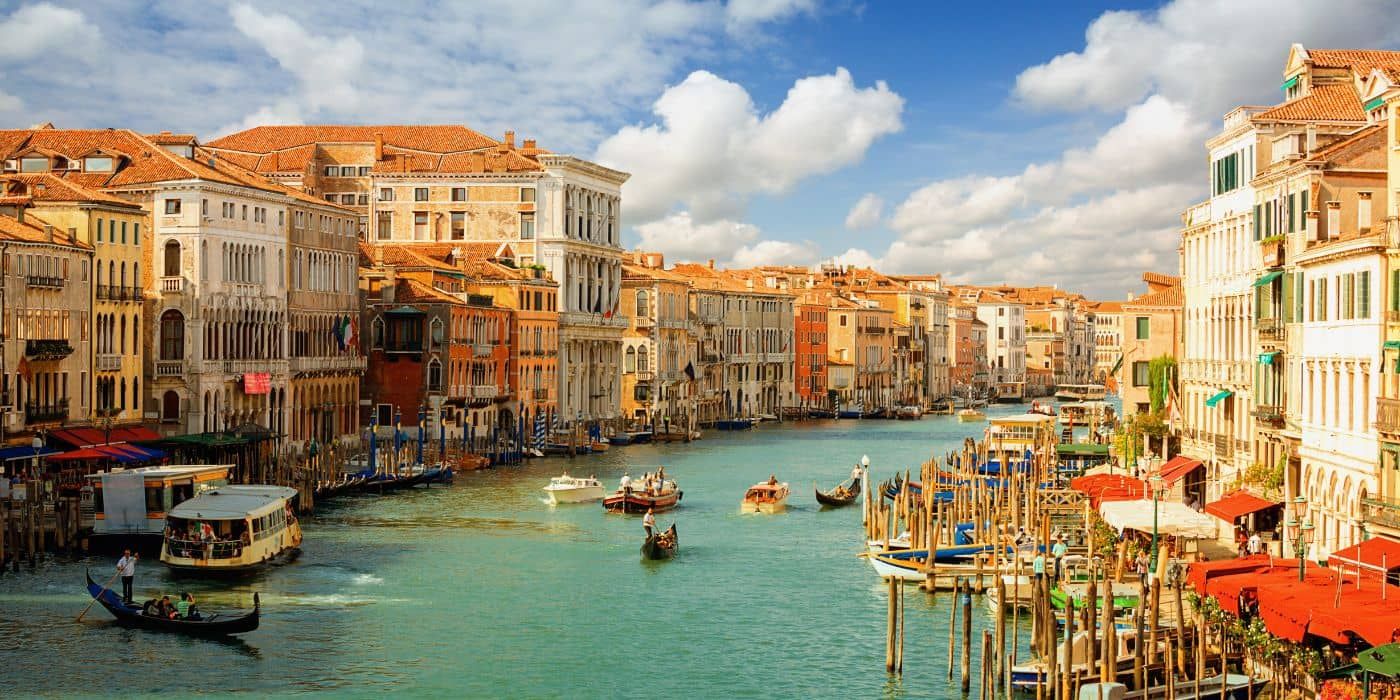
Venice in summer is even more captivating: the water reflecting its palaces, the calli lighting up in the early morning, sunsets over the lagoon, and slow evenings spent among bacari, bridges and waterfront promenades. But it is also a city to experience without improvising, especially during the hottest months, when temperatures rise and even a simple walk can become more tiring than expected.
The good news is that Venice is not only St Mark’s Square, Rialto and the Grand Canal. There is also a cooler, quieter Venice where you can spend quality time among less crowded museums, smaller islands, gardens, shaded routes, neighbourhood bacari and smart breaks.
To discover it in 2026, the key is to head out early, avoid the hottest hours, alternate outdoor walks with indoor visits, plan your movements and choose tools that make your visit easier.
Our summer guide to Venice was created precisely to help you build a smoother trip, following places off the beaten path and practical tips to escape the heat and the crowds without giving up the magic of the lagoon city.

Summer guide to Venice 2026
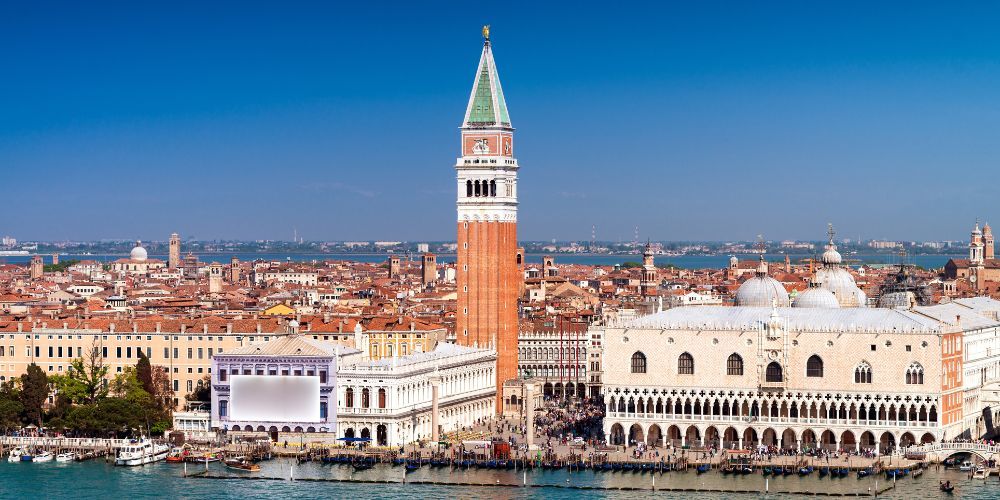
The first tip for enjoying Venice in summer is simple, but it changes everything: do not concentrate your visit in the middle of the day. The city is at its best in the early morning and late afternoon, when the light is softer and the calli are less crowded.
Morning is the right time to walk. Arrive early in St Mark’s Square, cross the Rialto area before the largest crowds arrive, choose a route through the quieter side streets of Castello, Cannaregio or Dorsoduro, or head to a panoramic viewpoint before the sun becomes too strong.
In the event of heatwaves, the Municipality of Venice recommends going out in the early morning or evening, avoiding the hottest hours of the day, especially between 11 a.m. and 6 p.m.
For this reason, between late morning and early afternoon, it is better to take refuge in museums, historic palaces or a bacaro away from the main tourist flows. In 2026, this kind of planning becomes even more useful because Venice will also host the 61st International Art Exhibition of La Biennale, scheduled from 9 May to 22 November across the Giardini, Arsenale, Forte Marghera and other areas.
The Biennale is a great opportunity to discover a more contemporary side of Venice, but it requires time and at least a little strategy. The main venues are open in summer from 11 a.m. to 7 p.m., with extended opening until 8 p.m. at the Arsenale on Fridays and Saturdays until the end of September; La Biennale itself recommends visiting on weekdays for a quieter experience.
Late afternoon, on the other hand, is perfect for heading out again: a walk along the Zattere, a vaporetto ride to Giudecca, a visit to San Giorgio Maggiore, an aperitif in Cannaregio or dinner in a less touristy area.
Hidden museums and cool places to visit during the hottest hours
When the heat is intense, museums become a real travel strategy. In Venice, alongside the Doge’s Palace and the Gallerie dell’Accademia, you will find palaces, house museums and less predictable spaces that offer a chance to cool down while discovering a more intimate side of the city.
One of the most fascinating places is the Fortuny Museum, housed in the Gothic Palazzo Pesaro degli Orfei. It is the perfect place if you are looking for a theatrical, elegant Venice, enriched with fabrics, light, stage design and art. In summer 2026, it is also one of the MUVE museums with extended opening hours on Fridays and Saturdays until 8 p.m.
Another perfect stop is Palazzo Mocenigo, in the Santa Croce district, where Venice tells its story through clothing, textiles, furnishings and perfumes, in an itinerary devoted to aristocratic life, fashion and the history of costume. Palazzo Mocenigo also offers extended opening hours on Fridays and Saturdays until 8 p.m.
Ca’ Rezzonico, on the Grand Canal, houses the Museum of 18th-Century Venice and offers access to a sumptuous side of the city, made of grand halls, frescoes, furnishings and views: in summer, it is open from 10 a.m. to 6 p.m., closed on Tuesdays, and is also among the MUVE museums involved in the summer evening openings until 8 p.m. on Fridays and Saturdays.
It is also worth considering Casa di Carlo Goldoni, in San Polo: small and literary, it is perfect for adding a more theatrical and less obvious Venice to your trip.
Palazzo Grimani, on the other hand, is a surprising stop in Castello: an elegant, scenic museum, often less crowded than the city’s major cultural sites, open from Tuesday to Sunday from 10 a.m. to 7 p.m.
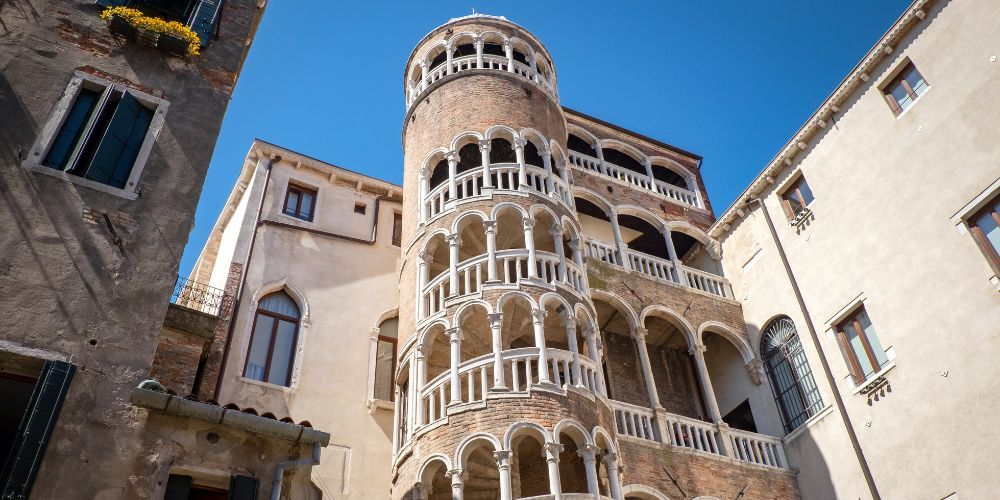
If you are looking for a special view, head to the Scala Contarini del Bovolo, one of the city’s most photogenic and unusual architectural gems, as well as a short but memorable stop to include in an itinerary between Campo Manin, Rialto and St Mark’s. In summer 2026, it is open every day from 10 a.m. to 6 p.m.
Bacari and cicchetti for a venetian break
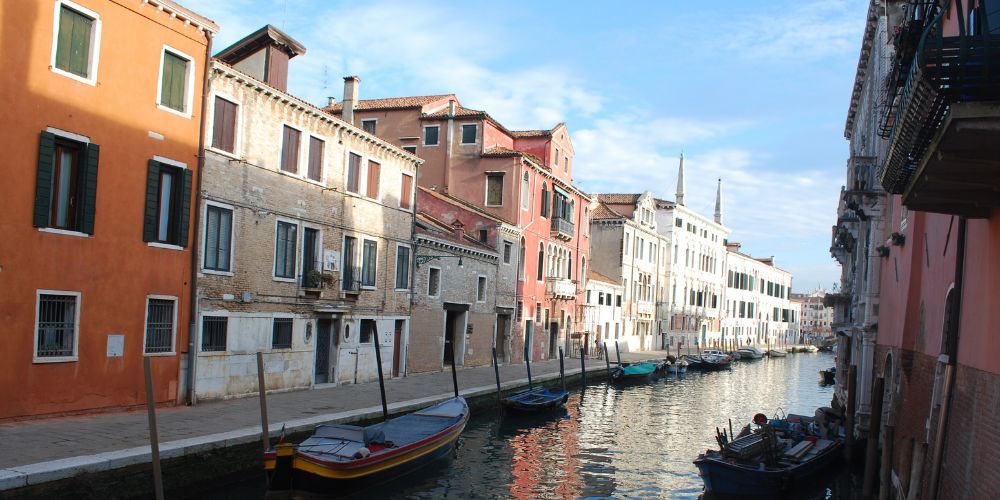
In summer, bacari are more than just a delicious stop: they are a smart way to slow down. A break with cicchetti and an ombra, a small glass of wine, allows you to split up the day, avoid heavy lunches and experience Venice like a local.
The most classic area is Cannaregio, especially between the Ghetto, Rio della Misericordia and Fondamenta degli Ormesini. The atmosphere is lively, especially in the evening, but all you need to do is choose the side streets or arrive a little before peak time to find a more relaxed Venice. It is a great area to order baccalà mantecato, sarde in saor, meatballs, marinated anchovies, fried vegetables or small crostini, paired with a spritz or a glass of wine.
Dorsoduro is another area we recommend, especially if you are visiting the Gallerie dell’Accademia, the Peggy Guggenheim Collection or the Zattere area. Do not plan an itinerary that forces you to keep heading back towards Rialto or St Mark’s. Instead, choose a museum during the hottest hours, take a break in a bacaro, then enjoy a walk towards the Giudecca Canal at sunset.
Santa Croce and Castello, on the other hand, are the right sestieri for experiencing a Venice that feels more off the beaten path. In Santa Croce, you can sense a more everyday side of the city, while in Castello, especially as you move away from Riva degli Schiavoni, Venice opens up into quiet campi, laundry hanging between buildings, small shops and bacari also frequented by Venetians.
The practical rule is to avoid places along the most touristy routes and not wait too long. In the most popular bacari, tables fill up quickly and the best cicchetti may run out before dinner time. A break between 12 p.m. and 1:30 p.m. works well, or an aperitif between 6 p.m. and 7:30 p.m., when Venice starts to breathe again after the heat of the day.
Less-Visited islands for discovering another side of Venice
To escape the crowds, sometimes all you need to do is change perspective. Venice is not only the compact city of calli: it is also lagoon, islands, landing stages, silence, vegetable gardens, green spaces and open waterfronts.
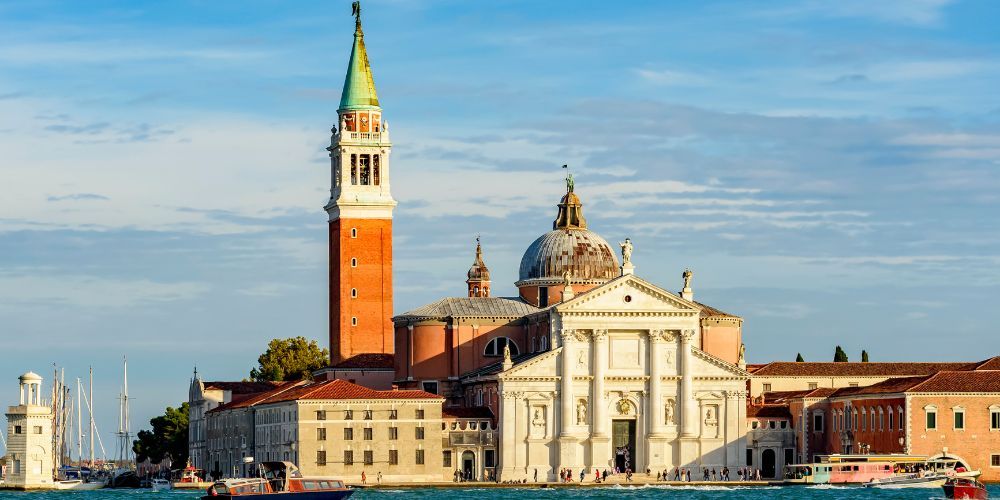
San Giorgio Maggiore is the most scenic choice. It can be reached in just a few minutes from St Mark’s, yet it already feels like another world. Its Palladian basilica, the Giorgio Cini Foundation, green spaces and views over Venice make it a perfect stop in the morning or late afternoon, when the light over the lagoon is softer.
Giudecca is even better suited to immersing yourself in a slower Venice, with wide waterfronts, airy views, places overlooking the water and a magnificent perspective over the Zattere.
San Servolo is one of the most interesting islands for stepping away from the usual itineraries. Just a few minutes by vaporetto from San Zaccaria, it is home to one of the largest parks in the historic centre, as well as the Museum of the Asylum, which can be visited on specific days and at specific times. The island is reached by ACTV line 20 and the journey takes about 8 to 10 minutes. The museum is open on Thursday afternoons and during the day from Friday to Sunday, a detail worth checking before planning your visit.
Sant’Erasmo, on the other hand, is Venice at its greenest and most agricultural: the island of vegetable gardens, artichokes, quiet roads and lagoon horizons, ideal for those who want to walk and discover an almost rural side of the lagoon.
Mazzorbo and Torcello are worth considering as slower alternatives to Burano, which remains beautiful but is very busy in high season. Mazzorbo offers a quieter pause, while Torcello preserves an ancient atmosphere, almost outside time.
Where to find shade, water and relaxation in Venice
One of the most common mistakes when visiting Venice in summer is underestimating breaks. The city may look small on the map, but between bridges, narrow calli, humidity and crowds, it can quickly become demanding. That is why it is worth marking in advance a few places where you can stop, drink, sit down or simply slow your pace.
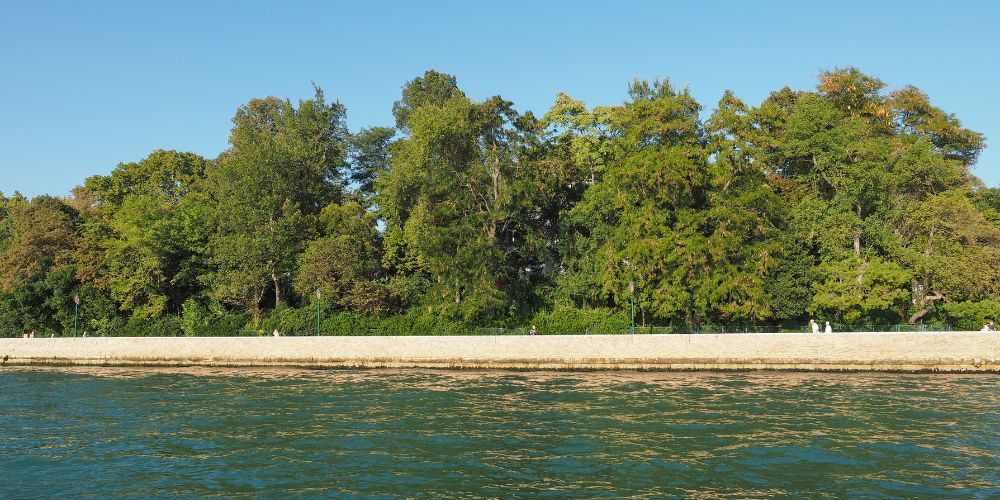
The Royal Gardens are one of the most strategic stops because they are just a short walk from St Mark’s Square. When the area around St Mark’s becomes too crowded, they offer a green, well-kept break without having to leave the centre.
The Biennale Gardens, in Castello, are worth considering if you want to combine relaxation with contemporary art. During the 2026 Art Biennale, they become one of the cultural hearts of the lagoon city, yet they remain a more open and airy area than the central calli. The ideal route starts from Riva degli Schiavoni, passes the Arsenale and continues towards Sant’Elena, where Venice becomes wider, quieter and more residential.
In Cannaregio, the Savorgnan Gardens are a useful stop, especially if you are arriving from the train station or exploring the Ghetto. They are not as scenic as other places in Venice, but for that very reason they can become a pleasant pause away from the crowds.
To breathe more freely, choose the waterfronts. The Zattere are magnificent at sunset, when the sun goes down over the Giudecca Canal and the walk becomes one of the most enchanting in the city. From Fondamenta Nove, on the other hand, boats depart for Murano, Burano, Torcello and Sant’Erasmo, making it one of the best places to experience Venice as a lagoon city.
Do not forget to carry a refillable water bottle and follow a map of Venice’s public fountains and island fountains, useful for planning your route without constantly buying bottled water. In summer, drinking often, lightening your bag and knowing where to refill your bottle can make the day much more sustainable.
Venice Pass: how to simplify museums, transport and your itinerary
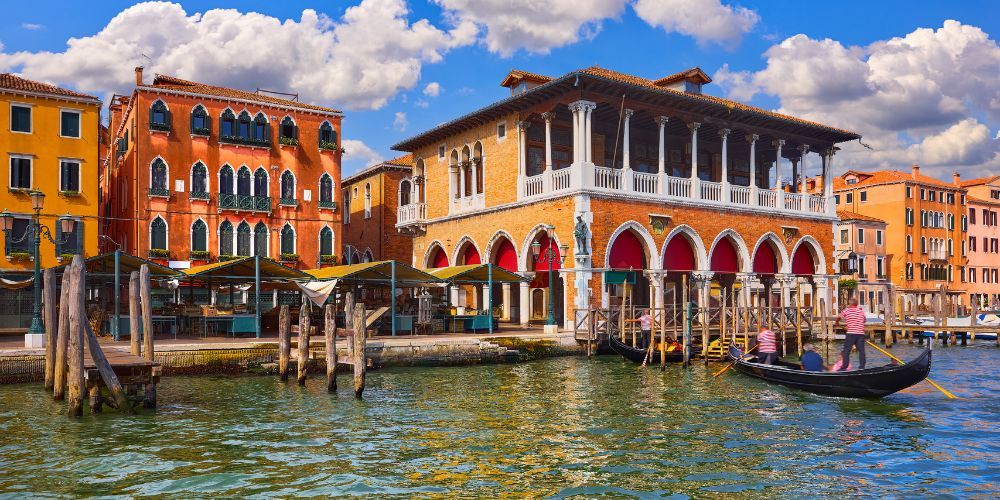
The best way to experience Venice in summer is to reduce the number of decisions you have to make on the spot. That means fewer tickets to look for under the sun, fewer unexpected queues, fewer unnecessary detours and more time to truly enjoy the city.
The Venice Pass is a useful tool, especially if you want to alternate major highlights, hidden museums, islands and cultural breaks without having to plan each visit from scratch every time.
The Venice Pass is available in 2, 3 or 5-day versions and includes an app with maps, useful information and itineraries, as well as access to a wide range of attractions. Among the places included are the Doge’s Palace, Museo Correr, the Archaeological Museum, the Monumental Rooms of the Biblioteca Marciana, Ca’ Rezzonico, Palazzo Mocenigo, Casa di Carlo Goldoni, Ca’ Pesaro, the Glass Museum, the Lace Museum, the Natural History Museum, the Fortuny Museum and the Basilica of San Pietro di Castello.
The pass is not only useful for entering the city’s most famous monuments, but also for organising a smoother day. You can visit a museum during the hottest hours, move towards a less crowded district, or add a house museum or collection that you might not otherwise have considered.
The transport option is optional, but it can be very convenient if you are planning several vaporetto journeys or want to reach the islands. The Venice Pass allows you to add an ACTV public transport option valid for 48 hours, 72 hours or 5 days, which can be used on vaporetti in Venice, the Lido and the islands, as well as on ACTV buses, trams and the People Mover. Some lines remain excluded, such as those to and from Marco Polo Airport, line 16 and Alilaguna.
About the author
Written on 20/07/2026
Flavia Cantini
Freelance Content Writer with over a decade of specialized experience in tourism, culture, and creative/artistic activities. I assist magazines, web agencies, and end clients in managing blogs and crafting standout articles

Flavia Cantini
Venice in summer without the heat and crowds: hidden museums, bacari, quieter islands and smart tips for a smoother trip.