
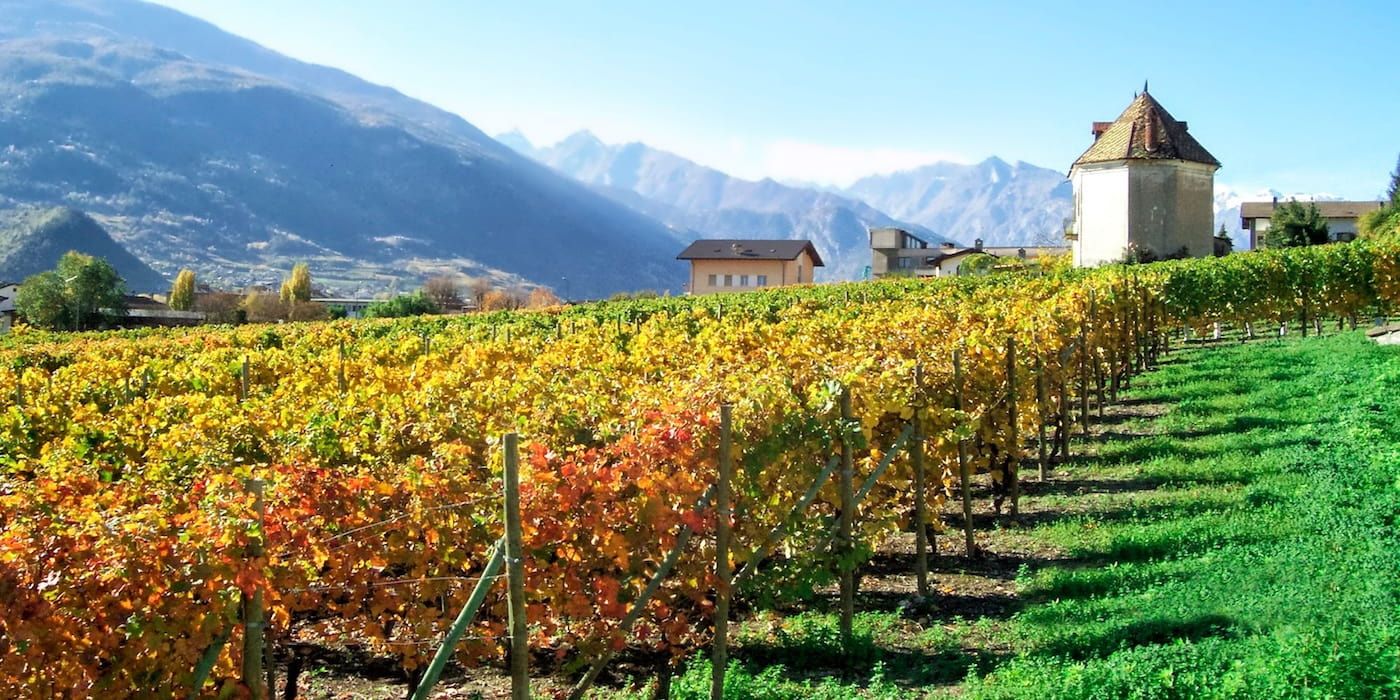

Via Francigena in Northern Italy crosses a mosaic of landscapes that unfold one after another. The snow-capped peaks of the Great St. Bernard give way to the quiet valleys of the Aosta Valley, then to the hills around Ivrea, the rice fields of the Po Valley, and the first ridges of the Apennines.
Every kilometer reveals a land shaped by human work and the rhythm of the seasons, where medieval villages, gentle rivers, and countryside landscapes preserve an ancient agricultural soul.
In such a bucolic and evocative setting, local food traditions open the door to an Italy deeply rooted in its heritage. From here begins a journey where Via Francigena turns into one tasting experience after another: from the Alps to the plains, get ready to explore Northern Italy along 10 special stages, to discover its most authentic food and wine identity.
Via Francigena of taste: Northern Italy among mountains, rice fields and traditional flavors
🥇 Visit Italy’s brand partnership
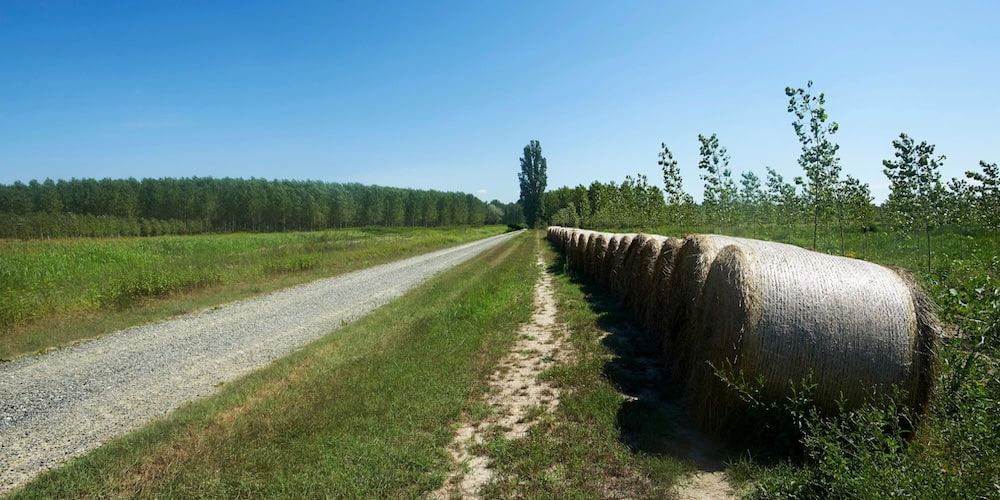
The northern part of Via Francigena crosses regions with a strong food and wine heritage, often less highlighted compared to other well-known Italian destinations. Following this route means coming into direct contact with a food culture shaped over centuries by agriculture, livestock farming, and the passage of pilgrims.
Our journey unfolds like a continuous thread connecting mountains, plains and hills, but it's at the table that each territory finds its most distinctive voice: from mountain cheeses to cured meats, from traditional rural dishes to fresh pasta, and up to PDO products and specialties recognized at an international level.
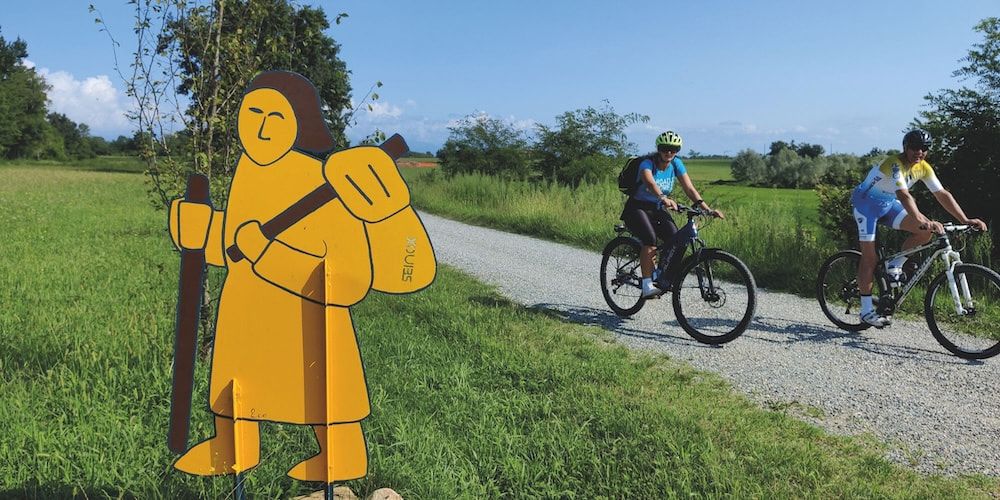
This itinerary is also perfectly suited to be experienced by bike, for those who are trained, or by e-bike: daily rides of 40 to 80 km allow for a relaxed pace, with a closer look at the territories and their gastronomic excellence.
Here are the Northern Italian regions we will cross in 10 stages:
- Aosta Valley, from the Great St. Bernard to Pont-Saint-Martin;
- Piedmont, from Ivrea to Vercelli;
- Lombardy, from Robbio to Orio Litta;
- Emilia-Romagna, from Piacenza to Passo della Cisa;
- Tuscany, arrive in Pontremoli.
Discover more about Via FrancigenaStage 1. Great St. Bernard → Aosta: high-altitude flavors of Aosta Valley tradition
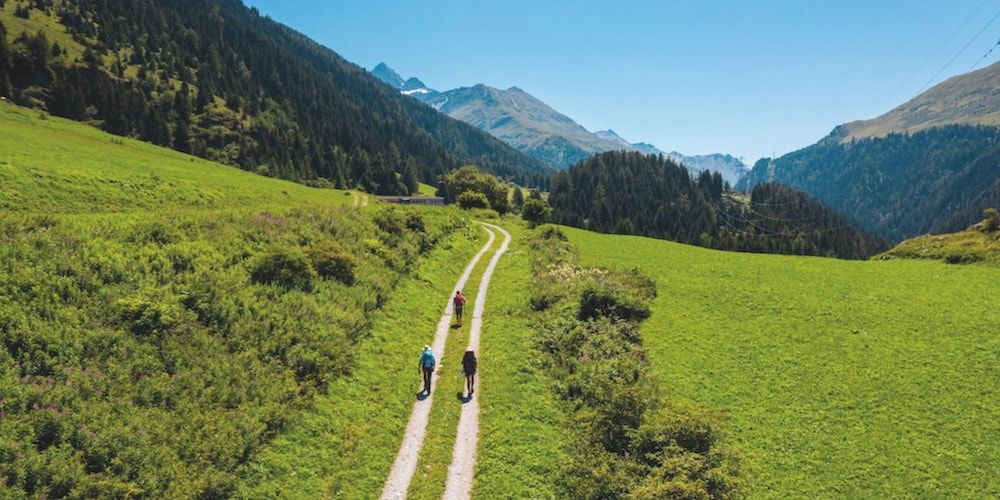
Our Via Francigena journey of taste begins among the mountains of the Aosta Valley, starting from the Great St. Bernard Pass, one of the most iconic Alpine crossings along the entire European route.
The starting point is the historic Great St. Bernard Hospice, founded in the Middle Ages to welcome pilgrims travelling between Switzerland and Italy. At 2,473 meters above sea level, surrounded by alpine lakes set within a spectacular landscape, this unique place still preserves the most authentic spirit of mountain hospitality.
To accompany the beginning of our journey, we can enjoy products such as Fonduta San Bernardo, alpine cheeses, mountain cured meats and wines, as well as traditional desserts including the séracline du Grand Entremont, a local sweet prepared with sérac, the typical fresh Alpine cheese.
Once we leave the Hospice behind, the first stage takes us — by bike or e-bike — along nearly 30 km of downhill valley roads, through landscapes shaped by pastures, forests and small mountain villages, until reaching the charming city of Aosta, where we officially enter the heart of the region.
Typical products:
- Fonduta San Bernardo;
- Alpine cheeses;
- Mountain cured meats and wines;
- Séracline du Grand Entremont.
Stage 2. Aosta → Verrès: the terraced vineyards of the lower valley
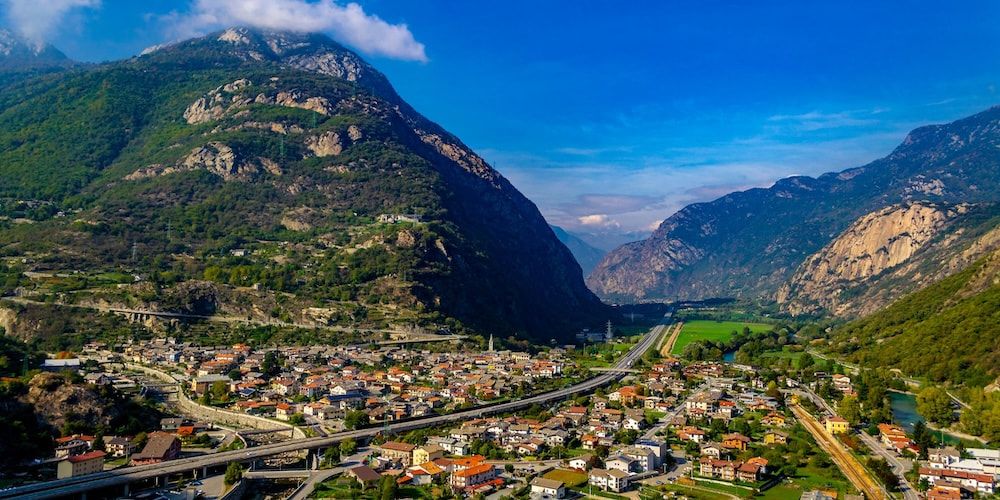
Let's continue the itinerary by cycling for around 46 km toward the lower Aosta Valley. The landscape changes gradually: the mountains remain the dominant presence, but along the slopes terraced vineyards, medieval castles and small villages once crossed by merchants and pilgrims begin to appear.
This stage highlights the region’s strong identity linked to Alpine viticulture. Near Donnas, one of the symbolic places along the Aosta Valley section of the Via Francigena, the route passes beside the famous terraced vineyards where Vallée d’Aoste DOC Donnas is produced, one of the regions’s historic DOC denominations, made mainly from local Nebbiolo grapes.
A little further on, we pass through Arnad, a village renowned for the famous Lardo di Arnad DOP, cured with aromatic herbs and mountain spices according to a centuries-old tradition.
Following stretches of the ancient Roman road of the Gauls, medieval bridges and the imposing Fort of Bard overlooking the valley, we finally reach Verrès, gateway to the southern part of the region.
Typical products:
- Vallée d’Aoste DOC Donnas;
- Lardo di Arnad DOP.
Stage 3. Verrès → Ivrea: the Canavese and balmetti carved into the rock
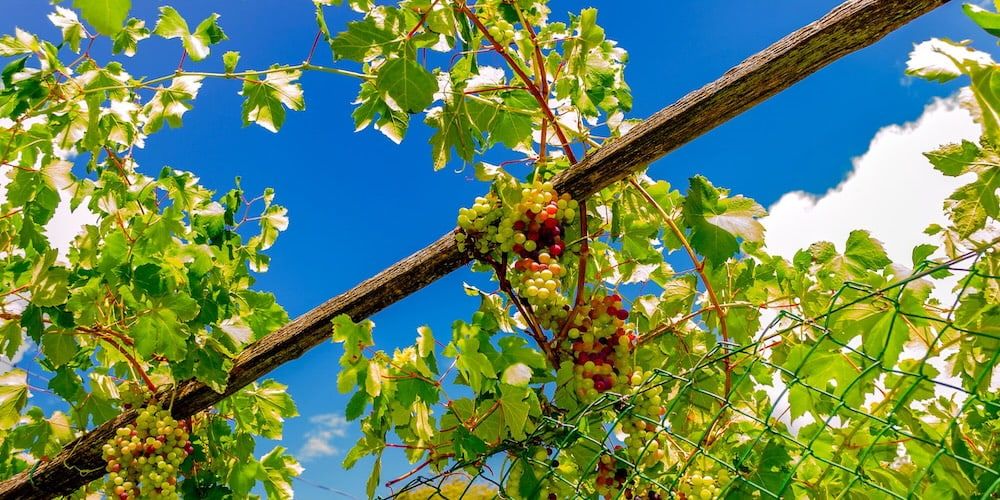
Let’s get back on the road with a stage of nearly 40 km taking us from the Aosta Valley to Ivrea, in Piedmont. Along the way, the Alpine valleys gradually open into a landscape of morainic hills, quiet roads and small rural villages.
Just beyond the regional border, near Carema, vineyards once again become the dominant feature of the landscape. The vines climb the slopes supported by pergolas and stone terraces, creating one of the most distinctive wine-growing landscapes of the Canavese area, in the northern part of the province of Turin. This is where Carema DOC is produced, the signature wine of the area.
Before reaching our destination, let’s stop in Borgofranco d’Ivrea to discover the characteristic balmetti: ancient natural cellars built against the mountain and cooled by underground air currents, still used today to preserve wine and local products. During certain times of the year, especially during local festivals and events, some of them are opened to the public and can be visited.
Typical products:
- Carema DOC;
- Canavese balmetti products.
Stage 4. Ivrea → Santhià: entering the Po Valley
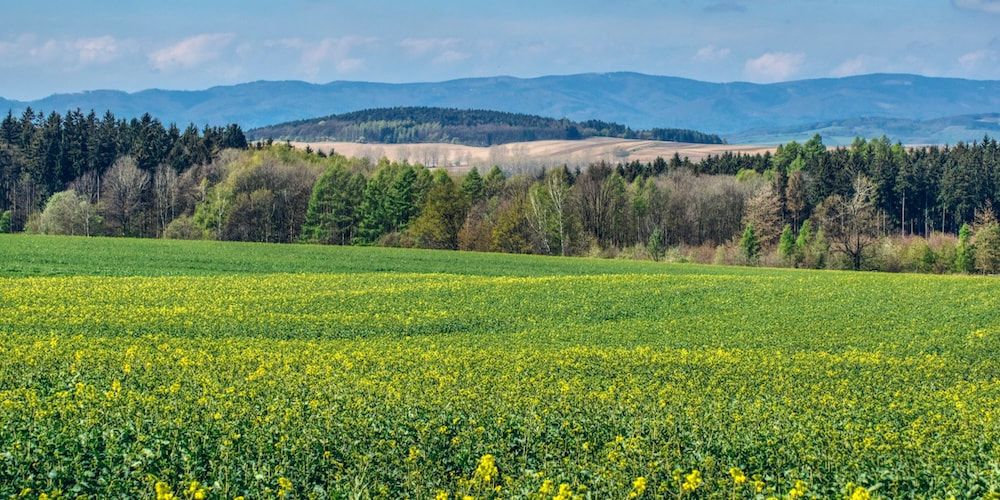
The fourth stage is about 37 km long and introduces us to the landscape of the Po Valley, with its cultivated fields, irrigation canals, and long straight stretches that accompany our journey towards Santhià.
It’s one of the quietest sections of the entire Northern Via Francigena route. We can cycle at a slow and relaxed pace, with almost no elevation gain, while the landscape reveals its most authentic agricultural character.
We pass through small rural villages and countryside shaped by water, a key element for the crops of this area. The cuisine of the plain begins to take shape: simple traditional dishes, such as soups and preparations based on grains and legumes, along with local cured meats and the first rice-based recipes, which will become the main feature of the next stage.
We finally arrive in Santhià, a historic stopping point along the Via Francigena since the Middle Ages, entering fully into the heart of the plain.
Typical products:
- Traditional rural cuisine based on grains and legumes;
- Agricultural products from the rural tradition.
Stage 5. Santhià → Robbio: the expanse of rice fields
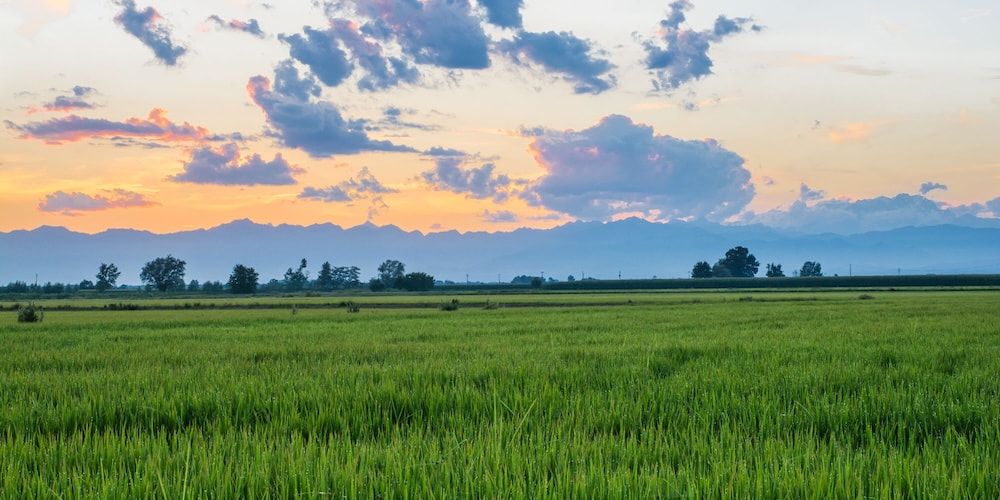
The fifth stage stretches for almost 50 km across the plains between Piedmont and Lombardy. It is a longer stretch than the previous days, but the scenery is broad and regular, ideal for cycling, especially since there's practically no elevation gain.
This is the landscape of rice fields, a defining feature of this part of Via Francigena, where unpaved tracks, embankments, and rural roads lead us through isolated farmsteads and small rural settlements that seem untouched by time.
The cuisine follows the same essential rhythm. In the Vercelli area and, once in Lombardy, in Lomellina, rice is the main element of everyday cooking, with simple traditional risottos, as well as rice soups and dishes such as rice and beans, expressing the humble yet flavorful countryside.
Typical products:
- Rice from the plains between Piedmont and Lombardy (Lomellina and Vercelli area);
- Rice soups, rice and beans.
Tappa 6. Robbio → Pavia: products from the Lomellina to Pavia
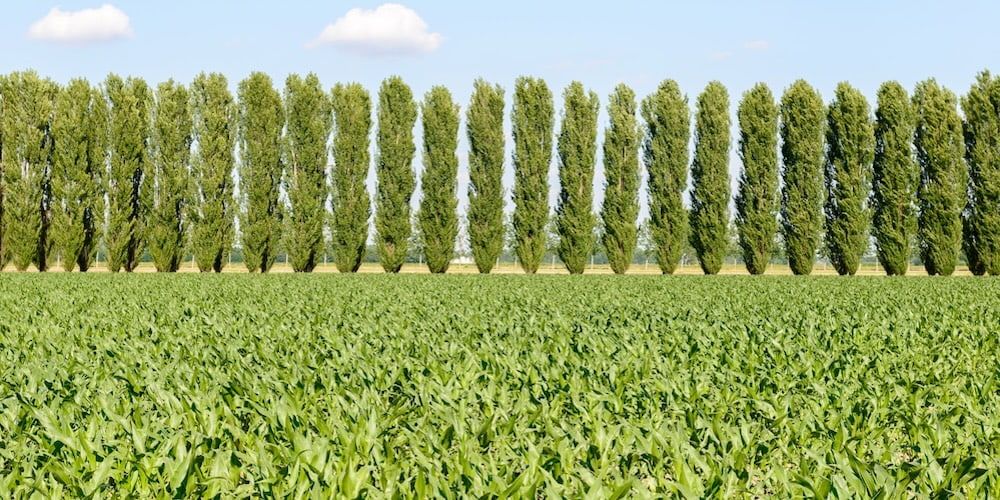
Let’s get back on the saddle for a long and rewarding stage of over 50 km, where the plain unfolds into a sequence of landscapes and memorable stops.
The first stop is Mortara, in the heart of Lomellina, where you can taste the Salame d’oca di Mortara IGP. This product perfectly reflects the history of the area, made from a blend of goose and pork meat, following a tradition rooted in the city’s medieval culture.
Onion is another outstanding local product stands out. A few kilometers from Mortara, slightly off the official Via Francigena route, lies Breme, a small rural town famous for the Red Onion of Breme, a Slow Food Presidio and one of the most authentic expressions of local agriculture. It grows in light, sandy soils, in a landscape shaped by water and rice fields.
Finally, as we reach Pavia, we enter an area where rice culture blends with the products of nearby Oltrepò Pavese, such as Pinot Noir and Croatina wines from the hills beyond the Po River, and Salame di Varzi DOP, an icon of this borderland between the plains and the Apennines.
Typical products:
- Salame d’oca di Mortara;
- Red Onion of Breme;
- Salame di Varzi DOP and wines from Oltrepò Pavese.
Tappa 7. Pavia → Piacenza: the Po River, cured meats and gnocco fritto
Between Pavia and Piacenza, over roughly 70 km, the plain unfolds without interruption, following the slow rhythm of the Po River. We ride gently along straight roads lined with farmhouses, accompanying the gradual transition from Lombardy to Emilia.
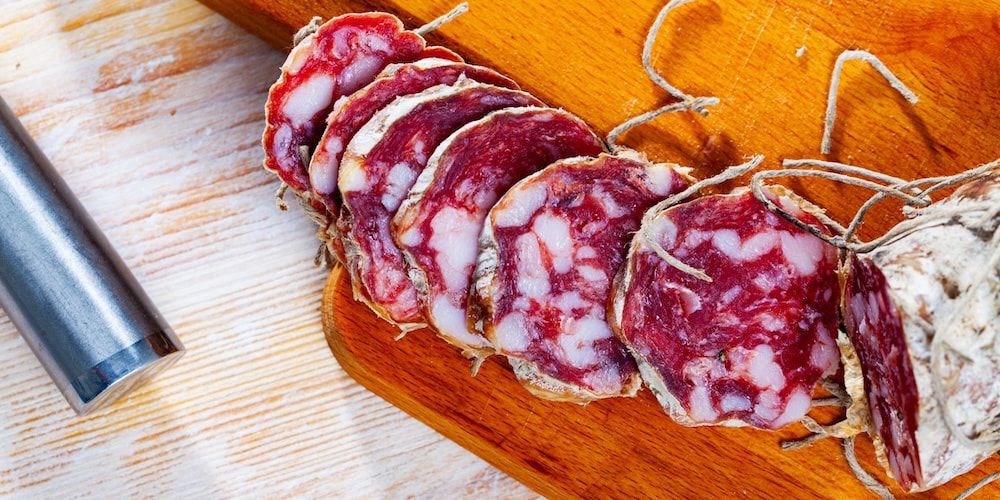
Beyond the Po, the journey takes on a new flavor. As we head toward Piacenza, the first expressions of Emilia’s great cured-meat tradition begin to appear: coppa, pancetta and salame piacentino, the result of a centuries-old pork butchery culture that has turned meat preservation into a true craft.
And what better way to accompany these rich, savory flavors than gnocco fritto? Warm, light and irresistible, it perfectly captures the relaxed, convivial spirit of the plain we are crossing.
Typical products:
- Piacenza cured meats (coppa, pancetta, salame piacentino);
- Gnocco fritto.
Tappa 8. Piacenza → Fornovo di Taro: Emilia’s great flavors
This is one of the longest stages of our itinerary, almost 90 km by bike through the heart of Emilia. Yet the flat landscape makes the journey surprisingly smooth. We cycle through neat countryside, rows of fields and small towns that still follow the agricultural rhythm of Emilia’s Food Valley.
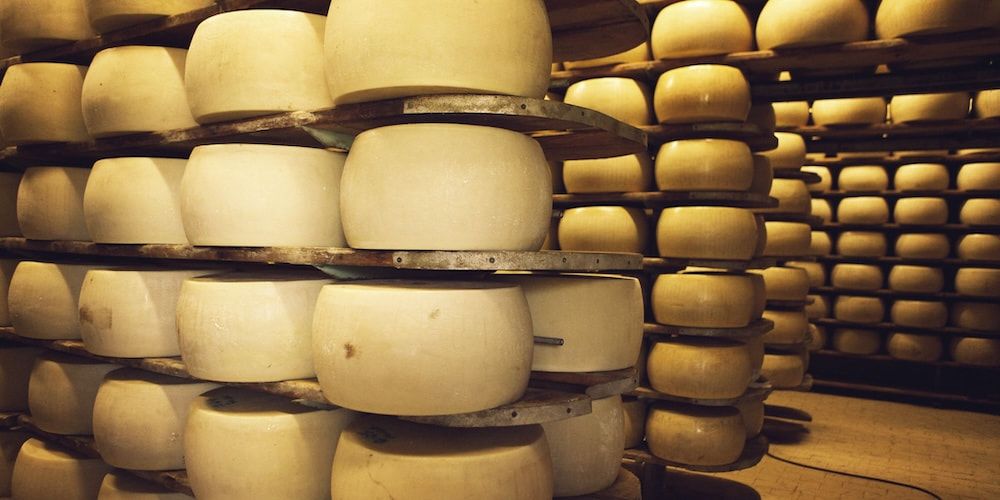
We are now entering a region where food culture is an essential part of local identity. Between Fidenza and the countryside around Parma, some of Italy’s most celebrated gastronomic products begin to appear: Parmigiano Reggiano, aged according to centuries-old methods in the provinces of Emilia, and Prosciutto di Parma, known for its long maturation process that gives it a delicate, slightly sweet flavor.
And of course, we cannot forget fresh pasta. Along the route between Fidenza and Fornovo di Taro, the local trattorias offer the perfect stop to taste tortelli, anolini and traditional dishes from Parma’s cuisine, recipes that reveal the most authentic soul of this extraordinary land.
Typical products:
- Parmigiano Reggiano;
- Prosciutto di Parma;
- Fresh Emilia-style pasta.
Stage 9. Fornovo di Taro → Passo della Cisa: across the Apennines between Emilia and Tuscany
A relatively short stage of just 40 km, but with a more demanding elevation gain compared to the flat stretch of the Po Valley.
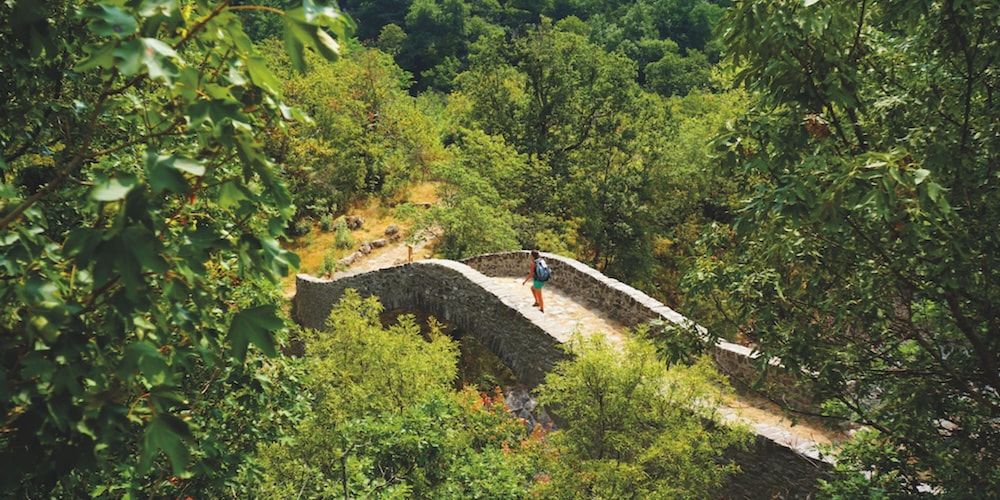
The road enters the Val di Taro and gradually climbs towards Berceto, the last major Emilian village before the Cisa Pass. Chestnut groves, beech forests and small stone villages accompany one of the most historically challenging and spectacular sections of the entire Via Francigena.
The cuisine also changes completely, embracing the Tuscan-Emilian Apennine tradition, based on ingredients from the forest such as porcini mushrooms and chestnuts, as well as typical dishes like tortelli di patate, a signature of the Parma Apennines usually served with butter, along with soups and rural recipes once prepared to sustain pilgrims and travellers crossing the pass at over 1,000 metres of altitude.
Typical products:
- Porcini mushrooms;
- Chestnuts;
- Potato-filled tortelli;
- Soups and traditional rural recipes.
Stage 10. Cisa Pass → Pontremoli: entering Lunigiana
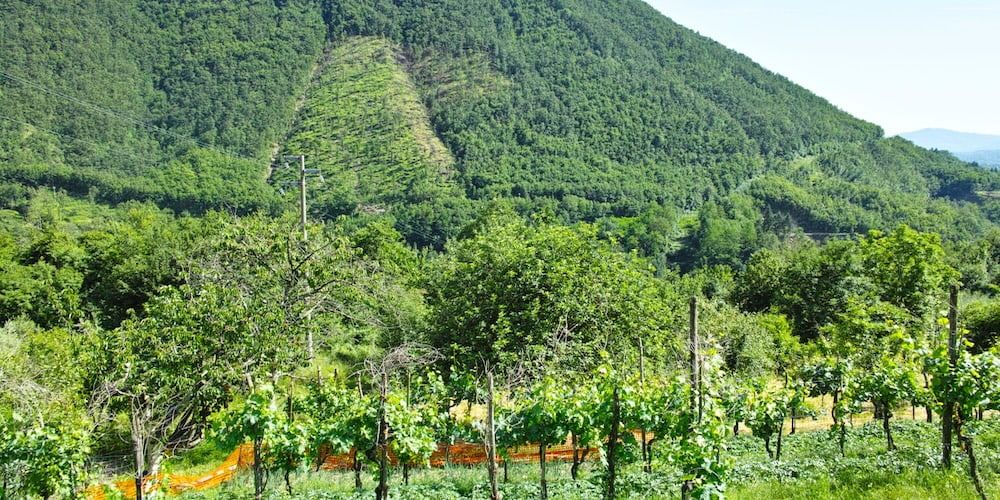
For the final stage of our gastronomic itinerary along the northern Via Francigena, we cross the Apennine mountains and, after about 20 km of descent through forests and ridgelines, we reach Pontremoli, the gateway to Lunigiana.
Tuscany — and Lunigiana in particular — is the ideal destination, because is where Northern Italy’s culinary culture gradually blends into Tuscan cuisine.
This is the land of testaroli, cooked on traditional stone “testi” and still served today with pesto or olive oil, of panigacci di Podenzana, to be filled with local cured meats, and of torta d’erbi, an ancient recipe that reflects the use of wild herbs gathered in the Apennines.
In this sense, Pontremoli becomes a symbolic crossroads, an ancient meeting point where every recipe still feels designed for travellers arriving from afar, in need of nourishment after miles of walking or cycling.
Typical products:
- Testaroli;
- Panigacci di Podenzana;
- Torta d’erbi;
- Local cured meats;
- Wines of Lunigiana.
Full list of Via Francigena stages in Northern Italy
Via Francigena continues well beyond Pontremoli, crossing Tuscany, Lazio, and, after Rome, extending all the way to the southern tip of Puglia.
We selected 10 cycling stages from the Aosta Valley to the entrance of Lunigiana. However, the official route includes many more stages. Here is the complete list:
TAPPA → KM
1 Gran San Bernardo → Echevennoz 14,9
2 Echevennoz → Aosta 13,9
3 Aosta → Châtillon 27,7
4 Chatillon → Verres 19,2
5 Verrès → Pont-Saint-Martin 14,8
6 Pont-Saint-Martin → Ivrea 22,9
7 Ivrea → Viverone 20,2
8 Viverone → Santhia 16,7
9 Santhia → Vercelli 29,2
10 Vercelli → Robbio 18,6
11 Robbio → Mortara 14,2
12 Mortara → Garlasco 20,7
13 Garlasco → Pavia 24,6
14 Pavia → Santa Cristina e Bissone 28,0
15 Santa Cristina e Bissone → Orio Litta 16,1
16 Orio Litta → Piacenza 23,9
17 Piacenza → Fiorenzuola d'Arda 31,7
18 Fiorenzuola d'Arda → Fidenza 22,4
19 Fidenza → Fornovo di Taro 34,0
20 Fornovo di Taro → Cassio 20,9
21 Cassio → Passo della Cisa 19,2
22 Passo della Cisa → Pontremoli 19,3
About the author
Written on 28/05/2026
Alessandro Savino
SEO Copywriter & web editor: I love transforming my passion for writing into engaging narratives, creatively and precisely exploring the beauty and complexity of our wonderful country.

Alessandro Savino
The journey of taste is on Via Francigena! Enjoy a food & wine trip across Northern Italy, discovering its most authentic regional flavors.