
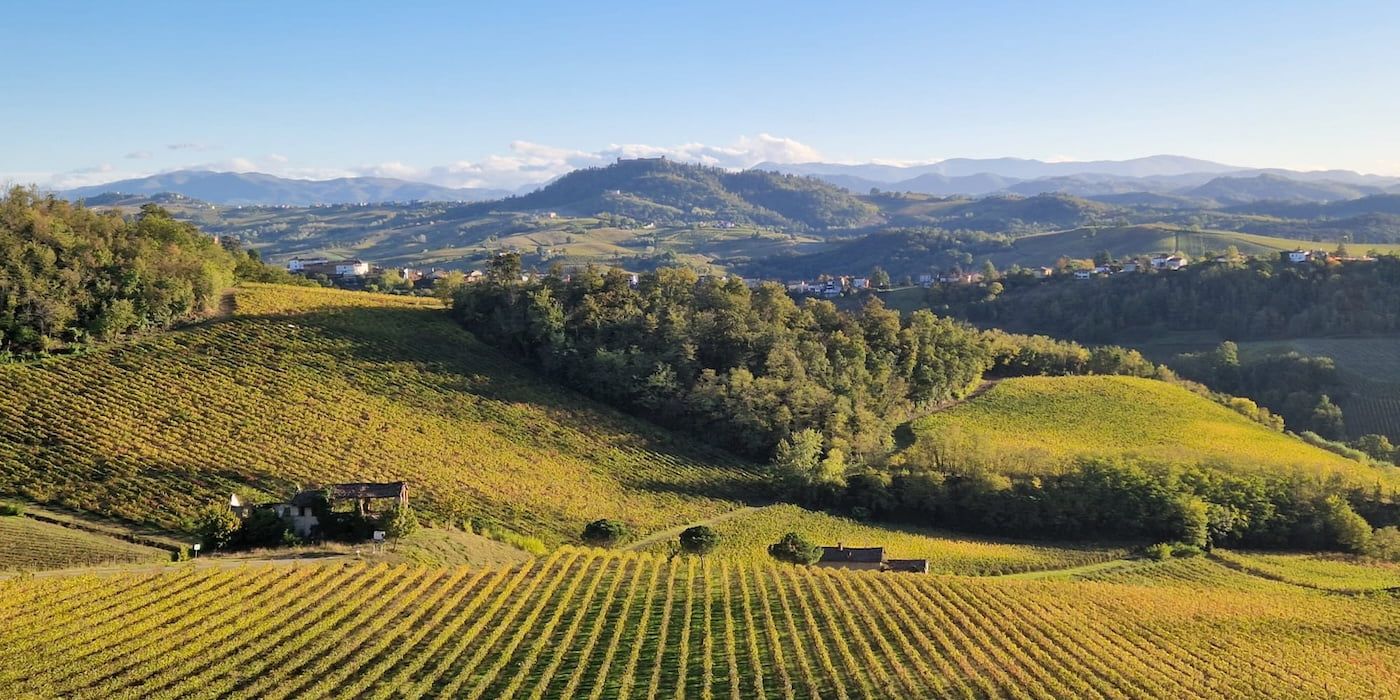

Less than two hours from Milan, the Oltrepò Pavese is a gateway to a landscape of green hills, small villages, and valleys that lead into unspoiled and surprising nature.
In this suspended dimension, where life still follows the rhythms of the past, every step along the trails becomes an invitation to slow down, breathe deeply, and be enchanted by breathtaking views, profound silence, and unique vistas.
Thus, your outdoor journey in Oltrepò Pavese will take you through a land that makes you feel far away while remaining very close, inviting you to stay a little longer and experience a truly magical adventure together.

Oltrepò Pavese, a hidden outdoor escape in Northern Italy
🥇 Visit Italy’s brand partnership
If you dream of Italy’s rolling hill landscapes but you want to move away from well-known destinations such as Tuscany or the Langhe, Oltrepò Pavese offers a truly distinctive experience. It is located in the southern part of Lombardy, south of the River Po and at the far edge of the province of Pavia.
Despite being just a short distance from Milan, the Oltrepò remains one of the least known areas to international tourism in Northern Italy, one of those destinations that are often discovered almost by chance and that find their strength precisely in their authenticity.
By nature, it’s a borderland where Lombardy meets Piedmont and Emilia-Romagna, with Liguria lying just beyond the Apennine ridges. This position, at the crossroads of different landscapes and cultures, has helped preserve a discreet identity, far from major tourist routes.
That’s why an outdoor experience in Oltrepò Pavese remains so special and unique.
Discover more about Pavia and its provinceSlow tourism in Oltrepò: a different kind of time just outside Milan
🥇 Visit Italy’s brand partnership
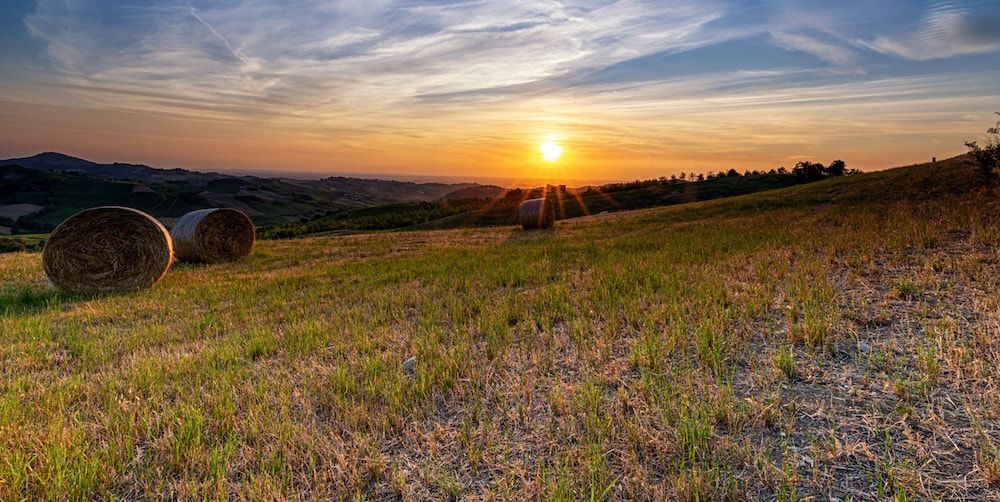
The true defining element of Oltrepò Pavese is its rhythm. Here, time seems to pass more slowly, and it feels as if the hills, villages, and secondary roads draw you into a kind of bubble that keeps out the noise and chaos of the city.
When you visit it, you quickly realize there's no need to rush. Even something as simple as driving through the hills or stopping in a small village can change your day. Not because anything spacial happens, but because everything feels simpler and more essential.
Some people come for the silence, others for the sense of relaxation, while many simply say that the air feels different here. In the end, the feeling is always the same: leaving behind the fast pace of Milan or the vibrant atmosphere of Pavia—a small city with a rich calendar of events, including the renowned Autunno Pavese festival—and finding yourself in a timeless landscape where you can hike, cycle, or simply sit and admire the rolling hills without ever feeling out of place.
There are countless places to explore and experiences to enjoy across Oltrepò Pavese. Yet what truly makes this destination special is the chance to embrace slow travel in the heart of an authentic land, turning every moment into something that feels almost like a journey back in time.
Nature, castles, and horizons of Oltrepò
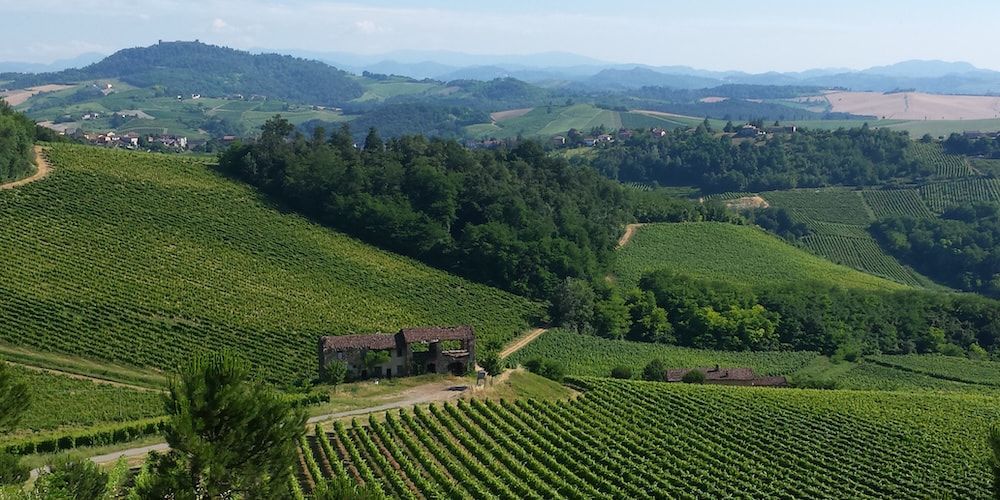
Oltrepò Pavese offers a landscape where nature and history constantly intertwine, with its rolling hills acting as the defining thread that connects everything.
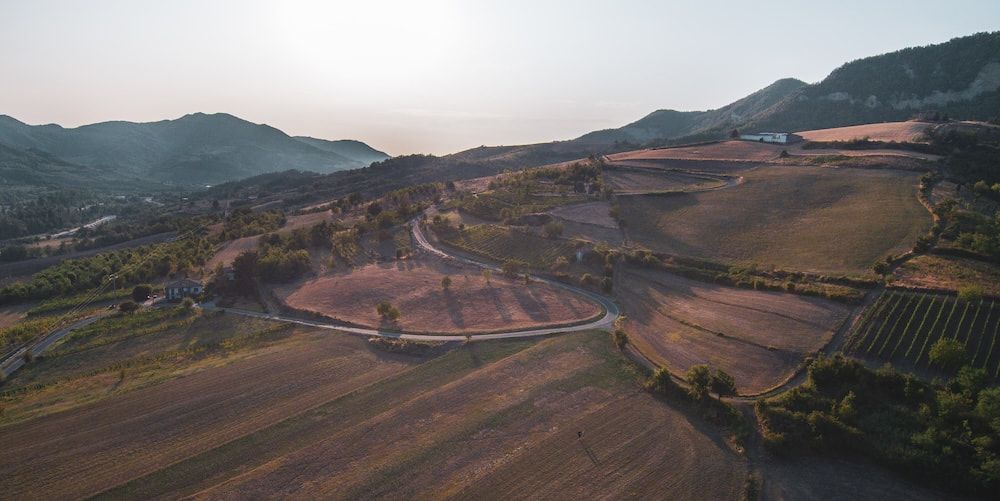
Untouched nature is what stands out most, especially in the more remote areas of the Staffora Valley and the slopes rising toward the Apennines, where human presence becomes increasingly sparse and greenery takes over.
On the hilltops, you can spot the silhouettes of numerous castles. Even though many of them are not open to visitors, they still tell the story of the region’s layered history and timeless charm. The Oramala Castle, with its history spanning nearly a thousand years, once stood in a strategic position near the ancient Via del Sale.
The landscape can also be admired from its panoramic viewpoints. In some cases, installations such as the giant benches, often placed along trails or near villages, invite visitors to pause and take in the Oltrepò’s breathtaking scenery without rushing.
Within this rural landscape, vineyards trace the sunniest slopes, while in parts of central Oltrepò, especially during the summer months, small lavender fields appear, adding delicate bursts of color to the rural mosaic.
Slow travel among timeless villages
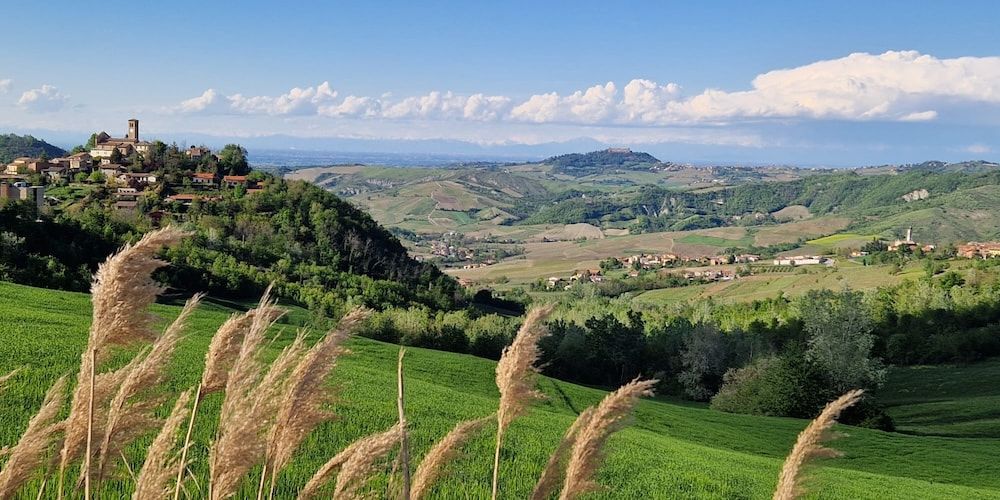
Among the hills, you can explore numerous villages that still preserve the rhythms and traditions of the past.
These are small stone-built settlements, often overlooking sweeping views. Walking through their narrow, atmospheric streets feels like entering a more intimate dimension, shaped by silence and a strong sense of local identity.
Some villages stand out for their panoramic positions, others for their well-preserved medieval layouts, but all share a unique sense of authenticity.
Here are 3 particularly charming villages you shouldn’t miss when visiting the Oltrepò Pavese:
- Zavattarello preserves a fascinating medieval structure and the ancient Dal Verme Castle, along with its legendary ghost.
- Golferenzo is a beautiful small stone-built village, listed among Italy’s Most Beautiful Villages, with a quiet atmosphere and open views over the surrounding countryside.
- Fortunago features a panoramic position overlooking the valleys of the Oltrepò. From its viewpoint, you can enjoy a wide view stretching all the way to the plains, and on clear days even the Milan skyline appears faintly on the horizon.
Hikes and excursions you shouldn’t miss
🥇 Visit Italy’s brand partnership
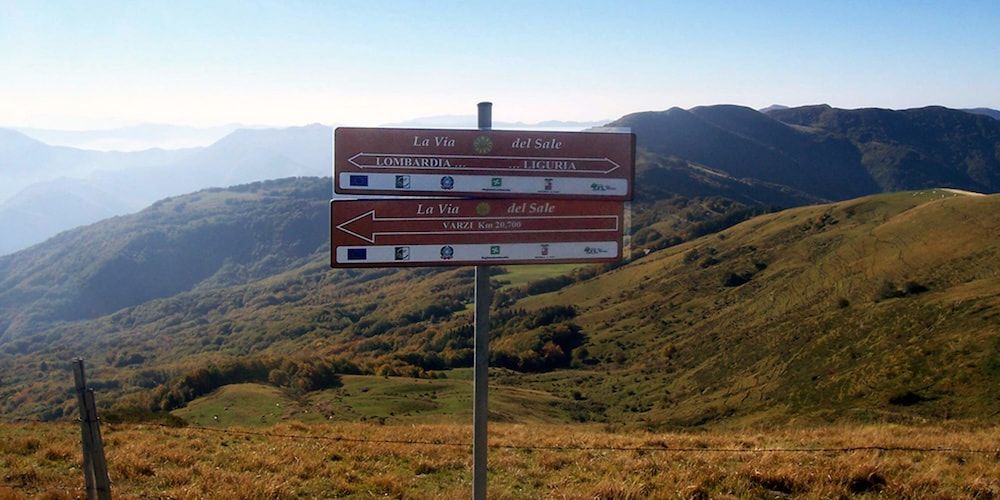
Oltrepò Pavese is an ideal destination for hiking and trekking enthusiasts, thanks to a network of trails that runs between the Staffora Valley and the Upper Oltrepò, weaving through a rolling hill landscape and crossing forests and small villages scattered across the hillsides.
Don’t miss the area around Varzi, a town famous for its traditional traditional salami and one of the main reference points for exploring the valley, with routes that extend all the way to the Passo del Penice and the slopes of Monte Lesima.
Among the most significant historic routes is the Via del Sale, an ancient trade path that once connected the Po Valley with Liguria, crossing the Varzi area and climbing along the Apennine ridgelines.
If you're short on time, you'll still find beautiful hiking trails just a few miles from the plains, including those leading up to the scenic Hermitage of Sant'Alberto di Butrio in the Val di Nizza area, or the Sentiero degli Oratori—a longer hike that can be tailored to your available time.
These are not technically difficult routes. They are generally suitable for everyone and perfect for experiencing a relaxed adventure in the green landscapes of the Oltrepò.
Cycling in Oltrepò for a slower, more sustainable way to travel
🥇 Visit Italy’s brand partnership
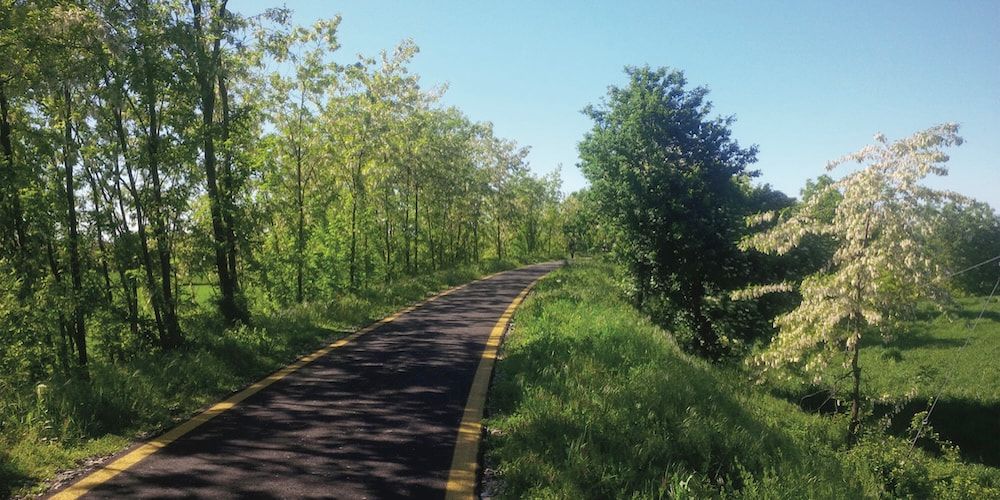
This unique landscape is perfect for bike tourism. It allows you to move through the territory without rushing, discovering it step by step—or rather, one pedal stroke at a time—passing from one village to the next and uncovering its hidden details in a slow, natural, and sustainable way.
For less experienced cyclists, e-bikes are an ideal option. Some sections can include challenging climbs, although the ascents (except in the Apennine area) are generally not very long.
One of the most accessible routes is the Voghera–Varzi Greenway, a cycling path that runs through the Staffora Valley for about 30 kilometers along the route of the old railway, alongside the river of the same name.
By following the Greenway, you gradually move deeper into the heart of the Oltrepò, leaving the plains behind and slowly taking in a landscape that invites you to explore at your own pace.
A quick escape just beyond the city: how to plan your trip in Oltrepò
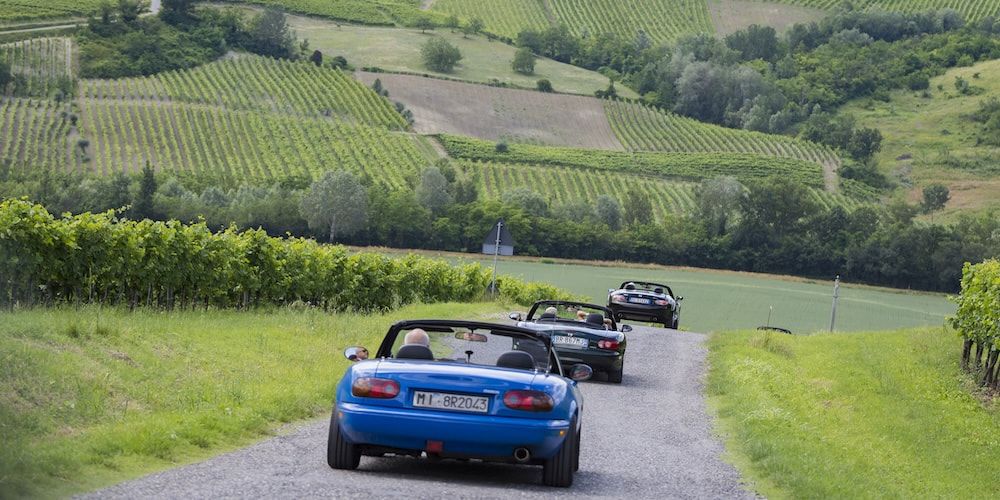
Oltrepò Pavese is an easily accessible destination, ideal for a short day trip from Milan or to combine with a weekend in Pavia.
To plan your visit, you can start from Voghera, which is still located on the plain but only a few minutes from the first hills. It’s also one of the best-connected towns in the area: from Milan it can be reached by train (less than an hour on the Milan–Genoa line), and it often serves as the main gateway to the territory for those traveling without a car.
However, it's important to keep in mind that the further you head into the hilly area, the more useful it becomes to have your own vehicle, as it allows for greater freedom of movement.
Alternatively, you can choose to base yourself directly in the hills, such as in Godiasco-Salice Terme, a strategic point for exploring the Staffora Valley, or move toward Broni or Stradella, on the eastern edge of Oltrepò, toward the border with the Piacenza area.
All of these towns are no more than 20–30 minutes apart by car, making it easy to combine different areas into a single itinerary.
About the author
Written on 09/07/2026
Alessandro Savino
SEO Copywriter & web editor: I love transforming my passion for writing into engaging narratives, creatively and precisely exploring the beauty and complexity of our wonderful country.

Alessandro Savino
Looking for an escape from Milan into hills and nature? Experience outdoor in Oltrepò Pavese, an authentic landscape in the heart of Northern Italy.