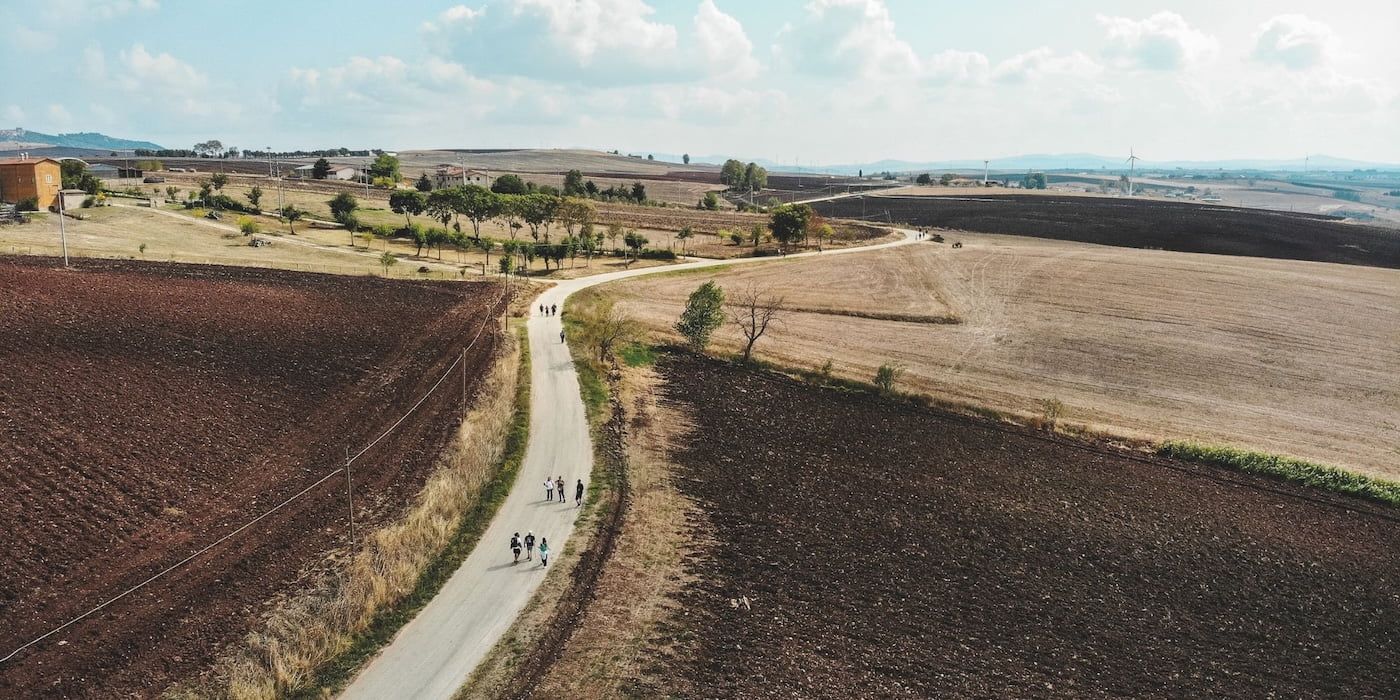
Via Francigena, one of the oldest pilgrimage routes in Europe, crosses Italy following the footsteps of pilgrims, from the Alps to Rome and even further south, all the way to Santa Maria di Leuca, the heel of Italy. Mountains, rolling hills, silent abbeys, art cities and villages that have preserved their identity come together along a path that constantly changes its character.
It feels like turning the pages of a book where every chapter reveals a different side of Italy, made of nature trails, centuries-old traditions, local flavors and places travelled for generations by pilgrims, merchants and wayfarers.
A journey that captivates through its authenticity and through that rare feeling of crossing distant worlds without ever leaving the same country. Perhaps this is what makes Via Francigena something more than a simple route, an experience to live slowly, letting yourself be surprised by everything that unfolds along the way.
Via Francigena: a journey beyond pilgrimage
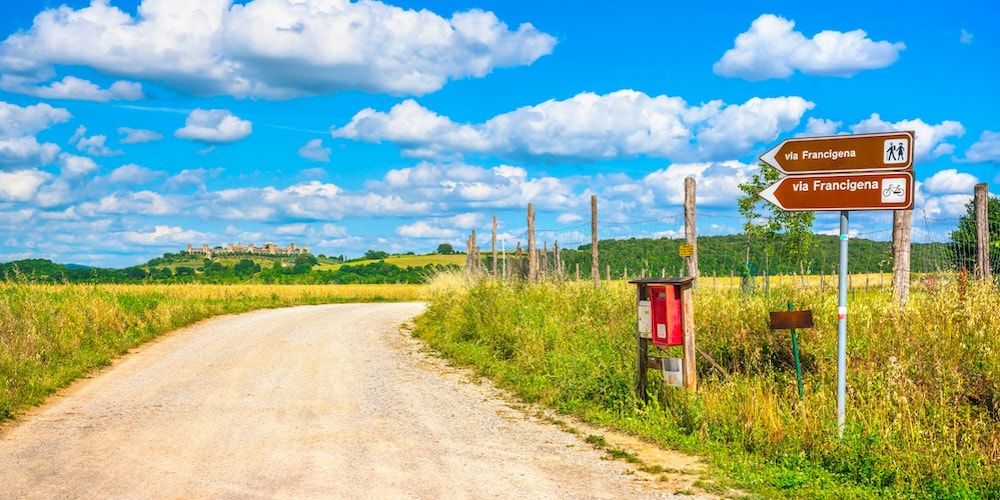
A path of faith that, over the centuries, has evolved into something much broader and more special. Via Francigena is no longer just the route of pilgrims heading to Rome. Today, it is an itinerary chosen by those seeking a different way to explore Italy, at a slower pace and closer to the country’s remarkable landscapes.
It stands as an answer to great European routes such as Camino de Santiago, yet with a distinctly Italian identity: less linear, more varied, shaped by continuous transitions between eras, landscapes and cultures. Along the way, you may encounter pilgrims, hikers and travellers who do not necessarily share the same motivations, yet move in the same rhythm.
And perhaps this is one of its most fascinating qualities: there’s no single way to experience Via Francigena. We can take it on as a great journey across Italy, or choose just a few days and a handful of stages, letting ourselves be guided by what we are truly looking for along the way.
Because, more than the final destination, what truly matters is the beauty of the places passed one after another, like fragments of a country that constantly changes its face and reveals itself only step by step.
Discover more about Via FrancigenaThe road to Rome (and beyond): history and origins of Via Francigena
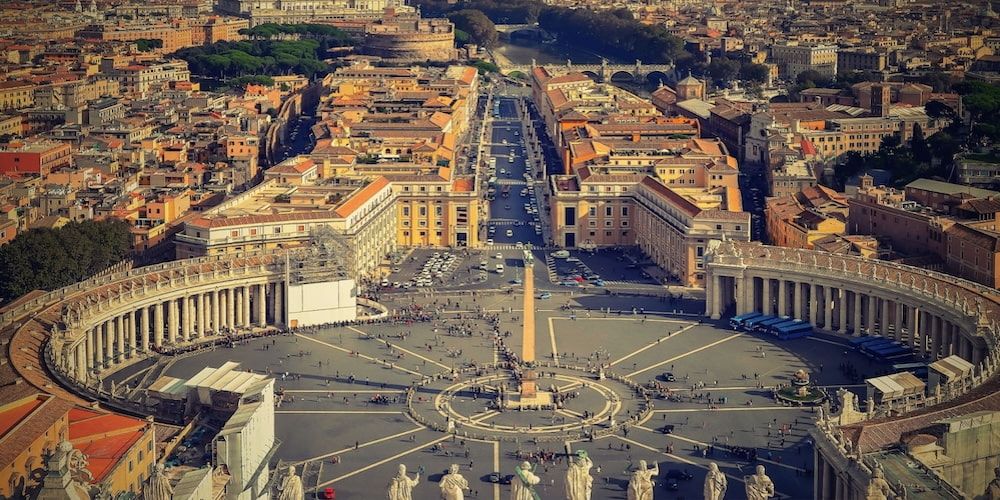
Via Francigena was born during the Middle Ages as one of Europe’s great walking routes, travelled by wayfarers coming from France, England and northern Europe on their journey to Rome, the heart of Western Christianity.
Reaching the Eternal City meant arriving at the tomb of Saint Peter, one of the most important spiritual destinations of the medieval world, at a time when pilgrimage represented faith, penance, personal search and transformation.
The route became famous thanks to the journey of Sigeric, Archbishop of Canterbury, who around the year 1000 recorded the stages of his return journey from Rome after receiving the Pallium from the Pope, the symbol of his ecclesiastical authority. His diary remains one of the most important historical sources for reconstructing the original route of Via Francigena.
In Italy, the trail crossed strategic cities, abbeys and hospices built to assist pilgrims traveling towards the Capital. Over time, it also became a major cultural and commercial artery, travelled by merchants and travelers from across Europe.
Today, Via Francigena extends far beyond Rome, reaching Santa Maria di Leuca by following the ancient southern routes once travelled by pilgrims heading towards the ports of Puglia to embark for the Holy Land. This additional dimension further enriches its meaning and fascination, while strengthening its connection with the Mediterranean and European history.
Via Francigena: the most authentic journey through Italy’s landscapes
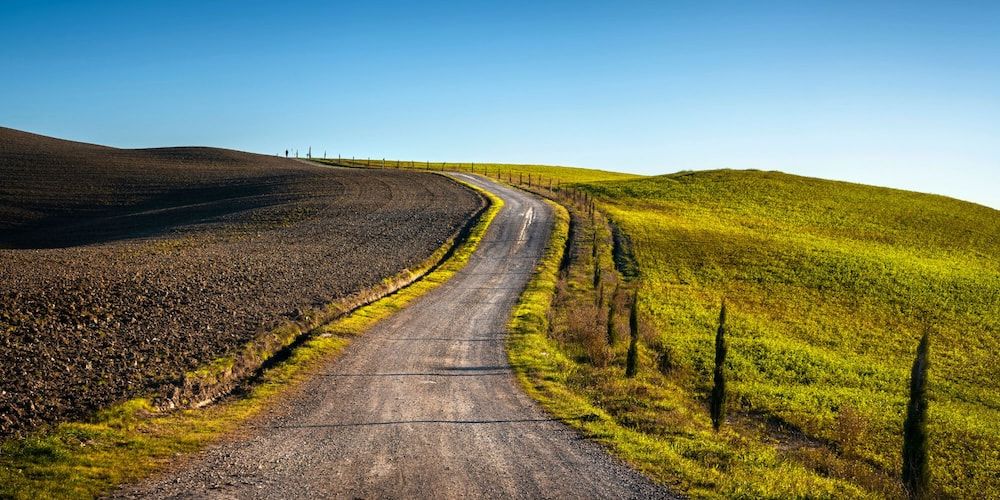
From the Alps to Salento, the Italian Via Francigena crosses a constantly changing mosaic of landscapes, leading through deeply diverse regions, each with its own rhythm and history unfolding stage after stage.
The route enters Italy from Switzerland through the Gran San Bernardo Pass, surrounded by majestic peaks and the valleys of the Aosta Valley, a land of castles, high-altitude pastures and a culture deeply connected to the mountains.
Further south, descending into the Po Valley through Piedmont, Lombardy and Emilia, the horizon gradually widens as the road winds across rivers, cultivated fields and the fertile countryside of one of Italy’s most deeply agricultural regions.
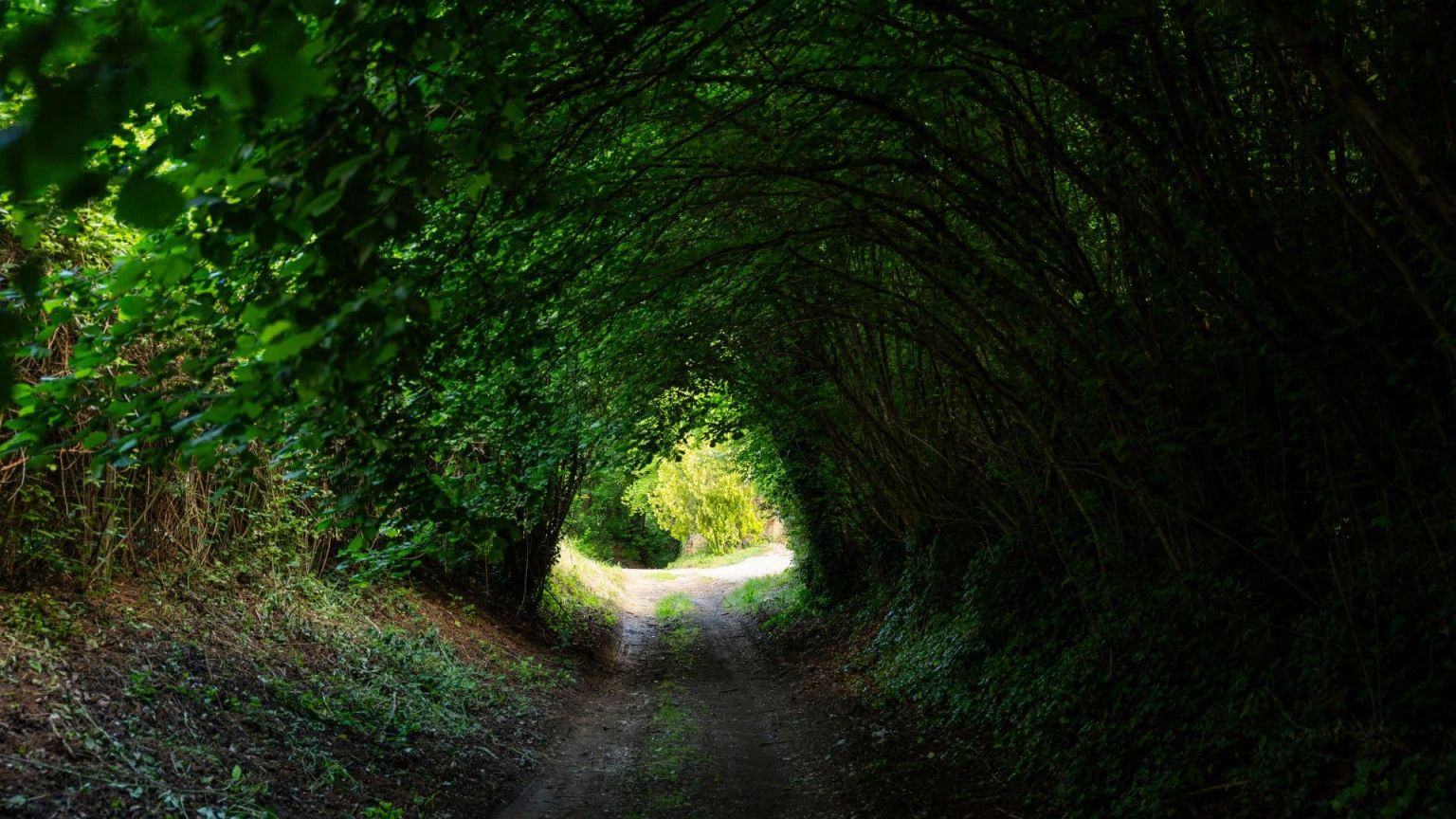
Beyond this point, the landscape changes once again as the route reaches the Apennines, with their wild and untouched nature, while Tuscany offers perhaps the most iconic image of the Via Francigena, among rolling hills, cypress trees and villages seemingly suspended in time.
After the lakes and spiritual sites of Lazio, Rome finally appears. Yet the journey doesn't end there: beyond the capital, the route continues through inland Southern Italy, across the ancient Samnite lands of Campania, a historic crossroads of cultures and pilgrimages, before reaching magnificent Apulia, where the Murge plateau, olive groves and the sea of Salento accompany the final steps towards Santa Maria di Leuca.
Via Francigena and its places of the soul
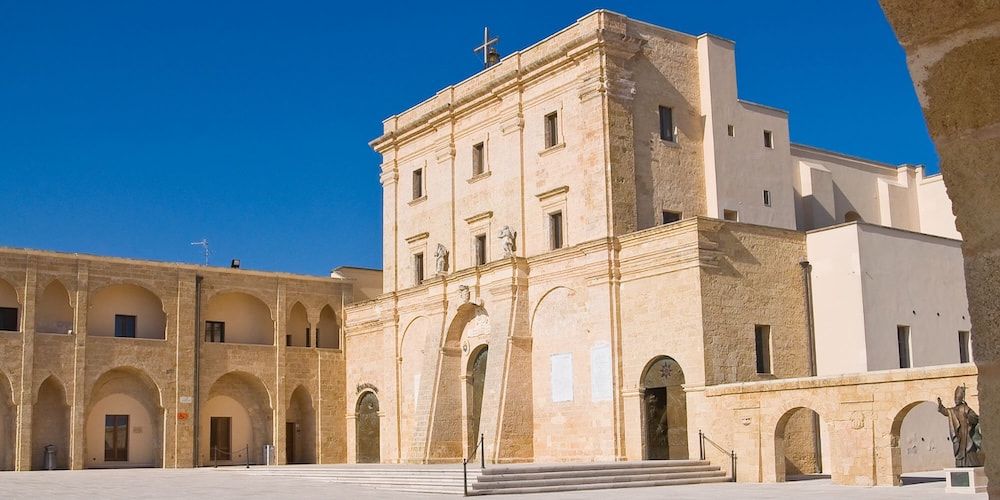
Along Via Francigena, religious sites are special milestones of a spiritual journey that, for centuries, has shaped Italy as a land of pilgrims.
Northern Italy:
- Cathedral of Sant’Eusebio, Vercelli: one of the main religious landmarks in Piedmont along the historic routes toward the plains, linked to the spread of Christianity across the lands between the Alps and Lombardy.
- Basilica of San Michele Maggiore, Pavia: the spiritual and political heart of medieval Pavia, a key point along the Francigena crossing of the Po Valley, where pilgrims and travellers moved southwards.
- Basilica of San Pietro in Ciel d’Oro, Pavia: a symbolic site connected to the Lombard tradition and to Saint Augustine.
- Cathedral of Piacenza: one of the major spiritual hubs of the Po Valley.
- Abbey of Chiaravalle della Colomba, Alseno: an important Cistercian complex along the Po Valley route, linked to monastic hospitality and medieval pilgrimage culture.
Central Italy
- St. Peter’s Basilica, Rome: the historic destination of medieval pilgrimage and the central point of the Via Francigena, heart of Western Christianity.
- Cathedral of San Martino, Lucca: a symbolic stop along the Tuscan Francigena route, linked to the cult of the Volto Santo.
- Cathedral of San Lorenzo, Viterbo: in northern Lazio, a key city along the historic path taken by pilgrims heading to Rome.
- Santa Maria della Scala complex, Siena: an ancient pilgrim hospice located opposite the cathedral, one of the most important centres of assistance along the medieval Francigena in Europe.
- Duomo of San Gimignano: a religious reference point along the Val d’Elsa in Tuscany.
Southern Italy
- Church of Santa Sofia, Benevento: a UNESCO World Heritage site and symbol of Lombard power, a strategic city along the ancient routes toward Puglia and the Mediterranean ports.
- Cathedral of Santa Maria Assunta, Troia: one of the finest examples of Apulian Romanesque architecture, located along inland routes.
- Sanctuary of Saint Michael the Archangel, Monte Sant’Angelo (Gargano): one of the most important Michaelic pilgrimage sites in Europe, connected to medieval routes between Italy and the Holy Land.
- Basilica of Saint Nicholas, Bari: one of the main Christian sanctuaries in the Mediterranean, dedicated to the saint who is the patron of sailors, travellers and pilgrims.
- Sanctuary of Santa Maria di Leuca (finibus terrae): symbolic end point of the journey in southern Italy, where land meets the sea.
Via Francigena in Italy: the complete route from Valle d’Aosta to Apulia
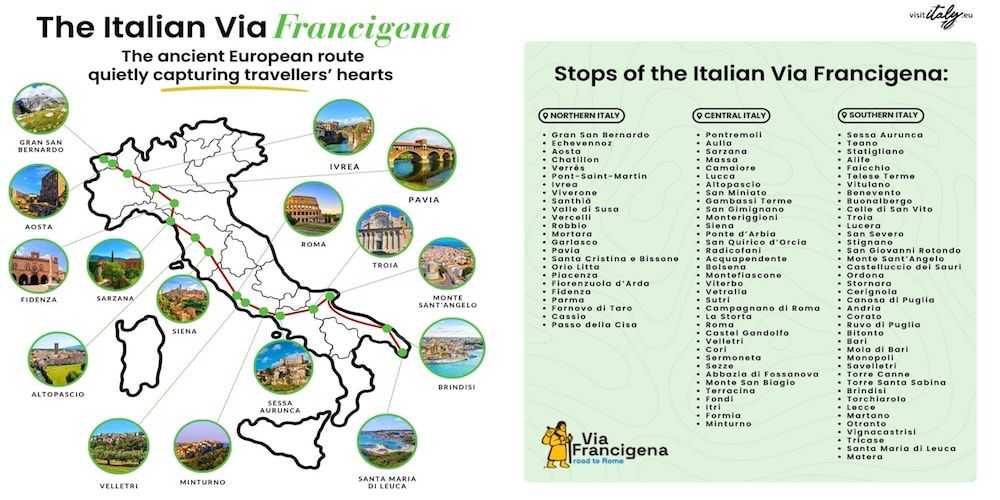
Nothing better than following the stages of a route that connects the Alps and Northern Italy to the heart of the Mediterranean, in a journey that reveals Italy in its most authentic variety.
From alpine ascents to the final paths leading south, passing through the Po Valley, the Apennines, the hills of Tuscany, and the magnificence and spirituality of Rome.
You can walk the entire path or gradually build your own journey, covering the route in sections, at your own pace and according to your own timing and preferences.
This modular structure is precisely what makes Via Francigena so accessible, flexible and unique. Here are all the official stages.
TAPPA → KM
1 Gran San Bernardo → Echevennoz 14,9
2 Echevennoz → Aosta 13,9
3 Aosta → Châtillon 27,7
4 Chatillon → Verres 19,2
5 Verrès → Pont-Saint-Martin 14,8
6 Pont-Saint-Martin → Ivrea 22,9
7 Ivrea → Viverone 20,2
8 Viverone → Santhia 16,7
9 Santhia → Vercelli 29,2
sus Valle di Susa → Vercelli 278,6
10 Vercelli → Robbio 18,6
11 Robbio → Mortara 14,2
12 Mortara → Garlasco 20,7
13 Garlasco → Pavia 24,6
14 Pavia → Santa Cristina e Bissone 28,0
15 Santa Cristina e Bissone → Orio Litta 16,1
16 Orio Litta → Piacenza 23,9
17 Piacenza → Fiorenzuola d'Arda 31,7
18 Fiorenzuola d'Arda → Fidenza 22,4
19 Fidenza → Fornovo di Taro 34,0
PAR Parma → Fornovo di Taro 38,0
20 Fornovo di Taro → Cassio 20,9
21 Cassio → Passo della Cisa 19,2
22 Passo della Cisa → Pontremoli 19,3
23 Pontremoli → Aulla 32,3
24 Aulla → Sarzana 17,4
25 Sarzana → Massa 28,6
26 Massa → Camaiore 25,9
27 Camaiore → Lucca 26,1
28 Lucca -→ Altopascio 18,5
29 Altopascio → San Miniato 29,0
30 San Miniato → Gambassi Terme 23,9
31 Gambassi Terme → San Gimignano 13,4
32 San Gimignano → Monteriggioni 30,5
33 Monteriggioni → Siena 20,6
34 Siena → Ponte d'Arbia 25,7
35 Ponte d'Arbia → San Quirico d'Orcia 26,2
36 San Quirico d'Orcia → Radicofani 32,5
37 Radicofani → Acquapendente 23,6
38 Acquapendente → Bolsena 22,8
39 Bolsena → Montefiascone 16,5
40 Montefiascone → Viterbo 17,6
41 Viterbo → Vetralla 21,9
42 Vetralla → Sutri 23,9
43. Sutri → Campagnano di Roma 23,8
44 Campagnano di Roma → La Storta 23,0
45 La Storta → Roma 19,4
46 Roma → Castel Gandolfo 26,1
2 Castel Gandolfo → Velletri 21,2
3 Velletri → Cori 18,6
4 Cori → Sermoneta 18,9
5 Sermoneta → Sezze 10,9
6 Sezze → Abbazia di Fossanova 20,9
7 Abbazia di Fossanova → Terracina 20,6
7b Abbazia di Fossanova → Monte San Biagio 22,8
8 Terracina → Fondi 22,0
9 Fondi → Itri 15,0
10 Itri → Formia 21,0
11 Formia + Minturno 19,8
12 Minturno → Sessa Aurunca 24,2
13 Sessa Aurunca → Teano 15,3
14 Teano → Statigliano 27,9
15 Statigliano → Alife 15,0
16 Alife → Faicchio 19,3
17 Faicchio → Telese Terme 12,5
18 Telese Terme → Vitulano 16,1
19 Vitulano → Benevento 17,2
20 Benevento → Buonalbergo 26,2
21 Buonalbergo → Celle di San Vito 28,9
22 Celle di San Vito → Troia 17,1
M23 Troia → Lucera 21,8
M24 Lucera → San Severo 25,7
M25 San Severo → Stignano 20,0
M26 Stignano → San Giovanni Rotondo 20,5
M27 San Giovanni Rotondo → Monte Sant'Angelo 24,1
23 Troia → Castelluccio dei Sauri 23,7
24 Castelluccio dei Sauri → Ordona 19,8
25 Ordona → Stornara 20,3
26 Stornara → Cerignola 17,9
27 Cerignola → Canosa di Puglia 19,2
28 Canosa di Puglia → Andria 24,0
29 Andria → Corato 13,8
30 Corato → Ruvo di Puglia 12,2
31 Ruvo di Puglia → Bitonto 19,6
32 Bitonto → Bari 23,8
33 Bari → Mola di Bari 23,3
34 Mola di Bari → Monopoli 29,0
35 Monopoli → Savelletri 21,0
36 Savelletri → Torre Canne 9,0
37 Torre Canne → Torre Santa Sabina 29,7
38 Torre Santa Sabina → Brindisi 34,4
39 Brindisi → Torchiarolo 25,0
40 Torchiarolo → Lecce 22,5
41 Lecce → Martano 30,6
42 Martano → Otranto 30,5
43 Otranto → Vignacastrisi 25,9
44 Vignacastrisi → Tricase 13,6
45 Tricase→ Santa Maria di Leuca 18,0
BRA Ordona → Matera 217,8
LIT Monte Sant'Angelo → Bari 143,8
Historical landmarks: walking through the centuries along Via Francigena
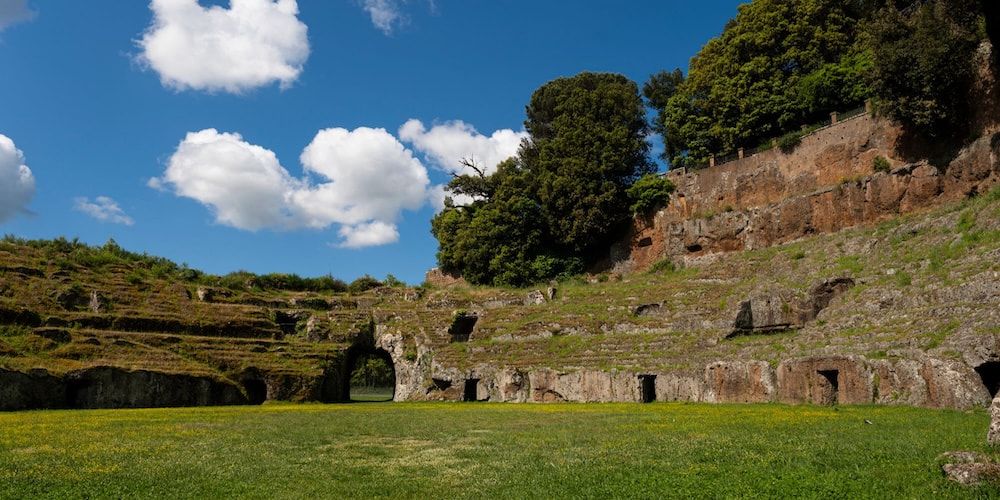
One of the most fascinating aspects of Via Francigena is the chance to quite literally walk through Italian history, discovering places that tell the story of centuries of movement, exchange and transformation.
Fortified towns, medieval squares, castles and ancient infrastructure reveal the passage of pilgrims, merchants and travellers who helped turn this route into one of Europe’s great cultural corridors.
Northern Italy:
- Roman Theatre and Arch of Augustus, Aosta: remains of ancient Augusta Praetoria and the alpine gateway to Via Francigena.
- Fort of Bard, Aosta Valley: an imposing defensive complex overlooking one of the most strategic passages through the valley.
- Historic center of Ivrea: one of the key crossroads of the Piedmont section, historically linked to the routes connecting the Alps and the Po Valley.
- Covered Bridge, Pavia: an evocative crossing over the Ticino River along a bridge rich in history and local legends.
- Palazzo Farnese, Piacenza: a reminder of Piacenza’s strategic role as a place of transit, trade and encounters along the medieval route.
Central Italy:
- Lucca and Siena: two of the iconic cities of Via Francigena in Tuscany, known for their historic walls, remarkable squares and extraordinary artistic heritage.
- Monteriggioni and San Gimignano: two villages that embody the most celebrated image of medieval Tuscany. The first was created as a defensive outpost; the second, with its striking towers, became an important center for trade and hospitality.
- Rocca di Radicofani: a fortress dominating southern Tuscany and one of the historic control points along the route.
- Roman Amphitheatre of Sutri: one of the most distinctive archaeological sites in Lazio along the road to Rome.
- Via della Conciliazione and St. Peter’s Square, Rome: the symbolic final destination of the great medieval journey.
Southern Italy:
- Arch of Trajan, Benevento: among the best-preserved Roman monuments in Italy.
- Historic center of Troia: an ancient crossroads along the inland routes of Apulia.
- Swabian Castle, Bari: a landmark reflecting the Norman and Frederick-era layers of history along the Mediterranean.
- Lecce Cathedral: part of one of Italy’s most celebrated Baroque urban ensembles, reflecting the historical and cultural importance reached by Salento along the Mediterranean routes.
- Historic center of Otranto: a symbolic place connected to centuries of exchange between Eastern Europe and the Mediterranean.
The most evocative landscapes along Via Francigena
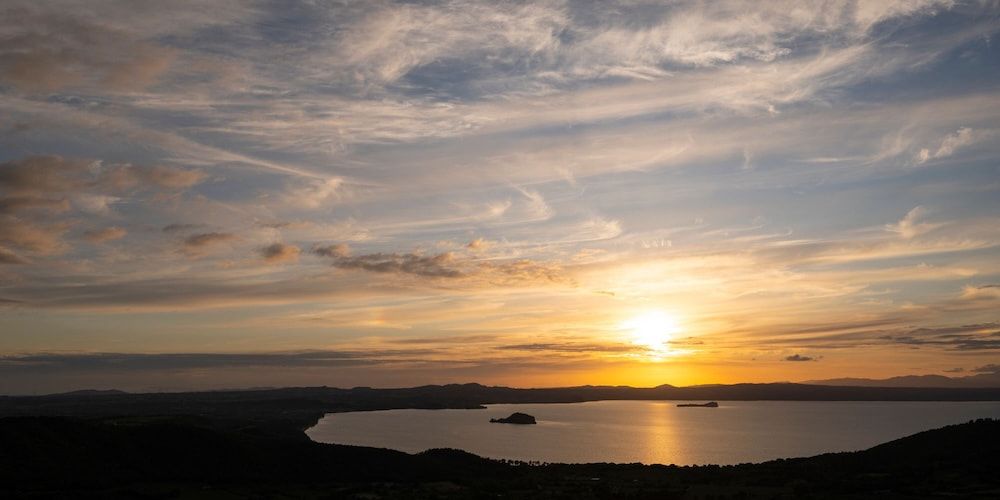
Via Francigena is also a journey into the heart of the Italian landscape. Each stretch opens up different horizons and transforms the way the journey is experienced, from the great Alpine mountains in the North to the hills of Central Italy, and finally to the sun-drenched Mediterranean scenery of the South.
It’s a route that reveals how dramatically a territory can change in just a few steps, showcasing the variety of the peninsula through the beauty of nature.
Northern Italy:
- Gran San Bernardo Pass: the main Alpine gateway of Via Francigena, among peaks, lakes and high-altitude landscapes.
- Central Aosta Valley: glacial valleys, castles and mountain pastures.
- Rice fields, Vercelli and Lomellina: one of the most iconic agricultural landscapes in Northern Italy.
- Ticino River Park: river woodlands and trails immersed in nature along the river course.
- Cisa Pass: the Apennine crossing, in a wild and unspoiled area marking the transition from Northern to Central Italy.
Central Italy:
- Val d’Elsa: rrolling hills, vineyards and white gravel roads set within the breathtaking landscape of Tuscany.
- Crete Senesi: a unique landscape shaped by pale clay hills and gullies, creating an almost lunar horizon.
- Val d’Orcia: a UNESCO World Heritage landscape, defined by rolling green hills and iconic cypress trees.
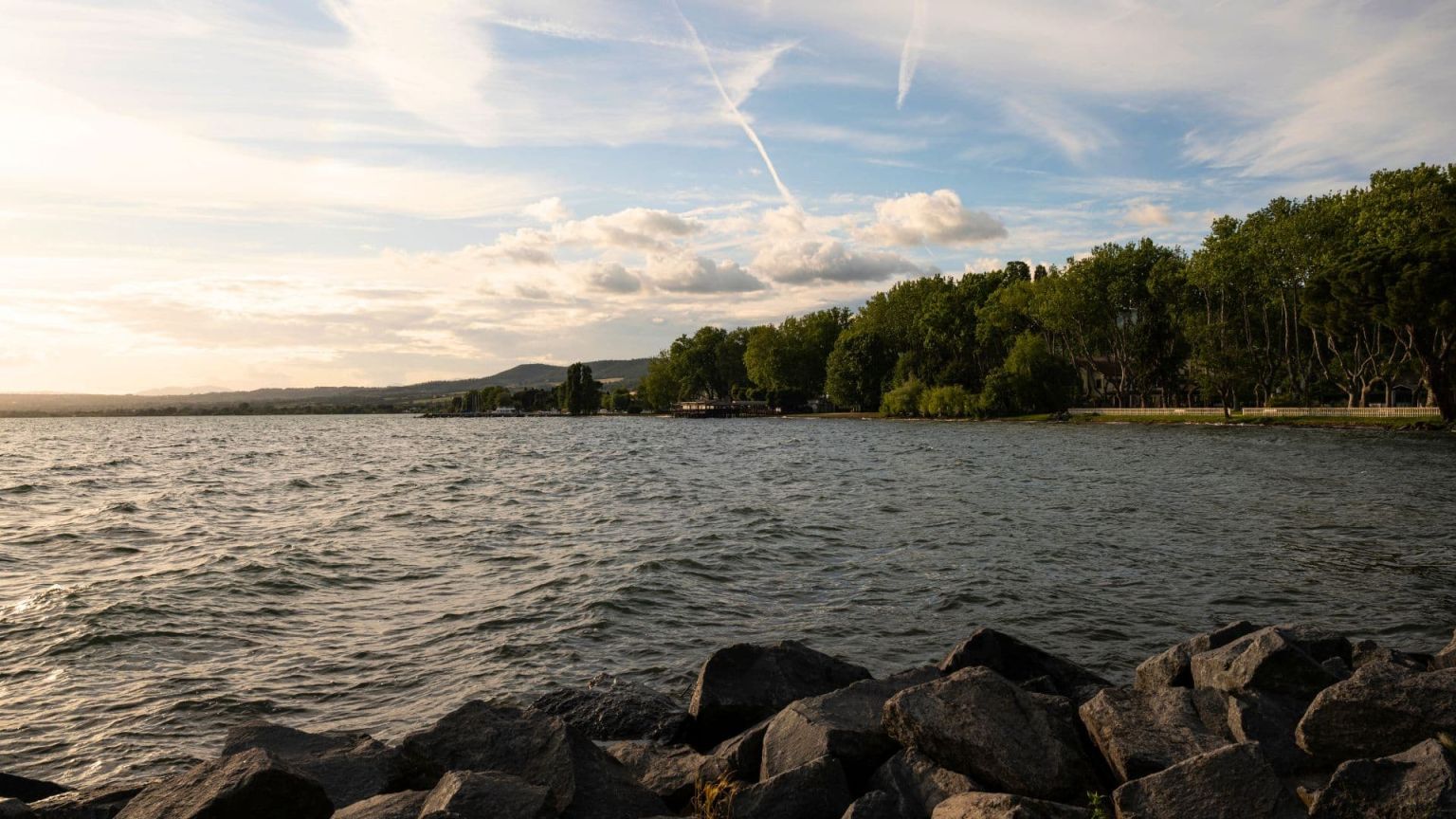
- Lake Bolsena: one of the most striking natural settings in Lazio.
- Veio Regional Park: a green corridor on the road to Rome.
Southern Italy:
- Monti del Sannio: inland hills and rural landscapes in the heart of Campania, accompanying the southern stretch of the route.
- Gargano: a mountainous promontory reached by paths branching from the main Francigena route, rich in forests, sanctuaries and views shifting between mountains and sea.
- Tavoliere delle Puglie: among the largest plains in Italy, marked by cultivated fields and historic towns.
- Murge Plateau: an open landscape of ancient rural Puglia, shaped by stone, dry-stone walls and endless horizons.
- Capo di Leuca: the end of the journey, where the Mediterranean becomes the absolute protagonist.
Via Francigena: villages not to be missed
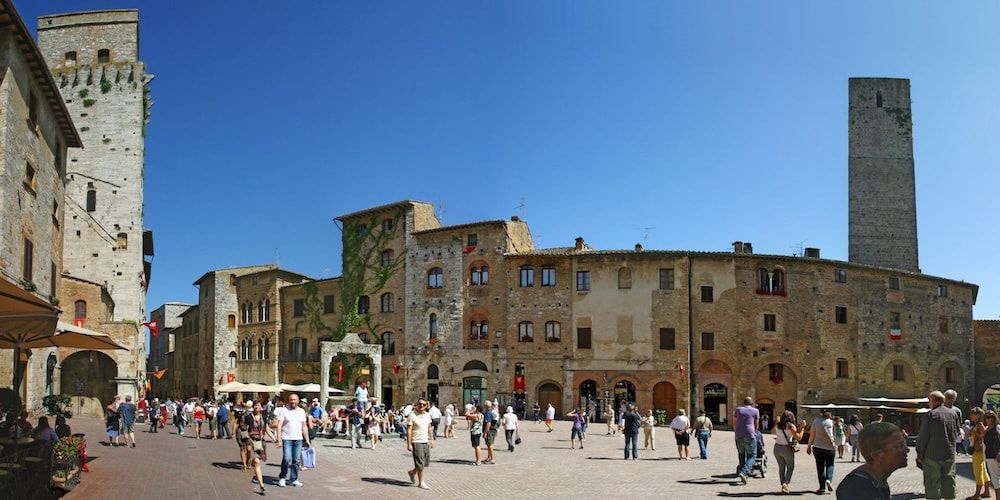
In villages along Via Francigena, time seems to pass more slowly. Medieval walls, stone streets, and hilltop silhouettes accompany the journey, offering some of the most authentic views of Italy.
Northern Italy:
- Aosta: an Alpine capital where Roman remains and mountain scenery meet in a compact historic center rich in history.
- Ivrea: a city of Roman and medieval origins set between the Alps and the plains, a natural crossroads along routes between Italy and France.
- Santhià: a historic transit hub between Piedmont and Lombardy.
- Vercelli: an elegant city shaped by water, rice fields, and centuries of religious and cultural exchange along northern routes.
- Fidenza: an important medieval stop in the Po Valley, closely tied to the tradition of welcoming pilgrims along Via Francigena.
Central Italy:
- Pontremoli: one of the main Tuscan gateways to the Apennine section of Via Francigena, long a place of passage and encounter.
- San Gimignano: iconic village famous for its medieval towers and perfectly preserved skyline.
- Radicofani: a hilltop settlement dominated by its fortress, a strategic point along the Tuscan stretch of the route.
- Viterbo: a remarkably well-preserved medieval city closely tied to papal history and known as the “City of the Popes.”
- Sutri: small town carved into volcanic tuff, where Etruscan, Roman, and medieval layers intertwine.
Southern Italy:
- Benevento: historic inland city with deep Lombard roots and a long-standing role as a crossroads on routes toward southern Italy.
- Troia: compact town in northern Puglia known for its cathedral and strategic position along ancient inland routes.
- Monte Sant’Angelo: a UNESCO pilgrimage site on the Gargano, strongly linked to the cult of Saint Michael the Archangel.
- Lucera: fortified hill town with important Roman and Swabian remains overlooking the Tavoliere plain.
- Otranto: coastal gem on the Adriatic, where Western and Eastern cultures have met for centuries.
Some tips for those walking Via Francigena
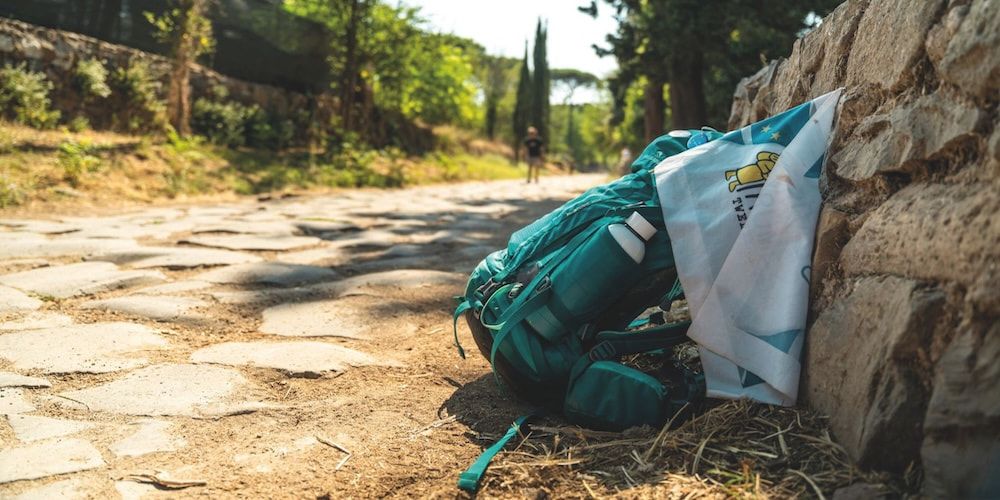
Following the path of Via Francigena means, first of all, adapting to a different rhythm—slower and more mindful—where the journey matters as much as the destination.
The route is divided into clearly marked stages, allowing travellers to plan either short sections or longer itineraries depending on time and preparation.
Accommodation ranges from pilgrim hostels and religious facilities to small family-run B&Bs, often located directly along the route.
It’s very important to wear comfortable footwear and light, layered clothing, as both the landscape and weather change continuously, from the Alpine mountains to the plains.
Many sections are well connected to nearby towns and railway stations, making it easy to start or end a stage without necessarily following the entire official route.
How to join the journey
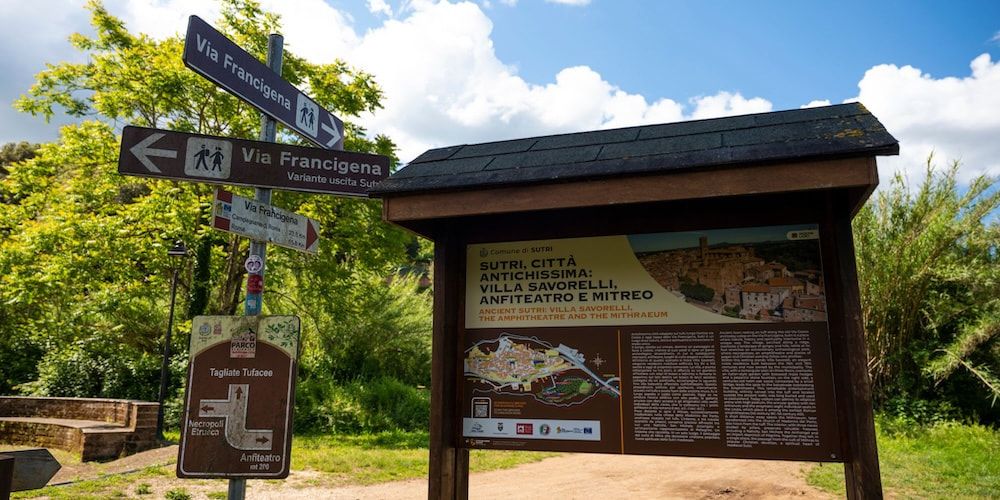
Via Francigena does not have a single starting or ending point, but unfolds as a great route that crosses Italy from north to south. For this reason, “arriving” actually means reaching one of its many stages, all connected through a network of official paths.
The main gateways are the alpine passes in Northern Italy, such as the Great St Bernard Pass, or cities easily reachable by international trains and airports like Milan, Turin or Rome. From here, the route can be accessed in sections: many stages are connected to railway stations or nearby towns, allowing travelers to start or stop the journey at any time.
In Southern Italy, the symbolic end point is Santa Maria di Leuca, reached through the final stretches of Via Francigena in Puglia, well connected to Lecce and Bari. In this way, the journey can be freely shaped, combining modern transport with ancient historic routes.
Must-see itineraries: Italy on foot from North to South
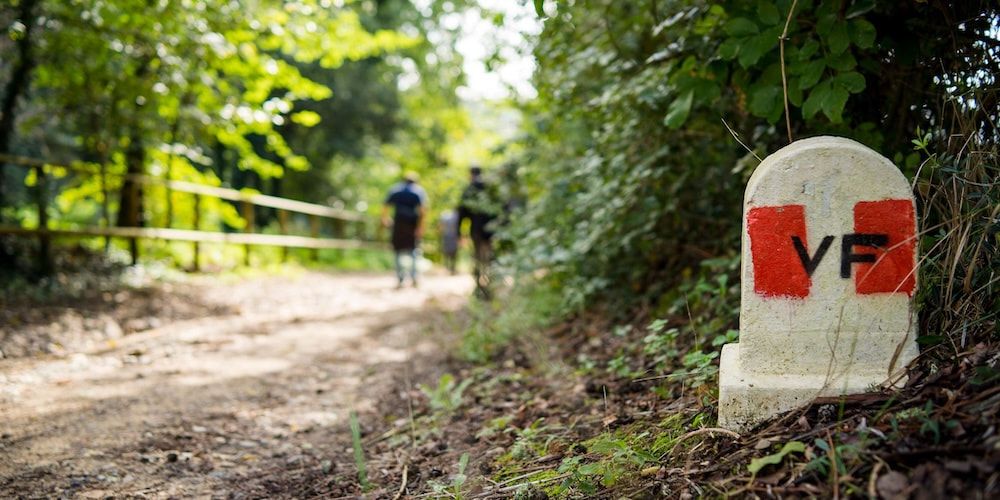
A remarkably varied route that crosses Italy from north to south, unfolding as a continuous sequence of landscapes that flow into one another without interruption, constantly changing character as the journey moves down the peninsula. Each part reveals a different Italy, with rhythms, scenery and stories that intertwine without ever truly repeating themselves.
To fully appreciate the unique richness of Via Francigena in Italy, it’s worth exploring it through its main macro-sections, each with a clearly defined identity.
From Northern Italy, where the route enters between the Alps and the plains, to the Center, shaped by the Apennines and the rolling hills of Tuscany, and down to the South, with its Mediterranean landscapes and cultural heritage leading all the way to the heel of the peninsula.
Northern Italy itinerary: from the Alps to the plains along a Via Francigena that constantly changes
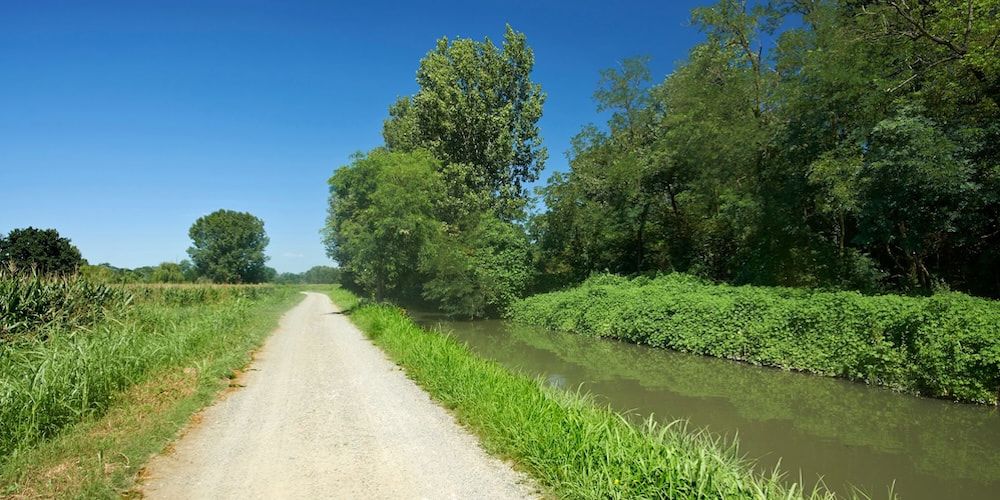
The Northern section of Via Francigena begins with the Alpine crossing of the Great St. Bernard Pass, in a majestic landscape of towering peaks, deep valleys, and scenery that immediately makes it clear this journey is anything but ordinary.
In the Aosta Valley, the route descends through castles, stone villages, and mountain slopes that gradually lead toward the edge of the Po Valley.
Here the horizon opens up and the journey enters a world of fields, canals, farmsteads, and small towns. The landscape becomes quieter, perhaps less dramatic, but absolutely authentic.
This is a route to experience slowly, discovering mile after mile a territory shaped by history and long-standing local traditions. A journey that eventually leads toward the heights of the Tuscan-Emilian Apennines.
Central Italy itinerary: hills, medieval villages, and Rome
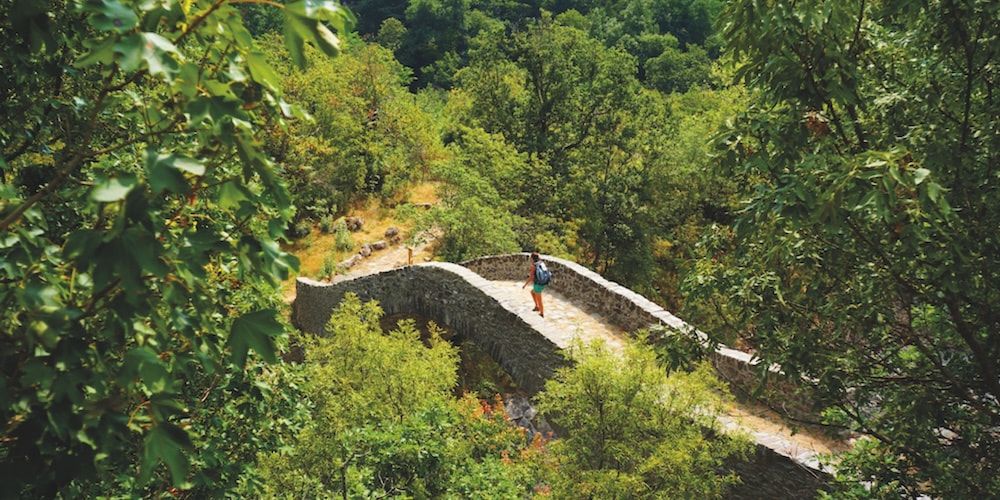
From the Cisa Pass, the route enters one of its most recognizable sections. The Apennines already introduce a more dramatic landscape, but it is the heart of Tuscany that makes this stretch truly unforgettable.
The rolling hills of Val d’Elsa, the distinctive contours of Crete Senesi, and the postcard-perfect scenery of Val d’Orcia with its iconic cypress trees create extraordinary landscapes, interrupted only by the silhouettes of beautifully preserved medieval villages.
Further south, the route enters the Tuscia region in Lazio, where volcanic lakes and historic towns bring a more intimate and reflective dimension to the journey, leading all the way to Rome, the final destination of the medieval pilgrimage.
But today’s Via Francigena continues beyond the Eternal City, stretching farther south through the Castelli Romani and progressively more open, less urban landscapes until reaching the gateway to inland Campania
Southern Italy itinerary: through countryside, olive groves, and the sea of Salento
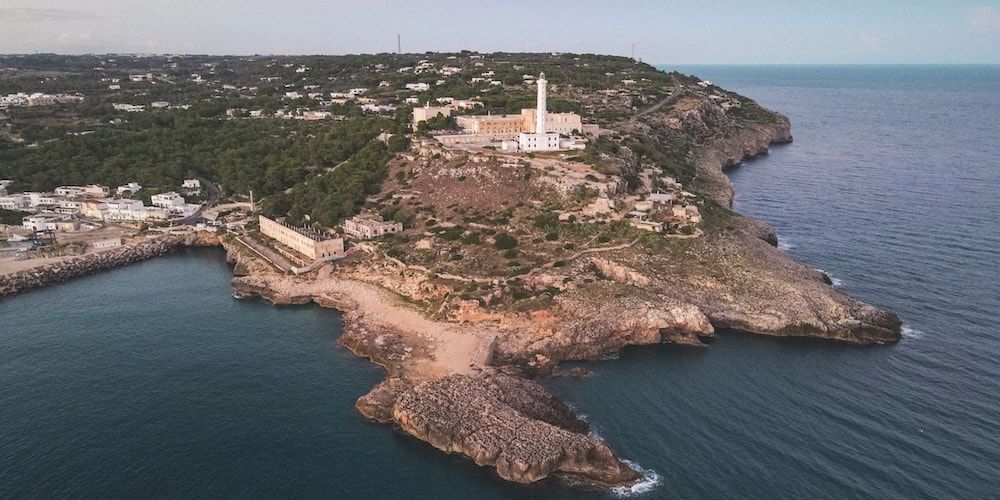
In Southern Italy, Via Francigena becomes more essential, brighter, and unmistakably Mediterranean. The route leads through inland Campania, crossing hills, valleys, and small towns that still preserve an ancient rhythm of life.
Then comes Apulia, with the landscapes of Daunia and the Tavoliere, continuing into the Murge countryside: a setting that feels almost suspended in time, filled with open fields, dry-stone walls, and vast horizons that create a sense of space and freedom rarely found elsewhere.
In the final stretch, olive groves and historic villages gradually lead the way toward the sea. At Santa Maria di Leuca, the land comes to an end, and only the horizon remains ahead, in the stillness of the Heel of Italy.
When is the best time to walk on Via Francigena?
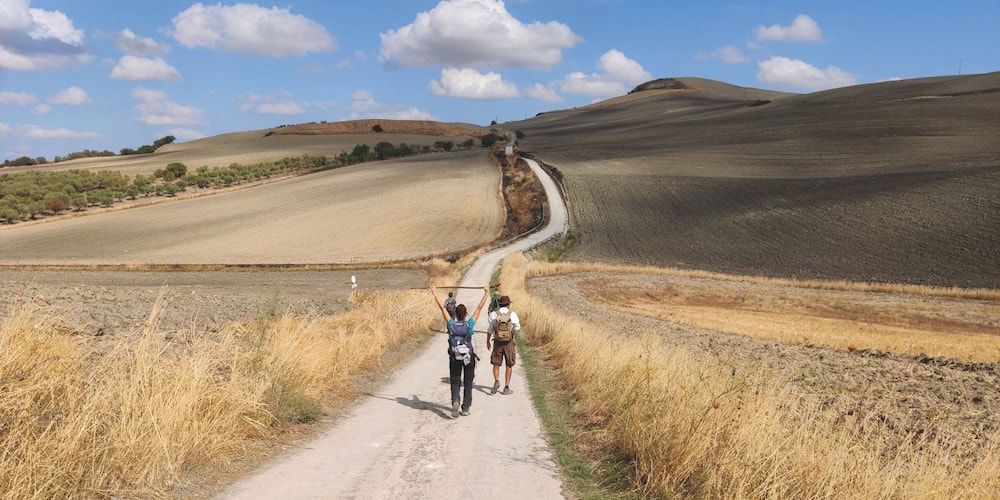
Each season has its own unique characteristics, as the Via Francigena changes significantly from one end of the country to the other, and the ideal time also depends on the section one intends to walk.
Spring and fall are considered the best seasons to set out, thanks to milder temperatures, pleasant days, and light that enhances both villages and landscapes.
Spring brings blooming fields and particularly vibrant scenery. The Southern section becomes especially enjoyable, with generally more balanced temperatures and landscapes—especially in Apulia—showing their greenest and brightest side.
Fall, on the other hand, highlights Central Italy and Tuscany at their best. The hills take on warmer tones, the weather becomes ideal, and the summer crowds begin to fade. It's the perfect season to experience a quieter and more contemplative atmosphere.
For the Alpine and higher-altitude sections in Northern Italy, especially around the Great St. Bernard Pass, summer is generally the most suitable season, as it offers more favorable conditions, while Central and Southern Italy can become very hot during these months.
Winter requires more preparation and flexibility, but rewards travelers with memorable experiences along quiet trails that feel almost untouched by time. In this season, the Puglian section of the Via Francigena is often one of the most enjoyable areas to explore on foot.
Thematic itineraries along Via Francigena: Italy to be savored
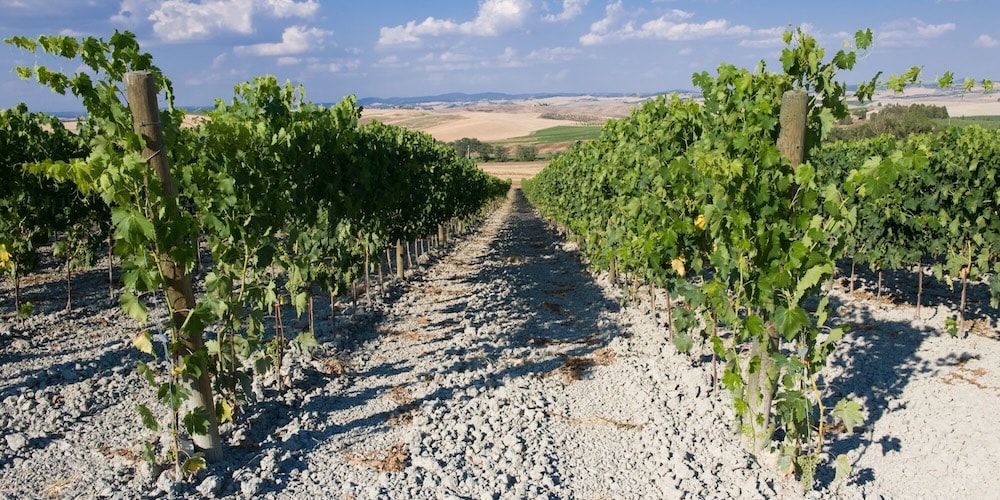
Along Via Francigena, cuisine changes together with the landscape, following the rhythm of the regions it crosses.
In Northern Italy, across Valle d’Aosta, Piedmont, Lombardy and Emilia-Romagna, rich flavors from both mountains and plains prevail: Fontina cheese, butter and cured meats from the Aosta Valley, rice and risottos, boiled meats and dairy products, as well as the renowned cheeses and cured meats of Emilia.
In Central Italy, along the Apennine stretches and through Tuscany and Lazio, cuisine is rooted in a rural tradition, simple in preparation yet strongly tied to its identity, featuring Tuscan unsalted bread, extra virgin olive oil, rustic soups, pecorino cheese, grilled meats and historic wines that accompany the journey through villages and rolling hills.
In the South, across Campania and Apulia, the Mediterranean character dominates, with pasta, tomatoes, legumes, olive oil, vegetables and local bread, while between the Murge plateau and Salento the proximity to the sea brings a cuisine that alternates between land and sea, based on simple recipes deeply connected to the territory.
Spiritual itineraries along Via Francigena: a journey for the soul
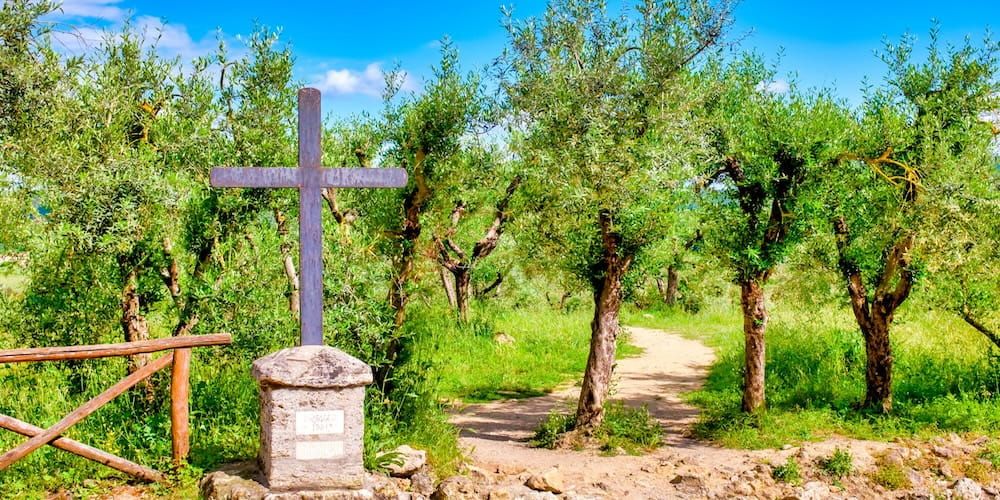
The spiritual dimension is expressed not only through major shrines, but above all through the ability of cities and territories to reflect centuries of human and religious journeying.
In the North, Via Francigena is first of all a frontier road of hospitality. The Great St. Bernard Pass marks the Alpine entrance with its historic hospice, established to assist travelers crossing the mountains. In Pavia, the Basilica of San Michele Maggiore and San Pietro in Ciel d’Oro stand among the strongest religious landmarks of the plain, deeply connected to Lombard history.
In Central Italy, the route becomes more scenographic but also denser in historical layers. Lucca and Siena in Tuscany, Viterbo, and especially Rome in Lazio are key places tied to the theme of spirituality. Alongside them, the abbeys of the Tuscia region, monasteries, churches, and stopping points accompany the final approach to the capital.
In the South, the Church of Santa Sofia in Benevento, now a UNESCO World Heritage Site, represents a crucial historical node. On the Gargano, the Sanctuary of San Michele Arcangelo in Monte Sant’Angelo is one of the most important Michaelic pilgrimage centers in Europe. Finally, in Bari, the Basilica of San Nicola has long been a spiritual crossroads between East and West.