


Florence is one of the most fascinating cities in Italy, but in summer it can also become a small test of endurance. The pale façades of the historic centre reflect the light, the squares start filling up early in the morning, queues outside the major museums grow longer and, during the hottest hours of the day, even a walk through the old town can feel more demanding than expected.
It is better to head out early, alternate museums and gardens, avoid outdoor visits during the hottest hours, choose less crowded neighbourhoods for meals and leave room for a less predictable Florence, rich in cloisters, parks, lesser-known museums, hills and well-planned breaks.

Summer Guide to Florence 2026

To enjoy a summer holiday in Florence, it is important to organise your days with a different approach than you would in spring or autumn.
The early hours of the morning are perfect for the great classics: the Duomo, Ponte Vecchio, Piazza della Signoria, the Lungarno, Santa Croce and the city’s most photographed views. Between late morning and early afternoon, however, it is better to move indoors, choosing less crowded museums or more intimate cultural spaces.
Late afternoon and evening are the best moments to return to outdoor spaces, head up to panoramic viewpoints, dine in less touristy areas and take advantage of the many events of Estate Fiorentina, Florence’s summer cultural programme.
In fact, until 30 September, Estate Fiorentina brings performances, festivals, cinema, music, theatre, dance, talks and events to the city, spread across various neighbourhoods and hosted in summer venues such as the Giardino dell’Orticoltura, Le Murate Caffè Letterario, Anconella Garden, Ultravox at Parco della Tinaia and the Giardino delle Rose.
Less crowded museums, refreshing havens
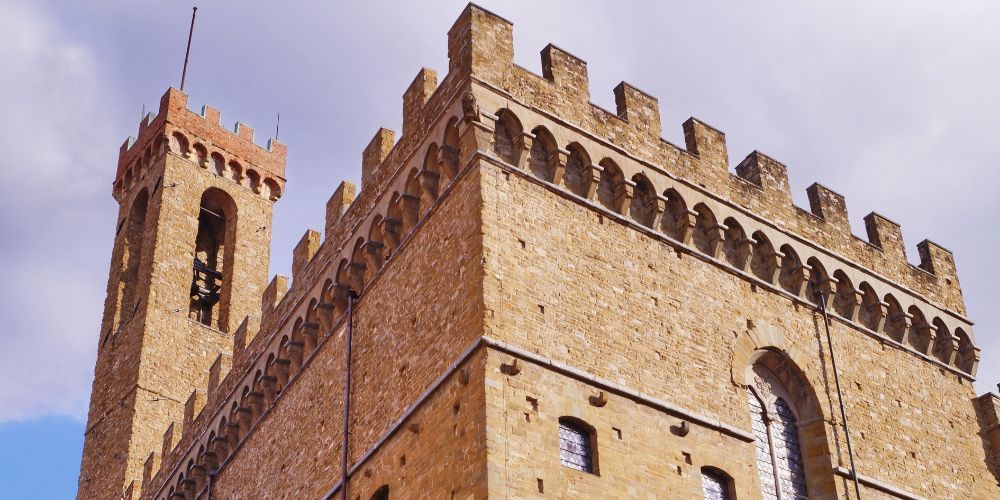
When the heat starts to make itself felt, museums become precious refuges.
Of course, the Uffizi, the Accademia and Palazzo Pitti remain essential stops, but they are not the only places where you can encounter the artistic soul of the Cradle of the Renaissance.
The Museo di San Marco, for example, is a perfect choice for the morning: it is housed in a former Dominican convent, preserves the frescoes of Beato Angelico and has a quiet, intimate atmosphere. Its opening hours are mainly in the morning, so it is best to include it early in the day, before the heat makes getting around more tiring.
The Museo Horne, near Santa Croce, is another smart stop: small, elegant and less overwhelming than the city’s major museums, it houses the collection of Herbert Percy Horne in a palace that tells the story of Renaissance taste and domestic life. It is ideal if you are looking for a short, sheltered visit, perhaps combined with a break in the Sant’Ambrogio neighbourhood or along the Arno.
If you love eccentric collections, you should instead head up to the Museo Stibbert, on the hills north of the centre, to admire armour, ancient weapons, costumes, art objects and theatrical rooms. The museum is also surrounded by a park, offering a chance to breathe away from the pressure of the historic centre. In summer 2026, the official opening hours are Monday to Wednesday from 10 am to 2 pm and Friday to Sunday from 10 am to 6 pm, with closure on Thursday.
If you prefer to stay closer to the heart of the city, the Bargello, Museo Novecento, Museo degli Innocenti, Casa Buonarroti and Museo Stefano Bardini can also become interesting alternatives.
Gardens and parks for a green break
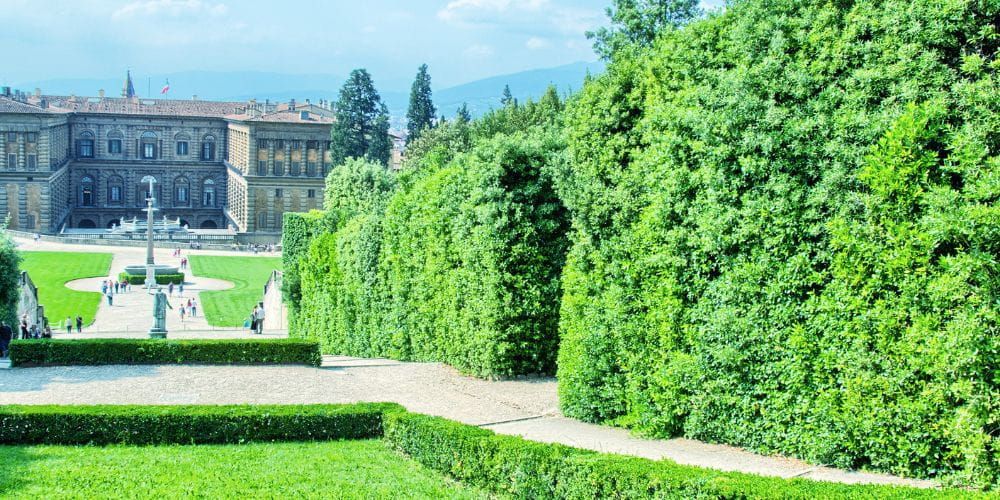
Florence has a wonderful relationship with gardens, but in summer it is important to know how to choose them. Not every green space is necessarily “cool”: some are panoramic, scenic and very exposed to the sun. This is why the time of day makes all the difference.
The Boboli Gardens remain one of the city’s most fascinating places, but they should be visited with care: they are extensive, uphill in parts, with shaded areas alternating with very sunny stretches. It is better to enter early or in the late afternoon, avoiding the hottest hours of the day.
Even more intimate and panoramic is the Bardini Garden, perfect for a beautiful view over Florence without going all the way up to Piazzale Michelangelo. Until 30 September 2026, it is open daily from 10 am to 7.30 pm, with the ticket office closing one hour earlier and closure on the first and last Monday of the month.
The Giardino delle Rose, below Piazzale Michelangelo, is one of the most pleasant stops at sunset and should be seen as a “decompression spot”, when the light begins to fade and the city becomes breathable again. The Giardino dell’Orticoltura, on the other hand, is a useful choice for stepping away from the most visited side of Florence: it offers green spaces, trees, a large greenhouse and, in summer, it often appears on the map of the city’s cultural events.
For a wider break, the Parco delle Cascine is the great green escape of Florentines, ideal for walking, cycling, finding shade and moving away from the density of the centre.
The Parco dell’Anconella, more secluded along the Arno, can also be a good alternative on days when you are looking for a more everyday, less touristy Florence.
Where to eat in the cool
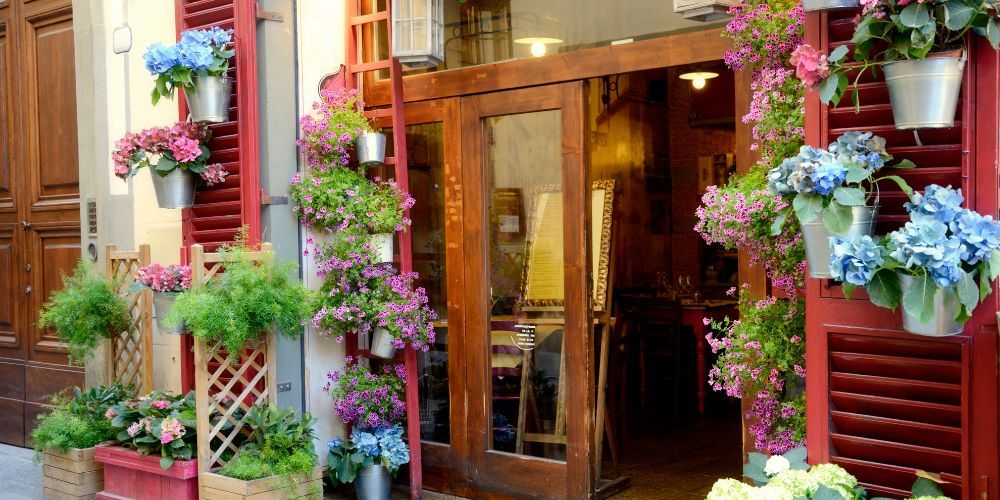
Eating in Florence in summer requires a little strategy. The first tip is to avoid looking for lunch “with a view” during the hottest hours, especially in the most exposed squares and along streets where the tourist flow is constant. It is better to choose places with cool indoor rooms, courtyards, shaded outdoor seating, covered markets or less crowded neighbourhoods.
At lunchtime, the Sant’Ambrogio area allows you to move slightly away from the busiest flows between the Duomo, the Uffizi and Ponte Vecchio. The market and nearby streets offer an ideal Florence for an informal stop before returning to a museum or heading back towards the centre. San Lorenzo can also work, but it should be chosen carefully: the Mercato Centrale is convenient and covered, but it can be very busy, so it is best to arrive outside peak hours.
For the evening, the Oltrarno is one of the best choices. Santo Spirito, San Frediano and San Niccolò allow you to experience a quieter Florence, especially after sunset, when the streets empty out a little and the air becomes cooler.
In 2026, another useful option is to follow the summer venues of Estate Fiorentina: places such as Le Murate, the Giardino dell’Orticoltura, Anconella Garden or Ultravox can become excellent alternatives for having a drink, eating informally, listening to music or staying outdoors in a more local setting.
Day trips nearby, a journey beyond the city
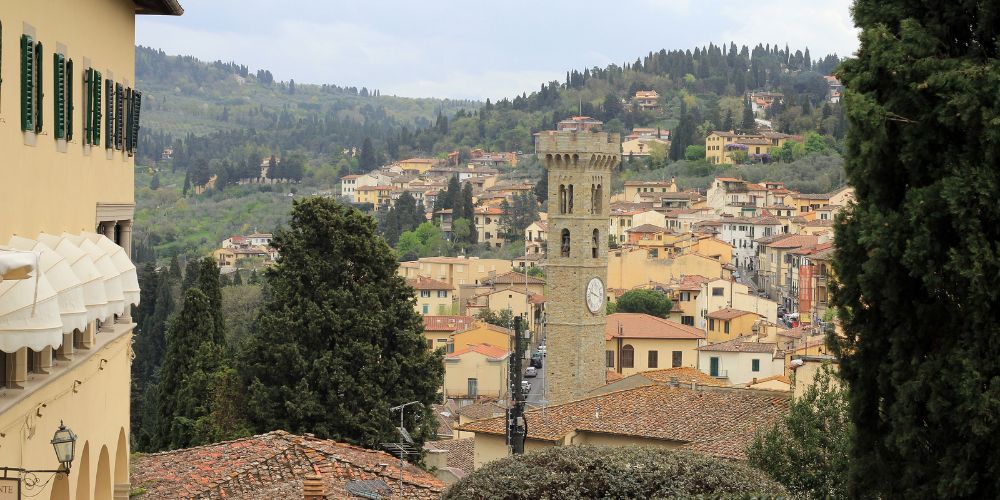
When the heat and crowds become too intense, the best solution may be to leave Florence for a few hours.
Fiesole is the first answer for cooler air, panoramic views and an easy escape. It is just a short distance from the centre and offers a magnificent view over Florence, especially at sunset. It is worth considering for a half-day trip combining the archaeological area, a walk, a slow dinner and, on the right evenings, events from Estate Fiesolana at the Roman Theatre, which brings theatre, music, dance and cinema to Fiesole every summer.
Another idea is to head up towards Settignano, a hilltop village linked to stone, artists and historic villas. If you enjoy walking, you can look for panoramic routes among hills, dry-stone walls, olive trees and views over the city, always choosing the early morning or late afternoon.
To combine nature and Medici heritage, the Medici Villa of La Petraia is a recommended stop in the Castello area: the garden is open from Tuesday to Sunday and, until September, the indicated opening hours are 8.30 am to 6.30 pm, with last admission one hour before closing.
An even broader escape is the Medici Park of Pratolino, in Vaglia, home to the famous Colossus of the Apennines by Giambologna. Until 1 November 2026, it offers free admission without reservation on Fridays, Saturdays, Sundays and public holidays, with extended summer opening hours: 10 am to 9 pm in June and July, and 10 am to 8 pm in August and September.
Tips for the heat: where to find shade and relax
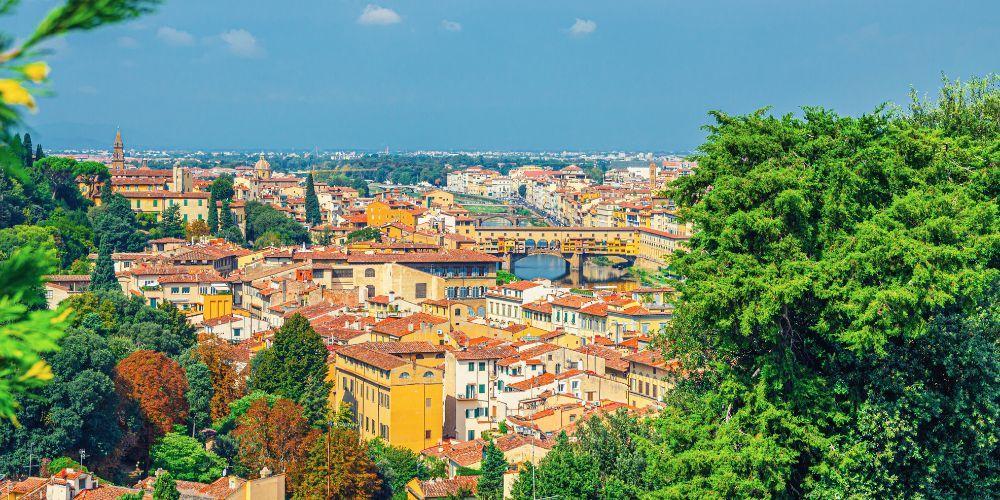
The first rule for dealing with Florence in summer is not to challenge the heat: the hours between 12 pm and 4 pm are the least suitable for long walks through the city centre, panoramic climbs or visits to very exposed gardens. It is better to reserve them for museums, churches, slow lunches, hotel breaks or short transfers.
To find shade, it is useful to think by area. Early in the morning, the Lungarni, Piazza Santa Croce before the arrival of the groups, Piazza della Santissima Annunziata, the side streets between San Marco and Santissima Annunziata, some streets in the Oltrarno and the less travelled routes around San Niccolò are particularly pleasant. During the hottest hours, however, it is better to focus on indoor spaces: churches, cloisters, small museums, bookshops, historic cafés or air-conditioned venues.
Another tip is to always carry a water bottle. In summer, refilling it often is more important than it may seem: it helps you walk more comfortably, reduces the need to buy plastic bottles and makes getting around feel calmer and easier. In Florence, drinking fountains are distributed across various areas of the city; before leaving, it is worth checking an updated map and marking the points closest to your itinerary.
Shoes also make a difference: the historic centre has uneven paving, many streets are made of stone and the climbs towards Piazzale Michelangelo, San Miniato al Monte, Boboli or Bardini can become tiring with unsuitable sandals. It is better to choose light but comfortable shoes, a hat, sunglasses and breathable clothes.
How to make the summer experience in Florence easier
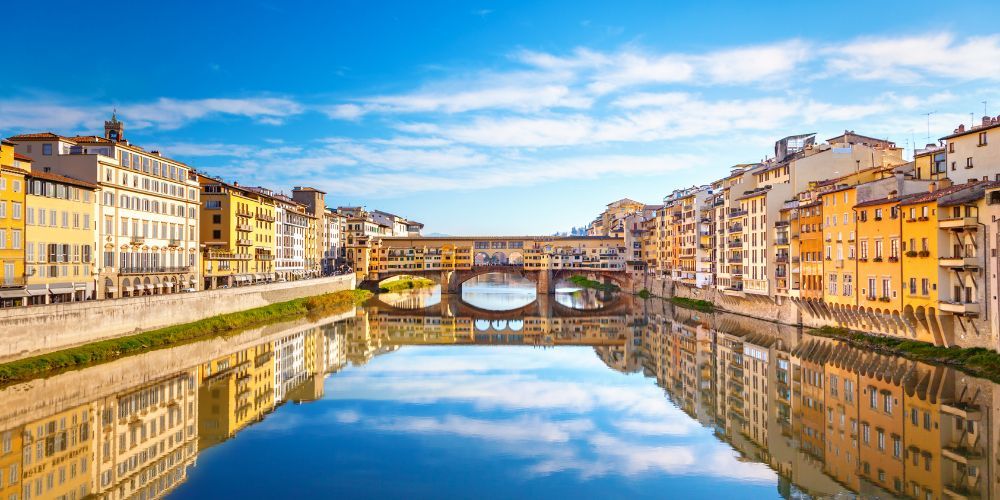
The smartest way to experience Florence in summer is to lighten the journey: fewer unnecessary queues, fewer tickets bought at the last minute, fewer improvised routes under the sun and fewer changes of plan during the worst hours of the day.
The Florence Pass allows you to choose ready-made packages or build a personalised pass by selecting the attractions you want to visit. It includes an app with maps, useful information and itineraries, allows you to manage digital vouchers from your smartphone and includes advance booking for the most requested attractions.
Among the available attractions are some of the most important places for a first trip to Florence, such as the Uffizi, the Accademia Gallery, Giotto’s Bell Tower, the Duomo, the Baptistery, the Opera del Duomo Museum, Palazzo Pitti, the Boboli and Bardini Gardens, Palazzo Vecchio, the Medici Chapels, Santa Maria Novella, the Museo de’ Medici and the Bargello.
In summer, it helps you organise your days before you arrive and distribute visits at the most sensible times. The Uffizi or Accademia early in the morning, a lunch break in a less crowded area, a return to the hotel or a smaller museum during the hottest hours, then a garden or panoramic viewpoint in the late afternoon. Or the Duomo and Giotto’s Bell Tower in a booked time slot, leaving the rest of the day more flexible.
The Florence Pass does not remove the heat and "does not magically empty Florence", but it does help reduce an important part of the stress linked to organisation.
If you are visiting the city for the first time, have only a few days available or want to combine major icons with more offbeat stops, it can become a concrete ally.
The true Florentine summer, in fact, is mostly about how you see the city: with more advance planning, more breaks and less improvisation.
About the author
Written on 20/07/2026
Flavia Cantini
Freelance Content Writer with over a decade of specialized experience in tourism, culture, and creative/artistic activities. I assist magazines, web agencies, and end clients in managing blogs and crafting standout articles

Flavia Cantini
Florence in summer can be hot and crowded: discover museums, gardens, cool stops and smart tips for a smoother 2026 trip.