
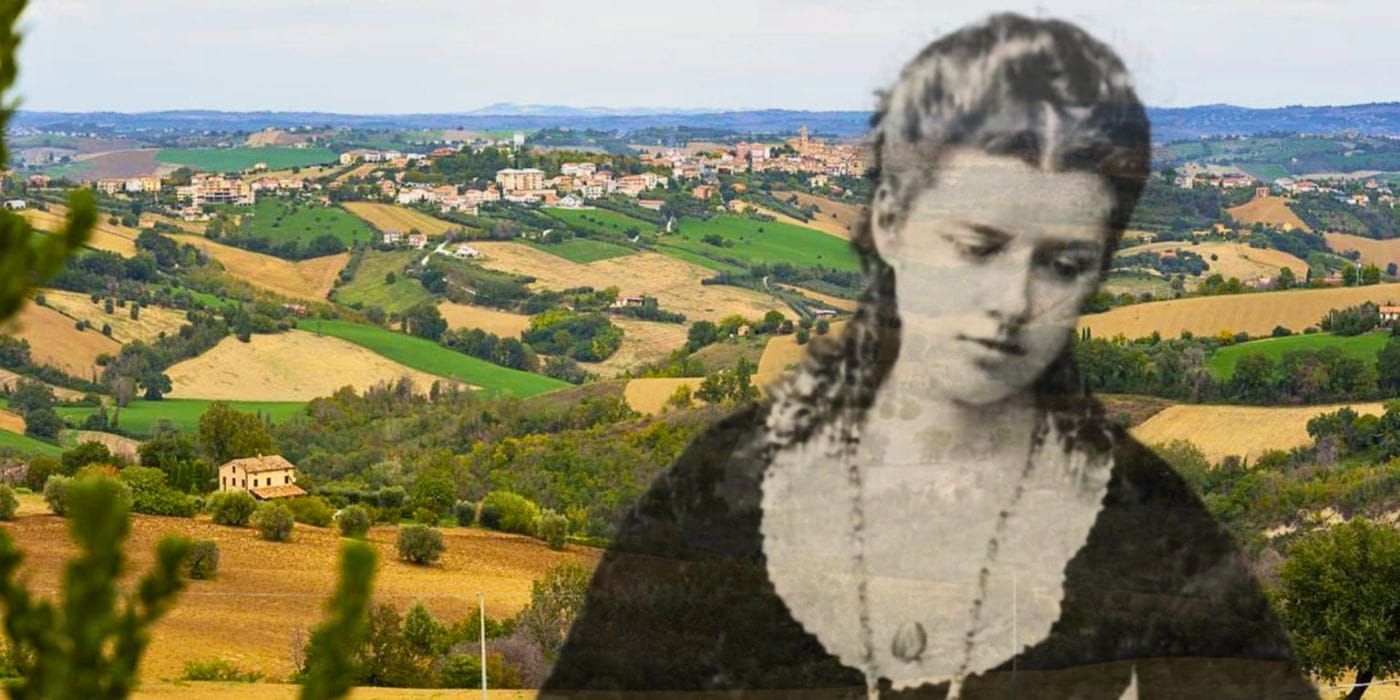
Imagine stepping out of the high-society in Victorian London, after raising up there in such a standardized and aristocratic cultural pattern, and then moving into the raw, yet captivating beauty of a 19th-century Italian hilltop village. In 1873, following her marriage to Italian officer Arturo Galletti, English writer Margaret Collier did exactly that.
She settled in Torre San Patrizio, a remote spot of Le Marche hillside in the province of Fermo, only to find a world utterly alien to the polished drawing rooms she left behind. Not a simple transfer for that period, more likely a culture shock that inspired her natural talent for writing.
Confronted by a stark landscape of sharecropping peasants, ancient superstitions, and unyielding rural life, Margaret Collier didn’t shrink back. She picked up her pen, looking the views extending from the sea to the mountains from her windows in Villa Zara, to write her most important story.
This is how Our Home by the Adriatic originated: a striking cross-cultural encounter that, through the words of a memoir, turned the unexpected life experience of a Victorian lady into one of the most interesting records of authentic Le Marche life ever written.

From Victorian drawing rooms to a Marche’s hilltop: who was Margaret Collier?
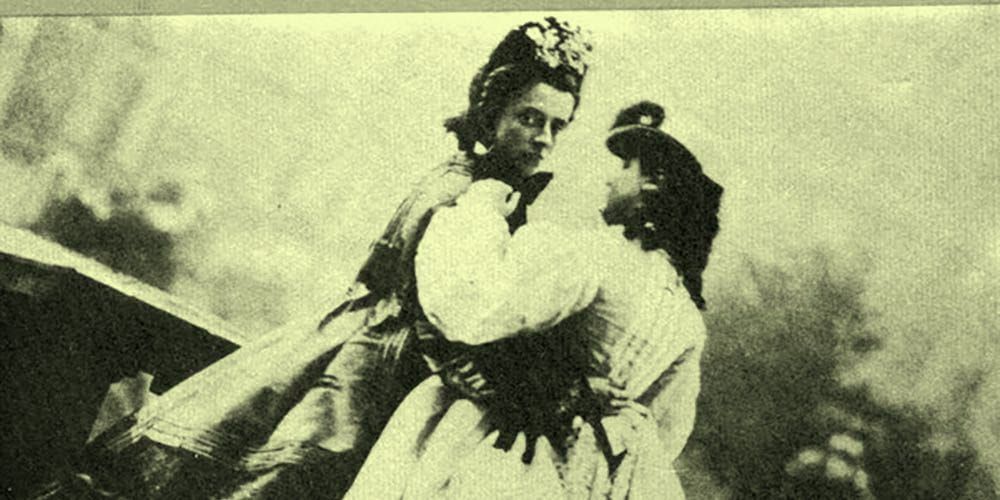
Born into a wealthy and intellectual family in London, Margaret Collier was raised amidst high-society privilege and progressive, liberal ideals. Her world was made of refined urban comfort and strict British etiquette, mainly.
But her destiny totally changed when she met Arturo Galletti, charismatic Italian officer and former Garibaldi’s soldier. And perhaps, she would have never expected to move living for more than 25 years in Torre San Patrizio.
Their marriage in 1873 became a bridge connecting two radically different worlds, trading the sophisticated drawing rooms of Victorian England for the rugged and isolated hillsides of Le Marche. The couple lived in the residence Casa San Venanzo, surrounded by pristine natural landscapes and simple rural life. And here, Margaret experienced such a profound culture shock.
This moment enhanced her tendency for literature, making her stay in Italy much more than a passive tourist experience. With her observant eye, her adventurous spirit, and her sharp intellect, she embraced her new surroundings - her new home - without ever losing her distinctive British perspective, though.
As a foreigner, isolation was not a solution. Instead, she threw herself into observing local customs and lifestyle, turning her relocation from the UK to Italy into the richer literary lens through which Torre San Patrizio rural dimension had been told.
Our Home by the Adriatic: a rare window into post-unification Italy
Published in London in 1886, Our Home by the Adriatic quickly went beyond the mere boundaries of a standard travelogue. Written during the unruly decades following the unification of Italy, the Risorgimento, the book emerged as a peculiar testimony of a newly made nation still struggling to define its own identity – especially far from the major cities.
While main political narratives dominated period’s headlines, the quiet reality of regional life - especially within large and isolated agricultural communities, like the one of Torre San Patrizio in Le Marche - remained widely ignored by international observers.
Margaret Collier’s work thus filled this gap with impressive accuracy. Far from presenting a romanticized postcard view of Italy, she offered instead a highly detailed social portrait of rural existence. And today, after over 100 years, historians and local heritage enthusiasts value her pages as one of the greatest anthropological record about this Italian region.
She documented the economic fragility of the time with rigorous attention, the unwritten hierarchies governing small-town life, and the daily survival strategies of a population living in transition between what was before and what’s going to be next.
But there’s one thing that makes Margaret’s work a much more interesting literature piece. Our Home by the Adriatic was published for the first time in Italy only in 1981, discovering one century later that British gaze that pictured how were Le Marche and Torre San Patrizio back in the 19th century.
Le Marche through British eyes: Torre San Patrizio according to Margaret Collier
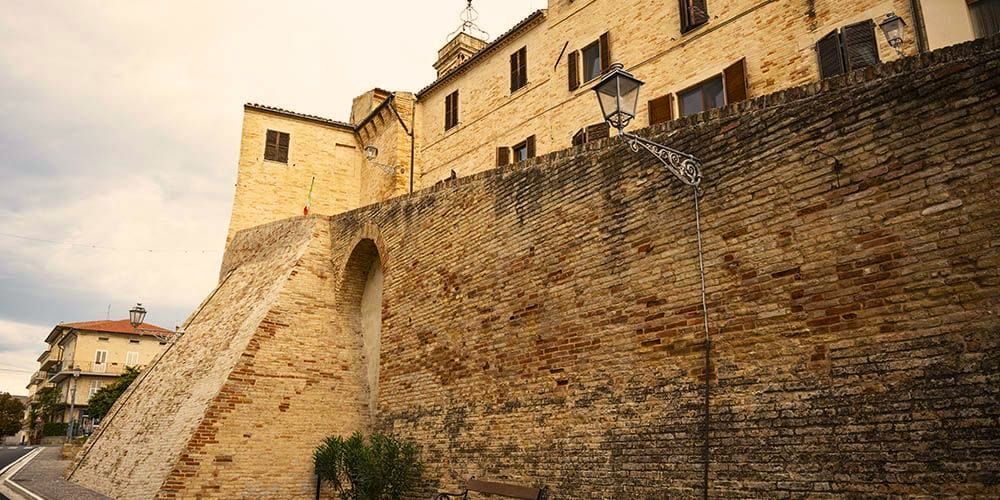
Unlike the traditional storytelling of the British Grand Tour narratives, which usually made Italy just a place of ancient ruins and sunny postcard-like landscapes, Margaret Collier offered a formidable entry into women’s travel writing literature.
Living alongside the locals here in Le Marche, her British gaze based on Victorian canons moved past superficial amazement to capture the unvarnished dynamics of 19th-century Italian rural life, with the eyes of who’s living it as a grounded observer – not like a tourist.
She reported into her book’s words the harsh economic reality of the sharecropping system, called mezzadria, describing relentless seasonal labor, pervasive poverty, and the deeply ingrained folk superstitions that used to guide daily choices, alongside faith.
The initial British astonishment, and above all the cultural distance, gradually made room to a more empathetic understanding though. Margaret recorded the hardship of that new world she called home, but also the profound communal bonds, genuine warmth, and quiet dignity that sustained the life of all villagers.
Through her keen observational style, Torre San Patrizio therefore emerges in Our Home by the Adriatic not as the classic idealized place that most people thought of Italy back then, especially in the Victorian England: Margaret told that as a forgotten dimension to discover again, a living community defined by simple yet essential values like resilience, shared burden, rich cultural traditions and a vivid identity.
Villa Zara: the real physical heart of Margaret’s personal story
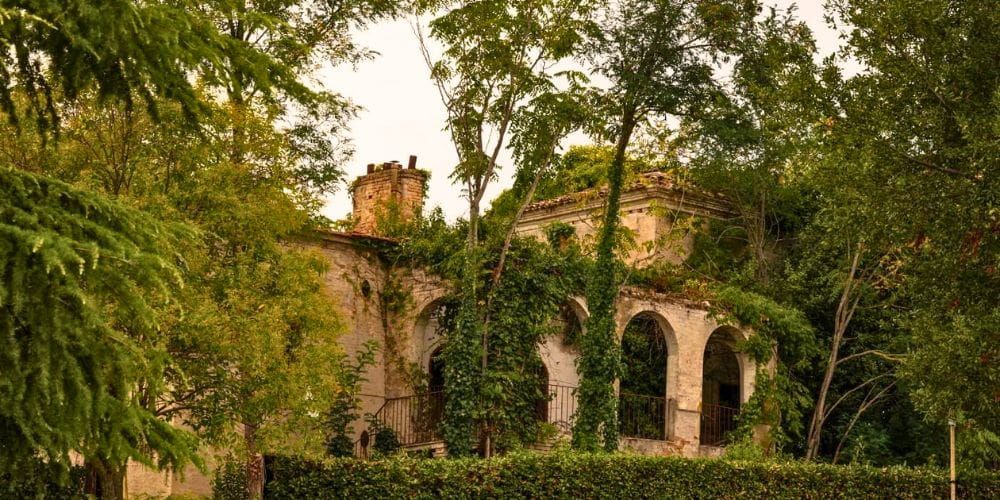
At the core of Margaret Collier’s life experience in Italy, together with her husband Arturo Galletti, stood Casa San Venanzo - known today as Villa Zara. More than just a residence in the pristine greenery, the villa served as both her personal sanctuary and her primary observation outpost.
Settling into her new home in Le Marche, Margaret consciously attempted to shape the estate as much as possible into a familiar refuge. This explains the peculiar aesthetic of Villa Zara today: a blend of an Italian standard countryside property with the domestic warmth, quiet order, and refined touches reminiscent of a traditional British manor.
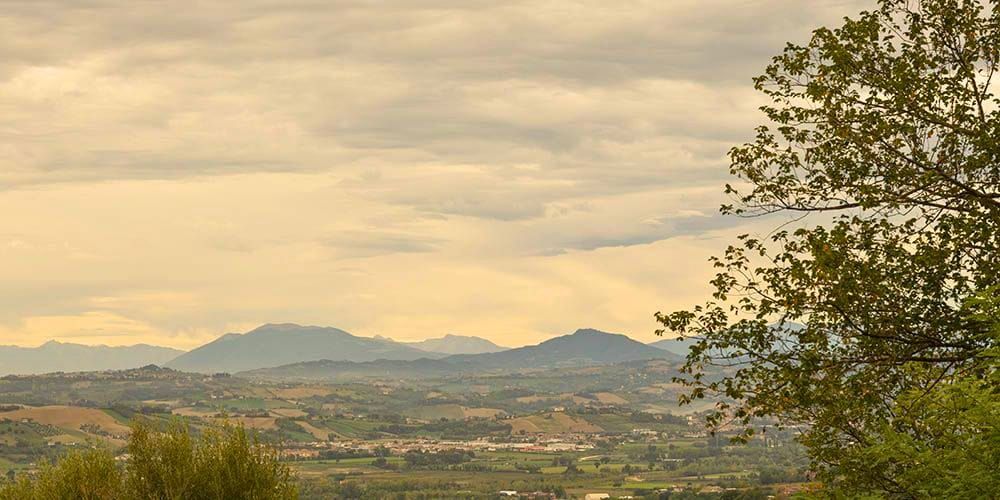
From this hilltop vantage point, she looked out over the sweeping landscapes of Torre San Patrizio. And here, she was amazed by the views of amazing natural elements: from the shores and waves of the Adriatic Sea on the horizon to the rolling hills next to the Tenna River, and from the tranquil little inland woods up to the silhouettes of the Sibillini Mounts.
Villa Zara became the workshop where Our Home by the Adriatic took shape day by day, from 1873 to 1885, a space where her typically English sensibility met the raw essence of Marchigiana rural life.
Today the villa is part of a 3-hectares park that people love to visit for quiet walks and awesome views. But, above all, it’s still the essential bridge connecting Margaret’s 19th-century perspective to the contemporary town landscape: a tangible landmark to find out for a unique cross-cultural story between the UK and Italy.
From history to present day: experience Torre San Patrizio today
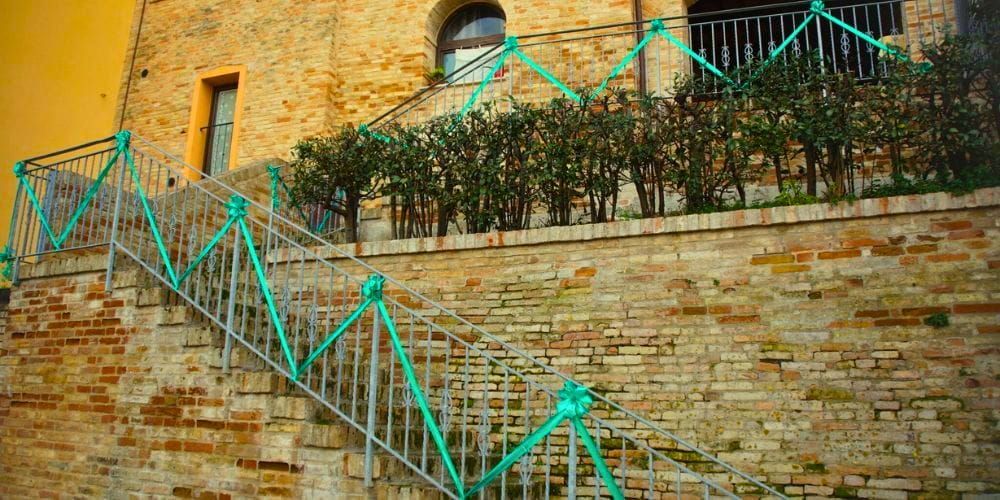
And today, nearly 150 years later, what does Torre San Patrizio feel like to those going there for the first time? This is a question that probably Margaret already answered to in her memoir book, unconsciously. Stepping into the historic centre of this hilltop village in Le Marche, you’ll be walking straight into the pages of Our Home by the Adriatic.
Even today, Torre San Patrizio retains its original historical layout, made of winding alleys and countryside panoramic views, and also its authentic rural spirit that made Margaret fall in love with. A place where past and present seem to coexist effortlessly.
A visit to Torre San Patrizio naturally leads to key beautiful historical landmarks, such as the church of Madonna delle Rose, a place deeply bond to the local spiritual identity and heritage - along with St. Patrick. Beyond stone walls and ancient sites, Torre San Patrizio’s contemporary culture also reflects the ingenuity of simplicity that Margaret once admired.
The surrounding area in the province of Fermo, for example, over these years after Collier left has evolved into an internationally acknowledged hub for Italian shoe craftsmanship. And for gourmets out there, Torre San Patrizio today is also one of the most interesting hidden food and wine gems to experience while traveling to Italy, bringing on the table simple yet delicious rural flavors.
The village also comes alive through vibrant events that bridge its unique history scene – featuring it as “the most Irish place in Italy” – with festive traditions that established in local cultural heritage. In fact, every year in March, Torre San Patrizio honors St. Patrick’s Day with a celebration that could easily rival with Ireland itself – this is something you don’t want to miss certainly!
And then there’s Villa Zara, Margaret’s former home and, today, also a location for events such as Villa Zara Beer Fest. A place that gives particular Victorian vibes, in the middle of a hilltop park which attracts anyone who wants to see the same landscapes that inspired the pen behind the most interesting textual document that tells the story of a land – and the stories of its people – in an unprecedented way.
By retracing Collier’s footsteps, travelers stepping in Torre San Patrizio today are actually taking a step into a living story as well. Not just a hilltop village amidst Italian countryside, made of narrow stone alleys and surrounded by astonishing natural views: Torre San Patrizio is the ultimate gate to enter literature by the eyes of a Victorian lady, for a rare and immersive human connection between the author’s legacy and a thriving contemporary community well grounded to its roots.
About the author
Written on 25/09/2026
Massimiliano Antonio Primi
I write by profession, but first of all by passion. I love to tell emotions and stories through the magic of writing. With my articles I want to accompany you on a journey to discover Italy, the most amazing country in the world.

Massimiliano Antonio Primi
Meet Margaret Collier, author of Our Home by the Adriatic, the Victorian lady who told an authentic story of Torre San Patrizio through British eyes.