
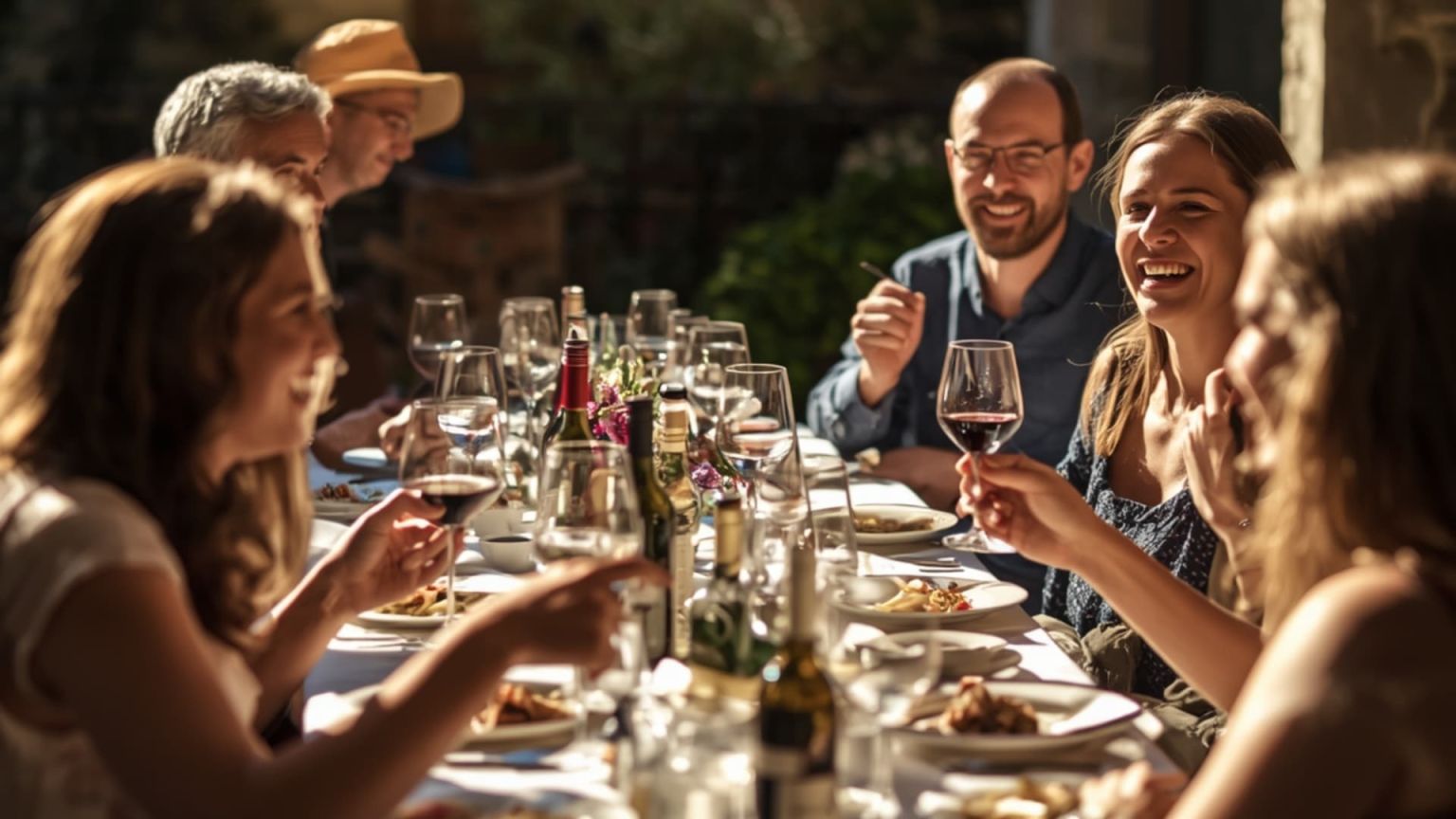
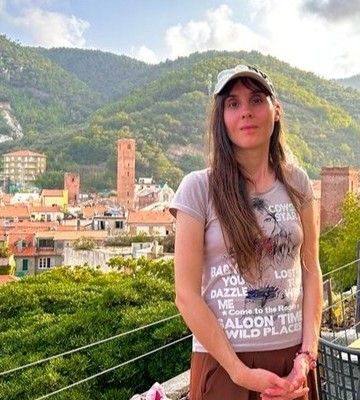
Imagine not merely being a spectator at the table, but the protagonist of a story steeped in the signature aromas and flavors of Italian food and wine. Even in 2027, traveling to Italy offers the chance to taste every meal with enthusiasm and curiosity, yet with a new desire to fulfill: experiencing something that goes far beyond the food itself.
Dining at a traditional restaurant and tasting local specialties is no longer enough. Travelers want to connect with the places where recipes and ingredients originate, meet the hands who craft them, and take part in the traditions that safeguard these culinary secrets.
All this unfolds far from the pressures of mass tourism: a kitchen that opens its doors, a winery or dairy that shares its story, a field that becomes an integral part of the dish. Food experiences in Italy are transforming how you perceive local products and dishes, creating opportunities to tell the story of food through a fresh language, one that speaks above all of the territory itself.
It is through exceptional local events, guided tours of production sites, and high-quality tastings that you can enjoy food experiences that leave a lasting impression. Are you ready to join us on this journey through the flavors of Italy?

Why these food experiences reflect a new way of traveling in Italy
Some experiences fade as soon as they end, while others stay with you, because they are not just about what you taste, but about everything that happens around it.
In this guide, we'd like to guide you through the top 8 food experiences travelers will love in 2027. Are you ready to taste them, literally?
Here, in a nutshell, find out why food and wine are important for each of these culinary experiences - and why you should try them at least once in your life:
• in the provinces of Parma, Reggio Emilia, Modena, Bologna (left of Reno river) and Mantua (right of Po river), Parmigiano Reggiano is a pillar of local identity uniting landscape, labor, and quality acknowledged worldwide;
• in Torre San Patrizio, food is a symbol of ancient folk traditions that celebrate community;
• in the Villages of Udine, local sagras transform local products into icons to be savored;
• in Mercato Saraceno it unfolds through the hills, in a landscape reflected in the glass;
• in Garfagnana, the food experience unfolds through sharing stories around a table;
• in Cilento, food is born along a trail, amidst wild aromas and ancient gestures;
• in Matera it takes shape in spaces that preserve centuries of life - the Sassi;
• in Ceglie Messapica it is found in everyday continuity, in simple and timeless dishes.
8. Tastings and sensory visits in the lands of Parmigiano Reggiano (Emilia and Oltre Po Mantovano)
🥇 Visit Italy’s brand partnership
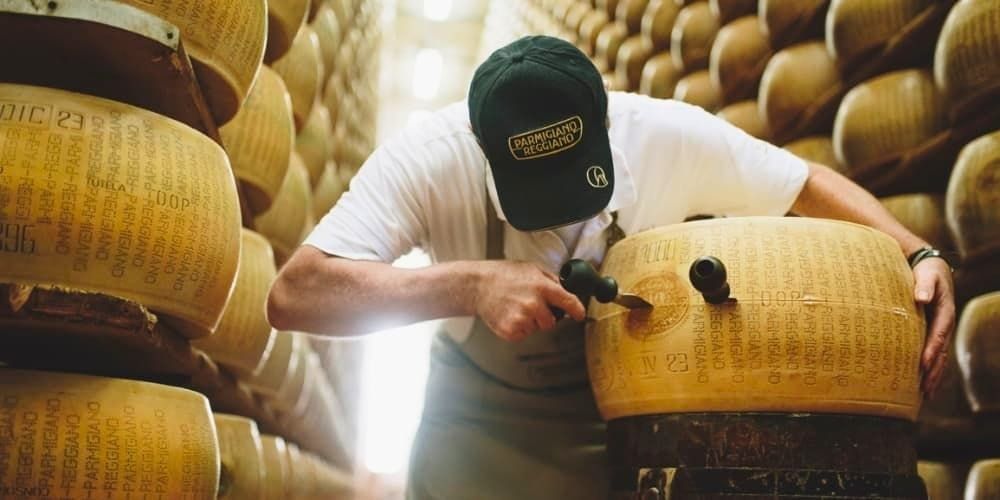
Everyone loves Parmigiano Reggiano PDO as a product, yet few truly know it for its region of origin, a place to be experienced through a blend of tourism, gastronomy, and culture. In the heart of Emilia, spanning the provinces of Parma, Reggio Emilia, Modena, and Bologna on the left bank of Reno river, and the Oltrepò Mantovano in Lombardy, here you can join a genuine journey to discover the secrets of the world’s most famous cheese.
What is the best way to get to know Parmigiano Reggiano beyond its inimitable taste? A guided tour of one of the local dairies. It all begins with the landscape of the Food Valley, characterized by rolling hills, fields and permanent meadows that provide the cattle mainly with high-quality grass and hay, giving unique properties to their milk that no other recipe can replicate.
The production, strictly natural, then moves inside the dairy. From the processing of raw milk in copper vats - requiring about 550 liters per wheel - to the shaping of the wheels using specific molds, from brand stamping to salting, visitors can witness the cheesemakers' mastery and skills steeped in old-world charm, the true human heritage behind this product.
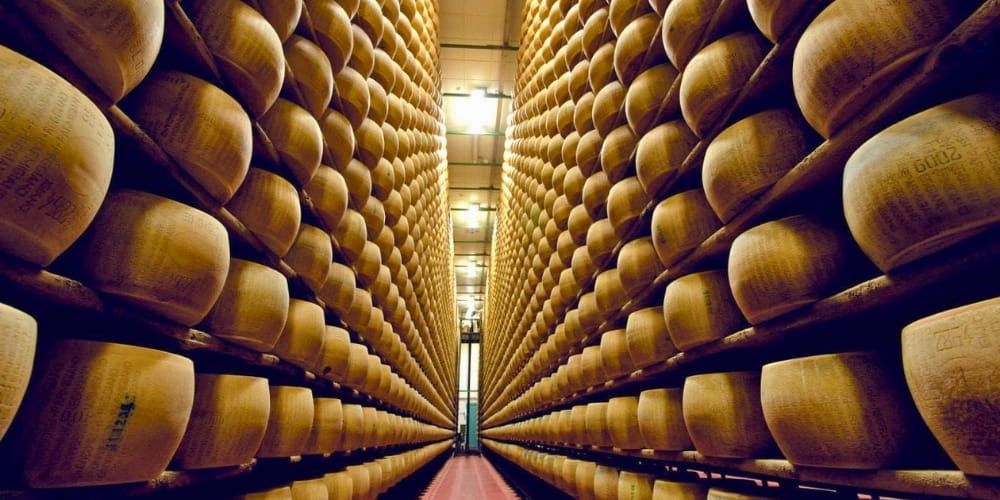
The process concludes with a key phase inside the evocative "cathedrals of taste", aging warehouses where thousands of wheels of Parmigiano Reggiano rest for at least twelve months on towering shelves creating an unmistakable visual spectacle, as they develop their signature structure, flavor, and aroma.
Tasting this exceptional cheese is a complete sensory experience: wheels aged for a shorter period (12–18 months) are tenderer, offering a delicate, sweet flavor with milky notes, that evolves balancing crumbliness, savoriness, and aromatic complexity as aging progresses (24–30 months), eventually taking on an increasingly intense, spicy flavor and the distinctive granular texture specific of long maturation (36 months and beyond).
It is a journey of flavors that extends far beyond the dairy itself. It continues into the towns and the villages where this cheese is an icon as much as a product: for example, in Fontevivo you can visit the Parmigiano Reggiano Museum, part of the Food Valley’s Food Museums network, while Casina hosts one of the area's most interesting Parmigiano Reggiano fairs.
The experience carries on at the table, amidst local events, traditional osterie, and live cooking demonstrations: whether you have it in flakes paired with cured meats, honey, or on a warm pizza, or freshly grated to enhance a pasta dish or risotto, Parmigiano Reggiano embodies Italian quality bite by bite.
Check out Parmigiano Reggiano Consortium7. Agricultural tradition and folk cuisine in Torre San Patrizio (Marche)
🥇 Visit Italy’s brand partnership
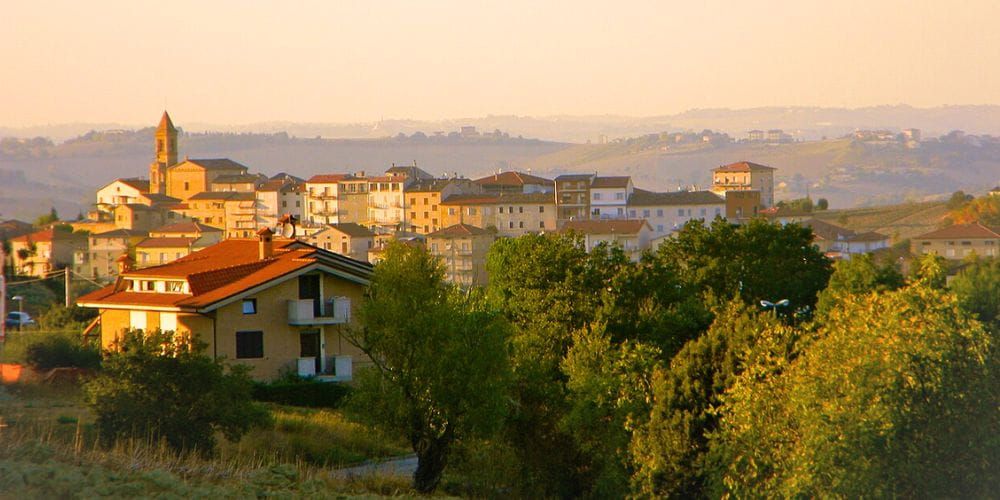
If you're looking for an experience where food becomes the language of touch with the land, the village of Torre San Patrizio will leave a mark on your heart. Here, cooking is like a sacred ritual passed down through time, starting with production activities, products, and distinctive dishes that express the rural essence of the Fermo area.
An agricultural tradition evident in the landscape, characterized by ancient wells and cisterns essential for growing wheat. This tradition, however, is even more heartfelt when you sit down to eat: here you can taste delicacies such as goose sauce, a typical peasant condiment perfect for tagliatelle that smells of Sunday lunches, or the tasty fritto misto alla fermana, including fried olives stuffed with meat and cremini (fried custard-based sweets). All this, why not, accompanied by a glass of intense red wine Moresco from Le Marche.
This solid rural heritage in Torre San Patrizio is now experiencing a resurgence, thanks to a growing network of new businesses based on a multifunctional agricultural model. Its strengths? Organic, sustainable, and locally sourced agricultural production, complemented by agritourism and educational farms, transforming the sector into an exciting discovery opportunity for travelers who wish to stop and experience these lands.
Torre San Patrizio is also an exceptional destination for folk tourism, with the magical St. Patrick’s Day Celebration: the ideal event to rediscover the town through an extraordinary "Irish" cultural and culinary experience, with an irresistible Italian twist. For the occasion, you can enjoy the unique pop twinning of two seemingly distant cuisines, eating classics like Shepherd's Pie and drinking a special craft green beer.
Beer culture is a source of pride for the entire Fermo area, which boasts a wealth of top-quality breweries: a perfect excuse to extend your trip to the Marche region and enjoy local delicacies at the Villa Zara Beer Fest, a festival dedicated to craft beer set against the evocative backdrop of the historic author’s house that inspired Our Home by the Adriatic.
Let’s visit Torre San Patrizio6. The land’s sagras in Tavagnacco, Godia, Venzone (Friuli Venezia Giulia)
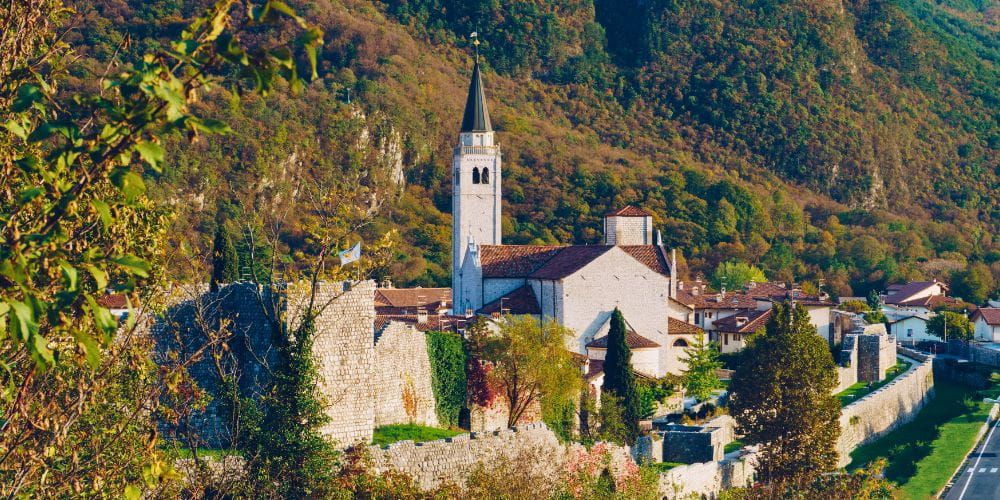
The area of Udine in Friuli Venezia Giulia, guardian of a rural soul that is perhaps still little-known, is a land of interesting and fascinating sagras and celebrations that tempt international travelers, always in search of authenticity and good food.
The journey through the flavors of Friuli begins between April and May with the historic Asparagus Sagra in Tavagnacco, a triumph of flavor that celebrates a typical spring delicacy (even at the table). It continues then in late summer with the Potato Sagra in Godia, an authentic festival where simplicity and conviviality give rise to gatherings and delicious preparations - purées, croquettes, gnocchi, omelettes, soups, and much more.
But even more renowned and important, the Pumpkin Sagra in Venzone. Within the walls of the 14th-century village, in October, a journey through time takes place amidst atmospheres and flavors thanks to a medieval-style market, animated by artisans and the scents of ancient traditions.
This autumnal fairytale warms the heart with a tasting of extraordinary specialties, from creamy risottos to steaming gnocchi, to desserts that enhance the sweetness of the vegetable, providing an unforgettable memory of the truest Friuli.
5. Immersive wine tastings experiences in Mercato Saraceno (Emilia-Romagna)
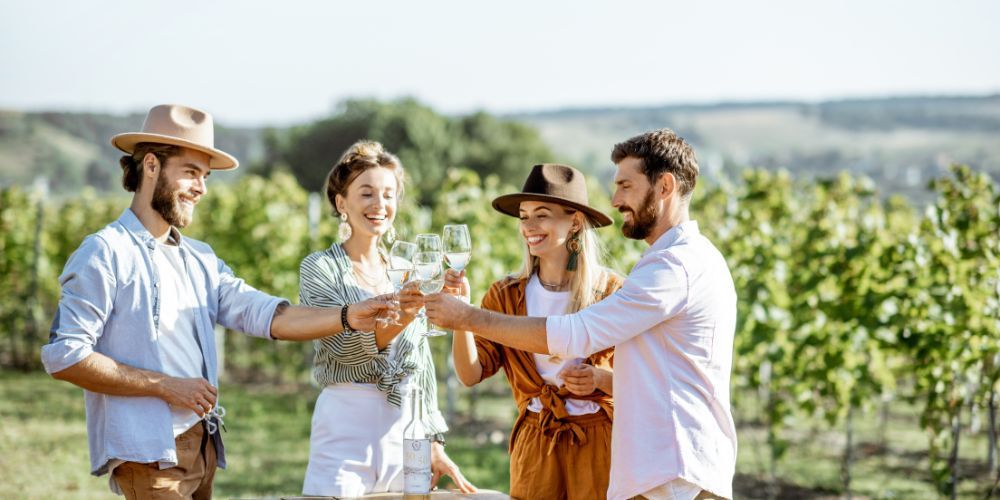
In the Savio Valley, in Mercato Saraceno, wine is an integral part of the landscape: rolling hills stretch endlessly, and vineyards shape a territory that remains relatively undiscovered compared to other Italian wine regions.
Here, tastings go beyond simply sampling wine and become journeys that unfold across cellars and countryside alike.
During events such as Passi e Parole di Vino, wine is experienced through a series of connected moments, walks through the vineyards, encounters with local producers, and shared tastings that bring the territory to life.
But these experiences are not limited to special events. Many wineries welcome visitors all year round, often by reservation, offering authentic and personalized experiences.
Getting to Mercato Saraceno is easy, especially from Cesena, and it’s a great opportunity to explore a lesser-known side of Romagna, where the connection between wine and land remains direct and genuine.
4. Cooking classes and local flavors in Garfagnana (Tuscany)
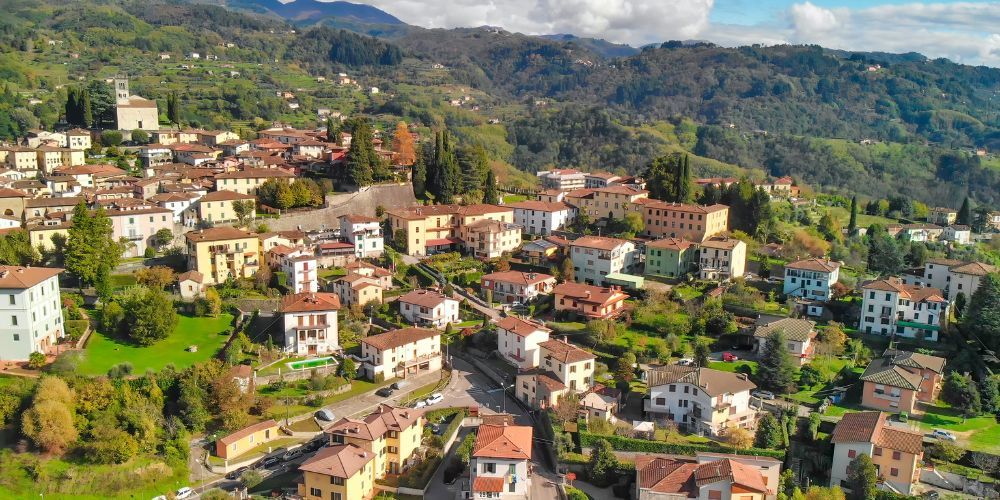
In Garfagnana, discovering the local cuisine begins by stepping into someone’s home. The experiences offered in this corner of Tuscany give you the chance to take part in preparing traditional dishes alongside those who cook them every day, using local ingredients such as Lunigiana spelt and mountain cheeses, while learning recipes deeply rooted in rural culture.
These activities are available throughout the year and retain an intimate atmosphere, with a limited number of participants.
By booking in advance through dedicated platforms and checking the practical details beforehand, you can enjoy the experience more consciously, while still maintaining that direct connection with the people who make it possible.
3. Foraging and wild cooking in Cilento (Campania)
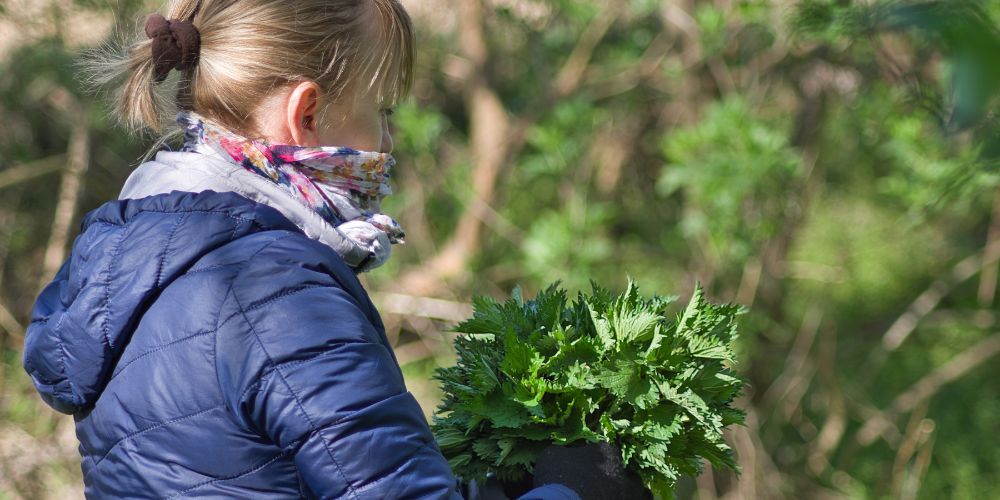
In Cilento, the gastronomic experience happens long before you step into the kitchen. It begins with a walk along trails through the Mediterranean greenery, guided by those who have always lived in this landscape and can recognize, among wild plants and intense aromas, what can become food, from wild fennel and chicory to aromatic herbs, observed and gathered in their natural cycle.
The most convivial moment comes next, when you return to a rural home or an agriturismo and cook together, in a continuous dialogue with the seasons and the land, without a fixed menu.
These experiences, mainly available in spring and early autumn, are among the most sought-after today, as they combine sustainability, participation, and a direct understanding of ingredients in their natural environment.
To make the most of them, it is advisable to contact agriturismi or local guides in advance, as they usually organize small-group activities within the Cilento National Park.
2. Dining in the Sassi in Matera (Basilicata)
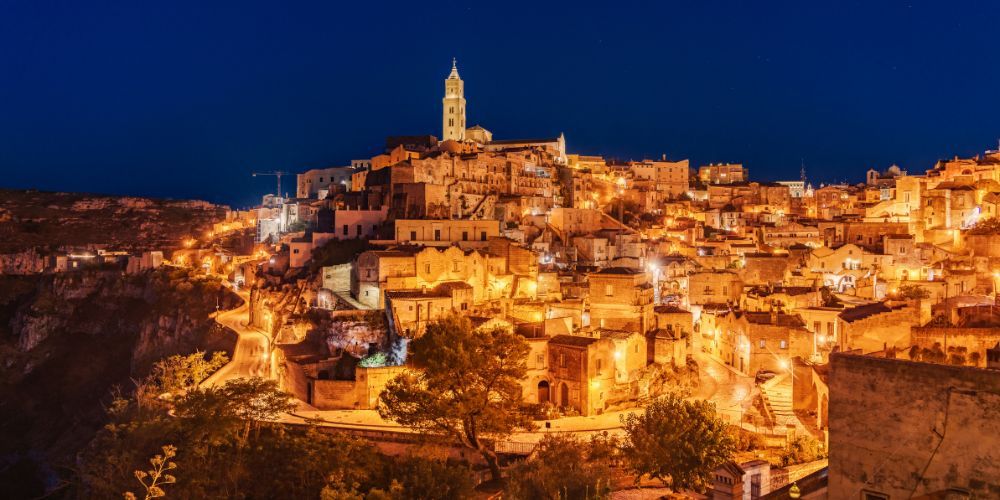
In the evocative setting of the Sassi of Matera, where homes are carved directly into the rock, even restaurants preserve this distinctive feature, turning every meal into a truly immersive, sensory experience.
For example, you will find yourself dining inside rooms carved from tufa stone, where the atmosphere reflects the millennia-old history of one of Italy’s most captivating cities. The soft light and deep silence create vibes unlike anywhere else, while the kitchen follows the traditions of Lucanian cuisine, with dishes prepared using local, seasonal ingredients.
This is the perfect opportunity to sample the local typical dishes, born from the pure simplicity of rural life but offering an inimitable flavor: we recommend crapiata (a legume and wheat soup), pignata (a slow-cooked meat stew with vegetables in a terracotta pot), and peperoni cruschi (sweet red peppers fried in oil). And don't forget Matera's bread, crispy on the outside and soft on the inside, a true delicacy.
Booking is recommended, especially during peak travel periods, and choosing quieter hours will allow you to fully connect with the timeless character of the space.
1. The authentic culinary identity of Ceglie Messapica (Apulia)
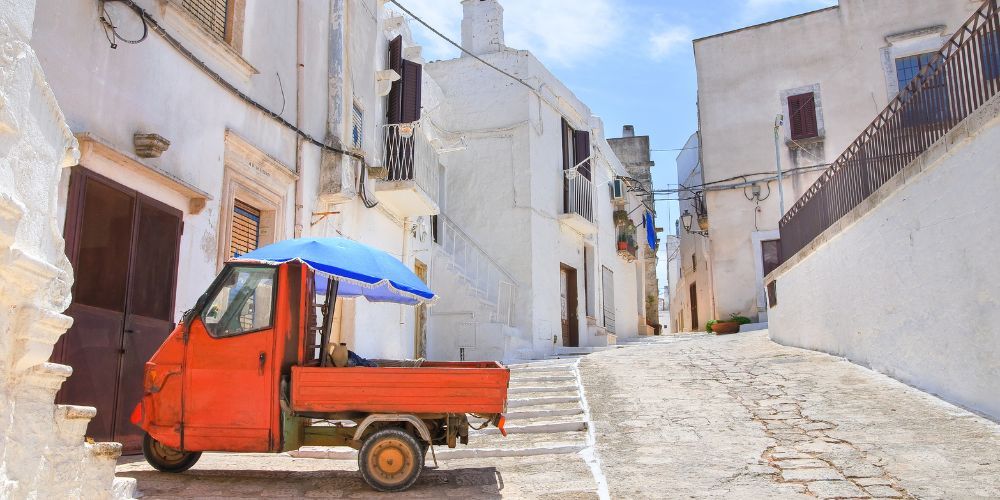
In Ceglie Messapica, in the province of Brindisi within the beautiful Itria Valley, the gastronomic experience unfolds throughout the town itself.
As you walk through the streets of the historic center, you will come across trattorias and family-run kitchens serving traditional dishes with little to no reinterpretation. Handmade orecchiette, extra virgin olive oil from centuries-old trees, fresh burrata, and local desserts all reflect a culinary culture that has remained consistent over time.
There is no need to plan too much in advance. Often, the most rewarding experiences come from choosing places frequented by locals and letting yourself be guided by what unfolds around you.
Spring and summer are especially ideal for visiting, as the town comes alive with a more vibrant atmosphere, by squares and open-air spaces.
How to find and experience these culinary moments in 2027
Each experience follows its own rhythm and calls for a slightly different approach.
In some provinces of Emilia and Oltre Po Mantovano, the heart of "Food Valley", the synergy of territory, local community, and traditional production methods offers an exceptional point of view to experience top Italian foods, such as Parmigiano Reggiano. By booking in advance, you can treat yourself to a unique experience featuring guided visits to the Consortium’s dairies, including tours of the aging rooms, tastings, and a chance to observe every step of the production process from milk collection to the making of this unique cheese.
In Torre San Patrizio, love for food is reflected in a world of traditions, cultural fusions, typical products, and dedicated events that excite and engage. Today, the key is the territory: the agricultural sector is evolving with an eye to innovation, making the experience a true immersion in local stories, landscapes, and flavors year-round.
In Cilento, everything revolves around the pace of nature. Foraging experiences are seasonal, so choosing the right time of year and checking availability in advance is essential to take part in these activities.
Even in the villages of Tavagnacco, Godia, and Venzone, in Friuli Venezia Giulia, seasonality is essential: different months bring different products to discover and experience together with the local communities, and from spring to autumn, every sagra can be rich in flavor and memories.
In Mercato Saraceno, wine can be experienced in different ways: through organized events that involve the entire territory, or through more intimate winery visits, often by reservation.
In Matera, the experience is deeply tied to the place itself, so it’s worth planning your visit carefully, choosing times that allow you to fully immerse yourself in the unique atmosphere of the Sassi.
In contrast, in Ceglie Messapica, what makes all the difference is spontaneity: walking through the town, observing, and letting yourself be guided by what unfolds around you often leads to the most rewarding discoveries.
In Garfagnana, it’s best to plan ahead. Cooking classes take place in intimate settings with limited participants, and booking in advance is the best way to secure your spot and enjoy the experience at a relaxed pace.
The best culinary experiences in Italy don’t immediately appear through standard searches. They are often discovered through local websites, direct contacts, and a willingness to explore more deeply. It is precisely this approach that makes the journey richer and more personal.
About the author
Flavia Cantini
Freelance Content Writer with over a decade of specialized experience in tourism, culture, and creative/artistic activities. I assist magazines, web agencies, and end clients in managing blogs and crafting standout articles

Flavia Cantini
Italy boasts countless hidden culinary gems waiting to be savored: in this guide, we present to you 8 unmissable food and wine experiences for 2027.