
In recent years, while cities such as Florence, Venice and Rome continue to grapple with the effects of overtourism, a growing number of international travelers (particularly from the United States and Northern Europe) have started looking toward a different side of Italy: not the iconic destinations to rush through in a few days, but quieter, more immersive places where art, nature, gastronomy and local memory still coexist without turning into standardized experiences.
In this landscape, the Valle del Savio, in the Romagna Apennines, is emerging as one of Italy’s most compelling cultural regions: a valley where art cities, mountains, Roman archaeology, thermal waters and small villages coexist without ever becoming a destination shaped exclusively around mass tourism.

Percorsi del Savio, a new way to experience the Valle del Savio
🥇 Visit Italy’s brand partnership
In southern Romagna, between the slopes of Monte Fumaiolo and the plains that accompany the river toward the Adriatic coast, the Valle del Savio gradually reveals itself through landscapes that shift in atmosphere along the watercourse: mountains dissolve into the sky, forests filter deep silences, while ancient villages, art cities, thermal springs, historic vineyards and centuries-old paths appear one after another between hills and woodlands.
Here, travel does not revolve around a single landmark attraction, but slowly takes shape by following the rhythm of the land and the communities that inhabit it. This is an Italy that invites you to pause, observe and discover places more slowly, letting atmospheres, stories and connections with the landscape guide the experience.
Percorsi del Savio were created precisely from this idea of exploration: a tourism offer that allows travelers to experience the valley through different sensibilities, from spirituality to wellness, from nature to art, all the way to local flavors and bike and family itineraries.
Bagno di Romagna, Cesena, Mercato Saraceno, Montiano, Sarsina and Verghereto together create a territory where history, culture, traditions and gastronomy blend seamlessly, helping redefine the way cultural travel is experienced in Italy today.
Six towns, one shared soul in Romagna
Rather than a single destination, the Valle del Savio reveals itself as a widespread cultural corridor where landscapes, historical heritage and local identities intertwine along ancient routes that have connected Romagna and Tuscany for centuries.
Part of the European geo-cultural itinerary “The Ways of Leonardo da Vinci”, the valley is redefining the concept of slow travel in Italy through historic pilgrimage trails, cycling routes and small towns that still maintain a deep connection with their land and traditions.
Six very different municipalities give shape to this project, all united by a shared cultural identity. Cesena represents the historic heart of the valley, home to the Biblioteca Malatestiana and the ancient Abbazia di Santa Maria del Monte.
Further south, Sarsina preserves its Roman soul through archaeology, spirituality and classical memory, while Mercato Saraceno expresses the valley’s agricultural and wine-making heritage through historic vineyards, terraced hillsides and ancient sandstone cellars.
Immersed in the Parco Nazionale delle Foreste Casentinesi, Bagno di Romagna adds the dimension of thermal wellness and Apennine nature, while Verghereto enchants visitors with mountain landscapes and springs that mark the origins of some of Italy’s most symbolic rivers.
Finally, Montiano overlooks the hills descending toward the Adriatic and preserves a rural dimension that has become increasingly rare in contemporary Italy.
Cesena and the Biblioteca Malatestiana, one of Italy’s most extraordinary cultural treasures
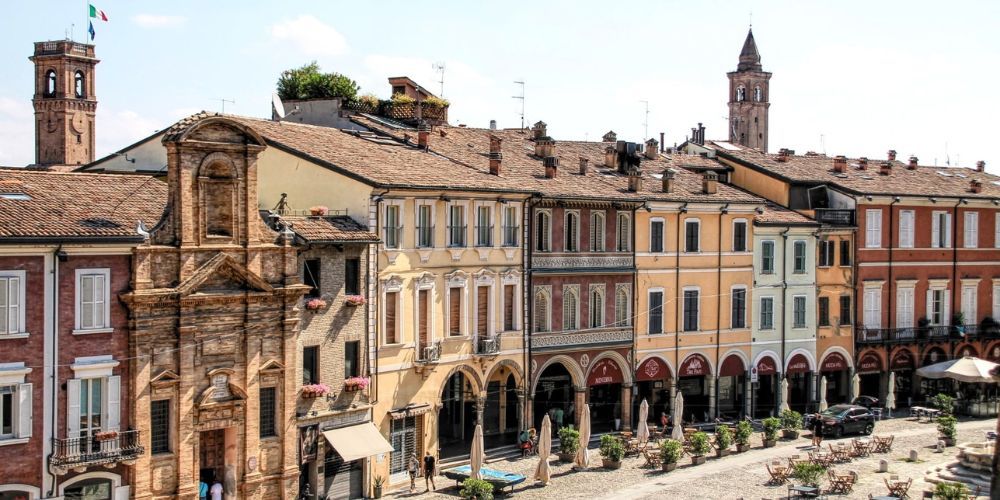
Among Italy’s emerging cultural destinations, Cesena stands out as one of the most fascinating centers within the Valle del Savio. Refined yet still removed from the major international tourist flows, the city is defined by a rare balance between Renaissance elegance, contemporary life and historical heritage.
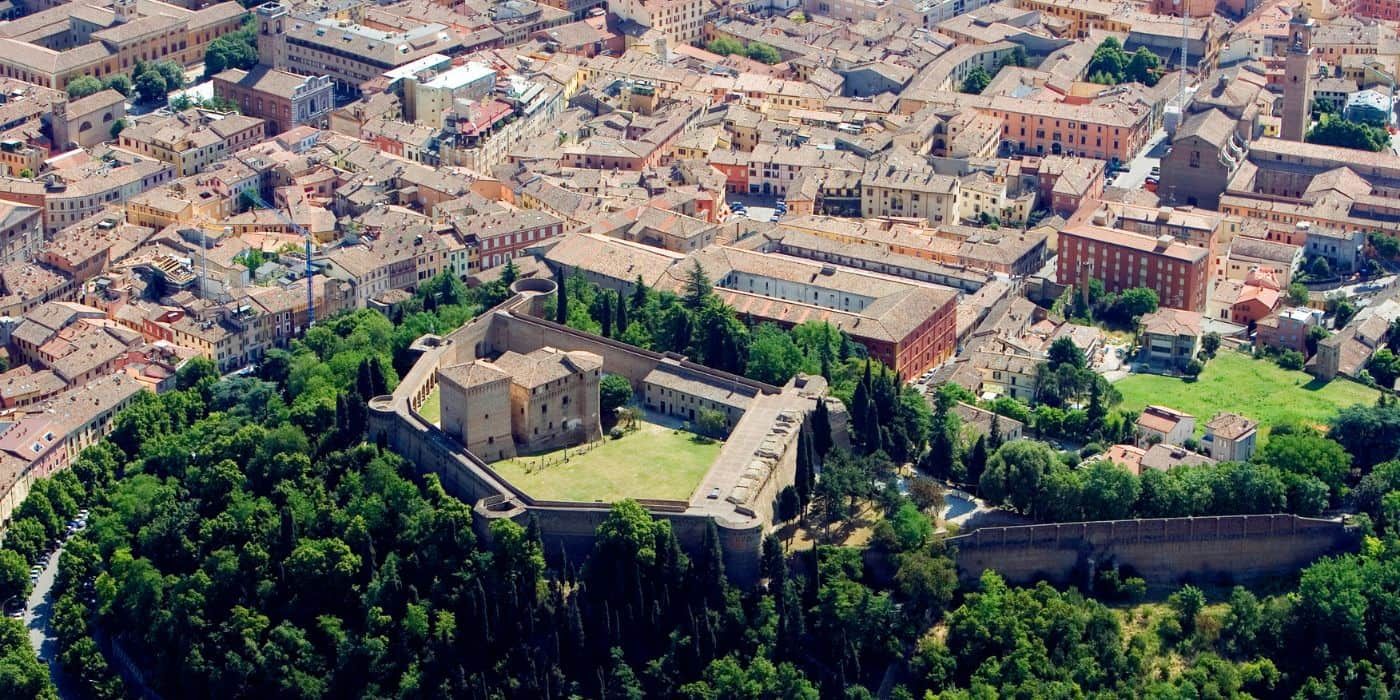
Walking through its historic center means moving across centuries of history among aristocratic palaces, theatres, fortresses and sunlit piazzas: from the Fontana Masini to the Teatro Alessandro Bonci, all the way to the Rocca Malatestiana, symbol of the legacy left by Malatesta Novello, the lord who helped transform Cesena into one of the most advanced cultural centers of the Italian Renaissance.
Yet the true cultural heart of the city remains the Biblioteca Malatestiana, included in UNESCO’s “Memory of the World” register, the only one of its kind in Emilia-Romagna and among just thirteen such sites in Italy.
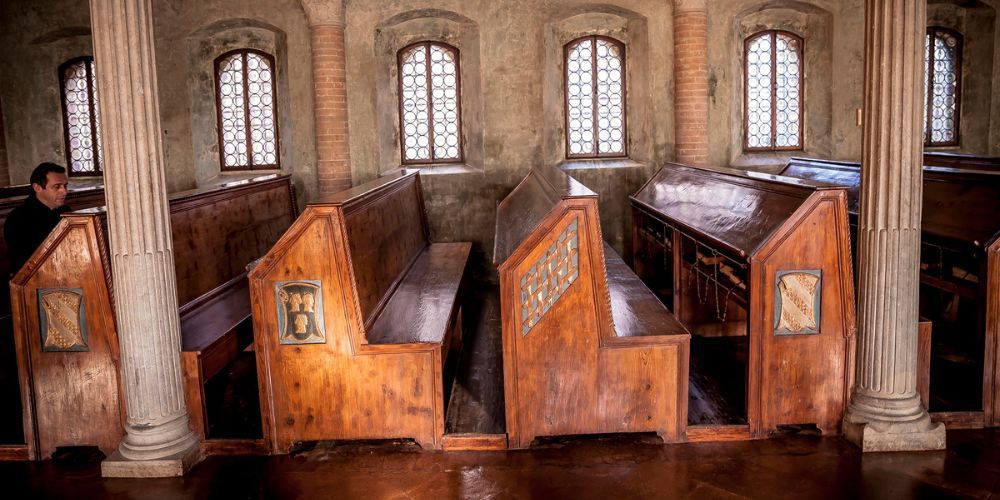
Step inside the historic Aula del Nuti and you enter a space that has remained virtually untouched since the 15th century: original reading desks, illuminated manuscripts, the light filtering through the windows and the silence of the ancient hall create an immersive atmosphere that goes far beyond a traditional museum visit.
The Malatestiana is not only an architectural and humanistic masterpiece, but also one of Italy’s earliest civic and public libraries, founded at a time when knowledge was still largely reserved for courts, monasteries and religious institutions.
Sarsina, Roman archaeology and ancient spiritual routes
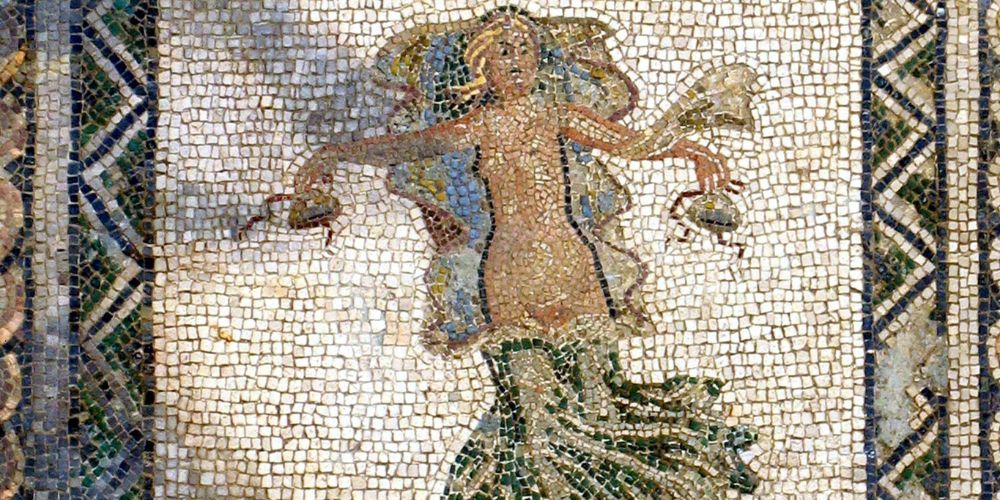
A small Apennine town far from Italy’s main tourist routes, Sarsina still preserves a deep connection with its Roman and spiritual past. It was here that Titus Maccius Plautus was born, widely regarded as the father of Latin comedy and one of the foundational figures of Western literature, whose presence still seems to linger through the piazzas, narrow streets and ancient arena of the town.
Throughout the historic center, visitors encounter some of Northern Italy’s most significant archaeological remains, scattered between urban spaces and the Museo Archeologico Nazionale di Sarsina. Statues, mosaics, inscriptions and traces of ancient Rome reveal the important role Sarsina played over the centuries, while recent archaeological discoveries have once again drawn international attention to the historical importance of the area.
In recent years, during investigations connected to a public construction project, archaeologists uncovered an extraordinary discovery: an ancient Roman Capitolium dating back to the 1st century BC, confirming Sarsina’s strategic and religious significance during both the Republican and Imperial periods. As excavations continued, monumental structures and refined red Verona marble decorations emerged, the same material used in contemporary interventions within the Roman Forum.
The discovery, also presented during the Mediterranean Exchange of Archaeological Tourism in Naples, has been described by scholars as one of the most significant recent findings related to Roman Italy, offering further evidence of the central role this territory already held more than two thousand years ago.
Alongside archaeology, spirituality remains deeply woven into the identity of the town. The Basilica di San Vicinio, with its essential Romanesque architecture in red brick, houses the relics of the patron saint and the famous miraculous chain that still attracts pilgrims from across Italy along the Cammino di San Vicinio.
Beyond the town center, the landscape unfolds through forests, gorges and geological formations such as the Parco delle Marmitte dei Giganti, where erosions carved by ancient glaciers add yet another narrative layer to a land that seems to breathe memory from every stone.
Verghereto and the wild soul of the Valle del Savio
In the uppermost part of the Valle del Savio, among forests, ridgelines and mountains that seem to dissolve into the sky, the medieval village of Verghereto rises on a rocky spur where traces of its ancient walls can still be seen. All around lies one of the most evocative landscapes of the Tuscan-Romagnol Apennines, where two of Italy’s most symbolically important rivers, the Savio and the Tiber, both originate from Monte Fumaiolo.
The changing seasons, chestnut woods, trails immersed in unspoiled nature and small stone villages create a landscape still far removed from mass tourism, perfectly suited to a new generation of international travelers seeking slower and more meaningful outdoor experiences.
Montiano and the rediscovered value of rural Italy
Overlooking the hills that gently descend toward the Adriatic coast, Montiano exists somewhere between rural history and landscape, preserving a dimension that has become increasingly rare in contemporary Italy: that of a place that has never lost its everyday relationship with the land, slow rhythms and surrounding nature.
The historic center unfolds around the Rocca Malatestiana, while narrow streets, arches and centuries-old buildings tell a story shaped by small balances between power, agriculture and community life. Passing through the Arco degli Spada, visitors reach places such as Palazzo Pasolini and the Church of San Francesco, within an urban landscape that still retains a deeply Romagnol character.
Yet it is beyond the village itself that Montiano reveals its contemporary identity most clearly. Panoramic trails, poetic walking routes, farms and small agriturismi create an experience that blends nature, gastronomy and slowness, responding to the growing international interest in lesser-known territories that still feel genuinely lived-in.
Mercato Saraceno, where wine becomes a story of the land
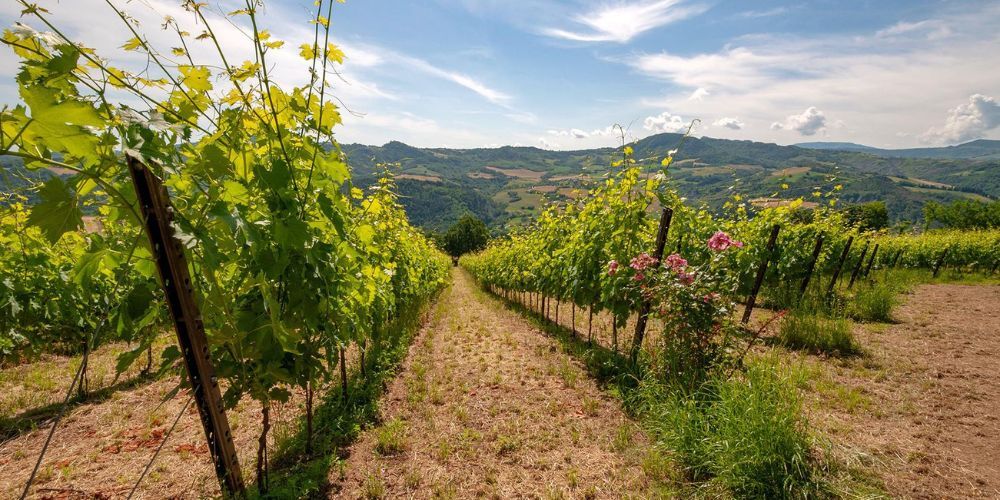
Among fertile hills, natural canyons and ancient routes leading toward Tuscany, Mercato Saraceno transforms the agricultural soul of the Valle del Savio into a true cultural identity.
Here, wine is not simply a product but an active expression of the landscape itself. Indigenous grape varieties such as Sangiovese, Albana and Famoso tell the story of an agricultural tradition that, in recent years, has been rediscovered and reinterpreted as part of the territory’s wider travel experience, a vision that earned Mercato Saraceno the official recognition of “Città del Vino” (City of Wine).
The connection with medieval history runs deep (the town takes its name from Saraceno degli Onesti, a feudal lord during Dante’s era) yet what stands out today is the seamless coexistence of nature, spirituality and wine culture.
The Savio River shapes the landscape through gorges, waterfalls and dramatic views, while more than 100 kilometers of nature trails wind through hills, historic bridges, silent parish churches and ancient sandstone wine cellars. Places such as the Pieve di San Damiano and the Pieve di Montesorbo add a contemplative dimension to a territory that naturally invites travelers to slow down.
Bagno di Romagna and the return to slow living
Surrounded by the mountains that form the natural border between Romagna and Tuscany, Bagno di Romagna perfectly embodies one of the clearest trends shaping contemporary travel: the search for places where wellness, nature and authenticity continue to coexist without artifice.
Immersed in the Parco Nazionale delle Foreste Casentinesi and close to the UNESCO-listed Riserva Naturale Integrale di Sasso Fratino, the village boasts a suspended atmosphere that naturally slows the rhythm of travel.
The relationship with thermal waters dates back to Roman times, yet the idea of wellbeing here extends far beyond spas and historic thermal establishments. It can be found in walks through the forests, in the silence of mountain trails, in local gastronomy and in the understated quality of hospitality that defines the area.
All around, Apennine lakes, woodlands, abandoned villages and paths immersed in silence create one of Central Italy’s most evocative landscapes.
At the same time, the presence of Michelin-starred restaurants and a deeply rooted gastronomic culture shows how Italy’s inland regions are quietly redefining the meaning of contemporary luxury: not excess or spectacle, but time, stillness, quality and a genuine connection with place.
Percorsi del Savio, where the valley becomes an experience
What makes the Valle del Savio stand out within today’s cultural travel landscape is the way the territory is interpreted and experienced. Rather than offering a simple sequence of places to visit, Percorsi del Savio organizes the valley as a network of interconnected experiences, allowing travelers to explore it according to different rhythms, interests and sensibilities.
Culture intertwines with nature, wellness with spirituality, gastronomy with rural landscapes, a modular approach to travel that reflects emerging international trends: no longer rigid itineraries, but personalized journeys through layered and multifaceted territories.
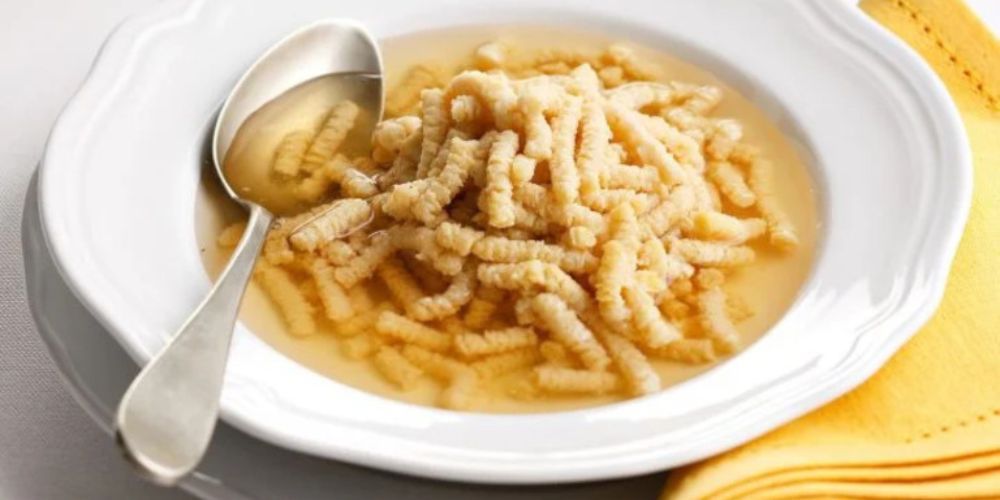
The Art & Culture Route connects Renaissance libraries, archaeological museums, artisan workshops and traces left through the centuries by figures such as Plautus, Donatello and Saint Vicinio. Meanwhile, the Flavours Route winds through historic wineries, forests rich in truffles and chestnuts, small dairies and traditional kitchens where artisanal knowledge is protected.
Alongside them, the Wellness Route and the Spiritual Route reveal a more contemplative side of the valley, among thermal waters, sacred paths, silent forests and places where travel becomes an experience of personal regeneration.
Nature remains one of the defining elements of the territory’s identity. The Nature Route crosses forests, lakes, mountains and trails within the Parco Nazionale delle Foreste Casentinesi, while the Bike Route and Family Route open the valley to more dynamic and shared forms of exploration.
Valle del Savio and the future of cultural travel in Italy
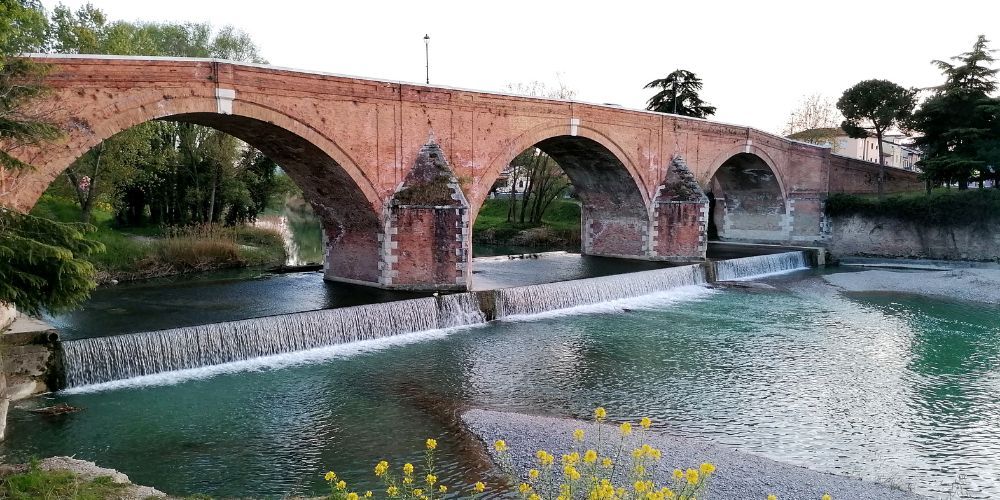
For decades, the international narrative surrounding Italy focused mainly on its most iconic and celebrated destinations.
Today, however, something is shifting. More and more travelers are looking for territories capable of offering not only monuments or spectacular scenery, but deeper connections with local culture, daily rhythms and regional identities.
The Valle del Savio represents one of the clearest examples of this quiet transformation: a widespread cultural system where archaeology, thermal wellness, Apennine landscapes, spirituality, gastronomy and historical memory still coexist in an authentic way.
This is the direction much of contemporary tourism is moving toward, an Italy less centered around symbolic landmarks and increasingly understood as a mosaic of distinct cultural regions, each shaped by its own human, linguistic and sensory landscape.
So while many European destinations struggle with the effects of tourism saturation, territories such as the Valle del Savio are quietly emerging as places capable of redefining the very meaning of travel itself: not the rapid consumption of destinations, but a slower, layered and deeply immersive experience.
About the author
Written on 01/06/2026
Flavia Cantini
Freelance Content Writer with over a decade of specialized experience in tourism, culture, and creative/artistic activities. I assist magazines, web agencies, and end clients in managing blogs and crafting standout articles

Flavia Cantini
Among villages, UNESCO sites, thermal waters and ancient paths, the Savio Valley is emerging as one of Italy’s most surprising cultural destinations.