

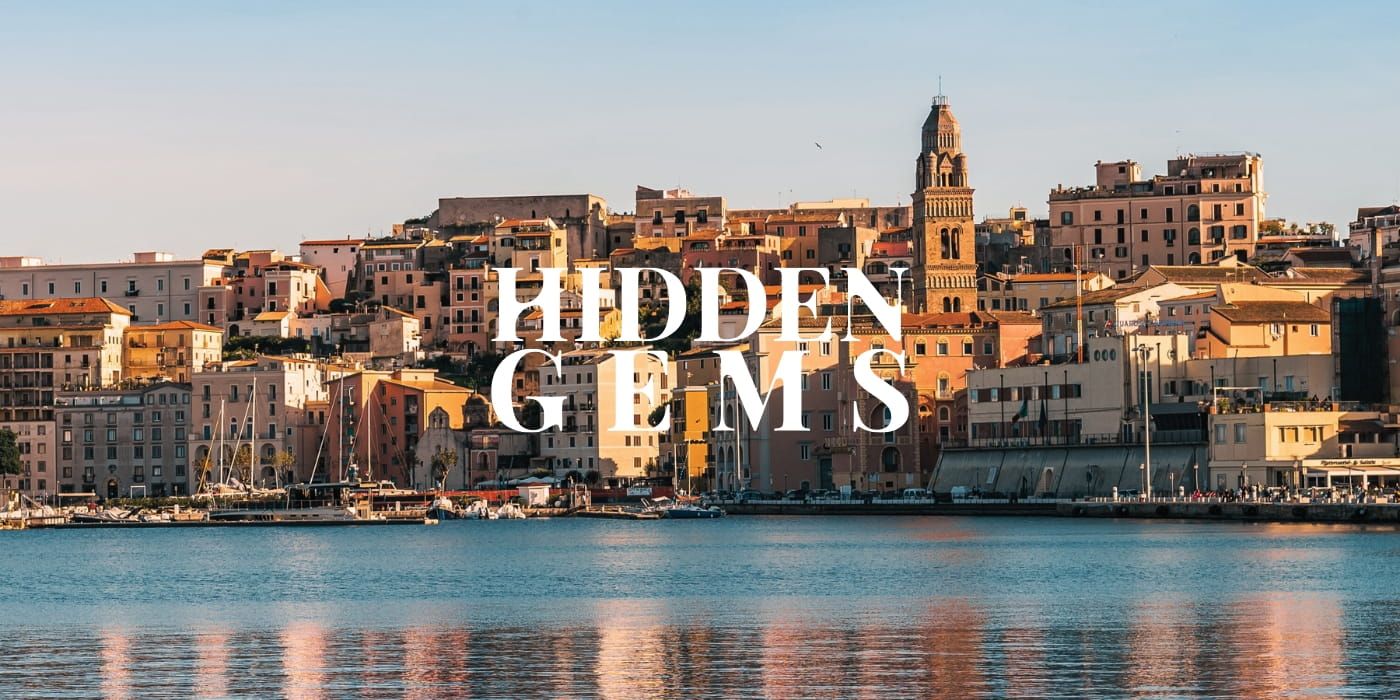

Looking for secret towns in Italy? There’s a hidden gem nestled between Rome and Naples that curious travellers ought to discover without delay. With its millennia-old history, stunning beaches, and some of the most delectable seafood in Lazio, Gaeta, Italy, is poised to steal the spotlight in 2026.
Our Gaeta travel guide reveals what to see, when to visit, and why this coastal town is set to become Italy’s must-visit destination this year.

Why you Should Visit Gaeta Italy in 2026
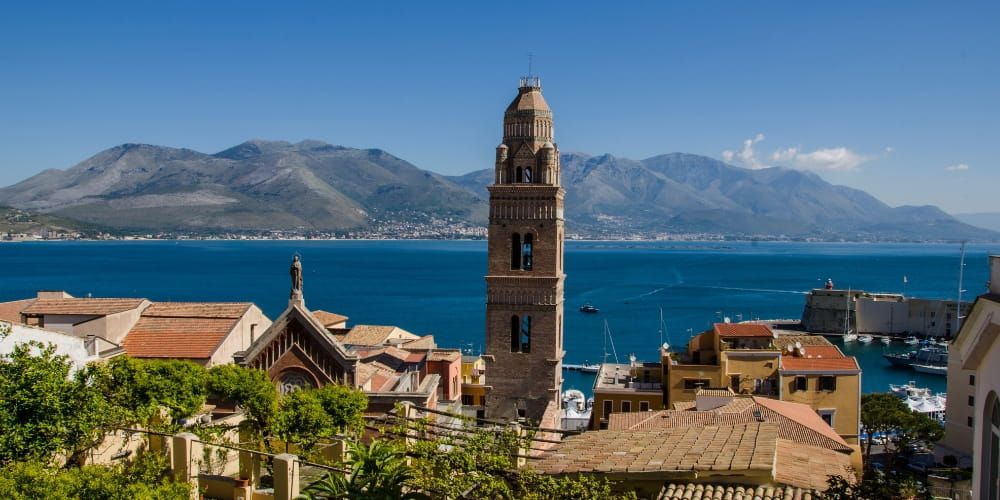
Gaeta is one of the most captivating destinations along central Italy’s coast.
The perfect time to explore is now: the spring atmosphere is peaceful, ideal for enjoying la vita lenta.
There is enough to see for a relaxing getaway: medieval streets, panoramic churches, rustic chapels, colourful murals, and small, interesting museums.
Once an ancient port and a favourite retreat for Roman emperors, this seaside town near Latina is today a vivacious destination packed with cultural attractions, charming shops, grand hotels, and budget-friendly B&Bs.
Those craving adventure will find a scenic escape into nature in the lush trails of the Parco Regionale Riviera di Ulisse.
With a solid seafood scene, breathtaking sunsets over the gulf, and even street art detours, Gaeta is among the hidden gems in Italy to visit in 2026—before it becomes overrun.
What to See in Gaeta, a hidden gem in Italy
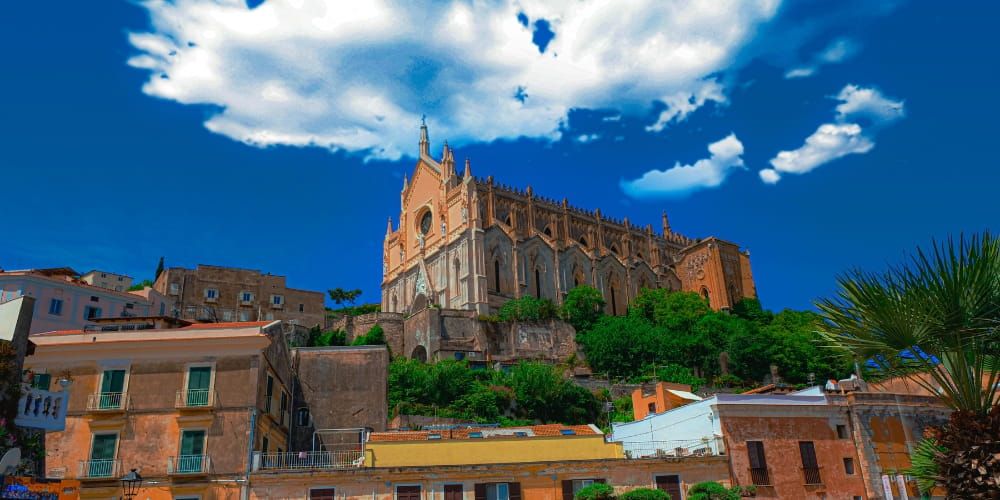
The heart of Gaeta beats in a medieval historic centre that unfolds around the majestic Castello Angioino-Aragonese, atop a rocky spur of Mount Orlando.
The main places of worship are all within a short walk: the Church of San Francesco, overlooking Gaeta from above; the Cathedral of Sant’Erasmo; the Church of San Giovanni a Mare; and the Cappella d’Oro at the Sanctuary of SS. Annunziata, a Renaissance masterpiece in the Lazio region.
You’ll also notice the colourful murals of the Memorie Urbane project, which pop up unexpectedly between old buildings and the sea.
Stroll along Fontania Beach and you might even spot the remains of a 1st-century BC Roman villa—a sign that, in Gaeta, history, modern life, and nature all come together.
Must-visit sights in Gaeta:
- Angevin-Aragonese castle
- Sanctuary Montagna Spaccata
- Temple of San Francesco
- Cathedral of Saints Erasmo and Marciano and Santa Maria Assunta
- Cappella d’Oro (Golden Chapel)
- Bastione La Favorita
- Polveriere “Carolina”, “Real Ferdinando” and “Trabacco”
- Funerary monument to magistrate and general Lucio Sempronio Atratino
- Mausoleum of Consul Lucio Munazio Planco
- Maritime Tomb (Sepolcro Marittimo).
Gaeta Medieval Historic Centre
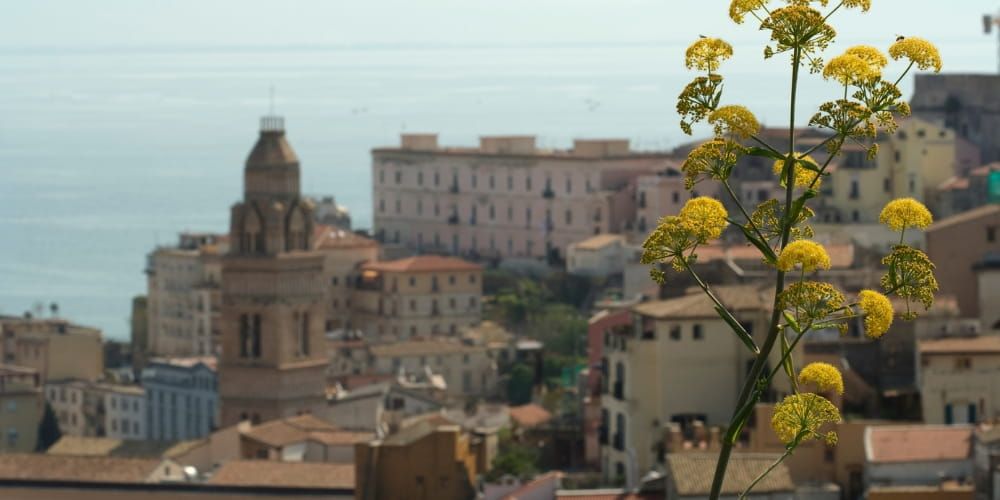
Gaeta Vecchia stands out among the hidden gems in Italy as a quaint district of narrow streets, winding staircases, arches, flower-filled balconies, and laundry fluttering from windows.
It feels like time just stopped here. This is where you’ll find some of Gaeta’s main landmarks too, like the Church of Santa Caterina d’Alessandria and the Crypt of Sant’Erasmo, a small Baroque gem packed with frescoes and colourful marble.
And if you keep wandering through the old medieval quarter, you’ll run into La Favorita bastion, which is actually a pretty impressive piece of 16th-century military architecture.
The Angevin-Aragonese Castle
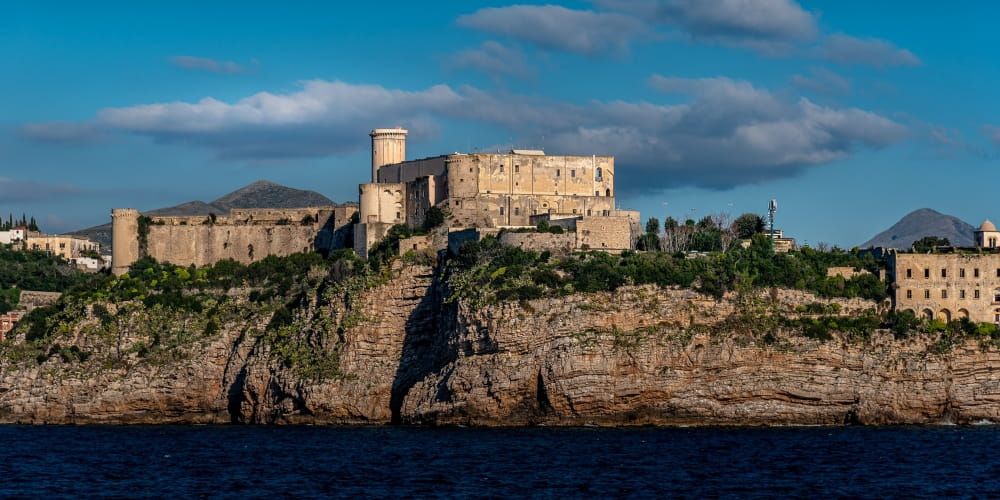
Gaeta’s castle is its most imposing landmark. The medieval building overlooks the gulf with an imposing presence.
From the walls, visitors can enjoy spectacular views stretching across the sea and the historic centre.
The castle is open daily from 10:00 to 14:00 and 15:00 to 17:00 and is an unmissable stop for anyone eager to explore Gaeta’s history and take in the town from above.
Museums to Visit in Gaeta
Gaeta’s museums offer an insight into the prosperous cultural heritage of this hidden gem on Italy's coast.
A good starting point is Museo del Centro Storico Culturale, which retraces Gaeta’s timeline through ancient artefacts and historical documents.
Sacred art and invaluable works, including Renaissance and Baroque paintings, adorn the Museo Diocesano at Palazzo De Vio.
For a glimpse into Gaeta’s centuries-old maritime tradition, the Museo del Mare displays ship models and historical nautical equipment.
Art lovers should not miss the Pinacoteca Comunale Antonio Sapone, a hub for contemporary art featuring works by local and international artists.
Opening hours:
- Museo del Centro Storico Culturale, Complesso Monumentale della Santissima Annunziata: Monday–Friday 9:30–12:00 / 15:00–19:00, Saturday 15:00–19:00
- Museo Diocesano, Palazzo de Vio: Tuesday & Thursday 9:00–12:00, Saturday 9:00–12:00 / 15:30–18:30
- Museo del Mare, Palazzo della Cultura: Saturday, Sunday & public holidays 17:30–20:30
- Pinacoteca Comunale, Palazzo San Giacomo: Friday–Sunday 11:00–13:00 / 16:00–20:00, Tuesday–Thursday 16:00–20:00
Discover another hidden gem in the Lazio regionGaeta's Best Beaches
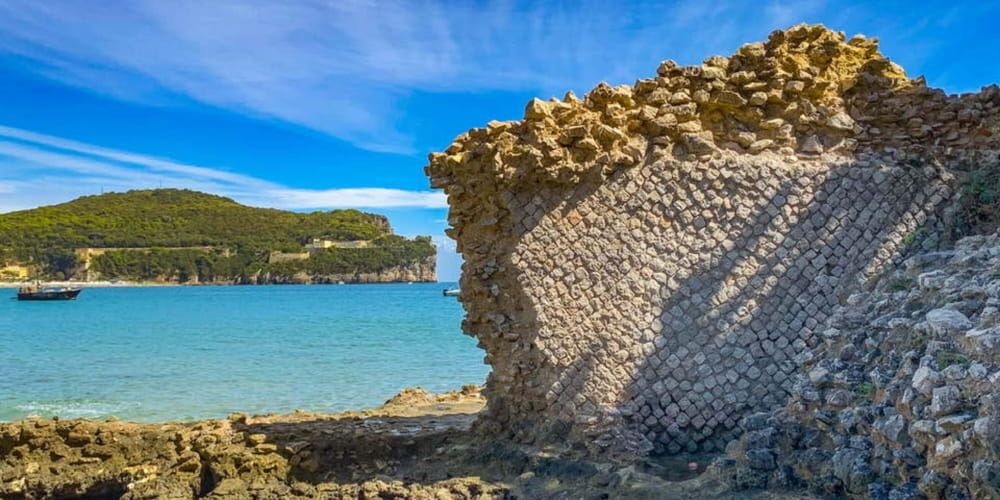
Among the best secret towns in Italy, Gaeta hides some of the most beautiful beaches between Rome and Naples. Several have been awarded the Blue Flag for their pristine waters.
The coastline has a lot to offer: stretches of splendid sand, wild coves, and opportunities for sea sports.
Sant’Agostino is the longest beach in Gaeta, and it’s a top pick for watersports because of the ideal wind conditions.
The sandy San Vito Bay is situated near the San Vito residential area, while Ariana Beach is a little further from the town centre.
Close to the wild Spiaggia dei Quaranta Remi lies the evocative “Devil’s Well”, a deep rock formation accessible only by sea from Serapo Beach. Serapo itself is the go-to spot for locals thanks to its easy access, well-equipped lidos, and all the services one might need.
Two other shores complete the list of Gaeta’s best beaches. Spiaggia dell’Arenauta, or 'dei 300 scalini' for its long staircase, sits tucked beneath high cliffs. Fontania Beach is surrounded by greenery and still holds the ruins of the Roman consul Gneo Fonteo’s villa.
The 7 beaches of Gaeta:
- San Vito Beach
- Spiaggia dei Quaranta Remi
- Fontania Beach
- Arenauta Beach (Blue Flag 2026)
- Sant’Agostino Beach (Blue Flag 2026)
- Ariana Beach (Blue Flag 2026)
- Serapo Beach (Blue Flag 2026)
Slow Travel Experiences in Gaeta Italy
@scopri_gaeta Aggiungi questo posto alla tua lista dei desideri. Sospesa tra cielo e mare, la Montagna Spaccata è il simbolo della nostra città. Dall'alto sembra che la terra si sia aperta per mostrare quanto è azzurro il mare qui sotto. Quanti per questo spettacolo della natura? Santuario della SS. Trinità - Montagna Spaccata, Gaeta. #ScopriGaeta #TravelBucketList #italy #gaeta #summervibes ♬ suono originale - scoprigaeta
If you like long walks and fresh air, Gaeta has lots of ways to get close to nature. The Natural Park Riviera di Ulisse showcases the area's wild side.
On Monte Orlando, the most beautiful trail starts at the picture-perfect Sanctuary of the Santissima Trinità and leads through Montagna Spaccata to the Grotta del Turco.
Old powder magazines, small chapels with great views, and natural terraces above the sea are all situated nearby.
If you are looking for adventure, Monte Orlando’s cliffs and the Arenauta cave attract international climbers, too.
Divers can check out the Oasi Blu WWF and I Piloni in the marine protected area close to the castle.
Events in Gaeta, Italy, in 2026
Gaeta hosts a variety of events, from religious traditions to the food and wine scene and maritime culture.
- Favole di Luce (November–January) – light installations, performances, and events spread throughout the historic centre of Gaeta.
- Favole di Gusto (two weekends between March and April) – a gastronomic festival with stalls and tastings in the heart of Medieval Gaeta, along Via Indipendenza and the Caboto seafront.
- Ti mando a Gaeta! (13–14 June 2026) – a national Vespa gathering, part of the Vespa Club d’Italia Tourist Championship.
- Grandi Vele (1–5 July 2026) – an event dedicated to classic sailing vessels, taking place between Gaeta and Ventotene.
- Festa della Madonna di Porto Salvo (second Sunday of August) – a traditional sea procession with decorated boats escorting the statue of the Virgin, protector of fishermen.
You may also like - The best events in Italy in 2026
What to Eat in Gaeta
@pastagrannies Mafalda makes a stuffed "pizza" from Gaeta called Tiella #pizza #easyrecipe #italianfood ♬ original sound - pastagrannies
Gaeta’s food centres on what is fresh and local. Trattorias, bistros and restaurants serve whatever the fishermen brought in that morning.
One dish you will see everywhere is tiella, a savoury pie filled with land or sea ingredients: octopus, salt cod, spinach, escarole, or onions.
Votapiatto di calamarelle is another local speciality. It’s a type of omelette made with tiny squid, le calamarelle, caught right off the coast.
Gaeta is also famous for its bold olives (Olive di Gaeta) and the Spagnoletta tomato, known for its distinctive sweet-and-sour taste.
You may also like - Why Italian cuisine is part of the World Intangible Cultural Heritage.
When to Visit Gaeta
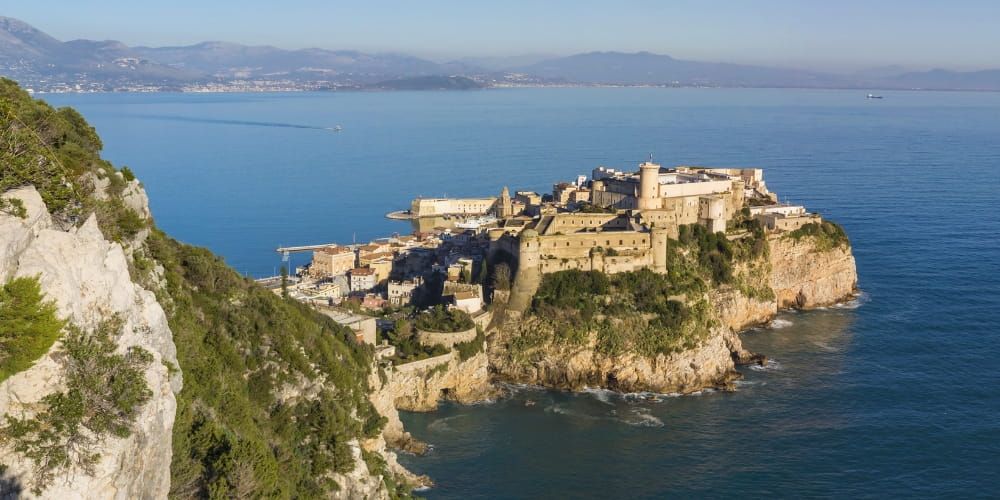
The best time to visit Gaeta is spring, especially between May and June. That’s when the weather is mild, the beaches are still peaceful, and the surrounding nature is in full bloom.
Spring really makes people understand why Gaeta is that kind of perfect hidden gem in Italy that travellers are eager to uncover.
Summer is the liveliest time of year, with a vivacious seaside atmosphere and a full calendar of events, though it can also be the busiest, particularly at weekends, when the smaller beaches fill up quickly.
Most hotels and beach clubs remain open until October, so early autumn can be a good moment to book a getaway.
Winter and early spring also have their own charm. The climate is often mild enough for seaside walks, sightseeing in the old town or visiting nearby gems like Sperlonga. Events like Favole di Luce (fairy tales of light) make this secret town in Italy an interesting destination even in the off-season.
How to Get to Gaeta
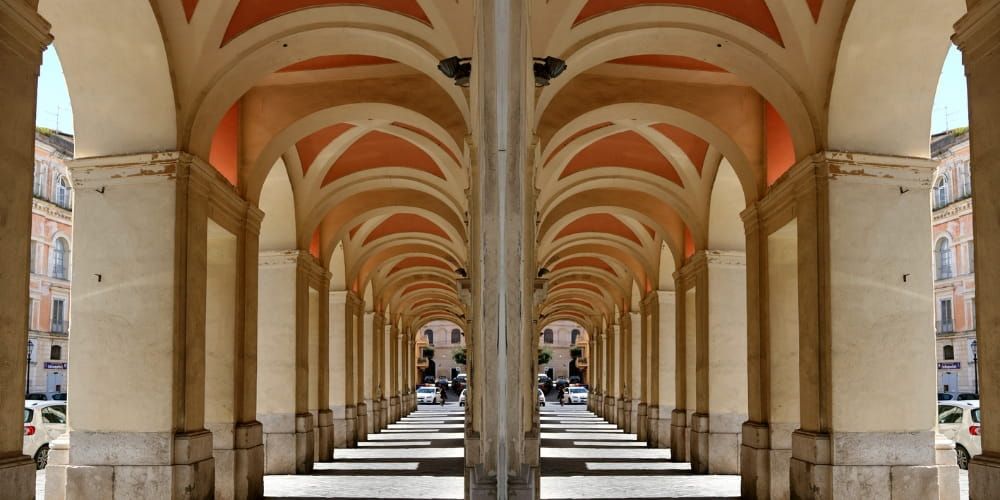
By car: from the A1 motorway, take the Cassino exit and follow signs for the coast. If you’re starting in Rome, the Pontina road is another option. Coming from Naples, you can also use the Domiziana road heading north.
By train: the closest train stop is Formia–Gaeta on the Rome–Naples line. From there, it’s about 8 km to Gaeta’s centre, which takes around 20 minutes by bus, taxi, or rental car.
Exploring Gaeta and its beaches is easiest by scooter. The town also has a municipal shuttle that runs more often in summer and is a handy, green way to get around.
Gaeta Italy - FAQs
Is Gaeta, Italy worth visiting?
Yes, Gaeta, Italy, is definitely worth visiting, especially for travellers looking for a quieter coastal destination between Rome and Naples. Gaeta also boasts a genuine atmosphere, free of the crowds of more famous seaside resorts.
What is Gaeta Italy known for?
Gaeta, Italy, is known for its beautiful beaches, historic old town, and centuries-old maritime traditions. The town is famous for landmarks such as the Sanctuary of the Montagna Spaccata, the Angioino-Aragonese Castle, and the Cathedral of Sant’Erasmo. Gaeta is also well known for its local cuisine, especially the traditional tiella and the renowned Gaeta olives.
Is Gaeta a good place to live?
Gaeta is a great place to live, especially if you like a relaxed coastal lifestyle. It has plenty of shops, restaurants, and bars. Situated between Rome and Naples, it offers a mild climate, beautiful beaches, historic buildings, and a close-knit community.
About the author
Written on 30/03/2026
Lorena Calise
I'm a content writer for magazines and websites. I also explore Italy through my writing for Visit Italy and Visit Naples.

Lorena Calise
From medieval alleys to turquoise beaches, our Gaeta travel guide reveals why this seaside town is one of Italy’s best hidden gems to visit in 2026.