

Follow a flavour and a landscape comes into view. Meadows between the Po Valley and the Apennines lead us to the crumbly texture of a shard of Parmigiano Reggiano. Among the hills of Friuli, we discover the delicate sweetness of Prosciutto di San Daniele. In the village of Colonnata, surrounded by marble quarries, we encounter its famous lardo, which melts in the mouth. On the dark slopes of Mount Etna, vivid green pistachio groves hint at the unmistakable flavour of Bronte pistachios. Further north, in Campania, the fresh scent of milk and a gently springy texture introduce us to mozzarella di bufala.
These celebrated Italian DOP and IGP foods have their roots in centuries of tradition and the places where they are made. Each area has its own microclimate, resources and knowledge passed down through generations. Following these specialities to their source reveals how landscape and culture are essential ingredients in their identity: origin is more than a label; it helps give each food the distinctive flavor we recognize.
These flavours hold an ingredient that cannot be imitated: their origin. To understand why, you have to go there.

From Taste to Landscape: Discover Italy Through Its Food
Origin isn’t just a label: It’s an ingredient. The next place you fall in love with could be hidden in a flavor you have known for years. Find its name on a map, and suddenly you want to be there: stepping into a small shop, meeting the person who makes it. Beyond that doorway, the journey continues along a country road, into a village worth lingering in, or around a table where the stories are worth travelling to hear.
In San Daniele del Friuli, we will visit ham producers before exploring the town and the countryside around the Tagliamento River. In the Parmigiano Reggiano production area, a morning at a dairy can open up a day of country roads, small towns and cities rich in art and history. In Colonnata, we will hear about life in the lardo workshops and marble quarries. In Campania, we will seek out dairies that welcome visitors, while in Bronte we will discover how pistachios are grown and how local pastry chefs put them to use.
These are five destinations you can explore separately, depending on the season, your time and your curiosity. Each could inspire a weekend away or become part of a holiday you are already planning. Once there, a car gives you the freedom to reach small producers beyond the better-known towns. Book your producer visits in advance and leave the rest of the day open: a tip shared during a tasting might lead you to a village, a trattoria or a road you had never thought of taking.
Ready to come along? On our journey, we will encounter:
- The lands of Parmigiano Reggiano
- The hills where Prosciutto di San Daniele is born
- The Colonnata lard quarries
- The buffalo mozzarella countryside
- The Bronte pistachio on the slopes of Mount Etna
Parmigiano Reggiano: A Story That Begins Before the Dairy
Between the Po Valley and the Apennines, the lands of Parmigiano Reggiano let you move from historic city squares to country lanes, from elegant porticoes to a working dairy, in just a few hours.
The production area covers the provinces of Parma, Reggio Emilia and Modena, together with the part of Bologna province on the left bank of the Reno and Mantua province on the right bank of the Po, spanning Emilia-Romagna and Lombardy.
To discover what ties these places together, leave the city’s arcades behind and follow a country road through the hay meadows to the dairy. The story of Parmigiano Reggiano begins with the grass and hay grown here. Most of the forage the cows eat comes from the production area and helps give the milk its distinctive character.
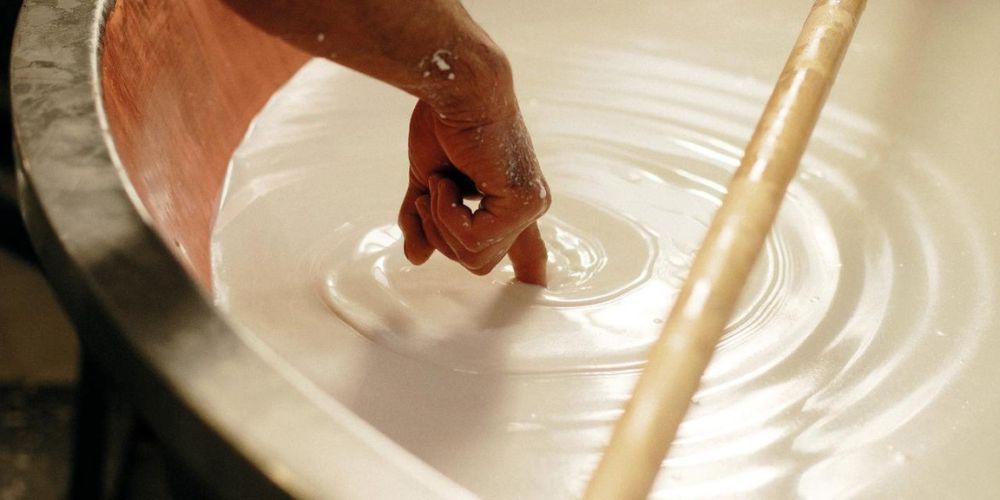
Book a Parmigiano Reggiano cheese tour that includes the morning’s cheesemaking. Beside the copper vats, watch the cheesemaker test the curd and gather it in a cloth. These precise movements depend as much on experience as on the tools of the trade. The cheesemaker works with raw milk, which retains microorganisms native to the local environment.
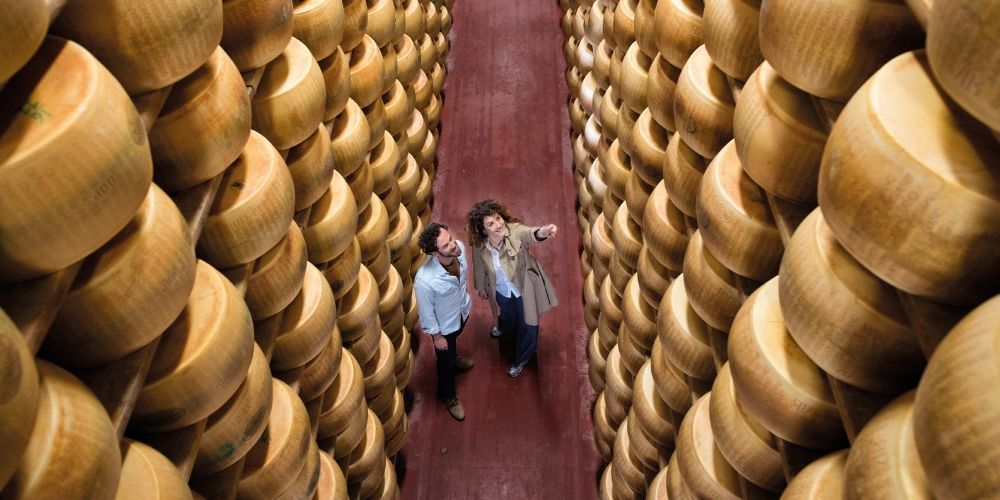
The tour continues through the ageing room, where wheels of cheese mature for at least twelve months, and ends with a tasting. As you savour a crumbly piece of Parmigiano Reggiano, think back to the meadows you passed on the way and the cheesemaker’s hands at work over the vat. Some dairies also offer an optional visit to the cowshed, usually after the dairy tour. It’s a chance to meet the people who care for the cows and ask how they choose the grass and hay that go into their feed.
A journey through the homeland of Italy’s most iconic cheese deserves time to unfold.
This continuity between land, milk and craftsmanship makes the place of origin an essential part of Parmigiano Reggiano.
Live Parmigiano ReggianoProsciutto di San Daniele: Where Alpine and Adriatic Air Meet
From the countryside of Emilia, we travel towards Friuli, where the connection between food and landscape is carried on the air.
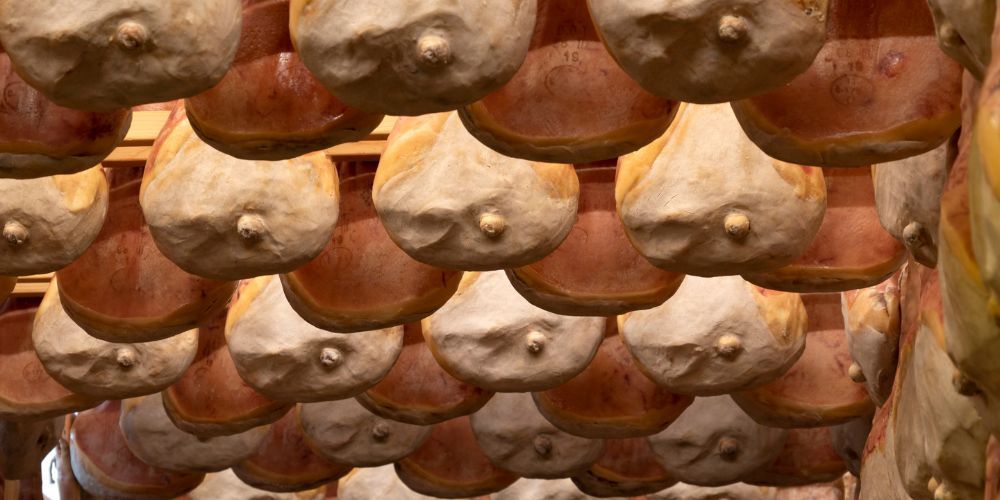
San Daniele del Friuli lies close to the Tagliamento River, between the Alps and the Adriatic Sea. Here, sea breezes meet cooler air descending from the mountains, while the river helps regulate temperature and humidity. This balance accompanies the slow curing of Prosciutto di San Daniele DOP, which is produced exclusively within the municipality.
Before your San Daniele ham tour, take a walk through the historic centre. Among its squares and old palaces, stop at the Church of Sant’Antonio Abate to admire the Renaissance frescoes, then climb Castle Hill: from here, the views open out across the plain towards the Alpine foothills. It is a first encounter with the landscape, before discovering how its air contributes to what happens inside the curing rooms.
A guided visit takes you into the working world of a ham producer, through the production areas and curing rooms, as your guide explains the craft behind each stage. Then comes the tasting: discover how different cuts and aging periods influence the flavor of San Daniele ham, served with breadsticks or rustic bread and a glass of local Friulian wine.
After visiting a producer that welcomes the public, continue towards the Tagliamento River. The ham and the landscape are two parts of the same story.
Lardo di Colonnata: Where Marble Shapes the Flavor
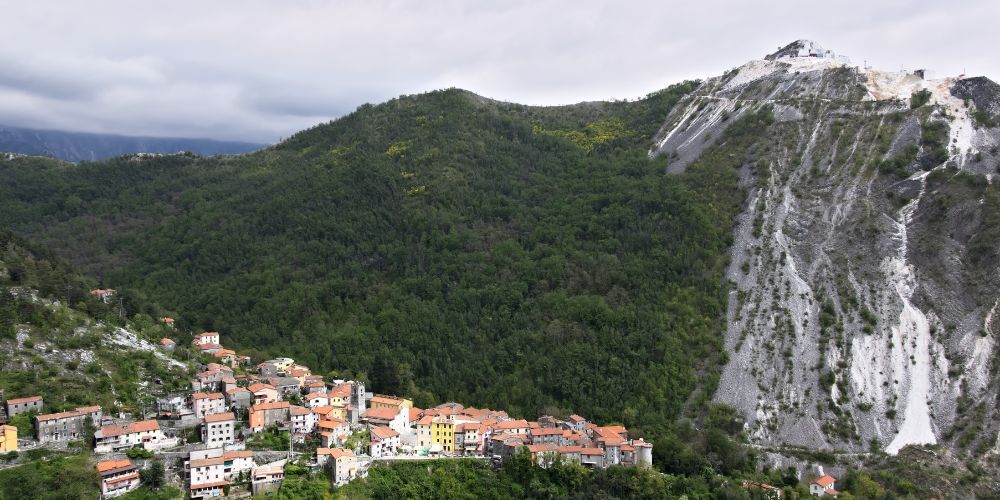
Heading south towards Tuscany, we encounter an even more tangible connection. Above Carrara, among the marble quarries of the Apuan Alps, the small village of Colonnata preserves a tradition in which the mountains also provide the vessels used to prepare its most famous food.
Marble basins dating back to the seventeenth century bear witness to this longstanding practice. Eaten with bread, lardo sustained quarry workers through long, demanding days extracting stone.
Lardo di Colonnata IGP is pork fat cured in conche: basins carved from local marble. Inside, it is layered with salt, garlic, rosemary, pepper and other permitted herbs and spices, then left to mature for at least six months. The properties of the marble and the natural humidity of the rooms play their part in the process, which takes place without artificial climate control. Through this craft, rooted in the village, marble connects the landscape, working life and the table.
Begin with a guided tour of the Carrara marble quarries. Take in the towering white walls and vast cuts in the mountainside as your guide explains how the stone is extracted. Then head to Colonnata, wander its narrow streets and stop at a larderia, a traditional lardo producer, to discover the craft of curing in marble. Finally, taste a thin slice on warm bread: with the quarries still fresh in your mind, its melting texture takes on a whole new meaning.
Mozzarella di Bufala Campana: From Buffalo Farms to the Cheesemaker’s Hands
Continuing south, the landscape opens onto the plains of the Volturno and Sele rivers, areas historically suited to buffalo farming. Around Caserta or Paestum, a dairy visit can sit alongside a trip to the Royal Palace of Caserta or the temples of Paestum: two different ways to discover the history of these lands.
Mozzarella di Bufala Campana DOP brings together fresh whole milk from buffalo raised within the designated area and a cheesemaking tradition rooted in local communities. Its production area extends beyond Campania, taking in parts of Lazio, Puglia and Molise.
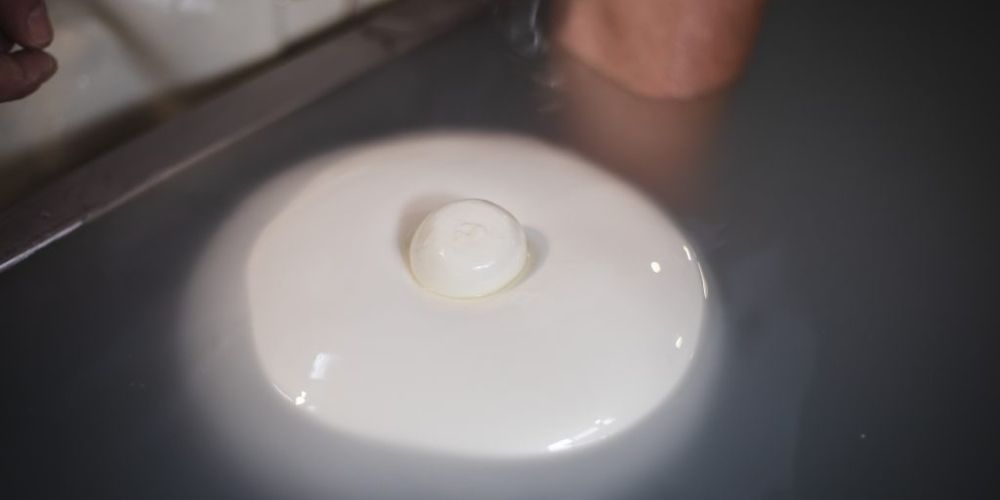
To appreciate the skill behind Italian buffalo mozzarella, watch the filatura, or stretching process. Worked with hot water, the curd becomes an elastic mass that the cheesemaker stretches and shapes. When made by hand, the individual portions are pinched off in a movement called mozzatura, the action from which mozzarella takes its name.
The connection to place is renewed every day through the care of the animals, an intimate knowledge of the milk and the cheesemaker’s ability to recognise the right moment to work it. Choose a producer offering mozzarella tours and tastings, watch the curd take shape, then try it for yourself: the gentle resistance of the first bite, the softness, the fresh scent of milk. Even without a tour, stop at a dairy for a taste. Trust us: enjoying buffalo mozzarella where it is made is an experience that is hard to recreate anywhere else.
Pistacchio Verde di Bronte: Growing Pistachios on the Slopes of Mount Etna
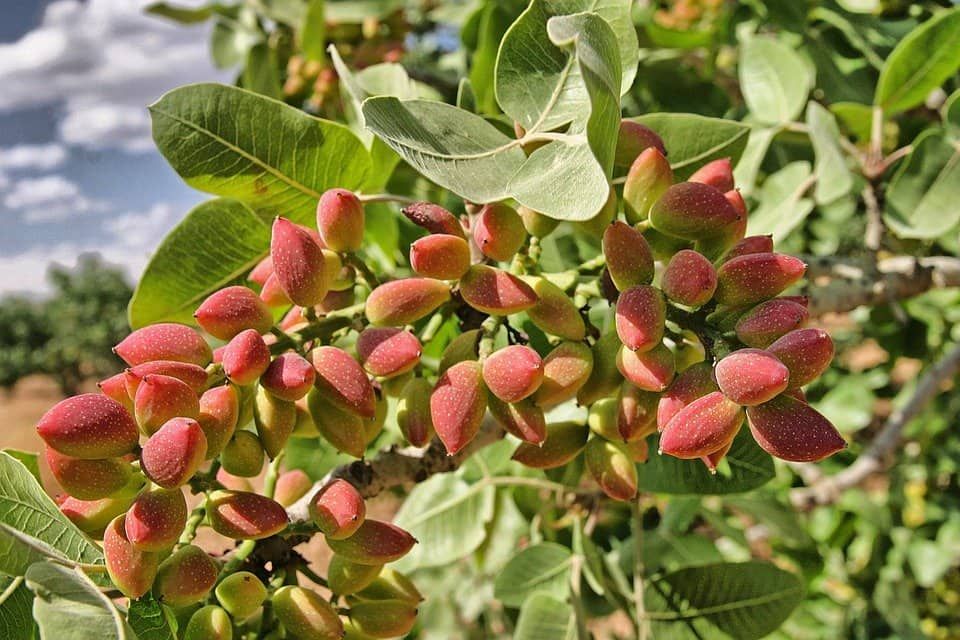
Our final stop takes us to Sicily, on the western slopes of Mount Etna. Around Bronte, the dark, uneven ground tells a very different story from the meadows of Emilia. Here, pistachio groves grow on volcanic soils, within an area that also includes parts of the municipalities of Adrano and Biancavilla.
Pistacchio Verde di Bronte DOP owes its identity to a particular combination of soil, climate, cultivated variety and farming practices. The pistachio trees are mainly grafted onto terebinth, a wild shrub or small tree able to thrive in this challenging terrain. Dry summers and temperature differences between day and night also contribute to the nuts’ characteristics, including their intense green color and aromatic flavor.
The work follows a distinctive rhythm, too. Traditionally, Bronte pistachios are harvested every other year. In the intervening year, growers remove the flower buds to allow the trees to rest. The uneven terrain also means that much of the work must be done by hand.
Arrange a visit with a producer to understand how much care goes into a handful of pistachios. Savor each one with that in mind, thinking of the time it took to develop its flavor. Then explore the town’s pastry shops and discover Bronte pistachios in traditional Sicilian sweets. Once you have seen where they grow, the name Bronte will mean far more than a word on the label.
About the author
Written on 11/11/2026
Chiarastella Campanelli
Dreamer, editor, beauty lover

Chiarastella Campanelli
In Italy, some foods belong to one particular place: their identity is deeply rooted in the land they come from