
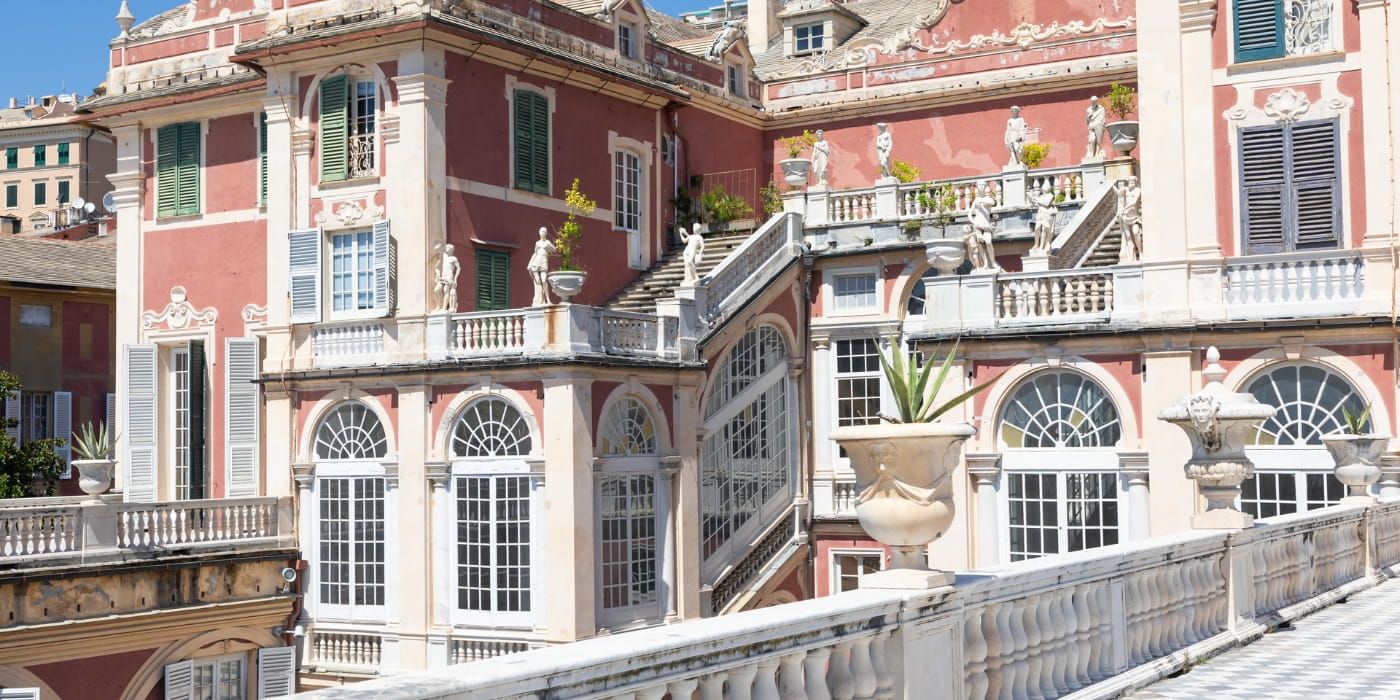

Cross the threshold of almost any grand doorway in Genoa, and you step into a story that has unfolded over five centuries. Behind the Renaissance and Baroque façades lining the Strade Nuove, soaring reception halls and richly decorated rooms once welcomed popes, kings, statesmen, artists, and distinguished visitors from across Europe.
This year, these storied buildings are back in the spotlight for a milestone celebration: two decades since the Strade Nuove and the Rolli Palaces were inscribed on the UNESCO World Heritage List. 2026 offers a rare opportunity to rediscover a heritage unlike any other, a visionary experiment that saw Genoa’s aristocratic families open their private residences to create an extraordinary network of hospitality.
20 Years of UNESCO: Genoa Celebrates the Rolli Palaces in 2026
2026 is more than just another year for Genoa, which is honouring the twentieth anniversary of the Strade Nuove and the Palazzi dei Rolli’s addition to the UNESCO World Heritage List. 42 historic palaces – guardians of stories about beauty, wealth and power – will be at the heart of the festivities.
To mark the anniversary, the city has adopted a resonant theme, "Sharing Is Protecting", a message that encourages visitors to see these palaces not as monuments to admire from afar, but as living places to experience. Opening their doors, sharing their stories, and making them accessible are all ways of ensuring that this remarkable heritage continues to thrive.
All year long, the Rolli system will take the spotlight with a rich calendar of special openings, exhibitions, guided tours, and cultural happenings. The goal: to invite a new generation to discover one of Europe’s most remarkable – yet often overlooked – architectural treasures.
The moment calls for a closer look at one of the most fascinating – and surprisingly little-known – chapters of European history.
More on Genoa's Rolli PalacesWhy the Rolli Palaces Earned UNESCO Recognition
The Strade Nuove and the Rolli Palaces were added to the UNESCO World Heritage List in 2006 not only for their artistic and architectural significance, but also for the innovative urban model they represent.
The system inspired the development of Mannerist and Baroque architecture across Europe while reflecting the political ambitions, economic strength, and civic organisation of the Republic of Genoa at the height of its influence.
The anniversary year has brought another distinction as well. In February, the site received the GIST ACTA – Archaeological & Cultural Tourism Award, which recognised it as the Best UNESCO Site for its contribution to cultural tourism. The honour underscores how the Rolli have helped reshape perceptions of Genoa, not simply as one of the Mediterranean's great port cities, but as one of Italy's foremost destinations for art, architecture, and cultural history.
When Genoa Reinvented Itself: The Birth of the Strade Nuove
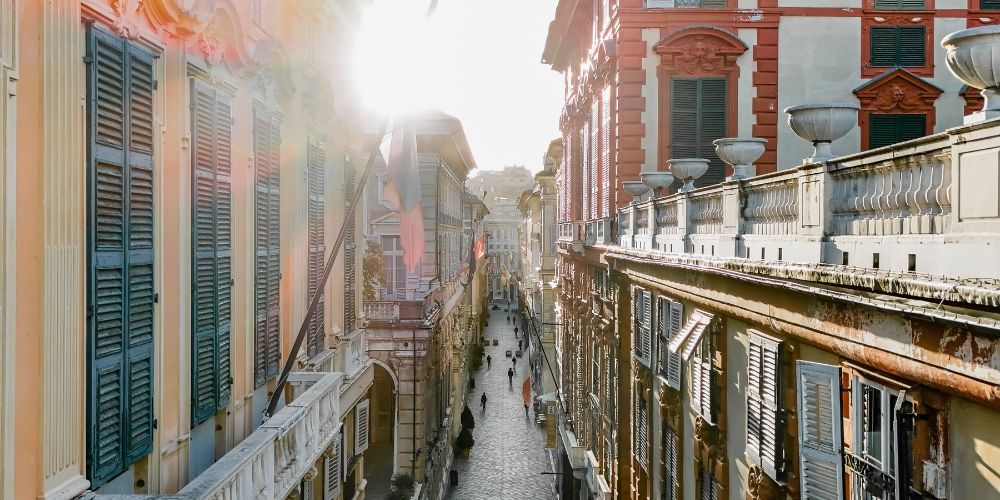
Picture by I.Murtas for Comune di Genova
In the 16th century, Genoa accomplished what seemed almost impossible. Hemmed in between the sea and the steep slopes of the Apennines, the city found room to expand and, at the same time, to reinvent itself.
The Republic launched an ambitious urban project that would reshape its historic centre. The name was Strada Nuova (now Via Garibaldi, once also known as Via Aurea), a street conceived to reflect the confidence and influence of a rising mercantile elite.
What emerged was far more than a collection of lavish residences, and resulted in a carefully planned residential district where public ambition and private investment converged.
In the 17th century, Strada Nuova was joined by Via Balbi, developed under the patronage of the Balbi family and still known by that name today; later came Strada Nuovissima (now Via Cairoli).
Along these newly laid streets, Genoa's leading families commissioned imposing palaces featuring grand façades, arcaded courtyards, sweeping staircases, airy loggias, and secret gardens. It was a urban landscape unlike any other in Italy.
The transformation established Genoa as one of Europe's leading laboratories of Renaissance urban planning, a model that would inspire architects and city builders well beyond the borders of the Republic.
What Are the Rolli Palaces? Genoa’s Revolutionary System of Aristocratic Hospitality
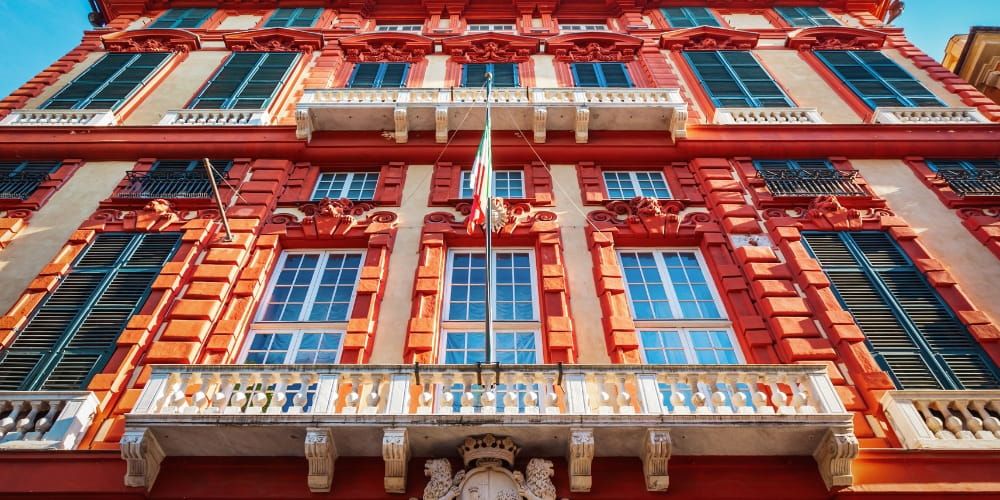
In 1576, the Republic of Genoa pioneered a bold experiment: creating an official register of its most prestigious noble residences known as “Rolli degli alloggiamenti pubblici”.
These meticulously kept lists determined which palaces would be deemed worthy of hosting dignitaries from the great European courts. The more lavish and prestigious the residence, the more important the guest it was expected to accommodate.
What set this system apart was its originality: private homes were transformed into venues for public hospitality. Genoa’s aristocrats opened their most splendid salons to the world’s elite, projecting the city’s influence far beyond its harbour.
Long before the modern notion of a distributed luxury accommodation network, Genoa had already devised a sophisticated network for welcoming the world within its walls.
Related story - A week in Genoa: where to go and what to do
Inside the Palaces: The Hidden Allure of Genoa’s Rolli Residences
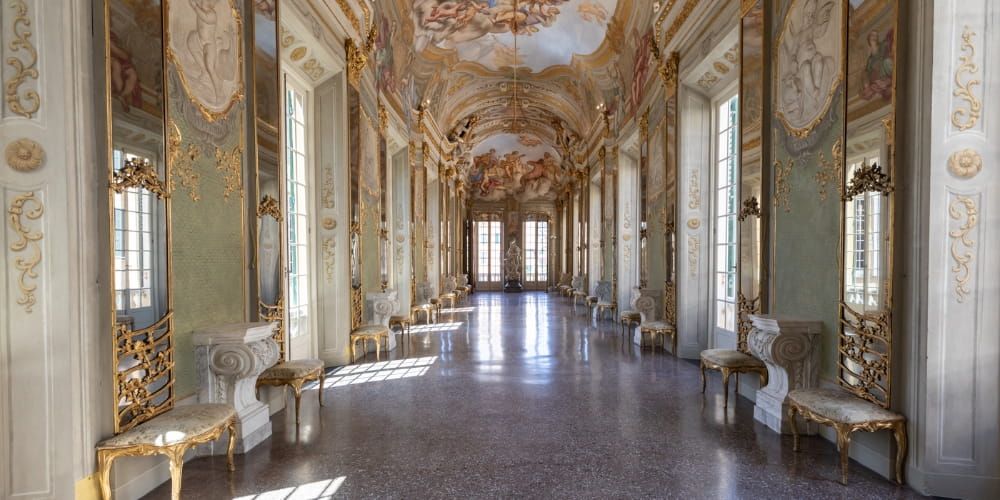
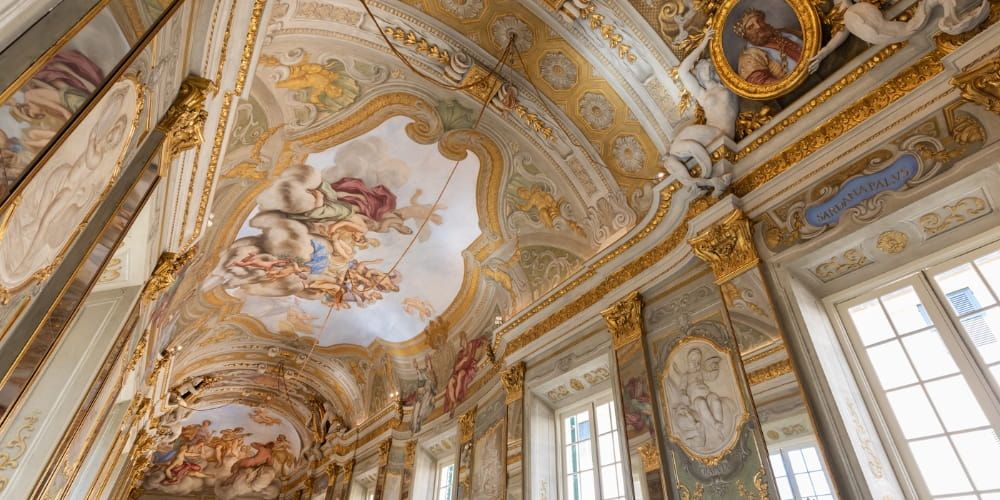
Marvels aren’t confined to museums or bustling piazzas, as they’re often waiting just behind a door. Step inside one of the Palazzi dei Rolli, and an entire world emerges: carefully orchestrated perspectives, theatrical spaces designed down to the smallest detail, and interiors that reveal the taste of an era when architecture was meant to astonish before it ever welcomed a guest.
Elaborate stucco decorations, marble portals, and painted trompe-l’oeil façades conceal monumental entrance halls, sweeping staircases, secluded courtyards, sumptuous frescoes and galleries filled with works of art. Created to astonish the elite of centuries past, these rooms still work their magic on every visitor today.
Some of these palaces are still private homes; others have become museums or public institutions, safeguarding treasures by Van Dyck, Caravaggio, and Rubens. It was Rubens, in fact, who was so enchanted by Genoa’s architecture that he published his famed 1622 volume, Palazzi di Genova, making these sights known across the continent.
For the UNESCO anniversary, even more doors will swing open, including many that are usually closed to the public.
The Most Beautiful Palaces to Visit in Genoa
Genoa’s most breathtaking palaces line the Strade Nuove, the network of magnificent avenues built in the 16th and 17th centuries, although many other remarkable residences are scattered throughout the heart of the historic centre.
Strolling down Via Garibaldi, Via Cairoli, and Via Balbi today is like ascending a vertical cityscape: soaring, colourful facades and ornate decorations give way to some of the most spectacular Rolli Palaces, honoured by UNESCO.
Some palaces open their doors all year round; others can be visited only on special occasions like the Rolli Days, when even the most elusive residences become portals into Genoa’s layered history.
First-time visitors should begin at the Musei di Strada Nuova, a museum pathway uniting Palazzo Rosso, Palazzo Bianco, and Palazzo Tursi. Visitors can explore the Brignole-Sale family's collections, masterpieces by artists including Rubens, Van Dyck, Caravaggio, Tintoretto, and Vasari, as well as precious instruments once owned by the legendary violinist Niccolò Paganini.
Just steps away is Palazzo Nicolosio Lomellino, famed for its sumptuous stuccoed facade, a mesmerising 18th-century nymphaeum and a lovely terraced garden, one of Genoa’s most enchanting hidden gems.
Along Via Balbi, Palazzo Reale is another essential stop: historic apartments, a dazzling Gallery of Mirrors, and paintings by Van Dyck, Tintoretto, Guercino, and more await inside.
Another highlight: Palazzo Spinola, in the heart of the historic centre, where paintings ranging from Antonello da Messina to Rubens, along with furnishings, porcelain and bronze statuettes, reveal centuries of aristocratic collecting.
And still, Genoa holds more treasures, from Palazzo Tobia Pallavicino to Palazzo Vincenzo Imperiale, plus private homes that capture the timeless spirit of the Rolli. To explore further, visit the dedicated page on Visit Genoa.
Rolli Days 2026: When Genoa Opens the Doors to Its Most Exclusive Palaces
@ilsecoloxix In occasione dei Rolli Days di primavera, @electropark ha animato viale Garibaldi con uno spettacolare flash mob che ha incantato tutti i presenti: diversi musicisti si sono affacciati alle finestre per suonare un medley di alcuni brani, tra cui la colonna sonora del film “Interstellar” Leggi di più su @ilsecoloxix al link in bio cliccando sulla sezione Cultura
audio originale - Il Secolo XIX
Many of Genoa’s most flashy palaces stay out of sight for much of the year. But during Rolli Days, the city throws open the doors to these exclusive residences.
Held twice annually – in spring and fall – Rolli Days lets visitors explore the Rolli Palaces, unlocking rooms and courtyards that are typically off-limits.
On these acclaimed weekends, historic homes welcome guests into their salons, courtyards, and gardens, and Genoa’s centre is turned into a living, open-air museum.
The added value of the experience comes from the presence of scientific communicators, young cultural professionals who reveal the history, architecture, and secrets of these impressive buildings.
After the spring celebration, the next Rolli Days are set for October 16–18, 2026, with a program dedicated to the 20th anniversary of the UNESCO World Heritage Site. Advance reservations are required via the official Rolli Days website.
UNESCO Rolli 2026: Events Celebrating 20 Years of Genoa’s World Heritage Site
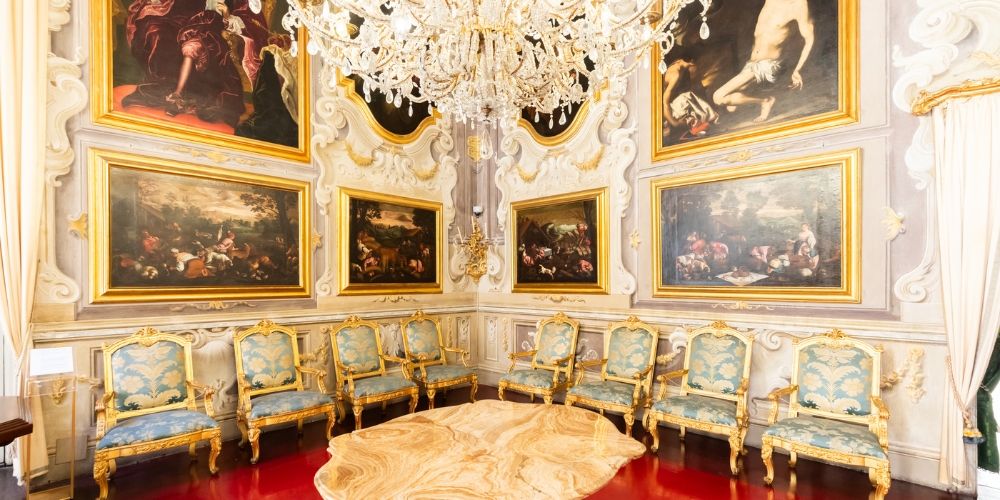
Genoa is set for a year of exhibitions, rare openings, talks, and fresh ways to experience the Rolli Palaces, all in celebration of the 20th anniversary of their UNESCO World Heritage listing.
The 2026 agenda invites visitors to step inside the landmarks of aristocratic Genoa while also uncovering lesser-known stories behind them.
The programme includes weekly guided tours, Rolli Kids – family-friendly visits and creative workshops for children and teenagers – the Hey!Genova hackathon, and special exhibitions at Palazzo Nicolosio Lomellino, Palazzo Rosso and Palazzo Bianco.
Among this year’s highlights so far: the documentary exhibition “L’accoglienza a Genova e il sistema dei Rolli” at the State Archives, which delved into the intricate system the Republic used to host its distinguished guests.
Upcoming events marking the 20th anniversary of Genoa’s UNESCO World Heritage Site:
– Guided tours of the Palazzi dei Rolli (Every Saturday at 3 p.m. Duration: approximately 2 hours 30 minutes)
– Rolli Days (October 16–18, 2026)
– Fuori (dai) Rolli, a series of events combining science communication and live performances in the squares of the historic centre (July–October 2026).
– Un ritrattista alla moda, an exhibition dedicated to Giovanni Bernardo Carbone at Palazzo Lomellino (October 10, 2026 – January 24, 2027)
– Black and White Museums: historic displays and exhibitions from 1892 through vintage photography, Palazzo Bianco and Palazzo Rosso (Autumn 2026)
– Genova Heritage Week, a week-long series of internationally recognised events featuring academic debate and public engagement to explore the Palazzi dei Rolli, their role in the city’s history, and the challenges of managing a UNESCO World Heritage site (23–27 November 2026).
Related story – The best events in Genoa in 2026
A Trip to Genoa in 2026: Why the UNESCO Anniversary Is the Perfect Time to Go
The Genoa that greets visitors in 2026 is an open and energetic city in full celebration of the Rolli Palaces. They represent a central chapter in one of Europe’s most remarkable stories: after becoming a financial capital, at the height of its power, a mercantile republic turned aristocratic homes into a machine for political and diplomatic pageantry.
Twenty years after the UNESCO recognition, Genoa is rethinking what its storied palazzi mean. Once exclusive symbols of power, they have become living spaces that visitors, scholars, and residents experience daily. This year’s initiatives grant art lovers and curious travellers new ways to discover their history and significance. For more ideas on what to see and do, explore our Genoa 2026 guide.
FAQs About Rolli Palaces and UNESCO anniversary
Why Are the Rolli Palaces a UNESCO World Heritage Site?
The Rolli Palaces earned UNESCO status in 2006 as an original model of urban planning and aristocratic architecture, developed between the 16th and 17th centuries. UNESCO recognised the Strade Nuove and the Rolli system as an innovative blend of public duty and private ambition that turned noble homes into official venues for state visits and illustrious travellers.
Which Rolli Palaces Can You Visit in Genoa?
Many Rolli Palaces are open year-round, while others are available only for special events like the Rolli Days. The most accessible are Palazzo Rosso, Palazzo Bianco, and Palazzo Doria Tursi – collectively known as the Musei di Strada Nuova – along with Palazzo Reale and the National Gallery at Palazzo Spinola. The UNESCO listing covers 42 palaces, chosen from over 100 historic residences in Genoa’s city centre.
When Are the Rolli Days 2026 in Genoa?
In 2026, Rolli Days come twice: the spring edition ran from March 27–29, while the autumn celebration is set for October 16–18. During these special weekends, many palaces that are normally closed to the public become accessible through guided visits led by expert cultural guides. Reservations and the latest program updates are available through the official portal.
About the author
Written on 04/08/2026
Lorena Calise
I'm a content writer for magazines and websites. I also explore Italy through my writing for Visit Italy and Visit Naples.

Lorena Calise
In Genoa for the 20th anniversary of the UNESCO Site, between exclusive events and hidden masterpieces. Here’s what you need to know.