

When you travel on a Southern Italy road trip, it’s the journey itself—taken without rushing—that makes every moment truly magical. From the intense light of the Amalfi Coast to the timeless stone of Matera, this itinerary takes you through breathtaking landscapes and hidden villages, each with something different to tell.
Stop along the way, go for a hike, enter a small town and try some delicious local specialties. That’s how your experience takes shape, stop after stop, taking you away from the most touristy routes and into the heart of authentic, special places such as the beautiful Castelsaraceno.
If you want to discover Southern Italy without reducing it to a series of rushed destinations, but instead truly entering the heart of a magnificent and surprising land, this is the right route to start from.
Stage 1. Why start your Southern Italy road trip from the Amalfi Coast
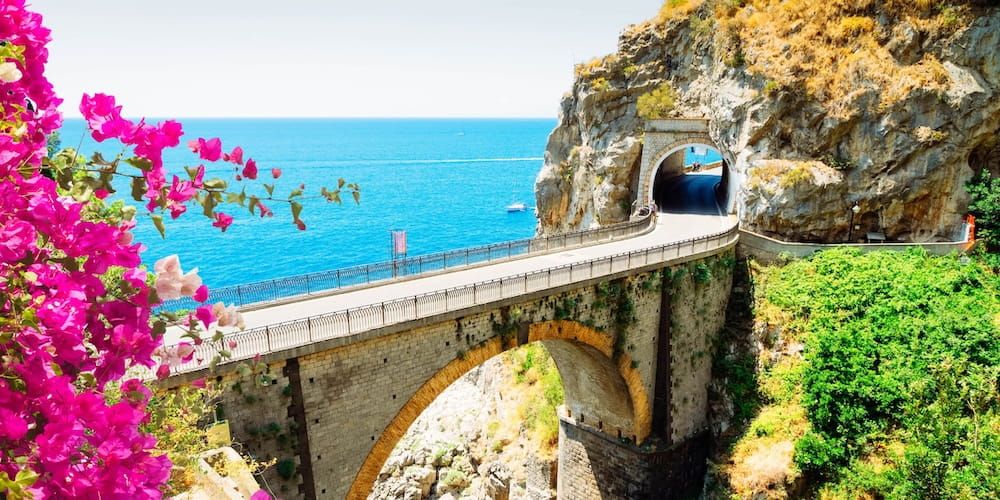
When you arrive in Campania by plane, especially if you’re coming from abroad, the Amalfi Coast is the most natural place to begin your Southern Italy road trip.
At Naples airport, you can easily rent a car and, without having to deal with city-center traffic, reach Sorrento in about an hour. From there, get ready to enter a truly spectacular area, along a road that is already part of the experience, with its tight curves, sudden views over the sea, and villages that seem perched on the cliffs.
Positano and Amalfi are the two most famous towns, the ones you’ve probably seen hundreds of times in photos. But the Amalfi Coast also offers quieter corners, like Ravello, set high above with its gardens and panoramic terraces, or smaller towns where the atmosphere feels slower and almost timeless.
And this is just the beginning of a unique itinerary that will take you into the heart of Southern Italy, all the way to the stunning Matera. Here are the stops that await you:
- The extraordinary archaeological sites of Paestum;
- The nature and coastline of Cilento;
- Entering Basilicata in Maratea;
- The charming village of Castelsaraceno;
- Pollino National Park and Appennino Lucano Val d’Agri Lagonegrese National Park;
- Arrival in Matera.
Listen to the podcast version of the article with the voice of Monna Lisa & Leonardo
Stage 2. Paestum, Magna Graecia and the flavors of the region
Once you leave the Amalfi Coast behind, get ready for a clear change of scenery. You are now in the Sele Plain, and the first city along your route is Salerno, dominated by the majestic silhouette of the Arechi Castle.
From Salerno to Paestum, the drive takes around 30–40 minutes. The cliffside roads of the coast are now behind you: you are driving through an open plain, with the hills on your left marking the gateway to inland Cilento.
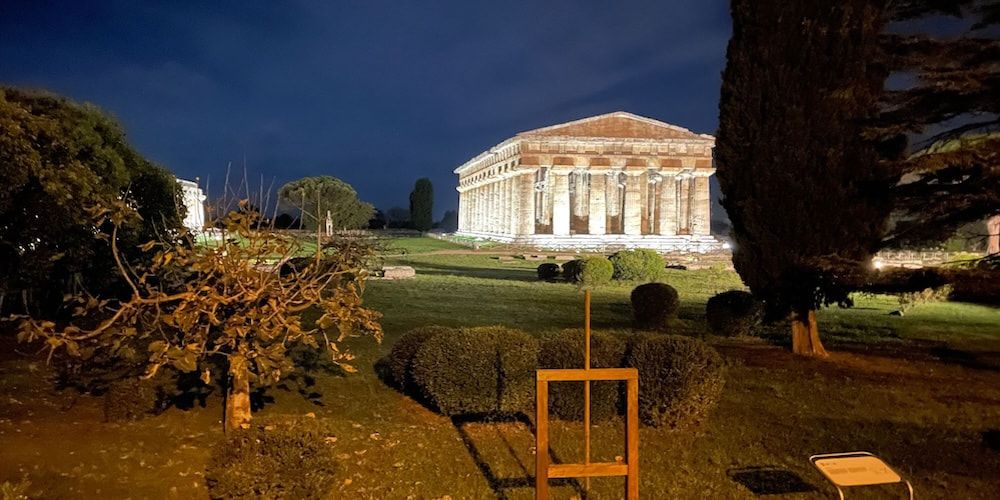
In Paestum, you find yourself in the heart of ancient Magna Graecia. Here you can admire some of the best-preserved Doric temples in the world, such as those of Hera and Athena, and breathe in a sense of history so powerful it feels almost like legend.
But it would be limiting to focus only on archaeology, because all around the temples lies a living agricultural territory, with local farms producing Mozzarella di Bufala Campana DOP, a world-renowned specialty. Stop for a tasting to connect directly with a community that still follows traditional rhythms tied to the land and nature.
What to see and do on the way to Paestum:
- Arechi Castle in Salerno;
- The temples of Paestum;
- A visit to a local buffalo farm.
Stage 3. Palinuro and the Cilento coast: caves, sea and adventure
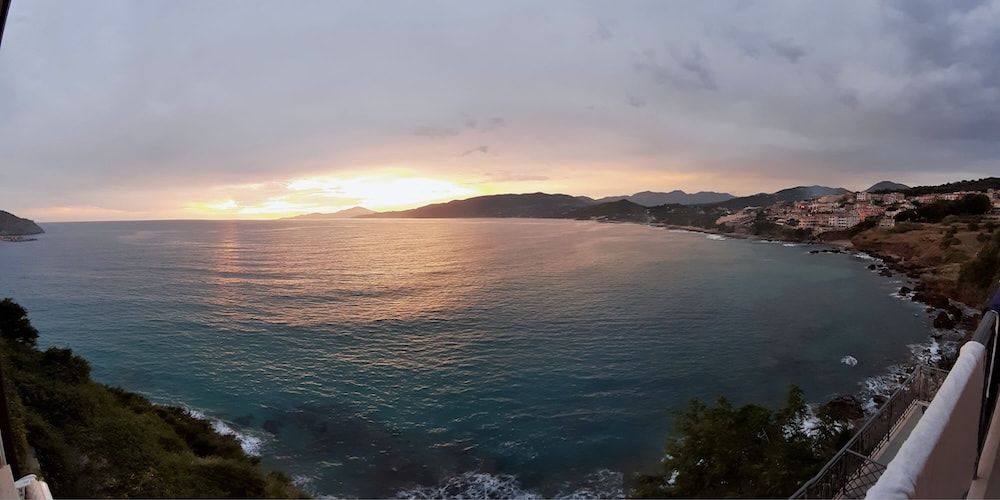
Leave Paestum and head south. After Agropoli, you enter the Cilento stretch of coastline. Towns gradually become more spaced out, and the road alternates between coastal sections and inland stretches. Between Castellabate, Montecorice and Pisciotta, you can leave the main road for short detours down to the sea.
In Palinuro, the main hub of the area, you’ll find a small tourist port where boat tours depart to explore the stunning sea caves along the coastline.
Above the town lies the impressive Capo Palinuro promontory, with well-marked trails leading to the lighthouse and panoramic viewpoints. In some sections, you can also descend to small coves that can only be reached on foot.
More generally, the Cilento coast is made up of small towns overlooking the Tyrrhenian Sea and a way of life still closely tied to the sea and the seasons, very different from the Amalfi Coast. Just south of Palinuro, Marina di Camerota offers some of the most accessible sandy beaches in the area, along with a lively town that remains active and pleasant throughout the year.
What to see and do along the Cilento Coast:
- Palinuro and its sea caves;
- Capo Palinuro promontory;
- Beaches of Marina di Camerota.
Stage 4. Maratea, the Christ above the sea and the Basilicata coast
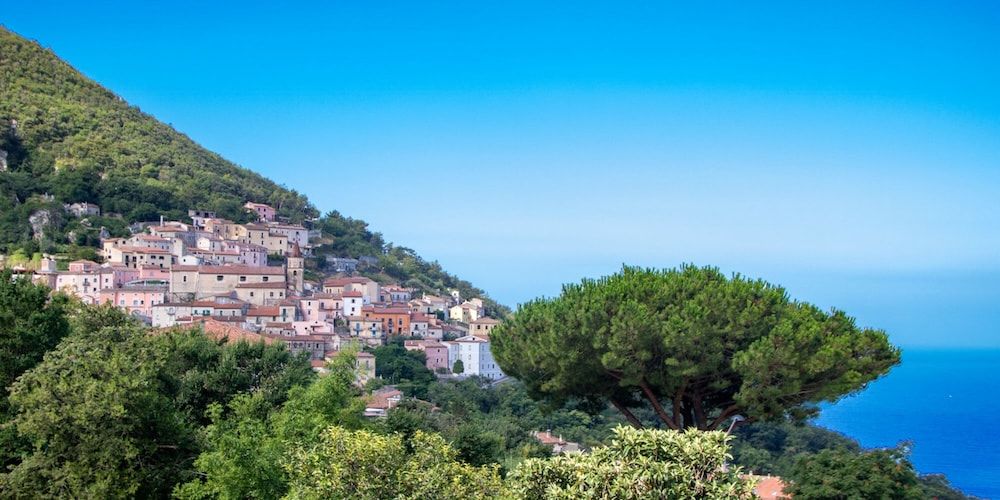
A few kilometers after Marina di Camerota, the road leaves the Cilento and enters Basilicata, along the stretch that runs beside the Gulf of Policastro. This is where Maratea appears, a charming place nestled between sea and mountains.
The first thing you’ll notice is the Christ the Redeemer statue, located on Mount San Biagio. You can drive up to a panoramic point and then continue on foot for the final stretch. From the top, you get a full, breathtaking view over the gulf and the coastline stretching between Basilicata and Campania.
Maratea develops vertically, with a historic center made of narrow alleys, stairways, and small squares. There's no fixed route to follow—the beauty lies in wandering spontaneously, going up and down as you discover its most picturesque streets.
The surrounding area is equally stunning, especially around Acquafredda, where the coastline breaks into small, separate coves. Among them is the Spiaggia della Grotta della Scala, a secluded and scenic stretch set between the rocks, definitely not to be missed.
What to see and do in Maratea:
- Christ the Redeemer of Maratea;
- Historic center;
- Beaches of Acquafredda.
Stage 5. Castelsaraceno: the most authentic Lucania between village and nature
🥇 Visit Italy’s brand partnership
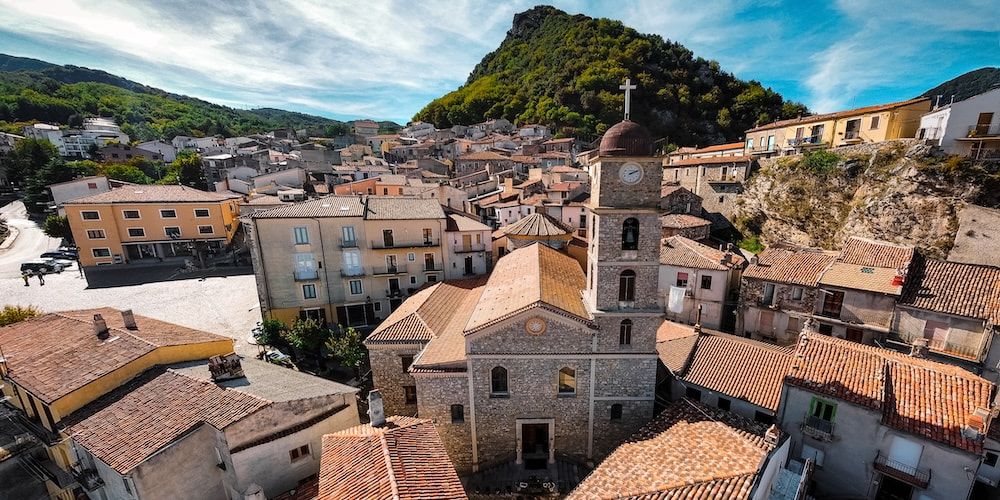
From the coast, head inland along green roads that run along the border between Basilicata and Calabria, until you reach the Lauria Sud entrance of the E45 Salerno–Reggio Calabria motorway. After a few kilometres, exit at Lauria Nord and continue on the SS 653 Valle del Sinni, then on the SP 19 and SP 36, following signs for Castelsaraceno.
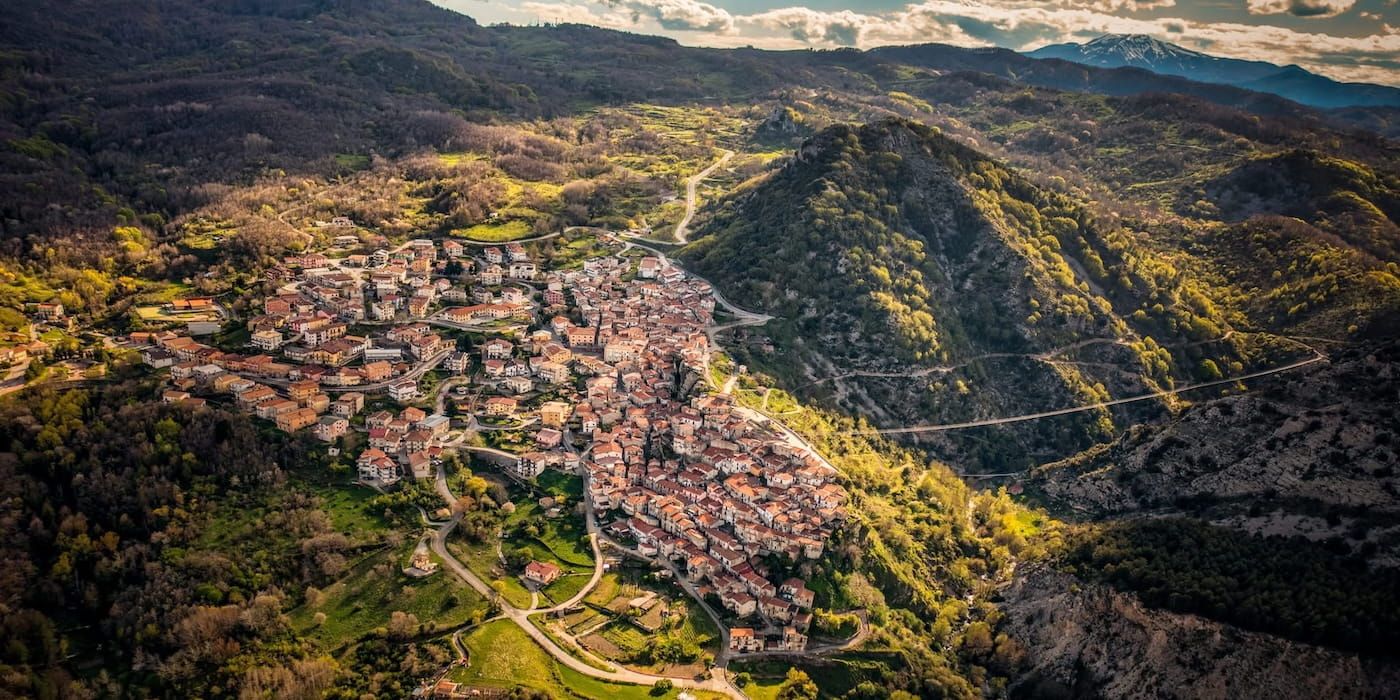
The village of Castelsaraceno is a stop not to miss, because it sums up the essence of this journey. A lesser-known place at almost 1,000 metres above sea level, between the Pollino National Park and the Lucanian Apennines, where you can explore, slow down, taste local products and experience a more mindful way of travelling.
Among the highlights in the village, along with its charming historic center, are the striking Tibetan Bridge, a suspended structure overlooking the landscape from a height of 586 metres, and the interactive Museum of Shepherd Traditions, which tells the story and traditions of the local community.
But it's its simple and authentic dimension that makes Castelsaraceno a truly special destination, perfect for disconnecting and spending a relaxed afternoon surrounded by nature.
What to see and experiences in Castelsaraceno:
- Historic center;
- Tibetan Bridge;
- Museum of Shepherd Traditions;
- Bosco Favino (Pollino National Park);
- Mindfulness in nature;
- E-bike excursions.
Discover more about CastelsaracenoStage 6. Between the Pollino and Lucanian Apennines National Parks
🥇 Visit Italy’s brand partnership
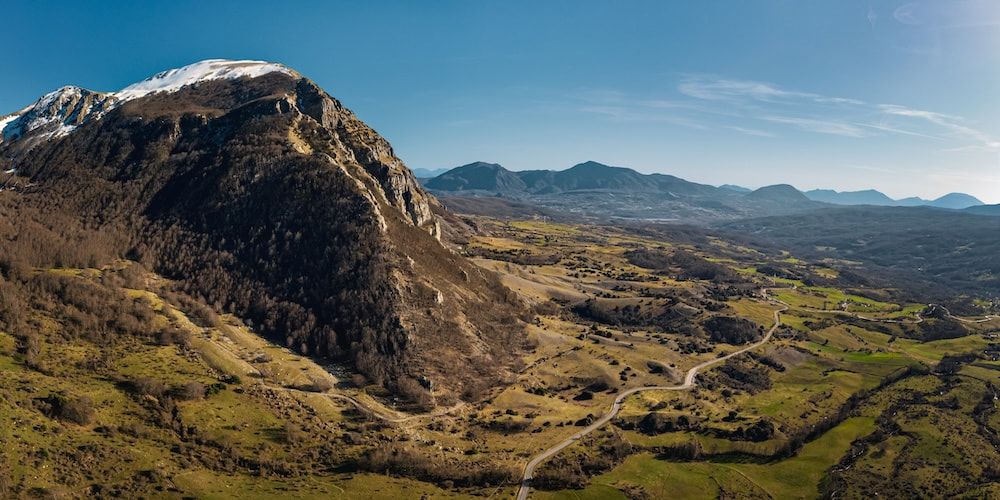
Castelsaraceno and its surroundings are best explored at a slow pace. Take your time to get into the atmosphere of the Lucanian mountains, spending a day discovering the National Parks the village is part of.
To the south, you can head towards the Pollino National Park, where wild landscapes meet some of the oldest specimens of European bosnian pine (Pinus heldreichii), a symbolic species of the park that clings to the highest and windiest rock faces.
To the north, you can enter the Appennino Lucano Val d’Agri Lagonegrese National Park, a gentler but equally striking area of mountains, valleys and wide natural landscapes.
You can split the day between the two parks or focus on just one, choosing hikes or trekking routes depending on difficulty and on how much time you want to spend immersed in unspoiled nature.
In the evening, return to Castelsaraceno to stay overnight and, above all, enjoy the local cuisine and traditional products such as Nnuglia or Tortano.
What to see and experiences among the Lucanian mountains:
- Pollino National Park
- Appennino Lucano Val d’Agri Lagonegrese National Park
- Local cuisine.
Stage 7. Matera: how to conclude a special journey into the soul of Southern Italy
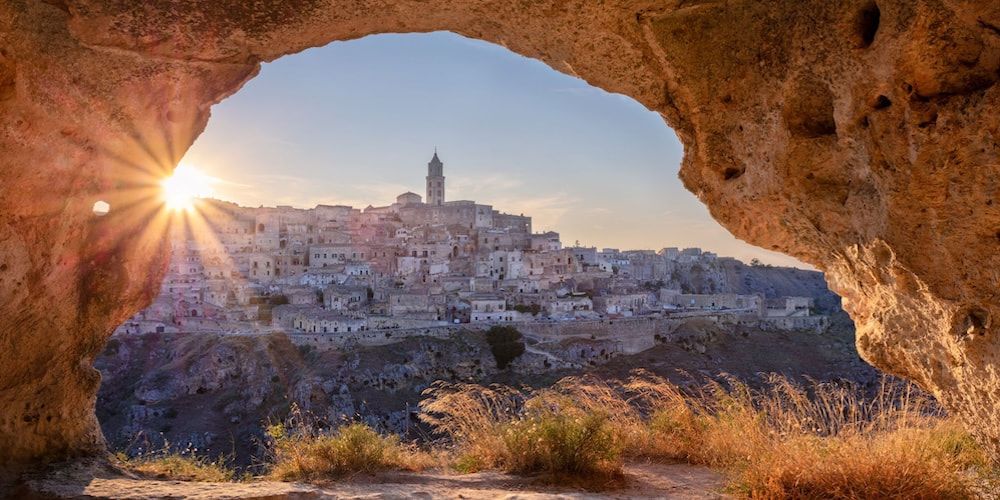
The final stage of your road trip through Southern Italy. From Castelsaraceno, you can reach Matera in less than two hours by driving through the inland areas of Basilicata, passing small villages surrounded by greenery along roads that connect the inner Basilicata region to the Murgia plateau around Matera.
Matera is the ideal place to conclude your journey: you started with the wonders of the Amalfi Coast, then moved through the history of Paestum and the beaches of the Cilento coastline, the landscapes of Maratea, and the mountains of Castelsaraceno, through nature and slow rhythms. Here, everything comes together in a single experience to be lived on foot.
Leave the car behind and wander through alleyways, stairways, and rock-hewn churches, moving up and down through the different levels of the city until you reach the panoramic viewpoints over the gravina.
It’s the natural conclusion of your itinerary—especially at sunset, when the sky turns shades of orange and purple, the Sassi seem carved by the fading light, and you feel how this journey through shimmering coasts, ancient temples and quiet mountains has connected you to the unique, beating heart of Southern Italy.
What to see and experiences in Matera:
- Historic center and Sassi of Matera;
- Panoramic viewpoints over the gravina.
About the author
Written on 05/06/2026
Alessandro Savino
SEO Copywriter & web editor: I love transforming my passion for writing into engaging narratives, creatively and precisely exploring the beauty and complexity of our wonderful country.

Alessandro Savino
From the Amalfi Coast to Matera, from Cilento to Castelsaraceno: a unique Southern Italy road trip through hidden villages and memorable experiences.