
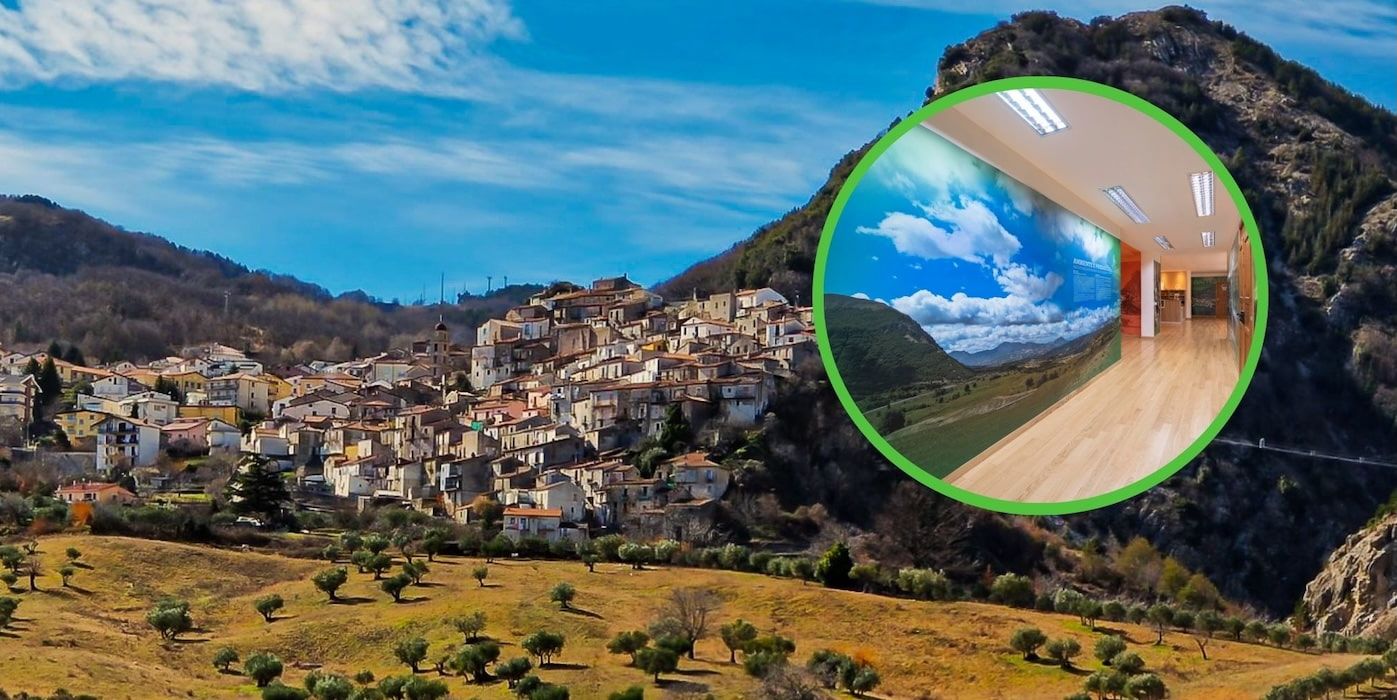

Have you ever visited a museum that pulls you out of the usual tour of display cases and panels?
In Castelsaraceno, amid the mountains of Basilicata, the Museum of Shepherd Traditions is ready to challenge your expectations. It doesn’t just show a collection—it invites you to experience the lives of shepherds, their traditions, rituals, and the landscapes that tell the story of Italy’s most authentic South.
Through photographs, ancient tools, and engaging installations, you’ll uncover the secrets of a community that turned everyday life into unmissable cultural heritage. Get ready to step into a place that goes beyond guidebooks, an interactive world where exploring, touching, and being surprised becomes part of a truly unforgettable journey.

The Museum of Shepherd Traditions in Castelsaraceno: a heritage that becomes an unmissable experienc
🥇 Visit Italy’s brand partnership
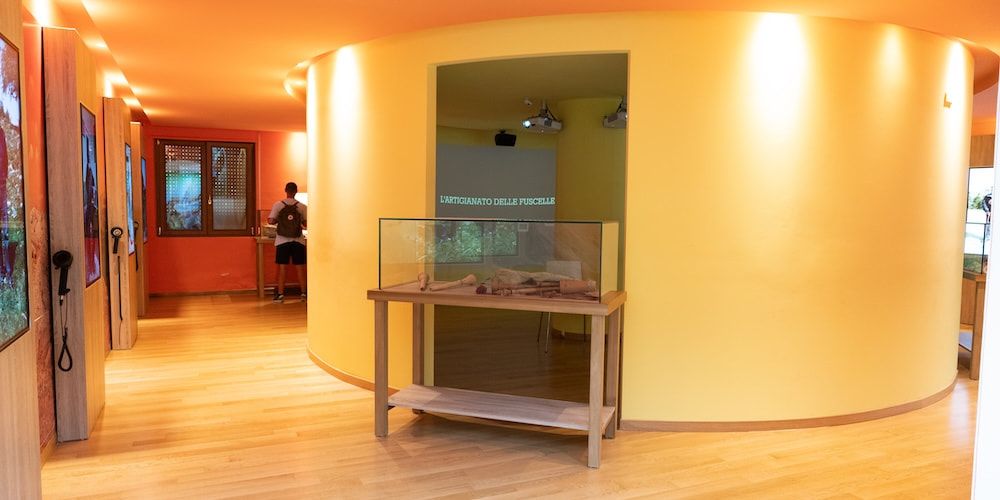
To truly get to the heart of Castelsaraceno, the Museum of Shepherd Traditions is the perfect starting point. It immediately connects you with the village’s deepest-rooted customs, from daily activities to habits tied to the mountains and seasonal rhythms, passed down through generations.
But where does it all come from? And why has shepherding played such a central role here? The museum takes you a step back to a time when this way of life was an integral part of everyday existence, helping you understand how it shaped both the land and the people who live there.
The best part is that what you see doesn’t stay in the past—it carries on in the present, revealing a way of life that remains vibrant today.
It’s this connection between history and the present that makes a visit to the Museum of Shepherd Traditions truly unique: you enter to discover the lives of shepherds and leave with a deeper understanding of the most authentic spirit of Castelsaraceno and its stunning surroundings.
- Origins of the museum and its connection to shepherding traditions;
- Inside the Museum of Sheperd Traditions;
- The knowledge of shepherds;
- Ancient rituals;
- The museum as a gateway to Castelsaraceno.
Discover more about CastelsaracenoWhere the shepherding tradition of Castelsaraceno begins
To grasp the true essence of the Museum of Shepherd Traditions, you need to start with the territory that surrounds it. The village’s location, the daily routines of the shepherds, the paths of the livestock, and the constant relationship with the mountains have made this activity a persistent presence in the daily life.
One of the clearest expressions of this is the transhumance: not merely a seasonal movement, but a system that regulated time, routes, and relationships, connecting Castelsaraceno to other territories and directly shaping the organization of the community itself.
For a long time, every activity followed this balance, with the life of the village unfolding according to a precise rhythm. It was here that the idea of creating a place to collect and organize these traces came about.
Opened in 2017, the Museum of Shepherd Traditions is one of the few Italian museums completely dedicated to such a specific theme. Its aim is to bring to light a body of experiences long left out of official accounts, reconstructing a journey of objects, images, and traditions that show how shepherding shaped both the life and the very identity of Castelsaraceno.
Inside the Museum of Shepherd Traditions: objects and stories for an immersive journey
Get ready to step into an interactive world, because at the Museum of Shepherd Traditions you won’t just be passively looking at a sequence of objects in display cases. Instead, you’ll embark on a journey to discover authentic and remarkable stories. The museum is organized into four thematic areas: Time, Space, Knowledge, and Memory. Each offers a unique perspective on the pastoral tradition of Castelsaraceno.
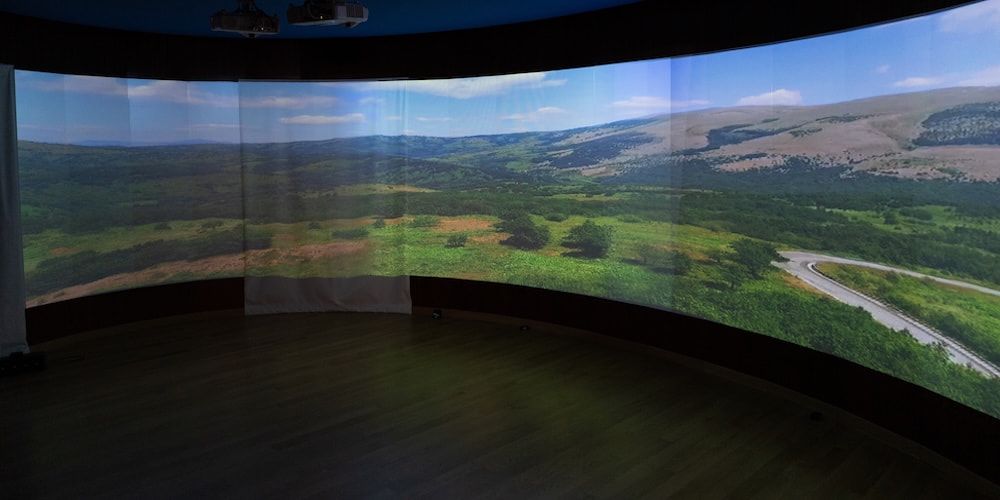
- In the Time Hall, panoramic projections, sounds, and sensory effects immerse you in the Lucanian landscape and let you imagine the passing of the seasons.
- The Space Hall focuses on the tools of the trade: equipment and objects used daily by shepherds, with multimedia stations explaining their function and significance.
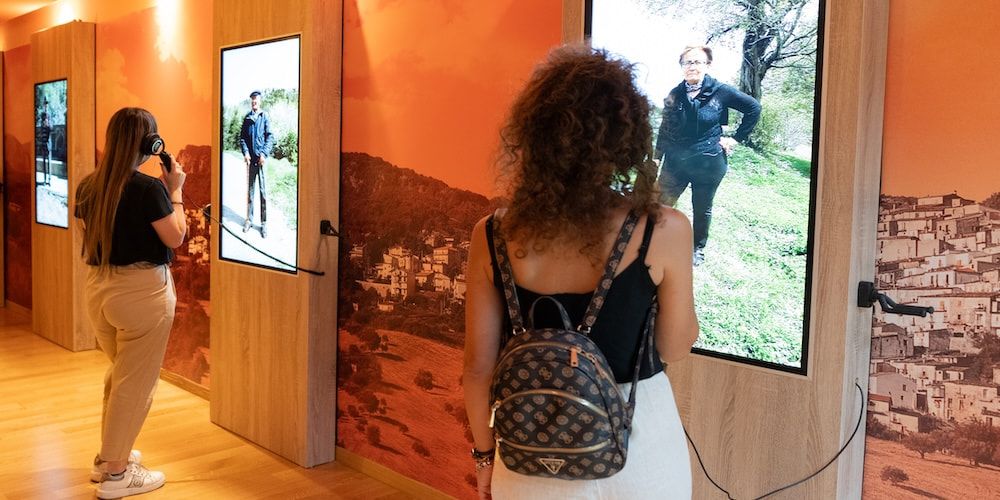
- In the Knowledge Hall, video interviews and firsthand testimonies feature locals sharing their experiences, passing on both technical and cultural knowledge, learned in the field and handed down orally.
- Finally, the Memory Hall uses images, sounds, and videos to bring key moments to life, such as the transhumance ritual, the traditional ’Ndenna festival, a typical day in the life of shepherds, and the making of fuscelle, the baskets used for the area’s characteristic cheese.
An experience among shepherds’ gestures and local flavors
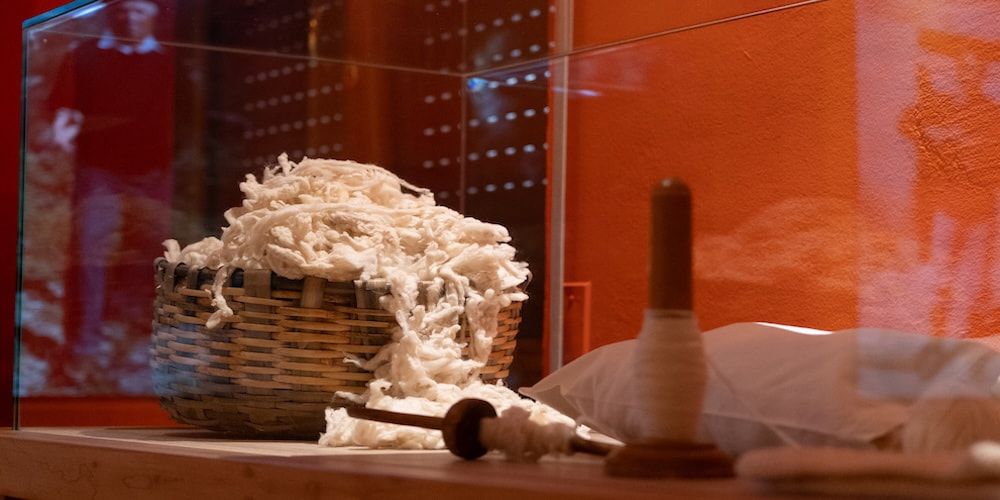
The beauty of this museum is that you can truly see and touch with your own hands the work of the shepherds firsthand, feel the past taking shape, connect it to local people stories.
You can explore the craftsmanship behind the production of traditional cheeses, observe the tools used to transform milk, and understand the skill and effort required to bring such simple yet precious products to the table.
The interactive installations let you link gestures, tools, and traditions: you realize how the mountains, pastures, and human labor have shaped the land and the identity of the community.
It’s an experience that sparks curiosity, provokes reflection, and stays with you: you see, touch, listen, and uncover the secrets of a world far more complex and fascinating than what’s written in books, one built on balance, dedication, and authentic flavors.
The Museum of Shepherd Traditions and the rituals of Castelsaraceno
🥇 Visit Italy’s brand partnership
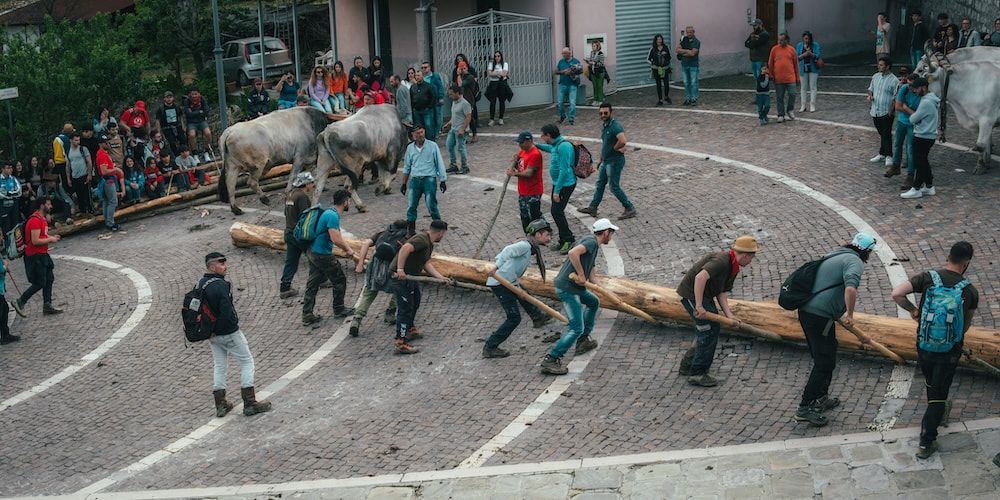
The museum visit highlights a fascinating and often overlooked aspect. Shepherding in Castelsaraceno is not just work and daily routine: it's closely intertwined with collective moments that have shaped the life of the village for centuries. Among these, the Rito Arboreo connected to the Festa della ’Ndenna stands out as one of the strongest expressions of this bond between community, nature, and tradition.
The rite celebrates the symbolic union of two trees, the ‘Ndenna and the Cunocchia, representing the groom and the bride. Carried from the forest to the village square, they involve the entire community through songs, gestures, and celebrations that once ensured fertility and abundance, and today reinforce social ties and respect for nature.
Inside the museum, you can find a scene that recreates the Rito Arboreo, allowing you to truly grasp the meaning of a custom that goes far beyond its religious dimension. This unique tradition has, over the years, attracted attention beyond local and even national boundaries, earning a nomination for UNESCO recognition and coverage in international media such as The New York Times.
What has been the cultural and tourist impact of the Museum of Shepherd Traditions?

In recent years, Castelsaraceno has begun to tell its story in a different way. Iconic sites like the Tibetan Bridge and the Museum of Shepherd Traditions are the clearest examples. Why? Because it achieved something simple yet effective: it gave new significance to a part of local history that had never been conveyed clearly before.
For the town’s residents, the museum is a living space where objects and testimonies allow them to share knowledge and traditions, narrating daily life as it unfolded over time.
For visitors from outside, it becomes the ideal gateway to Castelsaraceno—a place where you can truly sense how generations of people living among the mountains and pastures have shaped the cultural heritage of the village.
All of this is reflected in numbers. With around 20.000 total visitors, the Museum of Shepherd Traditions has projected the town into a far wider tourist circuit than in the past. And amid this change, the museum is not just a stop along the way but a key starting point to discover the true spirit of Castelsaraceno.
About the author
Written on 02/04/2026
Alessandro Savino
SEO Copywriter & web editor: I love transforming my passion for writing into engaging narratives, creatively and precisely exploring the beauty and complexity of our wonderful country.

Alessandro Savino
Discover unique stories and traditions at Castelsaraceno Museum of Shepherd Traditions, and enjoy an immersive journey into Italy’s pastoral heart.