
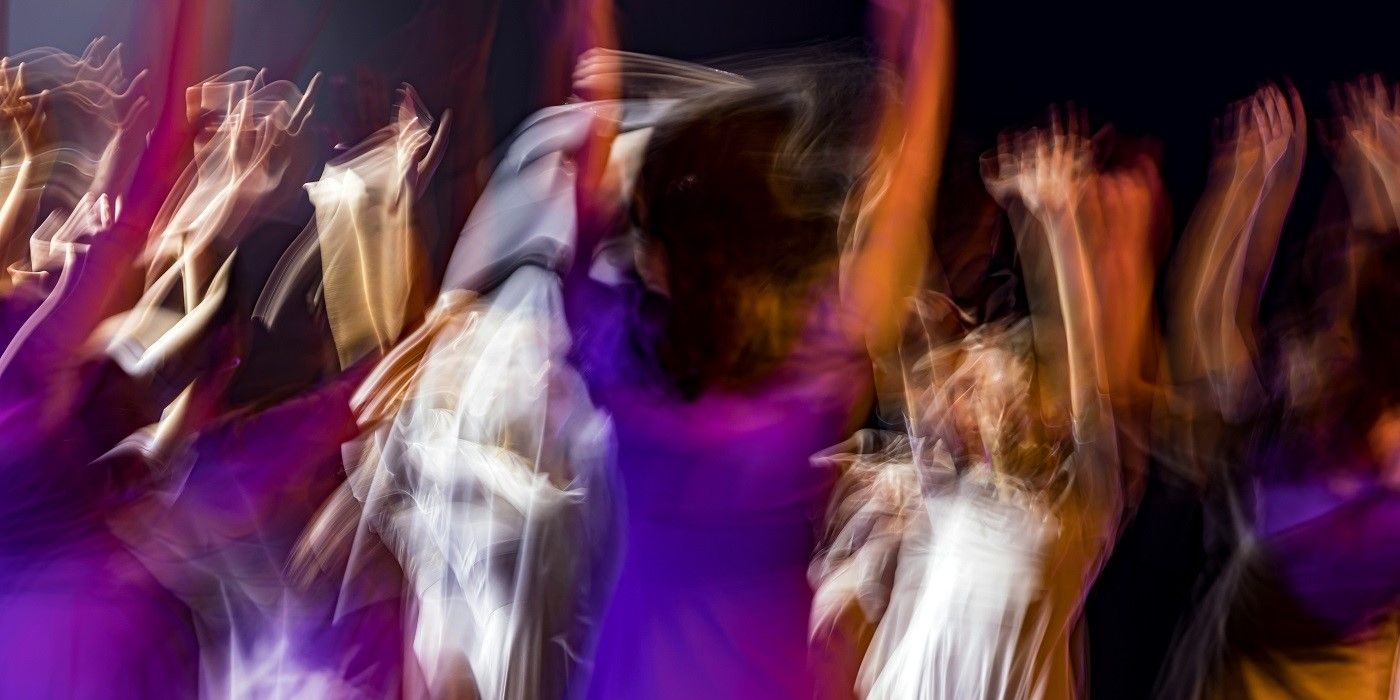

The Notte della Taranta is the most famous and most attended festival in Salento, a land of pizzica and of a folklore woven from magic, devotion and tradition. Not only that: the Notte della Taranta is Italy's largest traveling festival, because it brings together the town squares of the Grecìa Salentina, the Griko-speaking area of the province of Lecce. Only at the end of the ragnatela concerts does the final concertone in Melpignano take place.
The traveling festival stops in villages that burst into rhythm, colour and melody every evening, from Corigliano d'Otranto and Galatina to Martano and Soleto. Melpignano is the final destination of the caravan that animates one of the most important popular music festivals in Europe, a celebration of life and of the intensity of a past in which sounds were used to drive the demons out of the world.
Where Does the Notte della Taranta Come From?
Fondazione La Notte della Taranta
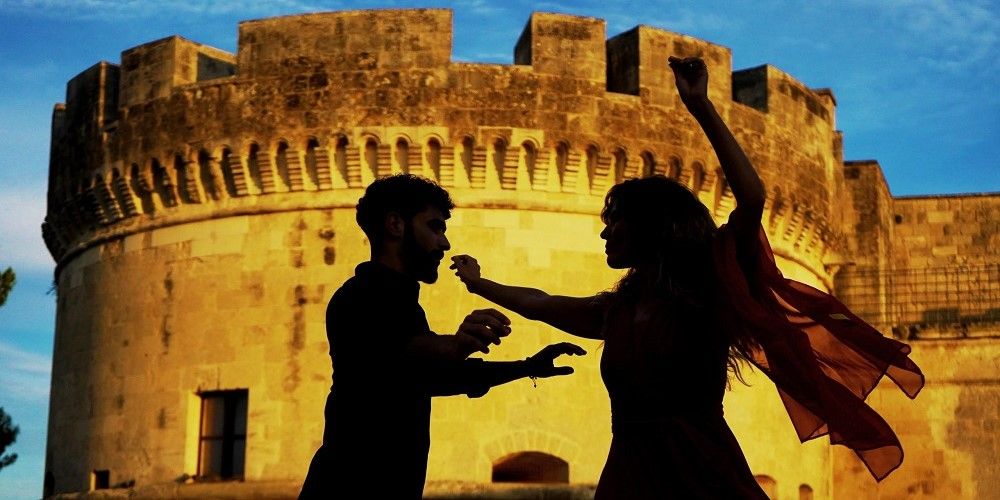
The Notte della Taranta is a collective rite of catharsis staged every year in August. Its first edition dates back to 1998, born with the aim of celebrating invocations to Saint Paul and turning pizziche and tarantelle into a global cultural resource. The two terms that define the Salento dances refer to the ceremonial and therapeutic context of tarantism, a phenomenon dating back to the mid-fourteenth century.
According to popular tradition, Paul of Tarsus was hosted in Galatina in the years following his Roman imprisonment, and granted the local inhabitants immunity from the tarantula's poison as a form of gratitude. The legend of the healing saint who offered the power to save people from the effects of the bite lies at the heart of the cultural institution of tarantism, thoroughly studied by the anthropologist Ernesto de Martino.
South and Magic : the History of Tarantism
In his essay La terra del rimorso (The Land of Remorse), published in 1961, De Martino collected interviews with women and men bitten by the taranta (the Lycosa tarantula, a wolf spider common in the hot regions of southern Italy) and personally witnessed the rite of the tarantate in the peasant communities of Salento. In these forms of ancient therapeutic exorcism used to treat "individual critical conditions," music and dance played a role of primary importance.
It was believed that the spider's bite – more imaginary than real – was the cause of the tarantati's malaise, mostly women. Thanks to the hypnotic beat marked out by the musicians' tambourines, the afflicted person would dance a whirling pizzica for hours on end, to the point of exhaustion, and in this way would be freed from the poison. Behind this phenomenon of musical catharsis lay deep conflicts rooted in the unconscious.
The Symbolic Nature of the Ritual
De Martino spoke of tarantism as a religion of remorse. The rite performed a psychic function that served to work through the social frustrations induced by an oppressive patriarchal culture, unresolved emotional traumas, repressed sexual drives and erotic conflicts. The three phases – bite, dance, catharsis – corresponded to the expression of the conflict: pain and depression, release and liberation, the resolution of the crisis of presence and healing.
In his essay De Martino wrote that “women of any social class, whom custom condemned to a harsh regime of erotic exclusions, young girls at the age of puberty, widows, unhappy brides, spinsters with faded loves found within the cultural order of tarantism certain possibilities for channelling into symbolic realisation what social pressure had confined within the threatening recesses of the unconscious.”
Overexcitement, Music, Unrestrained Dance
Tarantism had its roots in archaic Greek orgiastic rites: a series of collective religious practices through which one could step outside oneself, break the social order and give value to its subsequent restoration. Dancing to the repetitive, hypnotic rhythm of a sound similar to the one made by the Apulian falangio spider at the moment of the bite was a form of therapy that led to the overcoming of the conflict.
In the Salento countryside, during the summer months at wheat-harvest time, the rite of the taranta served to keep disorder under control by institutionalising the crisis. Peasant women, bitten by the spider and struck by sharp pains, were treated with an obsessive music that made them dance without pause, until liberation and regeneration. The creature to be driven away through rhythm was social pressure, psychic disturbance, repressed drive.
Why It Draws So Many International Visitors
The ancestral history of tarantism still exerts an extraordinary physical and magnetic power today. Salento is a land of beauty and contradictions, with a musical identity that is unique and immediately recognisable. From past to present, the ancient rite has turned into a cultural and entertainment product enjoyed the world over, drawing crowds into the whirl of dance, all the way to trance.
With the force of its rhythm, the pleasure of its melodies and the elegance of its movements, a new path of the taranta has been born, inclusive and open to the involvement of outside musicians. Groups of tambourine players, enthusiasts and experts, conductors, composers and international stars all take part in the festival, continually reworking, renewing and reviving Salento folk music. The beat of the pizzica is the soundtrack of a land that speaks the universal language of emotions.
Practical Tips for Attending the Festival
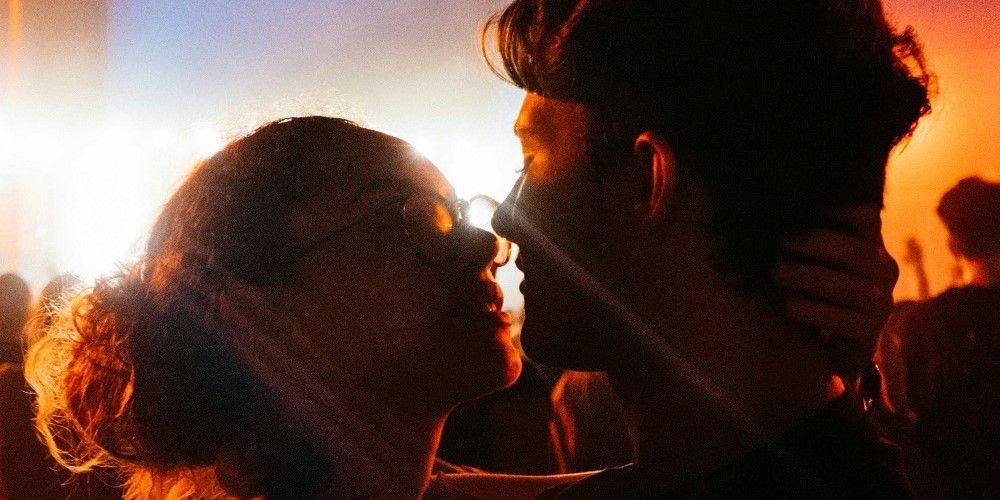
The Notte della Taranta is a traveling festival spread across multiple dates and different locations. The final concert is the concertone in Melpignano, a small town in the province of Lecce that has by now become the world capital of the taranta. The official programme is published on the event's website, and checking it carefully is the first piece of advice for approaching the festival: the calendar is packed with events, with artists performing on different days, in different places and at different times.
No ticket is needed for the final concert in Melpignano: admission is free. Only access to the VIP areas is paid. To make the most of the Notte della Taranta, it's important to book accommodation well in advance (July and August are peak high season in Salento) and to arrange a rental car if you choose to arrive a few days early and follow the stops of the traveling festival.
The concertone lasts until dawn and always draws a huge crowd: every year more than 100,000 people arrive, from Italy and abroad alike. You should therefore be ready to stand for many hours, dress comfortably and bring water. But the physical and mental strain – the music and dancing, the crush of the crowd, sore feet and lost sleep – is well worth it: it's a special experience, the kind that stays with you forever.
About the author
Written on 04/08/2026
Alessandro Zoppo
He has been listening to music and watching movies since he was 6. Proudly Samnite but Roman by adoption, he writes about culture, travel, economics, finance, politics and sports and curates film festivals.

Alessandro Zoppo
Every summer Salento becomes the beating heart of Italian folk music: behind the Notte della Taranta lies an ancient history waiting to be discovered.