
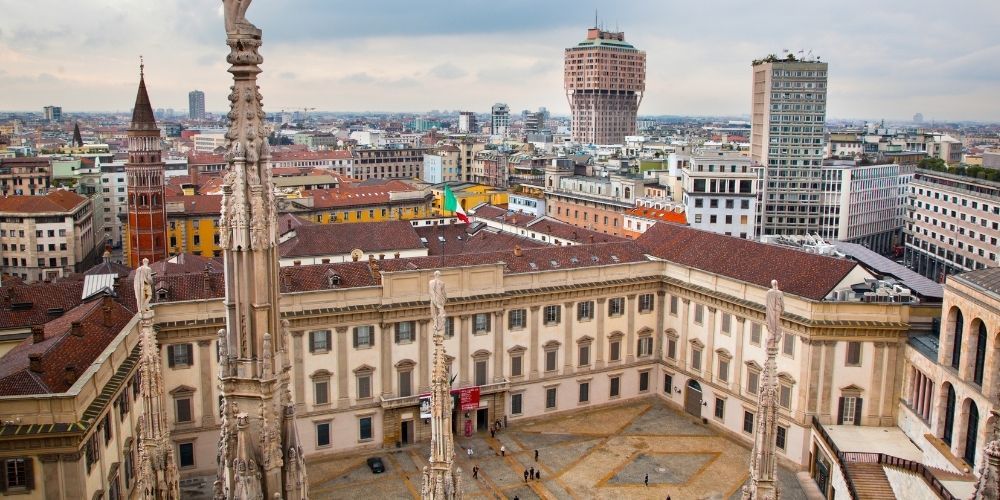

Milan is one of Italy's most visited cities, but in 2026, truly experiencing it also means learning to look past the main attractions. Don't stop at the Duomo or La Scala: alongside the icons that draw crowds every day, there's another Milan, made of noble palaces, artists' studios, private collections and house-museums that often stay on the margins of most itineraries.
At a time when more and more travelers are chasing local experiences, Milan's hidden museums become a privileged and precious way to discover the city differently - small spaces, often centrally located, yet easy to overlook. Among them, you can find the rooms where the Sforza dukes once ruled, where Verdi hosted his musicians, where two brothers turned their own home into a Renaissance residence and the places where Alessandro Manzoni wrote one of the most famous stories in Italian literature.

Milan hides so many museums few people know about. Where do they hide?
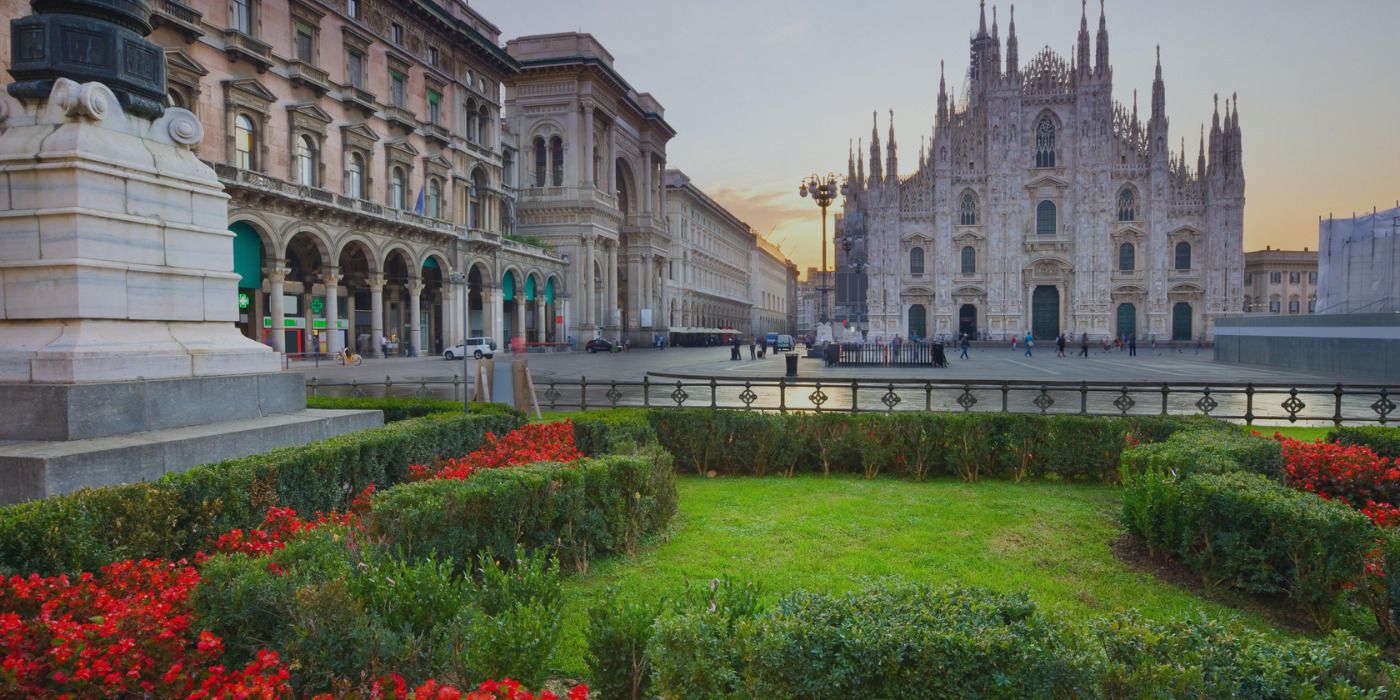
Milan is full of museums that few people know about because, behind its reputation as a fast, work-driven city, it grew as an interwoven mix of noble residences, private foundations, corporate headquarters, and house-museums, each one holding onto a different fragment of its identity. They hide behind the façades of what look like ordinary apartment buildings, or within the walls of private villas that hardly anyone realizes can be visited.
Art has always run through the entire city, and it can be found beyond the official galleries too, in the rooms of the noblest families, in industrialists' homes, in writers' studies, and in the hidden courtyards that few people stop to discover along the streets of the center. That's why, alongside its most celebrated museums, Milan holds onto a dense network of smaller places that stay off most people's radar, yet reward the visit with a unique atmosphere.
Many visitors never get to discover them, because Milan is often visited in a hurry, rushing between the best-known stops. And yet, as more travelers look for a more authentic version of the city, these addresses are becoming increasingly appealing to anyone looking for a Milan that doesn't feel like a checklist.
Here are our suggestions:
• Castello Sforzesco
• Museo del Novecento
• Pinacoteca Ambrosiana
• Torre Branca
• MUDEC – Museo delle Culture
• Palazzo Morando
• Villa Necchi Campiglio
• Museo Bagatti Valsecchi
• Casa Museo Verdi
• Casa del Manzoni
Discover Milan with Milan Pass1. Castello Sforzesco
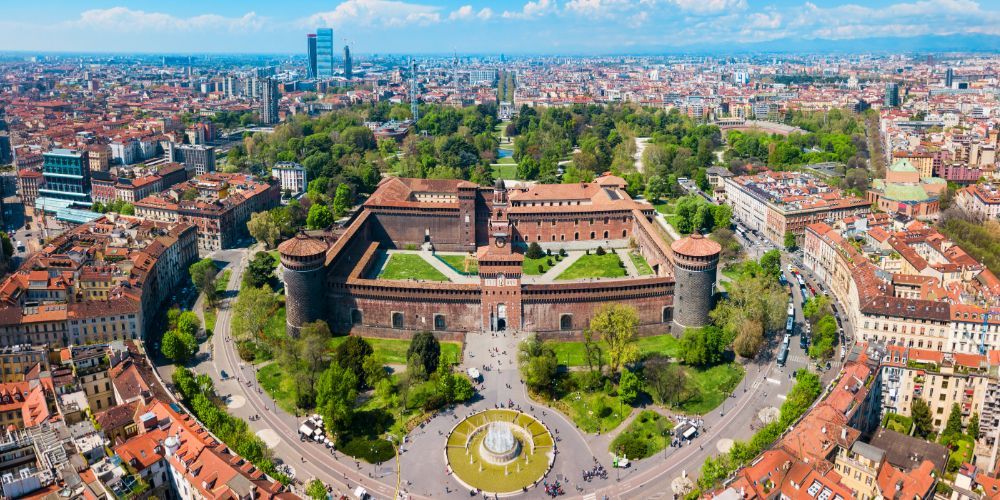
It’s not exactly a secret, but it is a place that many visitors rush through on their way elsewhere: Castello Sforzesco is home to several lesser-known museums tucked within its walls. Behind the fortified façade commissioned by the Sforza family, you’ll find the Pinacoteca del Castello, the Museum of Ancient Art, an Egyptian gallery, and a dedicated room housing Michelangelo’s Rondanini Pietà, the sculptor’s final work, left unfinished at the time of his death in 1564.
Address: Piazza Castello, 3
Opening hours: The courtyards are open daily from 7:30 am to 7:30 pm, with free admission. The museum collections are open Tuesday to Sunday from 10:00 am to 5:00 pm and are closed on Mondays. Always check the official website for the latest opening hours, as they may vary depending on the season.
Visiting tips: to avoid the busiest times, visit the Rondanini Pietà in the early hours of the day, then continue through the other collections.. Combine your visit with a stroll through Parco Sempione, continuing all the way to the Arco della Pace.
2. Museo del Novecento
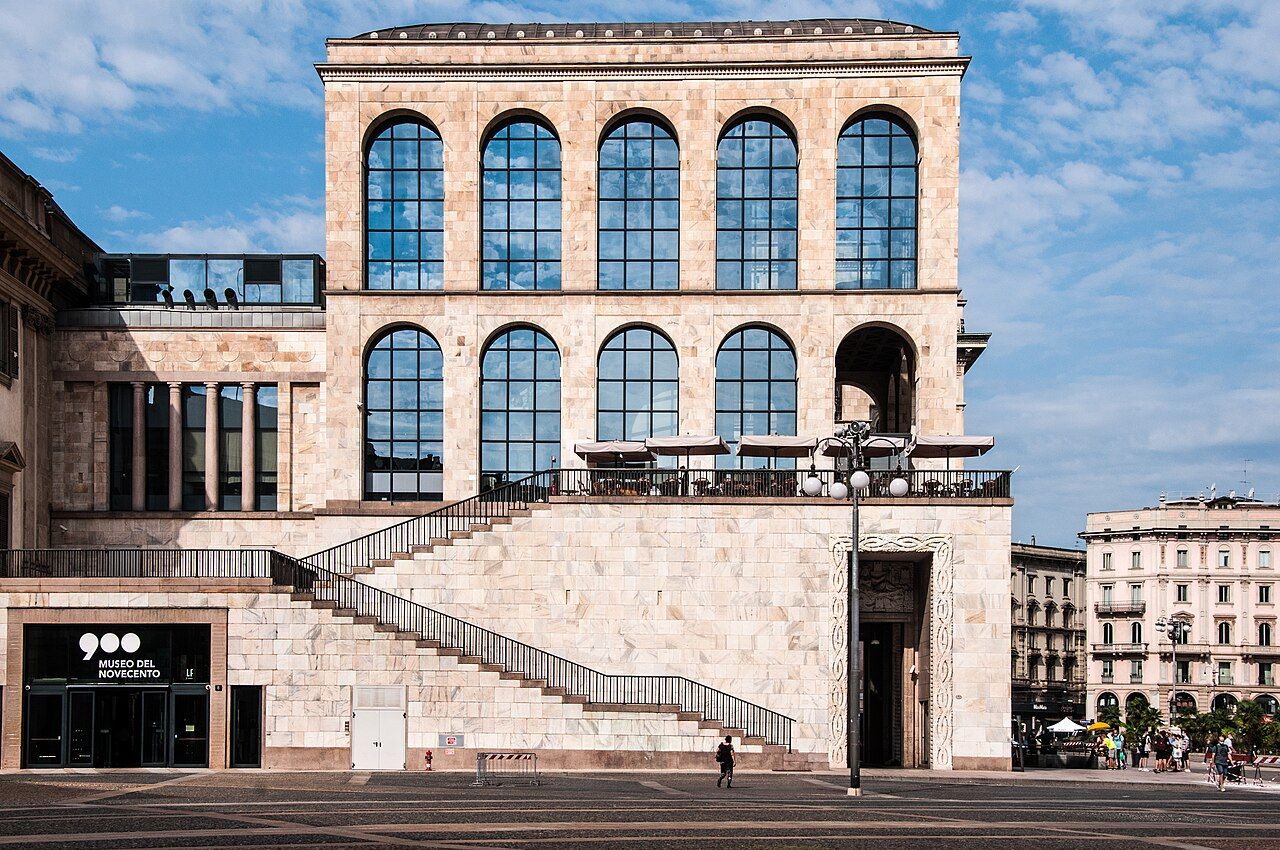
Housed inside the Palazzo dell’Arengario and the adjacent Palazzo Reale, Museo del Novecento is a permanent collection of 20th-century art that can be easy to overlook. With all eyes drawn to the magnificent cathedral, this museum can easily go unnoticed. Inside, however, you’ll find one of the finest collections of 20th-century Italian art, including Boccioni’s Unique Forms of Continuity in Space, works by Fontana, Marini, de Chirico and Modigliani, alongside works by international artists such as Kandinsky, Matisse and Picasso.
The collection unfolds across three levels, beginning with Futurism and Metaphysical art on the lower floors and continuing upwards through abstraction and post-war movements. The visit concludes on a spectacular panoramic terrace offering one of the closest views of the Duomo’s spires anywhere in the city.
Address: Palazzo dell'Arengario, Piazza del Duomo, 8, 20123 Milan MI
Opening hours: The museum is open Tuesday to Sunday from 10:30 am to 7:30 pm, with extended opening hours on Thursdays until 10:30 pm. It is closed on Mondays. Always check the official website for the latest opening hours, as they may vary depending on the season.
Visiting tip: Aim for a Thursday evening visit, when the extended opening hours allow you to avoid the busiest hours and enjoy the Duomo illuminated at sunset.
3. Pinacoteca Ambrosiana
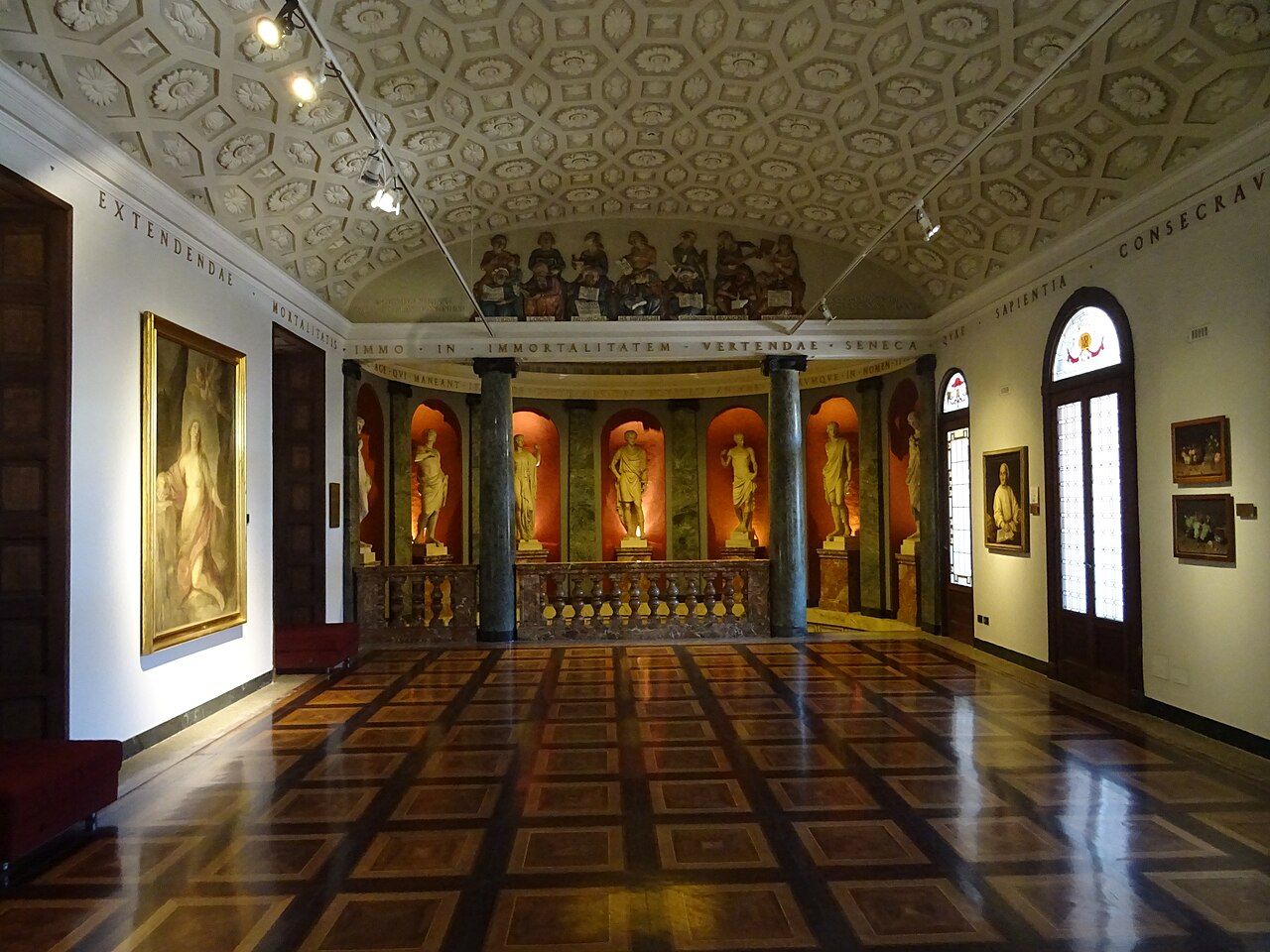
Just a short walk from the Duomo, Pinacoteca Ambrosiana is the kind of place that many tourists walk straight past on their way to the cathedral, without realising what it holds inside. Founded in 1618 by Cardinal Federico Borromeo, it is home to Caravaggio’s Basket of Fruit, Botticelli’s Madonna of the Pavilion, Raphael’s preparatory cartoon for The School of Athens, and Leonardo da Vinci’s Codex Atlanticus.
Inside, a collection of paintings, drawings and manuscripts tells the story of some of the most important moments in Italian art history, leading visitors to discover great masterpieces on a journey through centuries of art and culture.
Address: Piazza Pio XI, 2.
Opening hours: The Pinacoteca is open daily from 10:00 am to 6:00 pm. Closed on Wednesdays.
Visiting tip: It is one of the few major museums in Milan to close on Wednesdays, making it a perfect addition to your itinerary when other collections are closed. You could pair your visit with a coffee in nearby Piazza Cordusio, explore the historic Piazza dei Mercanti and Piazza degli Affari, or venture as far as the Cinque Vie, one of the most characteristic areas in the city centre.
Pinacoteca Ambrosiana4. Torre Branca
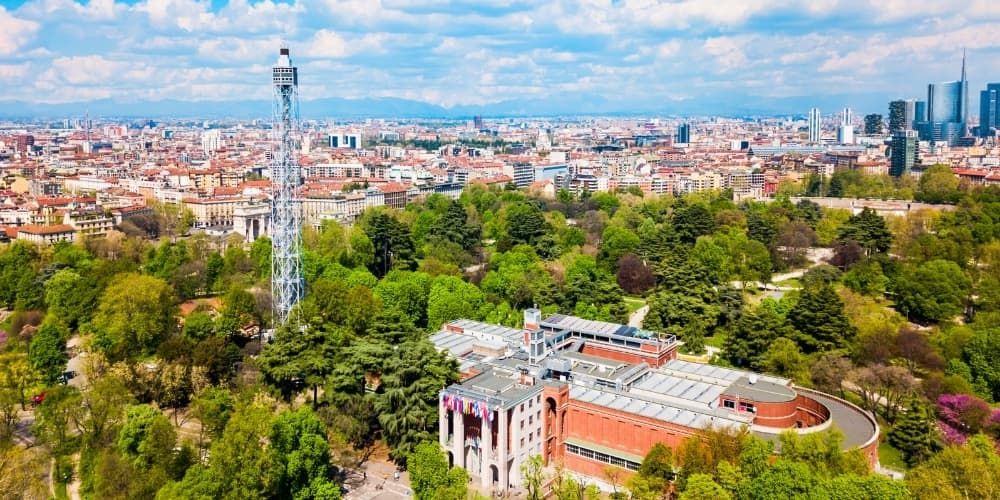
Designed by Gio Ponti in 1933 for the fifth Triennale, Torre Branca was built in just 68 days and, at the time, represented a cutting-edge structure for Milan. Standing 108.6 metres tall, it originally featured a small panoramic restaurant at the top, where the observation deck is located today. After remaining closed to the public for many years for safety reasons, the tower was restored and reopened in 2002.
Today, it is considered one of the best viewpoints in Milan, and also one of the least visited, despite being located in the heart of Parco Sempione. A panoramic lift takes you to the top in less than a minute, where the observation deck offers views stretching from Castello Sforzesco to the Alps on the clearest days.
Address: Viale Luigi Camoens, 2.
Opening hours: vary depending on the period. Check the official calendar before visiting. Keep in mind that the tower closes in case of strong winds or rain.
Visiting tip: for an even more magical experience, head up Torre Branca at sunset and enjoy the views over Milan’s skyline.
5. MUDEC – Museo delle Culture
Housed in the former Ansaldo factory, once used for locomotive production and now redesigned by architect David Chipperfield, MUDEC – Museum of Cultures is one of Milan’s most interesting museums for anyone looking to explore a different side of the city. Its location in the Tortona district, a former industrial area now transformed into one of Milan’s liveliest creative and design districts, away from the main tourist routes, means that it is often overlooked by visitors.
The permanent collection spans centuries of cultural exchange and cross-pollination, from Renaissance trade routes to the colonial era and today’s global society. Objects, textiles, works of art and artefacts from different continents tell the story of how people, ideas and cultures have met and influenced one another over time.
Address: Via Tortona, 56.
Opening hours: The museum is open Tuesday to Sunday from 9:30 am to 7:30 pm. On Thursdays, it stays open until 10:30 pm. Closed on Mondays.
Visiting tip: You could pair your visit with a walk around the neighbourhood and end the day with an aperitivo along the Navigli.
6. Palazzo Morando
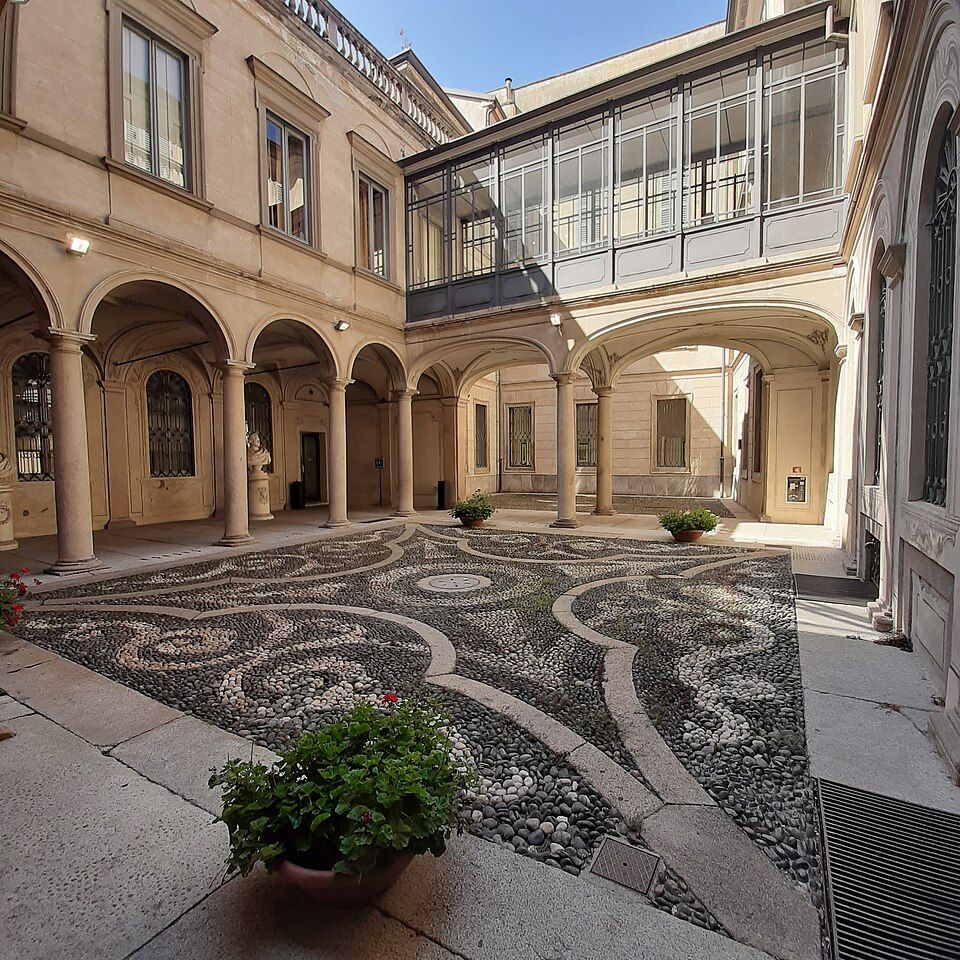
Tucked into the Quadrilatero della Moda, Palazzo Morando is easy to walk past, until you realize it's actually holding two very different stories under one roof. Upstairs, an 18th-century noble apartment sits frozen in time. Next to it, a picture gallery traces Milan's evolution from the 1600s through the early 1900s, with a rotating display of historic fashion woven in for good measure.
Ownership passed through a string of noble families before landing with the Counts Morando Attendolo Bolognini in 1909. When Countess Lydia died decades later without direct heirs, she left the palace to the City of Milan, a gift that turned a private home into a public one almost overnight.
Don't rush past the double-ramp staircase on your way in, and make time for the Chinese Gallery's porcelain and the Sala dell'Olimpo, painted to mark a Milanese wedding back in 1762.
Address: Via Sant'Andrea, 6.
Opening hours: free admission, Tuesday to Sunday, 10:00 AM–5:30 PM (last entry 5:00 PM). Closed Mondays.
Visit tips: it's an easy add-on to a shopping walk through the Quadrilatero, or pair it with the nearby Museo Poldi Pezzoli, another historic house-museum just a few minutes on foot.
7. Villa Necchi Campiglio
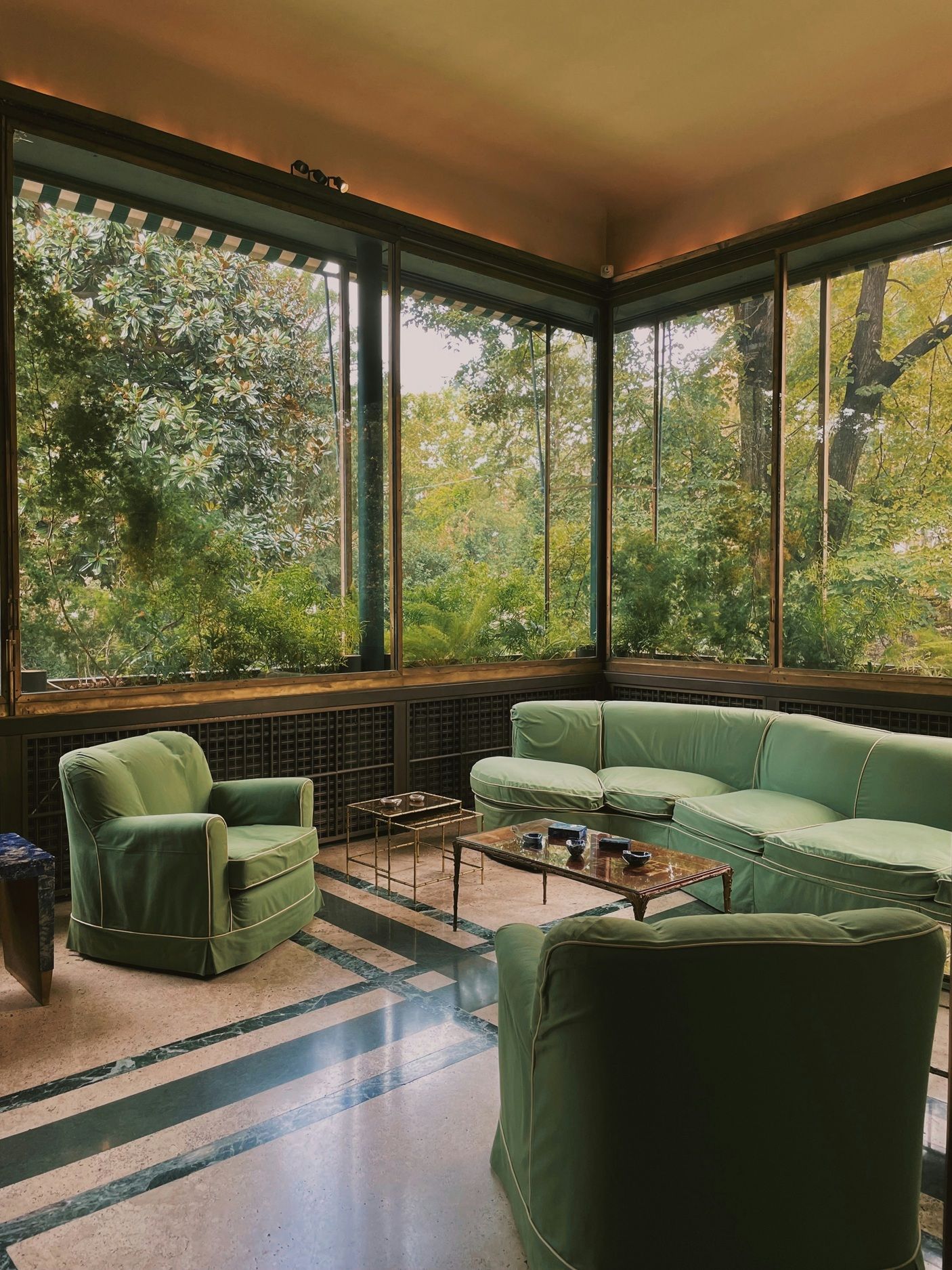
In the heart of Milan, between Porta Venezia and the historic city centre, Villa Necchi Campiglio is a 1930s Rationalist villa designed by Piero Portaluppi for the Necchi and Campiglio families. It was the first private residence in Milan to feature a heated private swimming pool, as well as a tennis court, a luxury that was almost unimaginable at the time.
The remarkably well-preserved interiors offer a glimpse into the lifestyle of Milan’s upper class in the 1930s and have provided the backdrop for major Italian and international film productions, including Luca Guadagnino’s I Am Love and House of Gucci.
Beyond its architecture, the villa houses three donated art collections, spanning decorative arts from the 18th century to 20th-century Italian painting, with works by Boccioni, Sironi and de Chirico.
Address: Via Mozart, 14.
Opening hours: Open Wednesday to Sunday from 10:00 am to 6:00 pm (last admission at 5:00 pm). Closed on Mondays and Tuesdays.
Visiting tip: The garden, shaded by large magnolia trees, is well worth lingering in after exploring the villa’s interiors, it is one of the quietest corners in central Milan.
Discover Villa Necchi Campiglio8. Museo Bagatti Valsecchi
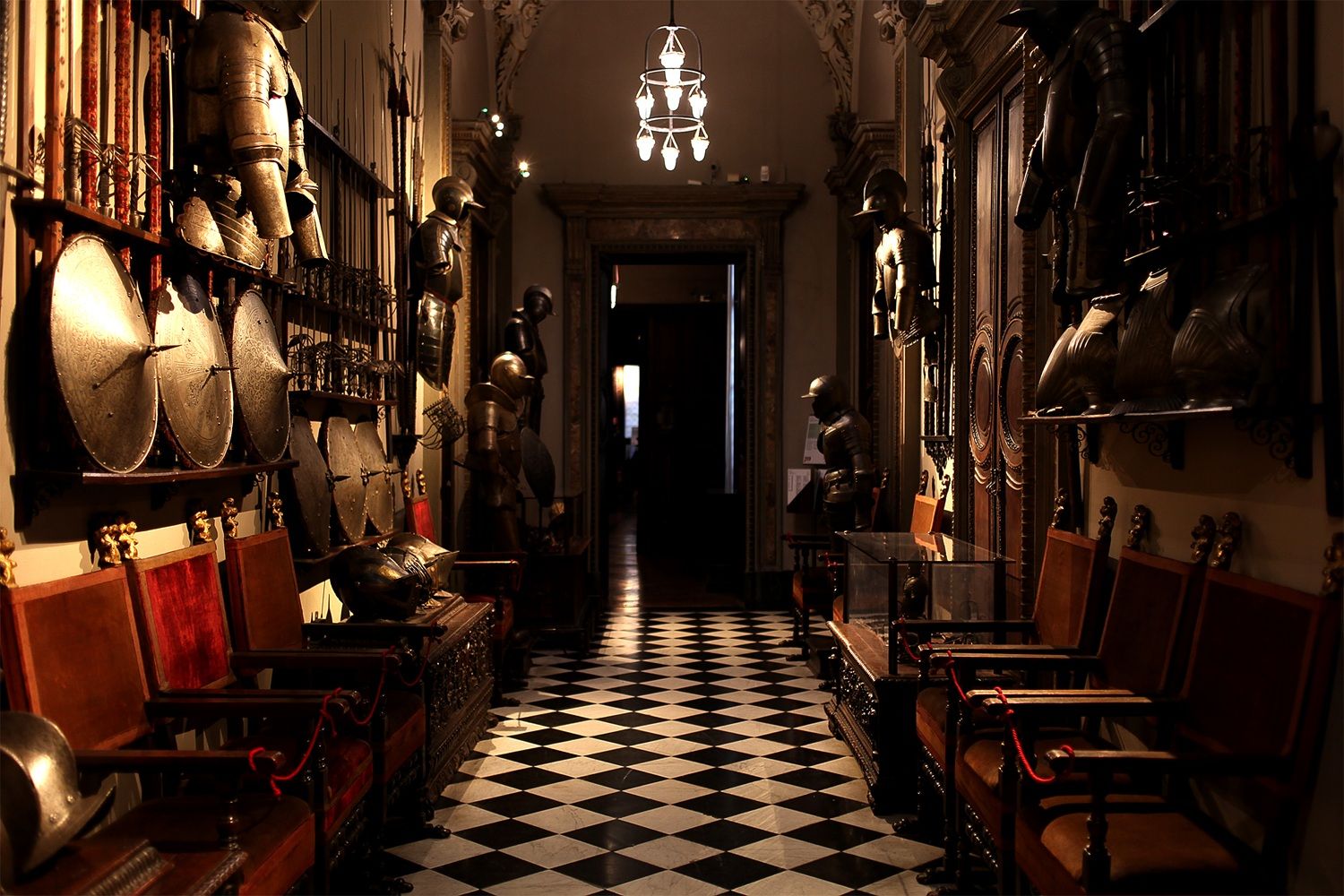
Located near Via Montenapoleone, the Bagatti Valsecchi Museum is one of the best-preserved house museums in Europe. Born from the passion of two brothers, Barons Fausto and Giuseppe Bagatti Valsecchi, the museum has its origins in the 1880s, when the two transformed their family home to resemble and function as a 16th-century Lombard residence. Their aim was to recreate a Renaissance setting in every detail, from the interiors to the artworks, while introducing some modern conveniences, such as heating, running water and electric lighting, cutting-edge technologies for the time.
The rooms contain Renaissance paintings by Giovanni Bellini and Giampietrino, along with carved furniture, weapons and scientific instruments, arranged just as the two brothers left them.
Address: Via Gesù, 5.
Opening hours: Open Wednesday to Sunday from 10:00 am to 6:00 pm. Closed on Mondays and Tuesdays.
Visiting tip: Located in the heart of Milan’s Quadrilatero della Moda, it pairs well with a stroll along Via Montenapoleone and Via della Spiga, a Renaissance detour amid some of the city’s most elegant streets.
9. Casa Verdi
Casa Verdi is not a traditional museum, but a retirement home for musicians founded by Giuseppe Verdi himself in 1899. The composer envisioned it as a place where musicians and singers facing financial difficulties in old age could find a home, and he considered it his finest achievement. Today, the house continues this mission: alongside older artists, it has also welcomed talented young music students in need since 1998, creating a connection between different generations.
In the crypt, decorated with mosaics, Verdi and his wife, Giuseppina Strepponi, are laid to rest. The rooms of the house preserve the interiors, furnishings and personal objects connected to the composer and the artists who lived there, offering a glimpse into the history of Casa Verdi over more than a century.
Address: Piazza Buonarroti, 29.
Opening hours: the crypt is open daily from 8:30 am to 6:00 pm. The museum rooms and Hall of Honor are open to groups by reservation only.
Visiting tip: admission to the crypt is free, although donations are welcome. If you would also like to visit the museum rooms, check the access and booking arrangements in advance.
10. Casa del Manzoni
Just a short walk from the Duomo, you can find Casa del Manzoni, the home where Alessandro Manzoni lived from 1814 until his death in 1873, and where he worked on the writing and revision of I Promessi Sposi, the novel that had a profound influence on the history of the Italian language. Manzoni purchased the house in 1813 and, after some renovations, moved in with his family the following year. Over the years, the house also became a meeting place for intellectuals and prominent figures of the time, including Silvio Pellico, Giuseppe Verdi and Giuseppe Garibaldi.
The study on the ground floor, preserved with its original furniture, is the heart of the visit, and it was here that Manzoni worked on his novel, rewriting and revising it over the years. Redesigned by architect Michele De Lucchi, the museum is divided into ten sections exploring Manzoni’s family life, his working habits and the cultural impact of his work.
Address: Via Gerolamo Morone, 1.
Opening hours: Casa Manzoni is open Tuesday to Friday from 10:00 am to 6:00 pm and Saturday from 2:00 pm to 6:00 pm, with last admission at 5:00 pm. Visits will resume on September 1, so check for any updates before your visit.
Tips for visiting: Entry is scheduled at hourly intervals, so booking in advance is recommended. After your visit, you could also stop by the nearby Church of San Fedele, another place closely associated with Manzoni.
About the author
Written on 14/09/2026
Adriana Errico
Writer

Adriana Errico
Milan is far more than the Duomo and the queue to see Leonardo's Last Supper. Discover the real Milan, away from the usual tourist trail.