

For generations, Italian summer followed an almost unchanging pattern, with millions of people heading for the coast in a ritual defined by beach umbrellas and days marked by the sound of the sea. In recent years, however—and even more so in the summer of 2026—something has begun to change.
As temperatures rise and seaside destinations grapple with growing overcrowding, many are looking in a different direction. Towards lakes nestled among the mountains, for example, or towards woodlands and forests where the air remains refreshingly cool even during the hottest months of the year.
It’s a sign of a trend that is reshaping the map of summer holidays in Italy: the rise of the coolcation, where the search for cooler temperatures has become a new way of traveling and experiencing summer, closer to places that Italians have long known and cherished, but that the rest of the world is only just beginning to discover.

Summer 2026 redraws the map: Italy’s coolest escapes
The geography of the Italian summer is changing in a quiet but increasingly visible way. As this season grow hotter, even coastal destinations are starting to experience high temperatures and less comfortable conditions during the middle hours of the day.
As a result, it becomes harder to enjoy the typical seaside holiday activities—time on the beach and leisurely walks—and the usable part of the day is significantly reduced.
In this context, travelers’ choices are also shifting. In 2026, more and more people are opting for cooler, nearby destinations, where long journeys can be avoided and travel costs kept under control.
It’s both an economic and practical consideration: when the heat is more intense, it makes sense to prioritise destinations that are easier to reach, at higher altitudes or surrounded by nature.
Interest is growing in mountain areas, lakes, forests and plateaus—special places we are about to explore in this journey, and which represent only a selection of the many destinations that fall within this trend, chosen for being particularly scenic, less well known, or especially representative of an Italian summer that moves beyond the seaside.
- The freshness of Italy’s lakes;
- The magic of summer in the mountains;
- Escaping the heat among forests and plateaus.
3. Italy’s lakes: the new summer retreat
Among the leading protagonists of Italy’s coolcation trend, lakes hold a special place. Often located at higher elevations than coastal destinations and surrounded by mountains, forests or rolling hills, they tend to offer more pleasant temperatures even during the height of summer.
Unlike the seaside, where days often revolve around the beach, lakes invite us to experience the surrounding landscape in a more varied way. Their shores become ideal starting points for walks, hikes and outdoor activities, while the small villages overlooking the water often retain a peaceful and authentic atmosphere.
It’s this balance of nature, relaxation and mild temperatures that makes them one of the most appealing options for those seeking a cooler summer, away from the crowds of the busiest holiday destinations.
Lake Molveno: an unmissable coolcation at the foot of the Dolomites
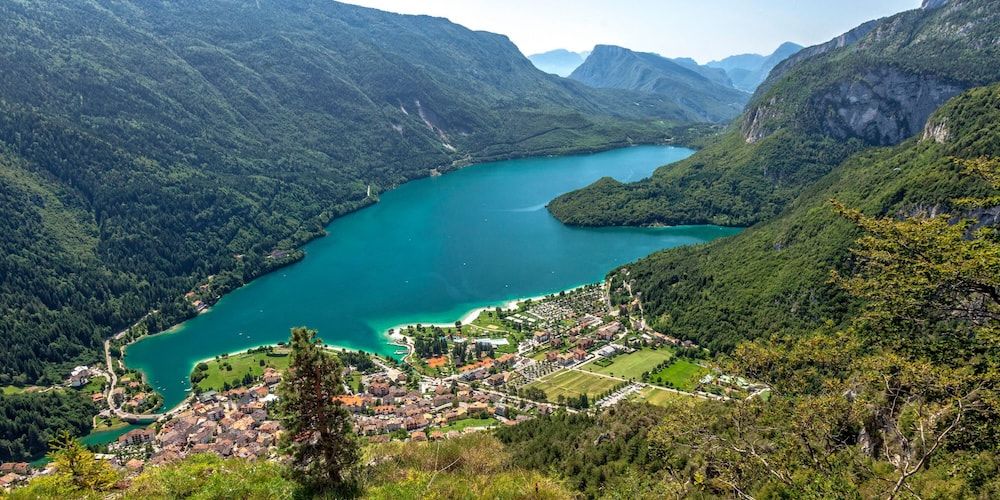
Lake Molveno is one of the destinations that best embodies the idea of a cooler Italian summer. Set at the foot of the Brenta Dolomites, its crystal-clear waters, considered among the most beautiful in the Alpine region, are surrounded by a landscape that encourages visitors to spend much of the day outdoors without having to endure the intense heat often associated with many coastal destinations.
A holiday here revolves around direct contact with nature, with forest trails, scenic walking routes and activities that alternate moments of relaxation with more adventurous experiences, such as canoeing across the lake’s calm waters.
The village of Molveno itself has retained an intimate and relaxed atmosphere, far removed from the fast pace that characterizes some of the most crowded summer destinations.
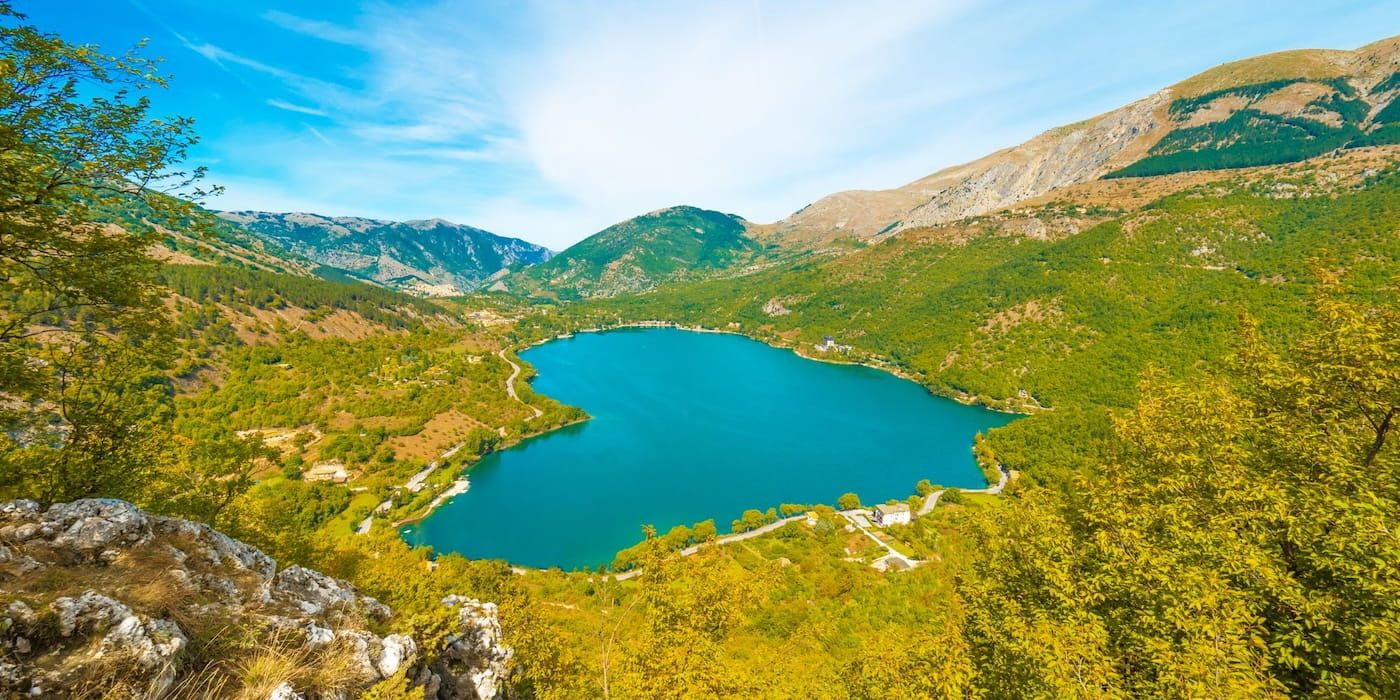
Lake Scanno: Abruzzo’s green heart
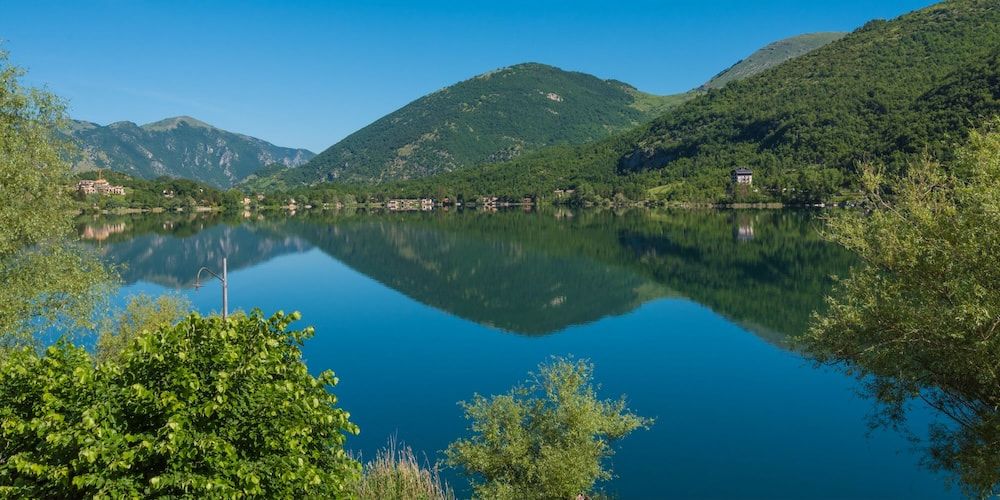
Shaped between the mountains of Abruzzo like a large emerald-green heart, Lake Scanno tells a different kind of summer story, one defined by slow rhythms and breathtaking scenery. Surrounded by mountains and overlooking one of the region’s most picturesque villages, it stands out as an ideal destination for those looking to move away from the more predictable tourist routes.
Its appeal does not lie in large infrastructures or spectacular attractions, but in its ability to offer an authentic experience. Walks along the shoreline, trails leading up to the Hermitage of Sant’Egidio and other panoramic viewpoints, together with the atmosphere of the village itself, help create a deep connection with the surrounding landscape.
At a time when many holidays are driven by the constant search for activities and entertainment, Scanno simply invites visitors to slow down and appreciate the striking landscape and unspoiled nature of Abruzzo.
Lake Cecita: where Southern Italy turns cool
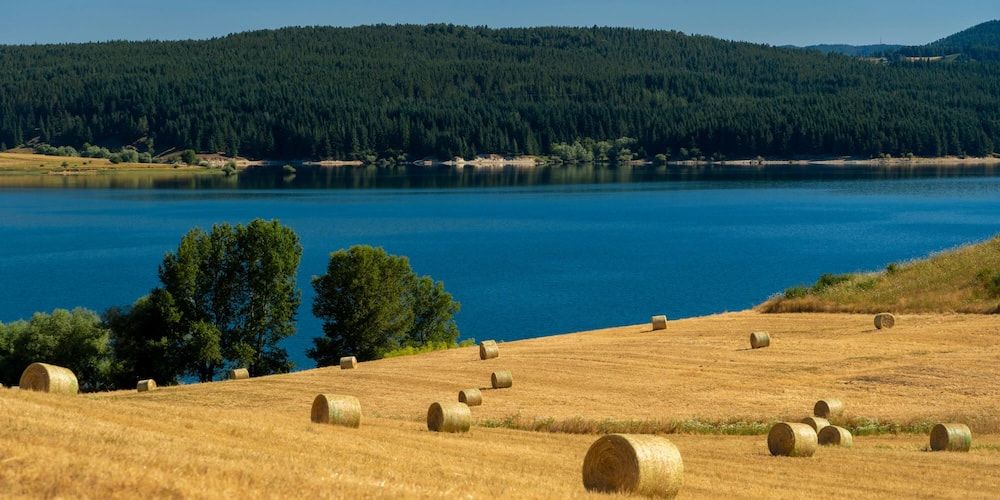
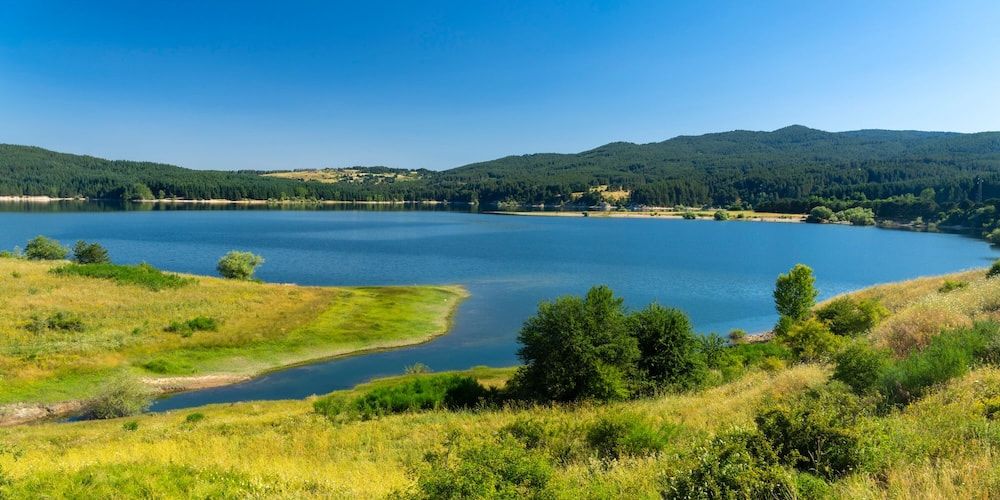
While Northern Italy finds its summer icons in Alpine lakes, Lake Cecita shows that the South also holds surprising destinations for those seeking relief from the heat. Located in Calabria, in the heart of the Sila plateau, at over 1,000 metres above sea level, it is set within one of the most extensive and captivating forested landscapes in the country.
During the summer months, its milder climate compared to the coastal areas makes this region particularly appealing for those looking to escape higher temperatures without giving up the charm of Southern Italy.
Here, beyond the lake itself, the landscape takes center stage, defined by forests and scenic roads that shape the identity of the Sila. It’s a destination that comes as a genuine surprise, as it challenges one of the most common stereotypes about Southern Italy, revealing a green, cool and still little-known side of its summer season.
2. The magic of summer in the mountains
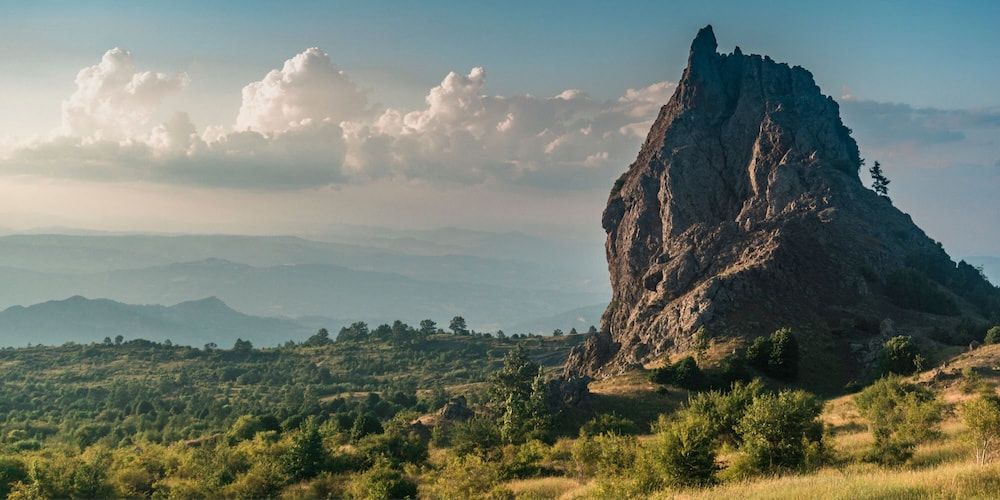
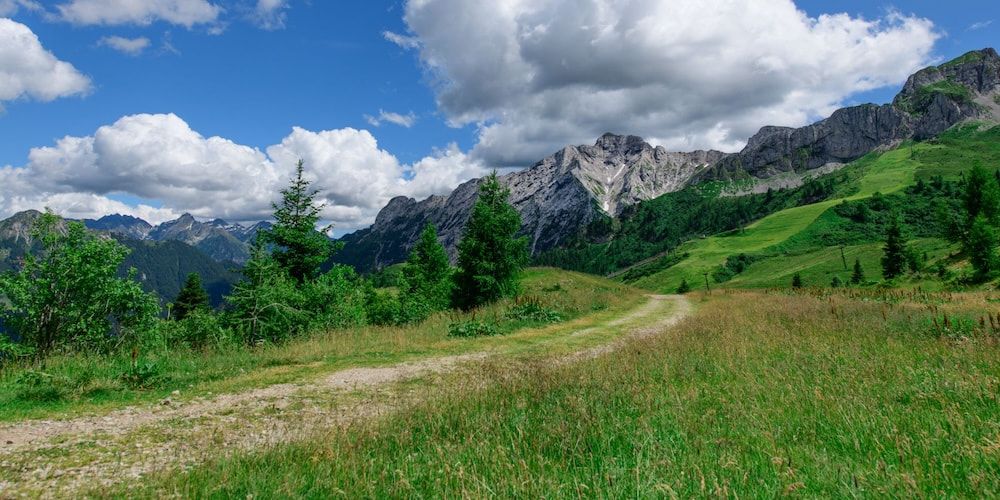
If lakes represent one of the most captivating expressions of the search for cooler summers, the mountains take this trend even further. Here, the shift is not only about temperature, but also about space and the perception of time. As we gain altitude, summer takes on different contours, with brighter days, lighter air, and a clear distance from urban and coastal environments.
In the Italian mountains, a holiday unfolds along trails that become the guiding thread of each day. A stop in a mountain hut, tasting traditional recipes while admiring the vast landscapes, is a magical moment that tends to stay deeply rooted in memory.
Small Alpine and Apennine villages also preserve a timeless atmosphere, with limited services and daily rhythms that still follow the seasons. It's this simplicity that makes the mountains one of the most powerful expressions of Italy’s new summer.
Orobie Alps: the hidden side of summer in Lombardy
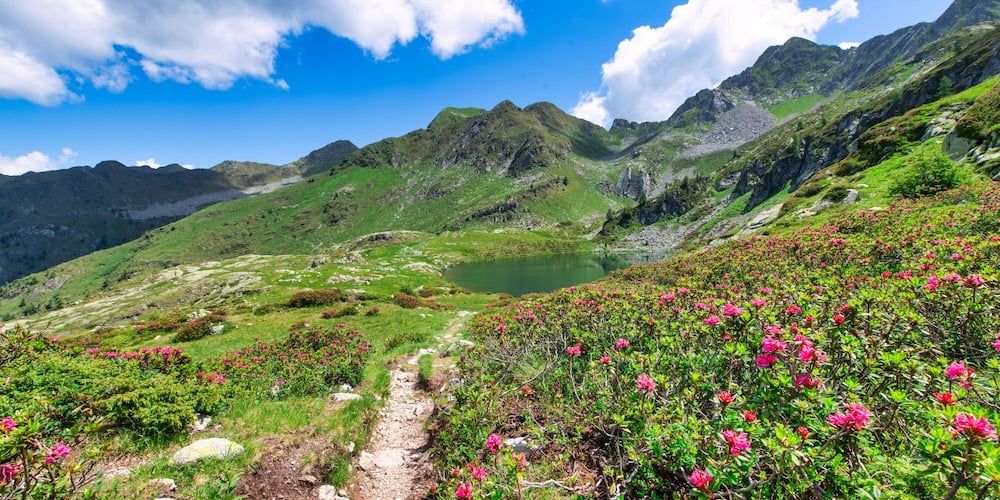
Green valleys, rocky ridges and small alpine pastures that still preserve a strong connection to traditional ways of life. The mountains of Bergamo Province, in Lombardy, reveal a magnificent Alpine landscape that is often overlooked.
A typical day here is spent exploring the many well-marked trails that cross spectacular scenery and remain relatively uncrowded even during the height of summer. In the mountain huts, we can recharge with a plate of casoncelli or polenta served with local cheeses, before relaxing in the refreshing mountain breeze.
Summer tourism is present, yet it never becomes overwhelming, allowing the area to retain its natural and authentic character. Days seem to blend into one another, drawing us into a bubble suspended beyond time and far from the fast-paced rhythm often associated with seaside destinations.
Tuscan-Emilian Apennines: the slow breath of the Italian summer
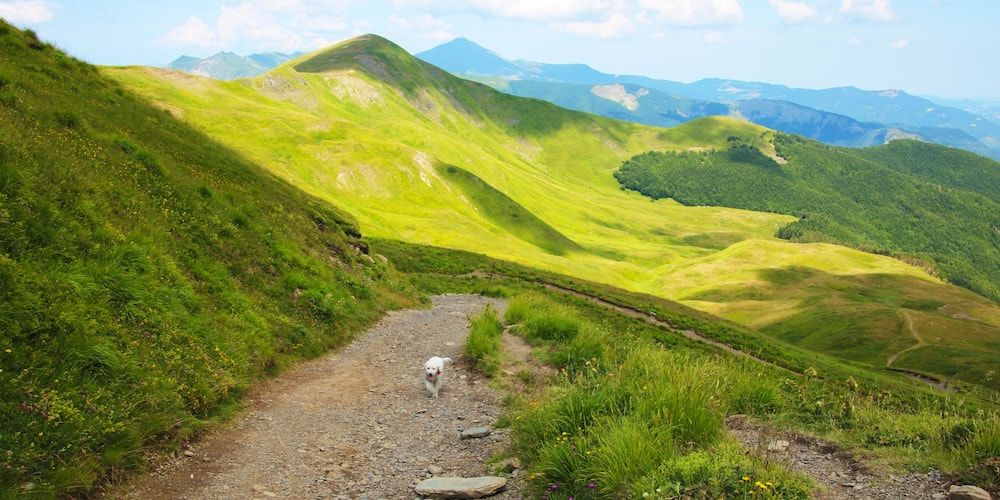
The Tuscan-Emilian Apennines stretch along the ridge that separates Emilia-Romagna and Tuscany, offering a different kind of mountain landscape compared to the Alps, gentler in form and more continuous in its flow. This is a territory that includes protected natural areas, with the Tuscan-Emilian Apennines National Park created to preserve a system of ridges, forests and biodiversity extending between the two regions.
Historic villages like Fiumalbo, Castelnovo ne’ Monti and San Benedetto in Alpe are interwoven with a well-marked network of trails that connects mountain huts, passes and scenic viewpoints like Monte Cimone and the Corno alle Scale Regional Park.
In summer, the higher elevations of many areas bring milder conditions compared to the plains, making outdoor activities possible even during the middle hours of the day, such as trekking along the Cimone ridges, walks through the forests of the Parma Valley, or hikes across the trails that cross the woodlands of the Casentino Forests.
Pollino National Park: the wild mountain of Southern Italy
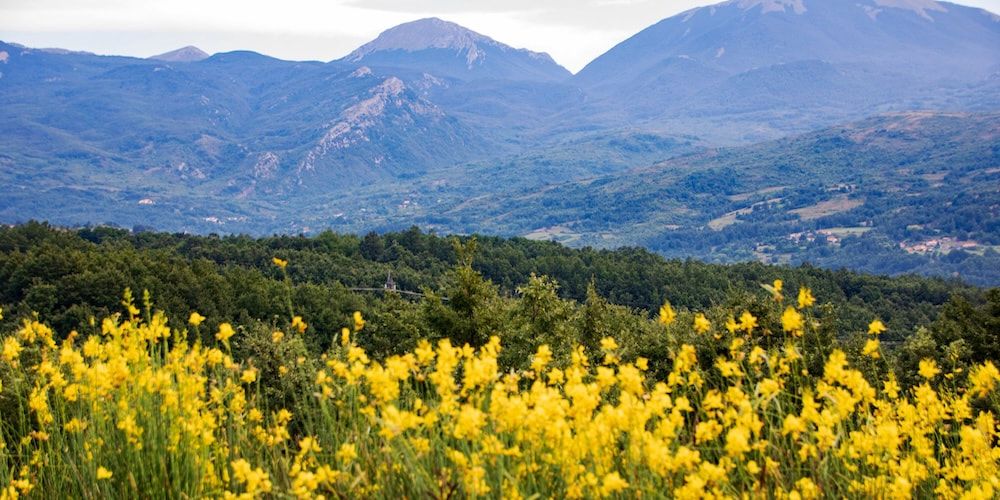
In Southern Italy, the Pollino National Park is one of the most surprising destinations for experiencing a cooler summer away from the coast. Straddling Basilicata and Calabria, this mountain massif stands out for the vastness of its landscapes and the presence of ecosystems that change quickly with altitude. Its highest peaks rise above 2,000 meters and, during the summer months, offer a mild climate.
It’s a mountain with a wild and untouched character, leading visitors through beech and fir forests, high plateaus such as Piano Ruggio, and deep valleys like the Frido Valley, with trails that reach the summits of Serra Dolcedorme and Monte Pollino.
During stops in the area’s villages, the identity of the region also comes through its cuisine, with traditional dishes such as cavatelli, peperoni cruschi, and local dairy products from the Sila and inland areas.
1. Escaping the heat through forests and plateaus
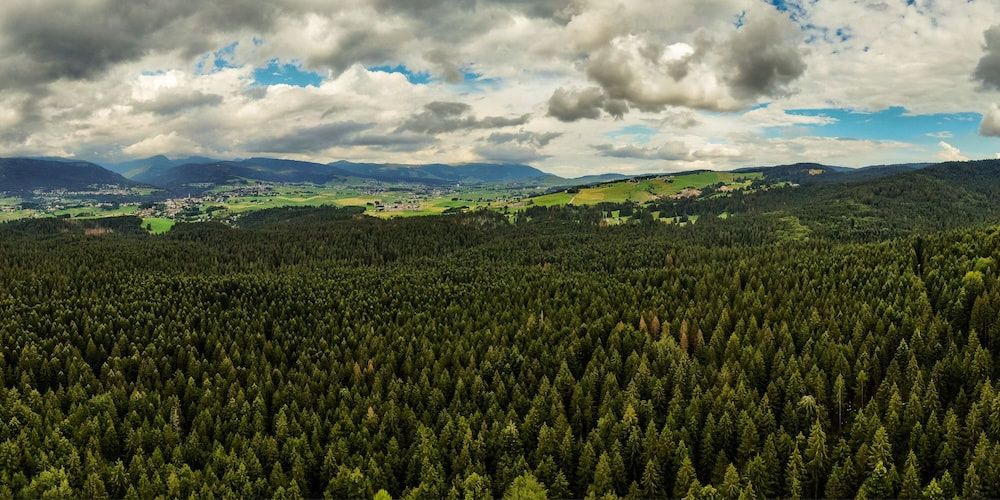
Among the most fascinating expressions of Italy’s coolcation trend are forests and plateaus, landscapes that offer a different kind of immersion in nature during the summer months.
Walking through a forest on the hottest days creates a distinctive feeling, almost as if we had stepped into a world of its own, where sounds become softer, sunlight filters gently through the trees, and the pace of the day slows down naturally.
Plateaus add a sense of openness and freedom to the experience, inviting us to explore at an unhurried pace these authentic territories far from the crowds.
Asiago Plateau: a summer scented with forests
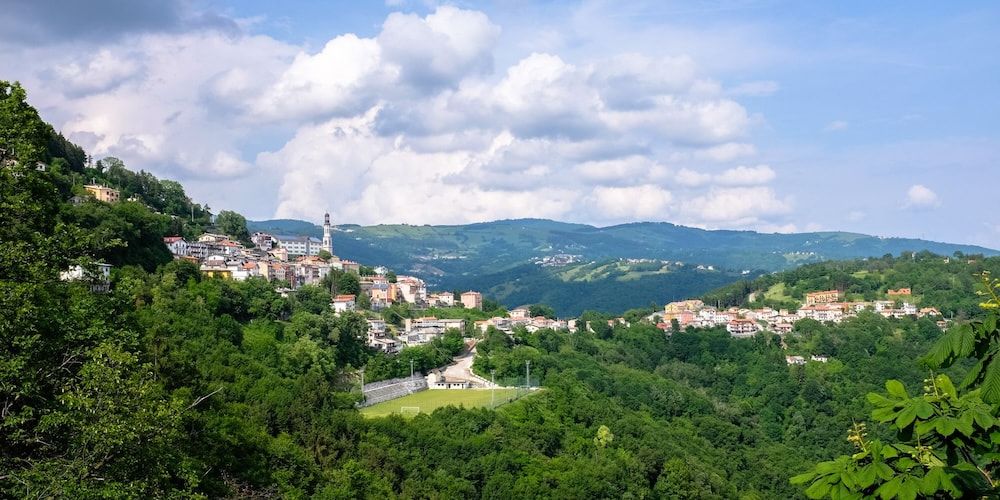
Sometimes, enjoying a cooler summer does not require reaching extreme elevations to experience something different. In the Veneto region, the Asiago Plateau alternates forests and pastures that welcome visitors into an open and harmonious landscape, ideal for spending our days outdoors without having to endure the humid heat of the lowlands.
The appeal of this vast plateau lies in its quieter atmosphere compared to the nearby and more famous Dolomites, as well as in the variety of experiences it offers. A walk through the woods can easily turn into a stop at a mountain hut, where visitors can taste the renowned Asiago cheese and discover traditions that continue to shape local life.
Scenic roads and cycling routes encourage a slower pace of travel, allowing visitors to be guided by a land that has preserved a strong connection to nature and to the culture of its mountains.
Treja Valley: the forest just outside the city
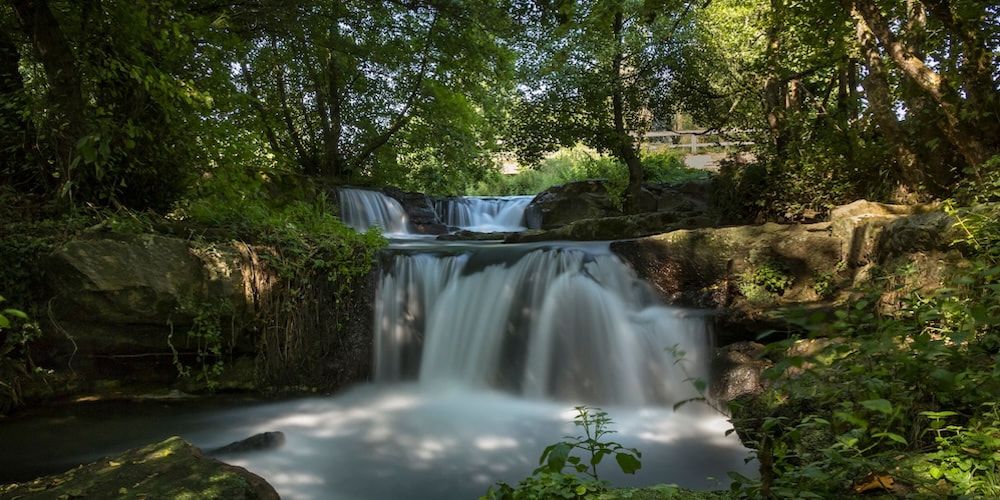
Less than an hour from Rome, the Treja Valley is one of the most accessible expressions of coolcation in Central Italy.
This is a volcanic gorge where the Treja River has gradually shaped a landscape of dense woodland, shaded trails and small waterfalls. In this case, no long journey is needed to step into a natural setting that offers a clear escape from the city and summer heat.
Along the paths connecting the villages of Mazzano Romano and Calcata, stretches of forest alternate with refreshing water views, including the scenic Monte Gelato waterfalls. It’s a short escape from the city, but a surprisingly effective one.
Umbra Forest: the unexpected coolness of Gargano
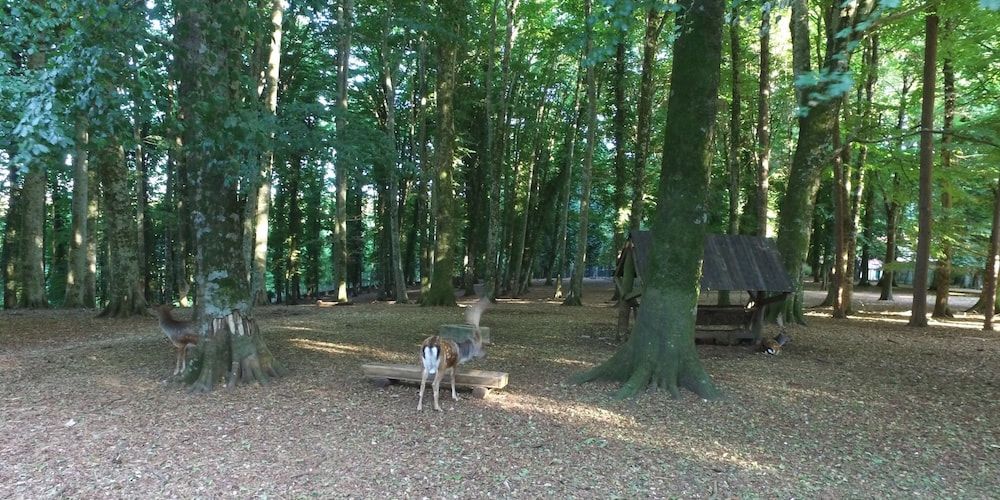
In the Gargano National Park, the Umbra Forest marks a clear shift from the coast of Apulia and its most popular seaside resorts, such as Vieste and Peschici.
Moving inland across the promontory, the landscape reveals beech and centuries-old oak forests where the dense undergrowth creates a naturally shaded environment even during the hottest months.
The area is not isolated, but crossed by a network of trails that wind through clearings, protected areas and nature reserves, gradually leading to more remote and less frequented parts of the forest. Along the marked paths, small ponds alternate with open glades, as well as a wildlife area where deer and fallow deer can be observed in their natural habitat.
FAQ, Italy beyond the coast: what you need to know
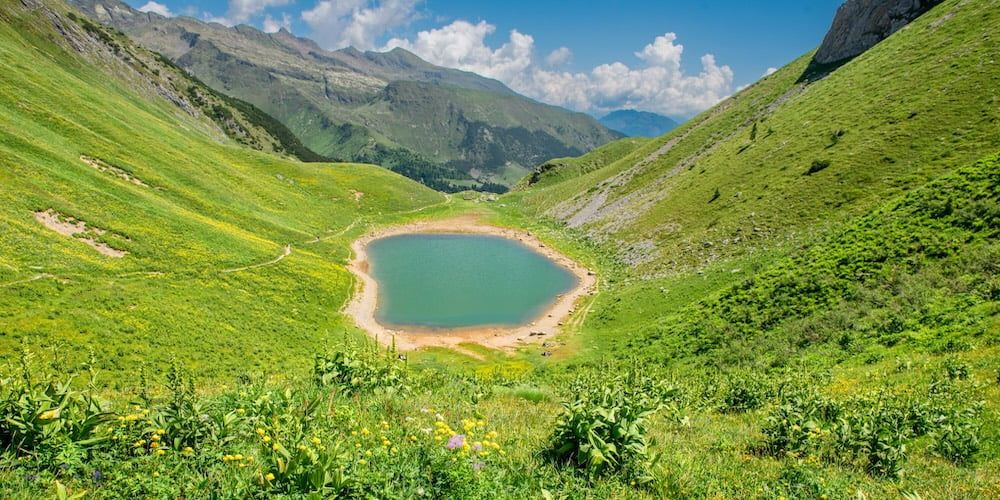
The growing interest in lakes, mountains and inland areas has also brought new curiosity about how to plan summer holidays in Italy. Choices that until a few years ago were considered niche alternatives are becoming increasingly common, especially among those looking for milder weather conditions or experiences away from the most crowded destinations.
This shift has raised very concrete questions about destinations, motivations and the real possibilities of spending a summer away from the coast.
Here are some of the most frequently asked questions linked to these new travel habits.
1. Where do Italians go in summer besides the beach?
More and more often to lakes, mountains and forests, where temperatures are milder and life moves at a slower pace. It is a choice driven both by increasingly intense heat and by the desire to enjoy nature without the pressure of crowded seaside resorts.
2. What are the coolest summer destinations in Italy?
In summer, the Alpine and pre-Alpine areas, the Apennines and some inland regions of Southern Italy generally offer milder conditions. These destinations are only examples of a much broader and more widespread landscape: across Italy there are many lesser-known territories, often close to popular cities, where it is still possible to find cool air, tranquillity and a direct connection with nature.
3. Why are more people choosing lakes and mountains instead of the sea?
To avoid the hottest hours of the day and the overcrowding of beaches, but also to look for slower-paced experiences closer to nature. Lakes and mountains allow for a more flexible way of spending the day.
4. Can you have a cool summer in Southern Italy too?
Yes, especially in inland and higher-altitude areas. From the Sila to Pollino and Umbra forest, and many other places besides, there are places where summer temperatures are milder and the landscape is completely different from the more familiar image of the southern coastline.
About the author
Written on 25/06/2026
Alessandro Savino
SEO Copywriter & web editor: I love transforming my passion for writing into engaging narratives, creatively and precisely exploring the beauty and complexity of our wonderful country.

Alessandro Savino
Record heat and crowded beaches? Enjoy the cool air and the magic of pristine lakes, forests and mountains: in Italy, it’s the summer of coolcation!