
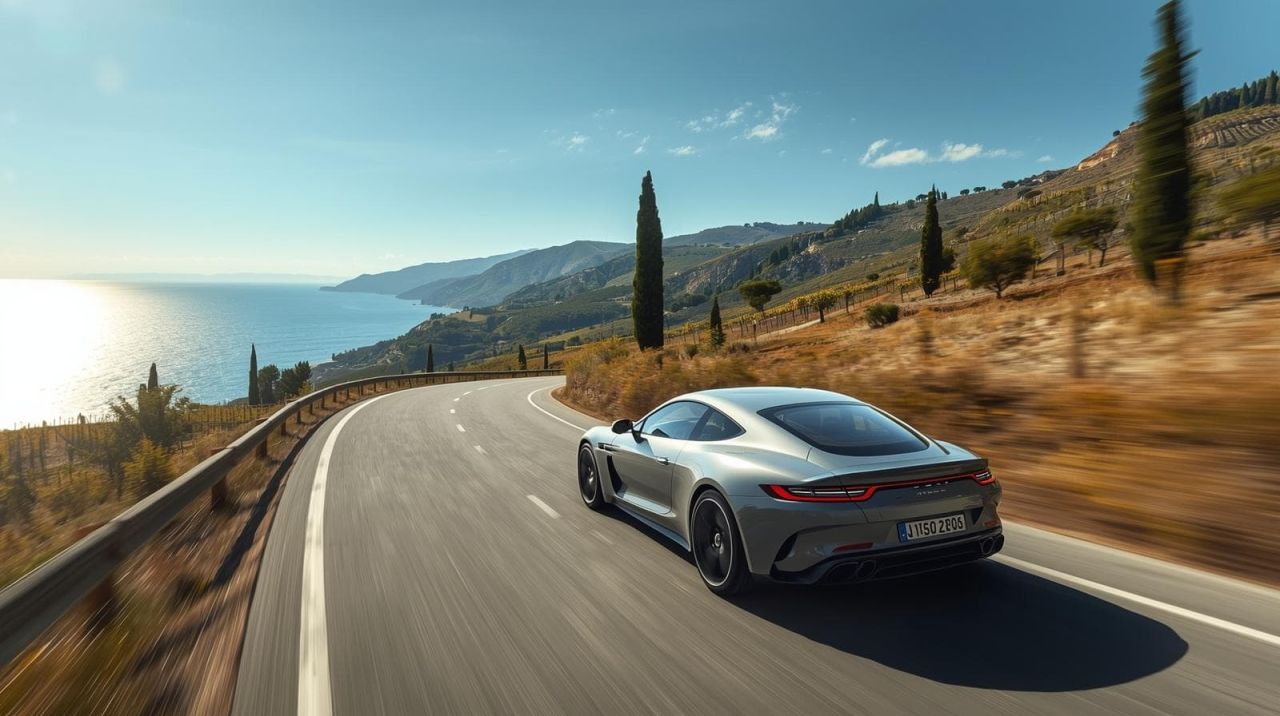

Driving in Italy means much more than simply “getting from point A to point B.” It often means passing through medieval historic centers, traveling along scenic roads lined with hills and vineyards, and navigating narrow streets where every turn tells centuries of history.
Even before renting a car, it’s important to understand that driving in Italy comes with specific rules and unique characteristics that may surprise visitors from abroad.
Knowing how to drive in Italy, from ZTL zones to speed limits and local driving habits, is the first step toward enjoying the experience with confidence and without unpleasant surprises.

How to drive in Italy: basic rules tourists should know
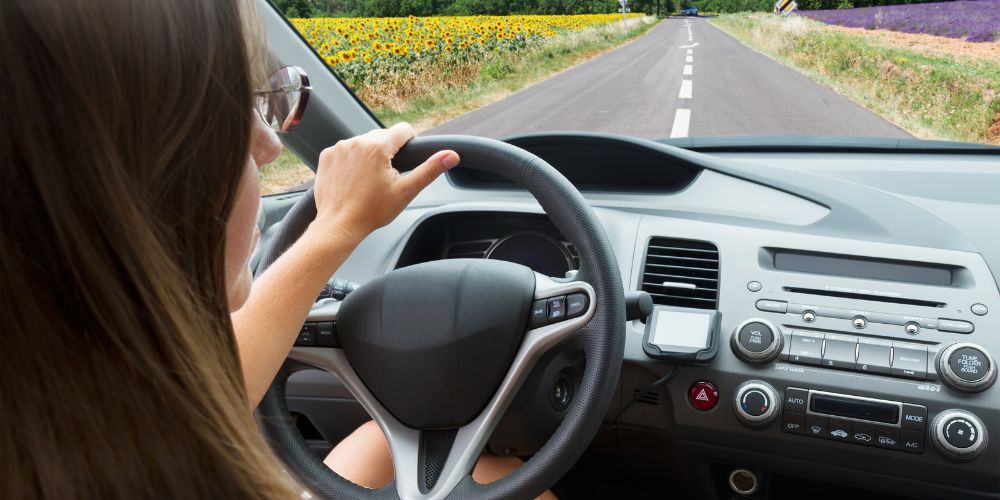
Here are the main rules to keep in mind to drive safely in Italy.
Overtaking and driving side: In Italy, you drive on the right and always overtake on the left. This rule applies on all roads, from city streets to highways. At roundabouts, where traffic moves counterclockwise, you must yield to vehicles already inside the circle coming from the left, even if at first glance the traffic may seem chaotic.
Speed limits: Speed limits are clearly defined but strictly enforced. In cities, the standard limit is 50 km/h; on extra-urban roads it is 90 km/h; and on highways it can reach 130 km/h. In rainy conditions or for certain categories of drivers, lower limits may apply. Speed cameras are widespread, so respecting the limits is essential.
Seat belts: Seat belts are mandatory for everyone, both in the front and rear seats. Penalties are immediate and may also include the loss of points on your driving license, a detail that often surprises first-time drivers in Italy.
Headlights: Many tourists are unaware that low-beam headlights must be switched on during the day when driving on highways and extra-urban roads. They are not mandatory within cities.
Horn: Although often used as a quick warning signal, in built-up areas the horn is legally permitted only in case of emergency. Excessive use can still result in fines.
Driving documents: You must always carry a valid driver’s license, the vehicle registration document, and proof of insurance. Police checks are not uncommon, especially in tourist areas, and having the proper documents helps avoid unnecessary complications.
ZTL: what they are and why tourists find them so intimidating
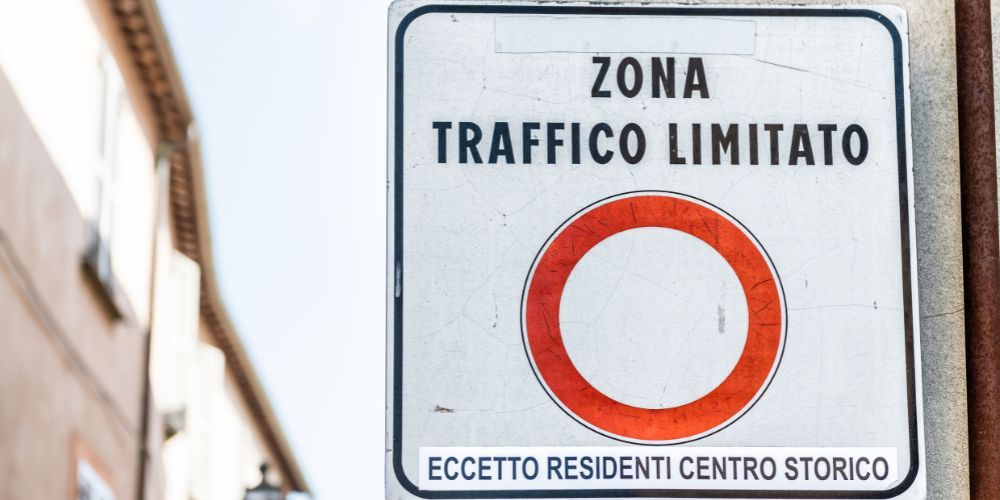
If there is one truly essential thing to understand when learning how to drive in Italy, it is the ZTL: the acronym stands for Zona a Traffico Limitato (Limited Traffic Zone), and it is widely used, especially in historic city centers where art, monuments, and medieval streets are concentrated.
ZTLs are urban areas where car access is either prohibited or allowed only during specific hours or for certain categories of vehicles. This is not a bureaucratic complication, but a deliberate choice: to reduce traffic, protect historic heritage, and give space back to pedestrians and residents. Entry points are monitored by electronic gates equipped with cameras that automatically read license plates.
This is where many tourists make their most common mistake. Each city has different rules and schedules, and the sign indicating a ZTL (a white circle with a red border) may not be immediately clear to someone seeing it for the first time. Even driving just a few meters beyond the gate without authorization is enough for the camera to record the violation.
Another hidden risk is that a single distraction can result in multiple fines: passing through several ZTL gates on the same day means receiving a separate fine for each unauthorized entry, often delivered weeks or even months after the trip has ended.
To avoid unpleasant surprises, it is always advisable to check the municipality’s official website in advance for the specific rules of the city you plan to visit. If you are staying at a hotel, ask whether the property can register your vehicle’s license plate to allow temporary access.
In most cases, the simplest solution is to leave your car outside the historic center and continue on foot or by public transport. This not only helps you avoid fines, but also allows you to experience Italian cities at the right pace, the one that invites you to look up and lose yourself in the streets.
The Italian driving style: a cultural matter
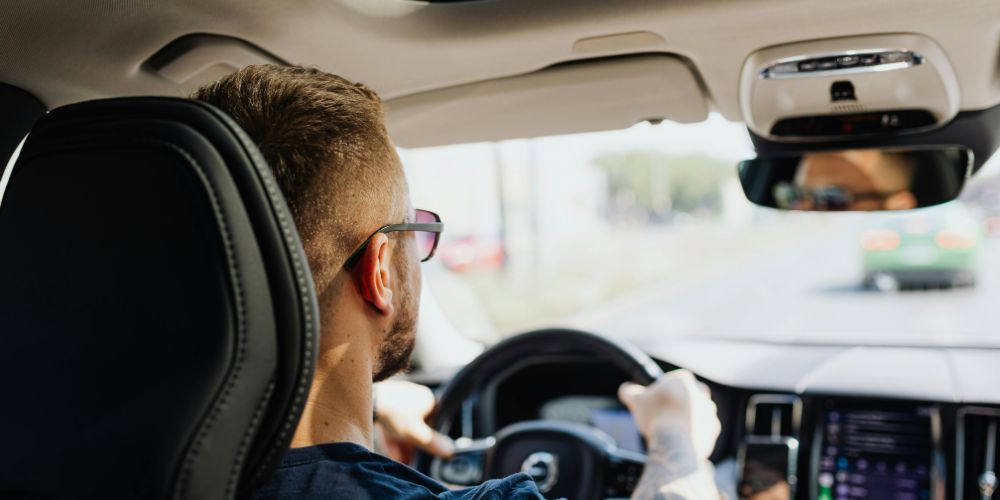
To truly understand how to drive in Italy, you need to look beyond written rules: italian driving is often described as “chaotic,” but in reality it follows a clear internal logic based on intuition, quick reactions, and constant communication between drivers.
Motorists move with confidence. Hesitation is often interpreted as uncertainty and, especially in urban traffic, it can mean being overtaken or “cut off” from the flow. It may feel surprising at first, but this dynamic rhythm is precisely what keeps traffic moving smoothly.
There is also a remarkable ability to adapt. It’s not unusual to see a two-lane road organically turn into three neat lines of vehicles: it’s a kind of “creative space management” that works because drivers are used to reading one another’s intentions in real time.
The horn is part of this non-verbal language. Although the Highway Code limits its use to emergency situations, in practice it is often used to signal presence on narrow roads, at blind curves, or to indicate that the traffic light has turned green. It is not always a sign of impatience; more often, it is simply a quick way to communicate.
Lane discipline also varies depending on the setting. On highways, the rule is clear: the left lane is reserved for overtaking. Occupying it without reason, especially at moderate speeds, is poorly received and may be met with flashing headlights from faster-approaching vehicles.
In cities, however, road markings are interpreted with greater flexibility: scooters and motorcycles frequently move between lanes to advance through traffic, a behavior generally accepted by drivers. Overtaking on the right, on the other hand, remains a risky and unexpected maneuver, and is best avoided.
Driving in cities vs. the countryside: two very different Italies

Understanding how to drive in Italy also means recognizing how much the experience can change from one city to another, or from a bustling metropolis to a quiet mountain valley.
For example, driving in Rome or Naples can feel intense, especially for those who are not used to it. Traffic is lively, streets are often narrow, and historic centers are complex, with ZTL zones constantly shaping where you can and cannot go. It requires alertness, clear judgment, and a good sense of your vehicle’s size, as both maneuvering and parking demand precision.
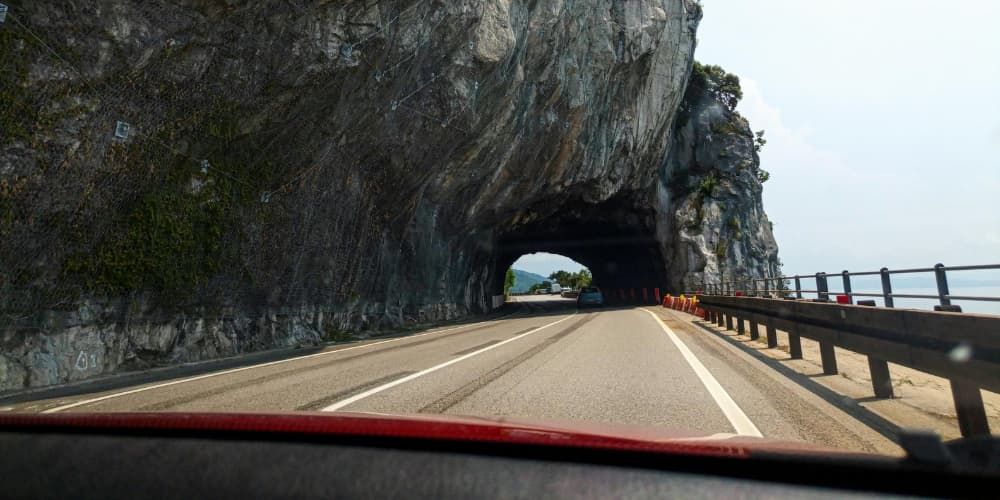
In Tuscany or in the Dolomites, by contrast, driving follows a different rhythm. Roads open up to storybook landscapes, traffic thins out, and the journey itself becomes part of the experience. In mountain areas, however, staying focused is essential: tight curves, steep climbs, and peak-season traffic call for steady control and smooth handling.
Parking is another key difference: in large cities, finding a spot can take time and patience, especially near major attractions. Paid parking areas, marked with blue lines, are often the most realistic option.
Outside urban centers, the situation changes: in the countryside and in mountain regions, parking is generally easier and often free, making a car the ideal way to explore villages, hills, and valleys with greater freedom.
Finally, one detail not to overlook is the type of transmission. In Italy, manual transmission is still predominant, deeply rooted in driving culture and often preferred for the greater control it offers, especially on hilly or downhill roads.
Most base rental models are manual, while automatic vehicles are available at a higher cost. A quick check before booking can make your driving experience much more comfortable.
Renting a car: freedom with a few smart tips
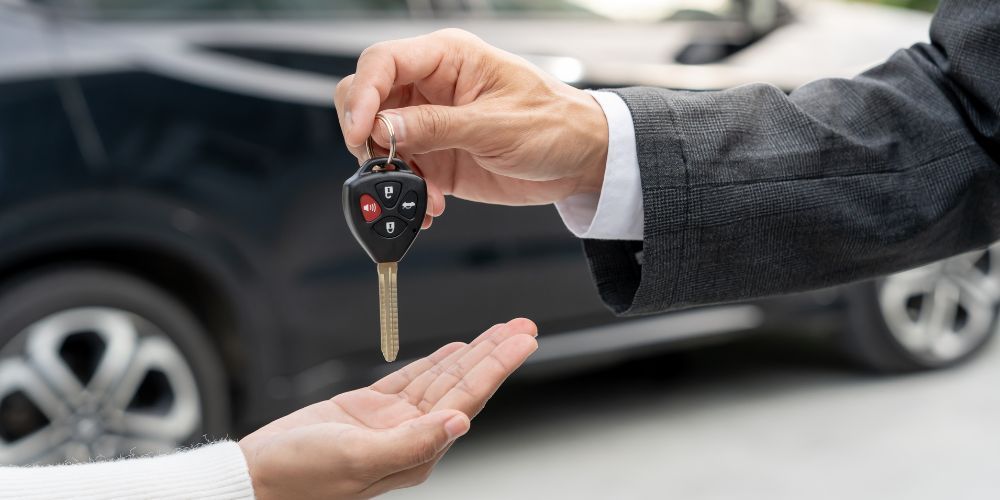
Choosing to rent a car for your vacation means giving yourself the freedom to reach hidden villages, scenic coastlines, and countryside roads that public transportation does not always cover.
For short trips, such as weekend getaways or holidays, short-term rental is the most common option. Major international companies operate at airports and train stations, offering a wide range of vehicles.
Long-term rental, on the other hand, is designed for those staying longer and involves a monthly fee that typically includes insurance and maintenance.
You will need a driver’s license that has been valid for at least one year, a valid ID, and, in most cases, a credit card in the main driver’s name. The minimum age is 18, but drivers under 25 are almost always subject to a young driver surcharge.
One final tip: booking in advance allows you to compare rates and choose the option that best suits your needs. When picking up the vehicle, carefully check for any existing scratches or damage and verify that safety equipment is included to avoid disputes at drop-off.
Fines: better to avoid them than pay them
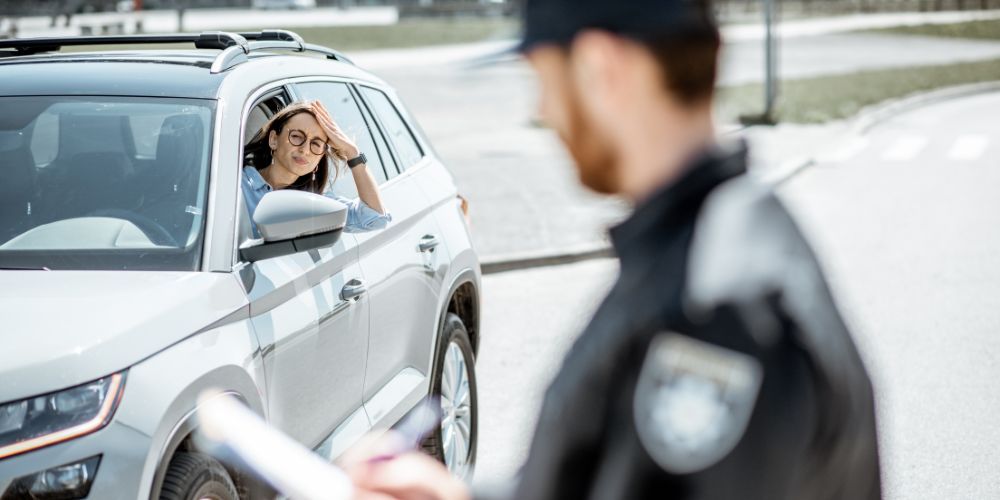
While traveling in Italy, a traffic fine can easily become the one unpleasant memory of an otherwise beautiful trip. Road rules are enforced seriously, and some violations may also result in points being deducted from your driving license.
The most common fines involve illegal parking (typically from around €42 to over €170), using a mobile phone while driving (starting at about €165, with stricter consequences for repeat offenses), expired vehicle inspections (around €173), and not wearing a seat belt (around €83).
Speeding fines can be significantly higher, especially when the limit is exceeded by a wide margin.
Fines may be placed on the windshield or sent later by mail, including internationally if you rented a car. Payment is generally required within 60 days, but there is usually a discount if you pay within the first 5 days.
Payments can be made via online banking, at post offices, or through the official portals indicated on the notice. If you are driving a rental car, keep in mind that the rental company may charge an additional administrative fee on top of the fine itself.
Parking: planning ahead makes a difference
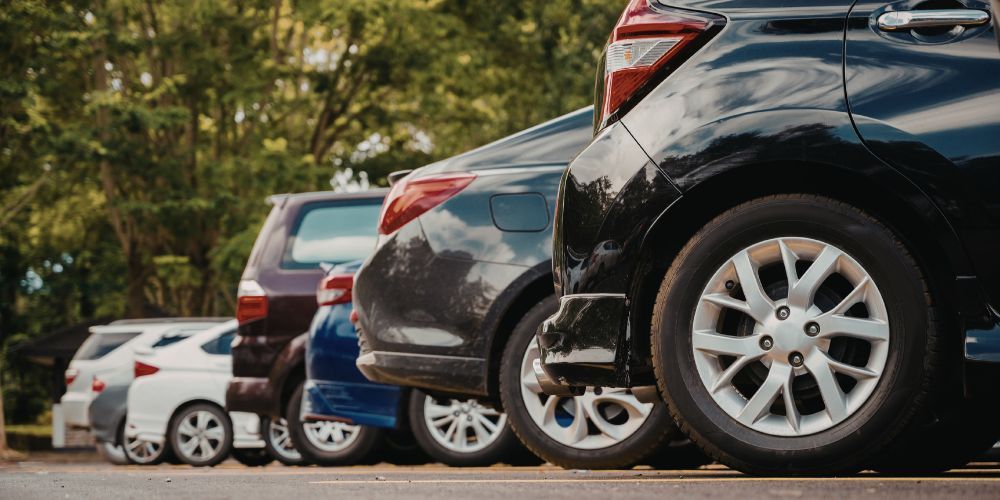
Parking is one of the trickiest aspects of driving in Italy, especially in large cities and popular tourist destinations. Finding a spot in historic centers can take time and often comes with varying costs depending on the area.
Blue lines mark paid parking spaces, usually with hourly rates and time limits, white lines indicate free parking, while yellow lines are reserved for specific categories such as residents or disabled permit holders.
Outside major urban areas, the situation is generally easier. In small towns and rural settings, parking is often simpler and, in many cases, free. Planning in advance where to leave your car, perhaps choosing secured parking areas or park-and-ride facilities connected to public transport, can help you avoid both stress and fines.
One final tip: always read the posted signs carefully. In Italy, even a short overstay outside permitted hours can lead to a ticket.
Frequently Asked Questions about Driving in Italy
Can Americans drive in Italy?
Yes, Americans can drive in Italy, but having a U.S. driver’s license alone is not enough. To be legally compliant, it must be accompanied by an International Driving Permit (IDP) or an official, sworn translation of the license.
The IDP does not replace a U.S. license; it serves as its legally recognized translation for Italian authorities. It must be obtained before departure, directly in the United States. Arriving in Italy without it can result in fines, issues during roadside checks, and complications with insurance in the event of an accident.
For tourists staying for short periods, an IDP is sufficient to drive legally. The situation changes for longer stays: after one year of residency in Italy, a U.S. license is no longer valid and must be converted into an Italian one. Since there is no direct reciprocity agreement, the process may involve both theoretical and practical exams.
Do I need an international driving permit?
The answer depends on the country that issued your license. If your license was issued by a country in the European Union or the European Economic Area, no additional document is required: it is valid in Italy as it is and can be used without restrictions.
If you are arriving from a non-EU country, however, driving in Italy as a tourist requires your national license to be accompanied by either an official sworn translation or an International Driving Permit, often referred to as an IDP. This document does not replace the original license but provides a translation recognized by Italian authorities.
The International Driving Permit must be obtained in your home country before traveling and must always be carried together with a valid national driver’s license.
Is driving in Italy dangerous?
Driving in Italy requires attention and awareness. Statistics place the country among European nations with a higher-than-average accident rate, mainly due to risky behaviors such as using mobile phones while driving, speeding, and failing to wear seat belts.
The greatest risk is found in urban areas and on extra-urban roads, where traffic is heavier, maneuvers are more frequent, and interaction with pedestrians, cyclists, and motorcyclists is part of everyday driving. In these settings, distraction can make a real difference.
Highways, on the other hand, are generally safer from a statistical standpoint. Road signs are clear, lanes are well designed, and traffic rules are more predictable, even though higher speeds still require caution.
If you’re wondering how to drive in Italy safely, the answer is straightforward: follow the rules, stay alert, and adapt to the local driving style.
About the author
Written on 02/03/2026
Flavia Cantini
Freelance Content Writer with over a decade of specialized experience in tourism, culture, and creative/artistic activities. I assist magazines, web agencies, and end clients in managing blogs and crafting standout articles

Flavia Cantini
Driving in Italy is safe but different: ZTLs, rules, local driving habits, and mistakes to avoid for a smooth, fine-free trip.