
There is a different way to travel across Italy, one that more and more travelers are beginning to rediscover, and it doesn’t involve highways or airports.
Instead, it unfolds along secondary railway lines that wind through Alpine valleys, skirt along lakes, climb across remote plateaus, or circle around a volcano. It’s a journey seen through train windows that become observation points, where the railway itself turns into the experience.
As slow travel continues to gain momentum and rising fuel costs push many to rethink how they move, Italy is witnessing an interesting trend: historic railways, lesser-known regional lines, and scenic routes largely overlooked by mainstream tourism are coming back into the spotlight.
We’re not talking about famous luxury trains or well-known routes, but about lesser-told journeys that are quietly transforming train travel into a growing trend.
Why travel in Italy by train in 2026
In 2026, train travel is no longer just a practical or sustainable choice, it has become a true cultural alternative to fast-paced travel.
On one hand, rising costs associated with driving have brought attention back to more accessible and relaxed ways of getting around; on the other, there is a growing desire to experience the journey itself, not just the destination.
This is where the train comes in: a way of traveling that allows you to slow down and be surprised.
More and more travelers are choosing regional routes and historic lines for their scenic value. Looking out of the window becomes part of the experience, almost a ritual, while the journey turns into a continuous flow of immersive landscapes.
It’s a quiet shift in the way we move, and in Italy, it’s finding particularly fertile ground: let’s explore the 7 scenic routes that are redefining slow travel.
7. Vigezzina-Centovalli Railway, Piedmont
Among the most surprising routes is the one connecting Domodossola to Locarno, crossing the Val Vigezzo and the Centovalli. A 52-kilometer journey that winds through 83 bridges and 31 tunnels, immersed in a landscape that shifts with every curve: deep gorges, dense forests, and small villages nestled among the mountains.
The iconic blue-and-white trains of the Vigezzina-Centovalli Railway run all year round, offering a different experience with each season. Between late September and early November, the foliage sets the valleys ablaze with color, while in winter, a blanket of snow creates a quieter, more intimate atmosphere.
It’s no coincidence that in recent years this line has gained popularity not only for its scenery, but also for the experiences it offers. From curated packages like the Lago Maggiore Express and the well-known Foliage Train, to the opportunity to reach beloved local events such as the Christmas markets in Santa Maria Maggiore or festivals in Domodossola.
To truly experience it, the best approach is not to simply ride the entire route, but to stop along the way. Santa Maria Maggiore, in the heart of the valley, is an ideal place to slow down and take in the Alpine atmosphere, as is Re, home to the striking Sanctuary of the Madonna del Sangue.
6. Brescia–Iseo–Edolo Railway, Lombardy
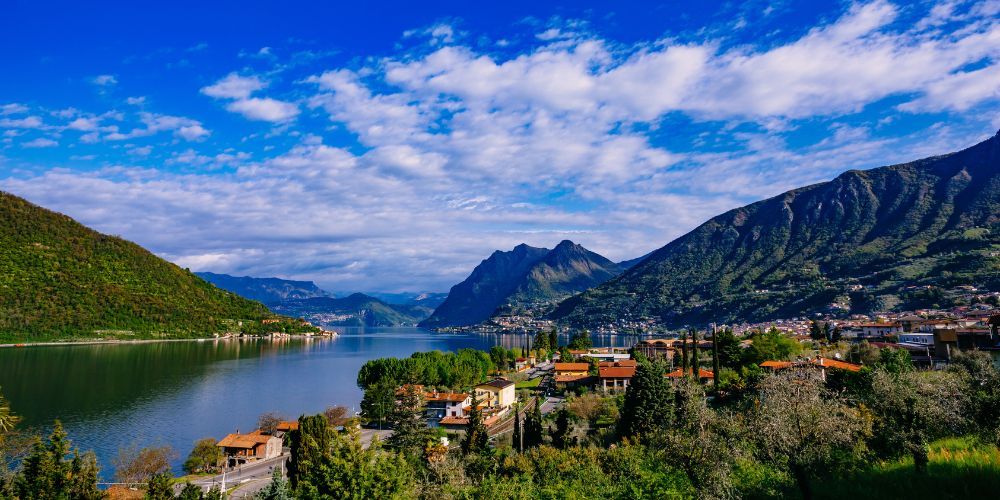
There are railway lines that rarely appear in guidebooks, and for that very reason, they can be the most surprising. The Brescia–Edolo line is one of them.
The journey begins quietly, passing through plains and small towns, but little by little the scenery shifts. Lake Iseo suddenly comes into view, the mountains draw closer, and the Val Camonica opens up in all its breadth.
It’s a line used daily by commuters, yet it offers views that rival far more famous routes. Stopping in Iseo or Pisogne allows you to experience the unique relationship between water and mountains, while continuing toward Breno and Edolo leads you into an increasingly Alpine landscape.
In the end, it’s one of those journeys that proves how train travel in Italy can reveal unexpected beauty, even where you least expect it.
5. Val Venosta Railway, South Tyrol
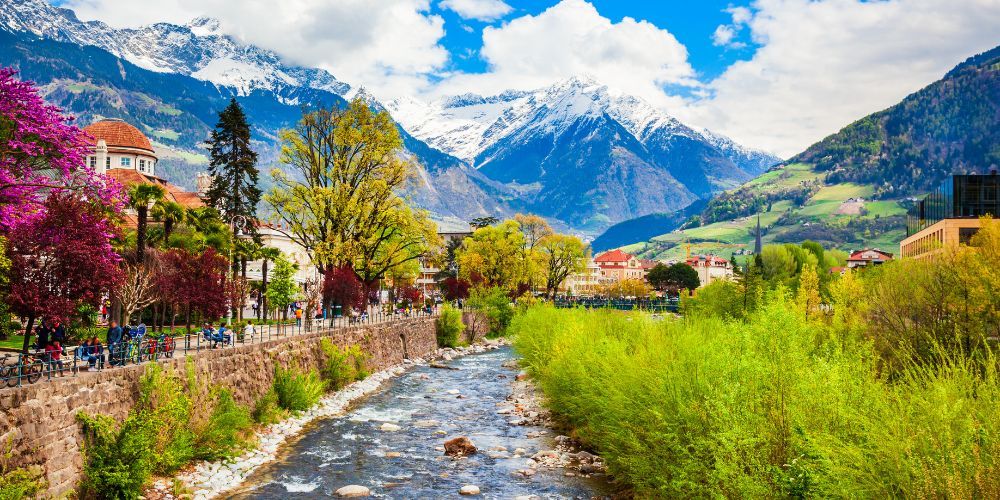
Between Merano and Malles Venosta, the train glides through apple orchards, vineyards, castles, and rocky slopes along one of the most modern regional railways in Europe. Large panoramic windows turn every seat into a front-row view of South Tyrol’s natural and cultural landscape.
Over nearly 60 kilometers, with an elevation gain of around 700 meters, the line crosses a valley where landmarks such as Castelbello Castle, Juval Castle, and Coira Castle appear along the way. The bright white marble blocks of Lasa reflect the light with striking intensity, while in the background, the peaks of the Ortles massif shape the scenery with a constant, almost mesmerizing presence.
Many of the stations date back to the Austro-Hungarian Empire and, after careful restoration, still preserve original details such as the characteristic red and green colors—blending historical memory with modern comfort.
What makes this route even more appealing is the possibility of experiencing it in a dynamic way. The Adige Cycle Path runs alongside parts of the railway along the ancient Via Claudia Augusta, offering the chance to combine a scenic train journey with a bike ride through the valley. With the bikemobil Card, train and bicycle become part of one seamless itinerary, ideal even for families.
Stopping in Naturno or Silandro allows for a closer exploration of the area, but the true strength of this line lies in its balance: modern yet slow, accessible yet never crowded.
4. Transiberiana d’Italia, Abruzzo and Molise
Among the most intense experiences is the journey along the so-called “Transiberiana d’Italia,” a historic railway line connecting Sulmona to Isernia.
The name is no coincidence. Coined in the 1980s to evoke its remote and rugged character, it recalls the imagery of the great Russian railway, but here, the journey has a distinctly Italian soul: intimate, understated, and unexpectedly powerful.
The route unfolds across the Peligna Valley, Colle Mitra, and Alto Molise, crossing the Majella National Park and climbing above 1,000 meters in altitude, reaching its highest point in Palena at 1,268 meters. It is one of the highest railways in Italy, and this elevation translates into landscapes that shift dramatically throughout the journey.
On board vintage carriages from the 1930s to the 1950s, restored and now operated by the Fondazione FS Italiane, time seems to slow down. The train passes through 58 tunnels, as well as bridges and viaducts, while outside stretch plateaus, forests, and small towns such as Campo di Giove, Rivisondoli, Pescocostanzo, and Castel di Sangro.
There are moments when the landscape feels suspended, detached from the pace of modern life. This is what sets the Transiberiana d’Italia apart from many other railway experiences: it is not spectacular in a conventional tourist sense, but deeply immersive.
The journey transforms with the seasons. In winter, snow turns the route into an almost unreal white expanse, making it one of the most evocative train journeys in Italy—enhanced by festive events like Christmas markets along the line. In summer, it becomes an ideal starting point for hikes and outdoor exploration in the Apennine landscape.
Often accompanied by guides and moments of storytelling or folk music, the journey feels like more than just a train ride, it becomes a shared experience.
Departures usually take place in the morning from Sulmona, with a return the same day. If possible, however, it’s worth stopping along the way: getting off at Campo di Giove or Pescocostanzo offers a chance to connect with a quieter Italy, rich in villages, silence, and landscapes that remain largely untold.
3. Val d’Orcia “Treno Natura”, Tuscany
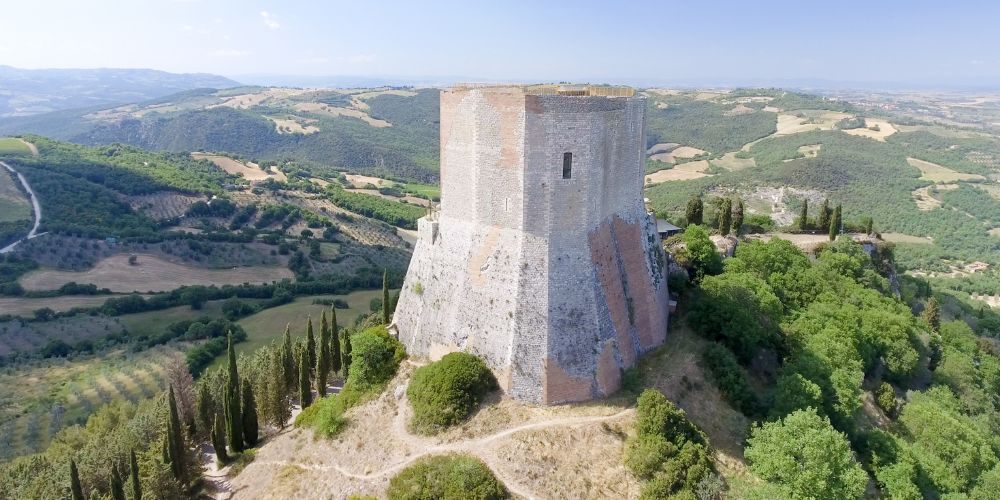
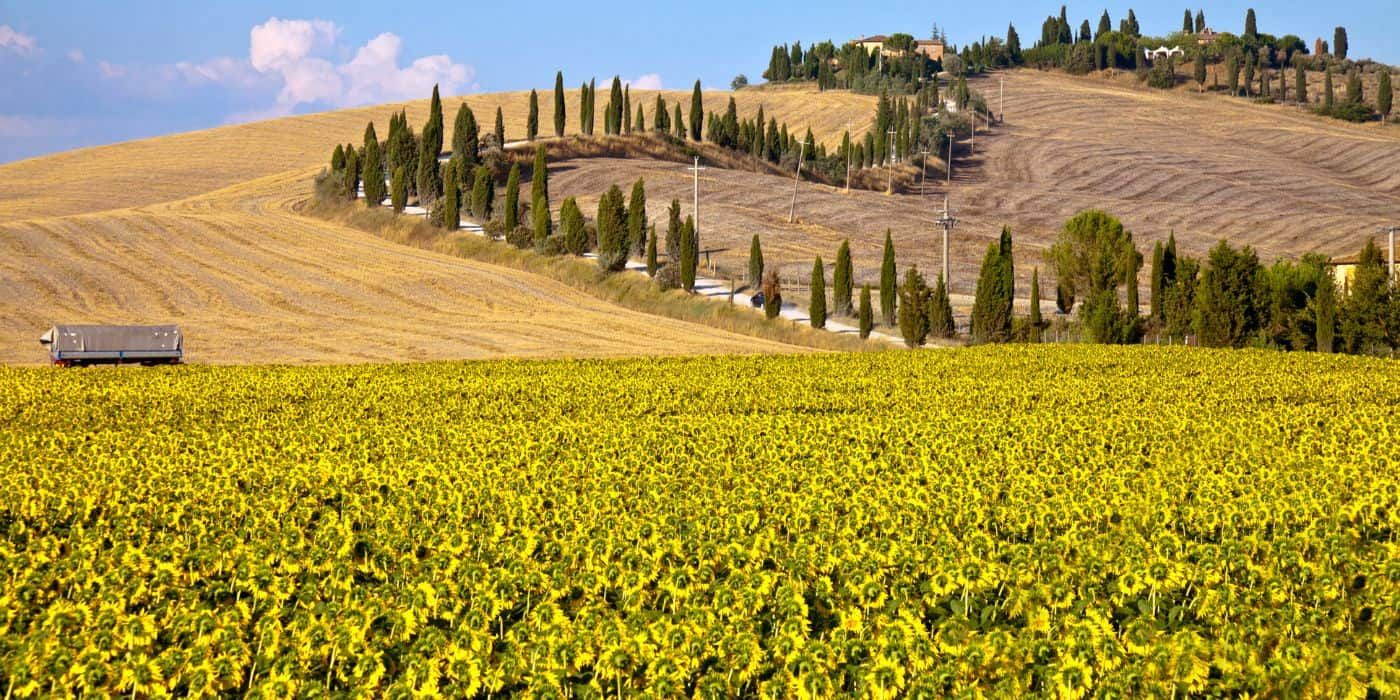
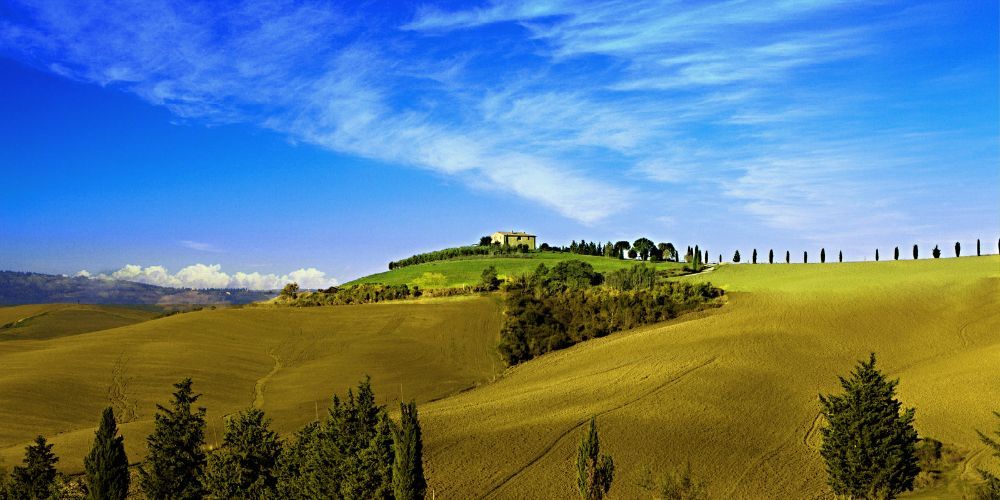
In the heart of Tuscany, between Asciano and Monte Antico, the Treno Natura crosses the Val d’Orcia against a backdrop of rolling hills, cypress trees, and villages that belong to the collective imagination—moving at a slow, almost ceremonial pace.
The journey begins in Siena, the “City of the Palio,” and aboard the historic “Centoporte” carriages, pulled by steam locomotives restored by the Fondazione FS Italiane, the landscape starts to unfold with a rhythm that feels almost forgotten.
The first stop is Buonconvento, the gateway to one of the most evocative stretches of the Via Francigena. From here, you can reach San Quirico d’Orcia, set among wheat fields, vineyards, and expanses of sunflowers that seem made to be admired without any sense of hurry.
The journey continues southwest, and from Monte Antico you enter the heart of the historic railway. Running alongside the Ombrone River, the train approaches Monte Amiata, where just a few kilometers from the station stands the Abbey of Sant’Antimo, an early medieval monastic complex and a masterpiece of Tuscan Romanesque architecture.
A little further on, among the vineyards of Brunello wine, lies Montalcino, a medieval village overlooking a landscape that alternates between the Crete Senesi and the rolling hills of the Maremma, one of those views that lingers in the memory.
On the return journey to Siena, the stop at Torrenieri becomes a strategic point for exploring other treasures: Bagno Vignoni, with its iconic 16th-century thermal pool, and Castiglione d’Orcia, watched over by the striking Rocca degli Aldobrandeschi.
The final stretch, from Torrenieri to Asciano, crosses the valley of the Asso stream through tunnels, viaducts, and more rugged landscapes shaped by time, badlands and sculpted hills, bringing the journey to a close with the feeling of having discovered a slower, deeper Tuscany.
2. Circumetnea Railway, Sicily
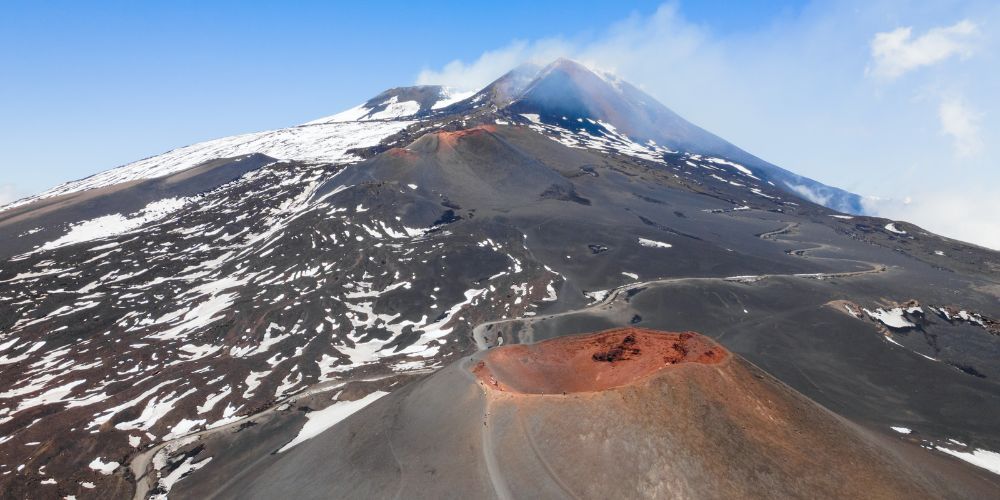
Few journeys in Europe can offer a route quite like this: a train that circles Mount Etna, guiding travelers through one of the most ever-changing and magnetic landscapes in Italy.
The journey begins at Catania Borgo, and from the very first kilometers, you feel as though you’re entering a place unlike any other. The ascent starts among lava fields and almost lunar scenery, where the black of volcanic rock is suddenly interrupted by bursts of color, pistachio groves in Bronte, prickly pear cacti, and cultivated land that seems to defy the harshness of the terrain.
Mount Etna is always there. In some stretches, it feels so close you could almost reach it on foot, accompanying the entire journey with a presence that is constant yet never the same.
The route, about 110 kilometers long with an elevation gain of nearly 1,000 meters, takes roughly three hours and is suitable for everyone, including families. Along the way, the train passes through towns such as Paternò and Adrano, small agricultural communities that reflect a deep, everyday relationship with the volcano.
Midway through the journey, the train reaches Bronte, the heart of the region, where the landscape opens up in all its remarkable diversity. Shortly after, the railway enters one of its most striking sections: a long stretch with almost no settlements, where it reaches its highest point near Rocca Calanna, at around 967 meters above sea level.
From here, the descent begins, and the scenery shifts once again. One of the most fascinating stops is Randazzo, a medieval town built from dark lava stone and the closest settlement to Mount Etna’s summit. Its architecture, including the Basilica of Santa Maria Assunta, tells a story deeply rooted in the land.
Then, almost suddenly, the volcano gives way to the sea. After a bend in the tracks, the horizon opens up and the coastline appears, leading to Riposto, the final destination of the journey.
1. Trenino Verde of Sardinia
The Trenino Verde explores the interior of Sardinia along winding routes far from the main tourist flows. Here, the landscape is shaped by wild nature, silence, and vast distances, and many of the places glimpsed from the window remain inaccessible by other means.
Among the most fascinating routes is the one starting from Arbatax and heading inland to Gairo Taquisara, at the foothills of the Gennargentu mountains. Along the way, the sea gradually gives way to rugged highlands, and once you arrive, the journey can continue with excursions through Ogliastra, uncovering places rich in history and natural beauty.
Another particularly evocative line runs from Mandas to Seui, passing through Sadali in the heart of Barbagia. Sadali is known as the “village of water,” while Seui boasts one of the island’s most significant medieval heritages.
For those seeking a balance between coast and inland landscapes, the route connecting Bosa to Macomer offers a continuous shift in scenery. It begins in one of the most charming villages on Sardinia’s western coast and climbs into areas filled with archaeological sites and traditions, where you can also discover local flavors such as Malvasia wine.
Finally, in the north of the island, the route from Palau through Arzachena to Tempio Pausania (often called the “city of stone”) reveals unexpected views of Gallura, with its granite landscapes and Lake Liscia, where the journey can even be combined with a boat excursion.
Practical tips to make the most of these itineraries
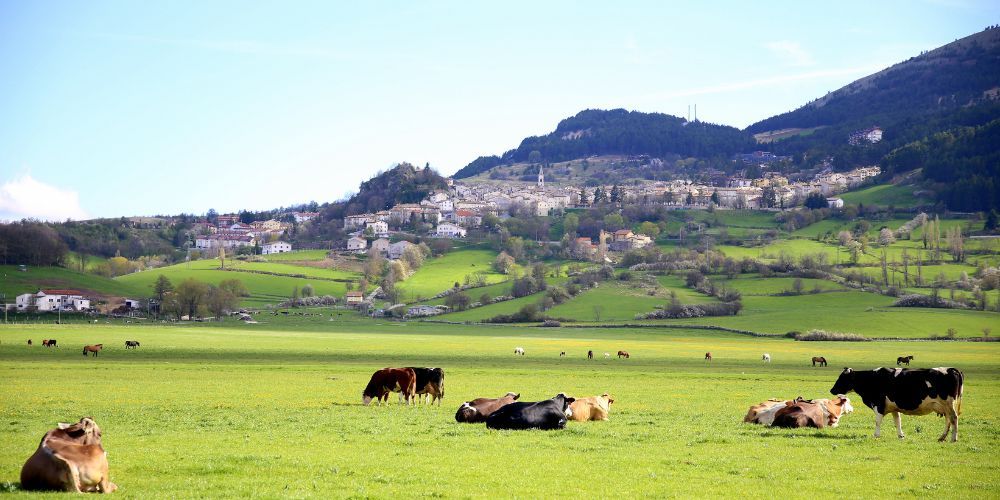
To truly experience the potential of these scenic railway journeys in Italy, it’s important to shift your perspective: don’t think of the train as a way to get somewhere, but as the way of traveling itself.
Timing also plays a key role. Some routes seem to change identity with the seasons. The Vigezzina-Centovalli Railway, for instance, reaches its peak between late September and early November, when foliage turns the valleys into a mosaic of colors, while in winter it offers a quieter, more contemplative atmosphere.
The Transiberiana d’Italia, on the other hand, is at its most striking during the colder months, when snow reshapes the Apennine landscape, while in spring and summer it becomes a perfect starting point for hikes and outdoor explorations.
Other experiences, such as the Circumetnea, can be enjoyed year-round thanks to the variety of scenery: from lava fields to cultivated land, all the way to the sudden opening onto the sea. Then there are routes like the Trenino Verde of Sardinia, where seasonality matters less than the desire to connect with a wild and largely untouched landscape.
Another essential aspect is making stops along the way. Getting off the train is not a detail, it’s part of the journey itself. Stopping in Santa Maria Maggiore along the Vigezzina, exploring villages like Pescocostanzo or Campo di Giove on the Transiberiana, or visiting places such as Montalcino or Bagno Vignoni during the Treno Natura journey transforms a simple ride into a richer, more personal itinerary.
It’s also worth distinguishing between regional trains and historic trains. The former offer flexibility and freedom, ideal for creating tailor-made routes, sometimes combining train travel with other experiences, as in Val Venosta, where you can alternate between train and bike along the Adige Cycle Path. The latter, such as the Treno Natura or the Transiberiana d’Italia, add a deeper experiential dimension, with vintage carriages, slower rhythms, and often storytelling or entertainment on board.
Finally, a small detail that makes a big difference: choose your window seat carefully, when possible, and allow yourself the time to observe. On journeys like these, more than anywhere else, it is your gaze that shapes the experience.
About the author
Written on 15/06/2026
Flavia Cantini
Freelance Content Writer with over a decade of specialized experience in tourism, culture, and creative/artistic activities. I assist magazines, web agencies, and end clients in managing blogs and crafting standout articles

Flavia Cantini
Forget the usual routes: these train journeys in Italy hide incredible views that (almost) no one knows about.