
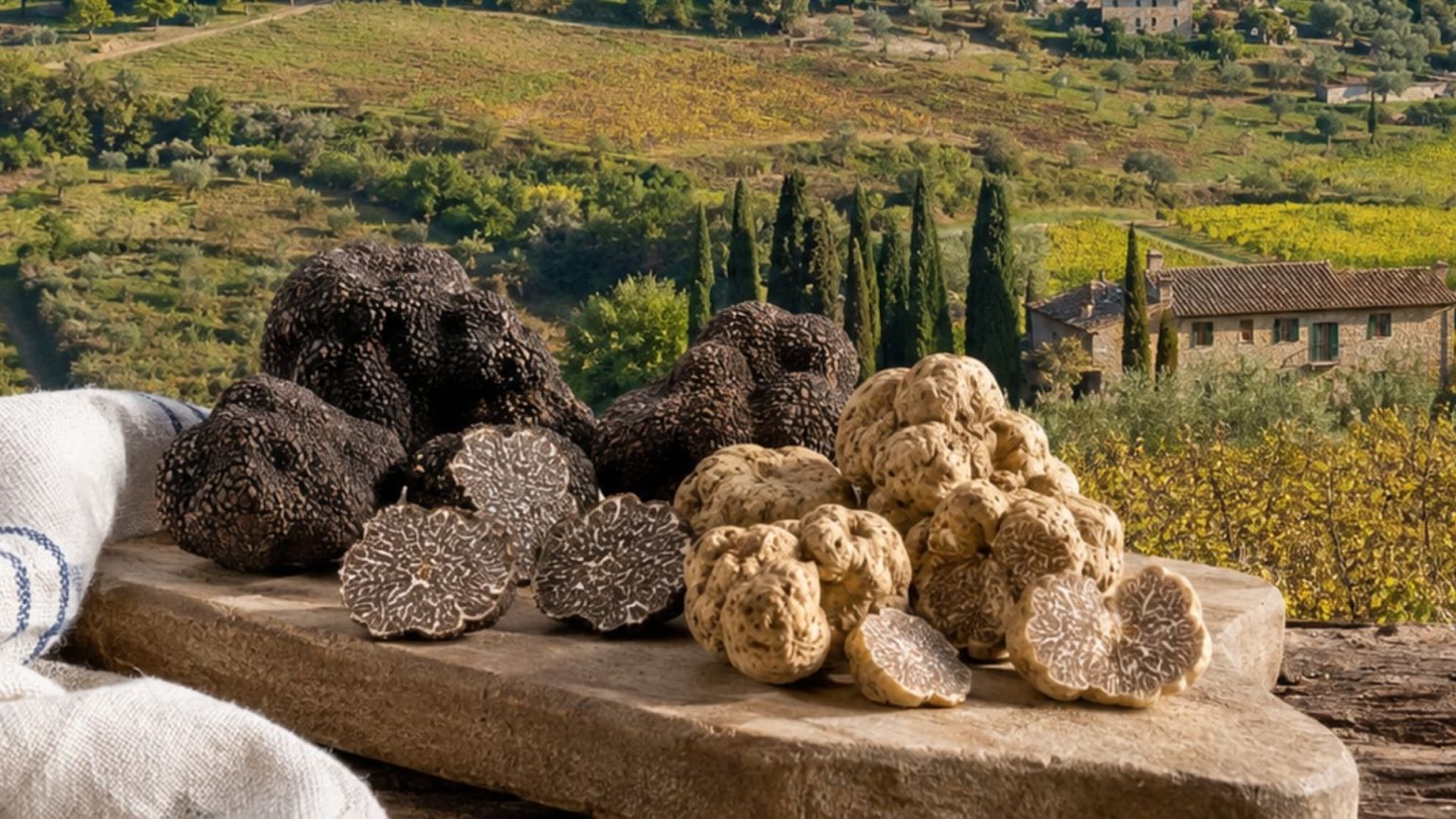
Did you know that by following an underground trail, you can discover an unexpected Italy? Not the Italy of the great routes already mapped out, but a more secret country, rich in forests, hills, Apennine valleys, inland villages and countryside where the landscape still follows the rhythm of the seasons.
The truffle is one of its most precious and surprising treasures. Found from north to south, from Piedmont to Sicily, it becomes an original key to reading the territory beyond the table: in the areas where it grows, you encounter communities, ancient knowledge, delicate ecosystems, markets, festivals, local cuisines and unique ways of living in harmony with nature.
The atlas was born precisely from the desire to discover Italy by following an invisible map, traced by the scent of truffles and preserved by Città del Tartufo, a national network that turns every place into a stop along a journey of memory and wonder.

From North to South, the truffle as a travel compass
The journey we have imagined follows Italy from north to south, like an ideal line crossing mountains, hills, forests, villages and inland countryside. From Piedmont to Sicily, the truffle becomes the narrative thread of a geographical and cultural atlas that not only shows where a rare product is born, but also reveals how a deep relationship between communities and landscape continues to survive.
The Città del Tartufo network includes over 90 locations connected to Italian truffle culture and forms a genuine "truffle route": a widespread network spanning the country region by region, uniting diverse territories that share the same vocation.
The Città del Tartufo are:
Acqualagna, Marche
Alba, Piemonte
Alta Val Tidone, Emilia Romagna
Amandola, Marche
Apecchio, Marche
Archi, Abruzzo
Ascrea, Lazio
Bagnoli Irpino, Campania
Bondeno, Emilia Romagna
Borgocarbonara, Lombardia
Burgio, Sicilia
Calestano, Emilia Romagna
Campello sul Clitunno, Umbria
Campoli Appennino, Lazio
Camugnano, Emilia Romagna
Canterano, Lazio
Capizzi, Sicilia
Capolona, Toscana
Caprarica di Lecce, Puglia
Carbone, Basilicata
Cascia, Umbria
Castelbuono, Sicilia
Castel di Casio, Emilia Romagna
Castell'Azzara, Toscana
Castropignano, Molise
Catignano, Abruzzo
Ceppaloni, Campania
Città di Castello, Umbria
Colliano, Campania
Dovadola, Emilia Romagna
Fabro, Umbria
Ferrara di Monte Baldo, Veneto
Fossombrone, Marche
Gangi, Sicilia
Giurdignano, Marche
Gubbio, Umbria
Isernia, Molise
Laconi, Sardegna
Lama dei Peligni, Abruzzo
Leonessa, Emilia Romagna
Lucca Sicula, Sicilia
Macchia d'Isernia, Molise
Macchiagodena, Molise
Menconico, Lombardia
Mesola, Emilia Romagna
Millesimo, Liguria
Montaione, Toscana
Montalcino Municipio di San Giovanni d'Asso, Toscana
Montespertoli, Toscana
Montopoli Val d'Arno, Toscana
Muzzana del Turgano, Friuli Venezia Giulia
Norcia, Umbria
Palaia, Toscana
Palazzolo Acreide, Sicilia
Pergola, Marche
Pietralunga, Umbria
Pieve del Grappa, Veneto
Piobbico, Marche
Pisticci, Basilicata
Quadri, Abruzzo
Roseto Valfortore, Puglia
Sambuca di Sicilia, Sicilia
San Miniato, Toscana
San Pietro Avellana, Molise
Sant'Agata Feltria, Emilia Romagna
Santa Domenica Vittoria, Sicilia
Sant'Angelo in Vado, Marche
Sant’Angelo Le Fratte, Basilicata
Sante Marie, Abruzzo
Saracena, Calabria
Sasso Marconi, Emilia Romagna
Scanzano Jonico, Basilicata
Scheggino, Umbria
Sessa Aurunca, Campania
Spoleto, Umbria
Terre del Reno, Emilia Romagna
Vallo di Nera, Umbria
Valsamoggia, Emilia Romagna
Valtopina, Umbria
Vezza d'Alba, Piemonte
Viano, Emilia Romagna
Volterra, Toscana
The Città del Tartufo Aree Vaste sono:
BIM Tronto, Marche
Unione Amiata Grossetana, Toscana
Unione dei Comuni del Distretto Ceramico - Sub Ambito Montano Valli Dolo, Dragone e Secchia, Emilia Romagna
Unione collinare Terre di Vigneti e Pietra da Cantoni, Piemonte
Parco del Matese, Campania
Centro di Ricerca Tartufi Sicilia, Sicilia
Centro Studi Tartufo, Piemonte
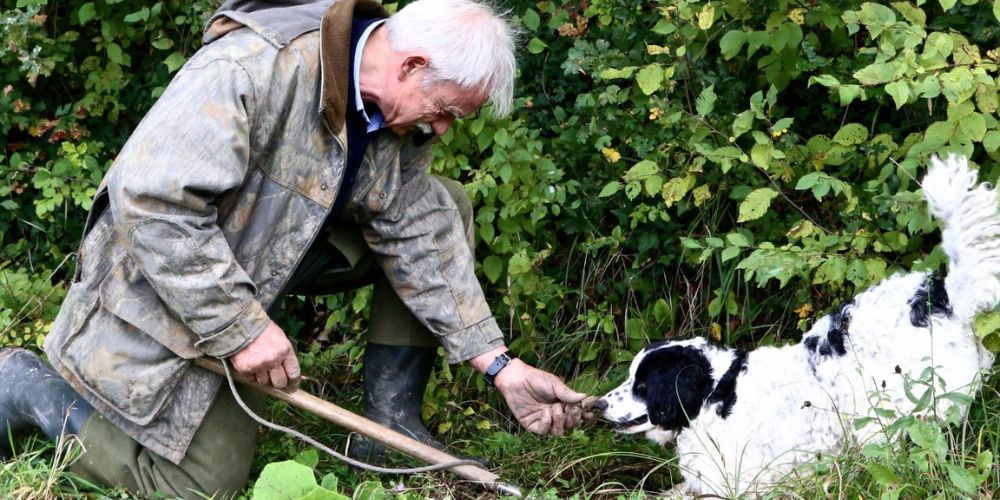
At the heart of the experience is truffle hunting and extraction, recognised by UNESCO in 2021 as Intangible Cultural Heritage of Humanity. It is an ancient practice, passed down orally by truffle hunters, combining knowledge of the woods, interpretation of the climate, respect for the soil and partnership with the dog, an indispensable companion in the search. It is a measured gesture, carried out with a small spade or hoe, to extract the truffle without disturbing the balance of the ground.
Piedmont
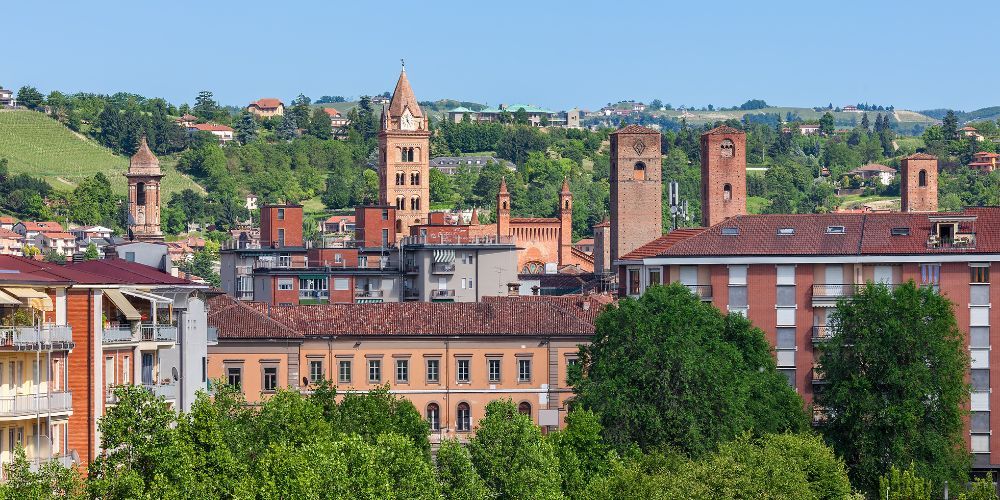
In Piedmont, the truffle route passes through Alba, Vezza d’Alba, the Unione collinare Terre di Vigneti e Pietra da Cantoni and the Centro Studi Tartufo, in the heart of a territory where truffle culture is an integral part of local identity. Between the Langhe, Roero and Monferrato, the Alba white truffle, the famous Tuber magnatum Pico, finds one of its most prestigious habitats, thanks to limestone soils, humid woods, hills shaped by vineyards and environments rich in oaks, willows and poplars.
Alba, capital of the Langhe and home to the International Alba White Truffle Fair, attracts visitors, chefs, enthusiasts and buyers from all over the world every autumn; Vezza d’Alba and the hills of the Roero add wine landscapes, villages, woods and slow itineraries to the map, while the area of Terre di Vigneti e Pietra da Cantoni recalls Monferrato and its rural landscapes.
A central figure is the trifulau, the expert truffle hunter who, together with the trained dog, preserves a knowledge made of experience, silence, reading the forest and respecting the rhythms of nature.
At the table, Piedmontese truffle expresses its elegance above all raw, served over tajarin, carne cruda all’Albese, fried egg, fondue and simple dishes capable of enhancing its unmistakable aroma.
Lombardia
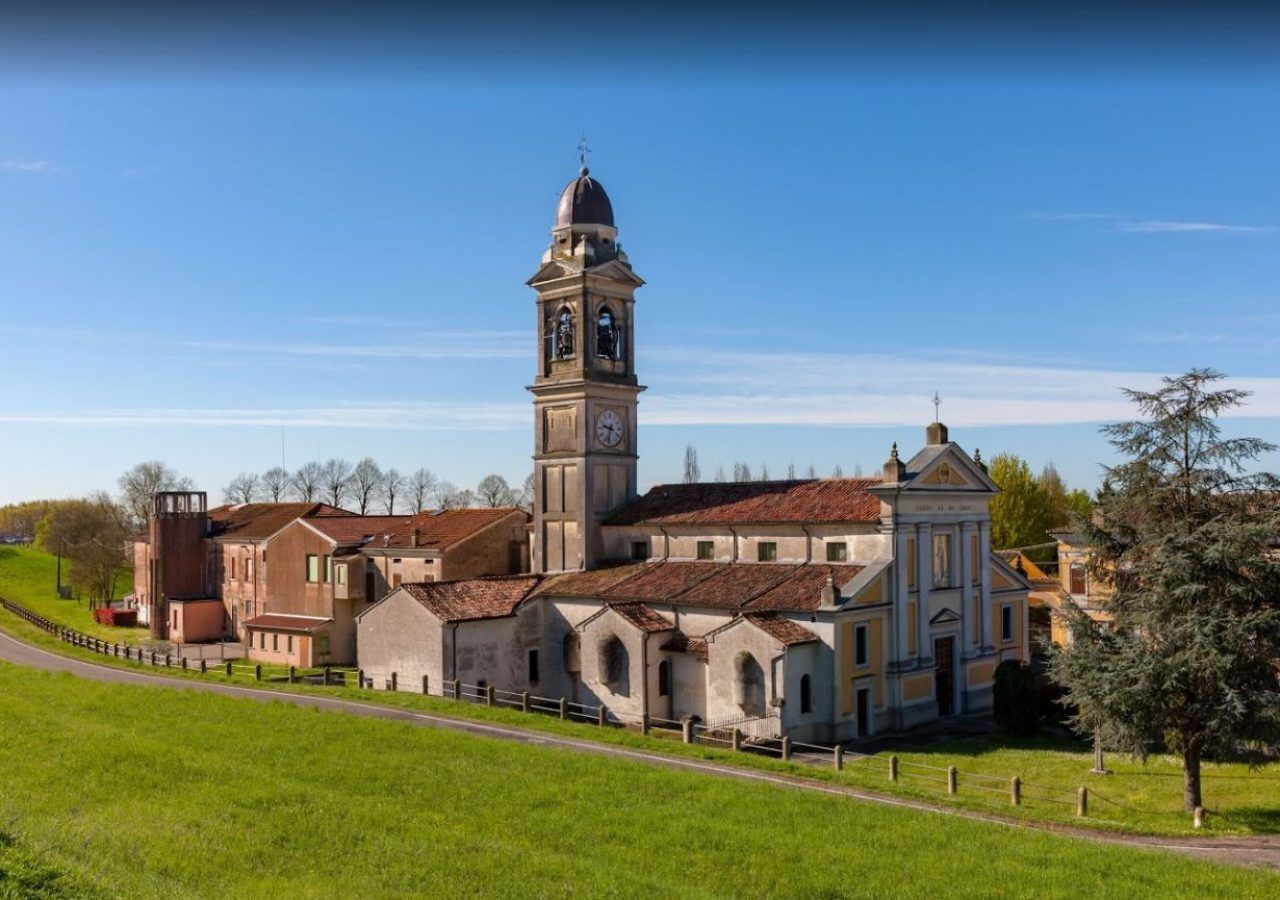
In Lombardy, the truffle route involves Borgocarbonara and Menconico, crossing river plains, hills, Apennine forests and borderlands where truffle culture has deep roots. This is a region with a rich and regulated tradition, where truffle hunting and extraction are governed by specific rules and are part of the broader UNESCO recognition dedicated to the traditional knowledge and practices linked to truffles in Italy.
The most suitable areas are distributed between the Oltrepò Pavese, the Lower Mantua area, the Garda hills, some areas around Bergamo and the Po floodplains near Cremona. In the Oltrepò Pavese, among hills, woods and villages of the Lombard Apennines, the black truffle finds favourable environments, while closer to the course of the Po there are areas suited to the white truffle.
Menconico, in the mountainous heart of the Oltrepò, represents Lombardy’s more inland dimension, while Borgocarbonara, in the Lower Mantua area, is one of the symbolic places of Lombard prized white truffle, linked to the alluvial soils of the Po and the Mantuan Oltrepò.
From the morainic hills of Lake Garda, ideal for the prized black truffle and the ordinary black truffle, to the Bergamo and Cremona areas, Lombardy reveals a varied and surprising truffle geography.
At the table, truffle meets risottos, fresh pasta, eggs, meats, cheeses and recipes from both the plains and the mountains.
Friuli Venezia Giulia
In Friuli Venezia Giulia, the truffle route reaches Muzzana del Turgnano, a town in the Friulian plain where the prized white truffle has become a true territorial excellence.
The White Truffle of Muzzana del Turgnano grows in lowland forests such as Coda Manin and Selva di Arvonchi, in symbiosis with pedunculate oaks and European hornbeams, and is recognised as a Traditional Agri-food Product.
Alongside the plain, Friuli Venezia Giulia also preserves a foothill and pre-Alpine soul, where the ordinary black truffle grows, widespread in the valleys of the Pordenone and Udine areas, in Val Resia and in the Julian Prealps Natural Park. Other suitable areas can be found in the Torre Valleys, Val Venzonassa, Collio, the Karst, the San Daniele area and near the mouth of the Isonzo River.
The Associazione Tartufai del Friuli Venezia Giulia and events such as “Trìfule in fieste”, the fair dedicated to the prized Friulian white truffle, help enhance this culture, celebrating Muzzana del Turgnano as one of the most interesting and still little-known places in the Italian truffle atlas.
Veneto
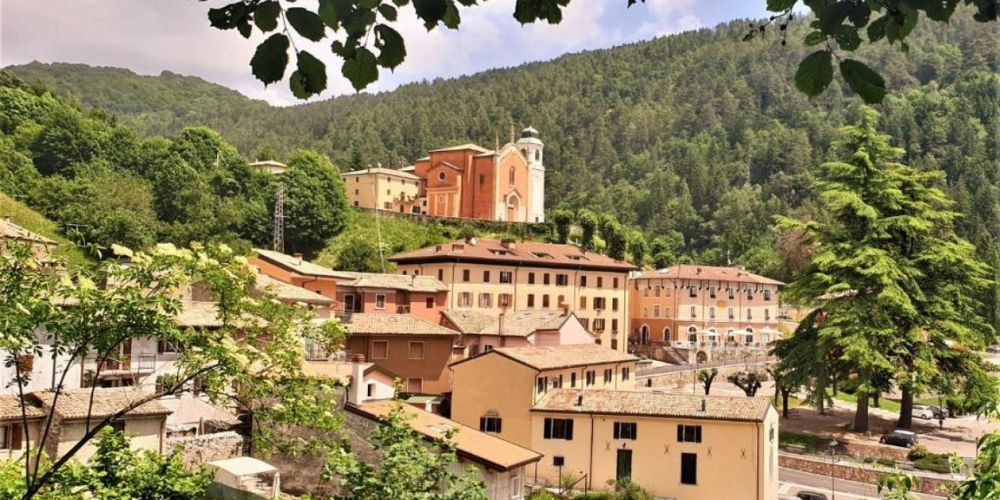
In Veneto, the truffle route reaches Ferrara di Monte Baldo and Pieve del Grappa, revealing a tradition less widely known than in other Italian regions, yet deeply connected to the variety of its landscapes. From the heights of Monte Baldo to the foothills, from the hills to the wetlands of the Po Delta, the region boasts different habitats where numerous truffle varieties grow, protected by regional regulations and enhanced through dedicated events.
Ferrara di Monte Baldo is one of the most significant stops: on the eastern side of the massif known as the “Garden of Europe”, it brings together calcareous-clayey soils, forests, pastures, beech woods and biodiversity of great value. The prized black truffle, the summer black truffle, the winter black truffle and the spring bianchetto find favourable environments here, while traditional truffle hunting coexists with educational activities, tastings and routes designed to introduce visitors to truffle culture in a conscious way.
Pieve del Grappa adds another mountain and foothill dimension to the Veneto map, where the truffle dialogues with woods, slopes, trails, historical memory and landscapes opening out towards the plain. More broadly, truffle-growing Veneto includes suitable areas between Monte Baldo, Lessinia, the Berici Hills, the Euganean Hills, Montello and the Po Delta, with the presence of prized white truffle, prized black truffle, scorzone and bianchetto.
At the table, Veneto truffle meets risottos, egg tagliatelle, white or yellow polenta, eggs and mountain cheeses.
Liguria
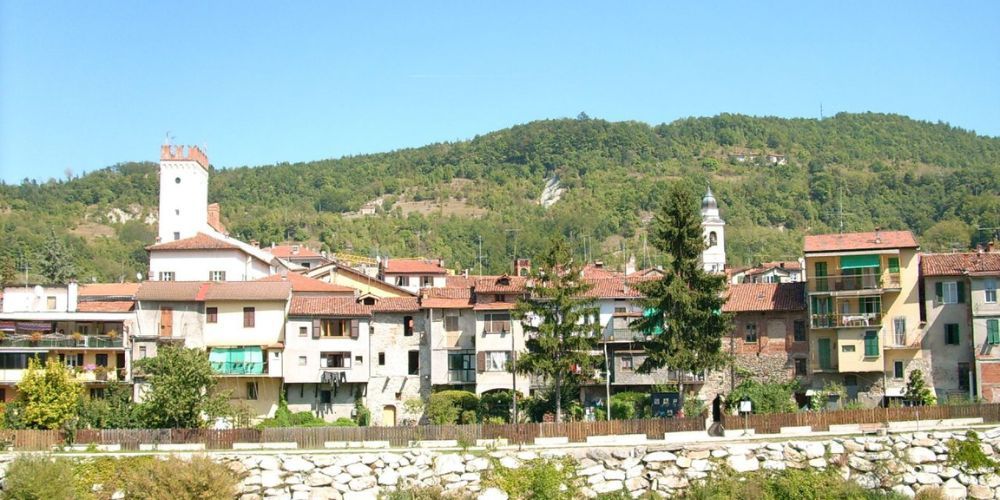
From the hills of the Langhe, we descend towards inland Liguria to reach Millesimo, a village of Roman origins that developed along the ancient Via Aemilia Scauri, with a historic centre marked by the feudal legacy of the Del Carretto family.
The Ponte della Gaietta, a rare example of a well-preserved fortified medieval bridge, the Castle watching over the village, the Town Hall, Villa Scarzella, the Pieve di Santa Maria Extra Muros and the Monastery of Santo Stefano are the main stops not to be missed.
All around, the Val Bormida opens into a horizon of forests where the truffle finds an ideal habitat and grows in its different varieties, linked to a tradition of hunting marked by handed-down knowledge, secluded paths and “secret spots” passed on from one generation to the next.
In the Bric Tana Regional Natural Park, among chestnut trees, hazelnut trees, oaks, caves, rock engravings and archaeological memories, there is also the Experimental Centre for Truffle Cultivation of the Liguria Region, created to study, protect and promote the truffle as an environmental, cultural, food and wine resource.
At the end of September, the National Truffle Festival of Val Bormida turns Millesimo into a destination of taste and discovery, with truffle tajarin, white polenta, soups, focaccine and traditional desserts.
Emilia-Romagna
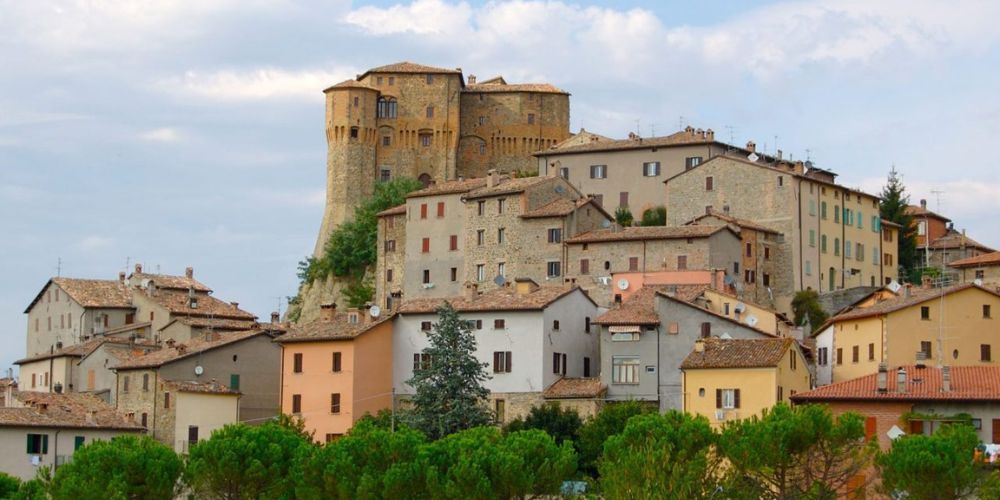
In Emilia-Romagna, the truffle route reaches Alta Val Tidone, Bondeno, Calestano, Camugnano, Castel di Casio, Mesola, Sant’Agata Feltria, Sasso Marconi, Terre del Reno, Valsamoggia-Savigno, Viano and the Union of Municipalities of the Ceramic District, mountain sub-area of the Dolo, Dragone and Secchia Valleys. It is one of Italy’s richest and most varied regions for truffle hunting and extraction, thanks to the diversity of its landscapes: hills, river plains, Apennine forests, inland valleys and borderlands between Emilia, Romagna and Montefeltro.
All nine edible species found in Italy grow spontaneously here, from the prized white truffle to the black truffle, with particularly suitable areas along the Bolognese Hills, the Modenese Apennines, the Parma Apennines and the Romagna hills. Valsamoggia-Savigno is one of the symbolic places of the white truffle, while Calestano and the Parma valleys evoke the Black Truffle of Fragno. Sant’Agata Feltria, between the Savio and Marecchia valleys, tells instead of the bond between the prized white truffle, the agro-silvo-pastoral landscape and the traditions of Montefeltro.
Emilia-Romagna’s truffle culture meets one of Italy’s most recognisable cuisines: truffle enhances fresh egg pasta, tagliatelle, tortellini, meats, cheeses and mountain recipes. There is also no shortage of fairs, festivals, markets, harvesting calendars and protection projects.
Abruzzo
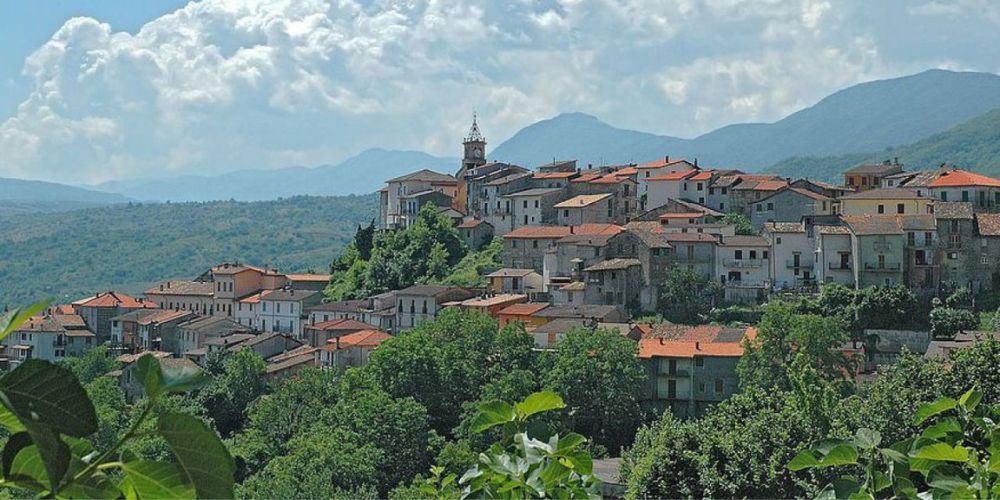
In Abruzzo, the truffle route reaches Archi, Lama dei Peligni, Quadri and Sante Marie, crossing a territory rich in mountains, forests, beech woods, villages and valleys where the relationship between nature and communities is deeply rooted. This is one of Italy’s most truffle-oriented regions, thanks to its limestone terrain, alkaline soils and unspoilt inland environments, which create ideal conditions for several truffle varieties, from the prized white truffle to the prized black truffle and the summer scorzone.
The prized white truffle finds important areas in the Alto Sangro, particularly in Quadri, the first Abruzzo town to join the Città del Tartufo Association, and in the Teramo area. The prized black truffle, on the other hand, is especially widespread in the province of L’Aquila, where it becomes one of the most refined expressions of local cuisine, while the scorzone grows in the wooded areas of the Majella and the Monti della Laga.
In Lama dei Peligni, at the foot of the eastern Majella, the truffle is linked to a landscape of oak woods, rocky slopes, rare biodiversity and wildlife areas dedicated to the Abruzzo chamois. In Sante Marie, among the forests of Marsica and the mountains of L’Aquila, truffle hunting becomes a slow experience, to be enjoyed along walking routes, beech woods and trails that preserve the memory of brigandage and Apennine communities.
The bond with the truffle is rooted in Abruzzo’s rural tradition: in the past, it was also used in the making of pecorino cheese and in meat preservation. Today, it accompanies fettuccine, tagliatelle, risottos, game, stewed meats, fried eggs, cheeses and liqueurs.
Tuscany
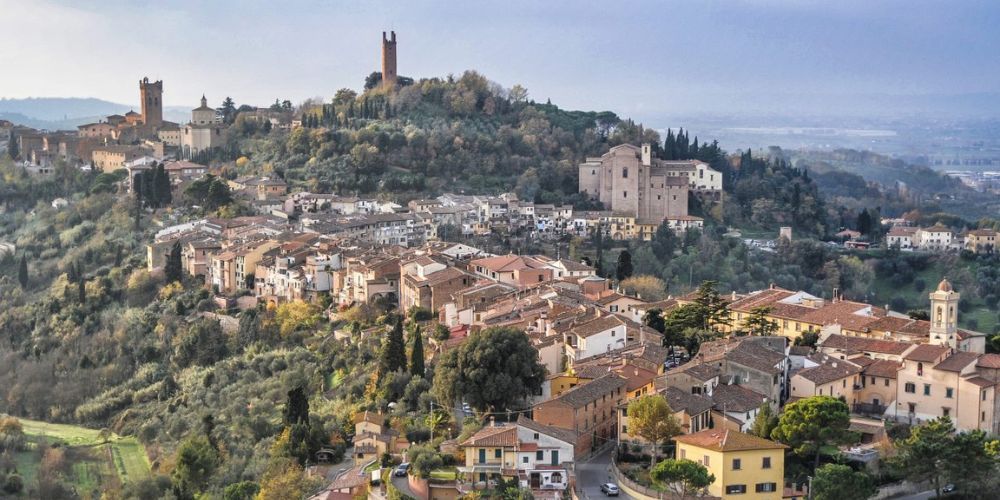
In Tuscany, the truffle route passes through Capolona, Castell’Azzara, Montaione, Montalcino and the Municipality of San Giovanni d’Asso, Montespertoli, Montopoli in Val d’Arno, Palaia, San Miniato, Volterra and the Unione Amiata Grossetana. Here, the truffle is part of an ancient gastronomic culture, but also of a specific way of inhabiting the territory, based on listening to nature and protecting ecosystems.
The region produces all the main truffle varieties and is especially renowned for the prized white truffle, the marzuolo and the black varieties. San Miniato, in the San Miniato Hills, is one of the symbolic places of Tuber magnatum Pico, which grows in the woods near waterways, in symbiosis with poplars, willows and oaks. The Crete Senesi and San Giovanni d’Asso represent another major area for the white truffle, linked to clay soils, gentle hills and the iconic landscapes of inland Tuscany.
Towards Mount Amiata, Castell’Azzara and the Unione Amiata Grossetana add a more mountainous and wooded dimension to the atlas, while Capolona recalls the Casentino and Valtiberina, Apennine territories also suited to the black truffle. Montaione, Montespertoli, Montopoli in Val d’Arno, Palaia and Volterra complete the picture with hills, parish churches, villages and countryside where the truffle meets wine, olive oil, rural cuisine and slow tourism.
Truffle hunting preserves the charm of knowledge handed down over time: the truffle hunter and the dog move through woods and trails, reading the soil, the climate and the signs of the landscape.
At the table, Tuscan truffle is expressed above all raw, served over buttered tagliatelle, risottos, fried eggs, crostini, lardo and dishes designed to let its aroma emerge.
Marche
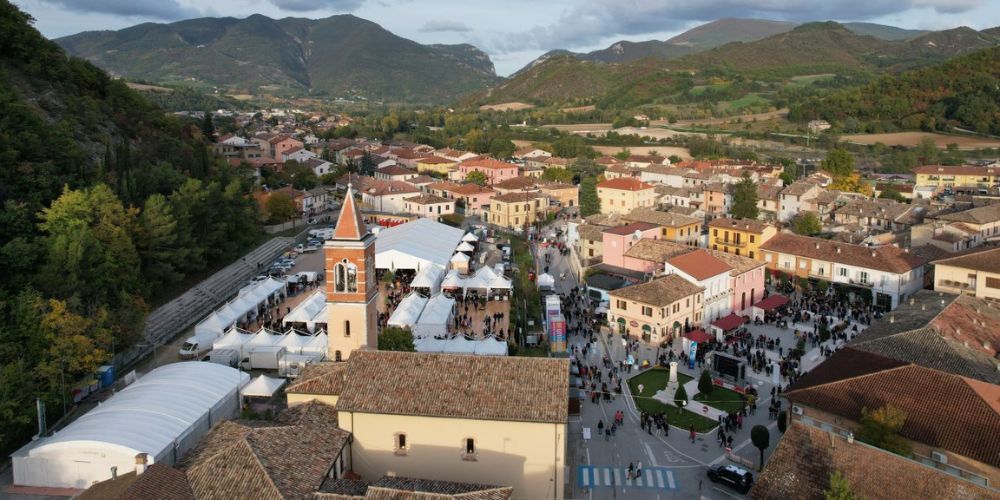
In the Marche region, the truffle route reaches Acqualagna, Amandola, Apecchio, Fossombrone, Pergola, Piobbico, Sant’Angelo in Vado and BIM Tronto.
The region is one of Italy’s main points of reference for the quantity, quality and variety of its truffles. In the Marche territories, all nine edible species found in Italy are present, with four main protagonists: the prized white truffle, the prized black truffle, the bianchetto or marzuolo truffle, and the summer black truffle, known as scorzone.
The most suitable area is concentrated in the north, especially in the province of Pesaro and Urbino, where Acqualagna, Sant’Angelo in Vado, Apecchio and Pergola are central names in Italian truffle culture. Further south, Amandola opens the narrative towards the Sibillini Mountains, while BIM Tronto recalls the Apennine and river landscape of the Piceno area.
Acqualagna, often described as the capital of the truffle, hosts major fairs dedicated to the different varieties and the Truffle Museum, a place that tells the story of the relationship between people, forests and the underground fungus. Sant’Angelo in Vado and Pergola celebrate the prized white truffle with historic events, while Amandola promotes the truffle of the Sibillini through events linked to taste and the mountains.
At the table, Marche truffle accompanies tagliatelle, crostini, omelettes, meats, cheeses and simple dishes that enhance its aroma.
Umbria
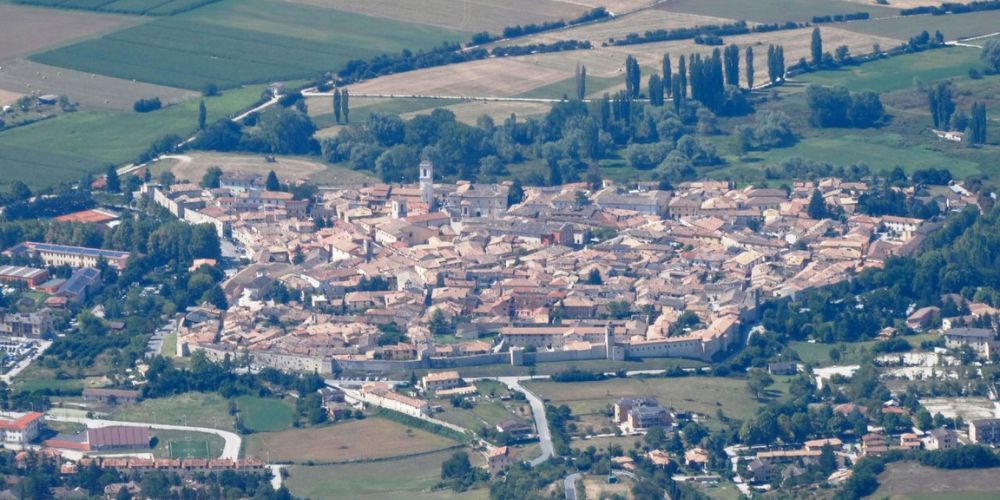
In Umbria, the truffle route passes through Campello sul Clitunno, Cascia, Città di Castello, Fabro, Gubbio, Norcia, Pietralunga, Scheggino, Spoleto, Vallo di Nera and Valtopina, territories where the bond with the underground fungus is rooted in an ancient tradition, favoured by forests, limestone soils, waterways, hills and valleys where nature still plays a central role in community life.
The prized black truffle, universally known as the Black Truffle of Norcia, is the great regional symbol and finds one of its most suitable habitats in the Valnerina, around the Nera River, in the Spoleto area and on the Monti Martani. Norcia, Scheggino, Vallo di Nera and Cascia evoke a mountainous and spiritual Umbria, dotted with villages, abbeys, walking routes, hearty cuisine and Apennine landscapes. The rarer white truffle, on the other hand, grows in areas such as the Tiber Valley, near Città di Castello, Gubbio and other territories of northern Umbria, while the summer scorzone is widespread in several parts of the region.
In Campello sul Clitunno and Spoleto, the truffle meets a land of olive groves, spring waters, art and Lombard memory; Fabro and Valtopina boast fairs, markets and traditions linked to truffle hunting, while Pietralunga recalls the more wooded and silent side of Upper Umbria.
At the table, truffle enhances strangozzi, umbricelli, gnocchi, fried eggs, meats, extra virgin olive oil and regional recipes.
Basilicata
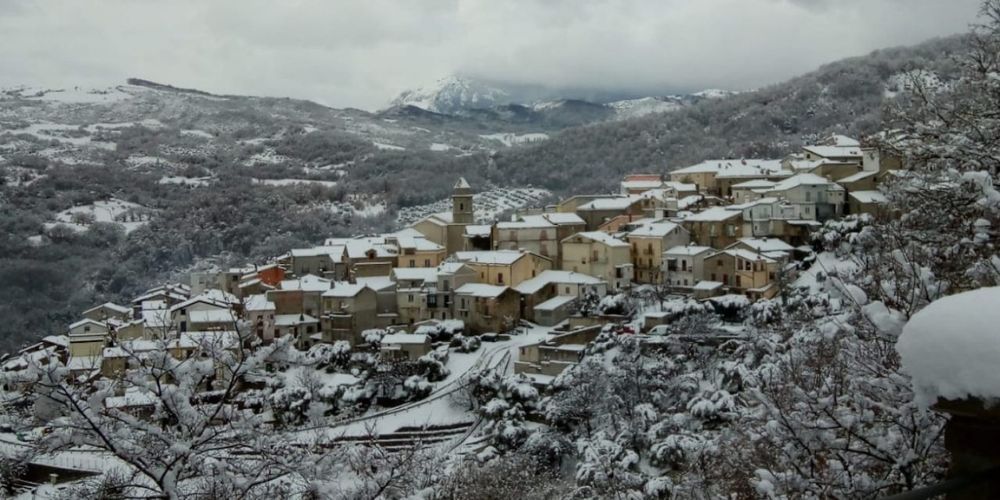
In Basilicata, the truffle route passes through Carbone, Sant’Angelo Le Fratte, Pisticci and Scanzano Jonico. This is a region with a strong truffle-growing vocation, where the truffle is increasingly becoming an environmental, productive and tourism resource as well.
In the inland areas, among the forests of Monte Volturino, the Pollino and the National Park of the Lucanian Apennines, the prized white truffle, the prized black truffle, the summer scorzone and the bianchetto find favourable habitats. Carbone, in the heart of the Serrapotamo area, is one of the symbolic places of this culture: here, the White Truffle of Serrapotamo dialogues with oaks, chestnut trees, mushrooms, ancient agricultural varieties such as Carosella del Pollino and identity-defining flavours also linked to the legacy of the Basilian monks.
In Sant’Angelo Le Fratte, on the other hand, the Lucanian truffle becomes part of a contemporary story of experiential tourism, combining environment, agri-food supply chain, murals, rock-carved cellars and the promotion of local products. Further south, between Pisticci and Scanzano Jonico, the Ionian area is now at the centre of an important controlled truffle-growing project, with a truffle ground of around 143 hectares that confirms Basilicata’s growing role in the national geography of truffles.
At the table, such richness meets the most authentic Lucanian cuisine: homemade pasta, strascinati, ravioli, caciocavallo, peperoni cruschi, local meats and forest products.
Lazio
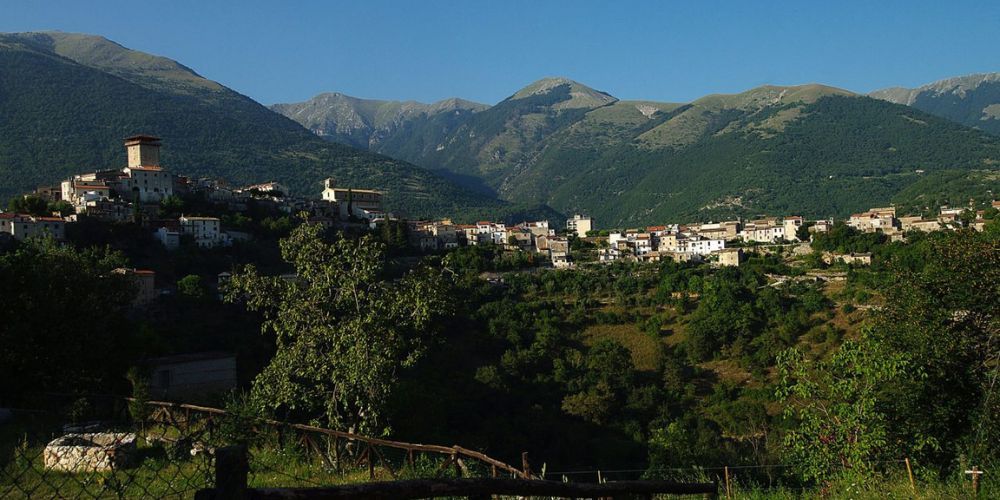
In Lazio, the truffle route involves Ascrea, Campoli Appennino, Canterano and Leonessa, drawing an inland geography that moves away from the region’s more familiar image and enters forests, valleys, Apennine villages and rural landscapes of great charm. The bond with the truffle is ancient and profound, favoured by natural habitats rich in oaks, hazelnut trees and suitable soils, where truffle hunting and extraction preserve a centuries-old tradition.
The most significant areas are distributed between Tuscia in the Viterbo area, known above all for the prized black truffle and the summer scorzone, the Rieti area, with the Turano Valley, the Salto Valley and the Sabine Mountains, and the Frosinone area, where Campoli Appennino has historically been considered one of Lazio’s capitals of the black truffle. Various prized species grow in these territories, from the white truffle to the uncinato, as well as the black varieties that have long accompanied the cuisine of the inland areas.
Ascrea, overlooking Lake Turano, tells the story of the truffle in a landscape suspended between water, forests and mountains; Canterano, on the other hand, opens the view towards the Ruffi Mountains and the Aniene Valley, while Leonessa, at the foot of Mount Terminillo, adds to the map an Apennine dimension made of plateaus, pastures and stone villages.
At the table, Lazio truffle meets fresh pasta, eggs, meats, cheeses and mountain recipes.
Molise
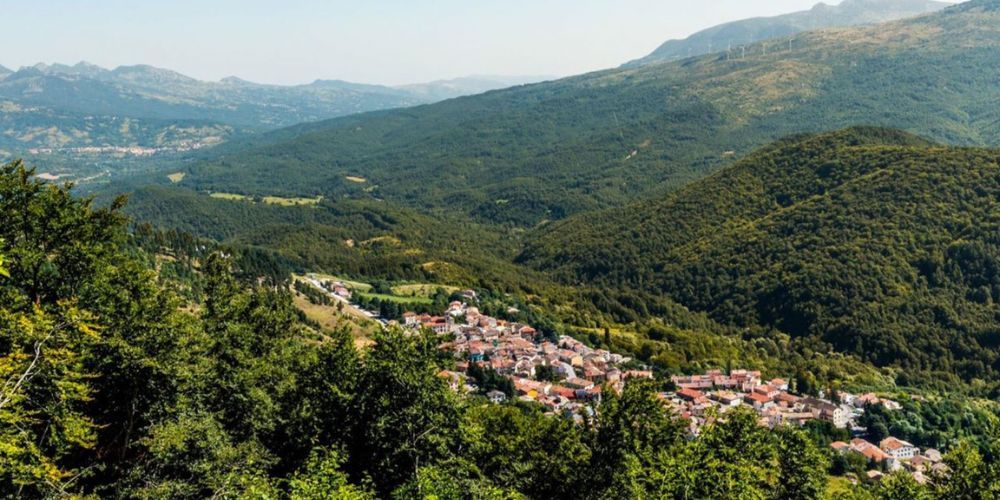
In Molise, the truffle route passes through Castropignano, Isernia, Macchia d’Isernia, Macchiagodena and San Pietro Avellana. Mountainous and still rural, this region preserves an extraordinary underground richness and is considered one of Italy’s most important areas for the production of prized white truffle.
The prized white truffle finds favourable habitats especially in the humid, wooded areas of the provinces of Isernia and Campobasso, while the black truffle, the summer scorzone and the uncinato thrive in slightly drier areas.
San Pietro Avellana is one of the symbolic places of this culture: a village in Alto Molise connected to springs, forests and ancient Benedictine memories, it is known for its fairs dedicated to the white truffle and the black truffle. Isernia is another important reference point for the promotion of Molise’s white truffle, while Castropignano, Macchia d’Isernia and Macchiagodena add villages, inland landscapes and rural traditions to the map, telling the story of the deep bond between territory and undergrowth.
At the table, truffle accompanies eggs, flavoured oils, handmade pasta, butter, cheeses and simple dishes.
Campania
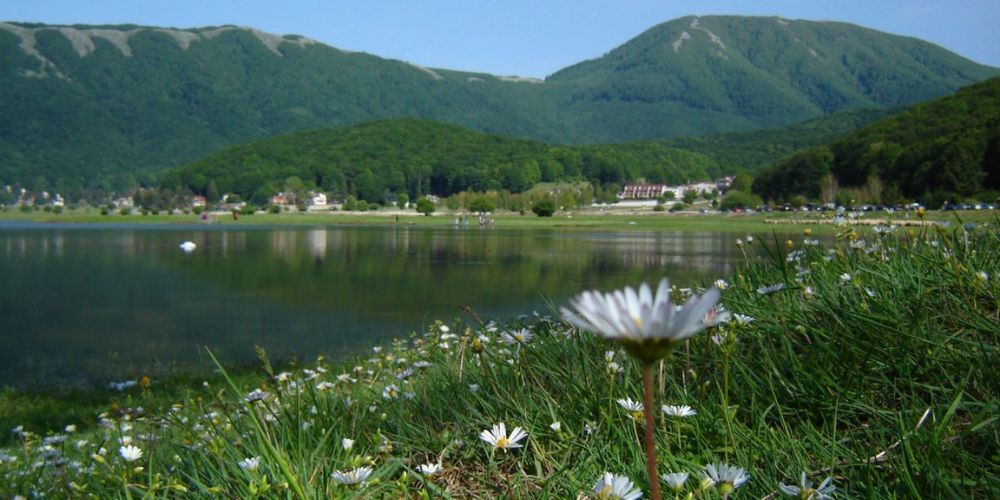
In Campania, the truffle route passes through Bagnoli Irpino, Ceppaloni, Colliano, the Matese Park and Sessa Aurunca, drawing a map that connects Irpinia, Sannio, the mountain areas of Cilento, inland highlands and coastal landscapes. This is a region with a strong truffle vocation, supported by a centuries-old harvesting tradition and by the presence of all edible truffle species found in Italy.
The historic heart of this culture is Irpinia, where the oak, beech and Turkey oak woods of the Picentini Mountains and the Monte Terminio area preserve the famous Black Truffle of Bagnoli Irpino, an identity-defining product of a territory rich in mountains, springs, pastures, chestnut groves and inland villages. In the Benevento area of Sannio, on the other hand, the prized white truffle finds favourable areas around Ceppaloni and the nearby municipalities.
Further south, Colliano opens the narrative towards the Campanian Apennines and the inland areas of Cilento and Vallo di Diano, where varieties such as the summer scorzone and black truffle are harvested. The Matese Park adds an environment of great natural value to the map, with forests, plateaus and biodiversity, while Sessa Aurunca recalls the connection with the Upper Caserta area and a borderland Campania.
At the table, Campanian truffle meets homemade pasta, eggs, local cheeses, meats, risottos and crostini. The white truffle is mostly used raw, to preserve its aroma, while the Black Truffle of Bagnoli Irpino, more aromatic and persistent, also pairs well with warm dishes and sauces.
Puglia
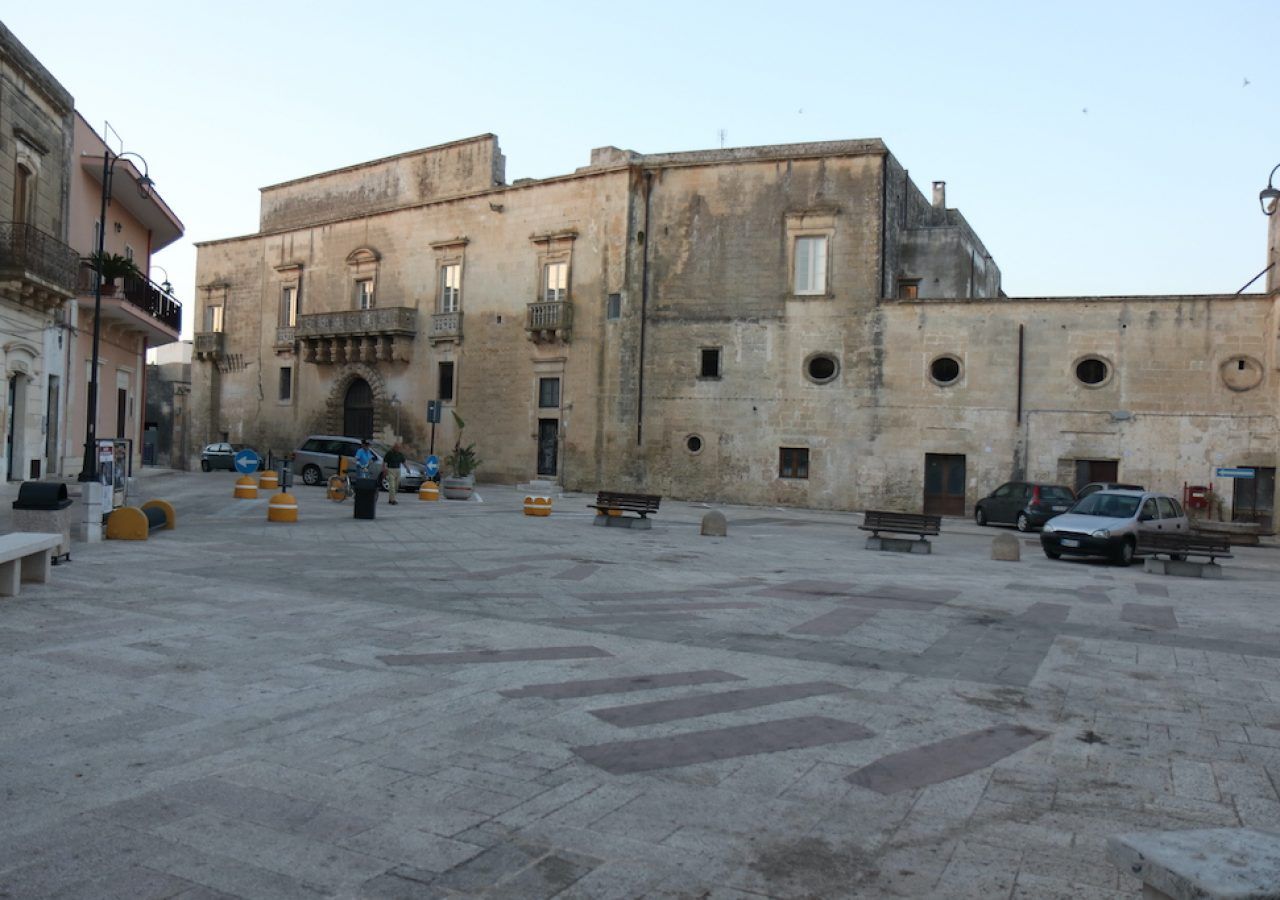
In Puglia, the truffle route passes through Caprarica di Lecce, Roseto Valfortore and Giurdignano: this underground fungus grows in very different microclimates, from inland forests to landscapes closer to the coast.
The most suitable areas are distributed between Daunia, the Gargano, the Alta Murgia and Salento. In the Monti Dauni, Roseto Valfortore evokes an inland landscape of woods, hills and Apennine villages, where limestone soils favour the presence of both white and black truffles. In the Alta Murgia, among conifer woods, downy oaks and holm oaks, the truffle finds precious habitats in a rugged and silent environment. In Salento, on the other hand, Caprarica di Lecce and Giurdignano tell of a surprising presence, linked both to inland areas and to soils close to the coast.
Several varieties are harvested in Puglia, from the prized white truffle to the prized black truffle, as well as the summer scorzone and the bianchetto. The culture of truffle hunting is growing and is increasingly connected to the training of truffle hunters, the protection of habitats and the promotion of truffles as a gastronomic and experiential resource.
At the table, Puglian truffle meets fresh pasta, cheeses, meats, baked goods and the identity-defining flavours of the territory.
Calabria
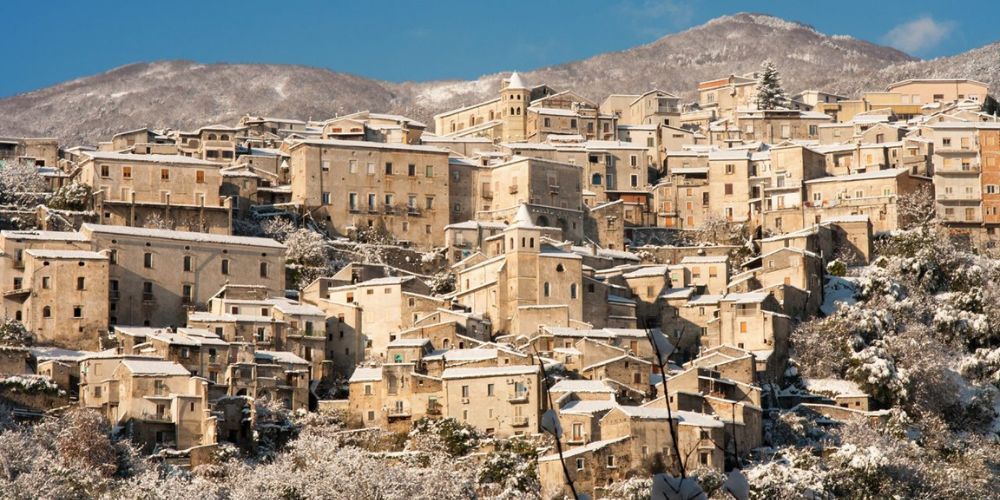
In Calabria, the truffle route passes through Saracena and opens up a still little-known perspective on the relationship between this region and the truffle sector. In this area, the truffle should first and foremost be understood as a natural resource, linked to forests, inland highlands and the great mountain massifs that dot the Calabrian territory. From the Pollino to the Sila and all the way to the Aspromonte, the soil and climate conditions favour the presence of different species, including the prized black truffle, the summer black truffle or scorzone, the uncinato truffle and, in some areas, even the rare prized white truffle.
Saracena, at the foot of the Pollino, thus becomes an ideal gateway to an inland and mountainous Calabria, characterised by forest landscapes, biodiversity, rural traditions and identity-defining products. In such a context, truffle hunting tells the story of a territory that is enhancing its underground resources also through study, protection and training projects, designed to preserve natural habitats and strengthen the culture of truffle extraction.
Sardegna
In Sardinia, the truffle route passes through Laconi and opens one of the most unexpected chapters of the Italian atlas: the underground fungus, also known by the Sardinian name tuvara, is a native presence that for a long time remained hidden in the forests and inland countryside, revealed above all by wild boars, which are particularly fond of it.
The most suitable areas are concentrated in the Sarcidano, the Alta Marmilla and the Montalbo massif, territories where soils, forests and microclimates favour the spontaneous growth of different varieties. The summer black truffle, or scorzone, is the most widespread species on the island and is harvested during the warmer months, while the bianchetto grows in various wooded areas and is appreciated for its bold and versatile aroma.
Today, truffle hunting is becoming more structured thanks to the use of trained dogs, the presence of dedicated associations and sustainable truffle-growing projects aimed at protecting habitats and developing new controlled truffle grounds.
At the table, Sardinian truffle meets some of the island’s most identity-defining flavours: pecorino cheeses, ricotta, malloreddus, culurgiones, cured meats and roast meats.
Sicily
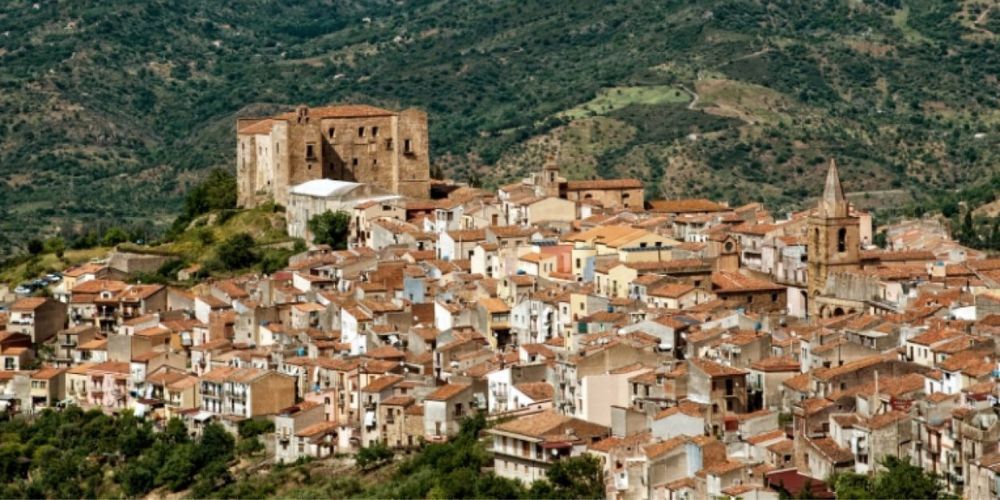
In Sicily, the truffle route reaches Burgio, Capizzi, Castelbuono, Gangi, Lucca Sicula, Palazzolo Acreide, Sambuca di Sicilia, Santa Domenica Vittoria and the Centro di Ricerca Tartufi Sicilia.
The most suitable areas are distributed between the Nebrodi Park, considered one of the hearts of Sicilian truffle cultivation, the Madonie, the Sicani Mountains, the Iblei Mountains and the Ficuzza Forest. In these territories, the most common varieties are the summer black truffle, known as scorzone, the bianchetto, the brumale and the mesentericum.
Castelbuono brings the charm of the Madonie to the map, with culture, gastronomy, events and forests where the truffle meets a creative and identity-driven cuisine. Capizzi and Santa Domenica Vittoria, on the other hand, recall the Nebrodi area, while Burgio, Lucca Sicula and Sambuca di Sicilia open the narrative towards the landscapes of the Sicani Mountains. Palazzolo Acreide adds the dimension of the Iblei, among stone, Baroque architecture and inland countryside.
At the table, Sicilian truffle dialogues with local meats, cheeses, fresh pasta, fish dishes and traditional recipes reinterpreted by the island’s chefs.
About the author
Written on 17/07/2026
Flavia Cantini
Freelance Content Writer with over a decade of specialized experience in tourism, culture, and creative/artistic activities. I assist magazines, web agencies, and end clients in managing blogs and crafting standout articles

Flavia Cantini
A journey from north to south through villages, forests and truffle towns revealing Italy’s hidden soul.