
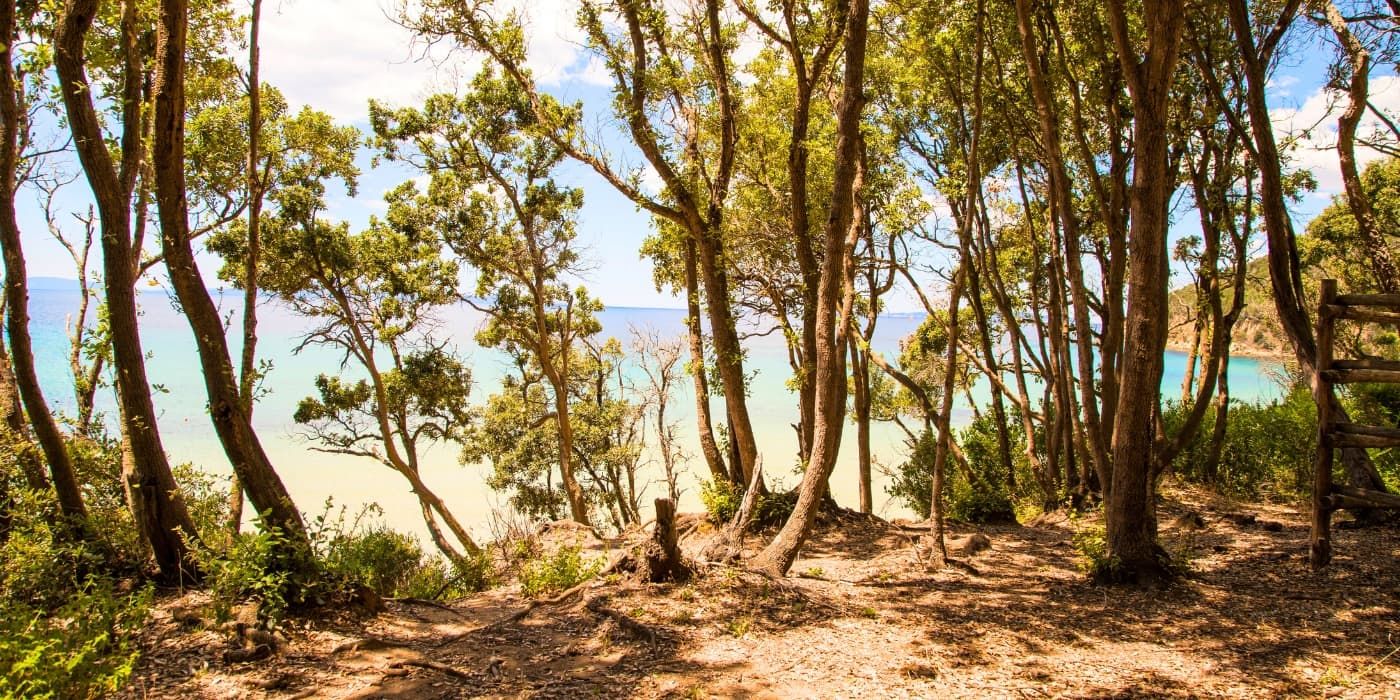
Camping is the best way to enjoy the natural beauty of the Italian peninsula. Choosing a little-known campground surrounded by nature allows you to enjoy a special experience amid the silence of the outdoors: an intimate retreat, far from the chaos, where you can reconnect with yourself.
By respecting the environment and following national guidelines, this trip becomes the perfect way to connect deeply with the peninsula's landscapes.
In this article, we'll take you on a journey to discover 10 little-known and uncrowded campsites in Italy. It will be a unique and unforgettable journey, designed for those seeking the perfect harmony between unspoiled nature, rejuvenating relaxation, and fascinating cultural attractions.
Let yourself be inspired and pack your backpack for an extraordinary adventure.

10 hidden Italian campsites to discover in 2026
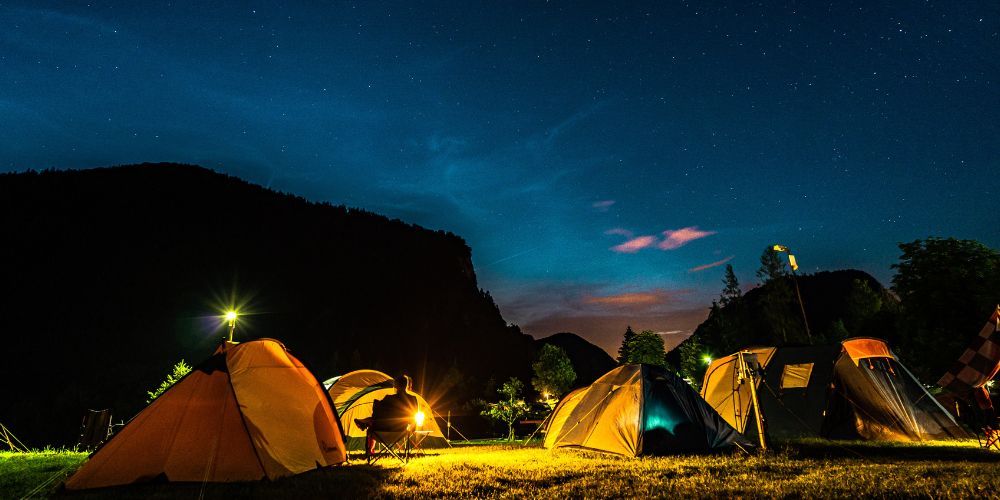
While campsites by the sea or in the most popular tourist spots can become extremely crowded in the summer, there are secret campsites, immersed in greenery and far from the beaten track, where it is still possible to have an authentic, quiet experience.
Places like the lesser-known Dolomites, the internal Maremma, the hinterland of Cilento, or small agritourisms in Piemonte or Umbria offer camping experiences immersed in nature, with few guests and a family atmosphere.
Italy offers an extraordinary variety of natural landscapes: mountains, hills, woods, rivers, lakes and two seas. From the Alpine north to the Mediterranean south, each region has enchanting places where camping becomes a privileged gateway to the beauty of the territory.
However, to be able to enjoy peace and silence, especially in particularly crowded periods, it is advisable to choose campsites that are still little-known, where you can enjoy the territory in tranquillity and well-being.
Let's find out where the 10 secret campsites in Italy are—places to visit in 2026, before they become famous and crowded:
- Val Fiorentina (Agordino – Belluno, Dolomiti)
- Forni di Sopra (Carnia – Friuli Venezia Giulia)
- Riserva naturale dei Ciciu del Villar (Cuneo, Piemonte)
- Malga Loverdina (Parco Naturale Adamello Brenta, Trentino)
- Bellamonte (Val di Fiemme, Trentino)
- Cala Violina (Scarlino – Grosseto, Maremma)
- Agricampeggio Podere Mulinaccio (Parco della Maremma)
- Marina di Camerota (Parco Nazionale del Cilento)
- Pisciotta e Ascea (Cilento)
- Camping in Agriturismo
Listen to the podcast version of the article with Monna Lisa and Leonardo's voices
10. Val Fiorentina (Agordino – Belluno, Dolomites)
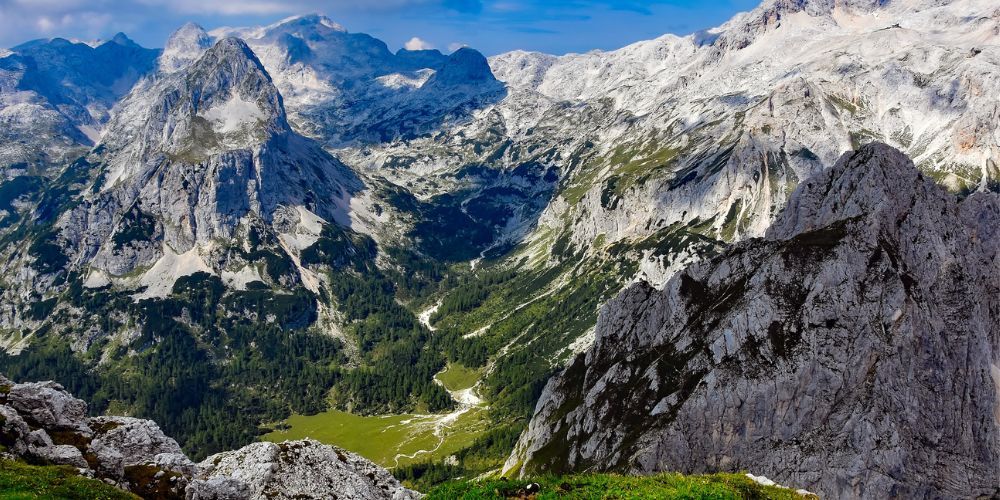
Nestled between the peaks of Pelmo and Civetta, Val Fiorentina (Dolomiti) is a less frequented valley, ideal for those seeking tranquility and breathtaking landscapes.
In this area, we recommend camping in the municipality of Selva di Cadore, surrounded by the unspoilt natural beauty of the Belluno mountains at the foot of Monte Pelmo.
The trails lead to places such as Cima Fertazza and the Mondeval lake, offering spectacular views without the crowds typical of more well-known locations.
Travel tip: the area is perfect for families with children, those who enjoy a ‘slow’ pace of life and photography enthusiasts.
How to get there: there are various ways to reach Selva di Cadore. The most convenient is by car.
The nearest railway station is Belluno. Regular buses run from here to Selva di Cadore.
By car:
From the south: A27 Mestre–Belluno motorway. Exit: CADORE-DOLOMITI
From the west: A22 Modena–Brenner motorway. From Modena, take the EGNA-ORA exit. Continue towards Cavalese, Moena, Passo San Pellegrino, Falcade, Alleghe and Selva di Cadore.
From Brenner, take the BRESSANONE-VAL PUSTERIA exit. Continue towards Brunico, San Lorenzo, Passo Valparola and Selva di Cadore.
Nearest international airport: Venice "Marco Polo" – 140 km
9. Forni di Sopra (Carnia – Friuli Venezia Giulia)
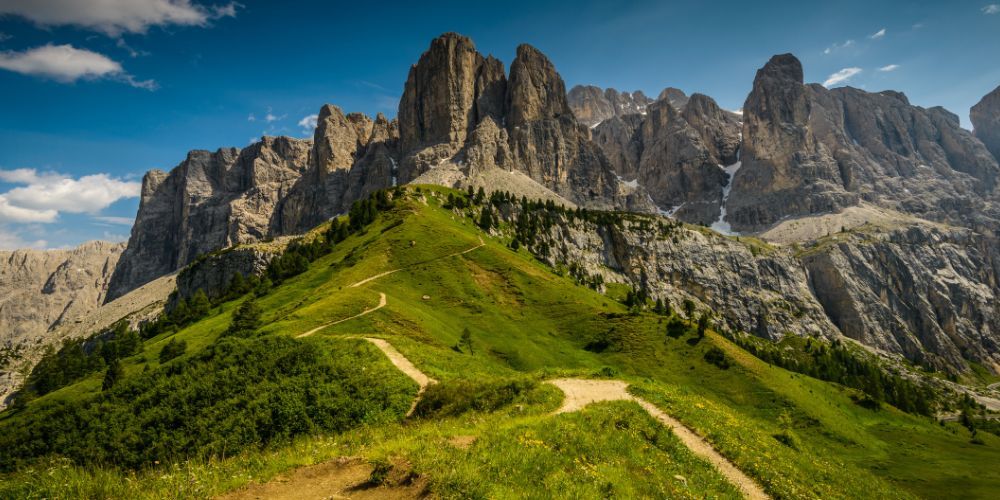
This picturesque village offers access to the wild Friulian Dolomites, with scenic hikes and an authentic atmosphere.
The lack of crowded tourist facilities allows you to fully immerse yourself in unspoiled nature.
Here, camping becomes an experience of pure rejuvenation: the rest areas and local campsites are designed for those seeking absolute tranquillity. You can pitch your tent in the shade of fragrant woods, lulled only by the sound of water and the rustling of the wind through the pine trees.
Choosing Forni di Sopra means falling asleep beneath a crystal-clear starry sky and waking up to the deepest silence of nature, where time seems to stand still, far from mass tourism.
Travel tip: this area is perfect for families with children, those who enjoy active holidays, those looking to relax, and those interested in sustainability and local traditions.
How to get there:
From all regions of Italy except Friuli Venezia Giulia:
By car: Take the A27 Venice–Belluno motorway to the Longarone junction.
From there, continue towards Cortina, then Tai di Cadore and then Auronzo di Cadore until you reach the large junction at Ponte Nuovo. From there, follow the signs for FORNI DI SOPRA and Passo Mauria.
By train:
Calalzo di Cadore station (35 km from Forni)
From here, take the public bus service operated by S.A.F. Trasporti.
From Friuli (recommended route for those coming from Friuli – Slovenia – Austria – Hungary):
By car: Take the A23 motorway and exit at Carnia. Drive to Tolmezzo and then continue towards Villa Santina, staying on the main road (SS52) until you reach Forni di Sopra.
By train:
Station: Carnia (55 km from Forni)
From here, public transport is available via scheduled coach services (not direct). S.A.F. public transport.
8. Ciciu del Villar nature reserve (Cuneo, Piedmont)
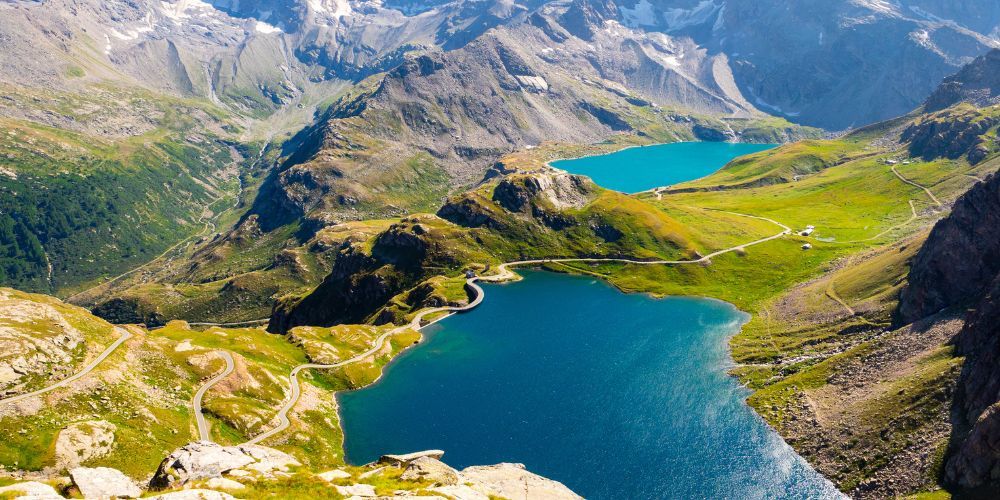
This reserve is famous for its rock formations called "ciciu". The area is equipped with toilets and picnic areas, and guided tours are available upon reservation.
The nearby campsite offers an immersive nature experience.
In the Ciciu del Villar Nature Reserve, you'll drift off to sleep in the shade of the legendary 'erosion columns' – curious mushroom-shaped rock formations that look like enchanted sculptures.
It's an experience that offers a primal connection with the earth, where the scents of the woodland and the evening silence envelop your tent, providing an authentic and rejuvenating retreat far from the hustle and bustle of modern life.
Travel tip: the Reserve is perfect for families, geology enthusiasts, nature lovers, photography enthusiasts, and those who enjoy hiking and rock climbing.
How to get there:
The most convenient way to reach the Ciciu del Villar Nature Reserve, in Villar San Costanzo (Cuneo), is by car, which allows you to drive directly to the large free car park located at the park entrance.
From Cuneo: take the SS 22 towards Valle Maira/Dronero. Once past the village of Dronero, turn right onto the SP 24 and follow the signs for Busca. After about 2 kilometres, turn left at the junction for Villar San Costanzo and continue, following the specific signs for the Reserve.
From Turin / Saluzzo: take the SS 589 towards Busca. From Busca, take the SP 24 towards Dronero and then turn right, following the signs for Villar San Costanzo and the nature reserve.
7. Malga Loverdina (Adamello Brenta Natural Park, Trentino)
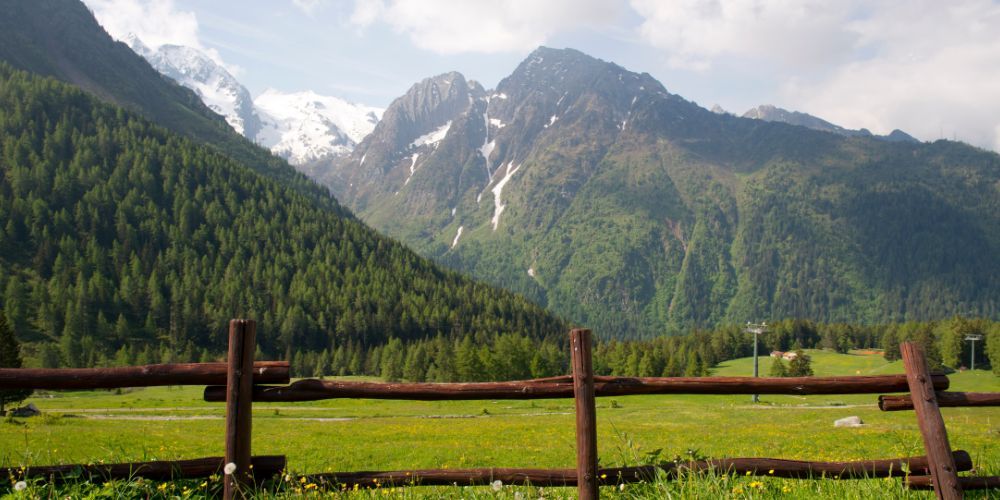
Located at 1771 m, Malga Loverdina is a bivouac reachable by a hike of about an hour from the Malga Arza parking lot.
With 15 beds, it offers an authentic experience in the high mountains, away from the main tourist routes.
For those who love the freedom of camping, the surrounding flat pastures offer the perfect space for an overnight stay at high altitude, permitted from sunset to sunrise in accordance with the regulations of the Adamello Brenta Nature Park.
Pitching your tent here means immersing yourself in a silence dominated only by the majestic walls of the Brenta Dolomites. It is the ideal opportunity to drift off to sleep lulled by the alpine breeze and wake up to a sunrise that bathes the surrounding peaks in pink.
Travel tip: a place best suited to experienced, independent hikers who love solitude and relaxation.
How to get there:
By car: once you have passed through the village of Cunevo, continue along the tarmac road towards Malga Arza (1514 m). At around 1500 metres above sea level, you can park your car at the Malga Arza car park and then continue on foot; in a few minutes you will reach the pasture and the mountain hut, the starting point for various hikes.
Following the SAT signposts (trail 330 and then the forest track – trail 370), you can reach Malga Loverdina in about 1 hour 30 minutes.
6. Bellamonte (Val di Fiemme, Trentino)
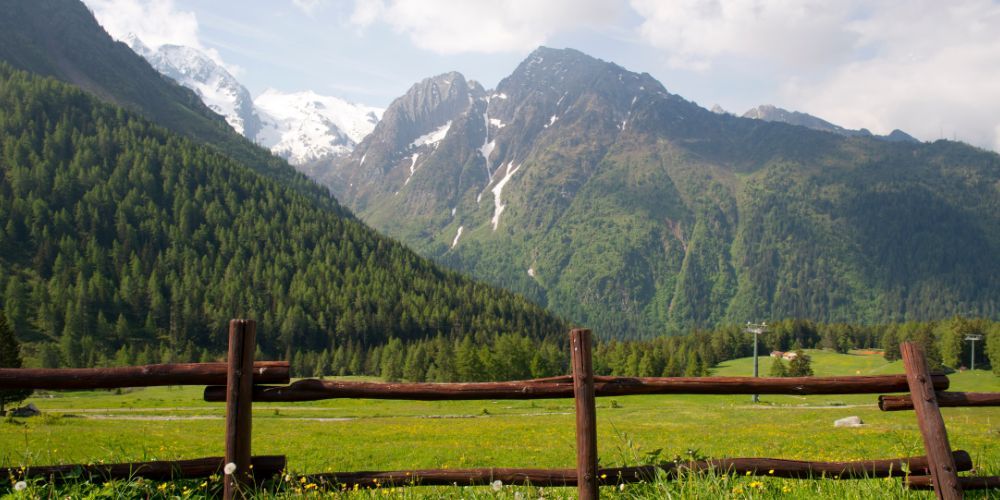
This hamlet of Predazzo offers a spectacular view of the Pale di San Martino group.
Known as "la Monta del Fieno", it is a quiet place with wooden and stone huts. Ideal for summer excursions and winter skiing, it offers an authentic mountain experience.
The campsites in this area are genuine alpine retreats, perfectly nestled amongst the dense fir forests, where each pitch becomes a private window onto the Dolomites.
Here, you can breathe in the intense scent of pine resin as you wake up and enjoy the profound peace of a protected area just a stone's throw from the Paneveggio Nature Park.
It is the ideal experience for those seeking the freedom of the great outdoors without compromising on the comfort of excellent, sustainable facilities.
Travel tip: the perfect place for families with children, those looking to relax and lovers of unspoilt nature.
How to get there:
By car: follow the main road up the Val di Fiemme to Predazzo. From the village centre, take the signposted road that climbs for about 6 km towards Bellamonte, passing through meadows and woods. In winter, winter tyres or snow chains must be carried in the vehicle.
By bus: the Val di Fiemme is served by regional bus routes connecting it to the valley's main towns and railway stations. From Predazzo, there are local bus services to Bellamonte, with varying frequencies depending on the season.
By train: from Trento station, intercity buses operated by the provincial company Trentino Trasporti connect Trento to Cavalese and Predazzo.
5. Cala Violina (Scarlino – Grosseto, Maremma)

This cove in the Maremma Grossetana is famous for its white sand and the musical sound it makes when stepped on.
Located within the Bandite di Scarlino nature reserve, it can be reached on foot via a path in the woods. Access is only permitted by reservation in the summer months, ensuring a more intimate experience.
The campsites and glamping sites nestled on the edge of the Bandite di Scarlino offer the privilege of sleeping surrounded by typical Mediterranean scrub, amidst the scent of pine trees and aromatic plants. Here, you wake to the song of cicadas and can reach hidden coves such as Cala Violina at first light, enjoying the sea in complete solitude.
It is the ideal experience for those seeking a rejuvenating getaway amidst the sea breeze and the tranquillity of a protected woodland.
Travel tip: an ideal destination for lovers of unspoilt nature and ecotourism, cycle tourists, snorkelling enthusiasts, families with older children and organised travellers.
How to get there:
The Bandite di Scarlino Nature Reserve is closed to motorised traffic. It can only be explored on foot or by bicycle.
To reach the trailheads, take Provincial Road 158 (Strada Provinciale 158 delle Collacchie) and follow the local signposts.
Before setting off on the trails, we recommend consulting the maps and the latest information on the area via the official Visit Tuscany website.
4. Agricamping Podere Mulinaccio (Maremma Park)
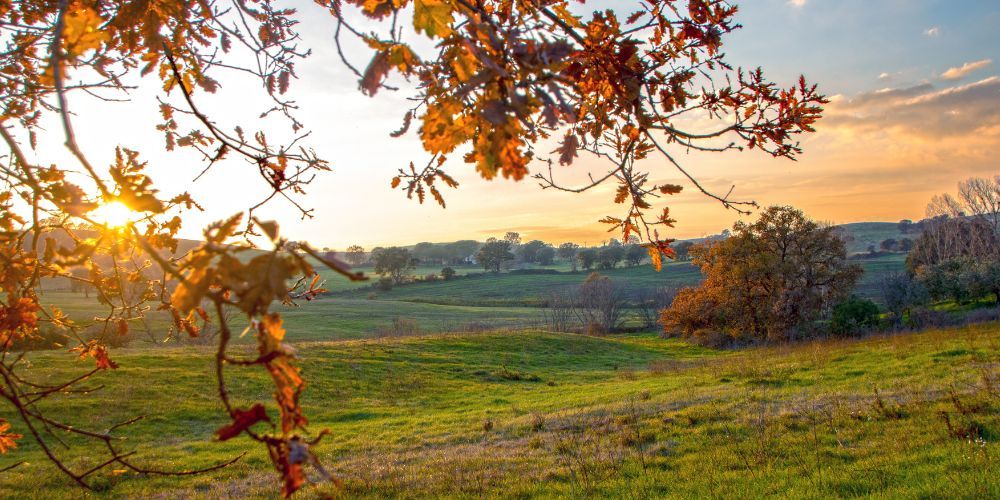
Located in the heart of the Maremma Natural Park, Agricampeggio Podere Mulinaccio, offers an experience immersed in nature.
With direct access to the beach and quality services, it is ideal for those seeking a quiet holiday in contact with nature.
Staying at this farmhouse means falling asleep beneath a pristine starry sky, lulled by the rustling of the maritime pines and the sound of the sea just a short distance away.
Upon waking, the scents of the Maremma countryside and the chance to spot local wildlife roaming freely through the fields bring a profound sense of peace. It is the perfect retreat for experiencing the most authentic Maremma!
Travel tip: this farm-based campsite is ideal for eco-conscious travellers, those who love to relax and enjoy outdoor sports, and campervan travellers.
How to get there: from the south and north via the SS 1 (Aurelia): take the Giuncarico exit, heading towards Ribolla: after 4 km, once you have passed Cava Bartolina, turn left (sign for the agriturismo). Once you have passed the sign, the agriturismo is about 1 km away.
From the north: take the SS 223 linking Siena to Grosseto, exit at Civitella Marittima, continue towards Roccastrada and then towards Ribolla. Once you reach the village, continue towards Giuncarico and, after 3 km, turn right (sign for the agriturismo). Once past the sign, the agriturismo is about 1 km away.
3. Marina di Camerota (Cilento National Park)
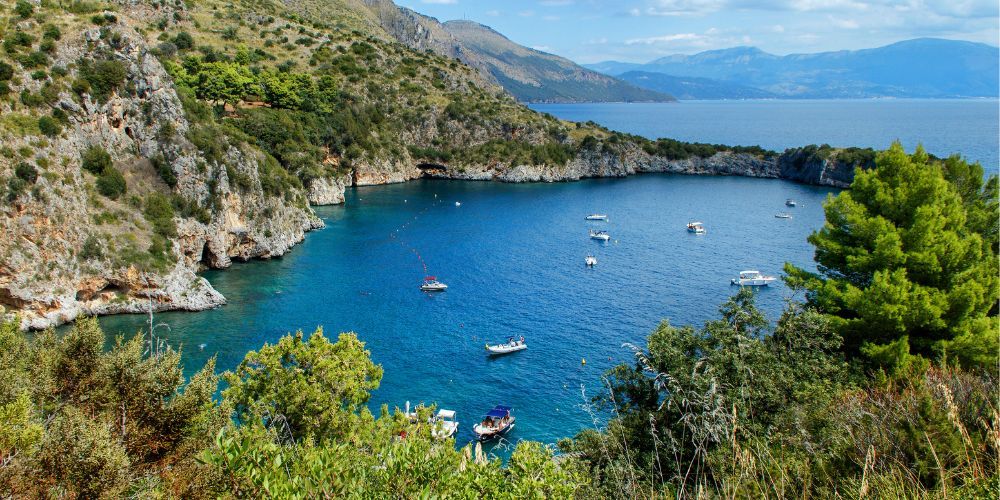
Among the best places to camp is Marina di Camerota, with campsites hidden among centuries-old olive trees and overlooking coves such as Cala Bianca and Cala degli Infreschi.
These protected areas, reachable only on foot or by boat, guarantee privacy and unspoiled beauty. The local campsites, often family-run, offer simple but well-kept accommodations, just a few steps from the crystal-clear sea.
Here you can enjoy slow tourism, among coastal paths, sea caves, fiery sunsets and the typical peace of the most authentic Cilento.
Travel tip: perfect for travellers who love culture and food and wine, families, hiking enthusiasts, ‘slow’ tourism and unspoilt nature.
How to get there:
By car: from the north: Take the A1 Autostrada del Sole, then continue on the A3 (Salerno–Reggio Calabria) to the Padula–Buonabitacolo exit. From there, take the SS517 towards Sapri and then the SS18 to the Poderia exit. Follow the signs for Marina di Camerota on the SR562.
From the south: Take the A3 (Salerno–Reggio Calabria) to the Buonabitacolo exit. Join the SS517, turn onto the SS18 and take the Poderia exit.
By train: Salerno–Reggio Calabria line – stop: Pisciotta–Palinuro.
By sea: during the summer, Marina di Camerota is connected to the main coastal resorts by hydrofoils and ferry services (e.g., Alicost), with departures from Salerno, Naples, and other towns in the Cilento area.
2. Pisciotta and Ascea (Cilento)
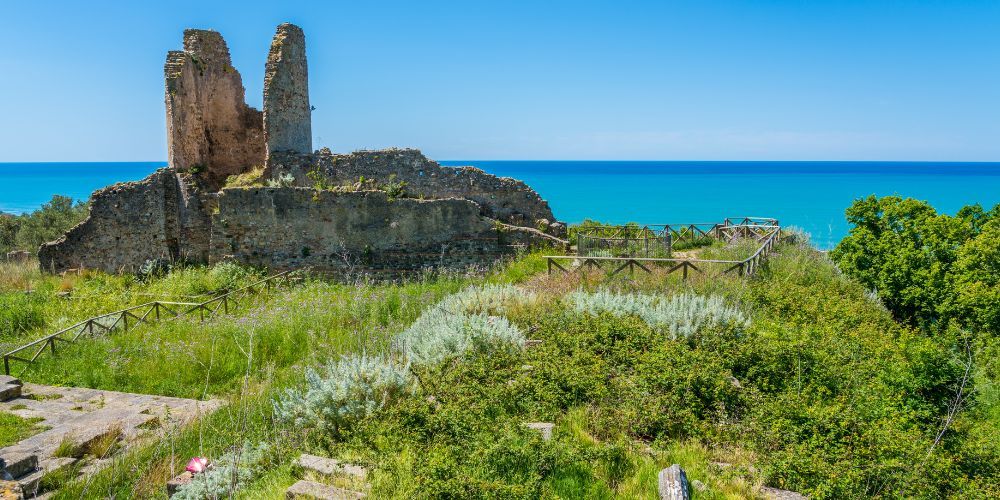
Among the most suggestive villages of Cilento, Pisciotta and Ascea offer panoramic campsites immersed in the Mediterranean scrub.
The campsites here overlook wild beaches such as Marina di Ascea or the beach of Marina di Pisciotta, far from mass tourism. A few kilometers away are the archaeological remains of Velia and Paestum, offering the possibility of combining sea and culture.
The campsites are ideal for families, couples or solo travellers in search of authenticity. Many agritourisms offer pitches and services for tents and campers, with typical zero-mile products and the genuine hospitality of Southern Italy.
Travel tip: places ideal for those who love charming villages, the seaside, unspoilt nature, hiking, and archaeology and history enthusiasts.
How to get to Pisciotta:
By car: from the A3 Salerno–Reggio Calabria motorway, take the Battipaglia exit. Continue along the S.S. 18 bypass until the Poderia exit. From Poderia, drive to Palinuro (about a 15-minute drive). Continue north towards Pisciotta along the road that runs alongside the sea (a further 10–15 minutes).
By train: Pisciotta–Palinuro station, on the Salerno–Reggio Calabria line. The station is about 2 km from the centre of Pisciotta. Once you arrive at Pisciotta–Palinuro station, you can take a regular bus or a taxi.
How to get to Ascea:
By car: take the Autostrada del Mediterraneo (A2) to the Battipaglia or Eboli exit. From there, continue along the SS18 (Variante Cilentana) until the Vallo Scalo junction, then follow the road signs for Ascea and Marina di Ascea.
By train: Ascea has its own railway station (Ascea) on the Naples–Reggio Calabria line. There are daily services to Naples, Salerno and Reggio Calabria, with additional services during the summer months.
The nearest international airport to the Cilento region is Naples.
1. Camping in Farmhouse
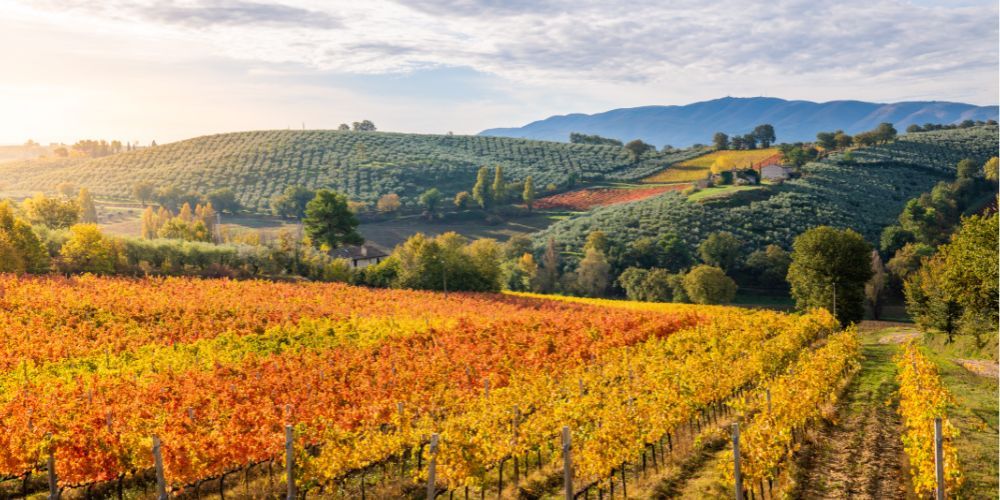
Italian agritourisms offer some of the most authentic and relaxing camping experiences, immersed in nature and rural tradition.
In Tuscany, agritourisms in the Chianti hills allow you to camp among vineyards and olive groves, with tastings of wine and zero-mile food. In Umbria, facilities near Lake Trasimeno combine lakeside landscapes and medieval villages.
Trentino offers agricampings with views of the Dolomites, ideal for hiking and relaxation. Also in Sicily and Sardinia, agritourisms offer pitches immersed in the Mediterranean scrub. These places combine contact with nature with rural comfort and the genuine hospitality of peasant families.
Travel tip: farm stays are perfect for families with children, and for those who enjoy slow tourism, nature, animals and food and wine.
Discover Chianti, in TuscanyRules and tips for camping in Italy
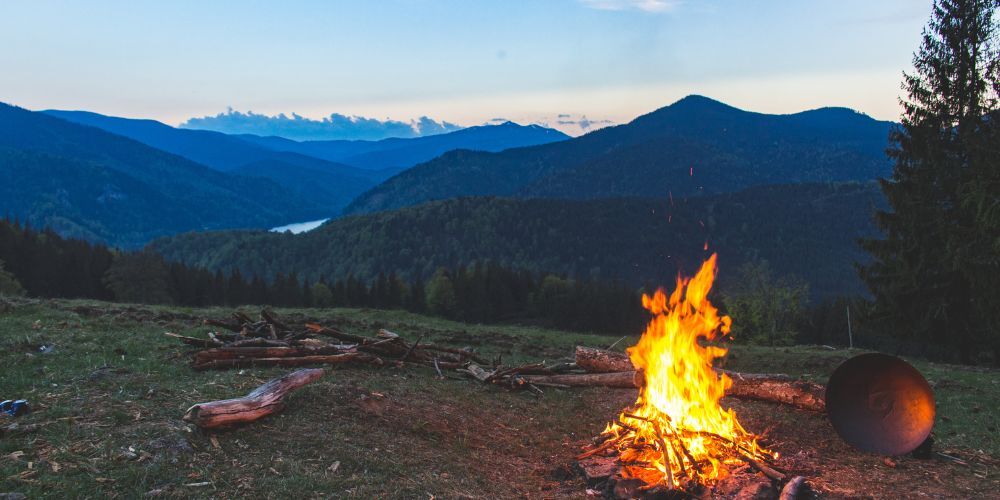
Camping in Italy is an extraordinary experience, but wild camping is generally prohibited, except in authorised areas. It is always advisable to stay at equipped campsites or farm campsites.
In Trentino-Alto Adige, Valle d'Aosta and in many nature reserves, camping outside designated areas is prohibited to protect the environment; however, some areas allow for a magical overnight bivouac above 2,000 metres, accessible on foot.
Respecting the environment is essential: do not leave rubbish behind, do not light fires and do not disturb wildlife. It is vital to check local regulations, and booking in advance during the summer is recommended.
Finally, booking in advance during the summer is recommended, especially in the most popular regions such as Tuscany, Trentino, Sardinia and Puglia.
Italy offers numerous peaceful and uncrowded campsites, ideal for those seeking a holiday immersed in nature and far from the hustle and bustle. From quiet woodlands to wild coastlines, these places allow you to rediscover a sense of relaxation.
Whether you choose a tent or a bungalow, they offer an authentic and sustainable way to explore the country at a leisurely pace.
About the author
Maria Luisa Ancona
Maria Luisa Ancona, web editor, content creator, archaeologist who love travelling and cultural heritage.

Maria Luisa Ancona
One of the best ways to enjoy Italian nature is definitely camping. Let's find out together which are the most fascinating campsites!