
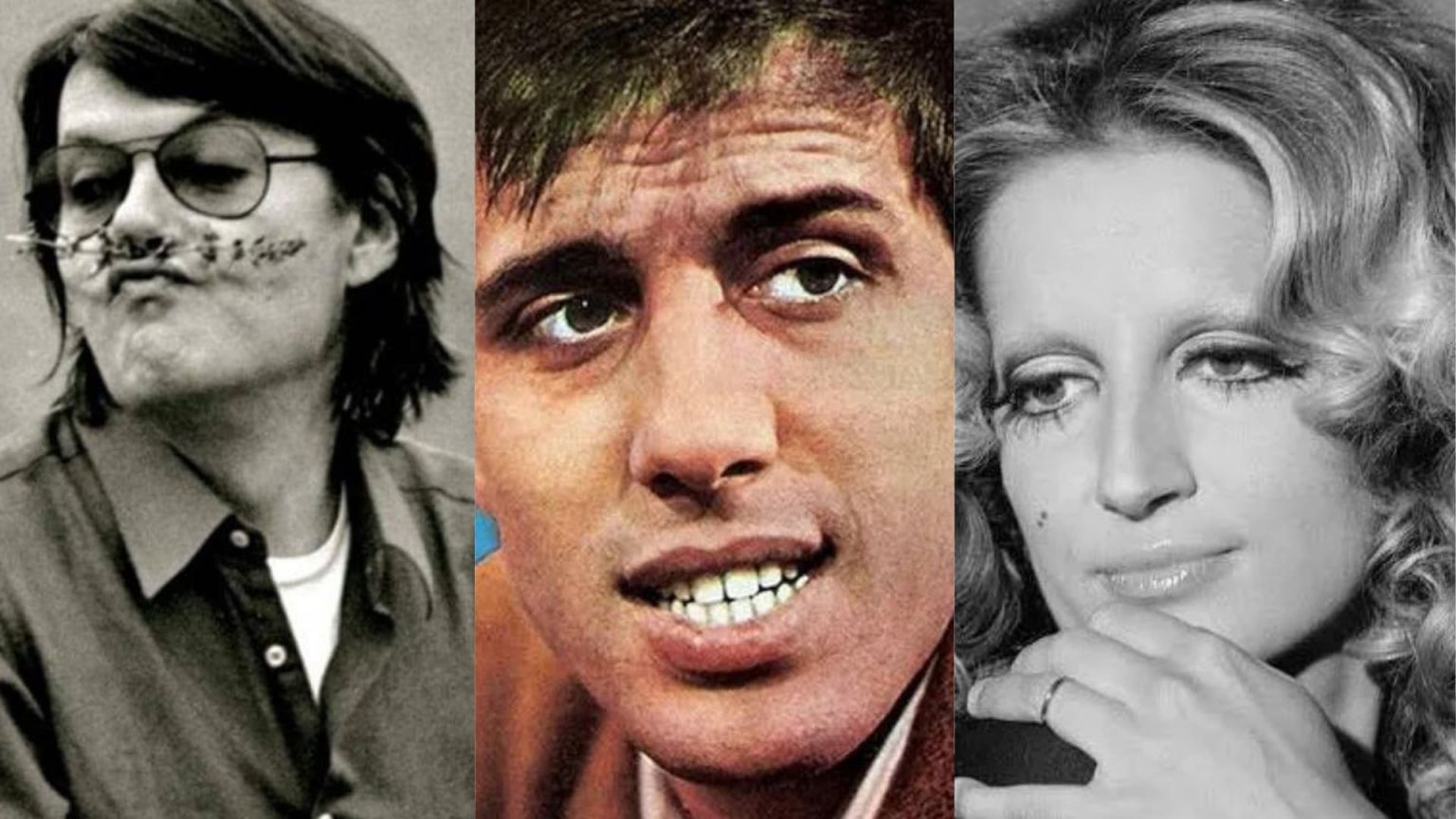
A trip to Italy is an exciting and challenging adventure. A valid and exciting way to begin discovering the culture, history, and language of the Belpaese is certainly to get to know the most famous Italian singers. The reason? Listening to their songs and reading their lyrics provides a fun and creative way to understand Italy and improve your language skills. But that's not all.
In addition to refining your understanding, pronunciation, accent, and fluency in conversation, and expanding your vocabulary with informal language, understanding Italian music culture allows you to grasp Italian emotions, gestures, and above all, values. The lyrics of the songs offer truly interesting insights into Italy's historical transformations, cultural heritage, and changes in the habits and moods of different generations.
Discover Italy through music: the Italian singers to listen to
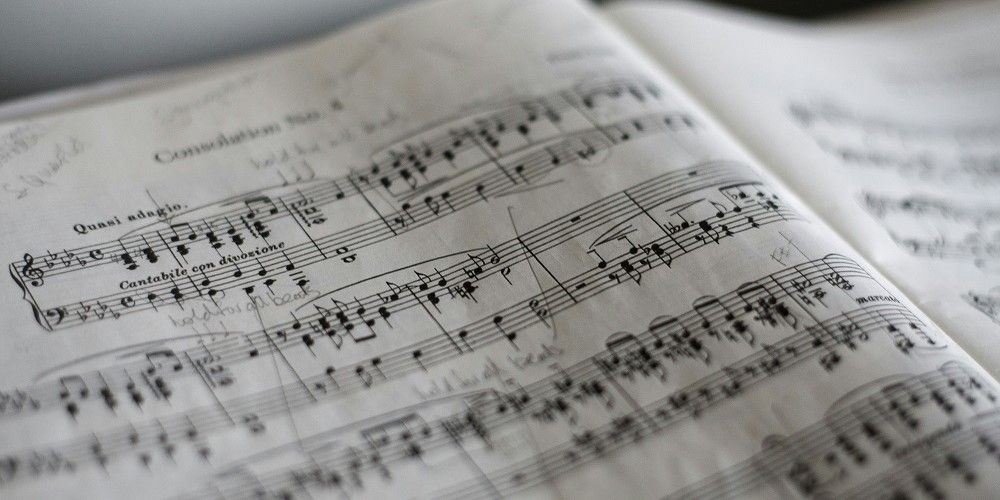
The celebration of Italian song is the Sanremo Music Festival, held every year since 1951 in February and streamed abroad on RaiPlay. The winner represents Italy at the Eurovision Song Contest, in front of a global television audience. Sanremo is not just about music: the festival has a long tradition of celebrating many aspects of Italian life.
This is why knowing the songs of the most important voices in Italian music is important for understanding Italy, particularly through the most refined songwriters and classy performers who have become popular with the general public. Here are the 10 Italian singers you absolutely must know, but first, let's analyze why it is so interesting to study Italian music.
Listen to the podcast version of the article with the voice of Monna Lisa & Leonardo
Why music is key to understanding Italy
The reasons are historical, social, and cultural. Listening to Italian singers provides an emotional map of the Belpaese: opera, pop music, and singer-songwriters have recounted Italy's social transformations, identity, and ways of life over time. Pop music reflects the national image and the Italian language in all its nuances.
The operas of Verdi, Puccini, and Rossini are symbols of Risorgimento Italy: patriotic operas that champion national unity. Melodrama, revue, and Italianized jazz accompanied the early 20th century, fascism, and the post-war period. Popular songs, the "canzonette" of Sanremo, songwriters, beat, and progressive rock commented on the economic boom, the ideals, and the tensions of society.
Italian music explained in an easy way
Italian people express their feelings, from love and happiness to pain and anger, with strong enthusiasm, in an emotional and theatrical way. Italian songs, the result of classical and folk music traditions, reflect this way of living, thinking, and relating to others. Italian music conveys emotions and describes reality and beauty with irony and easy, catchy refrains.
The Italian musical mix is made up of drama and romance, passion and exuberance, poetry and sensuality. It is very singable music because it is expressed in a sweet language: the lyrics have many vowels, the sounds are clear, and the rhythms pair perfectly with singing. The most famous songs have intense emotional colors: knowing this music means visualizing Italy through the eyes and hearts of Italians.
The Italian music eras
Italy has a unique operatic and classical heritage: 19th-century opera, the melodic music of composers such as Verdi, Puccini, and Rossini. Arias such as Va, pensiero, Nessun dorma, and Largo al factotum della città are immortal. Alongside this are popular traditions linked to regional identities: Neapolitan songs, tarantellas, stornelli, tavern songs, and dance hall songs.
The 20th century began with liberal Italy and the Giolitti era, which were swept away by the First World War and twenty years of Fascism. During those years, pop music and Italian swing, with its jazz rhythms and catchy melodies, dominated. It was only with the end of the Second World War, the "first" republic and the economic miracle that Italian music responded to the need for well-being and lightness.
Since the 1950s, the era of melodic songs and Sanremo, Italian music has changed along with society and begun to address political issues. It is the era of songwriters and youth protest, expressed through beat, pop, and progressive rock. At the end of the 1960s, the heavy ideological climate of the Years of Lead was swept away, and disengagement also reached music.
Disco music from Italy was so distinctive thanks to artists such as Moroder, La Bionda, and Righeira that it was renamed Italodisco. Before today's mix, the 1980s and 1990s expressed an all-Italian punk, alternative rock, and indie that arrived in the 2000s. Now the dominant sounds are global ones expressed through hip-hop and urban, rap, and trap.
10 Italian singers you absolutely must know about
The list of the 10 essential Italian singers is inevitably partial. The criteria are mainly linked to the artists' personalities, their Italianness, and the international impact they have had. For example, Lucio Battisti (the absolute genius of Italian song), Francesco De Gregori (an authentic poet of songwriting), and Umberto Tozzi, one of the most successful Italian musicians ever with his Gloria, are not included.
Similarly, contemporary phenomena such as Salmo (whose album Flop reached number one on Spotify's Top 10 Global Albums) and Il Volo, a tenor trio popular with US audiences because it revives a stereotype of Italian song adapted to the stylistic features of international pop, are also left out. The following are artists who have truly created a shared linguistic heritage and imagery.
10. Domenico Modugno
Born in Polignano a Mare in 1928, Domenico Modugno was active from 1953 to 1994 and is considered the father of Italian pop music. The Apulian legend of songwriting is culturally significant because he was a poet of national identity: his voice made Italy known to the world by recounting the phenomenon of emigration and nostalgia for the abandoned homeland.
Mimì, the storyteller who came from the sea, won the Sanremo Festival four times. His first triumph was in 1958 with Nel blu, dipinto di blu, known throughout the world simply as Volare: it is the most famous Italian song of all time and a kind of second national anthem. The song is so iconic that Modugno was renamed Mister Volare in the US.
9. Mina
The pseudonym of Mina Anna Mazzini, the Tiger of Cremona is one of the greatest singers in the history of Italian music: still active today since 1958, even though she chose to stop appearing in public in the late 1970s, she is an icon of timeless elegance and courageous femininity. Her versatile and powerful voice has interpreted more than 1,500 songs.
A television host, actress, and producer as well as a singer, Mina has always tackled very different genres thanks to her legendary and inimitable voice. A true Italian diva who entered the collective imagination for her beauty and distinctive looks, she was a pioneer of sophisticated songwriting with pieces such as Se telefonando, Amor mio, and Grande, grande, grande. Although invisible, she is still much loved.
8. Adriano Celentano
Mina has been friends for more than half a century with Adriano Celentano, singer-songwriter, actor, and authentic showman active since 1956. Knowing the songs of Il Molleggiato (The Springy, for his peculiar dancing style) means understanding national pop culture and Italian humor, a distinctive characteristic of Italians when faced with serious, stressful, and worrying situations.
One of the first artists to introduce rock'n'roll to the national music scene, Celentano is also an influential commentator and a voice that stands out from the crowd for his unconventional political views. Above all, however, his songs are dominated by lightness and irony, from 24 mila baci and Il ragazzo della via Gluck to Azzurro, his most famous and beloved song worldwide.
7. Fabrizio De André
Active from 1961 to 1998, when he died of lung cancer, Fabrizio De André is of fundamental cultural importance because he transformed poetry into music. Faber, as his friend Paolo Villaggio nicknamed him, tackled controversial social issues in a unique way, being the first to tell raw and touching stories of outcasts and rebels, criminals and prostitutes, denouncing injustice and the corruption of power.
His style, influenced by Georges Brassens and Jacques Brel, Bob Dylan and Leonard Cohen, combines ballads with Mediterranean sounds, traditional folk music with experimentation. The Genoese artist always stood out from classic Italian pop music for the sophistication of his lyrics and the depth of his words, characteristics that made him the true father of modern songwriting.
6. Lucio Dalla
Born in Bologna on March 4, 1943, Lucio Dalla was a true theatrical talent who was active from 1962 until 2012, the year of his sudden death from a heart attack during the Montreux Jazz Festival, three days before his 69th birthday. Dalla was one of the most innovative and influential Italian singers because he was able to express emotions and irony with a typically Italian intimacy.
His work spanned beat, jazz, and experimental music before he settled on songwriting, with memorable duets with artists ranging from Francesco De Gregori to Sting. Translated into numerous languages, his songs make people smile, cry, and feel their hearts beat faster. With almost 20 million copies sold, his Caruso has become one of the most famous Italian songs in the world.
5. Vasco Rossi
Born in 1952 and raised in Zocca in the province of Modena, Vasco Rossi has been active since 1977 and represents the spirit of rebellion and freedom of Italian rock. A child of the 1970s, the provocative Emilian singer has been loved (and hated) for his reckless lifestyle, characterized by alcohol and drugs. Vices and addictions that in 1984 even landed him in prison.
Success never tore him away from the province, from where he sets off on long concert tours that fill stadiums throughout Italy. For many years, Blasco held a world record: that of paying spectators at a solo concert, equal to 225,173 at Modena Park in 2017. A unique affection for live performances with which he celebrated 40 years of music.
4. Laura Pausini
Born in Faenza in 1974, Laura Pausini began her career in 1993 by winning the New Artists section of the Sanremo Music Festival with the song La solitudine (Loneliness) and has since become the most famous Italian singer in the world. A symbol of a global Italy, an artist with a familiar voice and extreme versatility, Pausini has never lost sight of her roots, lightness, and irony.
In a career spanning more than thirty years, the charismatic singer from Romagna has made a name for herself in Latin America (a market that reveres her as an icon) and in the United States, where she has won a Grammy and a Golden Globe and was nominated for an Oscar for the song Io sì (Seen). Laura Pausini's songs are poignant love songs, always full of energy and hope for the future.
3. Andrea Bocelli
A tenor singer who has been visually impaired since birth, Andrea Bocelli has been performing since 1982, but it was only in 1993 that he won over global audiences thanks to his duet Miserere with Zucchero and his victory in the New Artists section of the Sanremo Music Festival with Il mare calmo della sera. Since then, Bocelli has represented Italian musical excellence: that combination of opera and pop that has taken him to the most prestigious stages on the planet.
The world's most famous tenor started out in Lajatico, a village in Tuscany with just over a thousand inhabitants where he was born and raised, and went on to perform at the White House and Buckingham Palace. This is thanks to the unique melodies he sings, which sound familiar to the public. This is the case with Time to Say Goodbye, one of the greatest international hits of Italian music.
2. Mahmood
The stage name of Alessandro Mahmoud, born in Milan in 1992 to a Sardinian mother and Egyptian father, Mahmood has been active since 2012, but achieved success in 2019 with the song Soldi, which was the surprise winner of the Sanremo Music Festival. He is the image of today's multicultural Italy: the so-called second-generation Italians, i.e., the children of immigrants who were born and raised in the country.
The singer from Gratosoglio has a recognizable style: he blends Italian pop, urban, and Middle Eastern influences. His charismatic performances captivate audiences: the difficult context in which Mahmood grew up, in the suburbs of Milan, is authentically reflected in his songs. He returned to Sanremo twice more: in 2022 with Blanco, winning again with Brividi, and in 2024 with Tuta gold.
1. Måneskin
Coming from Rome, active since 2016, Måneskin represents the new global Italian attitude. Thanks to their simple style inspired by 1970s Anglo-American rock and their provocative and daring image, the quartet won Sanremo and Eurovision Song Contest in 2021 with Zitti e buoni and climbed the international charts with Beggin' and I Wanna Be Your Slave.
Representatives of a typically Italian Latin exoticism, Måneskin are children of the new music world linked to streaming: a way of enjoying music that is making markets that were until yesterday peripheral, such as the Italian one, known everywhere. In total, between albums and singles, the band dominates global streaming with 10 billion total plays, entering Spotify's billionaires' club.
The outsiders: world famous Italian bands unknown at home
There is another Italy, far from the beaten track and clichés, populated by exceptional musicians who shatter the stereotypical narrative of Italianness. These artists work quietly and with dedication: they combine passion and talent with professionalism and sacrifice, mental strength and sobriety. These characteristics make them more sought after and acclaimed abroad than at home.
What's more, they don't necessarily sing in Italian. In fact, most of them sing in English. This is the case with Lacuna Coil, one of the most famous Italian metal bands abroad, particularly in the US and Northern Europe. In the past, it was Uzeda, the most international of Sicilian bands, and Cut, a punk noise group from Bologna with strong ties abroad.
Today it's the turn of Roman artists like Zu, a jazz-core trio that enjoys considerable international fame, and Lili Refrain, a multi-instrumentalist who has made a name for herself thanks to intense European tours; Ufomammut from Piemonte, appreciated worldwide for their psychedelic doom sound, and the Venetian Messa, protagonists of concerts in Europe and elsewhere. Not to mention Cripple Bastards from Piedmont, Fleshgod Apocalypse from Umbria, and Fulci from Caserta.
There are many stories of Italian musicians who have made their fortune abroad: Benny Benassi, for example, is a DJ from Reggio Emilia who is famous all over the world, a Grammy winner, the only Italian invited to the famous Coachella festival in 2013, and who topped the iTunes US dance chart. His secret is simple: talent and a different kind of Italian spirit, tenacious and easy-going.
Is Italian music important to understand Italy?
Yes, Italian music helps you understand Italy because it reflects the country's history and culture: it is a living archive of the language and its evolution, but above all it reveals the character and emotional traits of Italians, communicating their love of life, sense of nostalgia, sensuality, and cult of simplicity, pleasure, and beauty. Knowing the most famous singers and their songs gives you access to a cultural code for deciphering Italy, its history, its soul, and its way of life.
Who is the most famous and influential Italian singer?
There is no single Italian singer who is more famous or influential than the others. There are many, and they are all worth listening to and discovering. The most important and beloved, in Italy and abroad, for various reasons ranging from compositional genius and personality to universal recognition, are Domenico Modugno, Mina, Adriano Celentano, Lucio Battisti, Fabrizio De André, Lucio Dalla, Francesco De Gregori, Giorgio Gaber, Enzo Jannacci, Francesco Guccini, Paolo Conte, PFM, Franco Battiato, Pino Daniele, Ornella Vanoni, Mia Martini, Vasco Rossi, Umberto Tozzi, Giorgio Moroder, Eros Ramazzotti, Laura Pausini, Luciano Ligabue, Andrea Bocelli, Il Volo, Mahmood, and Måneskin.
Is traditional or modern Italian music better?
There is no right answer to this question because every historical phase of Italian music has its merits, strengths, and unique characteristics. Traditional Italian music is loved because it perfectly reflects Italian roots and identity, is based on a sense of melody and elaborate lyrics, has remarkable poetic and narrative depth, provides a collective listening experience, and stands the test of time. Italian modern music is popular because it addresses current issues, speaks the language of today, experiments with contemporary sounds, brings cultural hybridization, dialogues more with international trends, is direct, and is suited to individual listening modes such as streaming. Preferring one or the other depends on personal taste and what you are looking for in music.
About the author
Written on 23/02/2026
Alessandro Zoppo
He has been listening to music and watching movies since he was 6. Proudly Samnite but Roman by adoption, he writes about culture, travel, economics, finance, politics and sports and curates film festivals.

Alessandro Zoppo
From Modugno to Måneskin, here are 10 Italian singers to listen to for better understanding Italy, the language and its culture.