
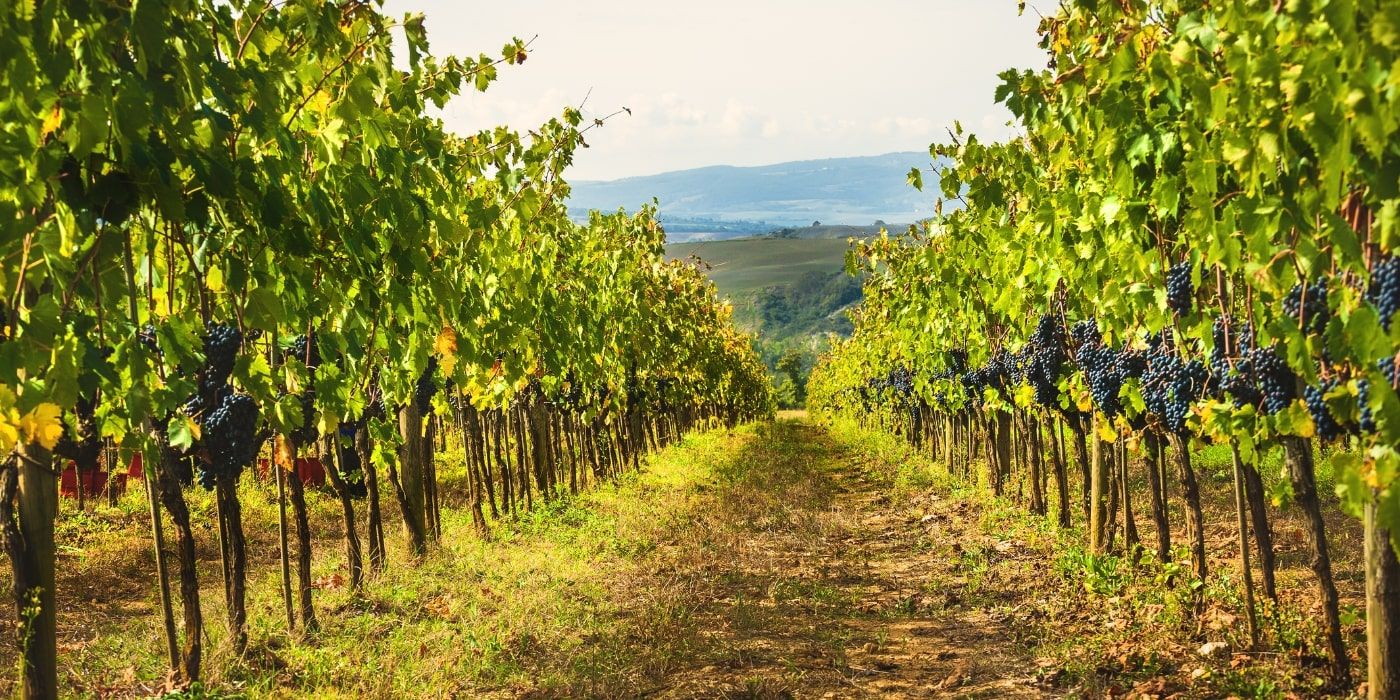

The grape harvest in Italy is one of the most important moments of the agricultural year and, at many wineries, you can experience it first-hand, walking among the rows of vines, picking grapes and discovering how wine is made. It is an experience that brings you closer to nature and allows you to explore the local food and wine culture through simple, age-old gestures.
Taking part in this centuries-old tradition means turning the grape harvest into a different way of travelling: slower, more authentic and closer to the people who live and work in these places every day. It is an opportunity to discover Italy’s wine culture from an unusual perspective and find new inspiration for a holiday among vineyards and wineries.

Discover the grape harvest in Italy on a journey through the regions, their wines and traditions
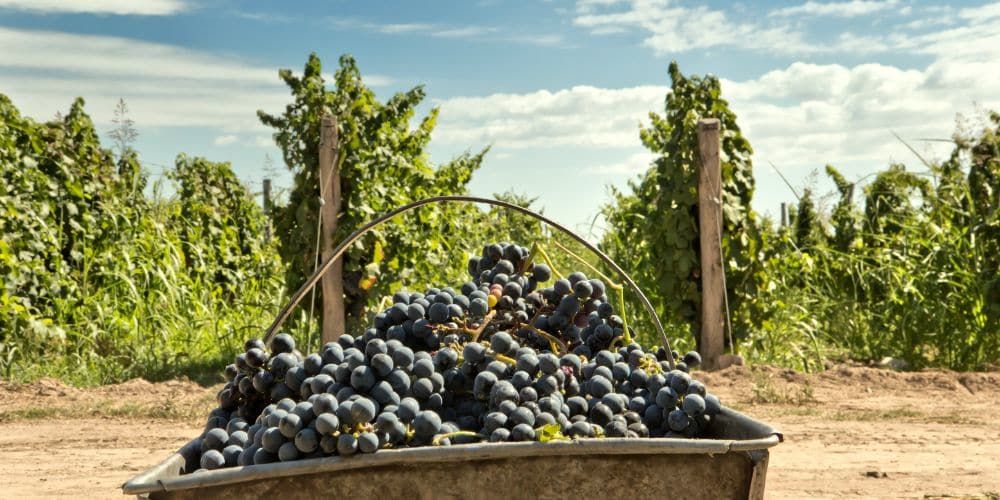
The grape harvest period in Italy runs from late July to late September. It varies depending on the sun exposure and altitude of the vineyards and the weather conditions of the current year. Many wineries open their doors to tourists looking for a different experience. It is a very important event for the Italian economy: the wine and food sector plays a fundamental role in terms of economy and image worldwide.
Participating in the grape harvest in Italy actively takes you on a tour of wine cellars and their wines, in a collective celebration that combines work with the satisfaction of being part of an ancient ritual. You will see first-hand the various production phases up to the tasting of what is produced. An event full of emotions, scents and flavours. You will learn to recognise when the grapes are ready, at the right sugar level, and you will collect them in the assigned baskets.
Let's begin our journey through Italy to discover the traditions associated with the grape harvest.
Grape harvest in Piedmont: among the vineyards of the Langhe and Monferrato
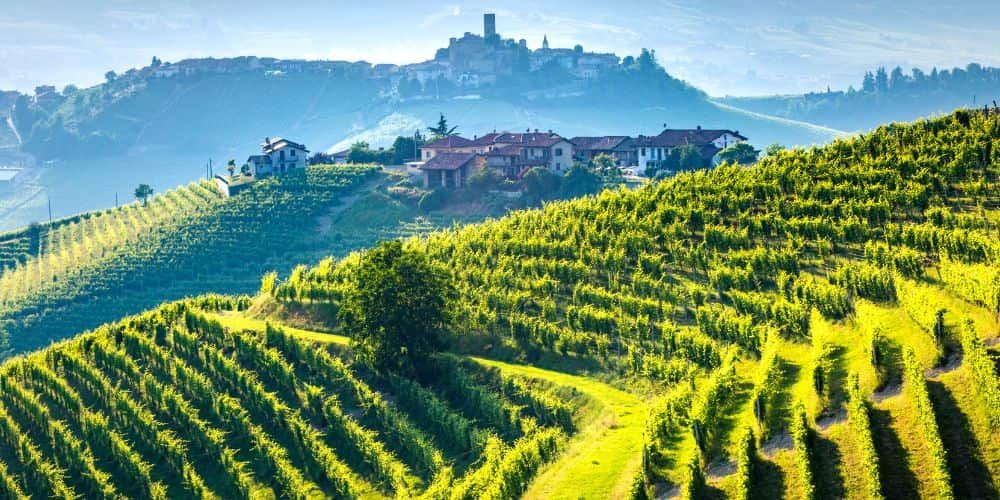
From Monferrato to the Langhe, you can take part in the grape harvest and experience first-hand a ritual rooted in tradition. In some places, the experience allows you to walk among the vines, pick the grapes and learn more about the different stages of processing. It is not simply physical work, but a shared activity that often ends with a convivial moment featuring local products, a fitting reward for the day’s efforts.
It is also an opportunity to visit the villages where wine is produced and discover landscapes deeply shaped by viticulture. Among the later-ripening grapes is Nebbiolo, the variety behind wines such as Barolo and Barbaresco. Alongside these, Dolcetto and Moscato d’Asti make a tasting at the end of the day almost essential. You could also take the opportunity to visit and discover a wonderful city such as Turin!
Grape harvest in Aosta Valley: picking grapes among the Alpine peaks
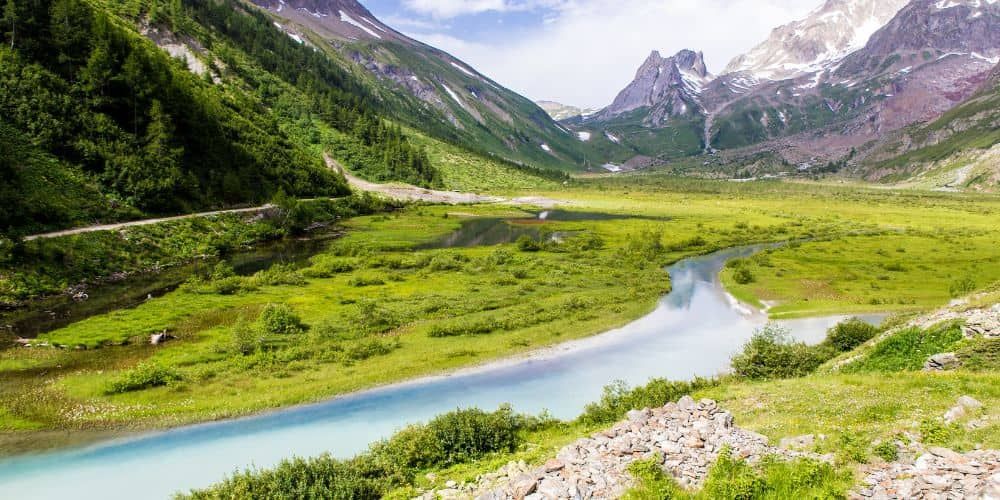
On Italy’s northern border, the grape harvest is both a working season and an opportunity to promote tourism. Among terraced vineyards, steep slopes and rows of vines that in some cases reach considerable altitudes, wineries that open their doors to visitors offer the chance to discover what is known as “heroic” viticulture through vineyard visits, encounters and tastings of traditional Aosta Valley products.
Those who take part in the grape harvest can also discover the territory and the people who live there. Among the wines worth trying is Torrette DOC, produced mainly from Petit Rouge grapes, along with Pinot Noir, which has long been grown in the region. Native varieties such as Fumin and Petite Arvine are also worth discovering, expressions of the distinctive mountain viticulture of the Aosta Valley.
Among the many wonders the region has to offer, you should also treat yourself to a relaxing break at the thermal spas... discover them all!
Grape harvest in Lombardy: from the vineyards of Oltrepò Pavese to DOC wines
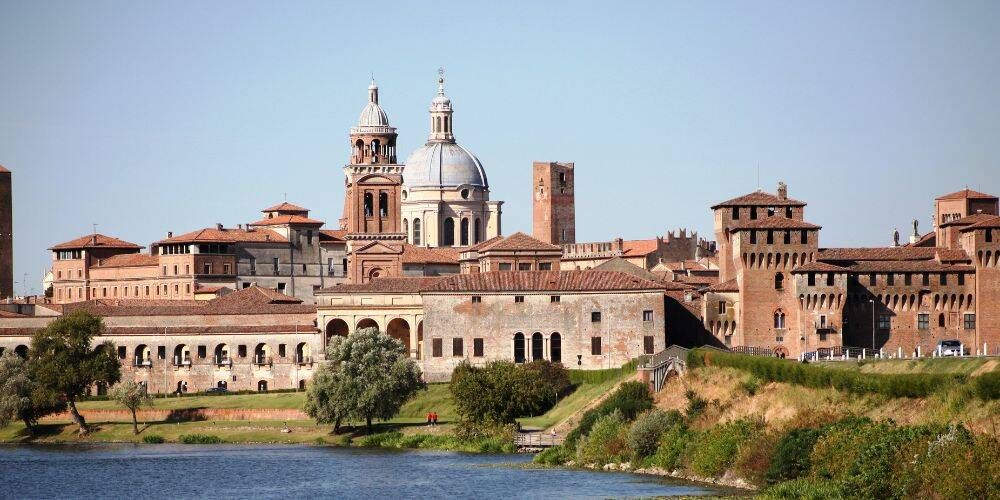
In Oltrepò Pavese, the grapes that are harvested give life to very different wines, from Pinot Noir and Barbera to Bonarda dell’Oltrepò Pavese DOC, produced mainly from Croatina grapes. Some experiences open to visitors allow you to take part in grape picking and crushing before continuing with guided winery tours, where you can discover the different stages of production and taste local wines.
Tours in Franciacorta are also very popular, home of the DOCG wine of the same name produced mainly from Chardonnay and Pinot Noir, as are those in Valtellina, where Nebbiolo takes centre stage and is locally known as Chiavennasca. In the Mantua area, meanwhile, you can discover Lambrusco Mantovano DOC. Popular events include grape stomping in vats for children, while adults can take part in night-time harvests and, on request, even wine baths.
Grape harvest in Trentino: between the Dolomites and mountain bubbles
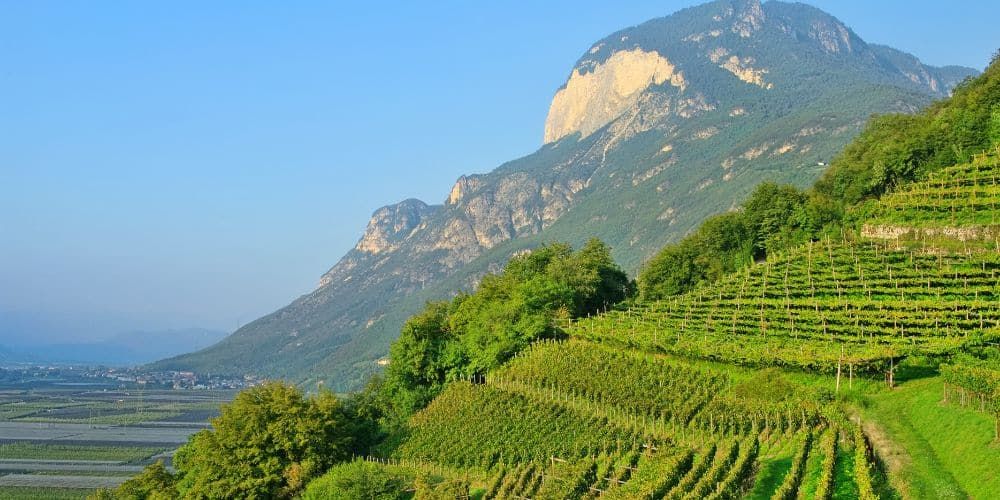
The grape harvest season in Trentino can be combined with walks among apple orchards and rows of vines where the grapes are picked. Between September and October, several local wineries and vineyards open their doors to visitors, especially in areas such as the Piana Rotaliana and Val di Cembra, where you can get closer to the harvest and learn about the work of local winegrowers.
The experience also offers the chance to discover the stages of the Trentodoc traditional method, from the first fermentation to the second fermentation in the bottle, followed by riddling and disgorgement. Among terraced vineyards climbing the mountainsides, such as those of Val di Cembra, you can take part in the grape harvest and discover Chardonnay and Pinot Noir, two of the main varieties used to produce Trentino’s celebrated sparkling wines. It is also a time of celebration and sharing, when you can taste traditional local products.
Grape harvest in South Tyrol: tradition and vineyards at the foot of the Dolomites
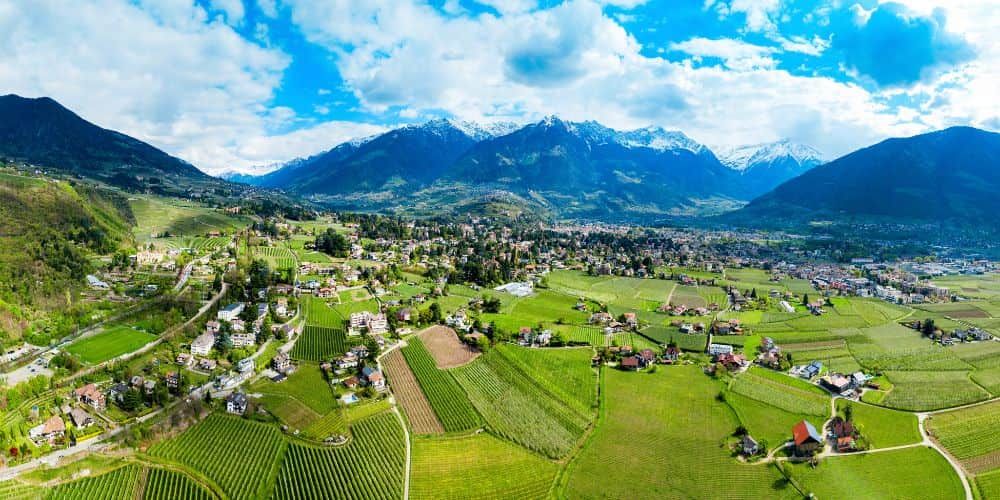
At the foot of the Dolomites, wine and grappa production are deeply rooted in local culture. The Wine Road, which crosses the territory from Nalles to Salorno through villages, vineyards and Bolzano, is dotted with wineries offering tastings and food and wine experiences throughout the year.
During the grape harvest season in Italy, you can walk among the vines, visit wineries and learn more about the different stages of winemaking. It is also an opportunity to discover some of South Tyrol’s most representative grape varieties, such as Schiava and Lagrein, along with Gewürztraminer, closely associated with the Termeno area, as well as Pinot Blanc and Pinot Noir. You can taste the result of this passion and immerse yourself in South Tyrol’s wine culture, discovering a land rich in history and traditions.
Grape harvest in Friuli Venezia Giulia: among the vineyards of the Friulian hills
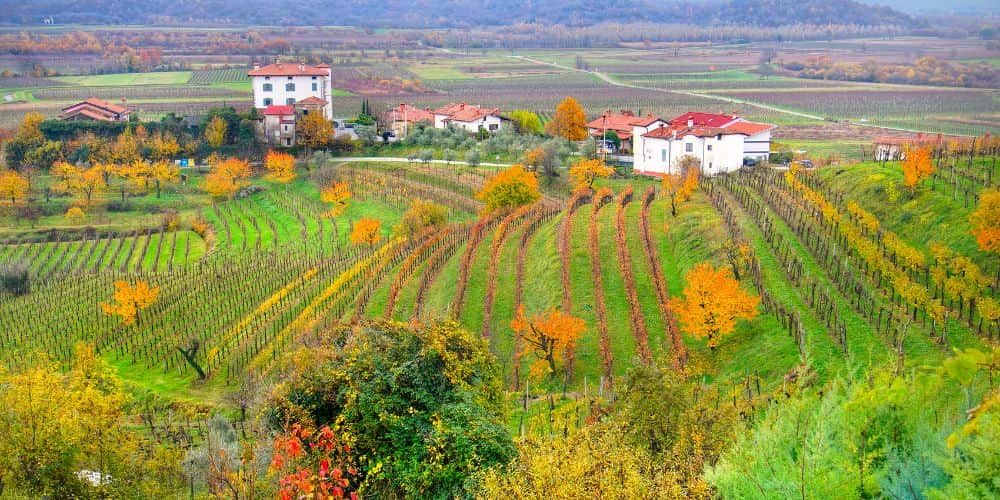
In Friuli Venezia Giulia, a memorandum of understanding has been signed to promote the educational value of this type of experiential tourism. Along the various routes, visitors can take part in the grape harvest, learn about work in the vineyard and discover the secrets of the world of wine on a fascinating journey suitable for the whole family. Children are also welcome and can take part in simple activities suited to their abilities.
It is also an opportunity to discover some of the region’s most representative wines and grape varieties, from Ribolla Gialla and Friulano to reds such as Refosco dal Peduncolo Rosso and Schioppettino, as well as to discover Trieste and all its attractions.
Grape harvest in Veneto: among vineyards and great wine regions
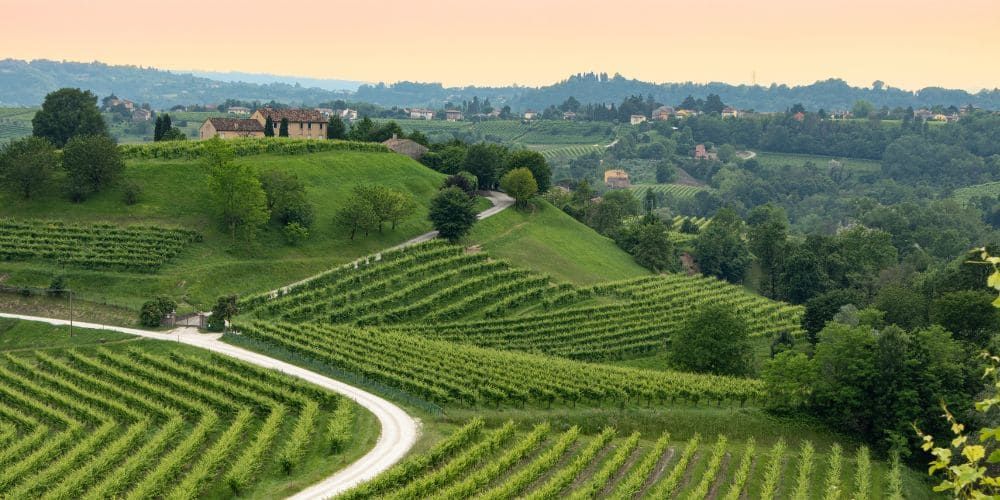
Enjoy an unforgettable experience by taking part in the grape harvest in Veneto, a region famous for wines such as Prosecco, produced mainly among the hills of Conegliano and Valdobbiadene, and Amarone della Valpolicella, linked to Corvina, Corvinone and Rondinella grapes, making this season a truly unique experience.
Among the hills around Lake Garda and the gentle valleys of Valpolicella, you can immerse yourself in ancient traditions and watch the grapes being harvested by hand. Taking part in harvest activities, visiting wineries and tasting local wines will be unforgettable and will allow you to discover the secrets of a centuries-old winemaking tradition.
In Veneto, the grape harvest is also an opportunity to enjoy events dedicated to wine culture, such as the traditional Festa dell’Uva e del Vino di Bardolino, which celebrates the connection between the lake, vineyards and Bardolino wine in its different expressions, from Classico and Superiore to Chiaretto. Alongside tastings and winery visits, concerts and events are organised to help visitors discover the territory and its culture.
Grape harvest in Emilia-Romagna: among local wines and flavours
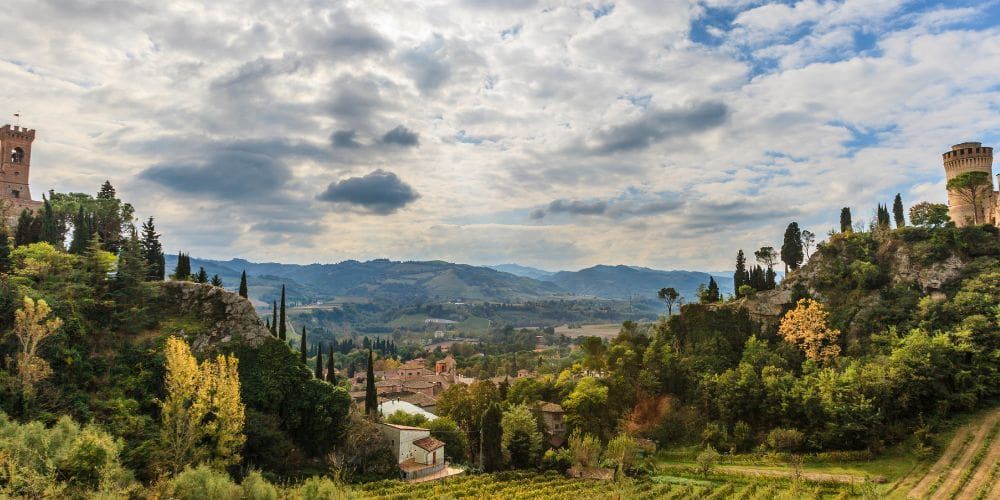
In Emilia-Romagna, the grape harvest is a delicate time of year, when the fruit of more than 50,000 hectares of vineyards is gathered. Among the most representative grape varieties are Trebbiano Romagnolo and Sangiovese, closely associated with Romagna, while the countryside around Modena and Reggio Emilia is home to different varieties of Lambrusco, from Sorbara and Grasparossa to Salamino.
During harvest season, wineries and wine-producing areas offer visits, tastings and events dedicated to grape picking. One of the most characteristic events is the Sagra dell’Uva e del Lambrusco Grasparossa in Castelvetro, in the Modena area, featuring tastings, meetings with producers and special winery openings. To experience the region in a different way, we suggest an itinerary to discover the medieval castles of Emilia-Romagna.
Grape harvest in Liguria: from the Cinque Terre to inland vineyards
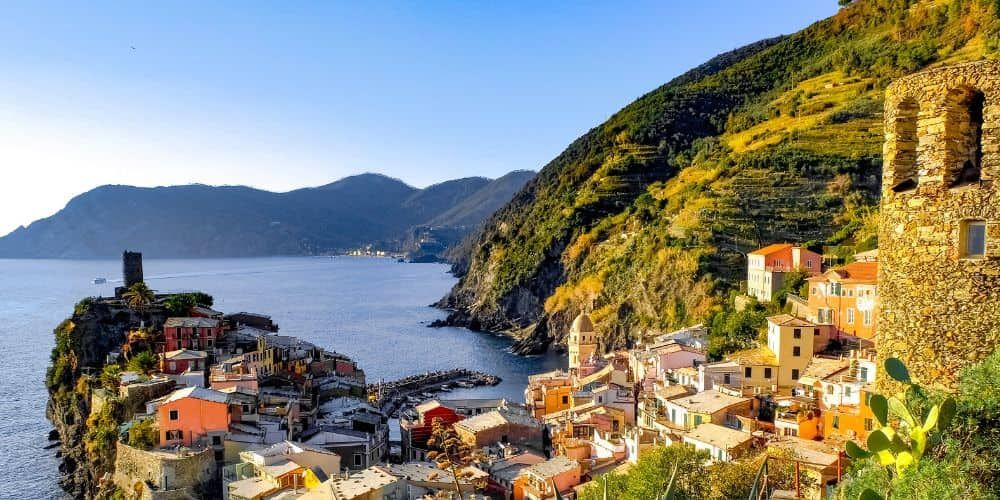
In eastern Liguria, meanwhile, Bosco, Albarola and Vermentino are the grapes used to produce Cinque Terre DOC and Sciacchetrà, the celebrated sweet wine made from grapes left to dry after harvesting. Hiking through the terraces and enjoying wine tastings are therefore excellent ways to discover the Cinque Terre, a magnificent territory waiting to be explored.
Grape harvest in Tuscany: experiencing the harvest in Val d’Orcia
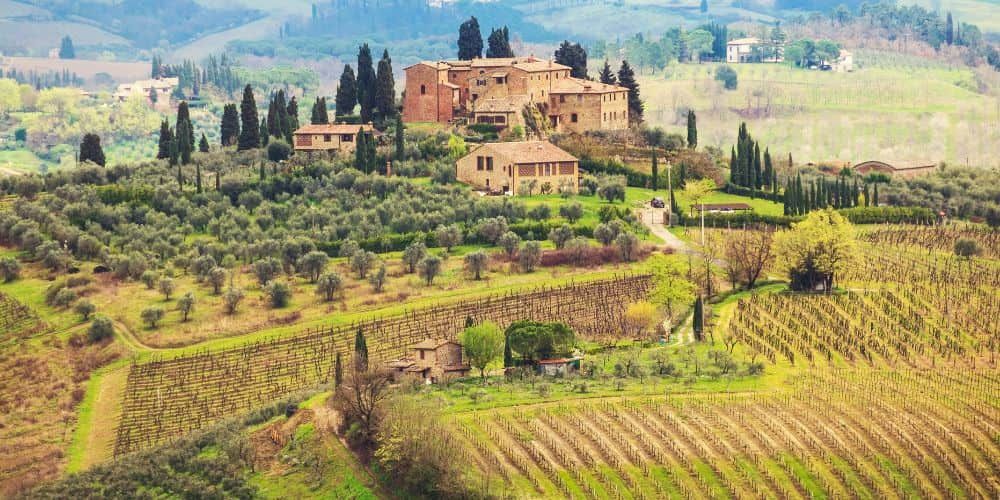
Picking Sangiovese grapes, which after fermentation and ageing will become celebrated wines such as Brunello di Montalcino, will give a new meaning to every tasting that follows. Between Montalcino and Val d’Orcia, you can walk through the vineyards, visit wineries and discover the different stages of production, while in Chianti Classico Sangiovese once again takes centre stage, alongside varieties such as Canaiolo and Colorino.
Local cured meats and cheeses, served with traditional Tuscan bread, provide the perfect accompaniment to a weekend combining work in the vineyards with relaxing spa treatments. Many local accommodations add food and wine experiences and winery visits to their year-round activities, offering stays that are even more closely connected to wine culture. If you have a few days available, treat yourself to a tour to discover Florence.
Grape harvest in Lazio: from the Castelli Romani to the Tyrrhenian coast
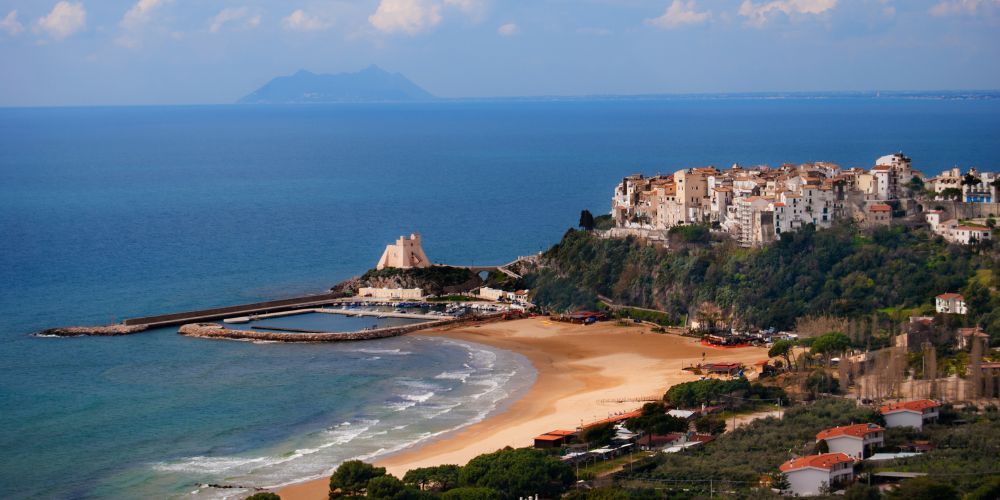
In Lazio too, during Cantine Aperte in Vendemmia, several producers open their doors to anyone interested in discovering more about the world of wine. The experience begins in the vineyards and with the raw material before continuing in the winery, where visitors can discover the different stages of production through the stories of the winegrowers themselves. Tastings, convivial gatherings, music and activities connected with wine culture are also part of the experience.
The typical wines produced in Lazio tell the story of very different territories: in the Castelli Romani you will find Malvasia and wines such as Frascati; in Ciociaria, Cesanese del Piglio DOCG takes centre stage; while along the coast, Moscato di Terracina DOC stands out. Passerina is also among the varieties grown in the Frosinone area. Why not also take a tour of Rome to complete a unique experience?
Grape harvest in the Marche: between hills and sea, discovering DOC wines
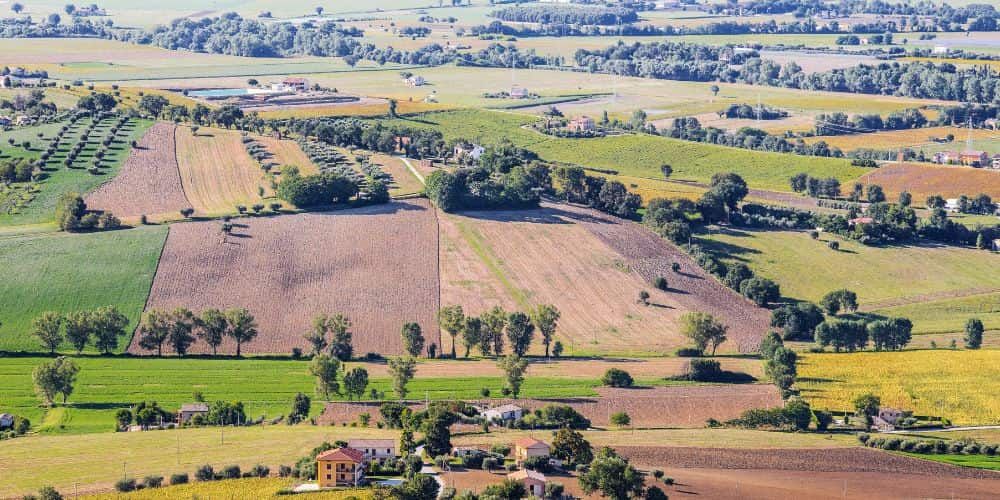
In the Marche, the grape harvest plays a fundamental role in the regional economy and, during this period, many wineries open their doors to visitors with tastings, vineyard visits and wine tourism experiences that offer a closer look at the territory and its wine culture.
One of the great protagonists is Verdicchio, associated above all with the Castelli di Jesi and Matelica, while towards the Conero and Piceno areas you will encounter red wines such as Rosso Conero and Rosso Piceno, along with grape varieties such as Montepulciano and Sangiovese. More unusual productions worth discovering include Vernaccia di Serrapetrona DOCG and Lacrima di Morro d’Alba DOC. Explore the whole region: the inland villages are full of character, while the Riviera delle Palme is a perfect example of its coastal beauty.
Grape harvest in Abruzzo: among mountains, sea and native grape varieties
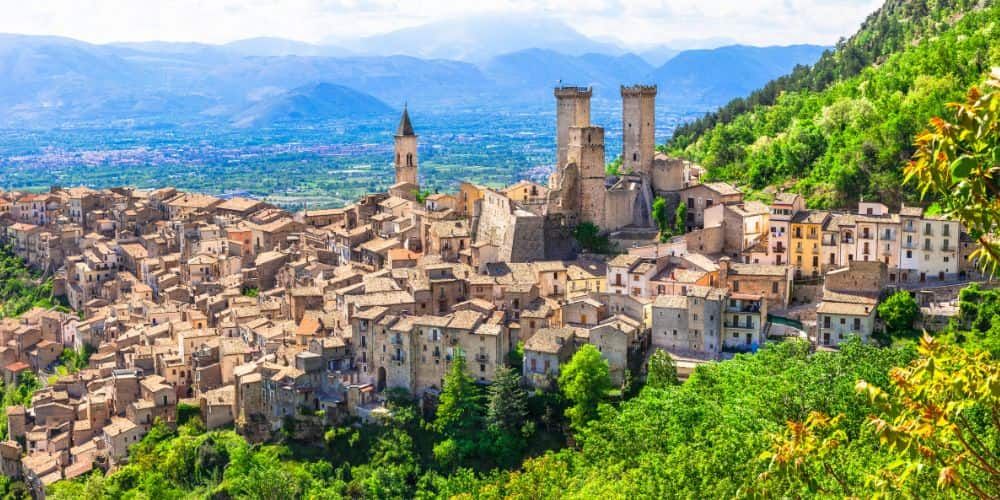
The grape harvest in Abruzzo comes into full swing between late summer and autumn, with timing varying according to the grape variety and territory. Among the most representative white varieties are Pecorino, Passerina and Trebbiano d’Abruzzo, while the later-ripening Montepulciano is generally harvested between late September and October and is the grape behind the celebrated Montepulciano d’Abruzzo DOC.
During Cantine Aperte in Vendemmia, visitors can enter participating vineyards and wineries, enjoy tastings and discover the different stages of production and the work of local winegrowers. It is also a way to explore wine-producing areas stretching from the inland hills to the coast. We suggest an itinerary to discover the 5 most beautiful villages to visit in the hinterland and an unusual tour along the coast.
Grape harvest in Campania: among vineyards and local traditions
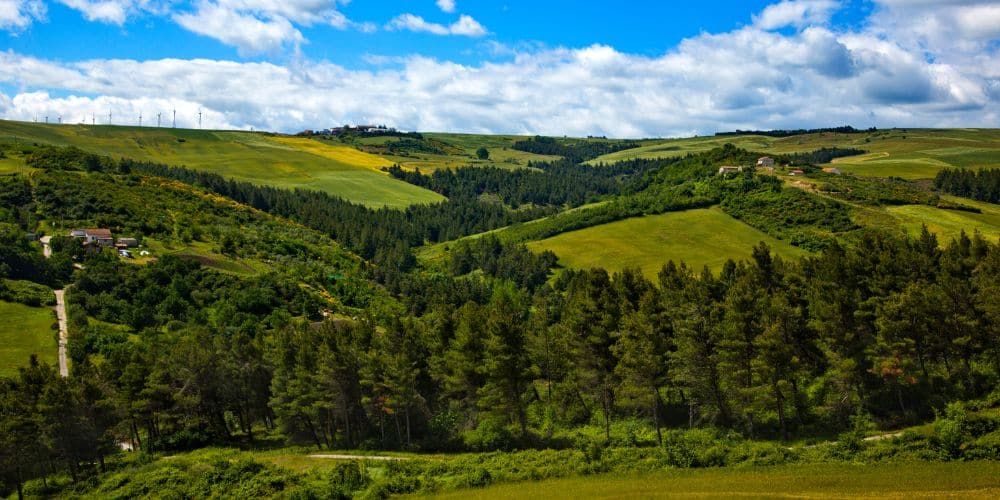
In Campania, the winemaking tradition is very ancient and the grape harvest takes place between late summer and autumn, with timing varying according to the grape varieties and individual territories. In Irpinia, among rolling hills and vineyards, you can discover some of the region’s most representative wines, including Fiano di Avellino DOCG, Greco di Tufo DOCG and Taurasi DOCG, made from Aglianico grapes.
During harvest season, vineyard and winery visits, tastings and wine-related events allow you to discover the work of local producers more closely. Moving to other parts of Campania, you will encounter Falanghina del Sannio, while in the volcanic territories of Vesuvius and the Phlegraean Fields, varieties such as Piedirosso and Falanghina take centre stage.
Grape harvest in Umbria: among vineyards, olive groves and villages
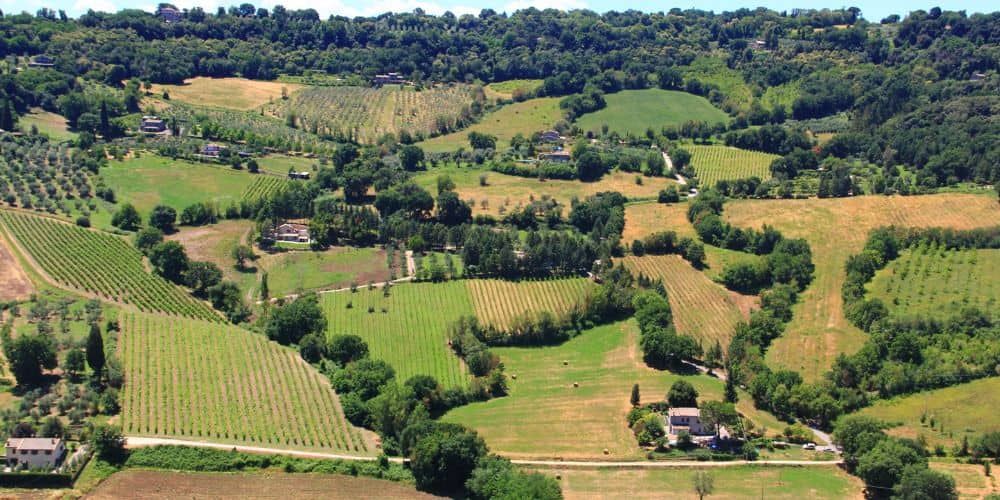
In Umbria, the grape harvest season offers adults and children alike the opportunity to get closer to local farms and wineries. Alongside the experience of picking grapes, many places organise educational activities and experiences that explain work in the vineyard and the different stages of production, with tastings and activities designed for families too.
It is also the ideal time to discover some of the region’s signature wines: among the hills of Montefalco, Sagrantino DOCG is produced entirely from the grape of the same name, while around Orvieto you can discover white wines such as Orvieto Classico DOC, linked to grape varieties including Grechetto and Procanico. These are genuine food and wine experiences that help visitors discover the delicacies and traditions of the territory.
Grape harvest in Basilicata: discovering Lucanian vineyards
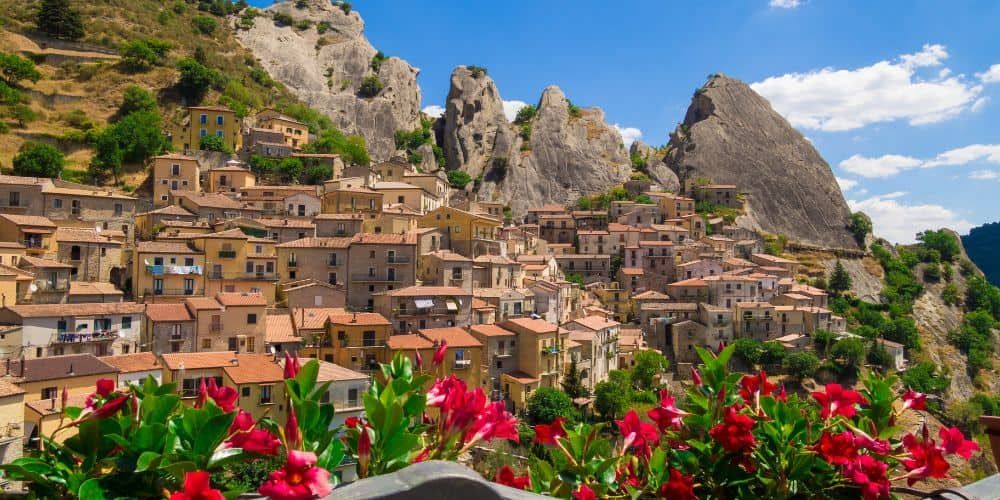
In Basilicata, vineyards cover a smaller area than in many other Italian regions, yet they produce wines with plenty of character. The most iconic territory is Vulture, where vineyards grow on the slopes of an ancient volcano and Aglianico is used to produce Aglianico del Vulture DOC and Aglianico del Vulture Superiore DOCG.
During harvest season, you can explore this area through vineyard trails, winery visits and tastings, discovering an ancient winemaking tradition. Beyond Vulture, other regional denominations worth exploring include Matera DOC, Terre dell’Alta Val d’Agri DOC and Grottino di Roccanova DOC.
Grape harvest in Molise: among ancient winemaking traditions
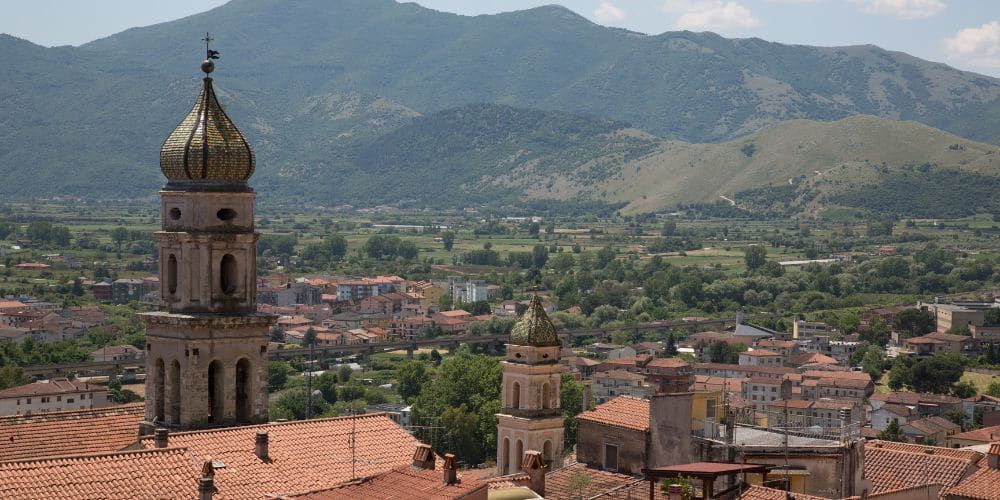
The most widespread grape varieties in Molise include varieties also found in neighbouring Abruzzo, such as Trebbiano and Montepulciano, but the true symbol of the region is Tintilia, a native grape variety used to produce Tintilia del Molise DOC.
During harvest season, you can discover local wine culture through walks among the vines, winery visits and tastings, especially in the hilly areas of Lower Molise. Alongside Tintilia, denominations such as Biferno DOC are also worth discovering, telling the story of the winemaking traditions of this small region.
Grape harvest in Puglia: among vineyards and tradition
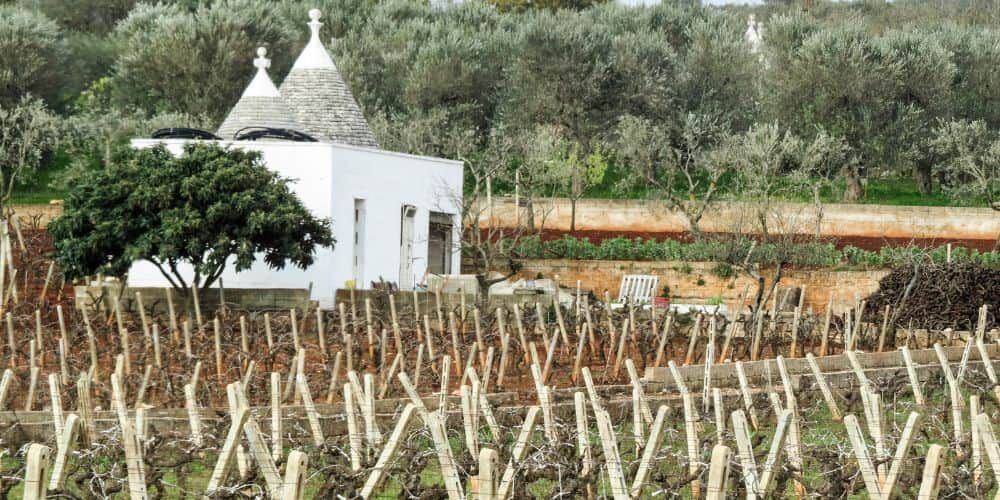
In Puglia, the grape harvest takes place between late summer and autumn, with timing varying according to the grape varieties and individual territories. Among the most renowned varieties is Primitivo, an early-ripening grape that in the provinces of Taranto and Brindisi gives rise to the celebrated Primitivo di Manduria DOC. Other signature varieties of the region worth discovering include Negroamaro and Nero di Troia.
During the grape harvest, vineyard visits, tastings and wine-focused experiences allow you to discover a tradition deeply connected with Puglia’s agricultural culture and explore wine-producing territories that differ greatly from one another.
Grape harvest in Calabria: between the Ionian and Tyrrhenian coasts

In Calabria, grapes are grown in very different landscapes, from the Tyrrhenian and Ionian coasts to the hilly areas of the interior. Among the most representative grape varieties is Gaglioppo, the main grape behind Cirò DOC on the Ionian coast, along with Magliocco, particularly widespread in inland and northern areas.
In the province of Reggio Calabria, you can instead discover Greco di Bianco DOC, a wine made from the grape variety of the same name, and the wines of Costa Viola IGT, produced around Scilla, Bagnara Calabra, Palmi and Seminara, where vineyards also grow on striking terraces overlooking the Tyrrhenian Sea. Vineyard visits and tastings are therefore a way to discover a form of viticulture closely linked to the region’s varied landscapes.
Grape harvest in Sicily: among vineyards and sea views
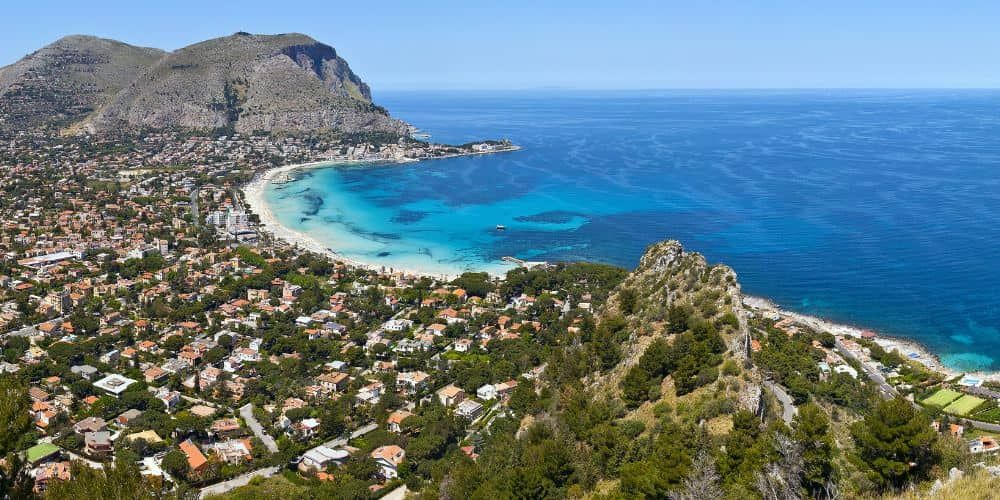
In Sicily too, wineries offer visitors the chance to enjoy this experience. The setting is different, and the sea can become the backdrop to a day spent among vineyards, winery visits and tastings. A picnic between the rows of vines takes on intense shades of colour and blends with the scents of the Sicilian countryside.
In Sicily, vineyards extend from the coastal areas to the slopes of Mount Etna. Among the most representative grape varieties is Nero d’Avola, while Nerello Mascalese and Nerello Cappuccio grow on the volcano and form the basis of Etna Rosso DOC, alongside Carricante, the star of Etna’s white wines. In Montevago, in the Belice Valley, the traditional Festa del Vino is also celebrated, offering another opportunity to discover local wine culture and regional products.
Grape harvest in Sardinia: among Cannonau, Vermentino and Mediterranean landscapes
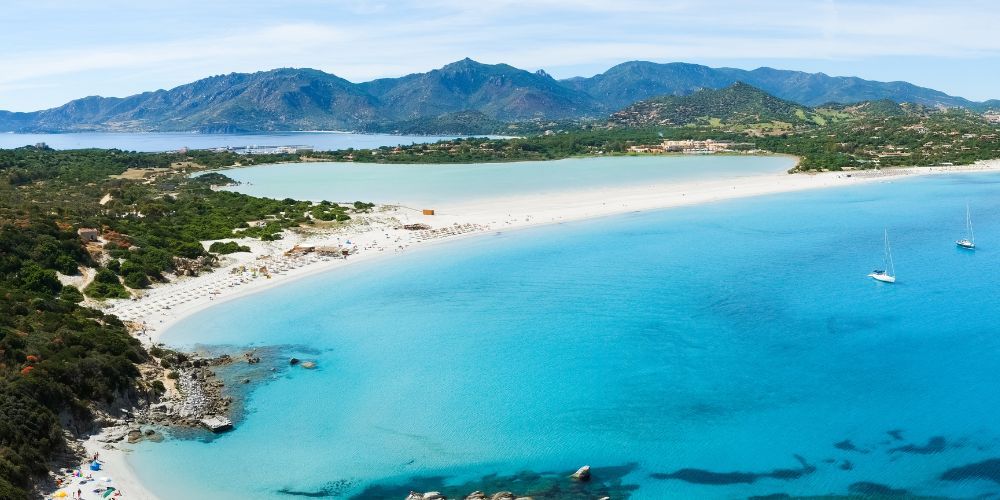
In Sardinia, wine production is smaller in volume than in many other Italian regions, but the island boasts a great variety of native grape varieties appreciated throughout Italy. Its most famous wine is Cannonau, closely associated with Ogliastra and Barbagia, an intense red that pairs beautifully with Sardinian cuisine.
Among the most renowned whites is Vermentino, particularly important in northern Sardinia and Gallura, while in the central-western part of the island you can discover Malvasia di Bosa and Vernaccia di Oristano.
Vineyard visits, walks among the vines and winery tastings allow you to discover the many different expressions of Sardinian wine. We suggest an itinerary that will help you discover and appreciate Sardinian wines, while there are plenty of opportunities to enjoy food and wine pairings at the many events and festivals held throughout the region.
Why take part in the grape harvest in Italy
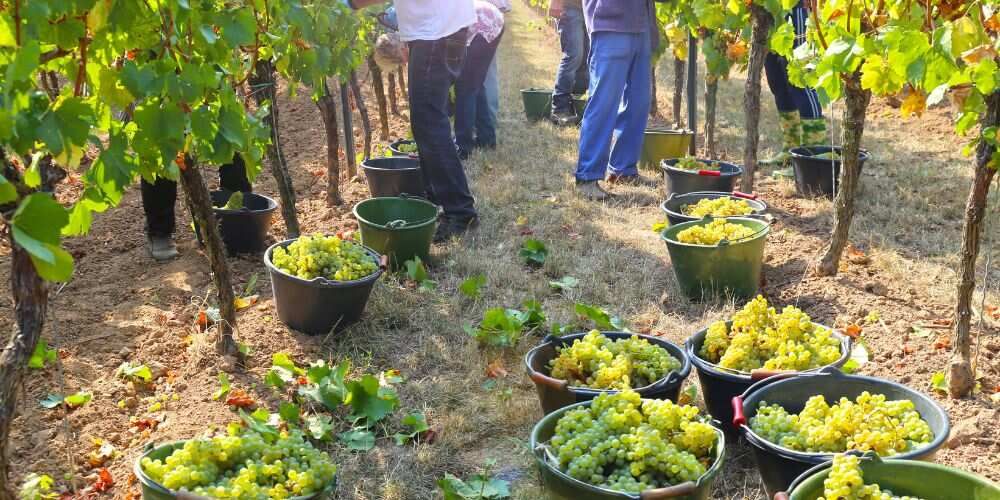
In Italy, the wine sector is of great importance, both economically and culturally. Taking part in the grape harvest in Italy therefore allows you to get to the heart of rituals that are part of Italian tradition and culture.
It is the perfect opportunity to discover work among the vines and some of the first stages that transform grapes into wine, taking part (depending on the experience offered) in grape picking, crushing, winery visits and tastings. It is a different way to discover new wines and to pair them with the most suitable foods to enhance their taste, aroma and flavour.
Many wineries also offer activities for families, with educational experiences, vineyard walks and initiatives designed to introduce children to nature and the agricultural world. If you want to combine the experience with a long weekend, you can explore the surrounding area, follow a Wine Route or treat yourself to a stay combining nature, wellness, food and wine.
Are you ready to experience the Italian grape harvest first-hand?
About the author
Barbara Giuliani
Content writer and SEO Copywriter, in Visititaly I write about Italy from a different point of view

Barbara Giuliani
Find out how to take part in the grape harvest in Italy and where to experience this magic, discovering Italian culture and tradition