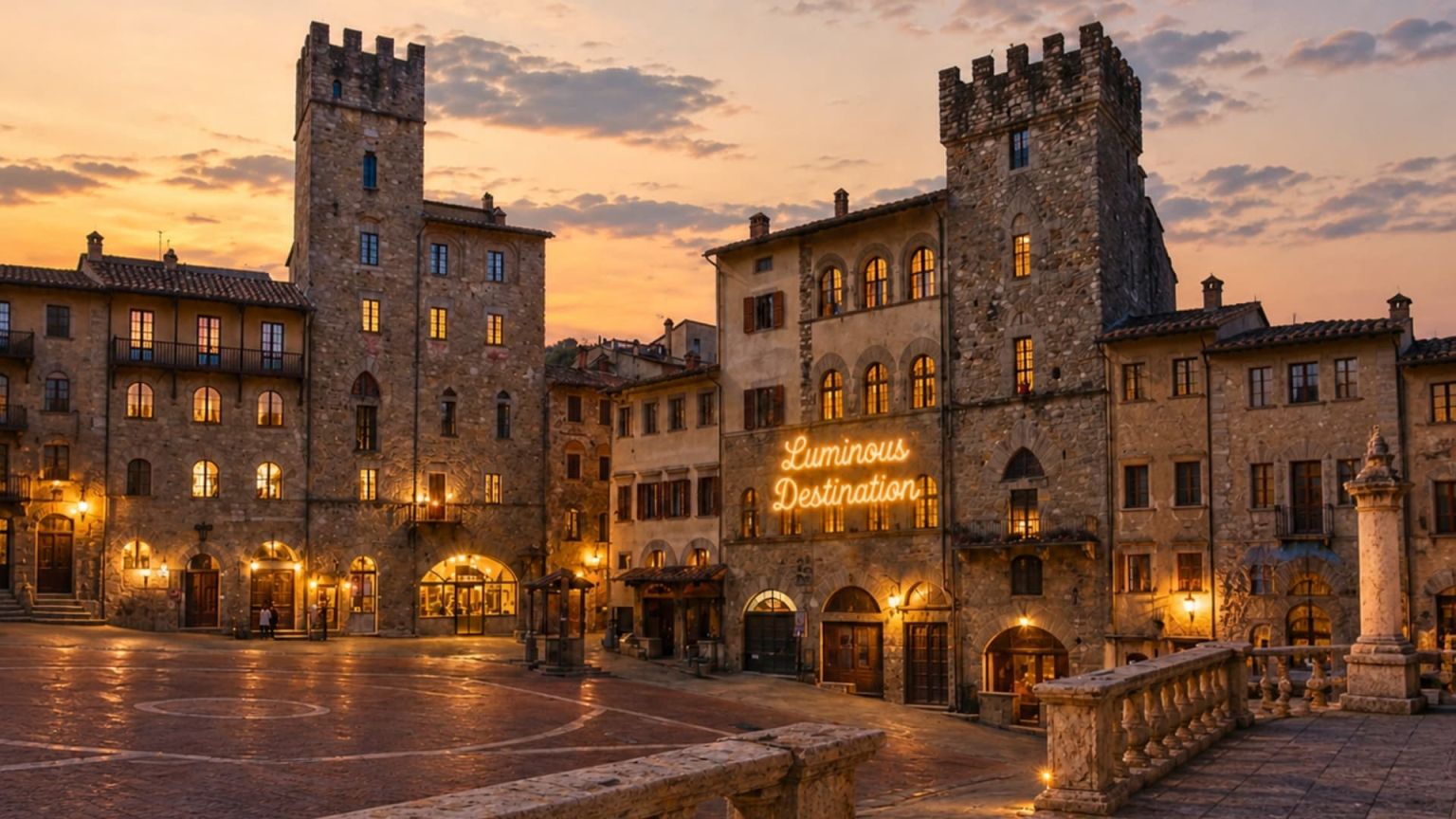
In the northern side of the scenic and picturesque Valdichiana, the city of Arezzo reveals itself to tourists eager for history and beauty as a precious marvel to behold.
A place of emotion and harmony in the Tuscany hinterland, where the grandeur of an ancient and glorious past, crossroads of arts and crafts, finds its daily expression in the refined cultural atmosphere that features the city. And which, today as yesterday, is the tangible form of pure and timeless beauty, to discover in every alley and every square.
Arezzo, with its elegant, human-scale Renaissance architecture, invites a slow, enjoyable and mindful exploration. It's the true heart of a Luminous Destination 2026, a selection of Italian destinations where identity and cultural heritage blend into authentic experiences of art, colors, traditional crafts, iconic places, events and local flavors.
History of Arezzo: etruscan heart and renaissance soul
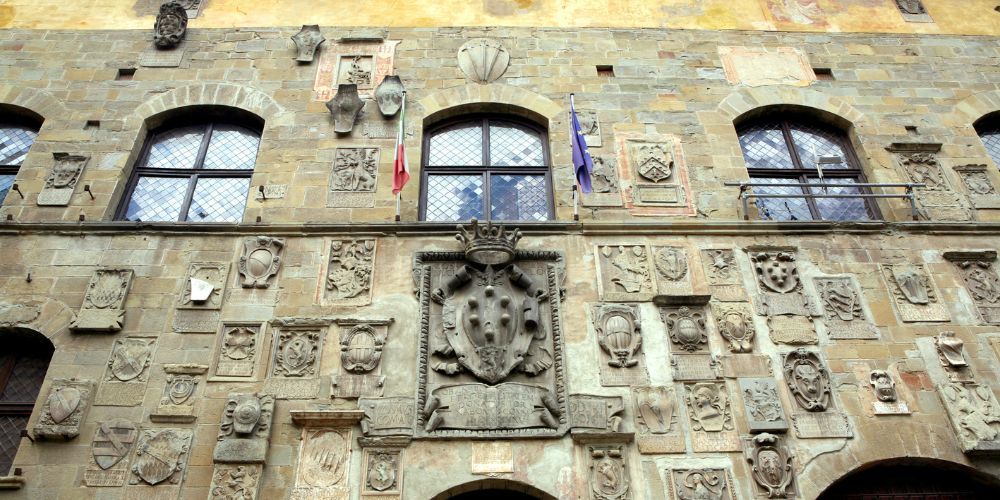
Founded and established as the ancient Arretium in the etruscan era (9th century BC) by order of the Goddess Artume - according to ancient Italic cults - Arezzo quickly emerged among the most influential towns of the Etruscan Dodecapolis. This prestige was further consolidated in ancient times under roman rule, thanks to its natural strategic position which made it a key crossroads for the central provinces of the peninsula.
Elevated to the status of municipium, the city - crown jewel of etruscan art, it became renowned above all for the refinement of its ceramic production and its prized coral vases, a testament to the local vocation for art and craftsmanship of the highest level.
With the decline of the Empire, Arezzo nevertheless kept its central role in the Valdichiana region, evolving in the middle age into one of the first Free Municipalities fervently and ambitious in spirit, and following the political disputes between monarchical and religious power, it assumed a committed and firm Ghibelline identity.
This unwavering loyalty placed it at odds with nearby Florence, a Guelph city that was rapidly gaining ground in the power puzzles of actual Tuscany. The peak of this rivalry occurred in 1289 with the tragic Battle of Campaldino, a bloody and decisive defeat that, while marking a moment of profound political and identity crisis for Arezzo, did not dampen its vital spirit.
Indeed, it was precisely from that defeat that Arezzo experienced a renewed period of extraordinary cultural effervescence, giving birth to famous personalities who revolutionized knowledge, such as the father of Humanism, Francesco Petrarca.
The renewed influence as a center of culture, artistry and knowledge reached its natural zenith in the renaissance, when Arezzo established itself as the core of enlightened patronage of arts and highly refined artistic production. The two most prominent and representative persons of this golden age for the city were Piero della Francesca and the first true art historian, Giorgio Vasari.
This layered historical legacy, which encompasses etruscan passion and roman pride, as well as medieval ambition and renaissance sophistication, defines the profound soul of Arezzo, a place of never-ending wonder to discover today in awe.
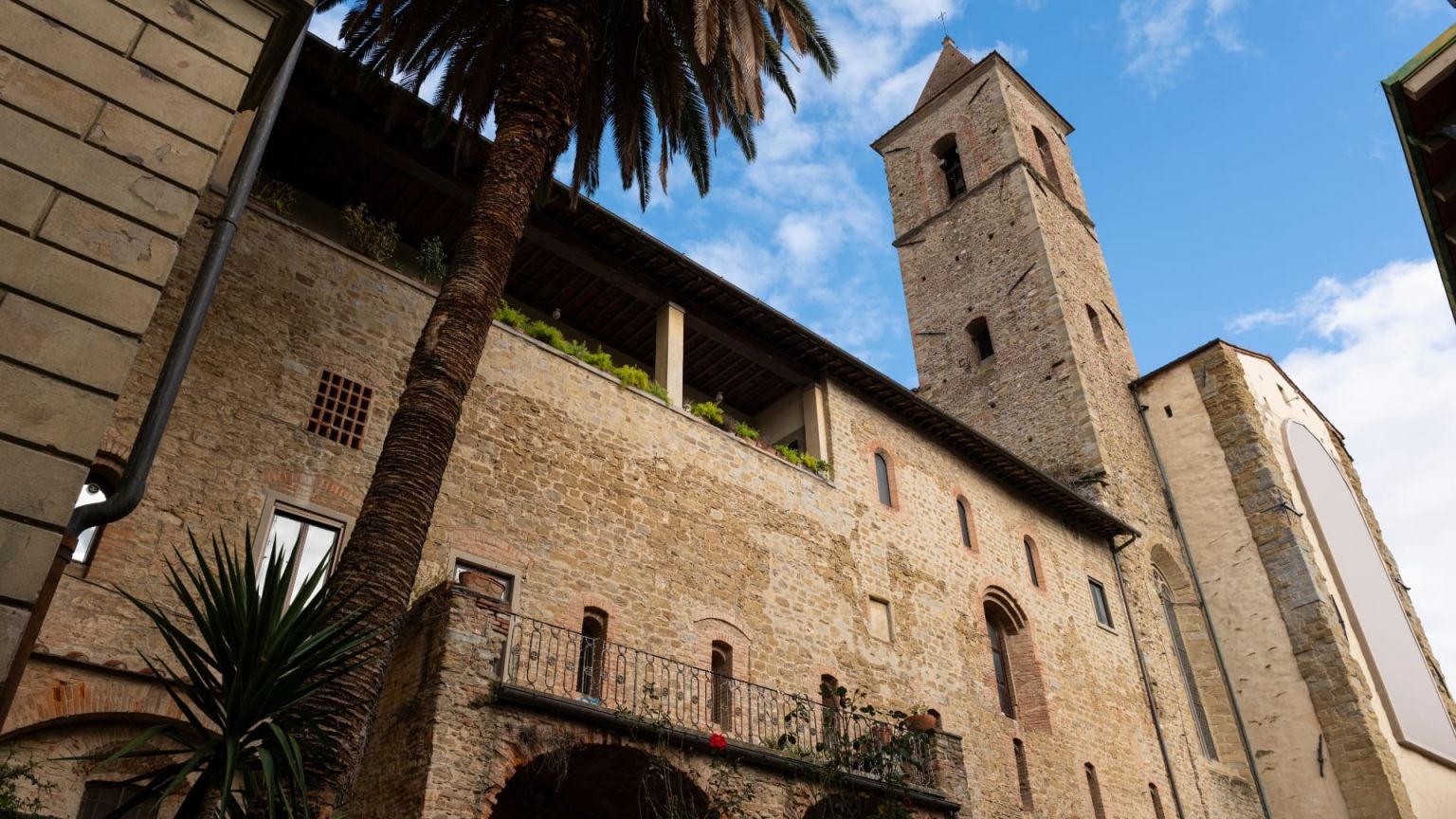
Where is Arezzo: a look over the territory
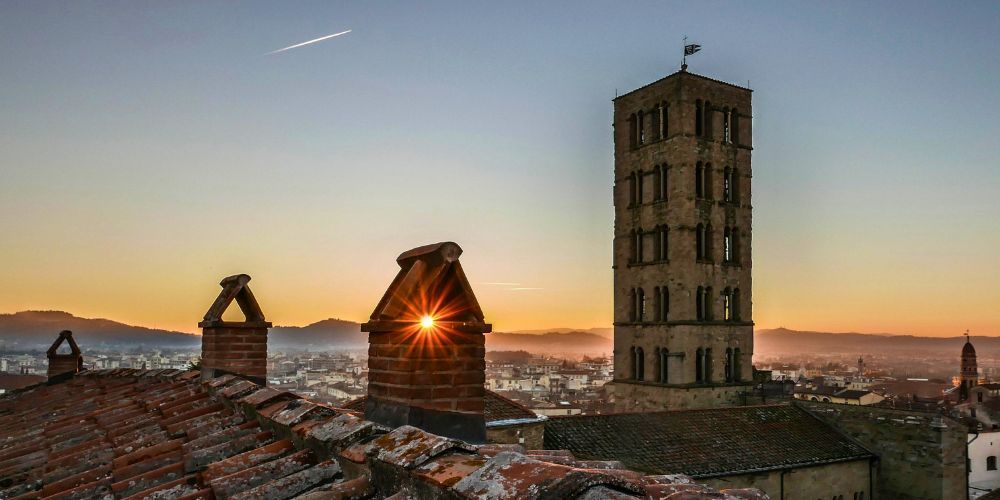
Arezzo occupies a uniquely beautiful geographical location, nestled on a hilly ridge that represents a converging point for the four historic valleys that shape the landscape of its province: the Valdichiana, the Valdarno Superiore, the Valtiberina and the Casentino.
The city rises elegantly among these scenic lands, fitting perfectly with the charm and aesthetic harmony of its renaissance urban architecture amidst a rich natural heritage.
The predominantly hilly landscape is renowned for its crops and vast expanses of vineyards. Towards east and north the hills become more pronounced though, towards the Apennines.
For those wishing to venture into mountains hikes around Arezzo, among the most important natural attractions not to be missed are the Casentino forests and the evocative Mount Falterona, source of the Arno, an iconic river for all of Tuscany that here in these high-altitude forests (about 1.600 meters above sea level) begins its slow journey to the seaside.
This subtle balance between the city's urban sophistication and the abundance of surrounding nature makes Arezzo, like its whole province rich in amazing villages, a complete, exciting and engaging experience.
How to visit Arezzo on your journey across Tuscany
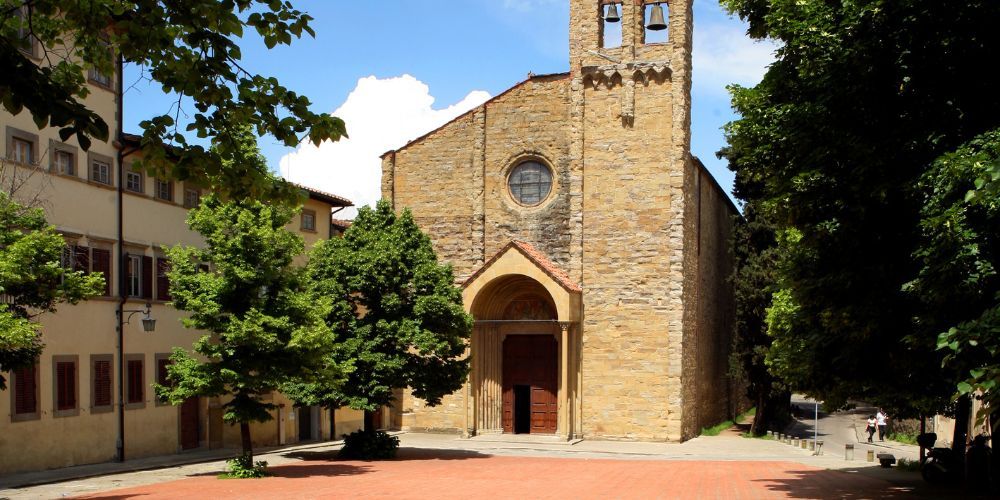
Adding Arezzo to your travel itinerary around Tuscany, especially if undertaken with the freedom of a car (or motorcycle), is a winning choice for an extraordinary adventure discovering one of the most beautiful regions in the world.
With its strategic inland location, Arezzo is a natural crossroads for exploring the best that this land has to offer, easily accessible via the Autostrada A1 and the related network of highways connecting it to Florence and Siena.
The ability to explore the region independently on the road makes Arezzo not only an essential destination, boasting a wealth of artistic treasures, breathtaking locations and unique emotions, but also the perfect starting point for planning excursions.
Arezzo is the gateway to the historic Tiber Valley, on the border with Umbria, a land dotted with picturesque villages such as Anghiari and Sansepolcro, and to the renowned Valdichiana, cherished for its gentle landscapes and excellent food and wine. A short and scenic drive south also leads to the discovery of gems like Cortona and Montepulciano.
A stop in Arezzo is therefore not just a stage on a longer and more extensive itinerary, but an invitation to slow down, to rediscover the pleasure of travel on a human scale.
To best explore the city with all its endless charms, strictly at a slow pace, consciously and sustainably, Arezzo also offers a bike-sharing service that’s perfect for easily moving through the renaissance historic center.
What to see in Arezzo: places and attractions not to miss
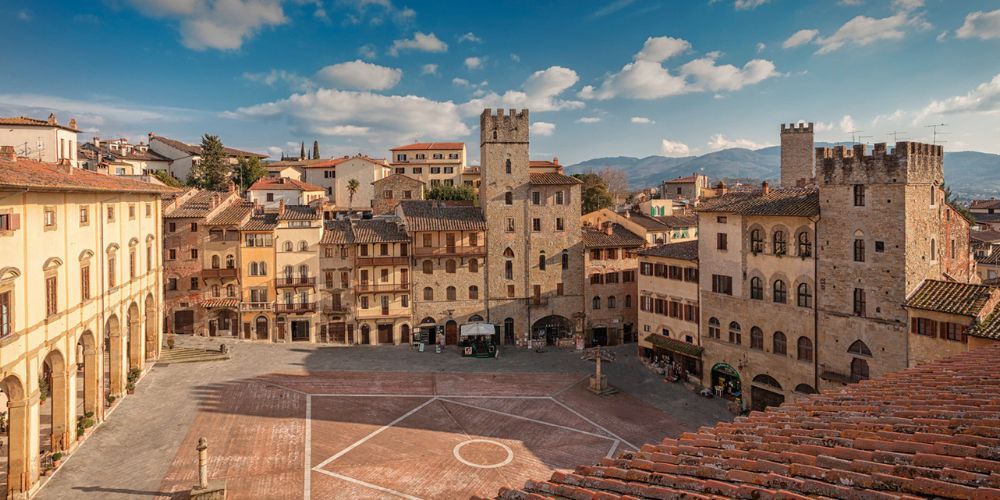
The beating heart of Arezzo's historic center is Piazza Grande, featuring a distinctive sloping and uneven pavement. It’s a true stage for the town's social life, home to the historic and prestigious Antiques Fair each month as well as a scene for the Saracen Joust in summer.
On every side of the square you can admire buildings of great magnificence: the apse of the Church of Santa Maria della Pieve with its imposing bell tower, known as of a hundred holes for its fifty mullioned windows arranged on five levels, sided by Palazzo della Fraternita dei Laici, and the sixteenth-century Palazzo delle Logge designed by Vasari.
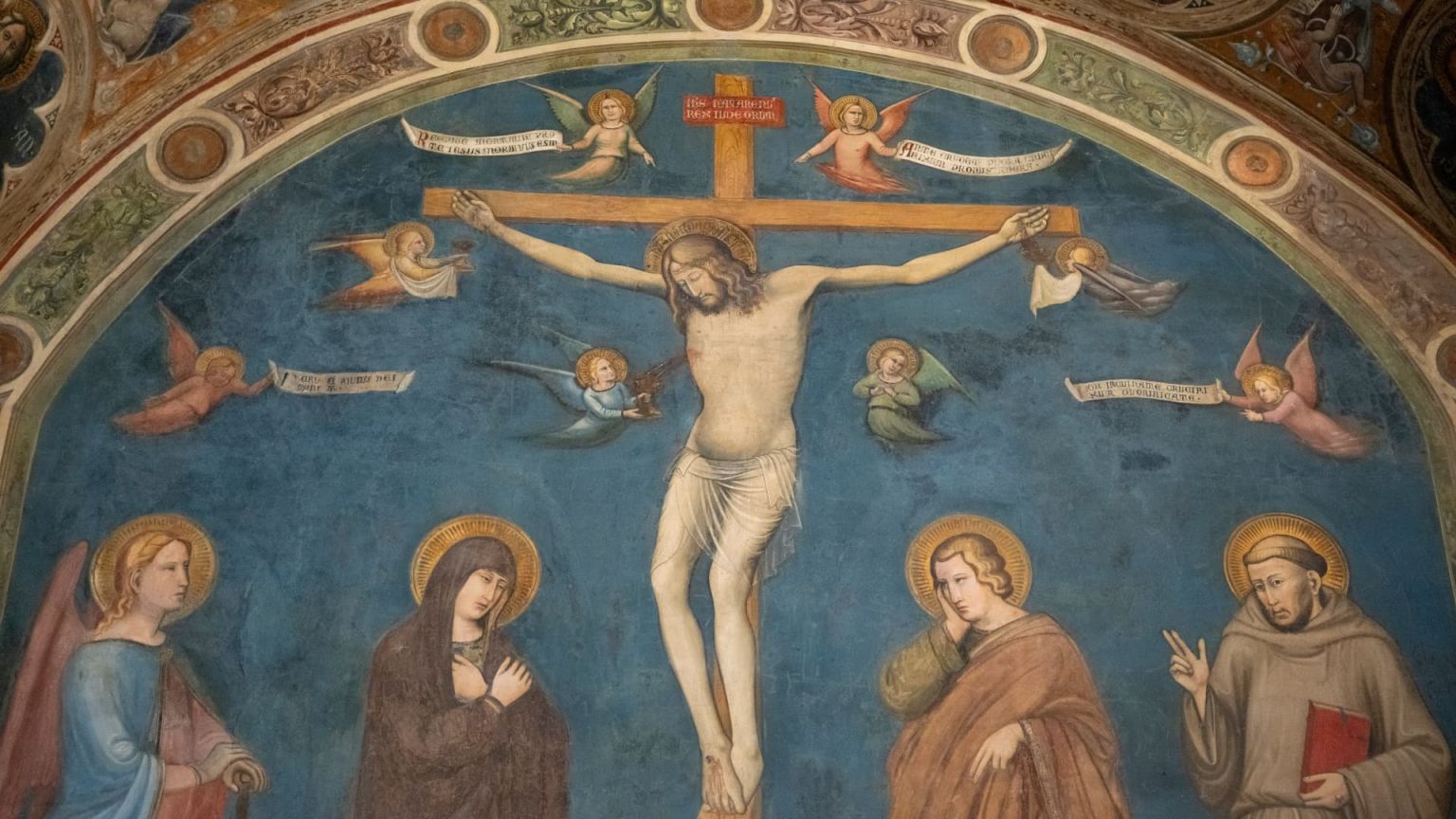
The exploration of Arezzo's historic center continues with the Basilica of San Francesco in Piazza San Francesco on Via Cavour, home to the enchanting Piero della Francesca's fresco cycle of the Legend of the True Cross, among the most significant paintings of the Italian Renaissance.
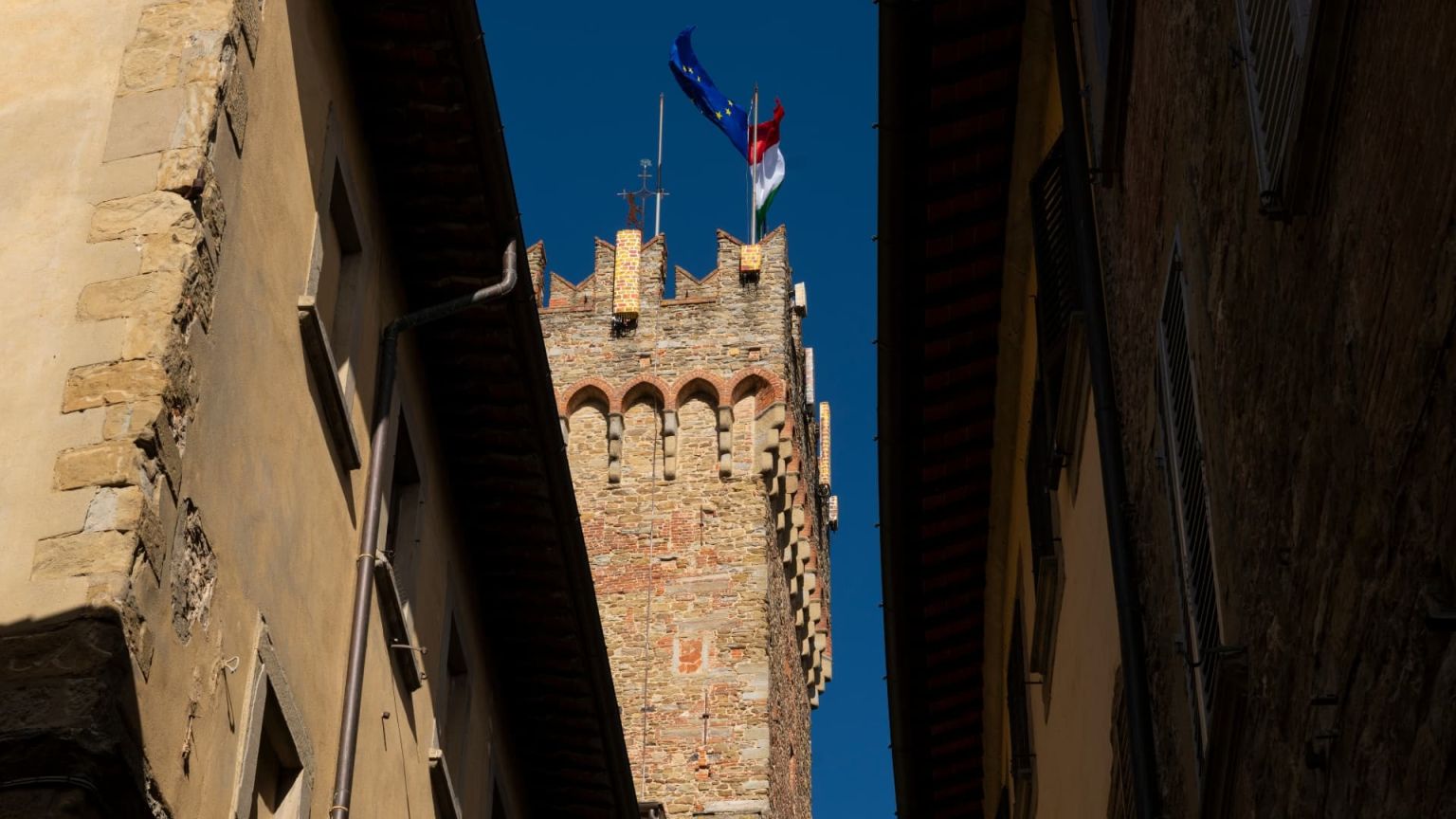
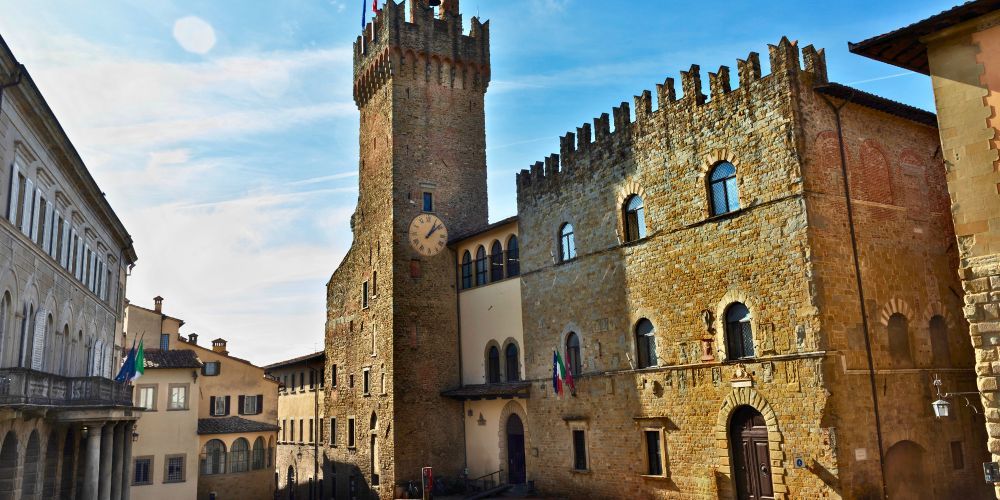
Further up Via Cesalpino, one of Arezzo's famous streets of workshops, lies the regal Piazza della Libertà where stands out the distinguished Palazzo dei Priori, the historic town hall, and its clock tower dominating the city skyline.
Inside there's also the exhibition I Colori della Giostra, a museum dedicated to the event Saracen Joust. Giostra del Saracino event. On the other side, the Palazzo della Provincia hosts wonderful frescoes in the elegant Sala dei Grandi.
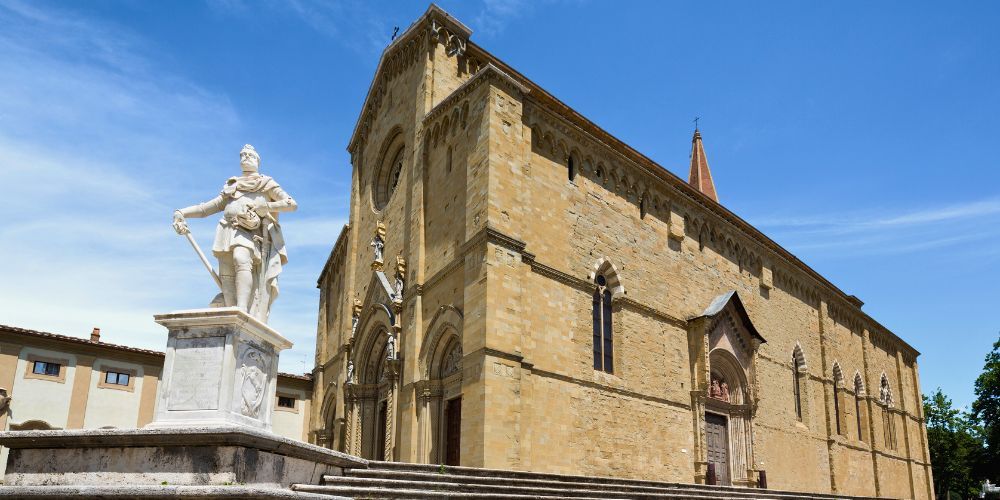
Just a little further on there’s Piazza Duomo and the solemn Cathedral of San Donato, jewel of gothic sacred architecture featuring stunning stained-glass windows, and Piero della Francesca's Magdalene. Also not to be missed the Diocesan Museum of Sacred Art in the Bishop's Palace in Piazza Duomo, which houses 16th-century frescoes, paintings from 15th-19th centuries and exquisite goldsmith work.
Another significant place worth discovering in Arezzo is Casa Vasari on Via XX Settembre, Giorgio Vasari's historic residence, now an extraordinarily charming and refined museum that allows tourists to explore the famous master's domestic and artistic environment, offering a privileged glimpse into the evolution of ancient Arretium into the modern City of Arts.
And if you wish to admire breathtaking views over the entire historic center, immersed in the greenery of a majestic park, equally unmissable is the mighty Medici Fortress, behind the Cathedral and Piazza Grande, with its exceptional panoramic views on top of the bastions.
Arezzo's cultural offering is also enriched by important town's archaeological sites: the Roman Amphitheater dating back to the 2nd century AD, the National Archaeological Museum Gaio Cilnio Mecenate, and other fascinating attractions such as the Museum of Medieval and Modern Art at Palazzo Ciocchi, and Casa Petrarca, home to a rich historical library including ancient volumes and a large numismatic collection.
Piero della Francesca, icon of the renaissance art in Arezzo
The city of Arezzo can be considered an artistic sanctuary for admiring the creative flair of great renaissance masters such as Piero della Francesca, one of the historical personalities who contributed most to making Arezzo a city of timeless beauty.
Piero della Francesca's artistic aesthetic, a blend of geometric rigor and chromatic luminosity, defined one of the peaks of Italian Renaissance arts. The core of this artistic - and spiritual - devotion was achieved with the making of the extraordinary fresco cycle depicting the Legend of the True Cross, in multiple phases between 1454 and 1466, in the main chapel of the Basilica of San Francesco.
This monumental work is among the most celebrated by the artist and of the entire Arezzo artistic school, and admiring it in person is a visual experience that solemnly combines a meditation on light, perspective and narrative, an emotion further intensified by the sacredness felt within the church.
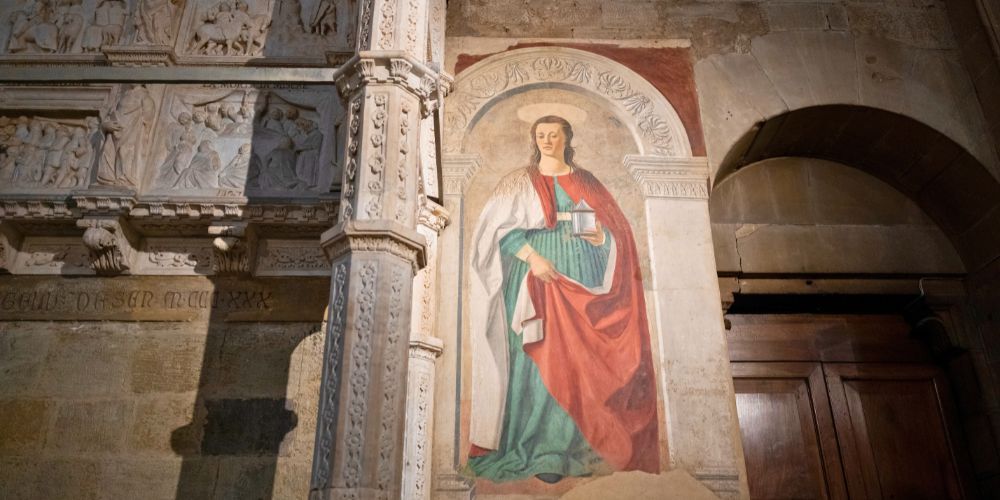
But this isn't the artist's only prestigious work in the city. Arezzo also hosts a fascinating and realistic fresco of the Magdalene in the Cathedral of San Donato: dating to around 1460, this artwork captures attention for the calm elegance and almost sculptural solemnity of the figure, and for its impressive dimensions (190 cm x 105 cm) and the expert balance of color shades.
These characteristics make it a perfect and refined example of how Della Francesca knew how to bestow his subjects with a monumental presence combined with aesthetic purity, cementing Arezzo as the capital of his greatest artistic legacy.
Arezzo and Giorgio Vasari: here’s how to be a City of the Arts
The celebratory title of City of the Arts was bestowed on Arezzo also, perhaps above all, for the remarkable artistic and pragmatic genius of Giorgio Vasari, a multifaceted personality who excelled in the art and culture of his time as an architect, painter and art historian, profoundly influencing the cultural growth of his hometown.
His legacy is not limited to the numerous urban and architectural interventions still evident today throughout the city - such as the beautiful loggia in Piazza Grande - but finds its most intimate and rich expression in Casa Vasari.
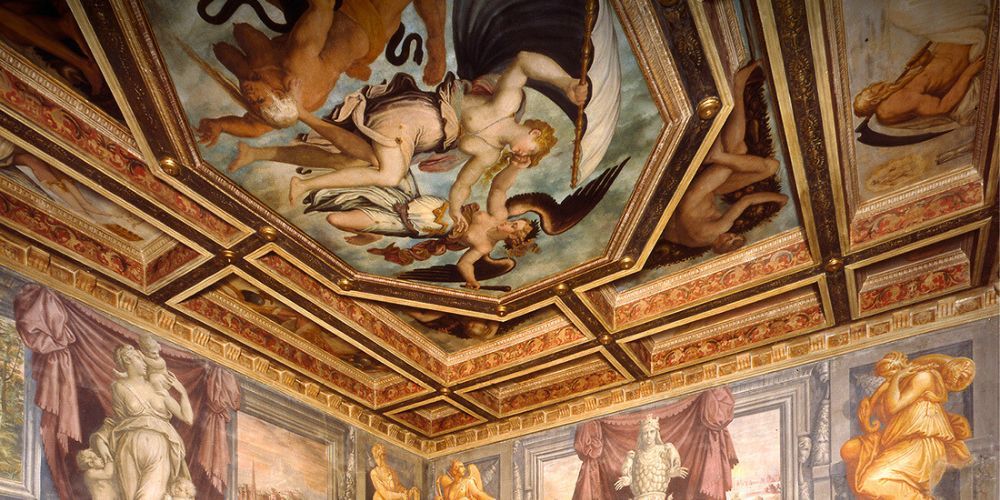
This spectacular house-museum, the artist's historic residence in the city, offers the opportunity to enter the heart of the 16th century and the Vasari's private life: every hall, with its details and sensations, the luxurious decorated ceilings and the precious walls frescoed by Vasari himself, feels like a tribute to the aesthetic taste and artistic vision of one of the most prominent exponents of Renaissance Italy.
Visiting Casa Vasari is a journey within a journey, an experience that allows you to deeply understand the flow of ideas and the atmosphere that shaped Vasari as man and as artist, author of the celebrated Vite.
The city thus becomes the custodian of Vasari's works and life itself, in a place where art is not only exhibited and admired, but intrinsically experienced as a lifestyle that shapes the cultural identity of Arezzo.
The artisan elegance of Arezzo and its historic workshops
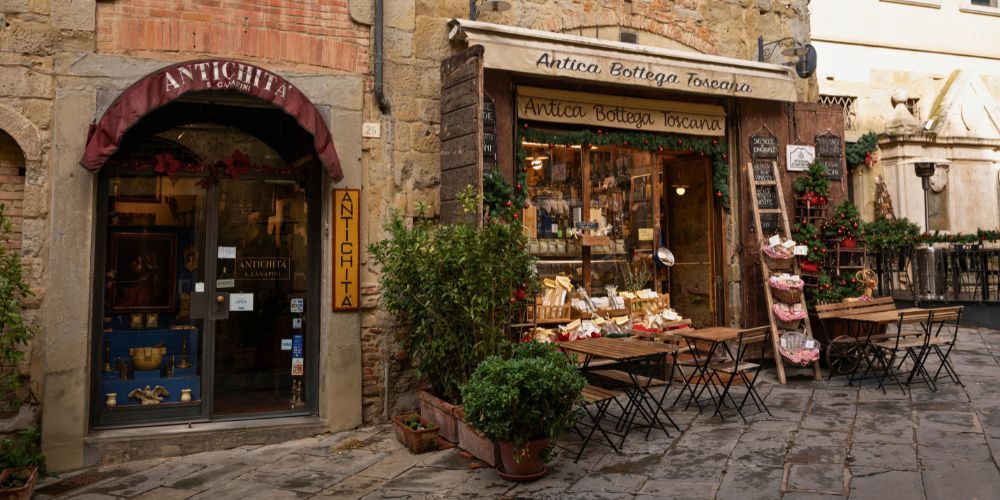
Arezzo is not just an open-air museum of renaissance architecture and arts, tribute to the greats of the past who shaped the City of the Arts. Today, Arezzo aims to be, above all, a vibrant laboratory of ideas and creativity, where the love for ancient knowledge and crafts blooms day by day with unchanged passion.
Craftsmanship in Arezzo is the simple and tangible expression of centuries-old traditions, human stories of dedication and hard work to discover by visiting its historic workshops scattered like jewels along the most charming alleys of the historic centre - the most important streets of workshops are Via Cavour, Via Cesalpino and Via Bicchieraia.
Goldsmithing, especially, represents one of Arezzo's most noble and celebrated vocations, with its production renowned internationally for its refinement and quality design.
The skill of the city's master craftsmen is also evident in tailor’s weaving and leather goods, sectors that produce exquisitely crafted and elegant fashion creations such as tailored suits, shoes, bags and belts, as well as in carpentry and ceramics, ancient crafts that still preserve traditional techniques to create exquisite furniture and furnishings.
This profound connection to art and craftsmanship is equally clear in Arezzo's art galleries and painting and restoration workshops, small windows overlooking distant worlds where professional artisans passionately dedicate themselves to preserving unique works, pieces of stories to remember and pass down.
The most fascinating opportunity to experience this beauty firsthand is the famous Antiques Fair in Piazza Grande, an unmissable monthly event showcasing the elegance and passion of Arezzo's craftsmanship.
Antiques Fair, the monthly appointment that inspires Arezzo
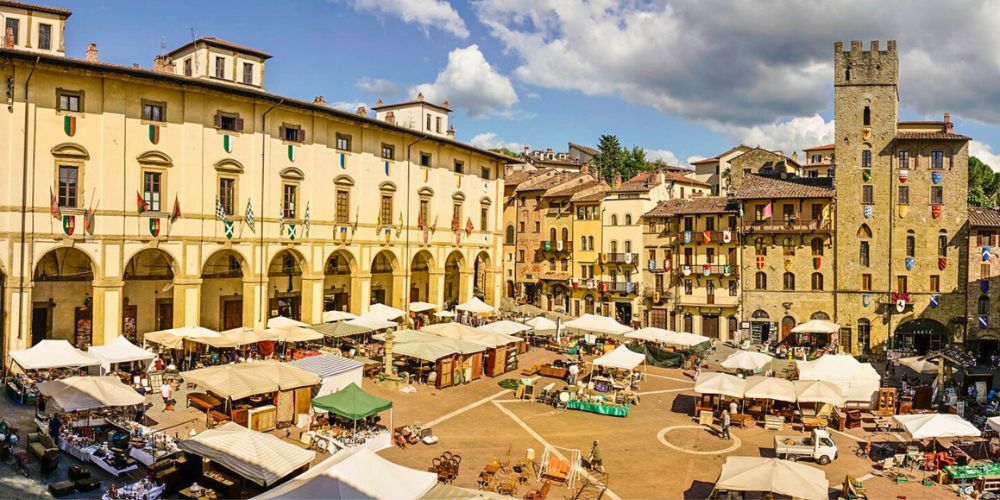
Among the events that most frequently reverberate Arezzo's cultural life, the Antiques Fair holds a place of absolute prestige.
Founded in 1968 by Ivan Bruschi, this event boasts the distinction of being the oldest antiques and modern antiques fair in Italy, an institution that has shaped the city's identity as a reference point for this field. The Fair is held on the first Sunday of every month and the previous Saturday, a unique occasion that transforms the historic centre into a fascinating market of dreams and desires.
The event traditionally takes place in the scenic Piazza Grande, where the elegant Vasari loggia serves as a theatrical backdrop for hundreds of exhibitors from all over Italy. By the way, the Fair does not stop only here; it gracefully extends throughout the other streets and squares of the historic centre, shaping a fascinating and inviting journey for collectors, curious visitors and vintage enthusiasts.
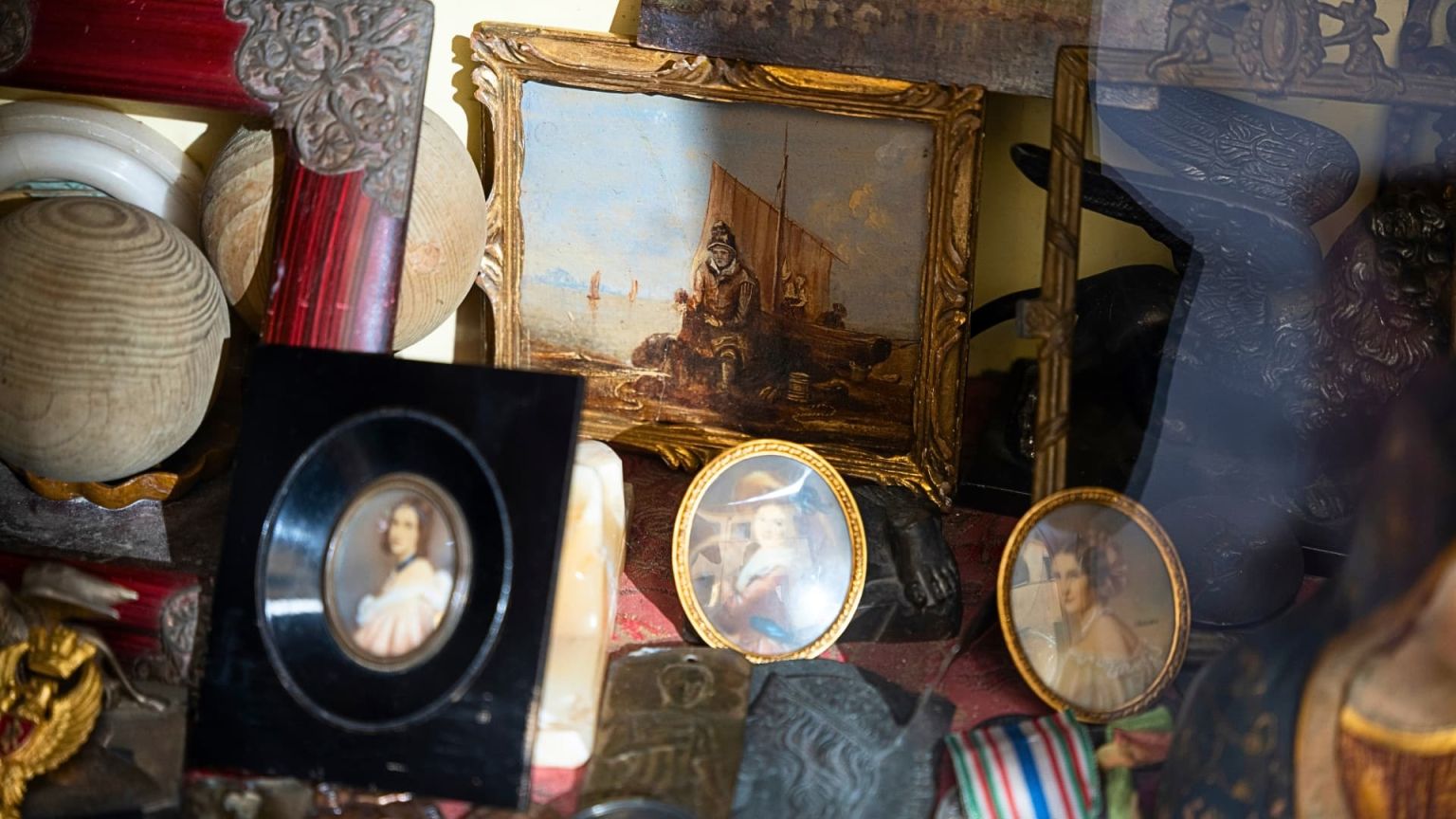
Its role is far from merely commercial: the Fair is an ode to the arts and history of Arezzo, a place where to find and appreciate artistic objects, period furniture, antique jewelry, rare books, and much more. The Antiques Fair is, in short, the most genuine manifestation of the city's love for antiques and fine handicraft that permeates the atmosphere of Arezzo all year-round.
Arezzo and historical revivals: colorful emotions at the Saracen Joust
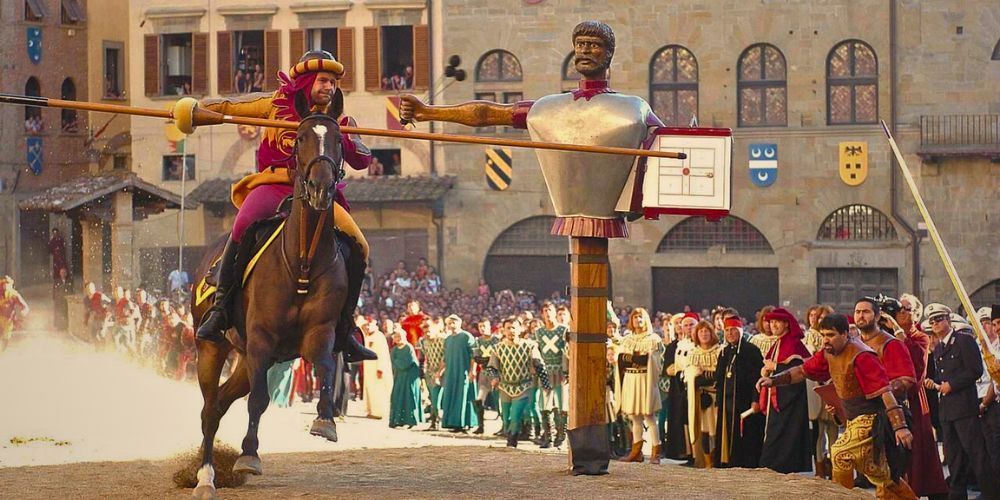
One of the iconic events that accompany tourists in their discovery of Arezzo's history with vibrant intensity is the Saracen Joust, an experience of unparalleled excitement and folklore whose origins date back to the middle age and the era of the war against the Moors.
The Joust, one of Tuscany's most picturesque historical revivals, takes place twice a year with regular appointments for the evening of the penultimate Saturday in June, known as the San Donato Joust, and the daytime of the first Sunday in September, known as the Madonna del Conforto Joust, transforming the magnificent Piazza Grande into a colorful battlefield.
The event, officially established only in 1931 despite its ancient origins, features a typical medieval equestrian joust in which the horsemen representing the city's four historic districts - Porta Crucifera, Porta del Foro, Porta Sant’Andrea and Porta Santo Spirito - compete in a contest of dexterity.
The purpose is to gallop with a lance to strike a target placed on the shield of a revolving automaton, known as Buratto (or the Saracen), while avoiding being hit by the iron-clad mace wielded by the automaton. The winner's prize is the coveted and prestigious Golden Lance, an ornamental weapon forged by the city's master craftsmen as an undisputed symbol of victory and glory.
The Saracen Joust is a true triumph of colors, emotion and passion, with hundreds of participants in historical costume, musicians and flag-throwers shaping an engaging and lively atmosphere throughout the city. It's the perfect opportunity to enjoy a show of immense cultural value for Arezzo, combining wholesome fun, memories of the past and gazes in awe.
Old-fashioned style in the heart of Arezzo: fascinating Dandy Days
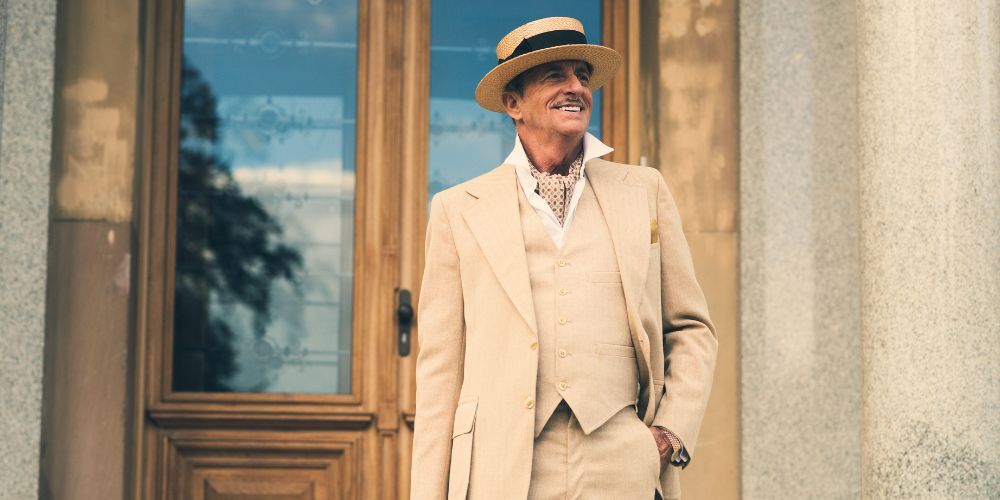
For lovers of fashion, timeless elegance and refined queerness, Arezzo offers a truly cult event: the Dandy Days. This event celebrates dandyism not as a mere trend, but as a true philosophy of life that makes attention to detail, good taste and aesthetic refinement its own mission.
And so Arezzo, already a place for prestigious artistic and artisan refinement, transforms for this occasion into a stage where charm - and a touch of extravagance - take full stage in the squares and streets of the historic centre, at least for a weekend.
The dandy gathering is held annually usually in May, enlivening Arezzo with a whirlwind of vintage outfits and top-class tailored suits. The participants, men and women of all ages, impeccably dressed and well-mannered, compete in fashion shows and elegance contests, always in a friendly and inspiring exchange that highlights the taste for beauty, especially for vintage.
The event also offers traditional tailoring and barbering workshops, alongside exhibitors specializing in handcrafted garments, sophisticated accessories and exquisite jewelry. Experiencing Arezzo's Dandy Days, even as a mere spectator, means experiencing a true manifesto of style, elegance and composure, details that bestowed the city with a touch of elegant eccentricity, distinguishing it as a new cult destination in Tuscany.
Arezzo through flavors and traditions: a food and wine journey
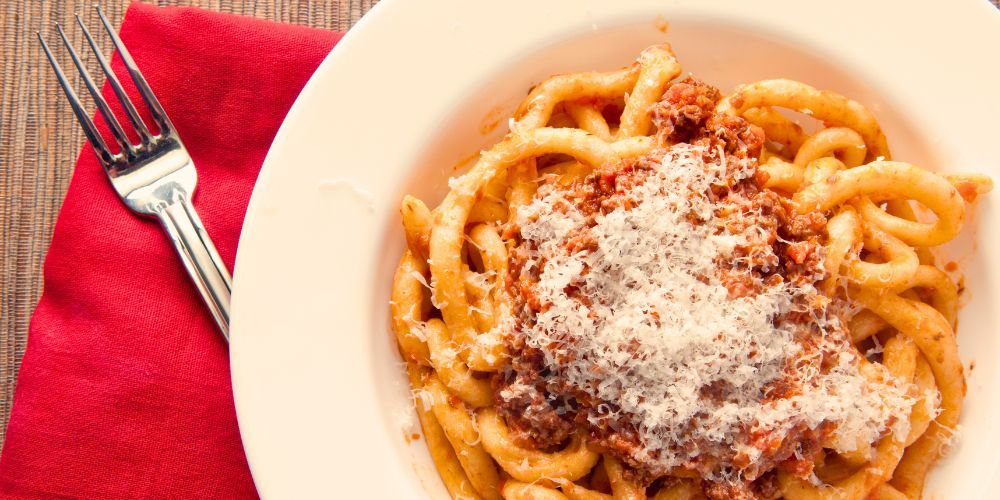
The Arezzo travel experience is also rewarding and engaging at the table, with a food and wine tradition that celebrates the authenticity and richness of tuscan typical products. The local cuisine is a harmonious blend of rusticity and refinement, inviting visitors - or rather, tasters in this case - to discover the city's best trattorias to savor old recipes carefully handed down through the history.
Among the iconic dishes of Arezzo and the surrounding province the delicious crostini neri (dark bread croutons) with chicken liver pâté, and hearty soups like black cabbage and bean soup, which honor the flavors of the land.
A taste for simplicity expressed also in the typical first courses, including the ever-present pici (pasta) topped by cacio e pepe (cheese and pepper) or a strong garlic sauce, while for a richer meal the famous porchetta di Monte San Savino is a must, maybe served in a homemade roll or as a main course.
To crown the region's culinary excellence, of course, you cannot miss a superb wine. The province of Arezzo is renowned for its Chianti production, specifically Chianti dei Colli Aretini DOCG, a perfect pairing with meat sauces, steaks and cheeses.
And to finish on a sweet note, alongside classic tuscan cantucci dipped in Vin Santo, it's impossible to resist the delicacy of gattò all'aretina, a soft tronchetto cake filled with custard and characterized by the unmistakable aroma of alchermes liqueur, a hallmark of a culinary tradition that fits itself as a part of Arezzo's artistic, elegant and now even flavorful beauty.
When to visit Arezzo: travel tips for every season
Arezzo presents itself to travelers as an ideal destination to visit and discover all year-round, demonstrating an innate ability to transform its appearance and atmosphere depending on the season, while maintaining its inner beauty. While each season reveals a different yet equally fascinating side of the city, even the so-called low season (autumn and winter) is particularly rich in charm and interesting attractions.
Autumn, in particular, invites tourists to fall in love with the wooded landscape of Arezzo and its surroundings and admire the foliage phenomenon up close, an extremely delicate natural process that perfectly embodies the artistic spirit of the City of Arts, transforming the landscape into an immense palette of breathtaking hues from golden yellow to fiery red.
These emotions can be experienced in the historic centre of the city, strolling through the majestic Medici Fortress Park behind the Cathedral, or even more intensely by visiting oak and beech forests of the Casentino Forests National Park on adventurous hiking days.
With the arrival of winter, especially in the run-up to Christmas, Arezzo also takes its chance to get itself the Santa Claus aesthetic and transform into an enchanting fairytale city.
Piazza Grande becomes the heart of the Christmas village with many traditional markets, while the Medici Fortress hosts the Park of wonders, an area dedicated to adults and children alike, complete with a ferris wheel, kids' play area and beautiful light decorations. A magical and unforgettable experience, with the charm of a city that is even more captivating when tourism becomes slower and more conscious.
The warmer seasons, spring and summer, are dotted with important events for the city. Throughout the year, the Antiques Fair enlivens the squares and streets of the city centre every first weekend of the month, offering unique experiences combining history and craftsmanship - with the freaky touch of the Dandy Days in May.
Summer celebrates traditions, with the double adrenaline-filled appointment with the Saracen Joust in June and September, and the evocative Patron Saint Festival of San Donato in August, a touching celebration of faith and civic identity.
How to get to Arezzo by car, train, bus and plane
The region's simple and efficient transports facilities make Arezzo easy to reach, offering travelers the freedom to choose the means of transportation best suited to their time and mobility needs. For those who prefer the independence of an autonomous trip, the car still remains the best choice.
Arezzo is easily accessible via the Autostrada A1 (Milan-Naples), with an exit just 10 km from the city. Furthermore, an excellent system of state roads, such as the SS73 (Raccordo Siena-Bettolle) running in Valdichiana, the SS71 connecting the Umbria-Casentinese section and the SS69 coming from the Valdarno, ensures direct connections to neighboring towns, villages, and the region's major cities like Florence, Siena and Pisa.
Public transportation is also a valid alternative for reaching Arezzo. The city's train station is a key inter-regional hub, featuring rapid and frequent connections to and from Florence, Rome, and other major Italian cities via Intercity and high-speed Frecciarossa trains (for example, from Rome Tiburtina to Arezzo in just over an hour).
Equally important are also the local rail lines operated by TFT (Trasporto Ferroviario Toscano), which connect the city extensively with the Casentino and Valdichiana areas, and the ATAM, SITA, and LFI bus services for direct connections to the Valdichiana, Pratomagno, Valtiberina, and Valdarno.
The excellent regional transport infrastructure also connects Arezzo easily with the local airports, which handle national and international traffic: the closest are Amerigo Vespucci in Florence, San Francesco d'Assisi in Perugia, Galileo Galilei in Pisa, and Guglielmo Marconi in Bologna, from which you can easily go on by train or by car.