

🥇 Visit Italy’s brand partnership
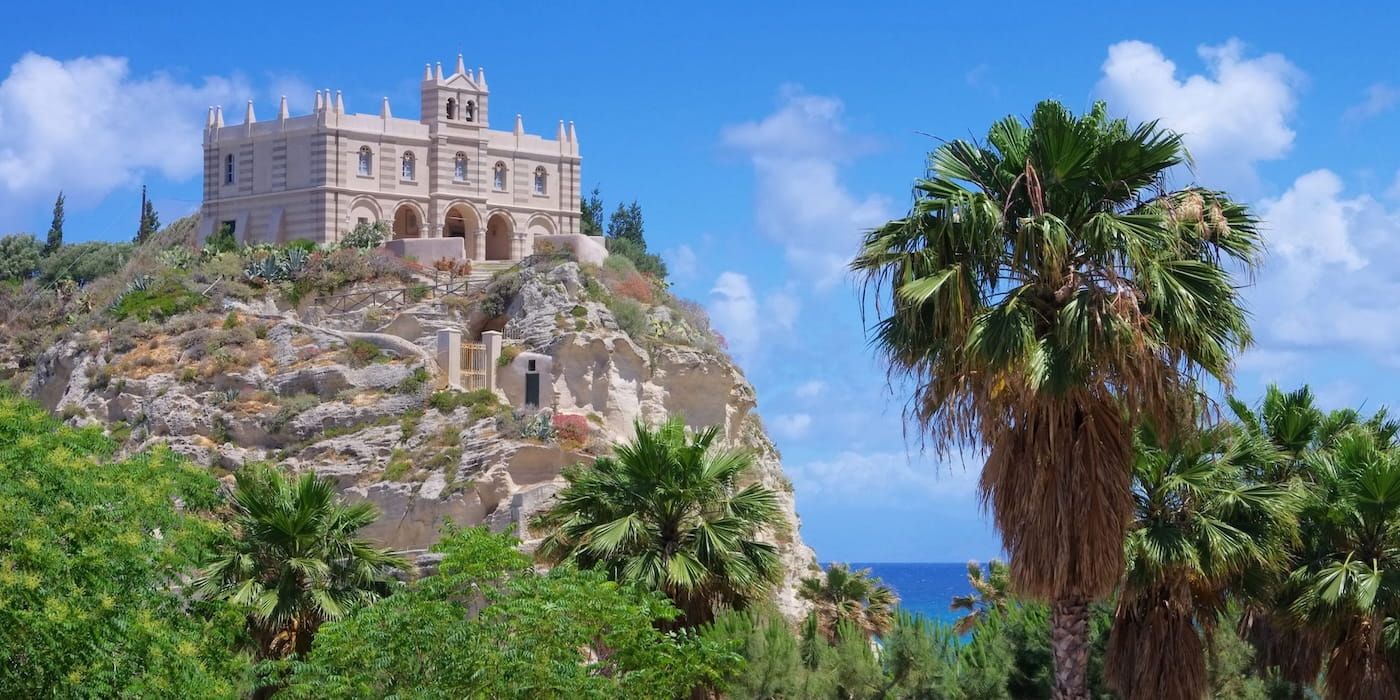
Amid the breathtaking landscapes and crystal-clear waters of Calabria’s Coast of the Gods, Tropea reveals itself as a gem to be discovered with all the senses.
As you wander through the streets of the historic center, following the voices in the markets and the scent of freshly cut red onion, you can stop at stalls filled with local products and linger in the cool, quiet stillness of the cellars. What emerges is a cuisine built on simple ingredients and knowledge passed down through generations, where recipes become a journey—a bridge between past and present, land and sea.
From small trattorias to olive oil workshops, and through shared experiences alongside local producers, each encounter invites you to discover the truest side of Calabria. Because Tropea is more than just a destination: it’s the ultimate frontier of Italian taste, always ready to win you over with its most authentic flavors.
Discover more about Tropea
The gastronomic treasures of Tropea
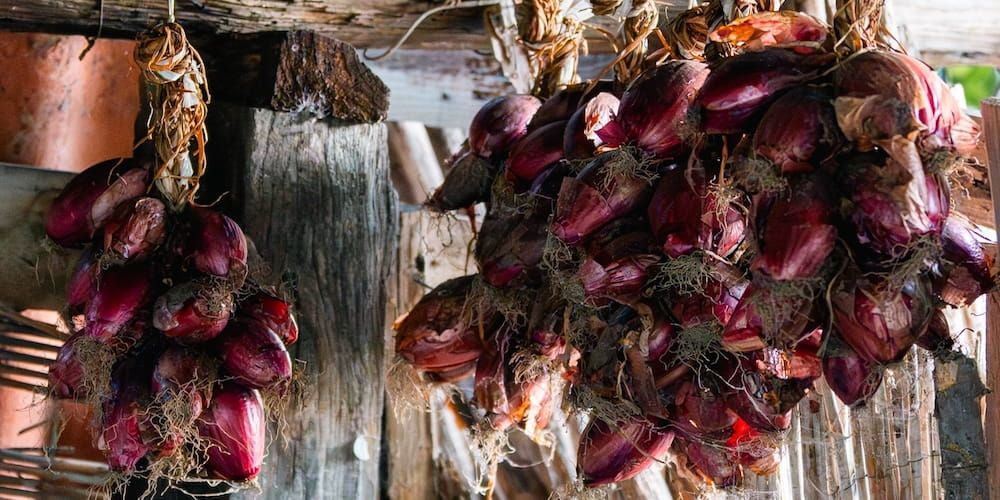
In Tropea, every ingredient becomes a small discovery, an invitation to experience the true essence of the Pearl of Calabria.
The red onion is really unique: it's grown along the Tyrrhenian coast of Calabria thanks to the mild climate and soils that enhance its flavor. It is appreciated throughout Italy and beyond, transforming even the simplest dishes into memorable experiences, telling the story of a land steeped in culinary traditions.
Wines, with amber or ruby reflections, come from vineyards nestled between the sea and the hills. They are made for the table: pairing perfectly with both seafood and land-based dishes without overpowering them. Many carry the seal of local consortia, a mark of recognized quality and a connection to the region’s cultural heritage.
Extra virgin olive oil is another exceptional product from this area. A drizzle over warm bread or a slice of tomato immediately reveals its harmony between bold flavor and delicate freshness.
And there are also other distinctive local ingredients, such as the intensely flavored ’nduja, handmade pasta fileja, and blue fish of the Tyrrhenian Sea.
Come and discover the secrets of the products you absolutely must try in Tropea:
- Red onion;
- Local wines;
- Extra virgin olive oil;
- Other distinctive local ingredients and traditional recipes.
The red onion and the identity of Tropea
The red onion of Tropea is a distinctive symbol, recognized far beyond the borders of Calabria. Its cultivation is rooted in ancient knowledge, with origins dating back more than two thousand years. It grows in a very specific area where a mild climate, sea air, and sandy soils have, over centuries, encouraged the natural selection of this extraordinary product.
This close bond with the territory led to the recognition of the Protected Geographical Indication (PGI), which safeguards not only the quality of the onion but also the traditional farming practices behind it.
You can recognize the red onion of Tropea by its natural sweetness and unique aromatic profile, and by the fact that it represents a cultural heritage even before a gastronomic one, with a constant presence in local markets and festivals.
Through the red onion, Tropea conveys the image of a community deeply connected to the land, to seasonal work, and to an identity that draws on the traditions of the past to live the present and look toward the future.
The secrets of Tropea’s wines
The wine production of Tropea is an integral part of Calabria’s agricultural history, a land known since ancient times as “Enotria” for its close connection to the vine and wine.
The vineyards stretch across the hills near the coast: as with the red onion, the favorable microclimate, shaped by the sea breeze and sun exposure, supports the ripening of native grape varieties such as Magliocco, Magliocco Canino (currently part of a valorization process leading to a DOC), Gaglioppo, and Zibibbo.
From almost all of these varieties come structured and balanced red wines, with aromatic profiles tied to ripe fruit. Zibibbo, on the other hand, produces aromatic and fragrant white wines, often enjoyed as dessert wines or passito. It's by tasting them paired with traditional products such as bread, cheese, and cured meats that you truly understand how Tropea's wines are a fundamental part of the region’s gastronomic culture.
Tropea extra virgin olive oil: a product shaped by the land
The olive groves covering the hills behind the Tyrrhenian coast bear witness to the centuries-old presence of extra virgin olive oil: a product that weaves together cuisine, landscape, and history. In Tropea, olive cultivation has long shaped the seasonal rhythms of local communities, setting the pace for fieldwork and defining the relationship between people and the land.
For generations, oil has been an essential resource in everyday life. It was produced for family use, stored in homes, and valued not only as a kitchen staple but also as a form of exchange and a cornerstone of rural living.
Even today, Tropea’s extra virgin olive oil retains this essential character. Tasting it means coming into contact with an agricultural culture built on continuity and tradition, where the territory is expressed through the simplicity of a daily ingredient.
Other traditional dishes from Tropea
Beyond the iconic ingredients, Tropea offers a variety of traditional dishes and preparations that are definitely worth trying.
Tropea salad is a simple recipe that combines fresh red onion, tomatoes, cucumbers, peppers, and olives, dressed with extra virgin olive oil. The onion is sliced thinly to maintain its crunch and natural sweetness, while the tomatoes are added just before serving to preserve their full flavor.
Spaghetti with red onion, wine and cherry tomatoes highlight the onion’s natural sweetness, slowly softened in the pan. The cherry tomatoes complete the sauce without overpowering it, resulting in a simple yet well-balanced dish.
Alongside long pasta, you’ll often find fileja, a traditional handmade Calabrian pasta shape, typically served with simple sauces or enriched with ’nduja—a soft, spreadable Calabrian cured meat made from pork and plenty of chili pepper—which adds a bold, spicy and deeply flavorful note.
Blue fish from the Tyrrhenian Sea plays an important role in local cuisine, as shown by the recipe of sarde alla tropeana. The sardines are cleaned, lightly floured and fried (or sometimes briefly marinated), then dressed with slowly sautéed red onion, white wine vinegar, bay leaves and, in some variations, chopped cherry tomatoes, creating a well-balanced flavor that tempers the fish’s pronounced taste.
Sensory experiences to enjoy in Tropea
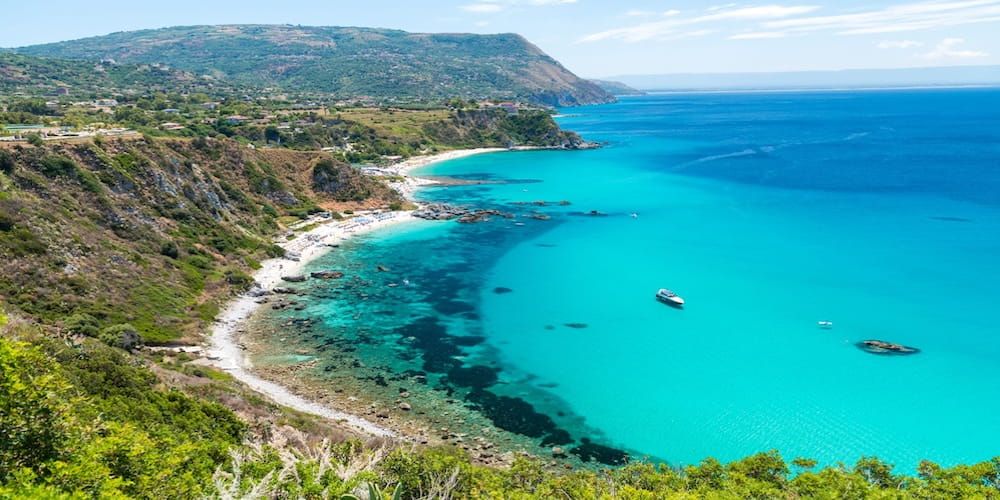
Tasting Tropea’s delicious local products is wonderful, but the true pleasure comes from living them firsthand, through authentic experiences that let you feel the soul of the town with all your senses and discover the passion behind every ingredient, from the land to the table.
Wine tours, for example, allow you to observe the work of local producers while walking among barrels and vats, listening to stories of traditions handed down through generations.
Participating in cooking classes with artisans and chefs transforms the preparation of a dish into a shared experience, teaching you the small secrets of each ingredient and making you an active part of Tropea’s culinary tradition.
Street food, on the other hand, is a direct journey through the flavors of Calabria, right in the heart of daily life: wandering through the stalls in the historic center, you discover aromas and tastes that make Tropea truly special.
- Wine tours;
- Cooking classes;
- Street food.
Winery tour in the hills of Tropea
Do you really want to connect with the secrets of Tropea’s food and wine culture? Then don’t miss the opportunity to join a captivating tour of one of the vineyards that stretch across the surrounding hills.
At the many local farms that offer this kind of experience, you can take part in tastings of wine and typical products while the owners guide you through the rows of vines, explaining the grape varieties grown here, the timing of the harvest, and how even the sun and the sea breeze help shape the balance of the final product.
Tasting is, of course, a central moment of the visit: the wines are served alongside bread, cheeses, cured meats, and other local foods that enhance their aromas and structure. It’s a rare chance to sample labels you may not find outside this area and to grasp, glass after glass, the connection between landscape, climate, and flavor.
Taking part in a winery tour means going beyond a simple tasting and coming into contact with production practices that offer an authentic insight into the territory of Tropea.
Cooking classes: learning the gestures of Tropea’s cuisine
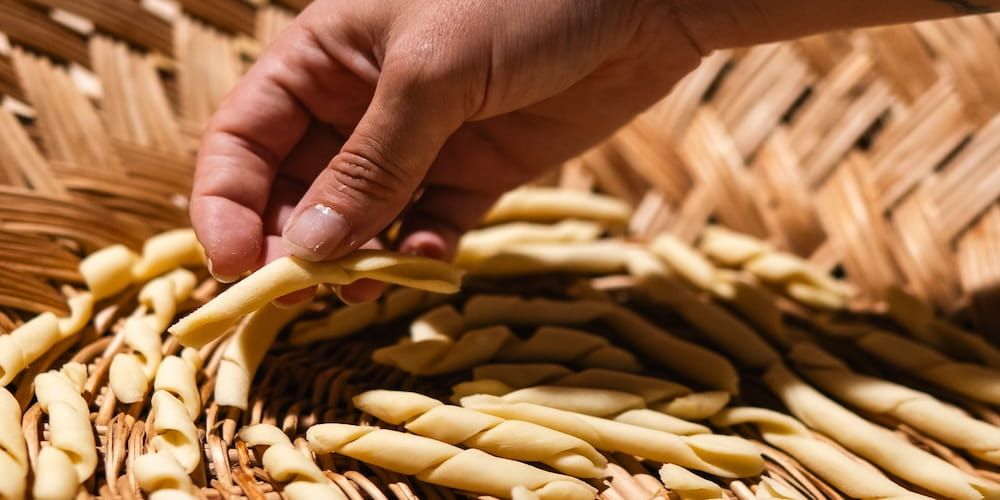
Getting closer to the cuisine of Tropea means entering a world shaped more by handed-down gestures than by written recipes. Traditional preparations rely on a small number of local ingredients and on simple techniques refined over time: the way onions are sliced, the slow pace of cooking, the careful attention paid to seasonality.
In this context, a cooking class becomes the ideal opportunity to observe and replicate everyday practices that explain the territory better than any theoretical description. You can discover why certain ingredients are combined, how sweet and acidic notes are balanced, and how cuisine reflects an agricultural way of life based on simplicity, respect for resources, and adaptation to the climate.
Therefore, learning to cook in Tropea means coming into direct contact with a precise and deeply rooted food culture, where every dish maintains a clear connection to the land from which it originates.
Street food through the streets of Tropea
The delightful street food of Tropea is almost a way of life, bringing the specialties that have shaped the city’s gastronomic history out into the streets.
Among the small stalls in the town center and at the markets, some of the most evocative in Italy, you can find offerings where local ingredients are transformed into ready-to-eat dishes as you explore the village, from sandwich with spicy ’nduja—a spreadable Calabrian salami served on freshly baked bread—to mixed fried seafood, crispy and flavorful, perfect for lovers of fresh Tyrrhenian fish.
Of course, there’s also street food that celebrates Tropea’s red onion, used as a topping for sandwiches and focaccia and paired with Calabrian cheeses or cured meats. Often, street food stops are included in walking food tours, alternating tastings and pauses in the city’s most characteristic spots, fully capturing the everyday side that makes Tropea’s cuisine so unique.
About the author
Written on 18/02/2026
Alessandro Savino
SEO Copywriter & web editor: I love transforming my passion for writing into engaging narratives, creatively and precisely exploring the beauty and complexity of our wonderful country.

Alessandro Savino
Join a culinary adventure in Tropea: explore markets, wineries, and authentic dishes to discover the unique flavors of the Calabrian tradition.