
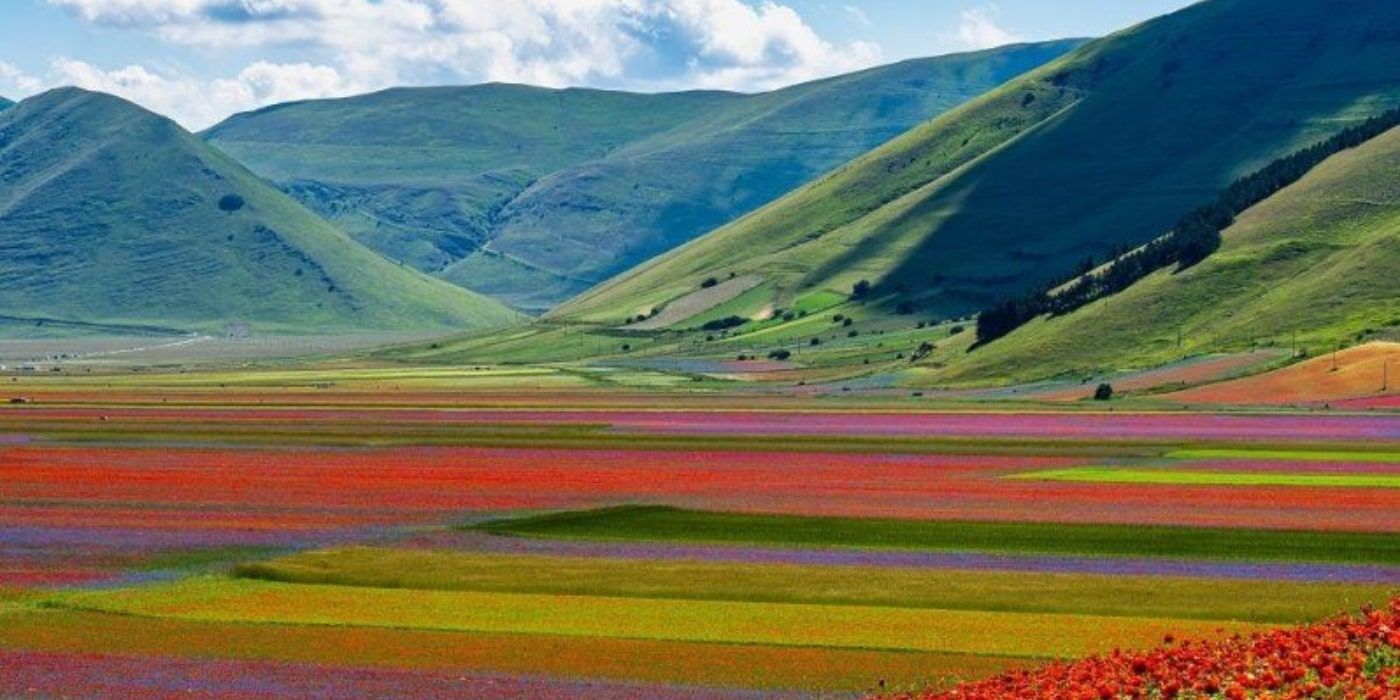

Forget digital filters: Earth has its own real palette that, every year between late May and mid-July, transforms the heart of Umbria into the world’s most spectacular canvas. The 2026 blooming season of Castelluccio di Norcia is not merely a biological phenomenon: it is a living masterpiece born from a centuries-old pact between pristine nature and the wisdom of local farmers. Are you ready to immerse yourself in Earth's greatest natural rainbow?
Discover Assisi and Orvieto with a guided tour
Mastering the bloom: smart navigation for the 2026 season
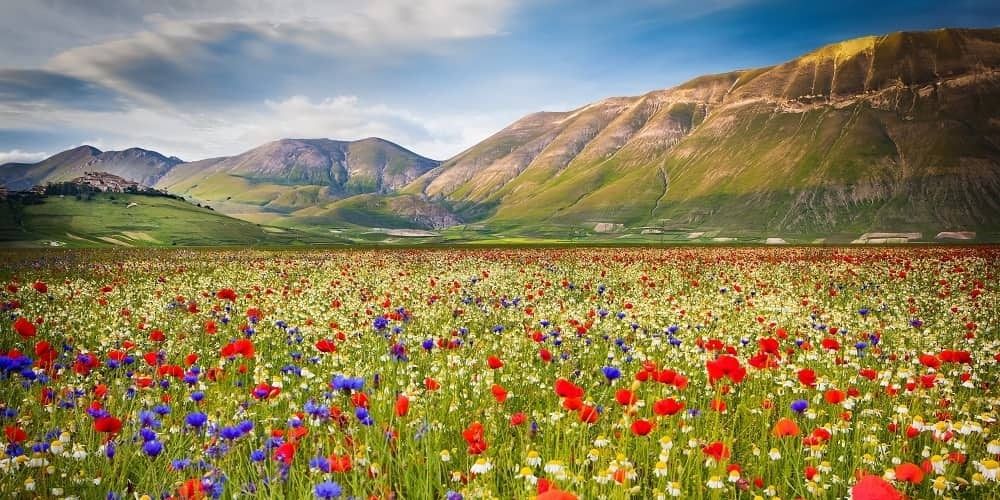
Experiencing this natural wonder in 2026 requires a bit of forward planning to safeguard its fragile ecosystem. Following the spring sowing of ancient grains, wild peas, and legendary PGI lentils, the plateau sheds its winter whites for a brilliant summer transformation, peaking between late June and mid-July. Because different species—like fiery poppies, deep blue cornflowers, and yellow wild mustard—bloom at different times, the landscape constantly shifts its color palette over this two-month period.
To keep this magic alive and prevent overtourism, access to the plains is strictly regulated:
· Peak weekends: private cars and campers are restricted. Visitors must book designated parking hubs and shuttle transfers online in advance to reach the blooming fields.
· Weekday visits: access remains unrestricted, making it the ideal time for a quieter, more intimate, and deeply immersive experience.
· The golden rules: always stay strictly on the designated footpaths. Venturing into the fields for photos tramples the delicate crops and compromises the local harvest.
Castelluccio di Norcia flowering and PGI lentils
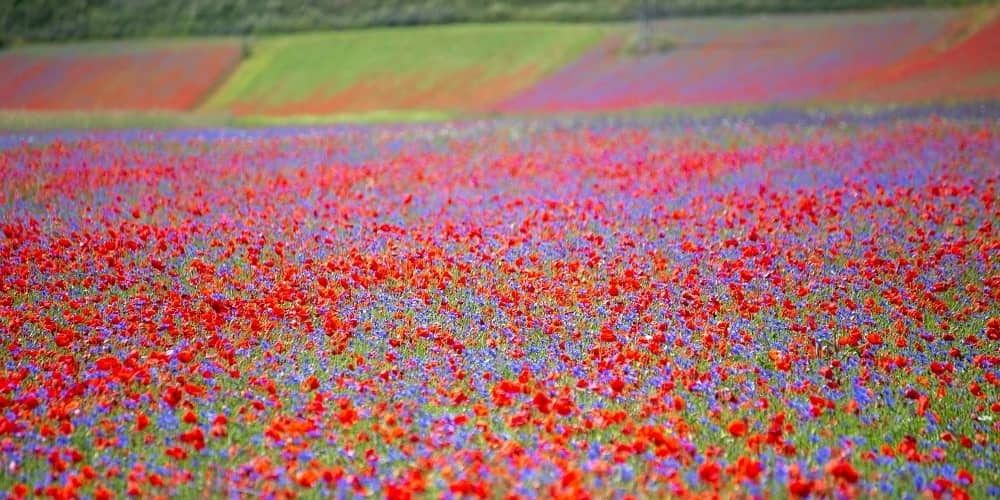
The time has come to say a few words about Castelluccio PGI lentils.
This legume, known since Roman times, is a food rich in fibre, iron and protein, characterised by its colourful appearance and unique and unmistakable flavour. It grows naturally, without the use of pesticides or chemicals, as it is the high altitude that prevents the formation of parasites. Thanks to low environmental impact techniques, the production of this precious fruit of the earth takes place in a sustainable and environmentally friendly manner, in full respect of nature. The cultivation of lentils is centuries old and has come down to us today thanks to the hard work of farmers who are deeply rooted in their land and who, from generation to generation, keep alive the link with those who came before them.
According to people from Castelluccio, lentils are not just a legume, but a deep and indissoluble link with the traditions and culture of a people proud of its origins. This is also what Nunzio Testa - Secretary-Treasurer of Castelluccio Pro Loco and, above all, a proud farmer- says. (Pro Loco are organizations aiming at promoting local communities)
Smart travel: navigating the 2026 eco-restrictions effortlessly
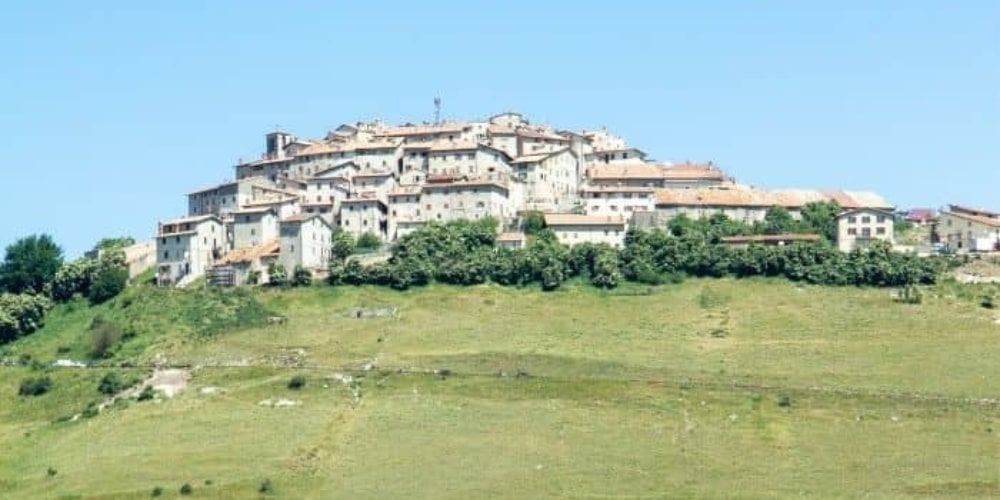
Many tourists are attracted by the possibility of completely immersing themselves in nature and practicing outdoor activities such as hiking. To protect this fragile ecosystem from overtourism, access to the plains in 2026 is regulated by a sustainable mobility plan.
During the peak weekends of the season (specifically June 20-21, 27-29, and July 4-5, 11-12 2026), private cars and campers are restricted from entering the area. Visitors can leave their vehicles in designated parking hubs and reach the blooming fields via dedicated shuttle buses or guided hiking tours, with tickets available exclusively online. On weekdays, access remains unrestricted—making it the ideal time for those seeking a quieter, more intimate, and deeply immersive experience along the designated paths.
Let's not forget that Castelluccio di Norcia is one of the municipalities belonging to the Sibillini Mountains National Park, which stretches between Marche and Umbria. Of considerable interest for the variety of woodland species and fauna, the mount complex is made up of more than 20 peaks over 2,000 meters high, the most imposing of which is Mount Vettore (2,467 m).
Finally, as in the rest of Umbria territory, the delicious local cuisine and typical specialties, especially dairy products, are the crowning glory of a unique stay.
Discover masterpieces by PeruginoAbout the author
Alessandra Festa
Web content editor, translator, and proofreader. I love my homeland, from North to South, in all its nuances. I hope that my articles mirror my passion for Italy.

Alessandra Festa
In the heart of Umbria, Castelluccio di Norcia flowering is the most evocative natural event worth witnessing at least once in a lifetime.