


Spending a week in Venice is the best way to experience the city beyond the crowds, discovering its authentic neighborhoods, hidden corners and slower side like a local.
This 7-day itinerary combines five days exploring Venice and two days venturing beyond the lagoon, with plenty of time for islands, historic bacari, sunsets, relaxation, a gondola ride through the canals and more.
In this locals-approved itinerary for 2026, we’ll guide you through the very best of Venice and its islands, without missing moments of relaxation, a gondola ride through the canals and some shopping at the McArthurGlen Designer Outlet in Noventa di Piave before heading home.
A Week in Venice in 2026: what to see in 7 days like a local

To experience a week in Venice itinerary in 2026, the perfect itinerary combines iconic landmarks, lesser-known corners and places loved by locals. Start in the heart of La Serenissima, between St. Mark’s Square and the Doge’s Palace, then explore islands, sestieri, museums, canals and scenic spots made for slowing down.
Here’s the itinerary day by day:
• Day 1: St. Mark’s Square, Basilica, Bell Tower, Doge’s Palace and Bridge of Sighs;
• Day 2: Murano, Burano and Torcello, among blown glass, lace traditions, colourful houses and the ancient heritage of the Venetian Lagoon;
• Day 3: the sestieri of San Marco, Cannaregio, Dorsoduro, San Polo and Castello;
• Day 4: Goldoni House, Palazzo Mocenigo, Santa Croce and the Basilica dei Frari;
• Day 5: gondola tour along the Grand Canal and hidden minor canals;
• Day 6: San Giorgio Maggiore, Giudecca and Lido, between panoramic views, island life, beaches and the quieter side of the lagoon;
• Day 7: relax and shopping at the McArthurGlen Designer Outlet in Noventa di Piave, or discover an alternative destination in Veneto before departure.
To organize your trip and move around Venice more easily, you can use the Venice Pass, the city card designed to give you access to top attractions and public transport through one convenient app.
Discover the benefits of Venice PassDay 1: explore the heart of Venice — St Mark's Square, Basilica and Doge's Palace (before crowds)

Be in St. Mark’s Square at sunrise, before the day-trippers arrive and the city’s busiest hours begin. Starting early lets you experience Venice’s most iconic square in a quieter atmosphere, before the crowds gather around its monuments.
Morning
Start your 7-day Venice itinerary in St. Mark’s Square, the city’s most iconic landmark. Visit St. Mark’s Basilica, famous for its golden mosaics and Byzantine domes, then climb the Bell Tower to enjoy breathtaking views over the Lagoon.
Afternoon
Continue to the Doge’s Palace, the historic residence of the Doge of Venice, and cross the famous Bridge of Sighs.
The St. Mark’s Square Museums ticket costs €35 for adults (€30 when purchased online at least 30 days in advance) and €15 at the reduced rate. It includes admission to the Doge’s Palace, the Correr Museum, the National Archaeological Museum of Venice and the Monumental Rooms of the Marciana National Library.
To dive deeper into the history of La Serenissima, stop by the Correr Museum, home to artworks, costumes and historical artifacts.
Evening
End your first day with an elegant break at Caffè Florian, one of the oldest and most fascinating cafés in Europe. It’s the perfect place for an aperitif or a relaxing moment surrounded by the magical atmosphere of St. Mark’s Square.
Day 1 highlights:
• St. Mark’s Basilica and Bell Tower
• Doge’s Palace and Bridge of Sighs
• Correr Museum
• Caffè Florian
Day 2: the artisan charm of the islands of Murano, Burano and Torcello: a full day in the lagoon

Morning
Spend the morning in Murano, part of a UNESCO World Heritage Site and one of the most famous islands in the Venetian Lagoon. Reach it by vaporetto and visit a historic glass furnace to watch the art of blown glass making, one of Venice’s most treasured artisan traditions.
Then continue to Torcello, the first inhabited island in the Venetian Lagoon. Torcello offers a glimpse into the lagoon’s earliest history: visit the Cathedral of Santa Maria Assunta, renowned for its Byzantine mosaics, and the so-called Throne of Attila. The journey from Fondamente Nove to Murano takes around 10 minutes, while a 24-hour ACTV pass costs €25.
Afternoon
Continue to Burano, renowned for its colorful houses and ancient lace-making tradition. Stroll through the island’s picturesque streets, admire its vibrant views and visit the Lace Museum to discover the history behind this centuries-old craft.
Evening
Head back to Venice at sunset, when the Lagoon becomes even more magical. It’s the perfect time for a relaxing dinner or an evening walk through the quieter Venetian calli.
Day 2 highlights:
• Murano Island
• Blown glass furnace
• Torcello
• Burano Island
• Lace Museum
Day 3: trolling around venetian neighborhoods — Sestieri: Cannaregio, Dorsoduro, San Polo, Castello

Morning
Spend the morning in Cannaregio, one of Venice’s most authentic sestieri. Walk through its quiet calli, visit the Jewish Ghetto, one of the oldest in Europe, and follow the Grand Canal towards San Polo, where you can explore the Rialto Market, one of Venice’s most historic food markets. Active since the 11th century, the market is at its liveliest early in the morning, when locals shop for fresh fish, fruit and vegetables.
Afternoon
Continue through Dorsoduro and San Polo. In Dorsoduro you’ll find the Academy of Fine Arts, Ca’ Foscari University, the Peggy Guggenheim Collection and the Gallerie dell’Accademia.
Housed in Palazzo Venier dei Leoni, the collection brings together masterpieces by some of the most important artists of the 20th century, including Jackson Pollock, Pablo Picasso and Wassily Kandinsky. Take your time to explore the galleries and the museum’s sculpture garden.
Don’t miss Campo Santa Margherita, one of Dorsoduro’s favourite meeting places for locals. Surrounded by traditional bacari, cafés and outdoor tables, this lively square is ideal for a break, an aperitivo or simply watching everyday Venetian life unfold.
In San Polo, discover Goldoni House, the Basilica dei Frari, the Rialto Bridge, traditional restaurants and local bacari.
Evening
End the day in Castello, one of Venice’s most historic sestieri. Here you can visit the Naval History Museum, the Arsenale, the Dalmatian School of San Giorgio degli Schiavoni and the Scuola Grande di San Marco before enjoying a quieter and more local atmosphere.
Day 3 highlights:
• Cannaregio and the Jewish Ghetto
• Rialto Market and Rialto Bridge
• Dorsoduro and the Peggy Guggenheim Collection
• Campo Santa Margherita
• Arsenale and the Naval History Museum
Day 4: journey through art, theater, culture — Frari, Palazzo Mocenigo, Scuola Grande di San Rocco

Morning
Spend the morning at Goldoni House in the San Polo district. This is where Carlo Goldoni, one of Italy’s greatest playwrights and a master of the Venetian dialect, was born in 1707. Today, the house is a museum dedicated to his life and work.
Afternoon
Continue to Santa Croce to visit Palazzo Mocenigo, home to the Museum of Fabrics, Costumes and Perfumes. It’s the perfect place to discover 18th-century Venetian fashion and the city’s deep connection with theatre, elegance and culture.
Evening
Before ending your day at the Frari, visit the Scuola Grande di San Rocco, just a short walk away. Its interiors are decorated with an extraordinary cycle of paintings by Tintoretto, including the monumental canvases of the Sala Capitolare and its richly decorated ceiling. The grandeur of this ensemble has led some critics to compare the scuola grande di san rocco tintoretto to Michelangelo’s Sistine Chapel. Admission costs €12.
Then continue to the Basilica dei Frari, one of the finest examples of Venetian Gothic architecture. Inside, you can admire original masterpieces by Titian and Donatello surrounded by a solemn and timeless atmosphere.
Day 4 highlights:
• Goldoni House
• Santa Croce
• Palazzo Mocenigo
• Museum of Fabrics, Costumes and Perfumes
• Scuola Grande di San Rocco
• Basilica dei Frari
Day 5: the unmissable Gondola Ride: prices, routes and how to do it right

Morning
For a truly iconic experience in Venice, you can book a gondola ride. From the water, you’ll admire historic palaces, stone bridges and elegant façades from a completely different perspective. The official daytime fare is €90 for a 30-minute ride, from 9:00 am to 7:00 pm, with a maximum of five passengers per gondola.
Afternoon
Continue through the smaller canals, where Venice reveals its quieter and more authentic side. If you want a more local experience, avoid the busiest boarding areas around San Marco and Rialto and ask your gondolier to take you through quieter canals, hidden calli and lesser-known corners of the city. For rides longer than the standard duration, the fare is calculated proportionally according to the time.
Evening
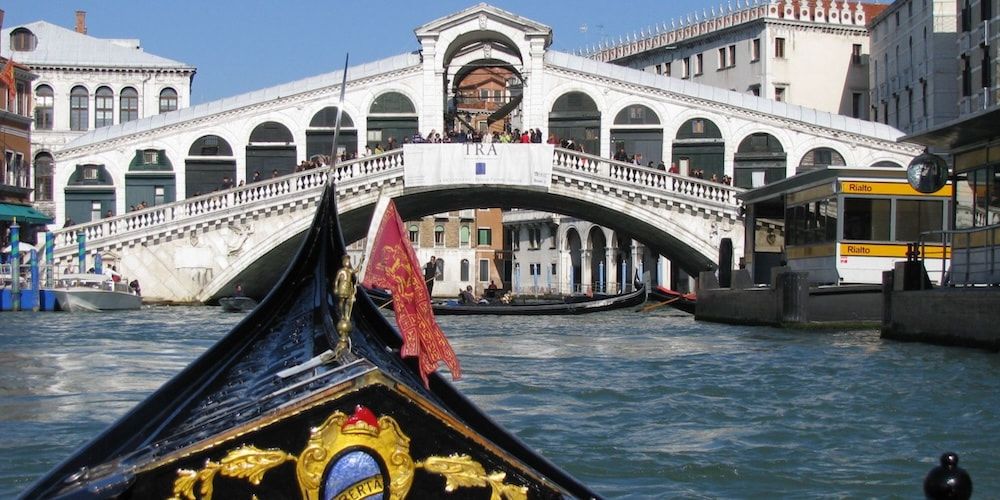
End the day surrounded by the romantic atmosphere of La Serenissima, perhaps passing beneath the Rialto Bridge or the Bridge of Sighs. It’s the perfect moment to experience Venice slowly, following the rhythm of the water.
Day 5 highlights:
• Gondola ride along the Grand Canal
• Minor canals
• Rialto Bridge
• Bridge of Sighs
Day 6: the magic of the Island of San Giorgio Maggiore, the Giudecca and the Lido

Morning
Reach San Giorgio Maggiore Island, one of the most fascinating gems of the Venetian Lagoon. The atmosphere here is much quieter than the centre of La Serenissima, making it the perfect place to start the day with a peaceful cultural experience.
Afternoon
Visit the Basilica of San Giorgio Maggiore, Andrea Palladio’s architectural masterpiece, and admire its extraordinary artworks. Then climb the bell tower to enjoy spectacular views over Venice, St. Mark’s Square and the entire Venetian archipelago.
Continue to the Giudecca, where you can visit the Church of the Redentore, another masterpiece by Andrea Palladio. Enjoy views of Venice’s skyline from the waterfront and take in the island’s peaceful, residential atmosphere, far removed from the busiest areas of the historic center.
Evening
End the day on the Lido, Venice’s beach island, just a short vaporetto ride away. Spend some time by the beaches, then walk towards the Palazzo del Cinema, home of the Venice Film Festival, before discovering the charming village of Malamocco, one of the island’s oldest settlements. The journey from Venice to the Lido takes around 10 minutes by vaporetto.
It’s the ideal way to say goodbye to Venice before your final day of relaxation and shopping.
Day 6 highlights:
• San Giorgio Maggiore Island
• Basilica of San Giorgio Maggiore and Palladio’s bell tower
• Giudecca and the Church of the Redentore
• Lido beaches and Palazzo del Cinema
• Malamocco
Day 7: shopping and relax before leaving Venice

For the best day trips from Venice, leave the lagoon behind and discover some of the most beautiful landscapes and historic towns of the Veneto region. In about an hour by car or train, you can reach the Prosecco Hills of Valdobbiadene, a UNESCO World Heritage Site, where rolling vineyards and charming villages create the perfect setting for a final day in the Veneto countryside. Take your time to enjoy the scenery and, if you wish, stop at a local winery for a tasting.
Continue to Asolo, one of Italy’s most beautiful villages, known for its elegant historic center, quiet streets and panoramic views over the surrounding hills. Then head to Bassano del Grappa, a lively town on the Brenta River, famous for its historic wooden Ponte degli Alpini and long tradition of craftsmanship.
This is an ideal alternative for travelers who want to spend their final day exploring beyond Venice before heading back to the airport.
Or, before your flight, you can enjoy one last Italian-style break at the McArthurGlen Designer Outlet in Noventa di Piave, easily reachable from the city and perfect for slowing down the pace of your trip.
Among boutiques, open-air walkways and little stops from one shop window to another, shopping becomes a light and enjoyable way to extend the journey a little longer, choose a special memory to take home and approach your return without rushing.
With 170 boutiques and more than 200 Italian and international brands, from luxury fashion to sportswear, you can find the perfect souvenir or treat yourself to one last purchase before departure.
If you have the Venice Pass, you can also request the Fashion Passport, which gives you an additional 10% discount on outlet prices in participating stores at Noventa di Piave Designer Outlet.
And to make the wait before your flight even more enjoyable, you can stop at one of the outlet’s 12 restaurants, offering both Italian and international cuisine: a relaxing break to savor slowly before beginning your journey home.
Day 7 highlight:
• Prosecco Hills, Asolo, Bassano del Grappa
• McArthurGlen Designer Outlet Noventa di Piave
Find out more Designer Outlet McArthurGlen in Noventa di PiaveIs a week in Venice too long?
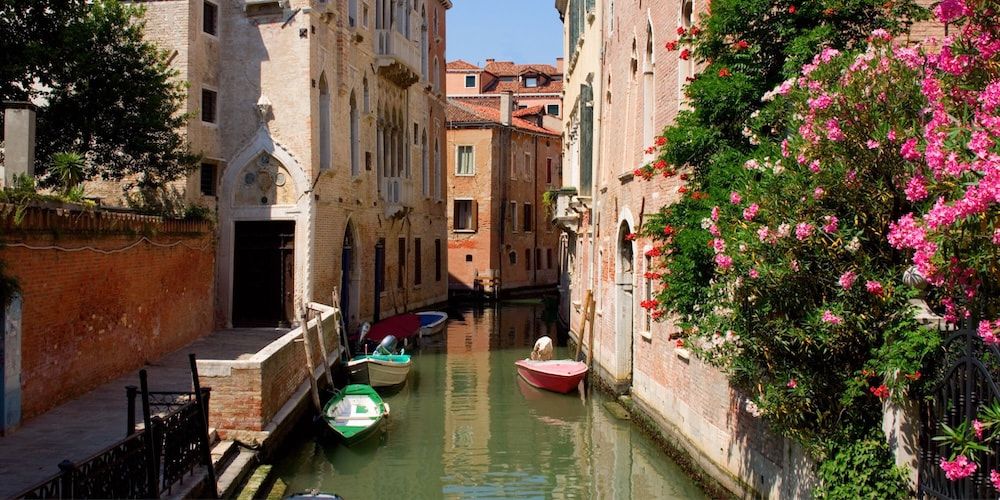
No. A week in Venice is only too long if you try to spend it the way a three-day visitor would. The secret to enjoying seven days is to start early, explore the most iconic sights before the day-trippers and cruise crowds arrive, disappear into the sestieri during the busiest part of the afternoon, and return to the center in the evening, when the lagoon starts to feel quieter again.
Seven days also give you the freedom to see Venice beyond its postcard landmarks. Spend five days exploring the historic center and its neighborhoods, then use the remaining two to discover a different side of the lagoon and the Veneto.
Visit Giudecca and the Lido at a slower pace, or leave the lagoon behind for the Prosecco Hills, Asolo and Bassano del Grappa. The result is a trip with more variety and less pressure, where museums, markets, churches and local bacari can sit alongside beaches, vineyards and historic towns.
So, is 7 days in Venice too much? Not if you want to live the city rather than simply check off its main sights. A longer stay gives you time to return to places you enjoyed, get lost in quieter streets, linger over an aperitivo and see Venice at different times of day.
Of course, if you are wondering how many days in Venice you actually need, the answer depends on your pace. With less time, you can still experience the highlights by following our guides to two days in Venice or a weekend in Venice. And if you are traveling with children, a slower itinerary can make all the difference.
Getting around Venice: Vaporetto, ACTV Pass and water taxi
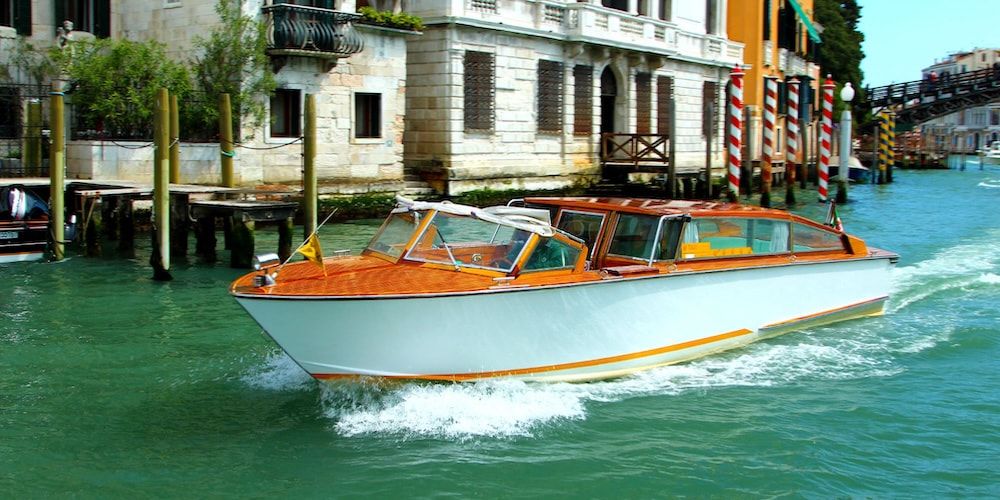
Getting around Venice is part of the experience. There are no cars in the historic city, so you’ll travel mainly on foot or by vaporetto, Venice’s public water bus. Walking is the best way to discover quiet calli and hidden corners, while vaporetto is essential for crossing the Grand Canal and reaching the islands.
The vaporetto network is operated by ACTV, with Line 1 following the Grand Canal between Piazzale Roma, Santa Lucia, Rialto, St. Mark’s Square and the Lido. A standard 75-minute ticket costs €9.50, while unlimited passes are available for 24, 48, 72 or 168 hours, at €25, €35, €45 and €65 respectively.
For a one-week stay, the 7-day pass is the obvious choice: the actv pass venice option gives you unlimited travel on the included ACTV urban networks for 168 hours from first validation. Keep in mind that airport transfers and some special services are not included.
From Marco Polo Airport, you have two main public transport options. Alilaguna connects the airport with Venice and the islands by water, with tickets starting at €18 for a one-way trip. The journey takes between 40 minutes and 1 hour 15 minutes, depending on the line and destination.
Alternatively, the ACTV Aerobus takes you to Piazzale Roma, Venice’s main road and bus terminal, in around 20–25 minutes, with a one-way airport ticket costing €10. A private water taxi is faster and more direct, but considerably more expensive than public transport.
Whichever option you choose, pack comfortable shoes. Venice means bridges, steps and plenty of walking, with no roads or cars once you enter the historic center.
Where to eat like a Venetian: bacari, cicchetti and spritz

If you want to discover cicchetti Venice is known for, forget formal restaurants for a moment and step into a bacaro.
These traditional Venetian bars are where locals stop for a quick bite and a drink, usually standing at the counter. Think of cicchetti as Venice’s answer to Spanish tapas: small, simple bites designed to be ordered in several varieties and enjoyed with a glass of wine.
The selection changes from one bacaro to another, but you’ll often find classics such as sarde in saor, sweet-and-sour sardines with onions, creamy salt code served on crostini, meatballs and other small crostini with seasonal toppings. Expect to pay roughly €2–4 per piece, depending on the ingredients and preparation.
Then comes the ombra, the small glass of house wine that is part of Venice’s everyday aperitivo ritual. Traditionally, you order an ombra with a few cicchetti and move from one bacaro to another — the classic giro de ombre.
A spritz is another local favorite, particularly in the late afternoon, and a typical one at a neighborhood bacaro costs around €3–5. Of course, prices can be higher in the more touristy areas.
For a more authentic experience, head to the streets around the Rialto Market in San Polo, explore the bacari along Cannaregio’s Fondamenta della Misericordia and Fondamenta degli Ormesini, or stop around Campo Santa Margherita in Dorsoduro. These are areas where the tradition is still part of everyday life.
One final rule: be wary of laminated menus displayed outside restaurants, especially around St. Mark’s Square. If a place is covered in tourist photos and offers oversized menus in several languages, keep walking. The best bacaro is often the small one with a handwritten menu, a busy counter and locals ordering what’s fresh that day.
Venice Access Fee 2026: do you have to pay it?
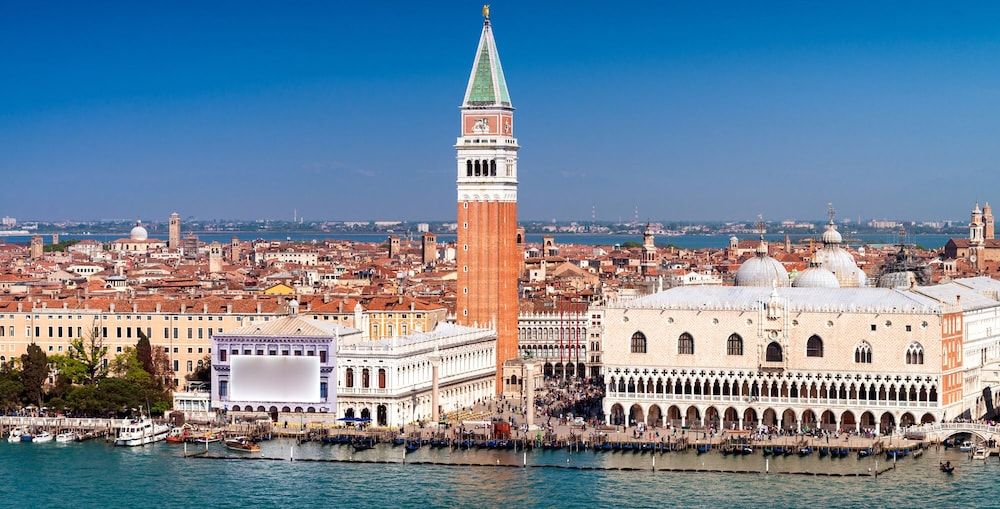
If you’re wondering about the Venice Access Fee 2026, the good news is simple: if you stay overnight in Venice, you are exempt from the Access Fee. The charge applies to day visitors entering Venice’s historic center on specific dates and during specific daytime hours.
In 2026, the trial ran on selected days from April 3 to July 26, between 8:30 am and 4:00 pm. The standard fee was €5 per person when paid in advance, by the fourth day before the visit, while last-minute payment increased the cost to €10. The fee applies to the historic city, but not to the smaller lagoon islands.
If you are staying in Venice after July 26, you don’t pay this entrance fee, but you will still pay the tourist tax, charged by your accommodation. The tax is calculated per person and per night and currently applies for up to five consecutive nights, with rates varying according to the type and location of your accommodation.
For a week-long stay, this is one more reason to take your time: staying overnight means you avoid the day-visitor Access Fee during its applicable period, while giving you the freedom to experience Venice at a slower pace.
FAQ — A Week in Venice
1. Is seven days in Venice too much?
No. Seven days are ideal if you want to experience Venice beyond its main landmarks. With a week, you can explore the historic center at a slower pace, discover different sestieri, visit the lagoon islands and even take day trips into the Veneto countryside. The key is to vary your rhythm rather than fill every hour.
2. How many days do you really need in Venice?
Three days are enough to see Venice’s essential sights, including St. Mark’s Square, the Doge’s Palace, Rialto and some of the main museums. Five days give you more time to explore neighborhoods and islands, while a full week lets you slow down, revisit favorite places and add day trips beyond the lagoon.
3. How much does a gondola ride cost in Venice?
The official daytime fare is €90 for a 30-minute ride, between 9:00 am and 7:00 pm. At night, from 7:00 pm to 4:00 am, the fare is €110 for 35 minutes. Each gondola can carry up to five passengers, and longer rides are charged proportionally by time.
4. How do you get from Marco Polo Airport to Venice?
From Marco Polo Airport, you can reach Venice by water with Alilaguna, with one-way tickets from €18, or take the ACTV Aerobus to Piazzale Roma, with tickets from €10. A private water taxi is another option and offers a direct transfer, but at a considerably higher price.
5. Do I have to pay the Venice Access Fee if I stay overnight?
No. Overnight visitors staying in accommodation in Venice are exempt from the Access Fee, although they must obtain proof of exemption during applicable days. In 2026, the trial applied only on selected dates from April 3 to July 26.
6. What can you do in Venice beyond the main sights?
Explore the quieter sestieri, browse the Rialto Market, stop at local bacari for cicchetti, or spend a day on Giudecca, Lido, Murano or Burano. You can also discover gardens, beaches and lesser-known churches. Venice’s official tourism site highlights these neighborhoods and islands as ways to experience a slower, more local side of the city.
About the author
Lorenzo Braccini
Born and grew up in Florence, passionate about travel and good food. Freelance journalist since 2021 and television editor.

Lorenzo Braccini
A complete itinerary to spend seven days in Venice experiencing the art, the beauty and the emotions of a unique city.