
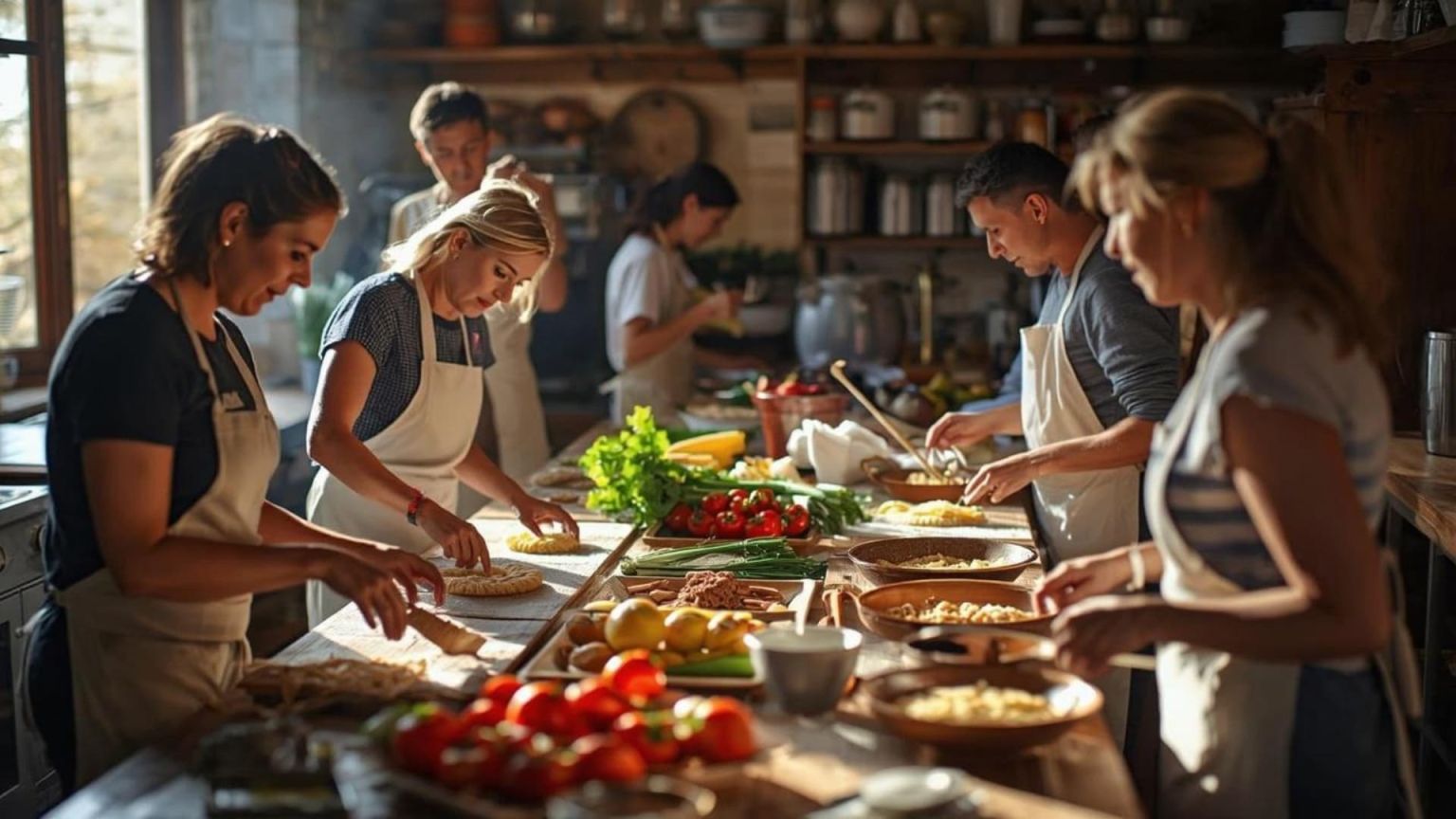

In recent years, there’s one experience that more and more travelers want to have when they arrive in Italy: taking a cooking class. It’s not just about learning a recipe—it’s about stepping, for a few hours, into the heart of Italian culinary culture, where food is daily ritual, memory, and conviviality.
You can almost picture the scene, cinematic in its detail: a pizzaiolo at work, fingers sinking into soft dough, leaving small impressions on its pale surface. With a fluid movement, the dough is lifted from the wooden counter and spun between the hands, while a light cloud of flour drifts into the air.
In short, it’s a sensory experience that brings travelers closer to the most authentic side of the country. Kneading fresh pasta, discovering the secrets of regional recipes, and sharing the final meal with fellow travelers turns a simple activity into one of the most vivid memories of a trip.
But is taking a cooking class in Italy really like this?

Why take a cooking class during a trip to Italy
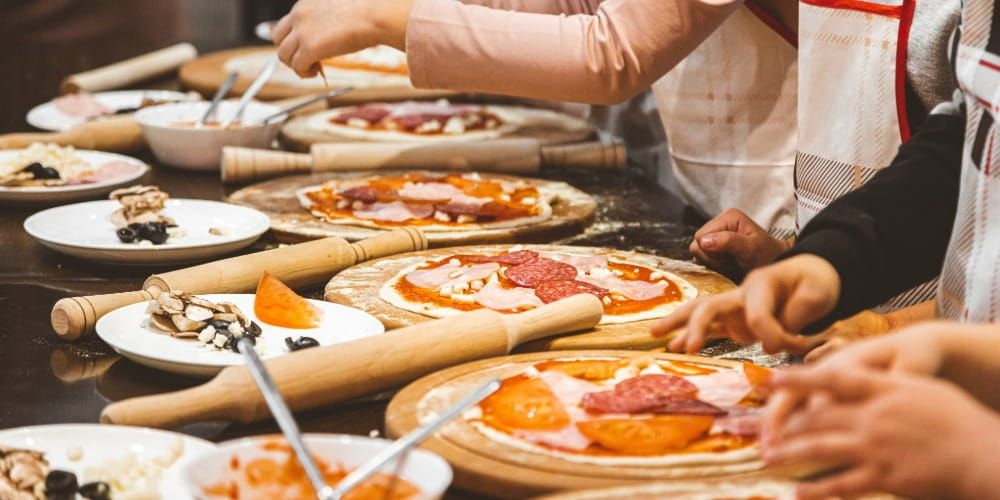
Participating in a cooking class in Italy is undoubtedly an experience of deep immersion in local culture. It allows you to get to know regional ingredients, observe firsthand how traditional products are made, and hear stories and traditions directly from those who live them every day. These culinary experiences reveal the profound connection between cuisine, the land, and cultural identity.
Also, a cooking class offers more than just a meal at a restaurant. Instead of simply tasting a dish, you learn to prepare it yourself, get your hands into the dough, and share the experience with local chefs and fellow travelers. The result is not only a delicious meal, but also a shared travel memory.
So, what really happens during a cooking class in Italy? Let’s find out together.
What you really learn during a cooking class
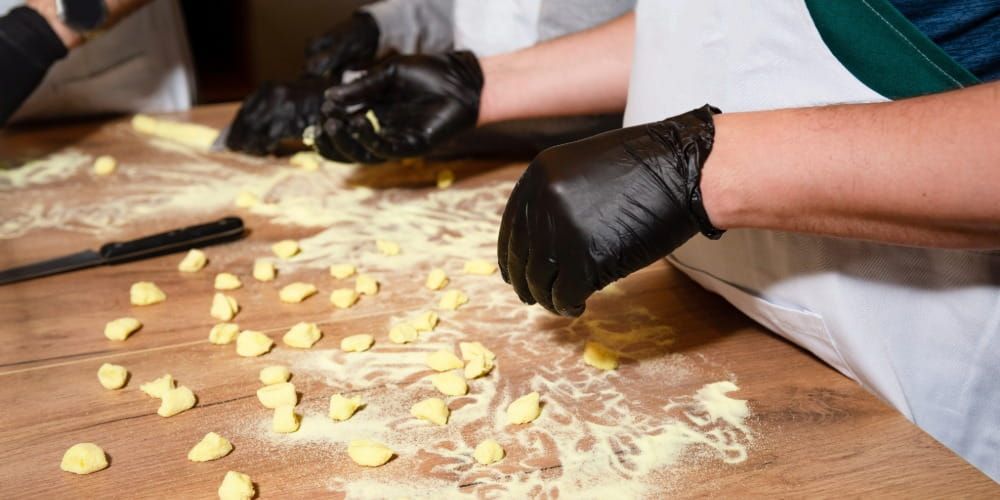
During a cooking class in Italy, you truly step into the country’s culinary culture, discovering techniques, ingredients, and small secrets passed down from generation to generation.
Among the most common skills you might learn are:
• preparing fresh handmade pasta
• working the dough without industrial machines
• cooking traditional regional sauces
• recognizing seasonal ingredients and local products
• pairing wine with traditional dishes
Many cooking classes also include garden-to-table experiences, where ingredients are picked directly from local gardens or purchased at neighborhood markets.
The best moment often comes at the end, when everyone sits around the table to enjoy the dishes prepared during the lesson. It’s this combination of technique, culture, and conviviality that makes a cooking class such a complete and memorable experience.
Where to learn to cook in Italy
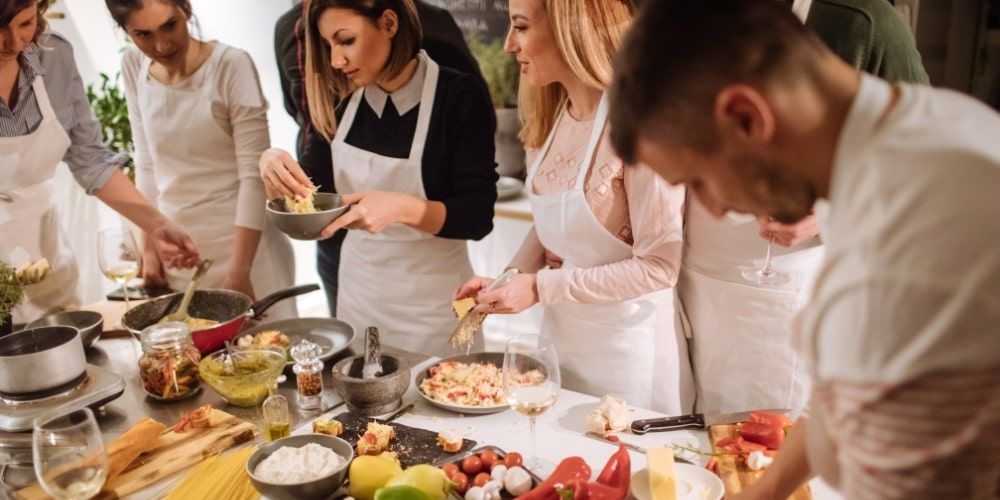
Cooking classes in Italy vary greatly from region to region, reflecting the extraordinary diversity of Italian cuisine. Each area of the country offers different culinary experiences in Italy, shaped by local ingredients and the gastronomic traditions of the territory.
In Northern Italy, for example in Milan, you can take part in “Master the Art of Pasta,” a cooking class that also includes a tour of the local market, where you’ll learn how to prepare fresh pasta and risotto, two iconic dishes of northern Italian cuisine.
In Central Italy, cities like Florence offer convivial and creative experiences. Here you can join the “Pizza and Gelato Making Workshop + Unlimited Wine,” a class where you learn how to make pizza and gelato while enjoying local wine and discovering some of the great classics of Italian cuisine.
In Southern Italy, the experience often becomes more intimate and connected to Mediterranean traditions. In Palermo, for example, you can take part in a “Cooking Class,” a hands-on experience where you prepare Sicilian recipes using fresh, local ingredients and experience cooking as a true moment of sharing.
Alternatively, in Brindisi, “Cooking Class and Lunch with a certified home cook” opens the doors of Mimma's cozy home to you: amidst stories, fresh pasta, and 0-km products, you'll experience a true Apulian Sunday lunch. The option to visit the market makes this experience even more engaging and immersive.
How to choose the most suitable course
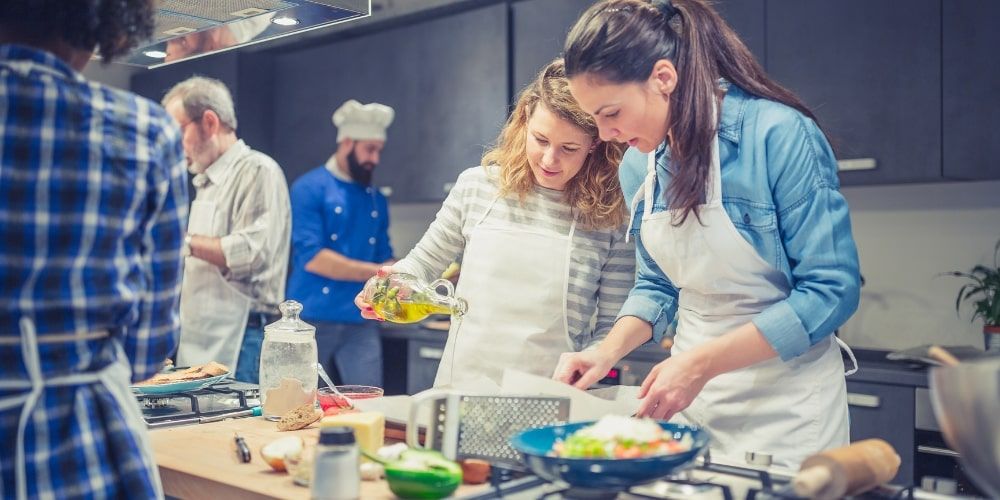
Determining which course is the most interesting based on one's interests can be complicated. For example, one must consider the language in which the course is taught. In fact, there are several cooking courses in Italy available for English speakers, as well as in other languages. Then, another important aspect to consider is whether to prefer a daytime meeting or extended immersion.
One-day, often half-day classes are designed for those with little time but great curiosity: they take you to the market, teach you a specific regional recipe, and end with a convivial meal, all in 4-6 hours. Perfect for discovering the “how” of local cuisine in the blink of an eye.
On the other hand, weekly retreats, or cooking retreats, are sensory journeys. These experiences last five to seven days and combine in-depth daily lectures, vineyard tours, and oil and wine tastings. It's a transformative journey: you learn how to make handmade pasta and can discover real food culture, punctuating your day between stoves, shared dinners, and dialogues with local chefs.
Which one to choose. If you're looking for an authentic taste, go for the day course. If, on the other hand, you're looking for a rejuvenating, participatory, and profound experience, consider a week-long retreat. Either way, you'll return home enriched, with new techniques and indelible memories.
What to expect: from markets to meals
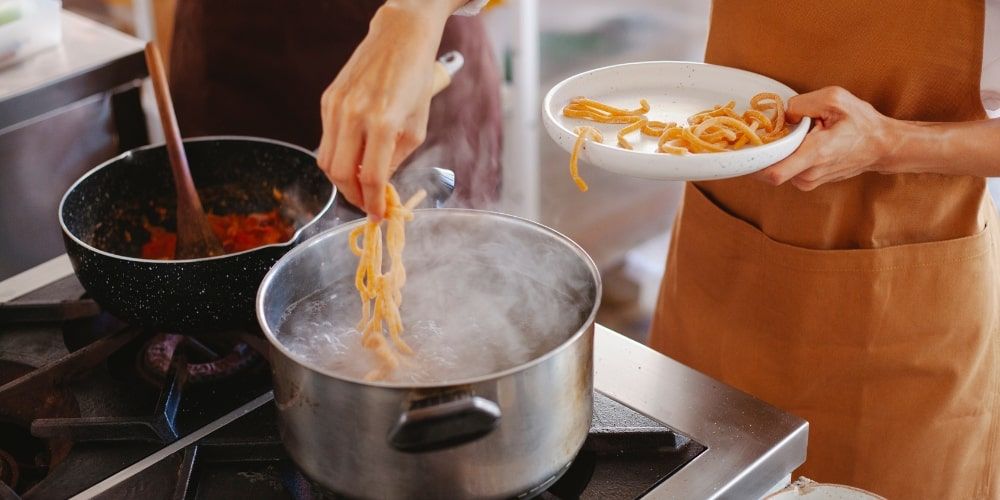
Participating in Italian cooking classes for travelers is like experiencing a sensory journey that begins among the market stalls and ends at the table, with dishes to be enjoyed all together.
Some courses around Italy include a guided tour of the local market. Here you will taste fresh ingredients, artisanal techniques, and genuine flavors. At the same time, you'll be able to observe vendors and producers going about their daily business with a contact that is sure to be
After shopping, it's back to the kitchen where local chefs explain how to transform simple raw materials into masterpieces of taste. You'll learn how to make fresh pasta, prepare balanced sauces, and pair them with local wines. And at the end, you'll savor the fruits of your labor in a convivial meal, often accompanied by stories from locals.
These experiences, known as “Market to Table,” are offered in many Italian regions, from Florence to Naples, Rome, and Palermo, guaranteeing authenticity, involvement, and small culinary “revelations.” But each experience is unique, and other types of cooking classes offer different possibilities. Expect a journey that combines discovery, craftsmanship, and conviviality.
How to book Italian cooking classes for travelers: platforms and tips
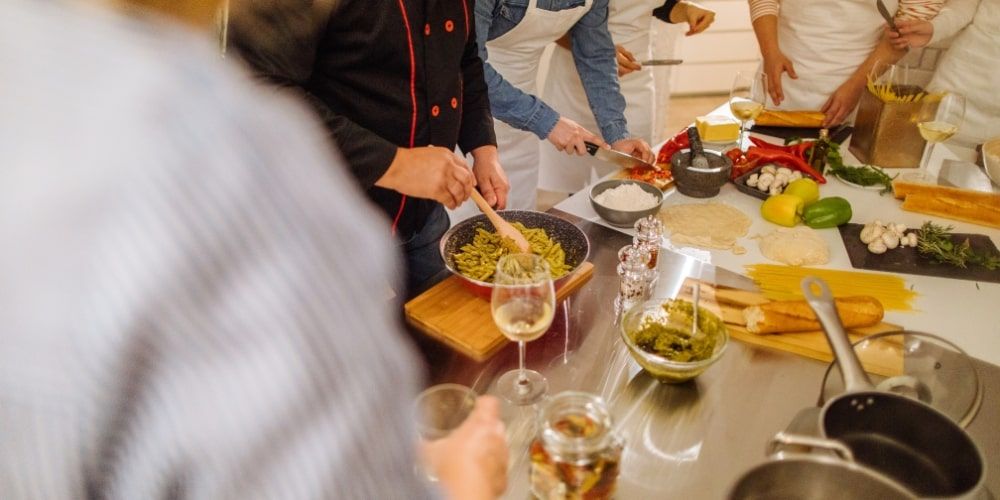
When searching for Italian cooking classes for travelers, the best approach is to rely on a single, official, and reliable source: Visit Italy. In the "Culinary Experiences" section, you can find a careful selection of workshops throughout Italy, guaranteed by the authentic style of our portal.
Relying on Visit Italy means choosing an exclusive and unforgettable experience, without getting lost among dozens of various platforms. You will find detailed fact sheets and easy-to-use booking options. You'll receive accurate information on schedules, programs, course language (often in English), and certified reviews.
The trend in food and wine tourism confirms the demand for authentic, structured experiences. With Visit Italy, you have an advantage: no stress in choosing, just a clear path to your gastronomic adventure.
Discover our ExperiencesTips for travelers with dietary needs
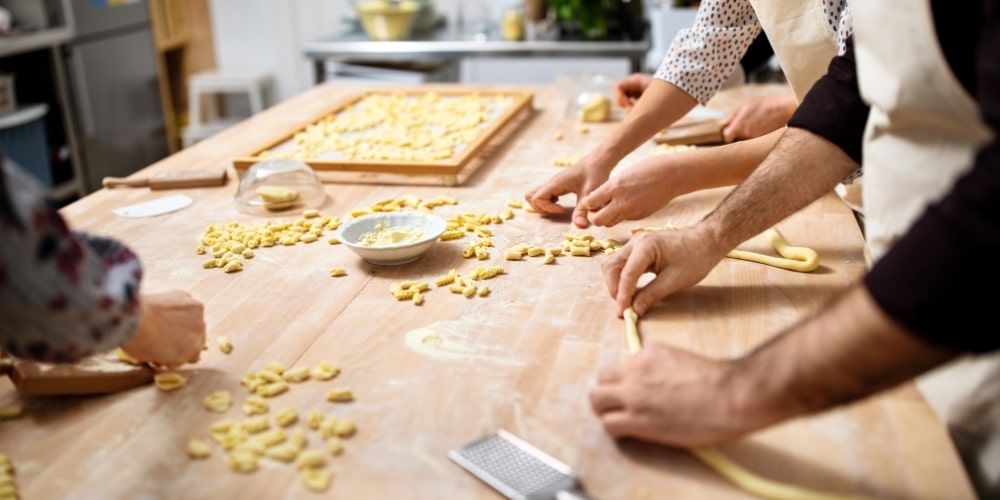
Those who choose Italian cooking courses for travelers with dietary restrictions (vegetarians, vegans, celiacs, lactose intolerant) will find fewer obstacles than they fear. Many courses offer dedicated menus, often gluten-free, vegetarian, or vegan, by simple request.
Farm-to-table workshops, for example, utilize local raw materials, allowing you to avoid cross-contamination and select organic and traceable ingredients.
Useful tips to put into practice:
- Give advance notice of any allergies or intolerances when booking
- Ask for details on ingredients and techniques used to avoid contamination.
Finding a course that meets your needs is possible; indeed, it can become an original opportunity to discover Italian cuisine from a different perspective. A viewpoint that is creative, inclusive, and full of incredible flavors.
Choosing a cooking class during your stay in Italy is one of the most rewarding experiences you can have. It's not just about learning a recipe; it's about literally getting your hands in the local tradition, getting to know the smells and taste the flavors.
Whatever your time or skill level, there is a course that can make your trip to Italy an unforgettable sensory experience. For inspiration and to choose the experience that's right for you, check out the Culinary Experiences section on Visit Italy. Here you will find selected, authentic proposals ready to be experienced.
About the author
Written on 08/07/2025
Rossella Friggione
Writer and illustrator with a passion for travel. Here, I share the wonders of Italy—its places, stories, traditions, art, cuisine, and more.

Rossella Friggione
Discover how to have an authentic experience with Italian cooking classes for travelers in Italy in 2026, from daily classes to culinary vacations.