

One of the most joyful and eagerly awaited celebrations of the year is Carnival, marked by parades, masks, and tradition. At VisitItaly.eu, we take you straight into the heart of the Maiori Carnival 2026, so you won’t miss a single detail of this festival that blends creativity, entertainment, and seaside charm.
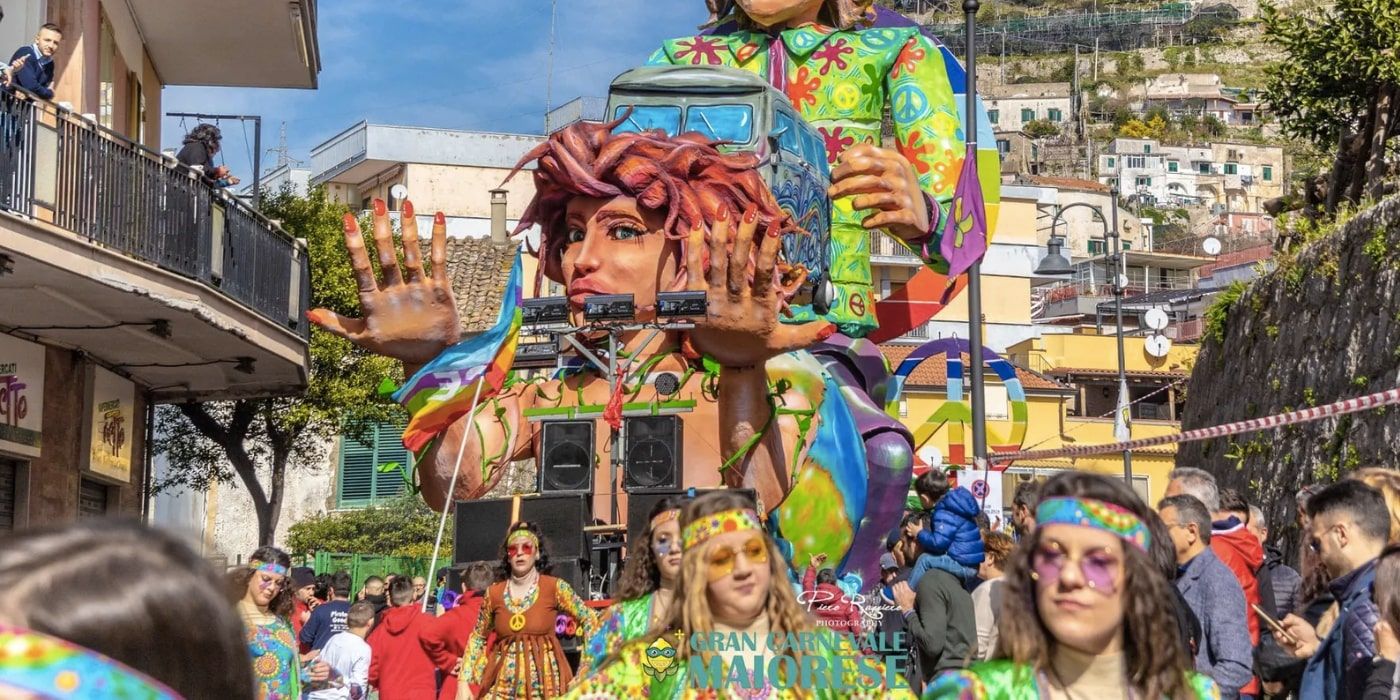
The 2026 edition of the Maiori Carnival, now in its 52nd year, will take place on February 15, 17, and 22, under the theme “The Dream.” Allegorical floats, costumes, and performances will be inspired by dreamlike visions and vibrant colors, transforming imagination into spectacular papier-mâché creations.
Deeply loved by both locals and visitors, the event turns Maiori’s seafront into a lively open-air stage filled with music, confetti, and festive energy. A celebration that brings together adults and children alike, inviting everyone to join the parades and experience the most colorful side of the Amalfi Coast.
Maiori Carnival 2026: when the Coast lights up with colors and shows
The Maiori Carnival 2026, now in its 52nd edition, returns in February with parades of papier-mâché allegorical floats, live shows, and music along the seafront. The main parades are scheduled for February 15, 17, and 22, filling the town with events for all ages and confirming Maiori as one of the most scenic Carnivals in Campania.
In this article, you’ll discover:
• the official Maiori Carnival 2026 programme;
• the history and origins of the event;
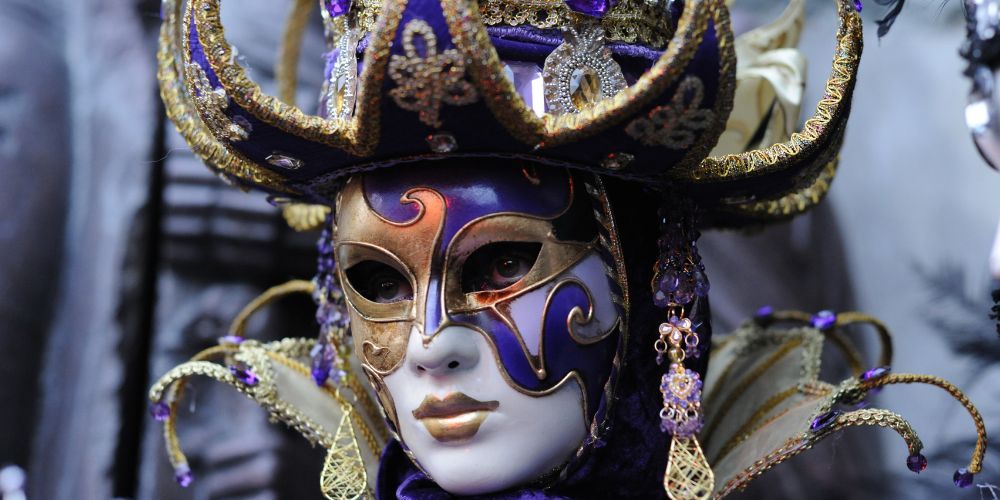
• the traditional Carnival masks of Campania;
• how to experience the Carnival through parades and live shows;
• the typical Carnival sweets to taste;
• other unmissable Carnivals in Campania;
• where to park and how to get around Maiori.
The history of the birth of the Carnival of Maiori
The origins of the Carnival of Maiori date back to around 1400, and the word comes to life from the Latin "carnem levare" which literally means "eliminate the meat", as it indicated the banquet that was held on the last day of Carnival (crass Tuesday), just before the fasting and abstinence period of Lent.
The celebrations mostly took place on crass Thursday and crass Tuesday, i.e. the last Thursday and the last Tuesday in which the carnival days were then closed, given that Lent in Roman history begins with Ash Wednesday.
During the days of celebration it was permissible to let go, free oneself from obligations and commitments and devote oneself entirely to joking and playing. Furthermore, masking made the rich and the poor unrecognizable and thus any type of social difference disappeared. Once the holidays were over, rigor and order returned to dominate society.
Carnival in Campania: the main destinations where to celebrate
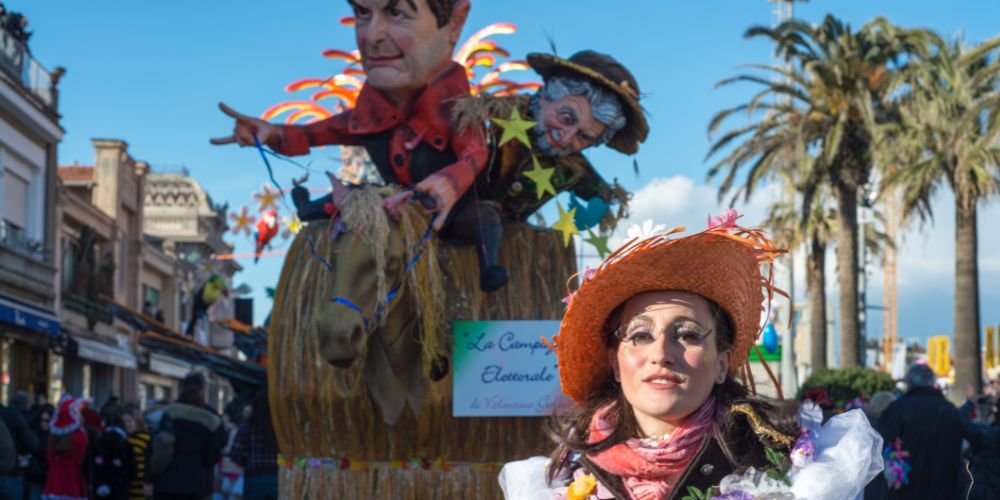
By now it is known that Carnival is one of the most eagerly awaited parties of the year, both for the spirit of freedom that is felt in that everyone can get rid of their clothes and commitments for a while, and for dedicating themselves entirely to joking and game.
Below we list some of the oldest and most popular Carnival in Campania:
• Carnival of Saviano: born in 1979, it is one of the "youngest" carnivals in Campania, even if in a few years it has won the title of one of the best in the entire region. A great masquerade party that runs through the streets of the historic center with the impressive parade of allegorical floats that accompanies tourists and locals in an irrepressible party based on songs, dances and laughter.
• Carnival of Palma Campania: the fulcrum of the famous Palmese carnival is undoubtedly the parade of quadrilles, masked groups with well-kept costumes made by local tailors, stage choreographies, dances and songs which are directed by a master who coordinates them during performances in the alleys of the town.
• Carnival of Montemarano: here in the province of Avellino an event is staged that takes its cue from the most ancient traditions. In fact, on the Sunday following crass Tuesday, the traditional masks leave the scene to the "upside down" ones; men dress up as women, young men as old men and so on in a symbolic process where every order is subverted. Furthermore, one of the key events is the Dead Carnival, where a puppet is placed in a small coffin which will then be carried around the city to the rhythm of music. The folk groups stage the carnival funeral, also reading an ironic will in which they bequeath all the debts accumulated to organize the festivities.
• Carnevale di Caiazzo: municipality in the province of Caserta which hosts a somewhat unconventional carnival every year. In fact, famous for its parade with wheelbarrows, the participants in the carnival dress up in typical costumes and masks, then parading along the streets of the city center inside wheelbarrows throwing confetti in the air!
Explore the sumptuous royal flats of the Royal Palace of Caserta, the Throne Room, and the enchanting park sprinkled with lush vegetation benefiting from a ticket by Visit Italy.
Discover moreWhat are the main masks of the Carnival in Campania
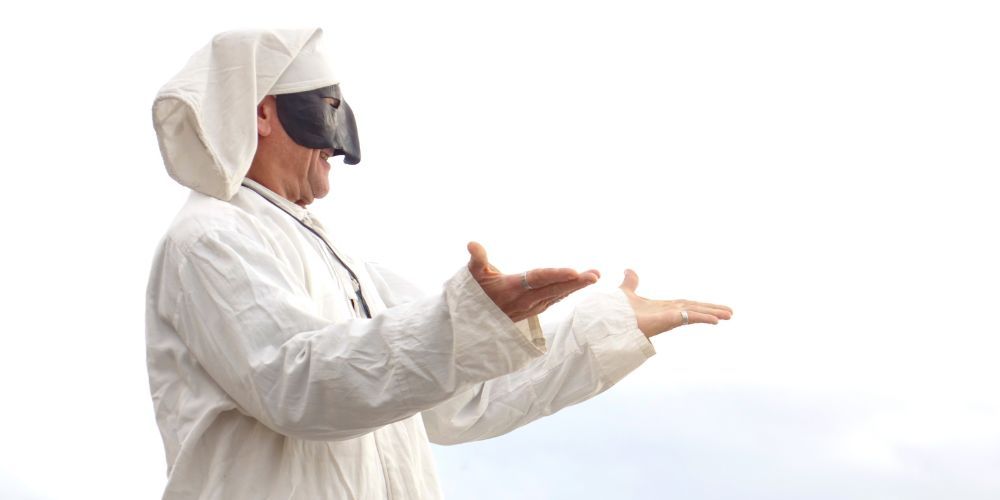
The best known masks of the Neapolitan tradition and symbol of the Neapolitan people are mainly two: Pulcinella and Tartaglia. Of the first it is said that he was gullible and a joker. Always ready to concoct some trick and to make jokes and teases to the detriment of those who do not indulge his whims. Pulcinella, famous for his funny way of walking, wears a white shirt with a black belt at the waist and his face half covered by a mask with an aquiline nose. He has a wrinkled face and very small eyes which give him a typical appearance of a rooster.
Tartaglia, on the other hand, is a mask of Genoese origin, which however became very popular in Naples in the second half of the seventeenth century. It is a mask similar to that of the doctor, from which it derives. Clumsy and corpulent, without beard or mustache and with a shaved head, he takes his name from the stuttering he is afflicted with; to it, and to the strong myopia, all his comedy is limited, devoid of human content. Tartaglia's costume originally consisted of a green dress and cape with yellow stripes and a white collar, then later varied in colors and ornaments.
How to best celebrate the Carnival of Maiori 2026
Parades, music, dancing, and vibrant colors will bring the Grand Maiori Carnival 2026 to life, one of the most scenic events on the Amalfi Coast. Streets and the seafront will fill with papier-mâché allegorical floats, live music, and performances, turning the town into a large open-air stage for both adults and children.
Local associations have been working for months on creations inspired by the theme “Il Sogno” (The Dream), which was presented to the community well in advance. The first float designs were unveiled in autumn, already offering a glimpse of the festive atmosphere that will define the key days in February.
The main parades are scheduled for February 15, 17, and 22, 2026, with choreographed groups and costumed performers accompanying each float to create a truly unique spectacle. Special sea connections will also be available on parade days for those arriving by boat.
What are the sweet characteristics of the Carnival of Maiori
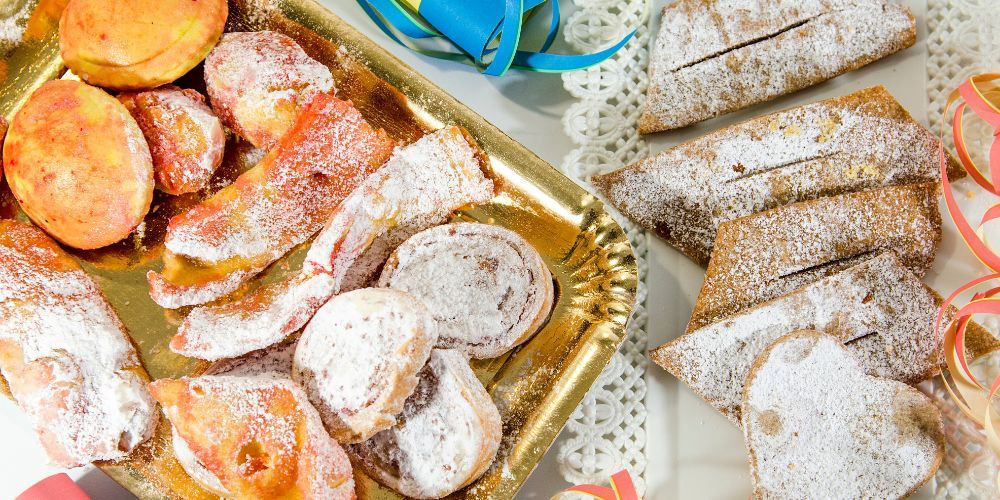
To best sanction the days of celebration that characterize the Carnival of Maiori, we cannot fail to mention the typical traditional desserts. Here in Campania there are several and all of a unique goodness.
Let's see together specifically what they are:
• Chiacchiere (or frappe) now known throughout Italy, see their birth in the Neapolitan city thanks to a request from Queen Margherita of Savoy who had commissioned the court chef to make a dessert suitable for accompanying conversations with her friends. And here it takes its name "chatter".
• The sanguinaccio (black pudding), comes from an ancient recipe of poor cuisine from Campania. In the past, the blood of the pig was used (when nothing of the latter was thrown away) to create a cream to which cocoa was then added to ensure that the chatter was literally soaked in it and enjoyed like this. Since 1992, the recipe no longer provides for the use of pig's blood as this has been prohibited.
• Migliaccio is one of the most famous desserts of Neapolitan cuisine prepared precisely for Carnival and Easter. Its name originates from the Latin word miliaccium which indicates the traditional millet bread. In fact, the simple but tasty recipe involves the use of millet flour and ricotta which make the flavor of the millet unique in its kind.
• Graffe are a dessert that is now prepared all year round and can be found in production in all pastry shops. Typical of the carnival period, it is essentially a very soft and fragrant donut that is served fried, and this is one of the perfect occasions to prepare them at home too.
Where to park for Carnival in Maiori
During Carnival, the beautiful town of Maiori is perfectly suited to be explored on foot. The main points of interest and the central square are all located within the historic center, making it easy to get around without a car and fully enjoy the festive atmosphere. In the map above, you’ll find a recommended parking area where you can leave your car and stroll around in complete freedom.
About the author
Sara Dichiarante
I am a dreamer and I love to travel. Through writing I tell you what I feel in my various trips around the Italy and I tell you about the places I visit, making you look at them through my eyes.

Sara Dichiarante
Discover all the events scheduled for this fantastic Carnival of Maiori 2026.