
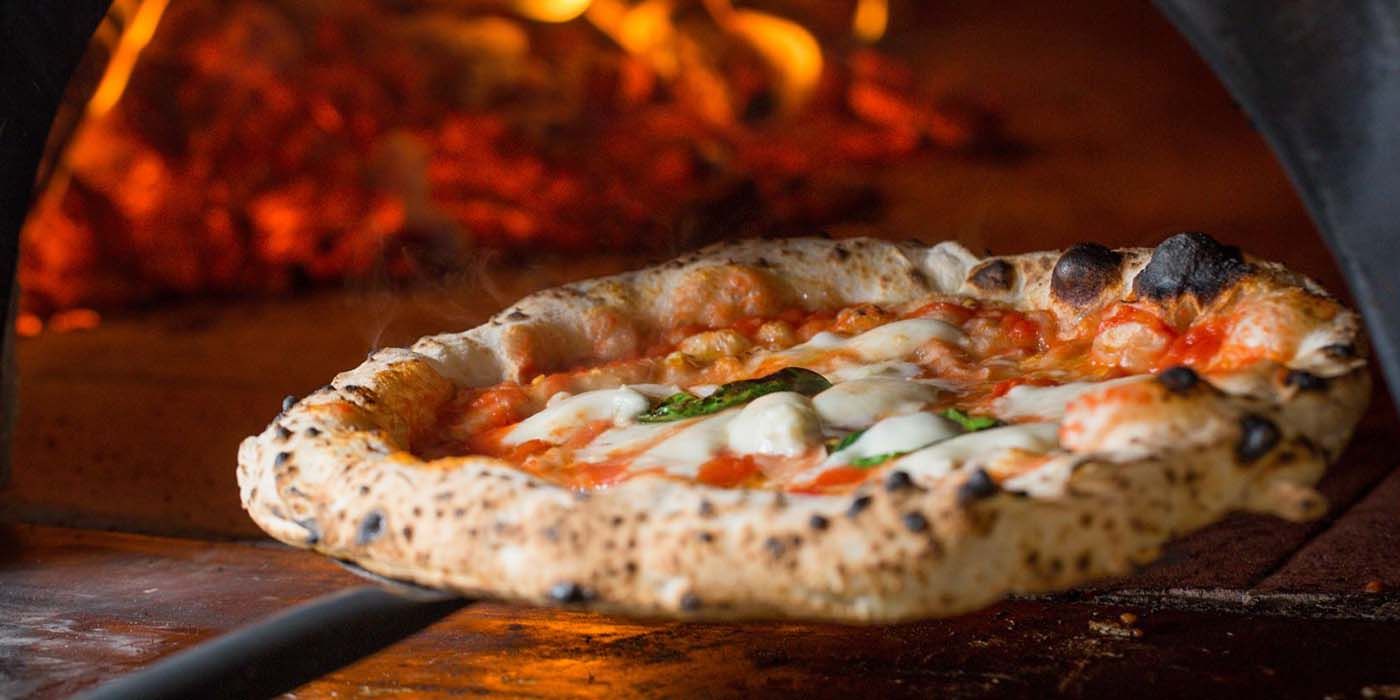

Celebrated and eaten all over the world, Italian pizza is a simple and genuine food. The most typical expression of Mediterranean cuisine, but also a social ritual, which brings together people in its preparation, kneading together the simple ingredients, the most typical expression of Italian Mediterranean cuisine; either at the moment of sharing the dish.
Round pizza on the plate, sliced pizza or on the shovel, Italian pizza is always a prelude to good humor, fun and an intense appetite. Officially recognized as a guaranteed traditional specialty of the European Union and declared by UNESCO to be part of the intangible heritage of humanity.
This year, as every year, World Pizza Day is celebrated on 17 January. Read our definitive guide to Italian pizza for 2026 and discover secrets and interesting facts about this iconic dish!

The 2026 definitive guide to Italian pizza: the story
Just hearing the word Italian pizza makes your mouth water and you immediately look forward to the idea of a fun moment of sharing, made only of pleasure. But how was Italian pizza born?
This is just one of the things you'll discover in our definitive 2026 guide to Italian pizza!
The history of pizza dates back to a distant past. The earliest version of pizza dates back to prehistoric times, when toasted cereal dough was baked on stones. In Ancient Rome, farmers kneaded flour to make flatbreads, which were cooked in the heat of ashes and accompanied by a mixture of oil, salt, herbs and cheese.
But the ancestor of the Italian pizza most similar to today seems to date back to 1889, when the Neapolitan chef Raffaele Esposito in honor of Margherita di Savoia, queen of Italy, brought to the table a pizza with the colors of the Italian flag: tomato, mozzarella and basil which was called pizza Margherita.
From that moment on, pizza and pizzerias spread, finding different variations depending on the region in which they took root.
Listen to the definitive guide of Italian pizza with Monna Lisa & Leonardo's voices
Italian Pizza: the recipe
Italian pizza is a truly delicious, perfect and inviting dish. The idea of making pizza yourself at home may seem difficult. However, you will discover that there are only a few ingredients, and the steps are simple. Practice, habit, and experience will certainly make your pizza taste better and better. Once you get the hang of it, you can experiment with the endless variations that this delicious food allows.
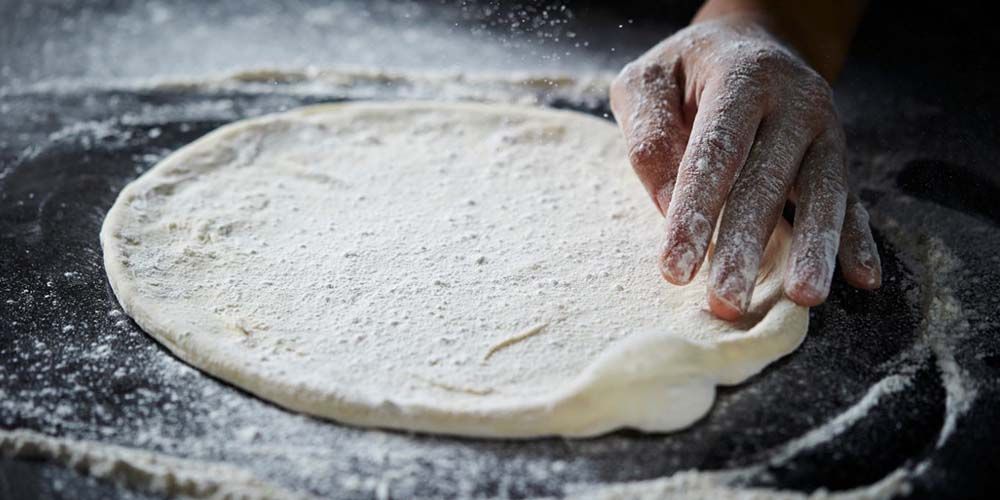
To make homemade pizza, first keep in mind that the leavening time for the pizza dough is around 6 hours, so prepare the dough in time. The ingredients you need are water, flour, oil, salt and fresh or dry brewer's yeast. The suggestion is to mix everything by hand.
For the procedure, please refer to our article on homemade pizza.
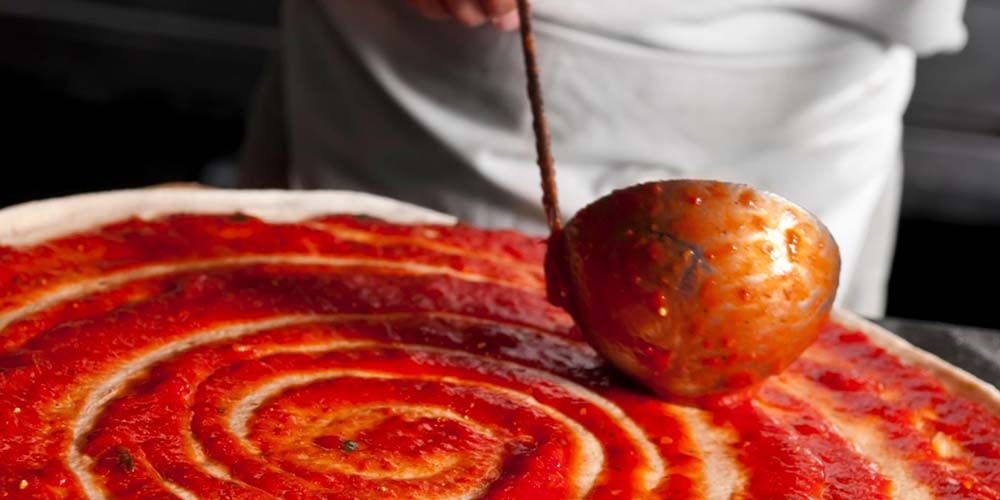
Once you have made the pizza dough you can indulge in the toppings. You will be able to start from classic toppings, tomato pizza, margherita or capricciosa pizza and arrive at new variations that only you can invent according to your tastes.
The secrets of Italian pizza: types and variations
Italian pizza is always an occasion for celebration, a dinner with friends, a slice of pizza to eat on the go at lunchtime, a snack or an aperitif, and some people even eat it for breakfast.
There is an incredible variety of types of pizza starting from its consistency, which depends on the dough and leavening times.
Tall, soft and with a nice cornice edge is the Neapolitan pizza served on a plate, while the Roman pizza served on a plate is thin and crunchy.
Sliced Pizza, on the other hand, is cooked in large rectangular pans and sold by the piece, depending on customer needs, the queen of street food, it has no swelling and has a consistency between soft and crunchy; what is surprising in a sliced pizza is the enormous variety of toppings with which it is presented.
In recent years, pizza makers have also experimented with the use of alternative flours for the dough. You can find pizzas with gluten-free flours, rather than pizzas with spelled flour, whole meal flour, with the ancient kamut wheat or pizzas with vegetal charcoal.
For the varieties of pizza, we start from Naples, where it all began, the two iconic Neapolitan pizzas are the Margherita pizza and the Marinara pizza, a simple pizza made up of tomato puree, garlic, oregano and oil, the Marinara pizza in another version it is also appreciated with anchovies and for those who want olives and capers.
Pizza Marinara owes its name to the fact that sailors, given the simple ingredients it was made of, could easily make it while sailing. Among the most popular and appreciated varieties of Roman pizza you can find the capricciosa pizza, based on tomato, mozzarella, ham, mushrooms, olives, and artichokes.
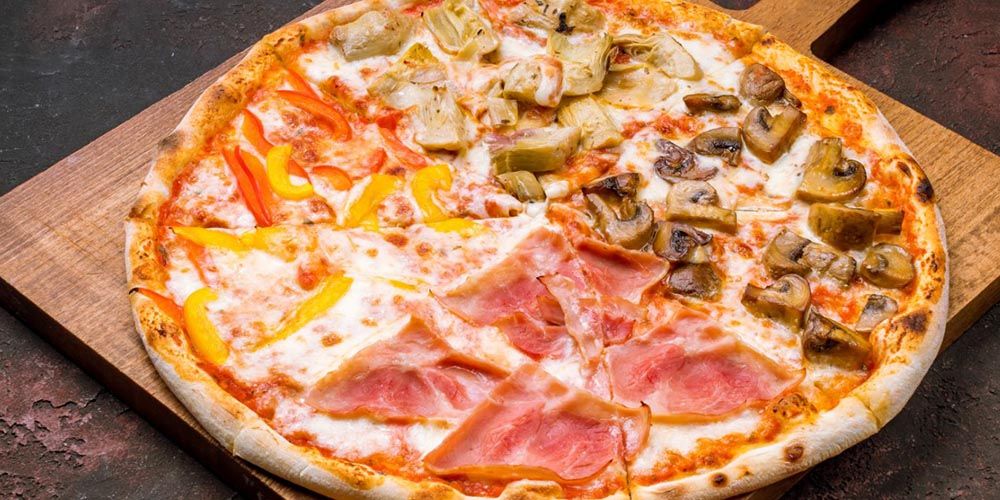
An Italian pizza that is beautiful to look at and fun to eat is the four seasons pizza, divided into 4 parts to symbolize the 4 seasons of the year, always with a tomato base, then on each slice you will find mushrooms, artichokes, black olives, and ham.
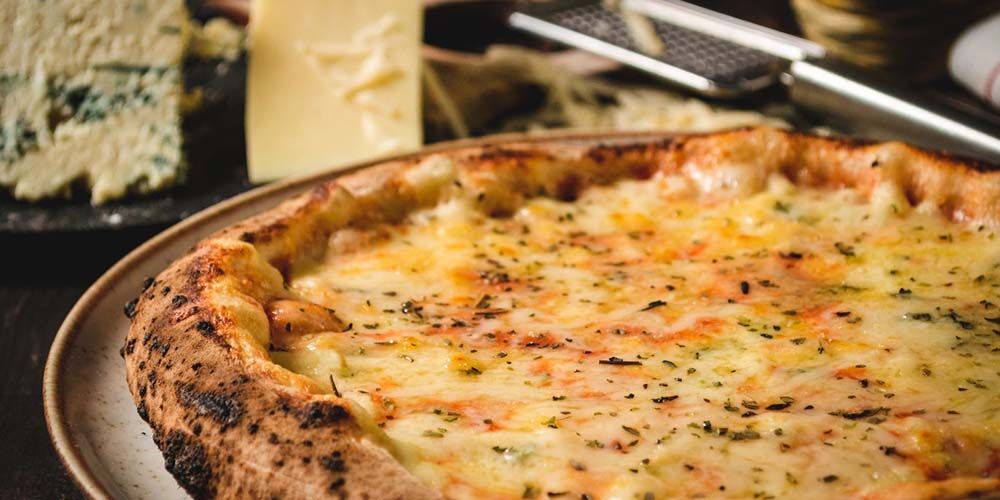
Suitable for vegetarians, among the Italian pizzas the 4-cheese pizza stands out, delicious with 4 different varieties of cheese and the ortolana pizza with various types of vegetables, in general zuchinis, eggplant and peppers can never be missing.
In the variations derived from the Italian pizza dough we cannot forget the calzone, a great classic, which consists of a pizza folded in two in order to seal the edges obtaining a delicious, filled crescent; here too the toppings can vary. Fried pizza is worth a try, you can find it both sweet and savory, the presentation and seasoning vary greatly from region to region.
The best known is Neapolitan fried pizza, which can be plain or stuffed, in which case is very similar to a calzone. Plain fried pizza can be seasoned with just salt or sugar, depending on preference, and this variant is also very popular in Lazio.
How to recognize a good Italian pizza
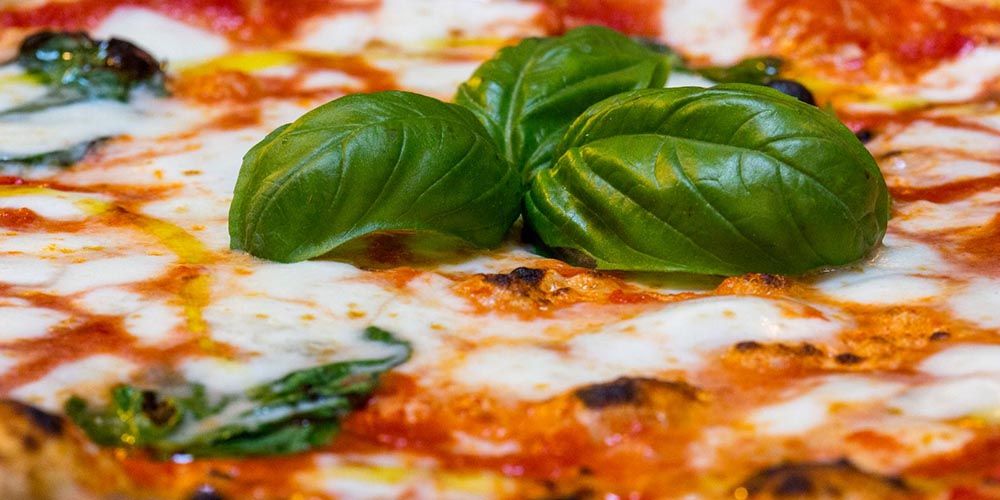
It should be noted that the varieties and types of Italian pizza are very closely linked to regional traditions both in terms of preparation and condiments, therefore, you will find pizzas with the same name but with slightly different processes and condiments depending on the place you are in. So don't get confused! A Margherita pizza eaten in Naples could be completely different from one eaten in Rome, but equally good.
But how to recognize a good Italian pizza? First, the pizza must have an inviting appearance, the quantity of seasoning must not be excessive or too small. Evaluate whether the cooking is correct by lifting the bottom of the pizza; it must not be too burnt or white and moist, which indicates poor cooking.
At the first bite, pay attention to whether the consistency is good, if it is a Neapolitan pizza, it must be soft, while if it is a Roman dough, it must be sufficiently crunchy and crumbly.
Pay attention to the tomato sauce, if it is too sweet it is not good, it means that sugar has been added to cover the acidity of the tomato. Finally, the mozzarella must be uniformly melted, when it looks like a thickened mass like melted plastic, it means that good quality mozzarella was not used, but rather a stretched curd.
Italian pizza: the ideal combinations
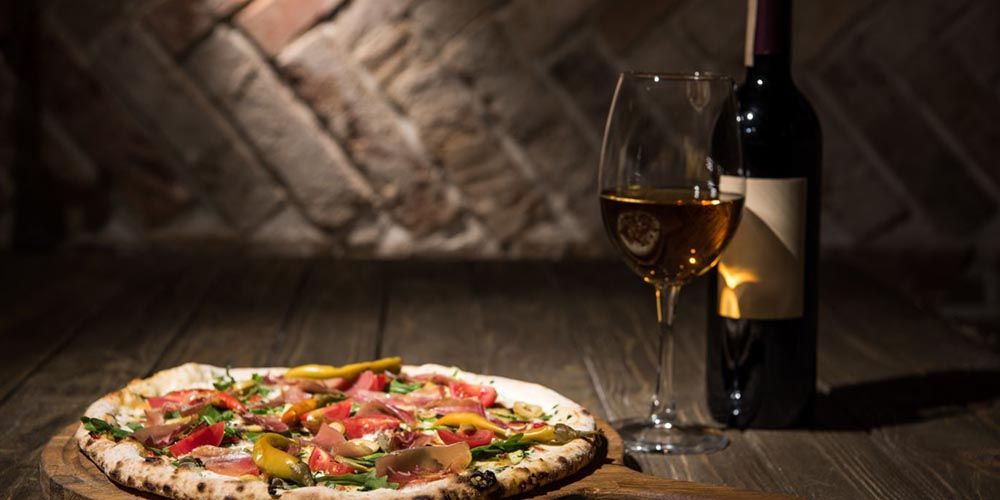
Pizza is good for every occasion, but what are the ideal combinations to make the experience unforgettable? Beer, wine or cocktails? It is well known that the best pairing for pizza is beer and if you want to know the 10 pairings most loved by Italians, we recommend reading the article: pizza and beer. What if you're not a beer lover?
If you chose a Margherita pizza, we recommend pairing it with a Greco di tufo, a dry, fresh, and soft white wine; another wine that can be paired well is a rosé wine. While for a Marinara pizza, the best pairing is a light red wine, such as Dolcetto or Pinot Noir.
The ideal wine to accompany a pizza will always be a light and aromatic wine with a refreshing power.
For children and teetotalers, the winning combination is certainly pizza and Coke. If, however, you are eating pizza as an aperitif, the same rule applies as for wine, a light and refreshing cocktail alongside the pizza always works well, such as a spritz for example.
Where to eat the best pizza in Italy
There are several gastronomic guides that every year draw up rankings to evaluate which is the best pizza in Italy and award special prizes to pizza chefs who, with their skill, transform the preparation of an essential dish into a work of high culinary creativity. If you are never satisfied and really want to eat the best according to the ranking, read the article: where to eat the best pizza in Italy.
If you want to play it safe even without rankings, we will give you some tips. If you are in Naples, one of the most famous pizzerias, where you can never go wrong, is Antonio Sorbillo, in Via dei Tribunali. In this centrally located pizzeria, you will have culinary experiences that will remain etched in your taste buds' memory.
After admiring the tourist attractions and views of Naples, enjoy an excellent pizza in one of the top 10 pizzerias in Naples.
In Rome, you will also be spoilt for choice. To be on the safe side, we recommend heading to the historic centre, in the streets around Piazza Navona. Walking along Via del Governo Vecchio, you will surely be captivated by the smell of pizza cooked in a wood-fired oven.
Pizza is loved by everyone in Italy, from north to south. You will find exceptional pizza chefs and superb pizzas in every city you visit.
Discover underground NaplesThe Definitive Guide 2026: Pizza Experience in Italy
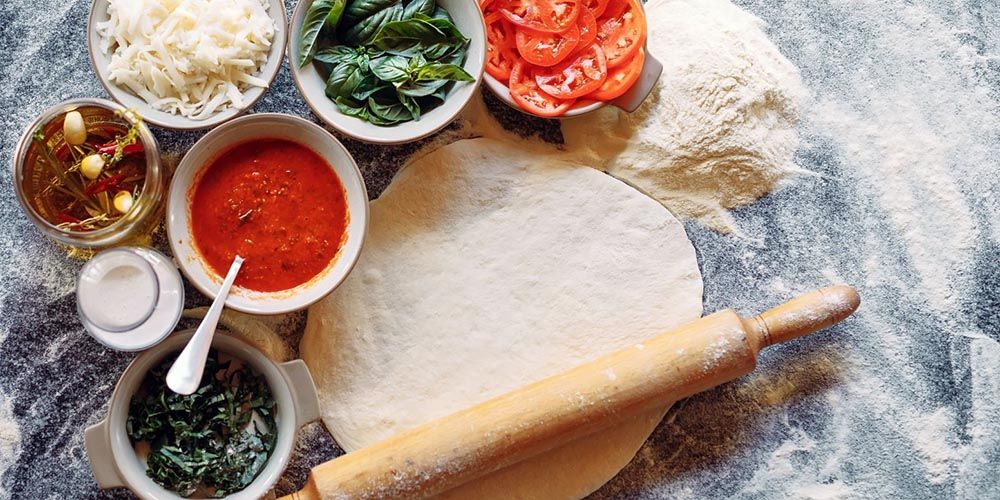
Now that you know the history of Italian pizza, the types and variations of pizzas you can find in Italy, what pairings to prefer, how to recognize a good pizza and where to eat the best ones, it's time to get your hands dirty. Try making your own homemade pizza with the suggestions we gave you.
If you are in Italy on holiday and you don't have a kitchen available to try your hand at and you don't want to wait to return home, we give you some suggestions on experiences designed for you, to learn while having fun in contact with expert pizza chefs, to enjoy both the flavor of pizza that the cultural traits that make this food a social entertainer.
Here are some experiences for you depending on which city you are visiting.
If you are in Florence we recommend the Italian cooking course, which includes the general rudiments to learn how to make pizza and while your dough is rising, you can try your hand at making ice cream.
If you are in Naples and Neapolitan pizza is your true obsession, we recommend the pizza chef experience for a day, an opportunity designed for small groups. Alternatively, a truly special experience in Positano, a pizza and tiramisu cooking class in a home, an intimate experience where you will truly feel part of the family.
But some want to get their hands dirty and those who instead want to become good connoisseurs, prefer that others make the pizza. In this case, if you are in Naples, we recommend a walking tour with pizza tasting, a pilgrimage dedicated to pizza through the alleys of Naples.
Finally, if you are in Rome and don't have much time, as the time is never enough to discover all the attractions of Rome, the one-hour pizza-making course is just right for you.
With our definitive guide 2026, you have discovered everything there is to know about Italian pizza, so make good use of it!
About the author
Written on 09/01/2024
Chiarastella Campanelli
Dreamer, editor, beauty lover

Chiarastella Campanelli
Celebrated and eaten all over the world, Italian pizza is synonymous of taste and excellence. Discover everything you need to know about Italian pizza