
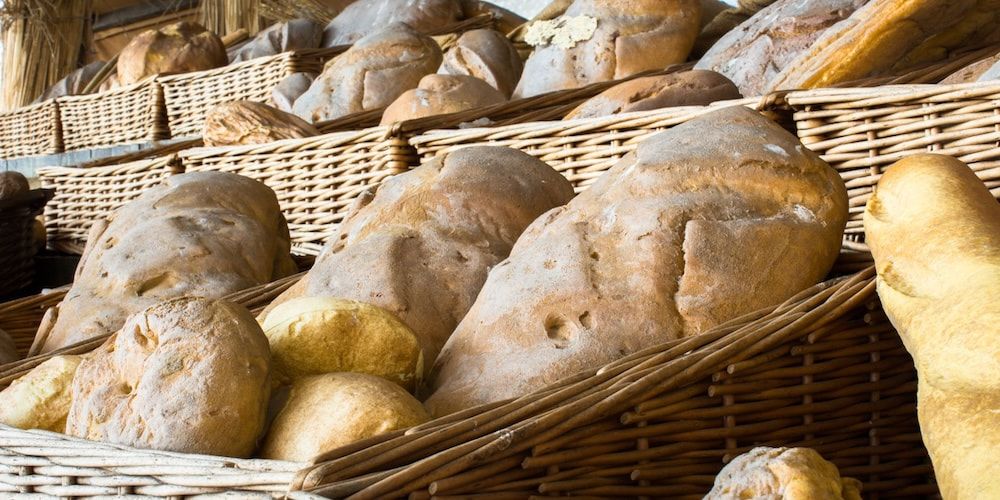

Unmissable during meals, without it the table is considered to be set. What are we talking about? The bread, of course! The key food of the Italian diet is also one of the most wanted products by the tourists during their holidays.
Beloved by everyone equally, it represents a cornerstone not only of diet but also of our history in Italy, taking on distinctive features in each region; bread is a national pride and is perfect with savory goods but also with sweet.
Today, we’ll take a journey through the types of Italian bread through an analysis of the regional traditions from the north to the islands.

Traditional and immortal delight: here are the types of Italian bread
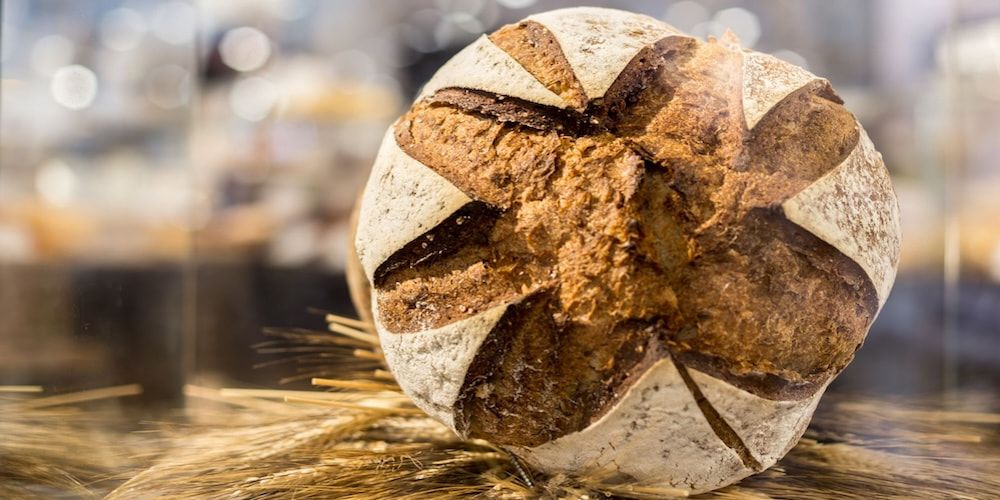
No meal is complete without bread and at the same time, together with a few other ingredients, it can make delicious, tasty and nutritious lunches and dinners; love for bread in our country is comparable perhaps only to that of pizza. Fragrant, soft or crunchy, its smell when freshly baked is one of the best in the world.
Italians love bread so much that in recent years many have started making it at home, rediscovering traditional methods and old family recipes. Today, in fact, there is a trend to use ancient grain flours and experiment for more rustic and distinctive forms of bread.
In Italy there are many types, there are more than 250, which can be divided according to the kind of flour used for preparation. In the North, indeed, soft wheat or other seed flour is mainly used, while in the South, durum wheat flour and bran are preferred.
Let’s begin our journey into the traditions of Italian bread: here is a map of the most famous types of bread, region by region.
The bread of Northern Italy: a mosaic of traditions from the Alps to the plains
Rye bread, Aosta Valley - Our journey into Italian white art begins in the mountains of Aosta Valley, where the predominant type is rye bread, with its intense aroma, firm texture and dark color, a legacy from neighboring France. Definitely perfect for dipping in fondue, a typical regional dish.
Breadsticks, Piedmont - In Piedmont, bread takes on a unique form, because the lords of the table are definitely the breadsticks. Long, crispy and elegant, they reflect the style of the region to which they belong and lightly accompany the meal. Versatile and tasty products, several types exist, from classic and thin ones to the thicker ones, perhaps enriched with flavorings, spices or seeds.
Michetta, Lombardy - In Lombardy, the michetta (or rosetta), or round sandwich with little crumb and a small size, immediately comes to mind. Michettas are the perfect type of Italian bread for a quick lunch or a tasty snack, especially if slices of prosciutto or mortadella are added.
Focaccia, libretti and bread of Triora, Liguria - Liguria is the land of focaccia, tall, soft and fragrant with olive oil, and of many other baked treasures like libretti—small rectangular rolls—and the ancient bread of Triora, the “town of witches.” This rustic loaf is baked on wooden boards with bran, and was once linked to mysterious effects attributed to ergot, a naturally contaminated cereal.
Cookie bread, Veneto - Moving to the North-east, in the Veneto region, we find the well-known cookie bread, which was typical of peasants, who soaked it in breakfast milk. These are small twisted-shaped rolls, rather compact and crunchy, which you crumble with your hands.
Pan de molche, Trentino-Alto Adige - In Trentino-Alto Adige, in the Lake Garda area, the traditional pan de molche takes its name from the olive pressing residues used in the dough, namely the skins and pulp. In line with the “nothing goes to waste” philosophy, these by-products are reworked with traditional flours to create small, soft, and flavorful rolls.
Pan di sorc, Friuli Venezia Giulia - Friuli Venezia Giulia is reminiscent of the strong Mitteleuropean influence and features pan di sorc, which is a sweet-tasting cornmeal loaf. These small buns thus have a yellow color, reminding polenta, and can be savory or sweet, with raisins, dried figs or cinnamon in the dough.
Piadina, tigella and coppia, Emilia-Romagna - Going down beyond the Po River, among the types of Italian bread, we cannot miss that of Emilia-Romagna. In addition to piadine from Romagna and tigelle, we find the distinctive coppia or croce, a sandwich made in Ferrara with the curious shape of a St. Andrew's cross. Crispy and crunchy, with not much crumb, it’s easily found throughout Emilia.
Taste the real focaccia from LiguriaThe bread of Central Italy: where tradition meets simplicity
Pane sciocco, Tuscany - Let’s continue our journey through the types of Italian bread by coming to central Italy, to Tuscany. Here we cannot fail to mention the very famous pane sciocco (or sciapo, in the Lazio variant), that is, prepared without salt. This special tasting bread is perfect to accompany wines, cheeses and cold cuts, whose saltiness is perfectly dampened.
Pan Nociato, Umbria - From the heart of Italy, specifically Umbria, comes pan nociato, which is a rather sweet specialty. As the word itself says, it contains walnut kernels, but also chopped figs and candied citron, and the dough is divided into many small loaves: truly a special type of Italian bread that is worth tasting.
Genzano, Lariano bread, and ciriola, Lazio - Let’s begin with the homemade bread of Genzano, a dark loaf prepared with sourdough, wheat flour and mixed grains. Very similar is Lariano bread from the Colli Albani, rustic and with a darker crust, due to baking on chestnut wood. But we can also find ciriola, the delicious Roman sandwich shaped like a rugby ball.
Filone e crescia sfogliata, Marche - In the Marche region we enjoy the homemade filone, with semolina flour and a crispy, thin crust, but also the delicious crescia sfogliata, often described as a “cousin” of the piadina from Romagna, enriched with milk and eggs. Softer and more delicate in flavor, it’s ideal with soft cheeses, spreads, jams, and creams.
Spiga bread, Abruzzo - We complete this tour of Central Italy’s bread types with Abruzzo, where you shouldn’t miss the spiga bread. It takes its name from the incision made on the surface before baking, which gives it a distinctive wheat-spike shape once cooked. This compact, flavorful loaf has an irresistible aroma and is widely available in local bakeries.
Enjoy all the Abruzzo's delightsThe bread of Southern Italy and the Islands: the warmth of the Mediterranean
Parrozzo, Molise - Let’s conclude our delicious journey through the types of Italian breads with the South. Molise gives us parrozzo, a soft, tasty and rich doughnut-shaped bread made from boiled potatoes and corn flour. Parrozzo derives from “pane rozzo”, “rough bread”, but it also calls to mind the dessert of the same name, also made with cornmeal.
Pane cafone and oil buns, Campania - In Campania we can find the delicious Neapolitan pane cafone, a loaf with a soft, spongy crumb and a very hard, crispy crust: delicious when sliced and accompanied by morsels of buffalo mozzarella. On the opposite end of the spectrum, for those who prefer soft bread, there are also tasty oil buns, perfect for a packed lunch or a savory snack.
Altamura bread and pucce, Puglia - The excellent Altamura DOP bread, once consumed by farmers and shepherds during long working days, is known for its thick, crunchy crust and its yellow semolina crumb. In Salento, pucce are enjoyed: round, flattened focaccias that resemble Middle Eastern unleavened bread, now filled in many ways and a popular street food.
Matera bread, Basilicata - In Basilicata, the jewel of the table is the Matera IGP bread, made from durum wheat semolina. The loaf is tall and hearty and has an elongated, arched shape, as if it were an enormous croissant. Its crumb is also valuable for making pasta with crusco bell peppers.
Chestnut bread, Calabria - In Calabria, on the other hand, we find the excellent and peculiar chestnut bread, with its characteristic brownish color. This is a very ancient product, eaten especially in winter, made chestnut flour to overcome the high price of classic flour. Today it features a dough of half white flour and half chestnut flour.
Muffulette, Sicily - We finish our excursus among Italian bread types with the islands. In Sicily, we can enjoy muffulette, pretty round buns enriched with sesame seeds, reminiscent of hamburger buns. They are traditionally prepared for November 2 (but you can also find them at other times of the year) and are perfect with any kind of cheese or cold cuts, but also with chickpea panelle.
Pane carasau, Sardinia - Finally, in Sardinia, the star is the original carasau bread, which looks like a delicate, thin and crispy sheet of dough, also called music paper because of the noise produced while eating it. It is used dry or even wet to make numerous recipes.
Taste all the typical delights of NaplesTypes of Italian bread: the king of creative recycling
Nothing is thrown away at the table, and Italians are masters of creative recycling while cooking. And how better to create delicious recipes than with left-over bread from the day before? Indeed, with all types of Italian bread, once no longer fresh, you can turn it into something just as tasty.
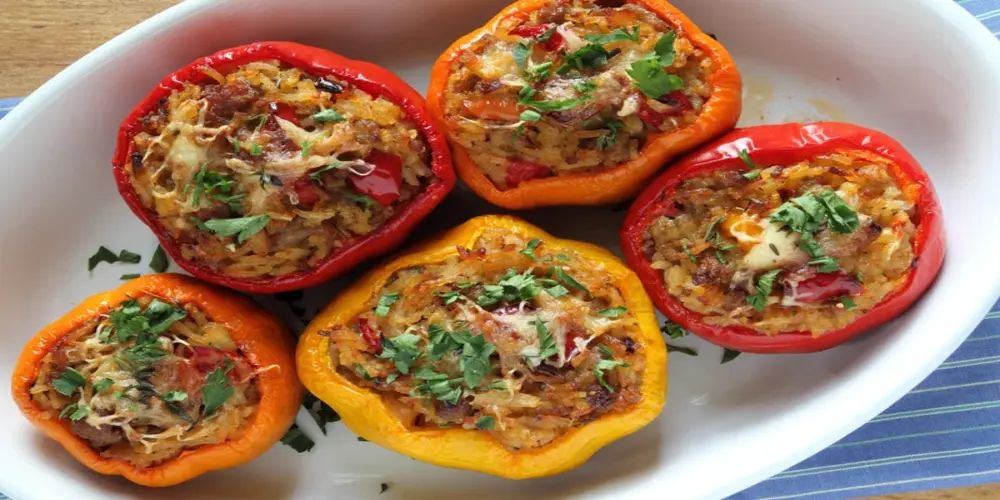
Just think, for example, of the dough for meatballs, which gain flavor and texture with the crumbs, or fillings for baked vegetables, such as peppers or eggplant. In addition, of course, to the idea of grating it to create breadcrumbs, you can also slice it, toast it and use it as a crouton for soups and stews, or for bruschetta.
Bread, in short, is a versatile, magical product, which can give an extra boost to any meal. Now all you have to do is explore Italy from up to down to savor all these irresistible types.
About the author
Valentina Loporchio
Web Editor for visititaly.it. Journalist. Words to live, to work, to smile, to love. I hope to convey to the readers the same amazement that I have in admiring the wonders of Italy.

Valentina Loporchio
Crunchy, fragrant, essential: traditional bread is the soul of the Italian table. Let’s discover regional specialties from Piedmont to Sicily.